
Review · HO CHI MINH CITY
Ho Chi Minh: Tasting Iconic Coffee of 3 Regions in Vietnam
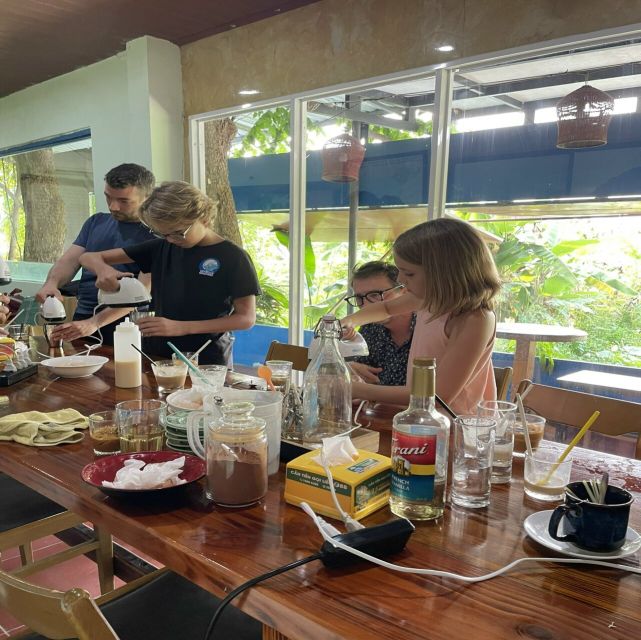
Vietnam’s coffee culture is not one drink, but three distinct ideas in a single short sitting. In this Ho Chi Minh City experience, you make coffee with a traditional phin filter, then taste condensed milk coffee from the south, salt coffee from central Vietnam, and egg coffee from the north.
I like the practical format: you do not just watch someone prepare the drinks, and the small group of no more than 10 people leaves room for questions. I also like the regional angle, since each cup is linked to the character of its city and its people.
The main drawback is the short one-hour schedule and the strong caffeine load. Food is not included as a standard part of the price, and children under 14 may attend free but cannot taste the coffee.
Key points at a glance
- Three regional cups in one hour: Compare southern condensed milk coffee, central salt coffee, and northern egg coffee.
- You brew with a phin: Learn the slow, hands-on method used for traditional Vietnamese coffee.
- A small group keeps it personal: The group is limited to 10 people, with an English-speaking host.
- Guide Quynh adds context: Sessions can include coffee history, photos, brewing advice, and answers to your questions.
- The $21 price covers the core experience: Ingredients, equipment, a coffee specialist, and half-size tastings are included.
- Eat before you arrive: The tasting involves several caffeinated drinks, even though each serving is half-size.
Three regions, three very different coffee ideas
I like this experience because it turns coffee into a quick lesson in Vietnamese geography and local taste. You are not simply sampling three sweet drinks. You are comparing how different parts of the country have adapted coffee to local ingredients and habits.
The southern cup is condensed milk coffee, often associated with Ho Chi Minh City and the south. The central cup is salt coffee, linked here with central Vietnam. The northern cup is egg coffee, a specialty associated with Hanoi and the north.
The point is not that every person in a region drinks only one style. That would be too neat. Instead, the three cups give you an easy way to see how local traditions can develop around the same basic ingredient. The coffee is the common thread, while the preparation and added flavors change from place to place.
For me, this regional comparison is more useful than a basic coffee tasting. You leave with a better sense of Vietnam as a country of distinct local food cultures, not just one national menu.
More Coffee Tastings in Vietnam
- Hanoi Coffee Experience: 6 Brews, 9 Recipes & 3 Liquor Tastings
★ 5.0 · 2,945 reviews - Da Nang Cooking Class with Coffee Tasting and Market Visit
★ 5.0 · 310 reviews - Coffee Farm Tour with Roasting & Tasting Workshop – Da Lat
★ 5.0 · 126 reviews
Starting at 27 Ngo Duc Ke Street
The meeting point is at 27 Ngo Duc Ke Street in District 1, making this a central Ho Chi Minh City activity. You arrange your own way to the meeting point, since hotel pickup and drop-off are not included.
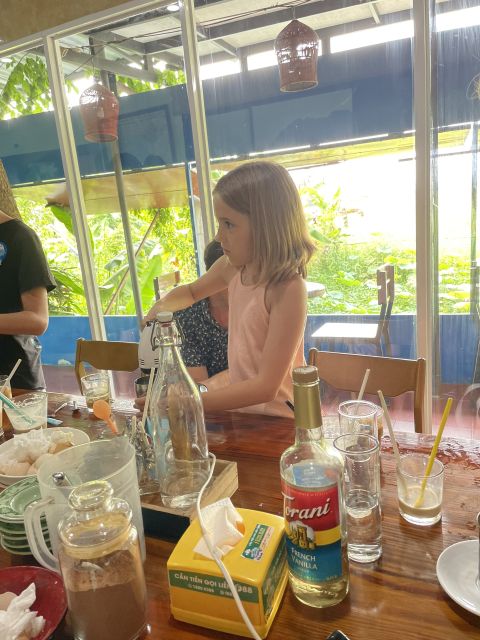
The exact setting may not look like a conventional café. One participant found the venue more like a private coffee-tasting room or apartment than the café shown in some images. That is worth keeping in mind when you arrive. The setting may feel informal and residential rather than polished and restaurant-like.
I would allow a little extra time to find the entrance and settle in. The important thing is to look for the meeting point and the English-speaking host, rather than expecting a large café sign or a full restaurant operation.
The activity is designed for a small group of up to 10 people. That size matters here because the brewing demonstration works best when you can see the equipment and ask questions. It also makes it easier to receive help while using the phin.
Learning the phin before tasting
The traditional Vietnamese coffee maker used here is the phin, a compact metal dripper that sits directly over your cup. It is a simple tool, but the order and pace of the steps matter.
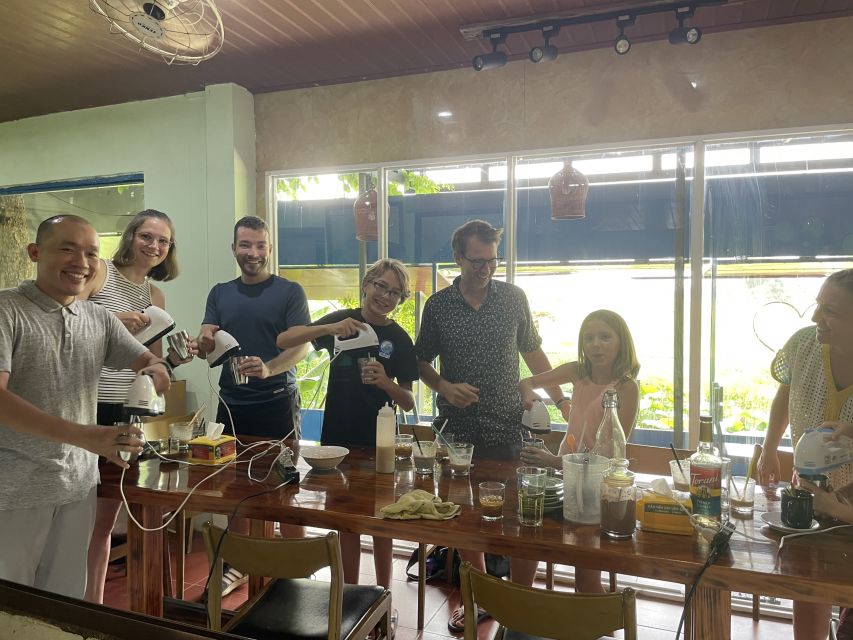
You get hands-on practice rather than only watching the coffee specialist. The session covers the ingredients and equipment, then guides you through the brewing process. A useful part of the experience is seeing how small mistakes affect the final drink.
In one session, the guide had the group make several coffees, including one deliberately prepared badly. That showed why the correct steps matter. It is a small teaching trick, but it gives you a clear reference point. Instead of being told that technique affects flavor, you can taste the difference yourself.
The phin is also a good souvenir of the experience in the practical sense. You may not buy one, but after using it, you will understand what you are seeing when a Vietnamese coffee shop places a metal filter over a glass. The process is slower than an automatic machine, and that slower pace is part of the local coffee ritual.
Do not expect a professional barista qualification in an hour. You will learn the basic method and make coffee under guidance. The value is in understanding the process well enough to recognize the care behind a traditional cup.
The southern style: condensed milk coffee

The first tasting is southern Vietnam’s condensed milk coffee. The sweetened milk softens the strong coffee and gives the drink its familiar dessert-like quality.
This is likely to be the easiest of the three styles for many people to understand. The contrast between dark coffee and sweet milk is direct and memorable. The half-size serving is helpful because the drink can be rich, especially when combined with the other two samples.
The southern style also gives the session a useful connection to Ho Chi Minh City. You are tasting a drink that fits the city’s coffee culture, then preparing it yourself instead of ordering a finished glass. That makes the drink less of a quick refreshment and more of a local food lesson.
The sweetness may not suit you if you prefer black coffee. Still, the small portion makes it easier to try without committing to a full cup. I would treat this as a comparison exercise, not as a chance to choose your favorite café order for the rest of the day.
More Coffee Tastings in Ho Chi Minh City:
- Medellin: Coffee Tour with Transport, Snacks and Tastings
★ 4.7 · 1,357 reviews - Seattle Coffee Tour: Capitol Hill Cafes, Tastings & Local Stories
★ 5.0 · 489 reviews - Buggy Ride Into the jungle with cave coffee & chocolate tasting
★ 5.0 · 465 reviews - Private Walking Tour, Food Tasting and Bosnian Coffee in Sarajevo
★ 5.0 · 255 reviews
The central style: salt coffee
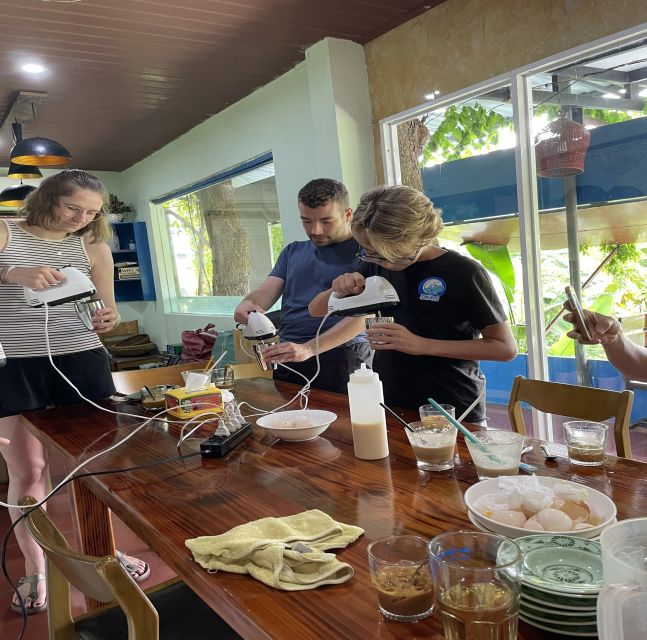
Salt coffee is the most surprising drink in the lineup for many people. It comes from central Vietnam, and the small amount of salt is used to shape the flavor rather than make the coffee taste like seawater.
This is exactly the sort of drink that benefits from explanation. Without context, you might wonder why salt belongs in coffee. With the specialist’s guidance, you can pay attention to how the ingredients balance each other and compare it directly with the sweeter southern style.
The tasting format works well here. You receive a half-size drink, so you can try the combination without being stuck with a large serving if it is not your favorite. The purpose is to understand the regional style, not to force yourself to like every cup.
I would also pay attention to the preparation. Since the activity includes all ingredients and equipment, you can see how the drink is put together and ask the host about the role of each part. The hour moves quickly, so questions are worth asking as they occur to you.
The northern style: egg coffee
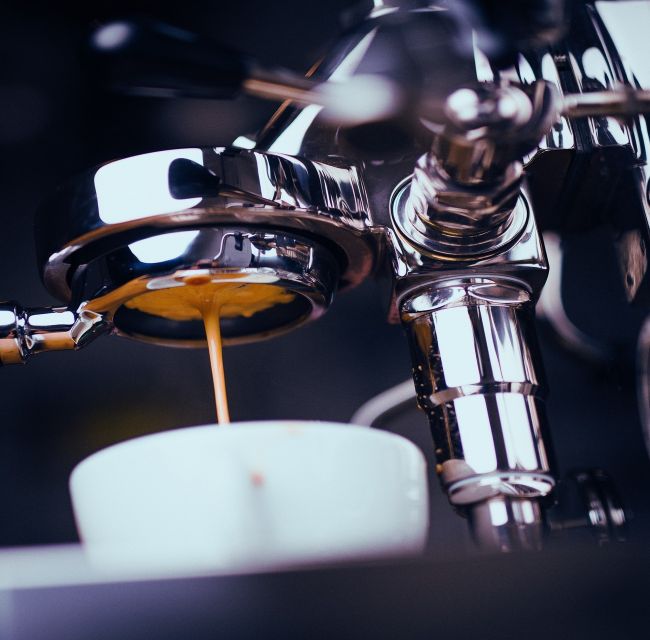
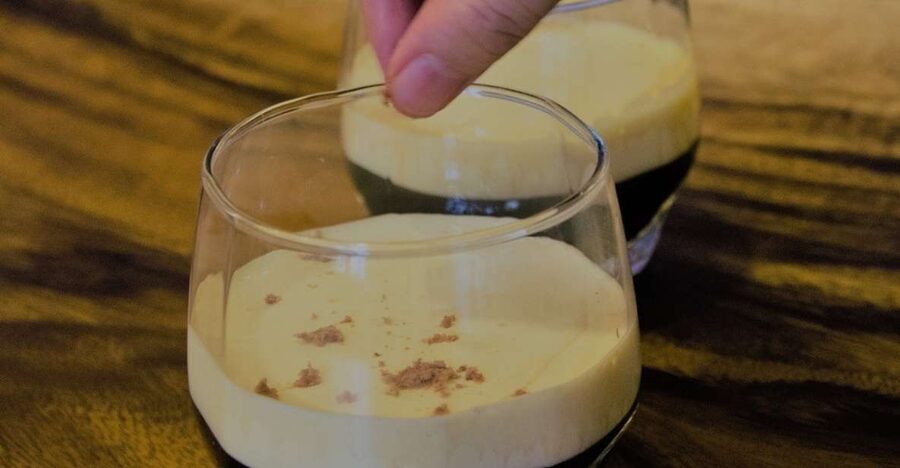
The final regional sample is egg coffee, associated with northern Vietnam. Its creamy topping makes it the most unusual-looking drink of the three and gives the tasting a strong finish.
Egg coffee is a good example of how Vietnamese coffee culture uses local ingenuity to create a drink with its own identity. It is not simply coffee with a little milk. The egg mixture changes the texture and makes the cup feel closer to a small dessert.
The half-size portion is again useful. After the condensed milk and salt coffees, a full egg coffee could be too much. You can taste the northern specialty while keeping the overall session manageable.
The three drinks also create a natural progression. You move from sweet and familiar, to unexpected and savory-leaning, to creamy and dessert-like. Your own favorite may depend on how you take coffee at home, but the contrast is the point.
What the guide adds to the hour
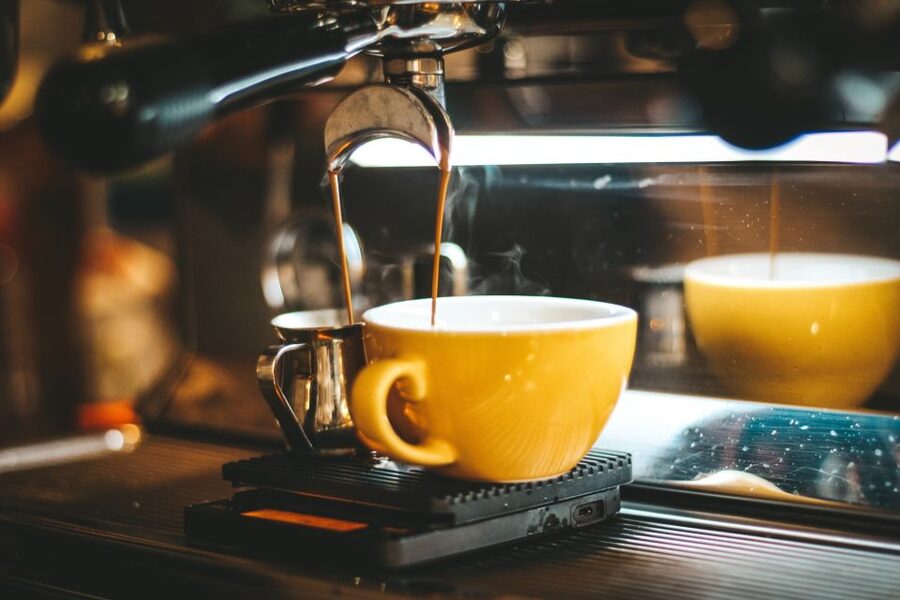
The guide is central to the value of this experience. The host or greeter speaks English and explains the drinks, the regions, the brewing method, and the connection between coffee and local character.
Guide Quynh has used photos to show the history of coffee in Vietnam and has answered detailed questions during the session. That extra visual material can help place the drinks in a wider story, especially if you are new to Vietnamese coffee.
The tone appears flexible rather than rigid. One session ran about 30 minutes over the planned hour because the conversation continued. That should not be treated as a guarantee, but it suggests that the experience can become more conversational when the group has plenty to ask.
There is also a thoughtful human touch in the way the guide handled a participant who felt unwell. A different complimentary food item was provided to suit that person. Food is not listed as a standard inclusion, so you should not book this expecting a meal. Still, the example suggests the host may pay attention to individual needs when possible.
Is $21 a fair price?
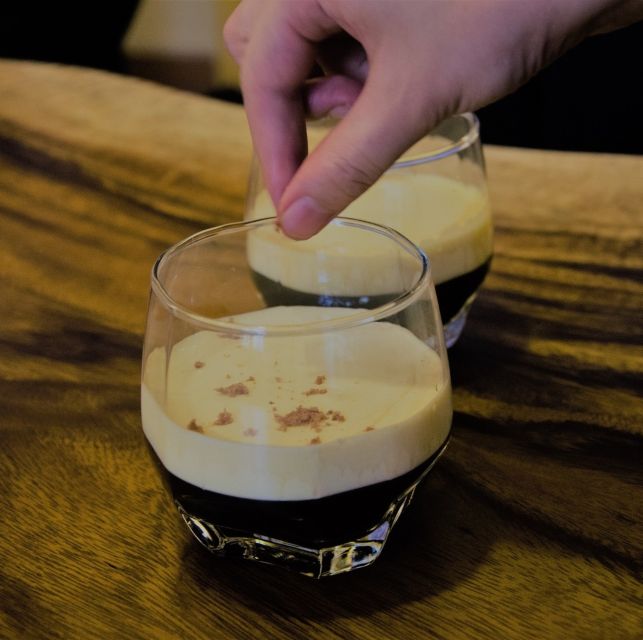
At $21 per person, this is not the cheapest way to drink coffee in Ho Chi Minh City. You can order a coffee on your own for far less. The price makes sense only if you want instruction, background, and a chance to brew several styles yourself.
The fee includes the phin brewing activity, three half-size coffee tastings, all ingredients and equipment, and a coffee specialist. You are paying for access to the teaching format, not just the liquid in the cups.
I consider the price fair for coffee drinkers who want a focused cultural activity with a small group. It is less compelling if you only want a quick drink or already know how to use a phin. The one-hour length also makes it easy to fit between other District 1 plans.
Because the tasting uses several caffeinated drinks, the value is better when you see it as a lesson and tasting rather than a meal replacement. Eat beforehand. One participant specifically noted that the caffeine load was high, even with the smaller portions.
Who should book this experience?
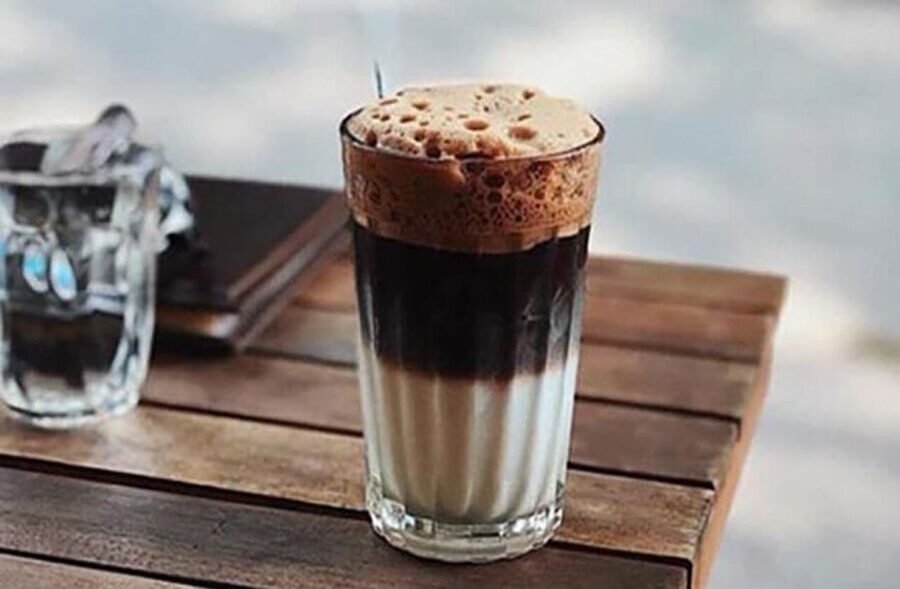
I would recommend it to coffee drinkers, curious eaters, and first-time visitors who want an easy introduction to Vietnamese coffee. It also suits couples, solo visitors, and small groups who prefer conversation over a large organized activity.
It is especially useful early in a Vietnam trip. After the session, you will recognize the phin and understand more of the coffee menu when you order elsewhere. You may also find it easier to decide whether you prefer condensed milk, salt, or egg coffee.
Families need to read the age rule carefully. Children under 14 can attend free, but they cannot take part in the coffee tasting. The activity is also not suitable for wheelchair users, so anyone with mobility needs should consider that before booking.
Coffee beginners should not worry about needing prior experience. The point is to learn the basic process with help. Serious coffee specialists may find the hour introductory, but the regional comparison still offers a useful look at Vietnamese preparation styles.
Practical details before you go
The activity lasts one hour, with starting times depending on availability. I would avoid scheduling it immediately before another fixed appointment, especially since a session can run longer if the conversation continues.
You are responsible for reaching 27 Ngo Duc Ke Street in District 1. There is no hotel transfer, meal, or coverage for personal expenses beyond the listed coffee activity.
Pets are not allowed. The session is conducted in English, and the small-group limit is 10 people.
You can cancel up to 24 hours in advance for a full refund. The reserve-now, pay-later option also lets you hold a place without paying at the time of booking, which is useful when your Ho Chi Minh City schedule is still changing.
My verdict: book it if coffee is part of your Vietnam plans
Book this experience if you want to understand Vietnamese coffee rather than simply drink it. The strongest parts are the hands-on phin practice, the clear north-central-south comparison, and the chance to ask an English-speaking specialist about technique and local habits.
Skip it if you dislike caffeine, want a full meal, need step-free access, or prefer a conventional café setting. You should also arrive fed, since food is not a guaranteed inclusion and the tasting packs several strong flavors and caffeinated drinks into a short hour.
For $21, I see this as a compact introduction to one of Vietnam’s most distinctive food traditions. It gives you a method to try, three regional styles to compare, and enough context to make your next Vietnamese coffee order more informed.
FAQ
Where does the coffee experience take place?
It takes place at 27 Ngo Duc Ke Street in District 1, Ho Chi Minh City.
How long does the activity last?
The scheduled duration is one hour. A session may run longer if the group continues talking and asking questions.
What types of coffee will I taste?
You will taste condensed milk coffee from southern Vietnam, salt coffee from central Vietnam, and egg coffee from northern Vietnam.
Will I learn how to brew Vietnamese coffee?
Yes. You will learn to brew with the traditional phin dripper and use the provided ingredients and equipment.
Are the coffee servings full size?
The three tasting drinks are half-size servings.
Is food included?
Meals are not listed as an included part of the activity. A complimentary food item was provided during one session, but you should eat beforehand and not rely on food being provided.
Can children join?
Children under 14 can attend free of charge but cannot take part in the coffee tasting. The activity is also listed as unsuitable for children under 14.
Is the experience suitable for wheelchair users?
No. The activity is listed as not suitable for wheelchair users.
Can I cancel for a refund?
Yes. You can cancel up to 24 hours in advance for a full refund. You can also reserve now and pay later.
More coffee with something to eat in Ho Chi Minh City
- Ho Chi Minh Street Food Tour and Vietnamese Coffee
★ 5.0 · 28 reviews - Ho Chi Minh Best Walking Tour: Food, Coffee & History
★ 5.0 · 19 reviews - Sai Gon Special Coffee At Landmark 81 & Street Food tour
★ 5.0 · 3 reviews - Saigon Special Night Coffee Landmark 81 & Food Tour
★ 5.0 · 2 reviews
Freshly brewed listings in Ho Chi Minh City
- Saigon Special Night Coffee Landmark 81 & Food Tour★ 5.0 · 2 reviews
- Tea & Coffee Experience★ 5.0 · 10 reviews
- Hands-on making 3 Iconic Coffees of South Central North Vietnam★ 5.0 · 14 reviews
- Private Ho Chi Minh City Tour from Port & Vietnamese Egg Coffee★ 5.0 · 6 reviews
- Sai Gon Special Coffee At Landmark 81 & Street Food tour★ 5.0 · 3 reviews
- [Free E-sim] Half day Instagram Cafe Tour in Ho Chi Minh★ 4.5 · 8 reviews
- Drip Craft Coffee Workshop-Discover 4 Famous Types of Viet Coffee★ 5.0 · 2 reviews
- Discover Vietnam’s Coffee Culture.★ 5.0 · 5 reviews
Ho Chi Minh City Coffee Tours, compared.
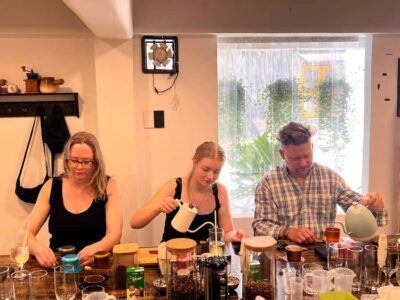
Egg coffee & Course on 4 traditional types of Viet coffee
Read our review →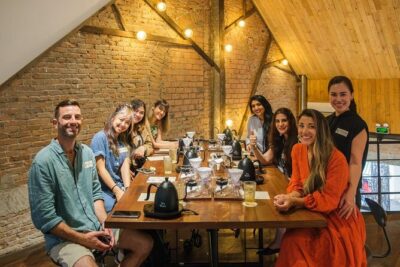
Fun & Easy Vietnamese Coffee Workshop in Hồ Chí Minh City
Read our review →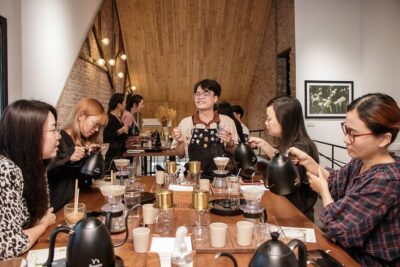
Vietnamese Coffee & Culture Exploration in Hồ Chí Minh City
Read our review →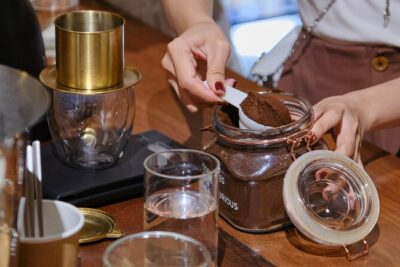
Decadent Vietnamese “Egg Coffee” Workshop in Hồ Chí Minh City
Read our review →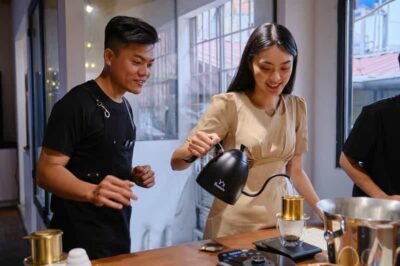
Ho Chi Minh City: Fun and Easy Coffee Workshop for Beginners
Read our review →
Techniques & Secrets Behind the Famed Vietnamese Egg Coffee
Read our review →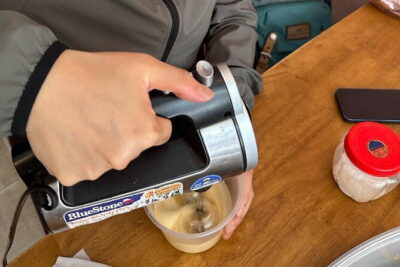
1 hour Egg Coffee Cooking Class with Snack and Local Instructor
Read our review →
Saigon Unseen: Culture, Coffee, Hidden Spots Motorbike Adventure
Read our review →Browse the lists this tour appears in