
Review · HO CHI MINH CITY
Vietnamese Coffee & Culture Exploration in Hồ Chí Minh City
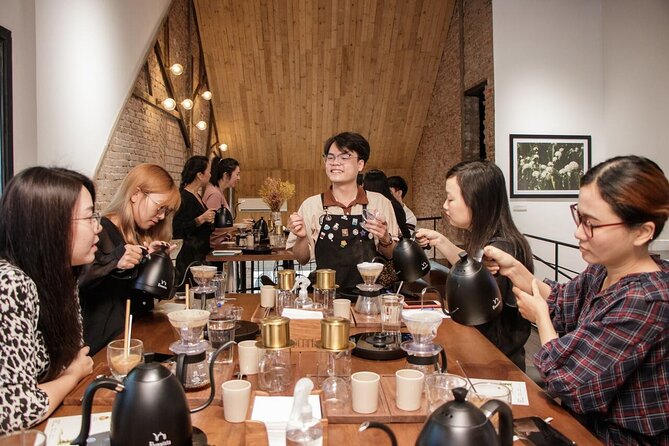
Vietnamese coffee is not just a strong drink served over ice. At Lacàph Coffee, you get close to the full process, from the crackle of roasting beans to the slow drip of a phin filter. Short films and stories connect the cup to Hanoi, Đà Lạt, and Chợ Lớn in Ho Chi Minh City.
I like two things right away: the hands-on brewing gives you something to do, and the session covers more than one blend and style of coffee. Guides such as Sui, Abby, Vi, Joey, and Tri are praised for clear teaching and friendly conversation.
The main consideration is simple: this is a coffee-focused class, not a broad city tour. You also need to arrive ready for several tastings, so start the morning lightly caffeinated if you want to enjoy every cup.
Key points
- Roast a small batch of Lacàph Phin Blend: Hear the beans crackle, smell the changing aroma, and watch a small roasting session up close.
- Brew two coffee blends: You take part in preparing coffee rather than only drinking samples.
- Learn the story behind Vietnamese coffee: Short films travel from Hanoi to Đà Lạt and Chợ Lớn while guides explain local coffee customs.
- Taste more than standard iced coffee: The experience covers styles such as phin coffee, salted coffee, egg coffee, and condensed-milk iced coffee, though the exact tasting lineup can vary.
- Finish in about two and a half hours: The 10:00 a.m. start leaves much of your afternoon open for museums, markets, or a walking tour.
- Small-group setting: A maximum of 18 people keeps the session more personal than a large food tour.
Starting at Lacàph Coffee on Nguyễn Công Trứ
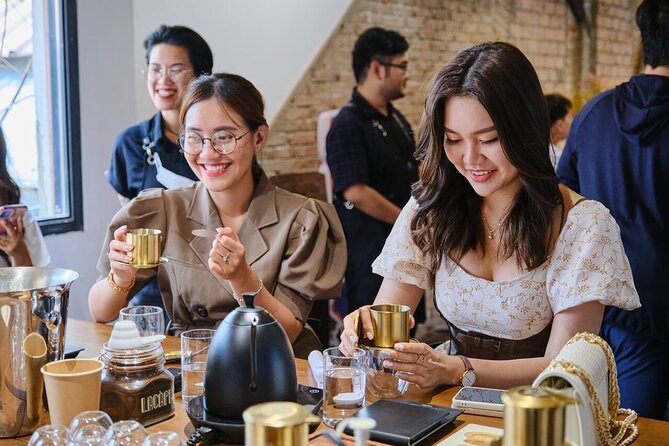
The experience begins at the Lacàph Coffee Experiences Space, upstairs at 220 Nguyễn Công Trứ in District 1. You meet at 10:00 a.m. and return to the same place when the session ends.
That central location makes this an easy add-on to a morning in Ho Chi Minh City. The venue is near public transportation, and the fixed meeting point keeps the logistics simple. You do not spend part of the morning chasing a guide through several neighborhoods.
The setting is a café rather than a farm or factory. That matters. You will not see coffee growing in the Central Highlands, but you will get a neat, comfortable introduction to how Vietnamese coffee is prepared and enjoyed. If your schedule already includes Đà Lạt or a rural coffee area, this class gives you a useful city-based complement.
The group can include up to 18 people. That is not a private lesson, but it is small enough for a guide to explain the equipment, demonstrate the methods, and answer questions without turning the session into a stage show.
More Vietnamese Coffee Experiences in Ho Chi Minh City
- Egg coffee & Course on 4 traditional types of Viet coffee
★ 4.9 · 487 reviews - Fun & Easy Vietnamese Coffee Workshop in Hồ Chí Minh City
★ 5.0 · 293 reviews - Vietnam Coffee Journey – Make extraordinary tasty coffee yourself
★ 5.0 · 30 reviews
A sensory opening before the first cup
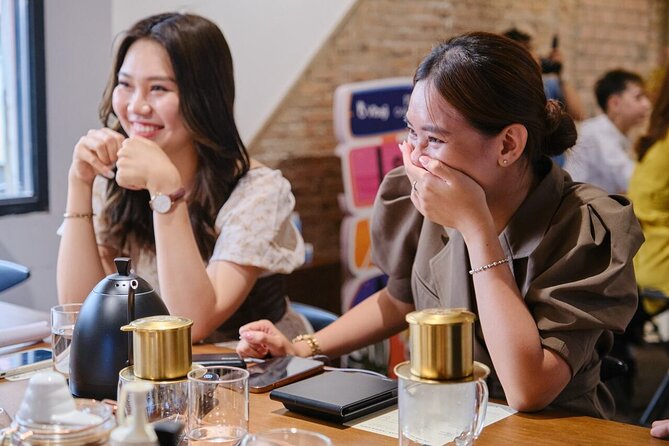
The class starts with a multi-sensory activity. The purpose is to make you pay attention to more than taste. Coffee has a smell, sound, texture, color, and temperature, and the opening exercise sets up that idea before you start brewing.
This is a smart way to begin because Vietnamese coffee can be intense. Robusta beans, dark roasting, condensed milk, and ice create a very different experience from a mild café au lait. Once you notice the aroma and texture, you have a better chance of understanding why the drinks taste the way they do.
Your guide then places coffee within Vietnam’s wider culture. The session uses a short in-house documentary series with scenes and stories connected to Hanoi, Đà Lạt, and Chợ Lớn. These locations help show that Vietnamese coffee is not one single tradition.
Hanoi is associated with northern coffee habits and the familiar café culture found around the capital. Đà Lạt is tied to Vietnam’s highland coffee-growing areas. Chợ Lớn brings in the Chinese-Vietnamese side of Saigon’s food and commercial culture. You get a sense of place without leaving the café.
Roasting the Lacàph Phin Blend
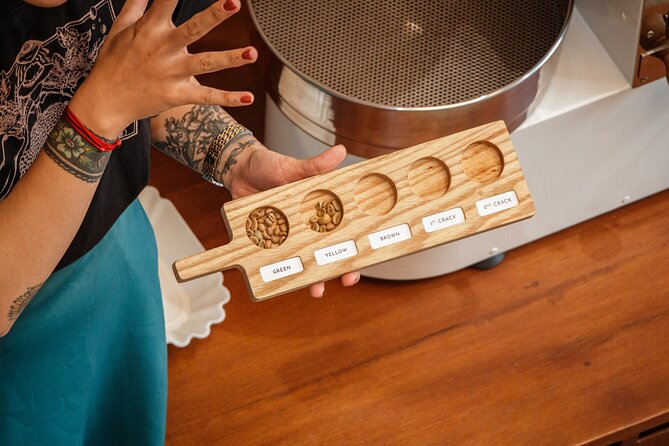
One of the most memorable parts is the small-batch roasting of the Lacàph Phin Blend. You hear the beans crackle and smell the aroma shift as they roast. That sound is easy to miss when coffee arrives already ground and packaged, so this brief demonstration gives the process a physical presence.
The session does not promise a full roasting workshop, and you should not expect to roast a large personal batch. Instead, you watch a small amount of coffee being prepared and learn what changes during the process. It is enough to connect the finished drink with the beans that produced it.
I like this section because it gives you a better vocabulary for tasting. After seeing and smelling the roast, you can pay attention to bitterness, body, sweetness, and aroma with more purpose. You also gain a practical reason to ask about roast level and bean type when ordering coffee elsewhere in Vietnam.
Brewing two blends by hand
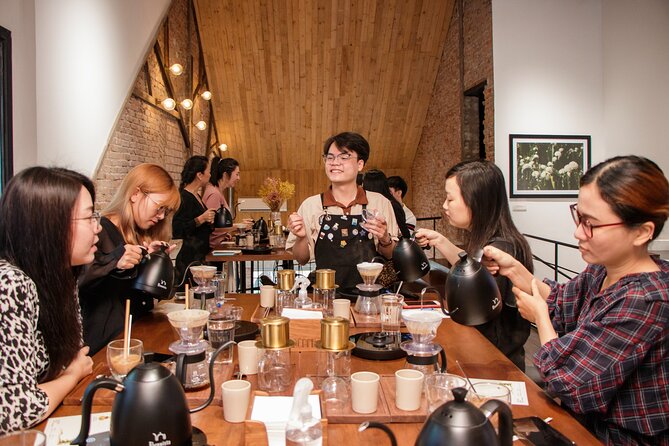
The guides lead you through brewing two Lacàph blends. The exact pace depends on the group, but the point is participation. You do not simply sit while someone pours coffee for you.
The phin filter is central to the lesson. This small metal brewer rests on top of a cup and allows coffee to drip slowly. The method takes longer than an espresso machine, but the wait is part of the ritual. It also helps explain why Vietnamese coffee often arrives as a concentrated drink with ice or condensed milk.
The session also introduces pour-over preparation, according to the experience details shared by people who took part. This comparison is useful because the two methods create different textures and pacing. The phin feels closely linked to everyday Vietnamese café life, while pour-over gives you another way to taste the coffee itself.
The instructor explains each step, then gives you time to follow along. Guides named Sui, Abby, Vi, Joey, and Tri have led sessions, and the teaching style is a major part of the experience. Sui is praised for patient instruction, while Abby is noted for covering coffee origins and several Vietnamese variations. Vi is described as friendly and well informed, and Joey is praised for making the class both clear and good value.
Those details matter because a coffee class depends heavily on its presenter. A well-organized guide can turn a basic tasting into a useful lesson. The experience has a very strong overall rating, but the more practical point is that the guide’s personality shapes how much you get from the morning.
Same town, another way to drink it:
- Decadent Vietnamese “Egg Coffee” Workshop in Hồ Chí Minh City
★ 5.0 · 150 reviews - Ho Chi Minh City: Fun and Easy Coffee Workshop for Beginners
★ 4.9 · 121 reviews - Techniques & Secrets Behind the Famed Vietnamese Egg Coffee
★ 5.0 · 99 reviews - 1 hour Egg Coffee Cooking Class with Snack and Local Instructor
★ 5.0 · 72 reviews
Tasting Vietnamese coffee beyond the usual iced cup
The familiar drink is cà phê sữa đá, strong coffee mixed with sweetened condensed milk and served over ice. You will learn where this style fits within Vietnamese coffee culture, rather than treating it as a novelty drink.
Salted coffee is another style covered in the sessions. The salt does not simply make the drink salty. It can soften bitterness and change the balance between coffee, sweetness, and creaminess. Egg coffee may also be discussed or tasted, depending on the session.
One important qualification: egg coffee was not included for everyone. A specific experience with the class noted that the participant would have liked to make egg coffee but did not. So you should not book this expecting a guaranteed egg-coffee workshop.
That small variation is worth keeping in mind. The experience description includes different Vietnamese coffee styles, but it does not set out a fixed menu for every group. If one particular drink matters to you, ask the provider before booking.
Light snacks come with the coffee. Cocoa cashews received special praise, and other sweet treats are designed to work with the drinks. This is not a full breakfast or a meal, but the snacks help balance the strong coffee and make the tasting easier on your palate.
Because you may sample several coffees, I would avoid arriving heavily caffeinated. One person specifically advised arriving with little or no coffee already in your system. That is sound advice, especially if you are sensitive to caffeine.
Stories from Hanoi, Đà Lạt, and Chợ Lớn
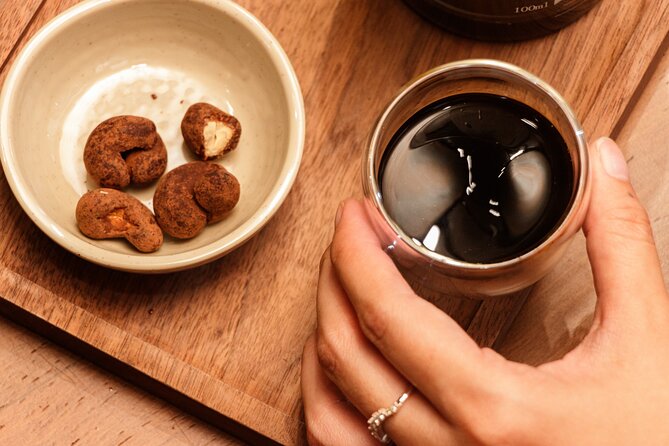
The short films are more than background decoration. They give the class a wider frame, linking coffee to people, places, and regional habits across Vietnam.
You move from Hanoi to Đà Lạt and then to Chợ Lớn through the in-house film series. The format keeps the class from becoming a technical lesson about beans alone. You hear about coffee as part of daily life, commerce, and local identity.
This section is especially useful if you are new to Vietnam. You may already know Vietnamese coffee as a sweet iced drink, but the class shows that the country has several coffee traditions and a long relationship with café culture.
The films also help the session feel more grounded. You are not only tasting a branded product in a polished café. You are being shown how coffee fits into different parts of the country. The result is still a presentation, so it does not replace visiting those places yourself, but it adds context to the cup in front of you.
What the two-and-a-half-hour schedule means
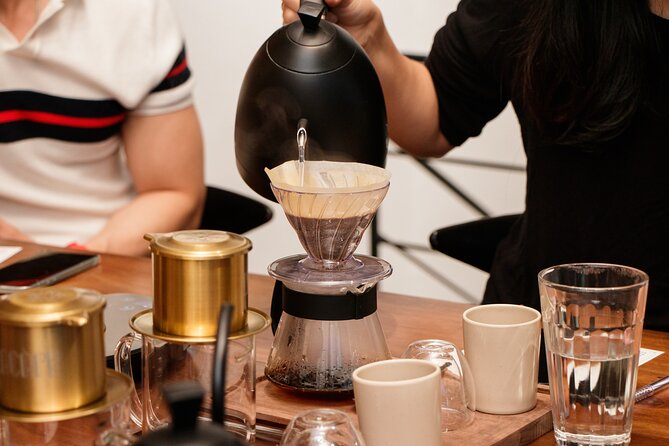
The experience runs for about two hours and 30 minutes, beginning at 10:00 a.m. That makes it a manageable morning activity. You finish back at the same meeting point with most of the day still available.
I see this timing as one of the best features. Ho Chi Minh City can feel hot and busy later in the day, so a seated indoor activity works well before lunch. Afterward, you can continue around District 1, visit another attraction, or keep the afternoon open.
The schedule is also short enough for people who do not want a full-day food tour. You get several tastings, a roasting demonstration, cultural films, and instruction without committing an entire day.
The trade-off is that the experience cannot cover every detail of Vietnamese coffee in one sitting. If you want a long technical lesson on growing, processing, grading, and commercial export, this is not that. It is a focused introduction with enough hands-on work to make the subject memorable.
Is $29.68 fair value?
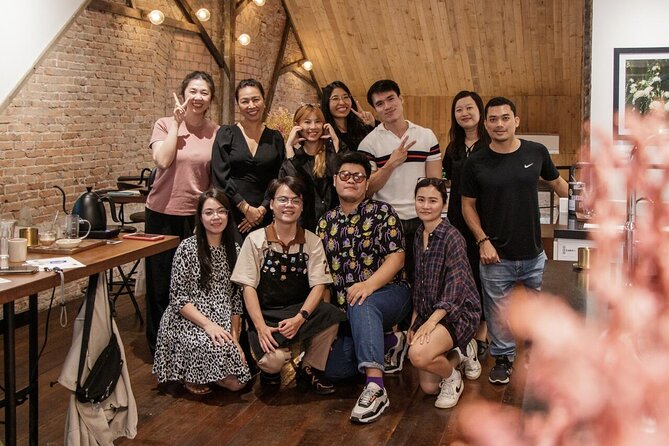
At $29.68 per person, I consider this a reasonable price for a guided coffee lesson in central Ho Chi Minh City. You are paying for the guide, venue, several coffee preparations, snacks, a roasting demonstration, and the chance to brew rather than only watch.
The value is strongest if you enjoy coffee or want a cultural activity with a clear focus. You can leave with a better understanding of the phin filter and a more informed sense of why Vietnamese coffee tastes so bold and sweet.
It is less compelling if you only want a quick cup. You could spend far less at a regular café, but that would not include the explanation, roasting, tasting comparisons, films, or guided preparation.
A tote bag has also been included in at least one session. Since it is not listed as a formal feature, treat it as a possible extra rather than part of the guaranteed value.
The activity is typically booked about 19 days ahead. That suggests planning ahead is sensible, especially if you have fixed dates in Ho Chi Minh City. Confirmation arrives at booking, and free cancellation is available if you cancel at least 24 hours before the 10:00 a.m. start. Late cancellations and changes are not accepted for a refund.
Who should book this coffee experience?
I would choose this for:
- Coffee drinkers who want to understand Vietnamese preparation methods
- First-time visitors looking for a calm cultural activity in District 1
- Couples, families, and older children who can enjoy a seated lesson
- People who want a short morning plan rather than a full-day excursion
- Anyone curious about phin, salted, egg, and condensed-milk coffee
- Visitors who enjoy food and drink stories as much as tasting
You may want something else if you dislike strong coffee, avoid caffeine, or expect a countryside coffee-farm visit. You should also keep your expectations flexible about the exact drinks served, since egg coffee was not part of every session.
Practical details before you go
Use the mobile ticket and go to the upstairs Lacàph Coffee Experiences Space at 220 Nguyễn Công Trứ. The tour ends where it starts, which makes it easy to plan your next stop.
The group maximum is 18 people. The experience is near public transportation, but the supplied details do not specify a hotel pickup service, so plan to make your own way to the meeting point.
The session is held in the morning and includes coffee and light snacks. Arrive ready to taste several preparations, and avoid drinking a large coffee just before the class.
The activity has a five-out-of-five rating from 202 reviews and is recommended by 100 percent of the people who rated it. That is a strong signal, particularly because the praise focuses on concrete qualities: clear instruction, friendly guides, a comfortable café, good presentation, useful cultural context, and generous tasting content.
Should you book the Lacàph coffee class?
Book it if you want more than a photograph of a Vietnamese iced coffee. The roasting, phin brewing, comparison of blends, films, and regional stories give you a solid two-and-a-half-hour introduction to a major part of daily life in Vietnam.
The best reason to choose it is the combination of teaching and tasting. You get practical knowledge without spending a full day in a classroom. Just remember that the experience is indoors, city based, and centered on coffee rather than a general Ho Chi Minh City tour.
If you are a serious coffee fan, arrive with an empty stomach for caffeine and ask ahead about the exact tasting lineup. If you are simply curious and have a free morning in District 1, the price and focused schedule make this an easy activity to add.
FAQ
Where does the Vietnamese coffee experience begin?
It begins at the Lacàph Coffee Experiences Space upstairs at 220 Nguyễn Công Trứ, Phường Nguyễn Thái Bình, District 1, Ho Chi Minh City.
What time does the activity start?
The activity starts at 10:00 a.m.
How long does the experience last?
It lasts approximately two hours and 30 minutes.
Where does the activity end?
It ends back at the Lacàph Coffee meeting point.
How many people can join the group?
The maximum group size is 18 people.
What coffee activities are included?
You learn about Vietnamese coffee, watch a small batch of Lacàph Phin Blend being roasted, and take part in brewing two Lacàph blends.
Are snacks included?
Yes. Light snacks and sweet treats are included with the coffee tastings.
Is egg coffee guaranteed?
No. Egg coffee is mentioned among the Vietnamese coffee styles discussed in the experience, but it was not included in every session.
Can I cancel for a full refund?
Yes, if you cancel at least 24 hours before the experience start time. Cancellations or changes made less than 24 hours before the start are not refunded.
Freshly brewed listings in Ho Chi Minh City
- Saigon Special Night Coffee Landmark 81 & Food Tour★ 5.0 · 2 reviews
- Tea & Coffee Experience★ 5.0 · 10 reviews
- Hands-on making 3 Iconic Coffees of South Central North Vietnam★ 5.0 · 14 reviews
- Private Ho Chi Minh City Tour from Port & Vietnamese Egg Coffee★ 5.0 · 6 reviews
- Sai Gon Special Coffee At Landmark 81 & Street Food tour★ 5.0 · 3 reviews
- Drip Craft Coffee Workshop-Discover 4 Famous Types of Viet Coffee★ 5.0 · 2 reviews
- Discover Vietnam’s Coffee Culture.★ 5.0 · 5 reviews
- [Free E-sim] Half day Instagram Cafe Tour in Ho Chi Minh★ 4.5 · 8 reviews
Ho Chi Minh City Coffee Tours, compared.
Egg coffee & Course on 4 traditional types of Viet coffee
Read our review →
Fun & Easy Vietnamese Coffee Workshop in Hồ Chí Minh City
Read our review →
Decadent Vietnamese “Egg Coffee” Workshop in Hồ Chí Minh City
Read our review →
Ho Chi Minh City: Fun and Easy Coffee Workshop for Beginners
Read our review →
Techniques & Secrets Behind the Famed Vietnamese Egg Coffee
Read our review →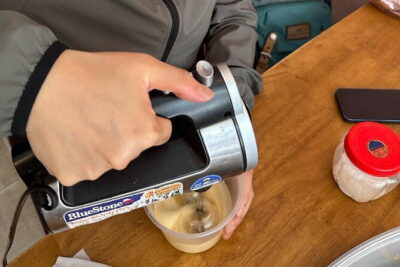
1 hour Egg Coffee Cooking Class with Snack and Local Instructor
Read our review →
Saigon Unseen: Culture, Coffee, Hidden Spots Motorbike Adventure
Read our review →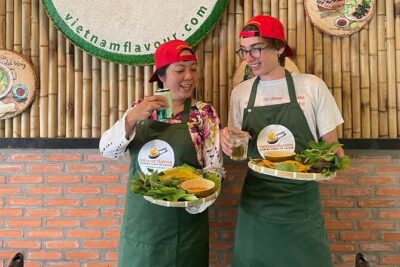
Vietnam Flavour: Market-to-Table & The Art of Egg Coffee
Read our review →Browse the lists this tour appears in