
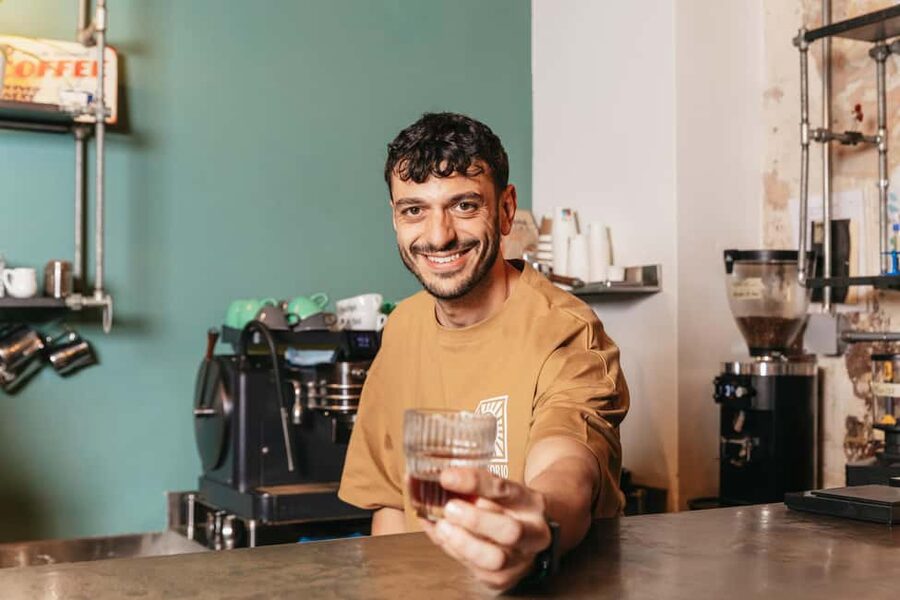
Review · ROME
Specialty Coffee Workshop & Tasting Experience in Rome
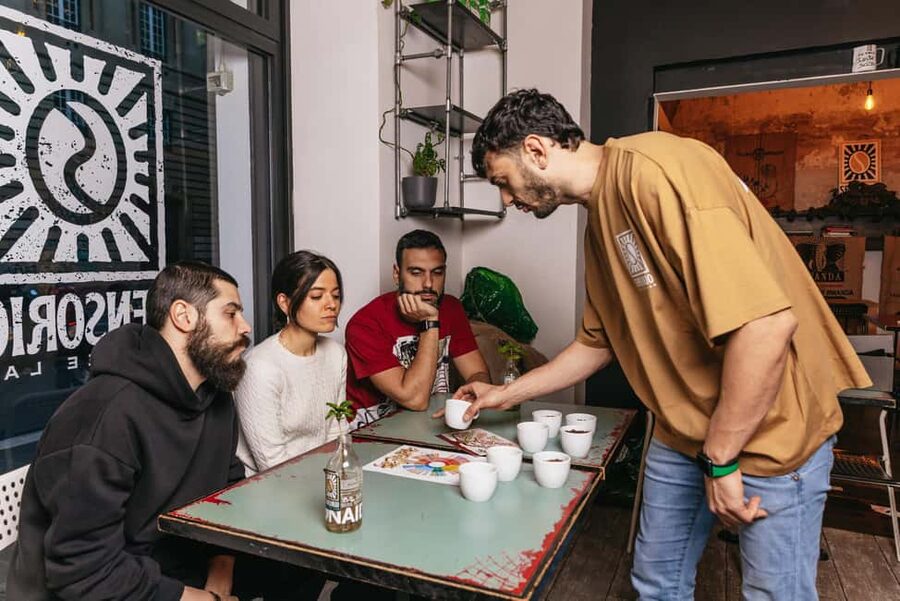
Coffee in Rome is usually a quick pleasure: stand at the bar, order an espresso, drink it in two sips, and move on. This workshop slows that ritual down and shows you what is actually in the cup, from green coffee beans to espresso extraction and pour-over brewing. You taste about six to eight coffees, not just one.
I like the small group of up to 10 people, which gives the guide room to explain things and answer questions. I also like the direct comparison between espresso and filter coffee, since the same bean can taste quite different depending on how it is brewed. The main consideration is that this is a coffee lesson, not a meal or a general Rome tour, so it will suit serious coffee fans more than anyone hoping for a quick caffeine stop.
Key points
- Taste six to eight coffees: Try roughly 3 to 4 espressos and 3 to 4 filter coffees.
- Start with green beans: Learn how the raw coffee bean and its processing affect the final taste.
- Compare brewing methods: See how espresso and filter techniques change aroma, body, and flavor.
- Get hands-on with pour-over: The session includes a look at what goes into preparing a filter coffee.
- Meet in central Rome: The coffee shop is about a 20-minute walk from the Trevi Fountain.
- Learn in a small group: The maximum group size is 10, with Italian and English instruction.
Why This Rome Coffee Workshop Is Different
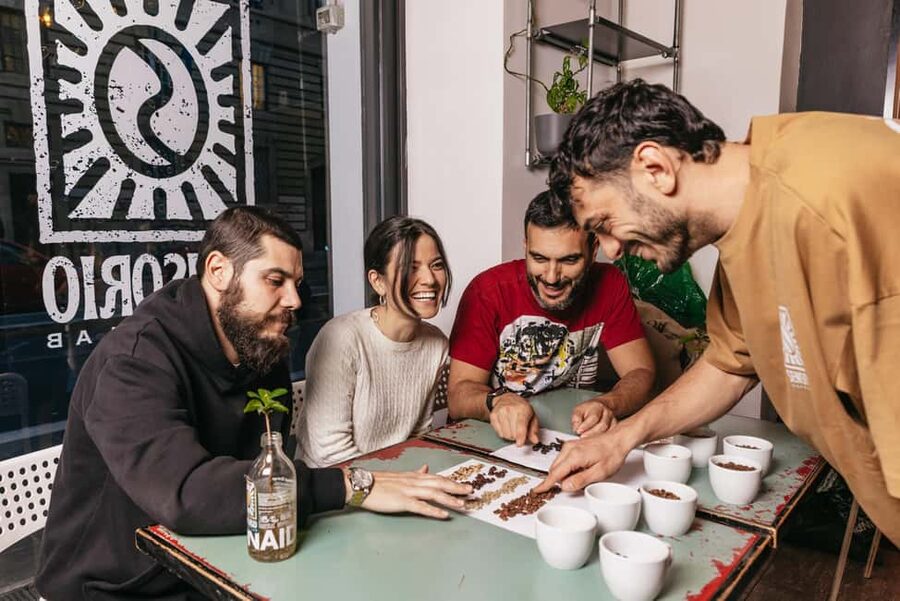
This experience treats coffee as a food with its own growing, processing, roasting, and brewing choices. That may sound technical, but the practical payoff is simple: you learn why one cup tastes bitter, another tastes sweet or fruity, and a third feels heavier or lighter in the mouth.
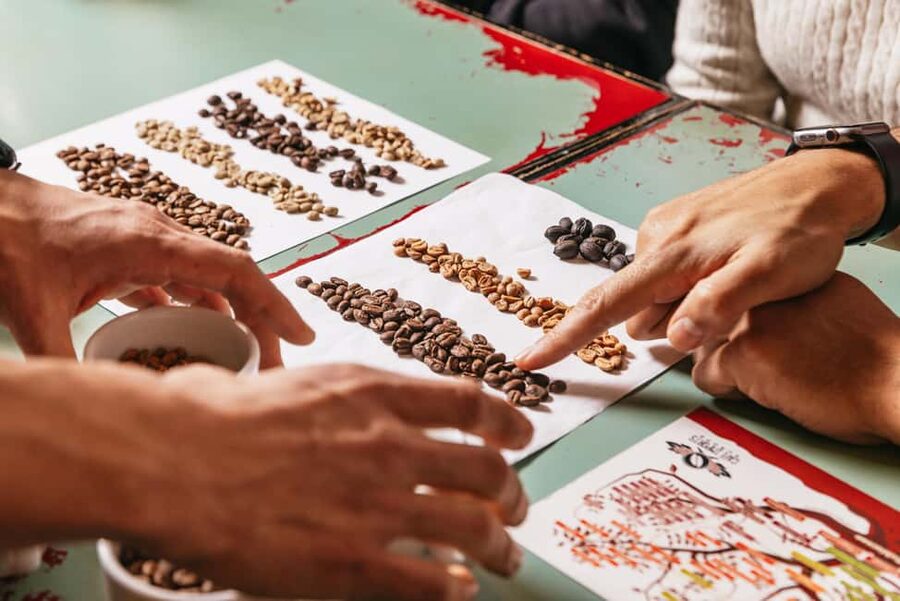
You start with coffee in its raw form. Green beans do not look like the dark, familiar beans you see in a grinder. Their condition and processing help shape the flavor you later taste, so this opening lesson gives you useful context before the cups arrive.
That context matters in Italy, where coffee culture often focuses on speed and habit. A Roman espresso is usually small and intense, but this workshop asks you to pause and notice its aroma, texture, aftertaste, and balance. You are not only learning how to drink coffee. You are learning how to compare it.
The session is suitable for a beginner because the tasting is guided. You do not need to arrive with the vocabulary of a barista. At the same time, someone already interested in specialty coffee should find enough variety in the samples and brewing discussion to make the 90 minutes worthwhile.
More Specialty Coffee Tours in Italy:
- The Specialty Coffee Roastery Tasting Experience in Turin
★ 5.0 · 2 reviews - Cartagena: Colombian Specialty Coffee Tasting
★ 4.4 · 130 reviews - Coffee Farm Tour with Roasting & Tasting Workshop – Da Lat
★ 5.0 · 126 reviews
Starting With Green Coffee Beans
The first part looks at the raw material: beans that are still green. You learn how coffee begins before roasting and how processing can influence the character of the finished drink.
This is one of the most useful parts for a casual coffee drinker. Terms such as washed, natural, or processed coffee can seem remote when you see them on a bag, but the workshop connects those choices to what you taste. You begin to understand that flavor is not created only by the machine or the barista.
The exact lesson will depend on the group and the guide, but the purpose is clear. You examine what makes a coffee bean worth tasting and how flaws can affect a cup. The session also helps you separate the quality of the bean from the way it has been prepared.
That distinction is important. A good bean can be poorly brewed, and a careful brewing method cannot completely rescue a damaged or low-quality bean. By beginning with the bean itself, the workshop gives you a better way to judge both.
Espresso Tasting: Small Cups, Big Differences
The espresso portion includes about three to four separate tastings. These are not meant to be gulped down as a single caffeine hit. You compare them and look for differences in aroma, flavor, body, and finish.
Espresso packs water and coffee into a short extraction, so small changes in technique can have a large effect. The guide explains how preparation can bring out pleasant qualities or create unwanted bitterness and harshness. You learn to notice the difference instead of treating every strong coffee as the same.
This is where the workshop can change your morning routine. You may begin to pay attention to whether an espresso tastes balanced or simply intense. You may notice sweetness, acidity, or a dry finish that would have gone unnoticed during a hurried stop at a Roman café.
A tasting of three or four espressos also gives you enough range for a real comparison. One sample alone teaches you very little. Several cups let you test your own palate and see how your impressions change from one coffee to the next.
The amount of caffeine is worth considering. Six to eight tastings in 90 minutes can be a lot for some people, even if the portions are small. If you are sensitive to coffee, ask the guide about pacing and tasting rather than drinking every sample in full.
Filter Coffee and the Pour-Over Method
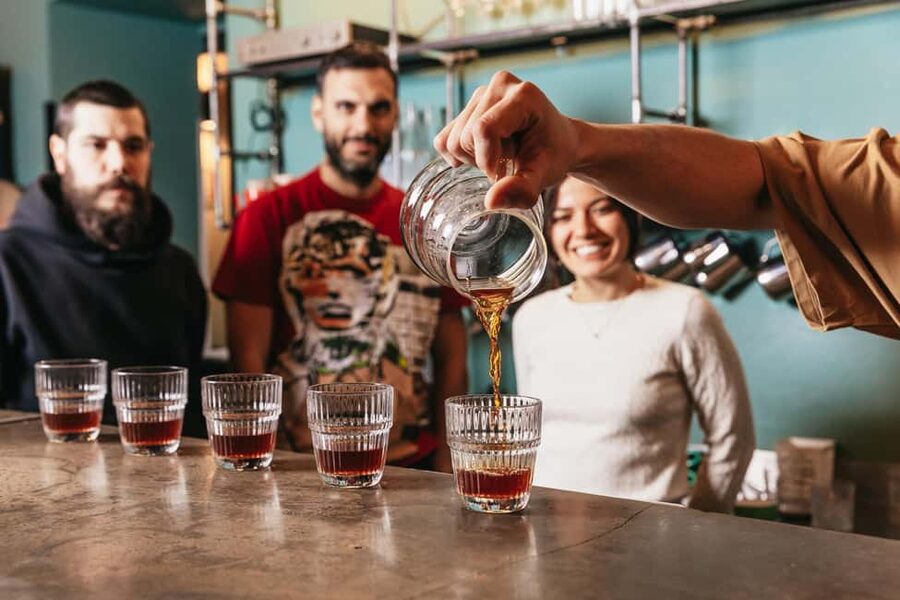
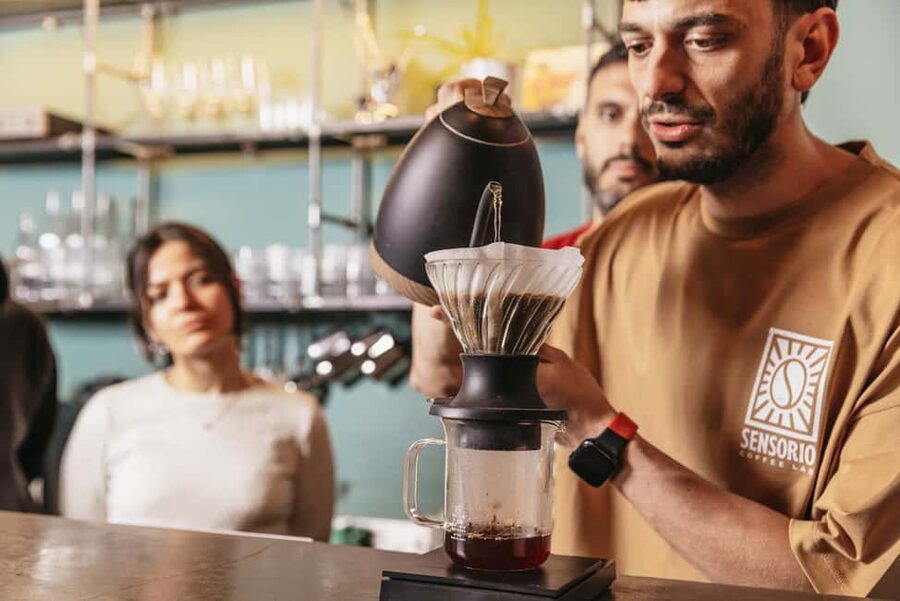
The filter section gives you a different view of coffee. The workshop includes three to four filter tastings, with a pour-over preparation that lets you see how the coffee is made.
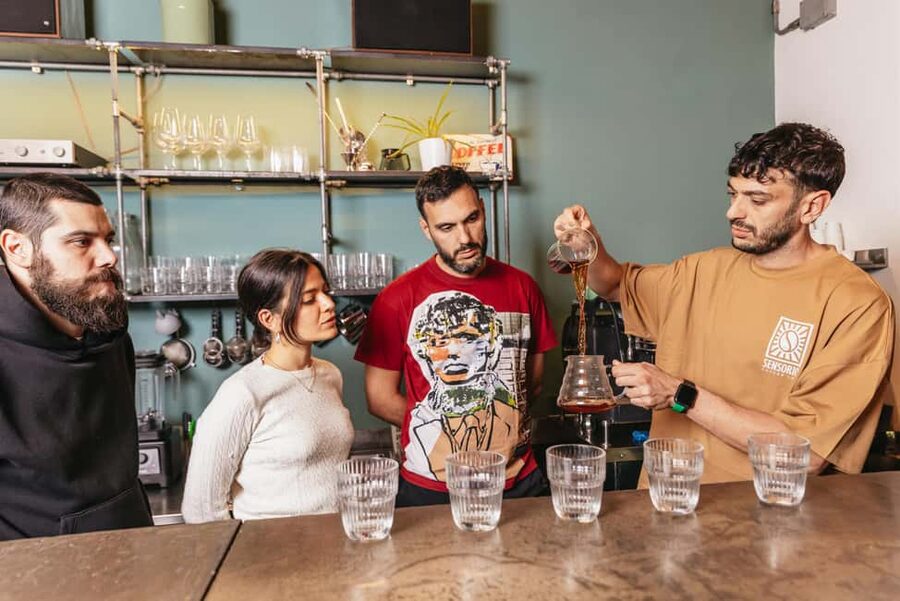
Unlike espresso, filter coffee usually gives aroma and flavor more room to develop in the cup. You can pay closer attention to lighter notes and the way the coffee changes as it cools. The guide explains how brewing choices affect the final result, including the relationship between extraction and taste.
One review describes tasting three different espressos and then watching the pour-over process. That detail is useful because it shows the session is not just a row of finished cups. You get to see the method that creates one of them, which helps connect the equipment and technique to the flavor.
You may find the filter section more approachable if you are new to specialty coffee. Espresso can taste powerful and concentrated, while filter coffee often makes it easier to pick out individual qualities. Still, neither style is presented as automatically better. The point is to understand what each method reveals.
The comparison also has value when you buy coffee at home. You can begin to see why a bean recommended for espresso may not give the same result in a pour-over brewer. The workshop cannot turn you into a professional barista in 90 minutes, but it can give you a better basis for choosing beans and brewing styles.
More Coffee Making Classes in Italy:
- Istanbul: Turkish Coffee Making and Fortune Telling Workshop
★ 4.9 · 1,308 reviews - Hanoi Coffee Workshop: Taste Salt, Coconut and Egg Coffee
★ 5.0 · 1,286 reviews - Hanoi: Salt Coffee Workshop Awake Your Senses With 6 Brews
★ 5.0 · 792 reviews - Cappadocia: Sand-Brewed Turkish Coffee Workshop
★ 4.9 · 745 reviews
Learning to Spot Good and Bad Coffee
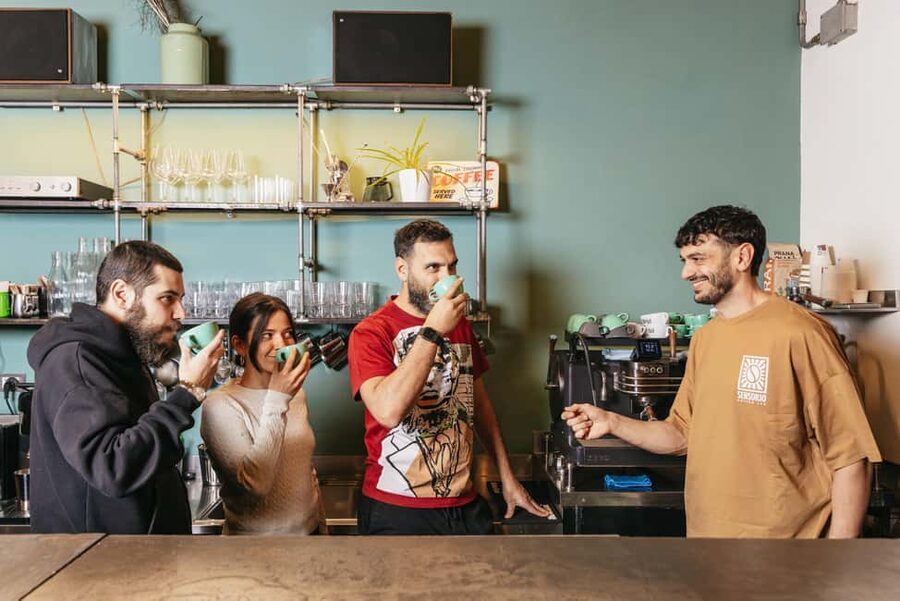
A key aim of the workshop is learning to identify positive and negative attributes. This is more practical than memorizing tasting terms.
You may be guided to consider aroma before sipping, then taste, texture, and aftertaste. The guide helps you put words to what you notice, but you are not required to produce a perfect description. The useful lesson is learning to compare your reaction with the qualities of the coffee.
The experience also deals with the difference between good beans and bad beans. That can save you money later. A higher price does not automatically mean a better cup, and a familiar dark roast does not always mean stronger quality. The workshop gives you a way to judge what is in front of you instead of relying only on packaging or reputation.
The owner’s reported care for bean quality is reflected in this focus. The session is not only about fancy brewing equipment. It is about how the raw product and the brewing choices work together.
You should expect a teaching atmosphere rather than a formal exam. The best approach is to arrive curious and willing to try coffees that may taste different from your usual order.
Matteo and the Small-Group Format
Matteo is named as one of the guides, and his role appears to include explaining the subject clearly while keeping the group involved. That balance matters in a tasting workshop. Too much technical talk can make coffee feel like homework, while too little explanation turns the event into a series of samples with no purpose.
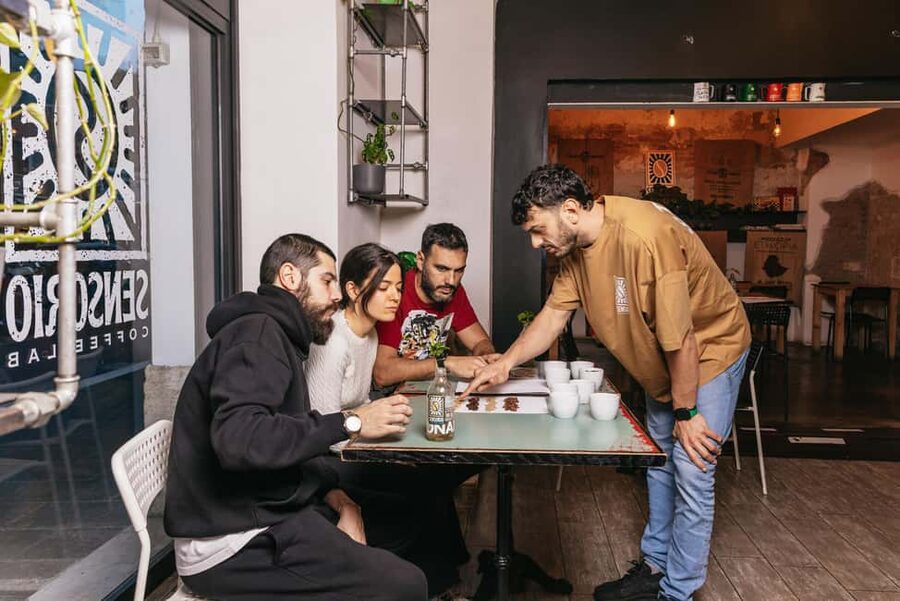
With a maximum of 10 people, you have a reasonable chance to ask questions and follow the preparation closely. The group size is small enough for a personal feel but not so private that the cost becomes extreme.
The guide speaks Italian and English. If you are visiting Rome from abroad, English instruction makes the technical side easier to follow. Ask questions as you go, especially if you do not understand a tasting term or brewing step.
The atmosphere also appears to be friendly and interactive. One participant described Matteo as kind and good at engaging the group, while another emphasized the fun side of the class. That combination is useful because coffee tasting can become stiff if it focuses only on jargon.
Is $70 a Fair Price?
At $70 per person, this is not a cheap coffee break. You can buy several ordinary Italian espressos for far less, and the experience does not include a meal or transportation.
The value comes from the instruction and the number of samples. You receive roughly six to eight tastings, compare two major brewing styles, learn about green beans and processing, and see a pour-over preparation. If you would otherwise spend money on specialty coffee tastings or a beginner barista lesson, the price becomes easier to justify.
I would especially consider it good value for someone who already buys specialty beans, owns a home brewer, or wants to understand coffee beyond the usual café routine. You are paying for guided comparison, not just liquid in a cup.
For a casual drinker, the calculation is different. If you mainly want a strong Roman espresso before sightseeing, this is too long and too expensive. If you enjoy food workshops and want an activity with a clear learning angle, the price is more reasonable.
The group size helps support the value. A session for up to 10 people offers more personal contact than a large demonstration, though it is not the same as a private class.
Location and Timing in Central Rome
The coffee shop is in Rome city center, about a 20-minute walk from the Trevi Fountain. That makes it easy to pair with a day of central sightseeing, but you should allow enough time to reach the meeting point without rushing.
The workshop lasts 1.5 hours. That is long enough for an introduction, espresso tasting, filter tasting, and questions, while still leaving most of your day free for Rome’s museums, churches, and piazzas.
You will want to think about timing in relation to caffeine. A morning or early afternoon session may work better than an evening start, especially if coffee affects your sleep. Starting times vary, so check the available options before booking.
Transportation is not included. Since the location is central and within walking distance of Trevi Fountain, this is mainly a matter of planning your route. The experience is wheelchair accessible, which is useful information when choosing activities in a city where older streets and crowded sidewalks can make movement difficult.
Who Will Enjoy This Most?
I would recommend this workshop to:
- Coffee lovers who want to understand the difference between specialty and commercial coffee
- Beginners who prefer learning through tasting rather than reading about brewing
- Home brewers curious about espresso and pour-over methods
- Couples or friends looking for a food-focused activity in central Rome
- Families with an older child who already has a strong interest in coffee
The activity may be less suitable if you dislike strong coffee, have caffeine limits, or want a tour centered on Roman history. It is also not a full cooking class, meal, or café crawl.
The family suitability depends on the child’s age and interest. One recorded participant attended with a son who liked coffee and had a very good time, but the activity is still built around tasting and discussion rather than children’s entertainment.
Booking, Cancellation, and Practical Details
You can cancel up to 24 hours before the activity for a full refund. You can also reserve now and pay later, which helps if your Rome schedule is still changing.
The guide speaks Italian and English, and the small group is limited to 10 participants. Check the starting time and exact meeting instructions when you book, since transportation to the coffee shop is not included.
I would avoid scheduling this immediately before a major timed attraction unless you leave a generous gap. Coffee preparation and questions can take the full 90 minutes, and you do not want to spend the session watching the clock.
Should You Book This Coffee Experience?
Book it if you want more than a quick espresso and like the idea of learning by comparison. The strongest parts are the six to eight tastings, the green-bean introduction, and the contrast between espresso and filter brewing. Matteo’s friendly teaching style, when he leads the session, adds a personal touch.
Skip it if you are looking for a cheap caffeine stop, a meal, or a broad introduction to Rome. At $70, the experience earns its price only if you care about the subject and will use what you learn afterward.
For coffee fans, this is a smart change of pace from monuments and crowded streets. You leave with a better sense of what you are tasting, why brewing matters, and how to make a more informed choice at your next café.
FAQ
Where does the coffee workshop take place?
The coffee shop is in Rome city center, about a 20-minute walk from the Trevi Fountain.
How long does the activity last?
The workshop lasts 1.5 hours.
How many coffees will I taste?
You can expect approximately six to eight tastings in total, including about three to four espressos and three to four filter coffees.
What brewing methods are included?
The session covers espresso and filter brewing, including a pour-over preparation.
Will I learn about coffee beans?
Yes. The workshop begins with green coffee beans and explains how the raw material and its processing affect the final taste.
Is the workshop offered in English?
Yes. The guide can conduct the session in English or Italian.
How many people can join the group?
The group is limited to 10 participants.
Is the activity wheelchair accessible?
Yes, the experience is wheelchair accessible.
Can I cancel for a refund?
Yes. You can cancel up to 24 hours in advance for a full refund.
More coffee with something to eat in Italy
- Rome Pantheon: Award Winning Gelato Tiramisu & Espresso Food Tour
★ 5.0 · 99 reviews - Trastevere Breakfast to Lunch Food Tour: Coffee, Maritozzi & Wine
★ 5.0 · 14 reviews - Rome: Private Espresso, Gelato and Tiramisu Food Tour
★ 5.0 · 3 reviews - Venice Delights: Coffee & Food Experience Walking Tour
★ 5.0 · 2 reviews
More Coffee Tastings in Italy
- Rome: Espresso, Gelato and Tiramisù Tasting Tour
★ 4.9 · 74 reviews - The Best of Polignano a Mare Walking Tour and Special Coffee Tasting
★ 5.0 · 6 reviews - Orvieto: Classic Wine Tasting at Madonna del Latte
★ 5.0 · 3 reviews - Hanoi Coffee Experience: 6 Brews, 9 Recipes & 3 Liquor Tastings
★ 5.0 · 2,945 reviews
Freshly brewed listings in Italy
- Rome: Private Espresso, Gelato and Tiramisu Food Tour★ 5.0 · 3 reviews
- NAPLES Highlights Walking Tour + Veiled Christ Chapel and Original Espresso★ 5.0 · 2 reviews
- Milan Coffee & History Crawl with a Licensed Tour Guide★ 5.0 · 10 reviews
- The Best of Polignano a Mare Walking Tour and Special Coffee Tasting★ 5.0 · 6 reviews
- The Specialty Coffee Roastery Tasting Experience in Turin★ 5.0 · 2 reviews
- Sunrise Kayak Tour / Snorkeling and Italian Coffee Included★ 5.0 · 3 reviews
- Orvieto: Classic Wine Tasting at Madonna del Latte★ 5.0 · 3 reviews
- Chill coffee or meal break at illy Caffè in St.Mark’s Square★ 4.7 · 9 reviews
Rome Coffee Tours, compared.
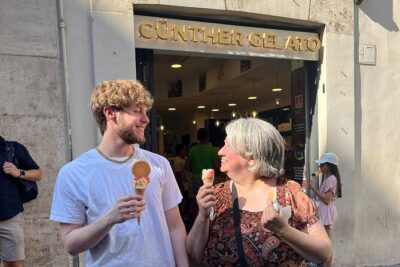
Rome Pantheon: Award Winning Gelato Tiramisu & Espresso Food Tour
Read our review →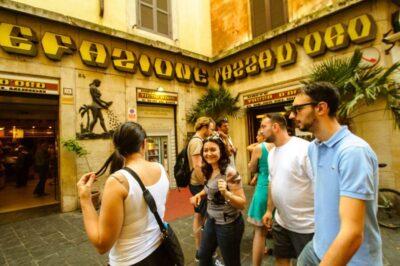
Rome: Espresso, Gelato and Tiramisù Tasting Tour
Read our review →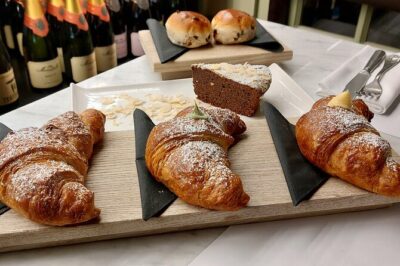
Trastevere Breakfast to Lunch Food Tour: Coffee, Maritozzi & Wine
Read our review →
Rome: Pasta Cooking Class with Wine, Coffee, and Limoncello
Read our review →
Rome: Private Espresso, Gelato and Tiramisu Food Tour
Read our review →Browse the lists this tour appears in