Review · HANOI
Hanoi: Salt Coffee Workshop Awake Your Senses With 6 Brews
Vietnamese coffee is more than a strong drink with condensed milk. In this three-hour Hanoi workshop, you learn how coffee reached Vietnam, how beans are grown and roasted, and how to make six local drinks yourself. I especially like the hands-on use of traditional filters and grinders and the chance to compare salt, egg, coconut, brown, and pour-over coffee in one sitting.
I also like the practical follow-up: you receive recipes and digital coffee books, so the class does not end when you leave the café. The main drawback is clear: you may consume a great deal of caffeine, sugar, and alcohol before lunch, especially if you finish with the coffee cocktail and local wine.
Key points at a glance
- Six drinks in one sitting: Make Vietnamese salt coffee, egg coffee, brown coffee, coconut coffee, pour-over coffee, and a signature coffee cocktail.
- Real brewing practice: Use local filters, grinders, and other coffee-making tools instead of simply watching a demonstration.
- Good instructors: Lin, Val, Phil, Giang, Luka, Jessica, and others lead sessions in English, with a strong focus on questions and clear instruction.
- More than a tasting: Learn about coffee cultivation, green beans, roasting, authenticity, and Vietnam’s place in the world coffee trade.
- Useful take-home material: Keep a recipe book, digital coffee books, and a professional certificate if you request one.
- A useful location choice: Meet near Hoang Hoa Tham Street, or arrange pickup and drop-off within Hanoi’s Old Quarter.
Why this Hanoi coffee class is worth your morning
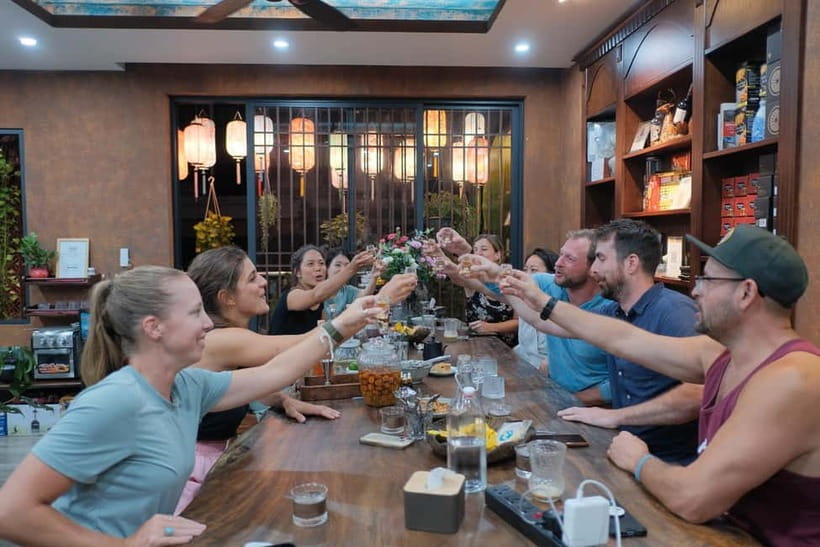
I like activities that explain a place through something people actually use every day. Coffee fits Hanoi perfectly. A small cup can tell you about French influence, local farming, robusta beans, family recipes, café habits, and the modern taste for creative drinks.
This class works because you do not just sit with six finished cups in front of you. You handle the equipment and take part in each preparation. That gives you a better sense of why Vietnamese coffee often tastes so concentrated, why some drinks need a generous sweet element, and how a slow filter changes the character of the bean.
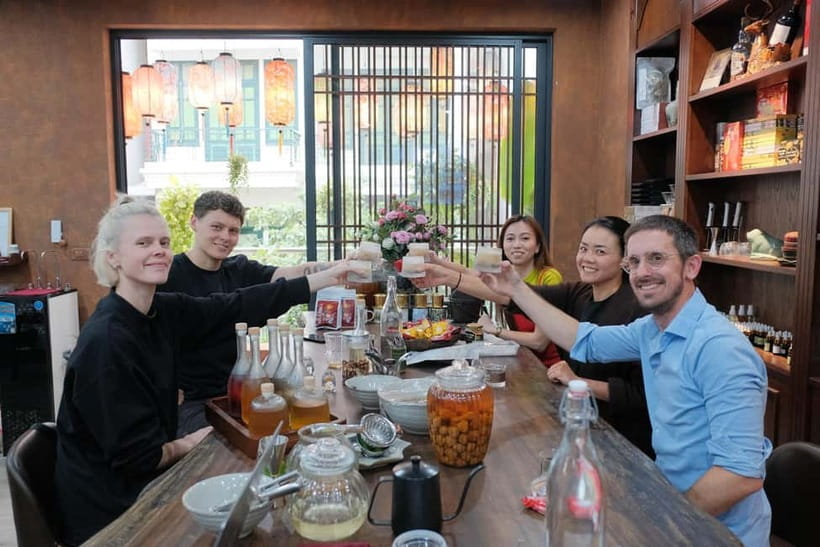
The tone is friendly and relaxed. Instructors such as Lin, Val, Phil, Giang, and Luka are described as clear, patient, and passionate about their work. Several sessions also include instructors working together, which can help when you have questions or need extra help with a recipe.
You do not need to be a coffee expert. The class is designed for beginners, yet it also has enough technical detail for baristas and serious coffee drinkers. Participants with professional coffee experience still found useful material about Vietnamese beans and local methods.
More Coffee Making Classes in Hanoi
- Hanoi Coffee Workshop: Taste Salt, Coconut and Egg Coffee
★ 5.0 · 1,286 reviews - Hanoi: Vietnamese Coffee Workshop with 6 Brews and 8 Recipes
★ 5.0 · 237 reviews - Ha Noi Egg Coffee Class
★ 5.0 · 227 reviews
What happens during the three-hour visit
The schedule begins with a welcome drink and refreshments at a local café. This first 15 minutes gives you time to settle in, meet the instructor, and see the setting before the practical work starts.
The main workshop lasts about two hours and 45 minutes. You receive an overview of coffee’s development in Vietnam and its wider history, followed by a look at coffee trees, cultivation, green beans, roasting, and brewing equipment.
The class then moves through the drinks one by one. The exact order can change, and the menu can be adjusted if you have dietary needs. Expect plenty of tasting, preparation, and questions rather than a long lecture.
The activity finishes with your handmade drinks in a relaxed café setting. If you select the option with pickup and drop-off, you return to the Hoan Kiem area afterward. Allow some flexibility around transport, since pickup times can shift by 15 to 20 minutes due to traffic or weather.
Coffee history, beans, and the tools on the table
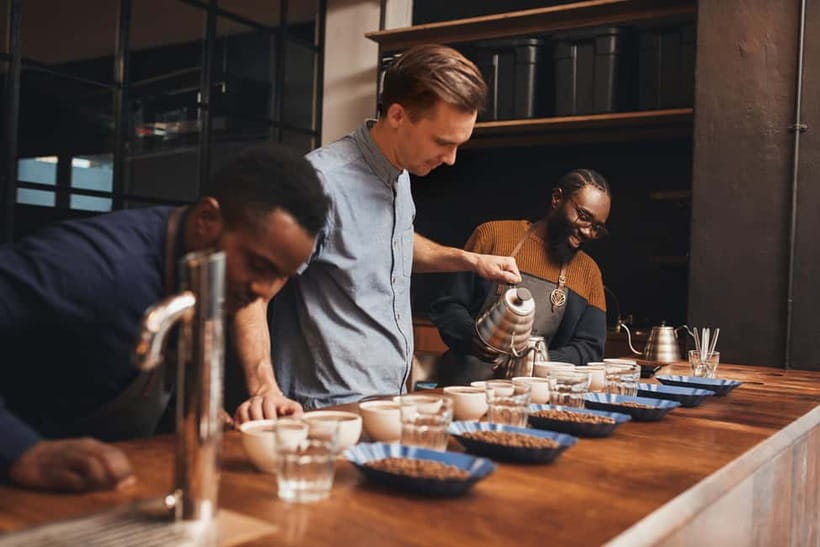
The opening lesson puts Vietnamese coffee in context. You learn how coffee became popular in Vietnam and how the country developed into a major coffee producer. The emphasis is not only on dates and background, but also on what ends up in your cup.
You get to look at different beans and coffee equipment, including filters and grinders. The green coffee beans are especially useful to see because they make the roasting process easier to understand. Roasting changes color, smell, body, and flavor, and the instructor explains how those changes affect the final drink.
The class also covers coffee quality. You learn practical ways to spot authentic coffee and recognize poor or counterfeit products. This is useful if you plan to buy beans in Hanoi or take coffee home. It also helps you understand why a cheap, very dark cup may not always be a good cup.
The instructors bring years of experience in the coffee trade. They focus on technique, so you learn how grind size, water, filtering, mixing, and ingredients affect the result. You are not expected to memorize every technical point, but you leave with a much better idea of what makes a balanced cup.
Salt coffee: the modern Vietnamese favorite
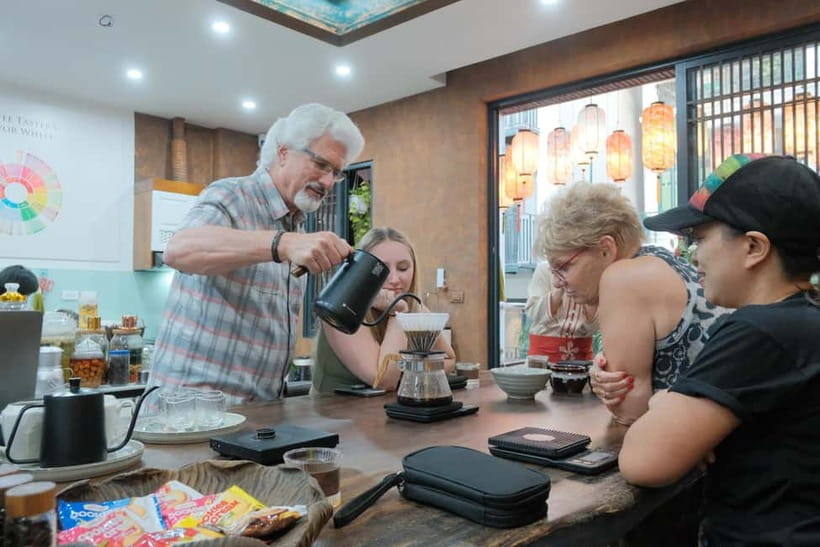
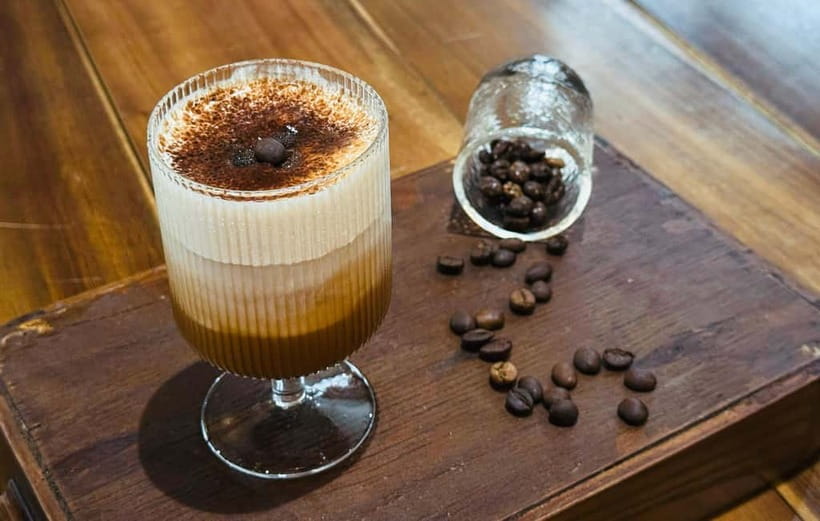
Salt coffee is one of the most interesting drinks on the menu. It pairs strong Vietnamese robusta coffee with a smooth salted cream foam. The salt does not make the cup taste like seawater. Used carefully, it softens harsh edges and keeps the sweet, creamy topping from becoming flat.
You prepare the drink yourself, which lets you see how the coffee and foam work together. The result is full-bodied and sweet, with a gentle savory note. If you normally take coffee black, this is still worth trying because the salt changes the balance rather than simply adding another flavor.
Salt coffee has become one of Vietnam’s fashionable coffee styles, and the class gives you a chance to understand why it works. It is also easy to recreate at home if you follow the supplied recipe.
More Coffee Making Classes in Vietnam
- Hanoi Coffee Workshop: Master 6 Signature Vietnamese Coffee
★ 5.0 · 171 reviews - Hanoi Coffee Class learning 5 famous coffee in Hanoi
★ 5.0 · 161 reviews - Mini Hanoi Coffee Workshop: Pick Any Signature Coffee You Like
★ 5.0 · 160 reviews - Hanoi Egg Coffee making course
★ 4.9 · 112 reviews
Egg coffee: Hanoi in a small cup
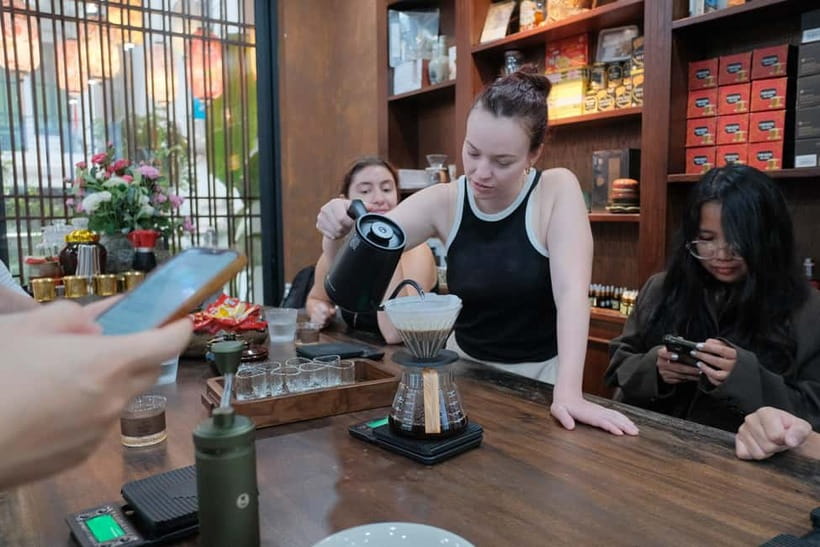
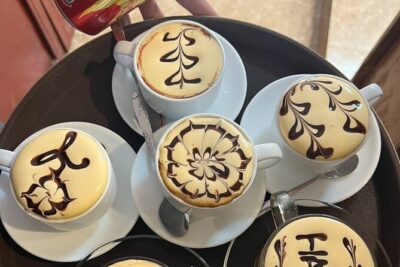
Egg coffee is the class’s most famous Hanoi specialty. A light, silky egg-yolk foam sits over dark coffee, giving you a contrast of textures. Think of it as a coffee drink with a dessert-like top, though the coffee remains strong underneath.
The preparation matters. The instructor shows you how to create the airy foam and how to combine it with the coffee without losing the contrast. This is one of the recipes where a demonstration alone is not enough. Making it yourself helps you understand the texture you are trying to reach.
You may find the drink sweet and rich, especially alongside the other samples. That is part of the experience, but it is also why pacing matters. You have several drinks ahead, so small servings and measured tasting are sensible.
Coconut and brown coffee show two familiar sides
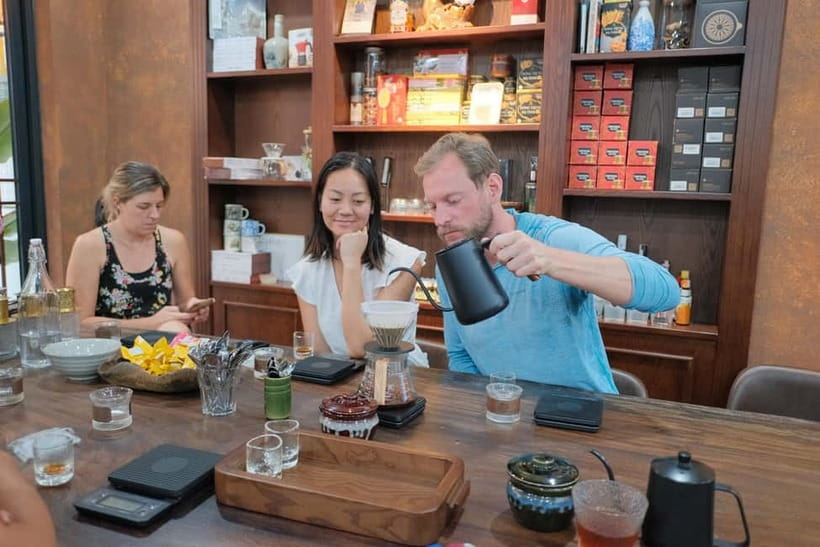
Vietnamese coconut coffee brings together strong coffee and smooth coconut milk. It is softer and more refreshing than the plain brown coffee, with a rounded flavor that can appeal to people who find straight robusta too intense.
The original Vietnamese brown coffee takes the opposite route. Dark-roasted beans produce a bold, concentrated cup. It shows the classic strength of Vietnamese coffee and gives you a useful reference point for comparing the other recipes.
Making both drinks in the same class is helpful. You can see how much the added ingredient changes the experience without changing the base coffee. The coconut version is gentler, while brown coffee keeps the focus on the roast and the bean.
Pour-over coffee brings out the bean
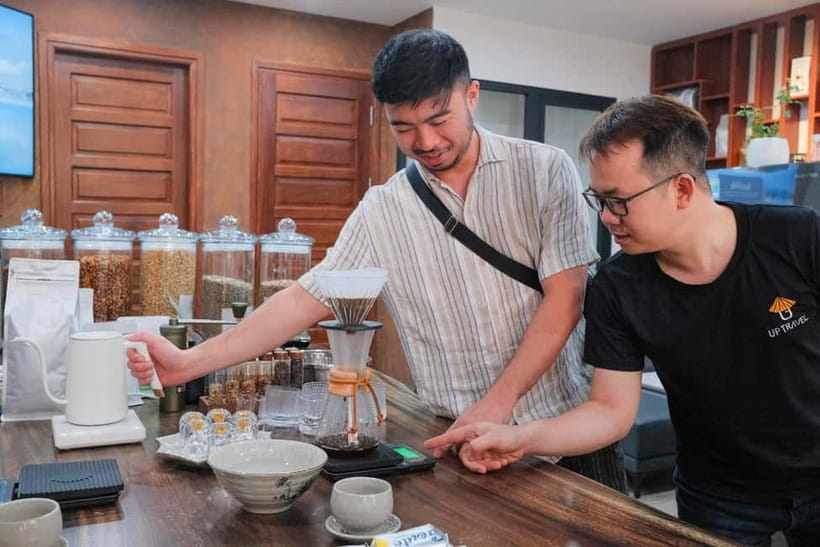
The pour-over session adds a different brewing method to the traditional Vietnamese preparations. Instead of pushing the coffee toward a heavy, intense cup, careful pouring allows more of the bean’s natural sweetness and subtle fruit notes to appear.
This part will appeal most to people who already enjoy specialty coffee, but beginners can learn from it too. You see how water flow and timing affect extraction, and how a different method can reduce bitterness.
The contrast is the point. Vietnamese coffee culture is not limited to one thick, sweet style. The workshop shows both classic local preparations and a more refined brewing approach.
The final cocktail and local wine
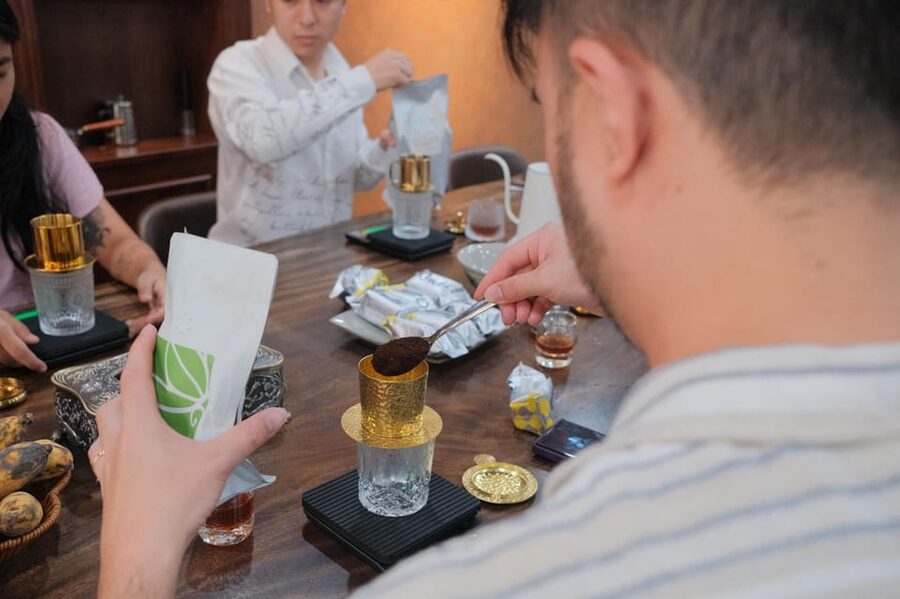
The last drink may be a signature coffee cocktail made with espresso, coffee liqueur, vodka, jam, and local wine. The listed example is an espresso martini, but the exact cocktail or menu can change on request.
This is a fun finish, but it changes the character of the workshop. You are no longer only tasting coffee. You are also sampling alcohol, and the combination of caffeine, sweet ingredients, and spirits can catch up with you.
Take the alcohol seriously if you have plans afterward. The class includes a selection of local Vietnamese wines, and one of the strongest practical tips from the experience is to avoid booking this as a quick stop before a demanding afternoon. It is better treated as the main event for the morning or early afternoon.
The setting, meeting point, and transport
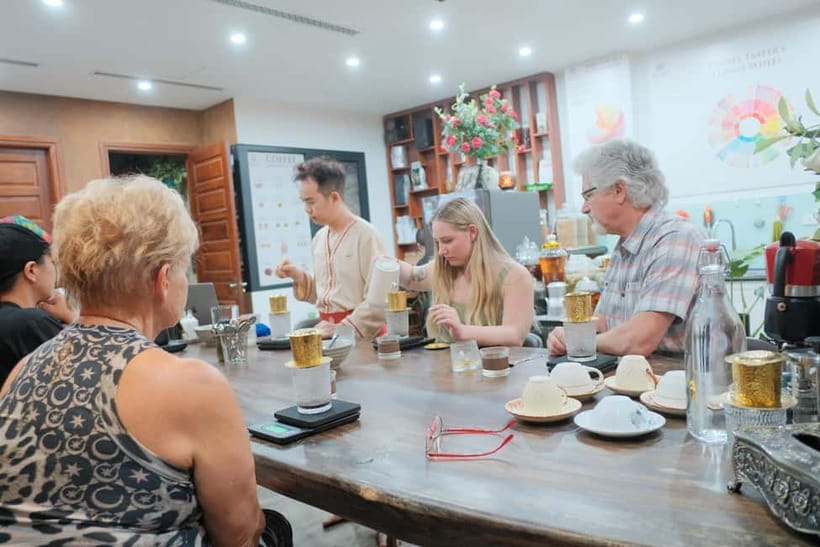
The meeting point is at Alley 75, Lane 173, Hoang Hoa Tham Street. Look for the intersection with the large yellow Bia Hoi Mau Dich sign. This is the place to wait for the team to guide you to the venue.
The location is not described as a major sightseeing stop, so do not book the class for the setting alone. The value is in the instruction, tools, drinks, and conversation. A local café is a fitting place for the workshop, but the practical lesson matters more than décor.
Hotel pickup and drop-off are available within Hanoi’s Old Quarter area. If you stay outside the French Old Quarter, pickup may cost extra. Private groups within 10 kilometers of the Hanoi Post Office receive broader pickup coverage, and private sessions can adjust the start time, finish time, pickup point, and menu.
Transport has a strong record for punctual and satisfactory service, but Hanoi traffic is unpredictable. Give yourself a 15 to 20 minute cushion around the stated pickup time.
Is $23 good value?
At $23 per person, this is good value if you want more than a quick tasting. You receive roughly three hours of instruction, several drinks, hands-on use of equipment, local wine, refreshments, recipes, digital coffee books, and the option of a professional certificate.
The value is strongest for curious coffee drinkers who would otherwise book several café stops to try Hanoi’s specialties. You get the history and the method in one place, and you can repeat the recipes at home.
It is less useful if you only want one famous cup of egg coffee. A café will be quicker and cheaper for that. The workshop earns its price through participation and explanation, not through the raw cost of the drinks.
Private groups can also customize the menu and schedule. That may suit families, couples, or small groups with dietary restrictions, though the standard option already offers a broad selection.
Who should book this experience?
I would recommend it to coffee lovers, curious first-time visitors, solo visitors who enjoy social activities, and anyone who wants a cultural class that does not involve a long day of sightseeing.
It also suits people who prefer learning by doing. You grind, filter, mix, foam, taste, and compare. The supplied recipe book gives the session a practical afterlife.
Baristas may enjoy the local perspective and the contrast between robusta-based drinks and pour-over brewing. At the same time, the course begins at an accessible level, so you do not need prior training.
You should think twice if you are sensitive to caffeine, avoid dairy or eggs, do not drink alcohol, or dislike sweet drinks. Dietary changes can be requested, but confirm the menu before booking. A private group gives you more control over the recipes.
Booking details that matter
The activity is offered in English, and private groups are available. You can reserve now and pay later, which helps if your Hanoi schedule is still moving around.
Free cancellation is available up to 24 hours before the start time. Check the starting options when you book because the exact departure time depends on availability.
Names of instructors can vary. Lin, Val, Phil, Giang, Luka, Jessica, and others have led sessions, and the strongest feature across the experience is the personal teaching style. If a particular instructor is important to you, ask before booking rather than assuming you will receive that person.
Should you book the Hanoi coffee workshop?
Book it if you want to understand why Vietnamese coffee tastes the way it does, make the drinks yourself, and leave with recipes you can use at home. The class offers a rare mix of local culture, practical technique, and generous tasting.
Skip it if your goal is simply a fast egg coffee in Hanoi, or if six caffeinated drinks plus wine sounds like too much. For most visitors, though, the $23 price buys a useful and memorable morning, especially when you arrive curious and pace yourself.
FAQ
How long does the coffee workshop last?
The full activity lasts three hours. This includes a 15-minute welcome period and about two hours and 45 minutes of workshop time.
Where is the meeting point?
Meet at Alley 75, Lane 173, Hoang Hoa Tham Street. Wait at the intersection beside the large yellow sign marked Bia Hoi Mau Dich.
Is hotel pickup available?
Pickup and drop-off are available within Hanoi’s Old Quarter area. Pickup from outside the French Old Quarter may involve an additional fee.
Can private groups receive pickup outside the Old Quarter?
Yes. For private groups, complimentary pickup is available inside and outside the Old Quarter within 10 kilometers of the Hanoi Post Office.
Which coffees will I make?
The standard menu includes Vietnamese salt coffee, egg coffee, original Vietnamese brown coffee, coconut coffee, and pour-over coffee. A signature coffee cocktail with jam and local wine is also included, making six drinks in total.
Is the workshop taught in English?
Yes. English is the stated teaching language.
Do I need previous coffee experience?
No. The workshop is suitable for complete beginners as well as people with coffee-making experience.
Can the menu be changed for dietary needs?
Yes. The menu can be changed upon request if you have special dietary requirements.
What do I receive after the workshop?
You receive a recipe book and free digital copies of coffee books related to the workshop. A professional certificate is available if you request one.
Can I cancel for a full refund?
Yes. You can cancel up to 24 hours in advance for a full refund.
More Vietnamese Coffee Experiences in Hanoi
- Hanoi Cooking Class: Pho/Bun Cha/Banh Xeo…+Free Egg/Salt Coffee
★ 5.0 · 267 reviews - Hanoi: Rose Kitchen: Pho/Bun Cha/Nem+ Free Egg/ Salt Coffee
★ 5.0 · 57 reviews - Six Cups of Vietnam Coffee Workshop in Hanoi with Local Barista
★ 5.0 · 54 reviews - Hanoi Egg Coffee & Coconut Coffee Making Class with Free Banh Mi
★ 5.0 · 41 reviews
Freshly brewed listings in Hanoi
- Vietnamese Coffee 101 Workshop★ 5.0 · 11 reviews
- Private Hà Nội Coffee History Tour★ 5.0 · 6 reviews
- Private tour: Hanoi city tour-Van Phuc silk village with egg coffee, lunch★ 5.0 · 2 reviews
- Taste of Vietnam’s Coffee Scene – A Guided Experience★ 5.0 · 2 reviews
- hidden gems cafe – learn making coconut and egg coffee★ 5.0 · 2 reviews
- Walking Tour in Hanoi Old Quarter with Street Food & Coffee★ 5.0 · 4 reviews
- Hanoi Private And All Inclusive Coffee Lovers Tour in Vietnam★ 5.0 · 6 reviews
- Hanoi Coffee Culture Tour: Sip, Taste & Hear Local Stories★ 5.0 · 13 reviews
Hanoi Coffee Tours, compared.
Hanoi Coffee Experience: 6 Brews, 9 Recipes & 3 Liquor Tastings
Read our review →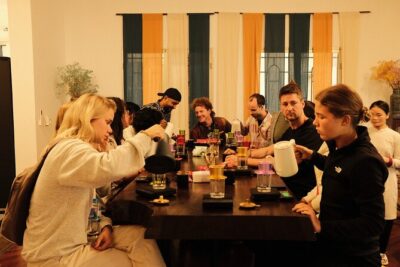
Hanoi Coffee Workshop: Taste Salt, Coconut and Egg Coffee
Read our review →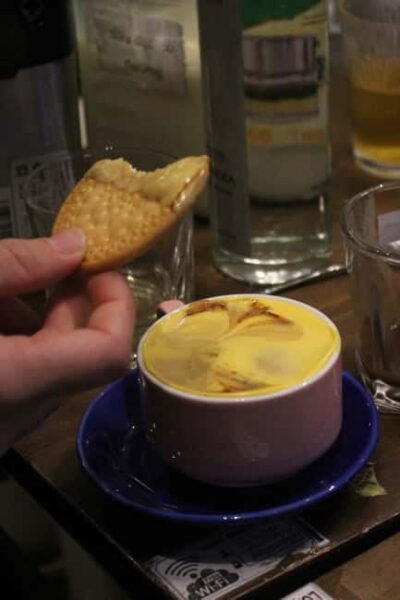
Hanoi: Master the Art of 4-6 Signature Vietnameses Coffees
Read our review →
Hanoi: Vietnamese Street Food Tour with Egg Coffee
Read our review →
Hanoi Cooking Class: Pho/Bun Cha/Banh Xeo…+Free Egg/Salt Coffee
Read our review →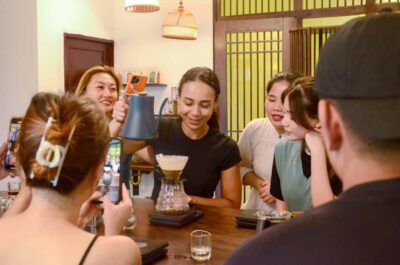
Hanoi: Vietnamese Coffee Workshop with 6 Brews and 8 Recipes
Read our review →