
Review · ROME
Rome: Pasta Cooking Class with Wine, Coffee, and Limoncello
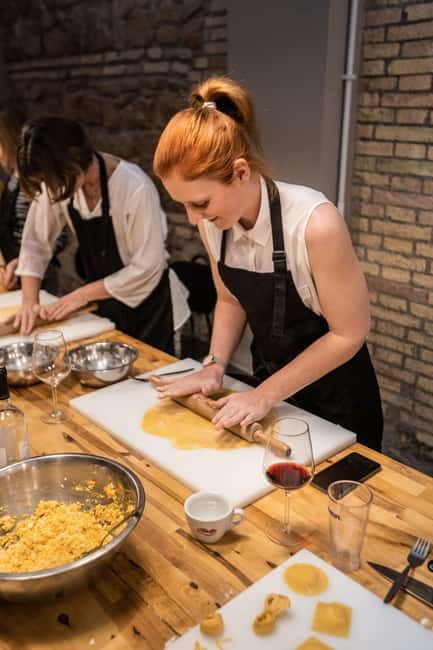
Rome’s best food lesson here starts with flour, eggs, and your own hands. In three hours, chef Marco guides you from pasta dough to tagliatelle, fettuccine, and ravioli, while he prepares sauces and shares stories about Italian cooking.
I like the hands-on format, since you do not just watch a chef work. I also like the generous finish: lunch, a glass of wine, coffee, limoncello, recipes, and a certificate are all included for $50. The main drawback is simple: you must get yourself to YellowSquare Rome, and the class may not suit anyone hoping for a quiet, private meal.
Key points
- Three pasta shapes in one class: Make tagliatelle, fettuccine, and ravioli from scratch.
- Chef Marco leads the lesson: Expect clear, step-by-step guidance with a light sense of humor.
- A full food experience: Eat the pasta you prepare with sauces, plus wine, coffee, and limoncello.
- No prior skill needed: The class begins with an introduction and explains each dish before you start.
- Useful take-home extras: You receive pasta recipes and a participation certificate.
- Good value at $50: Lunch and drinks are included, though transportation to YellowSquare Rome is not.
Starting with flour at YellowSquare Rome
Your meeting point is the reception at YellowSquare Rome. That detail matters in Rome, where a cooking class can be tucked into a part of town you may not know well. You are responsible for reaching the reception yourself, so check the route before class and leave enough time to arrive without rushing.
The session lasts three hours. That gives you time to learn the basic method, work with more than one pasta shape, sit down to eat, and finish with coffee and limoncello. It is not a quick demonstration squeezed between sightseeing stops.
The class is taught in English or Italian. No previous experience is required, which makes this a practical choice if your cooking skills begin and end with boiling water. The aim is not to test you. It is to show you how the process works, then let you take part.
More Wine Stops in Italy:
- Trastevere Breakfast to Lunch Food Tour: Coffee, Maritozzi & Wine
★ 5.0 · 14 reviews - Orvieto: Classic Wine Tasting at Madonna del Latte
★ 5.0 · 3 reviews - Secret Delights: Curated Wine, Coffee & Forest Experience
★ 5.0 · 279 reviews
What happens before the dough
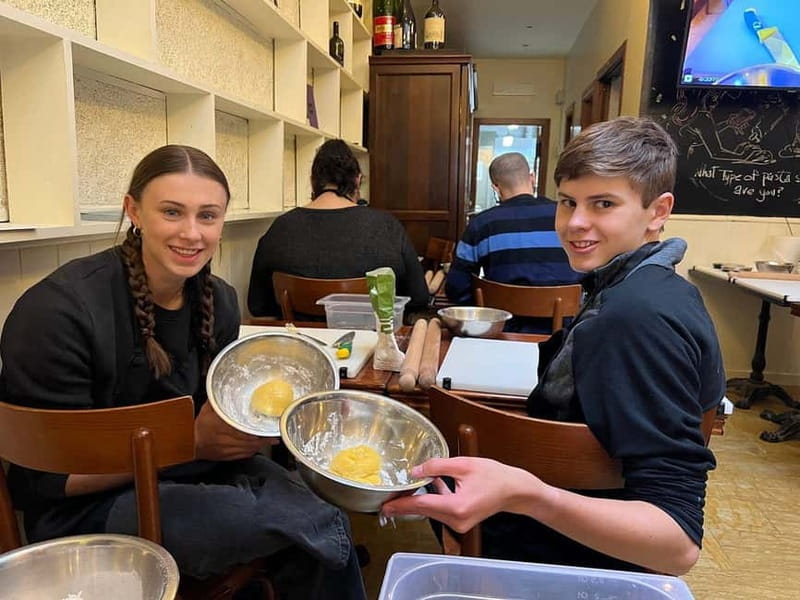
The class begins with an introduction to chef Marco and an explanation of the dishes you will prepare. This opening is useful because pasta making can seem simple until you are faced with dough that is too dry, too sticky, or unevenly rolled.
Marco’s teaching style is one of the strongest reasons to consider this class. The comments provided about his sessions repeatedly point to his humor, clear instructions, skill, and ability to explain each step. That combination is valuable in a hands-on lesson. A technically gifted chef is not always a good teacher, but Marco appears to focus on making the process understandable.
You should expect Italian food stories along the way. The details provided do not give a fixed list of subjects, so the conversation may vary, but the class is designed to connect the cooking with local culture rather than treat pasta as a simple craft project.
Making three kinds of fresh pasta
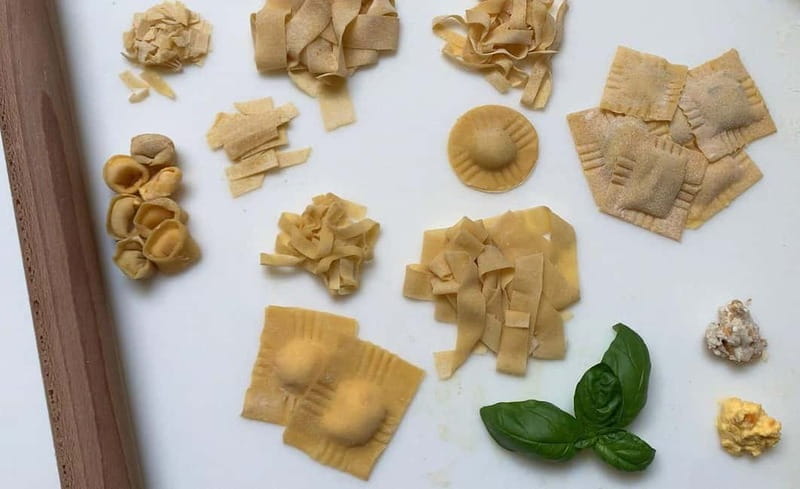
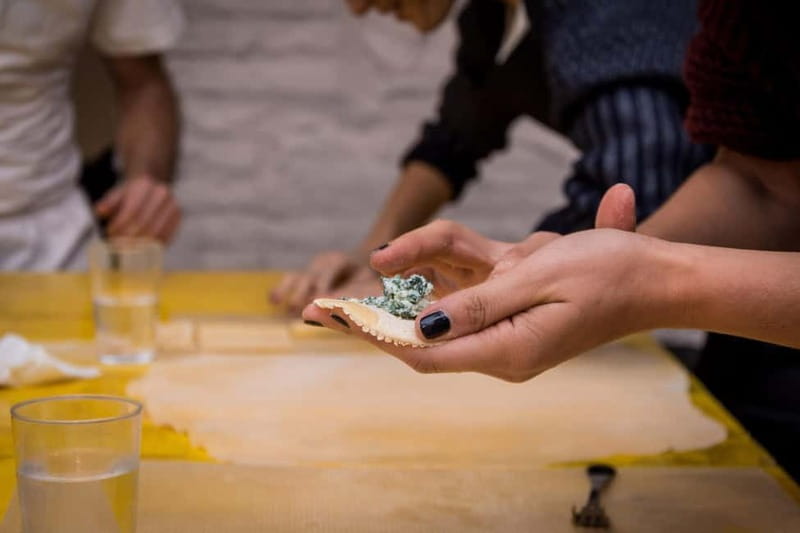
The main work is preparing homemade pasta from scratch. You make the dough, then move on to three different shapes: tagliatelle, fettuccine, and ravioli.
Tagliatelle and fettuccine are long ribbons, so you get to see how small changes in cutting and thickness affect the finished pasta. Ravioli adds another skill. You prepare a filling, place it inside the pasta, and shape it into filled parcels. The activity description specifically notes preparation of the filling while the chef handles an authentic sauce.
That division of work is worth noting. You are not expected to prepare every component of the meal alone. Your task is to learn the pasta and filling, while Marco prepares sauce and guides the cooking. This keeps the class manageable within three hours and lets you focus on the parts most useful to repeat at home.
I like the range of shapes here. A class that teaches only one kind of pasta can leave you with a narrow lesson. Tagliatelle, fettuccine, and ravioli show three different uses for fresh dough: long ribbons, another ribbon style, and filled pasta.
The experience is still more about learning a method than producing restaurant-perfect pieces. Your pasta may not all look identical. That is part of the point. You will leave understanding the basic process, which is more useful than simply watching a polished chef make flawless pasta.
Eating what you have made
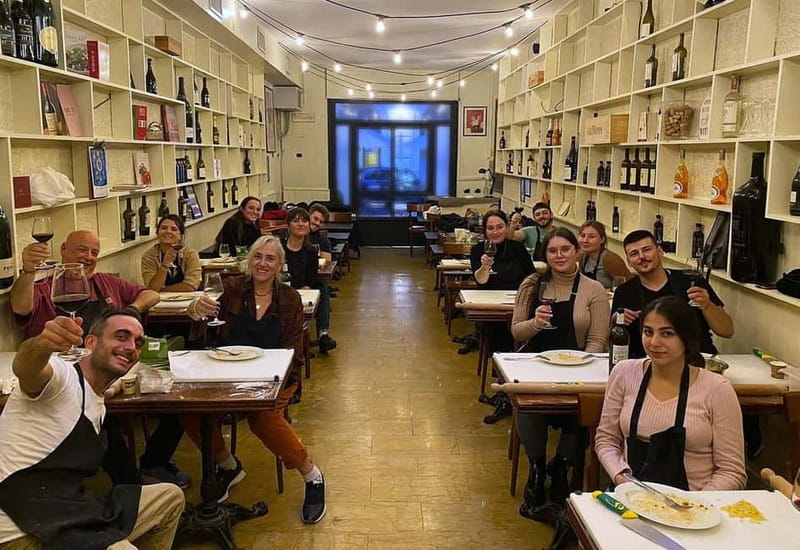
After the preparation, you taste the pasta with various condiments. The meal is included, and you receive a glass of Italian wine with it.
This is where the class earns its place in a Rome itinerary. You are not only taking home a recipe sheet. You are eating the result of the work you just completed. For many people, that makes the lesson easier to remember, since the shapes, textures, and sauces are connected to a meal rather than an abstract demonstration.
The supplied details do not promise a particular menu of sauces or fillings. That is useful to keep in mind when booking. You know the pasta types and the drinks, but not the exact condiments served on your date.
The wine is one glass, not an open bar. That is enough to make lunch feel properly Italian without changing the class into a wine tasting. If you do not drink alcohol, the information provided does not specify a replacement, so ask the provider before booking if that matters to you.
More Cooking Classes in Italy:
- Da Nang Cooking Class with Coffee Tasting and Market Visit
★ 5.0 · 310 reviews - Hanoi Cooking Class: Pho/Bun Cha/Banh Xeo…+Free Egg/Salt Coffee
★ 5.0 · 267 reviews - Vietnamese Bread & Brew: Banh Mi Baking Class & Specialty Coffee
★ 5.0 · 76 reviews - 1 hour Egg Coffee Cooking Class with Snack and Local Instructor
★ 5.0 · 72 reviews
Coffee and limoncello finish the meal
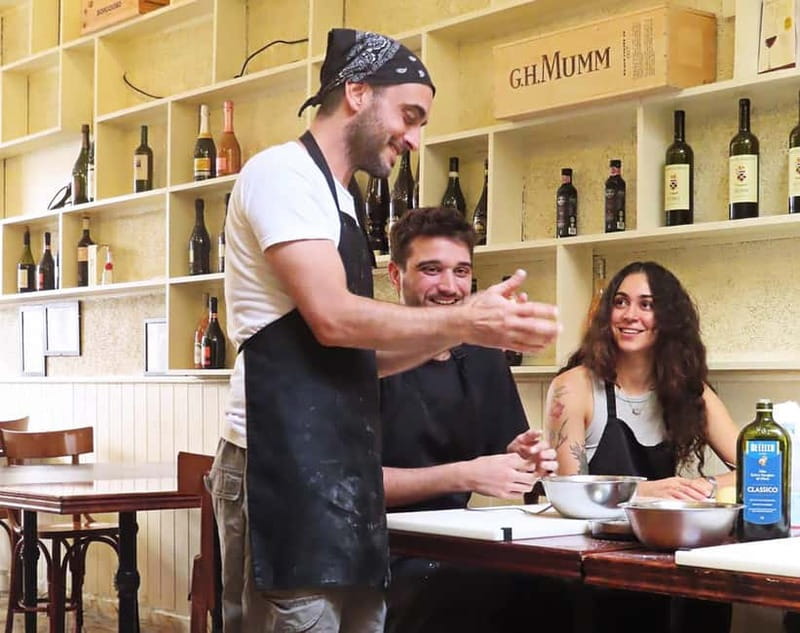
The class ends with coffee and limoncello. It is a small touch, but it gives the session a clear Italian rhythm: make food, sit down to eat, then finish with a short coffee and digestif.
Limoncello is sweet and lemon-flavored, and it is generally served as a post-meal drink in Italy. Here, it is included along with coffee, so you do not need to budget extra for the final course.
The close also gives you a chance to slow down and talk with the other people in the group. Meeting new people is part of the stated experience. The social side may be a plus if you are traveling alone or want an activity that is more personal than a standard guided walk.
On the other hand, a shared class means the pace and mood are not entirely yours to control. If you prefer a private cooking lesson, the available information does not indicate that a private option is offered. You should book this expecting a social group setting.
What you take home besides a full stomach
You receive pasta recipes and a participation certificate. The recipes are the more useful of the two for most people. They give you something to consult when you try the dough, filling, or shapes again at home.
The certificate is a pleasant souvenir, especially if you are collecting small reminders of your time in Rome. It is not a professional qualification, and the activity does not present it as one. Think of it as a record of taking part.
The strongest practical benefit is confidence. Once you have seen dough made from the beginning and have worked through several shapes, making fresh pasta at home feels less mysterious. The class does not promise to turn you into a trained chef, but it gives you a starting point that a restaurant meal cannot.
Is $50 a fair price?
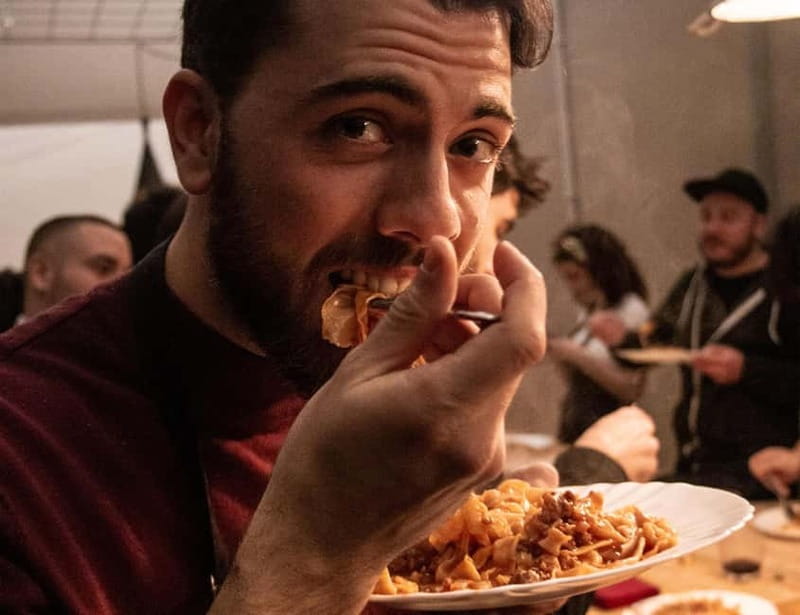
At $50 per person, the value is good if you want more than food alone. The price covers a three-hour class, a local chef, lunch with the pasta, one glass of wine, coffee, limoncello, recipes, and a certificate.
Compare that with paying for a meal in Rome without learning anything. Here, the meal is the final part of the activity, not the whole product. You also get direct instruction and the chance to repeat the dishes later.
The value depends on your interests. If you dislike group activities or rarely cook at home, a pasta class may not be the best use of $50. You could spend that money on a meal with less effort. If you enjoy food, want a break from monuments, or like taking home a skill, the combination is sensible.
Transportation is not included. Since the meeting point is YellowSquare Rome, add the cost of getting there when planning your budget. The activity information does not provide transportation from hotels or attractions.
Who will enjoy this class most?
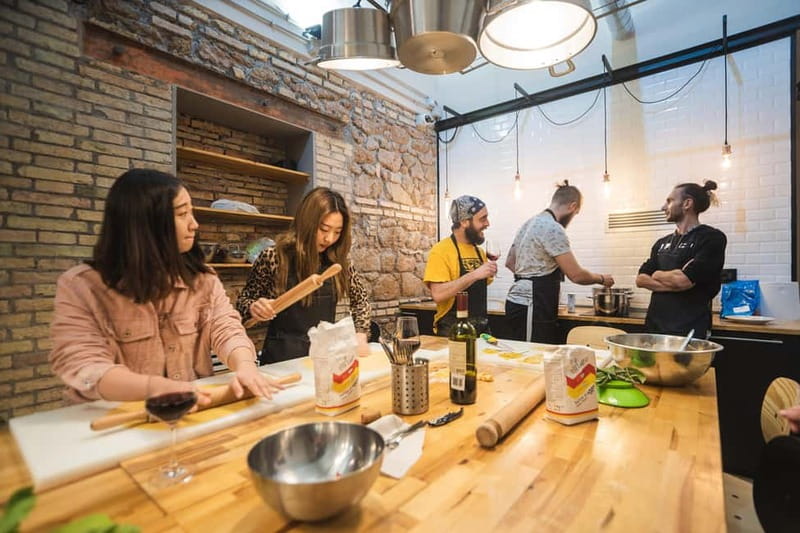
I would recommend this class to couples, solo visitors, friends, and families with an interest in Italian food. It works especially well for someone who wants a social activity and does not have much cooking experience.
The clear instructions make it suitable for beginners. The range of pasta shapes also gives returning home cooks something new to work on. If one person in your group is confident in the kitchen and another is not, the format should still work because the chef leads the process step by step.
It is also a good choice for anyone who wants a slower break in a busy Rome schedule. Three hours is long enough to feel like a real activity. That also means you should not place it between tightly scheduled attractions.
The class may be less suitable if you need a highly private experience, a fixed menu confirmed in advance, or transportation included from your accommodation. The available details do not promise any of those features.
What the strong feedback tells you
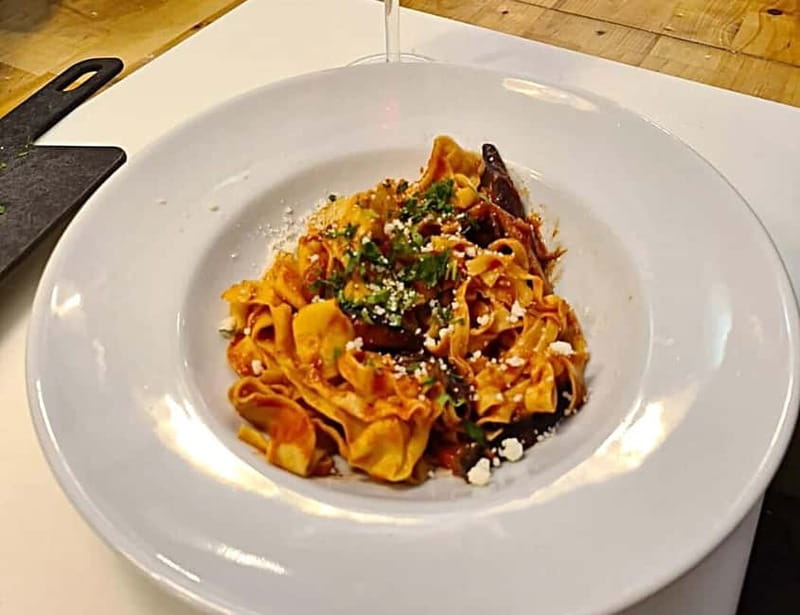
The experience has a five out of five rating from seven reviews, with praise focused on Marco rather than on vague claims about the setting. That is important. Cooking classes depend heavily on the teacher, and the same points appear again and again: Marco is funny, skilled, authentic, and clear.
One couple booked the class together and appreciated the step-by-step direction while making three or four pasta types. Another participant called it a highlight of a Rome trip after a family recommendation. A separate comment praised the price-to-quality balance and said the pasta was the best they had eaten.
You should treat those comments as a useful signal, not a guarantee of your own experience. Class energy can vary with the group, and the exact dishes may change. Still, the repeated praise for Marco’s teaching is more helpful than a simple star rating. It suggests that the lesson is built around participation and explanation, not just a chef performing in front of you.
Booking details worth knowing
You can cancel up to 24 hours before the activity for a full refund. You can also reserve now and pay later, which helps if your Rome schedule is still shifting.
Starting times vary, so check availability for your chosen date. The class lasts three hours, and the meeting point is YellowSquare Rome reception.
The lesson is offered in English and Italian. If you need another language, this activity is not presented as a match. Transportation to and from the meeting point is not included, so plan that part yourself.
Should you book this Rome pasta class?
Book it if you want to learn by doing. For $50, you make three kinds of pasta with chef Marco, eat the results, enjoy wine, coffee, and limoncello, and leave with recipes you can use at home.
Skip it if you want a private meal, do not enjoy group cooking, or have no room for a three-hour activity. For everyone else, this is a well-priced way to trade a few hours of sightseeing for flour-covered hands, a proper Italian lunch, and a skill that can outlast your Roman holiday.
FAQ
Where does the pasta class meet?
The meeting point is the YellowSquare Rome reception.
How long does the activity last?
The class lasts three hours.
How much does the class cost?
The listed price is $50 per person.
Which types of pasta will I make?
You will make tagliatelle, fettuccine, and ravioli.
Do I need previous cooking experience?
No. Previous experience is not required.
Who teaches the class?
A local chef leads the class. The chef identified in the activity information and participant feedback is Marco.
Is lunch included?
Yes. The pasta you prepare is served as a pleasant lunch.
Are drinks included?
Yes. The experience includes one glass of Italian wine, coffee, and limoncello.
Is transportation included?
No. Transportation to and from the YellowSquare Rome meeting point is not included.
Can I cancel for a full refund?
Yes. You can cancel up to 24 hours in advance for a full refund.
Freshly brewed listings in Italy
- Rome: Private Espresso, Gelato and Tiramisu Food Tour★ 5.0 · 3 reviews
- NAPLES Highlights Walking Tour + Veiled Christ Chapel and Original Espresso★ 5.0 · 2 reviews
- Milan Coffee & History Crawl with a Licensed Tour Guide★ 5.0 · 10 reviews
- The Best of Polignano a Mare Walking Tour and Special Coffee Tasting★ 5.0 · 6 reviews
- The Specialty Coffee Roastery Tasting Experience in Turin★ 5.0 · 2 reviews
- Sunrise Kayak Tour / Snorkeling and Italian Coffee Included★ 5.0 · 3 reviews
- Specialty Coffee Workshop & Tasting Experience in Rome★ 5.0 · 4 reviews
- Orvieto: Classic Wine Tasting at Madonna del Latte★ 5.0 · 3 reviews
Rome Coffee Tours, compared.
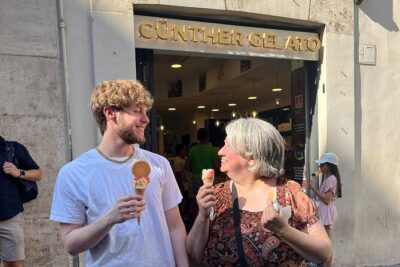
Rome Pantheon: Award Winning Gelato Tiramisu & Espresso Food Tour
Read our review →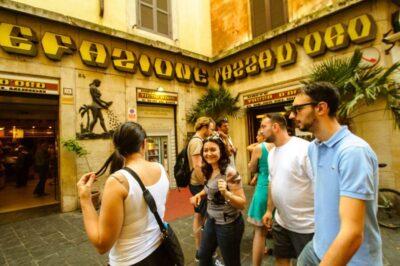
Rome: Espresso, Gelato and Tiramisù Tasting Tour
Read our review →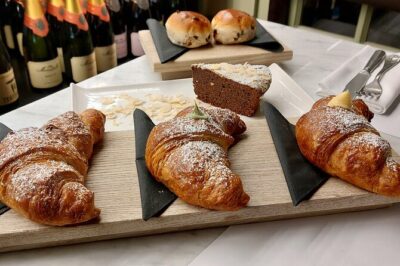
Trastevere Breakfast to Lunch Food Tour: Coffee, Maritozzi & Wine
Read our review →
Specialty Coffee Workshop & Tasting Experience in Rome
Read our review →
Rome: Private Espresso, Gelato and Tiramisu Food Tour
Read our review →Browse the lists this tour appears in