Review · HO CHI MINH CITY
Mastering Egg Coffee-Course on 4 traditional types of Viet coffee
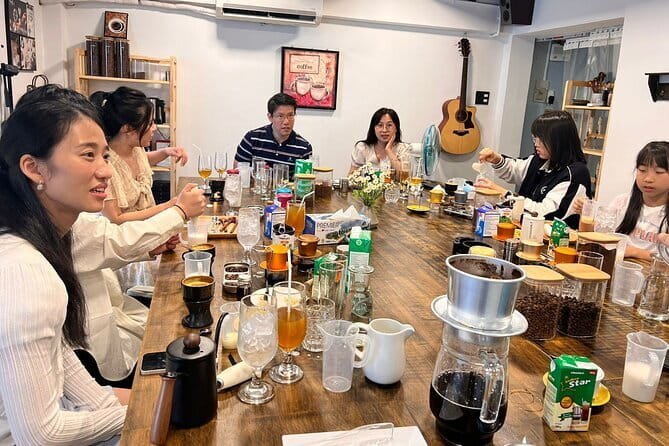
Vietnamese coffee becomes much more interesting when you make it yourself. In this two-hour Ho Chi Minh City class, you prepare four distinct cups, including the creamy egg coffee and the savory-sweet sea salt version, using the traditional metal drip filter.
I like the hands-on format and the clear contrast between the four drinks. I also like the relaxed teaching style, with Long, also called Sarah, keeping the class moving while adding humor. The main drawback is simple: four coffees can mean a serious caffeine load, especially in an afternoon session.
Key points to know before booking
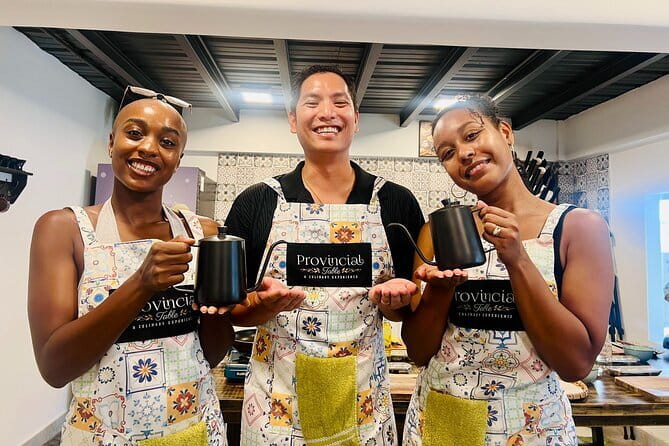
- Four drinks in one class: Make egg coffee, condensed milk coffee, sea salt coffee, and coconut milk coffee.
- Traditional brewing method: Learn how to use the Vietnamese drip filter and build attractive layers in the glass.
- Head Barista Long or Sarah: The instructor is praised for a funny, well-paced teaching style.
- Small group setting: The class accepts no more than 15 people, so you are not lost in a large crowd.
- Good value at $25: The price includes instruction, four coffee preparations, equipment, and special gifts.
- Plan your caffeine wisely: An afternoon booking may be less comfortable if you are sensitive to coffee.
Why four Vietnamese coffees make a better class than one
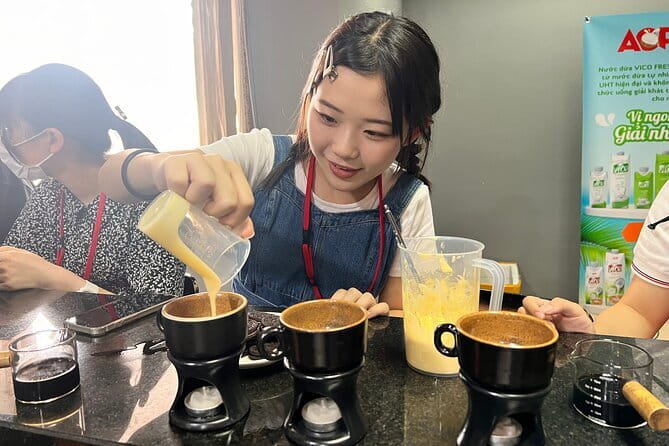
Many coffee activities give you a cup and a short explanation. This one asks you to make four versions, each with a different taste and texture. That matters because Vietnamese coffee culture is not just about strong black coffee. It is also about condensed milk, whipped egg, salt, coconut, temperature, and presentation.
You begin with an introduction to coffee in Vietnam, including its origins and outside influences. The opening discussion gives the drinks some context before you start handling the equipment. You are not simply following a recipe without knowing why the ingredients and methods matter.
The class then turns practical. Under the guidance of the head barista, you learn how to steep and brew coffee with a traditional drip method. The emphasis is on the small steps: preparing the filter, controlling the brew, combining ingredients, and arranging each drink so the layers look as good as they taste.
That makes the experience useful beyond the two hours. You leave with a better sense of how Vietnamese coffee is built. The skill is not limited to ordering cà phê sữa đá at a café. You can understand the process well enough to recognize what gives each drink its character.
More Egg Coffee Experiences in Ho Chi Minh City
- Egg coffee & Course on 4 traditional types of Viet coffee
★ 4.9 · 487 reviews - Decadent Vietnamese “Egg Coffee” Workshop in Hồ Chí Minh City
★ 5.0 · 150 reviews - Techniques & Secrets Behind the Famed Vietnamese Egg Coffee
★ 5.0 · 99 reviews
Meeting at 131/3 Nguyễn Thị Minh Khai
The class begins at 131/3 Nguyễn Thị Minh Khai in District 1, in the Phạm Ngũ Lão ward of Ho Chi Minh City. The activity ends at the same place, so you do not need to arrange a separate ride from a distant finishing point.
The meeting location is near public transportation, which helps if you are moving around Ho Chi Minh City without a private car. Your confirmation arrives at booking, and the ticket is mobile, so there is no need to print anything.
The class lasts about two hours. That is long enough to prepare all four drinks without turning the session into a rushed demonstration. It also gives you time for questions at the end and for the barista to explain how coffee culture is changing in Vietnam.
The group limit is 15 people. That is not a private lesson, but it is small enough for a practical class to work well. You should still expect to share the room and the instructor’s attention. The format suits people who enjoy learning alongside others rather than booking a one-on-one session.
The brewing lesson and the Vietnamese drip filter
The most important piece of equipment is the traditional Vietnamese drip filter. It sits over the cup and allows coffee to pass through slowly, producing a concentrated brew. Your barista walks you through the process rather than asking you to copy a finished drink without explanation.
Pay attention to the order of the steps. Vietnamese coffee can be bold and bitter, so the balance comes from how it is brewed and what you add afterward. The class focuses on getting that relationship right, then showing how milk, egg, salt, or coconut changes the result.
Presentation is also part of the lesson. You learn how to create visible layers and appealing textures, not just how to combine ingredients in a glass. That makes the activity especially suitable for anyone who enjoys food photography or wants to recreate the drinks at home.
The pace appears to be one of the class’s strengths. Long or Sarah keeps the group moving while making the session feel relaxed. One especially useful detail for you is that the teaching does not stop at a demonstration. You prepare the cups yourself, with guidance when needed.
Egg coffee: the class signature
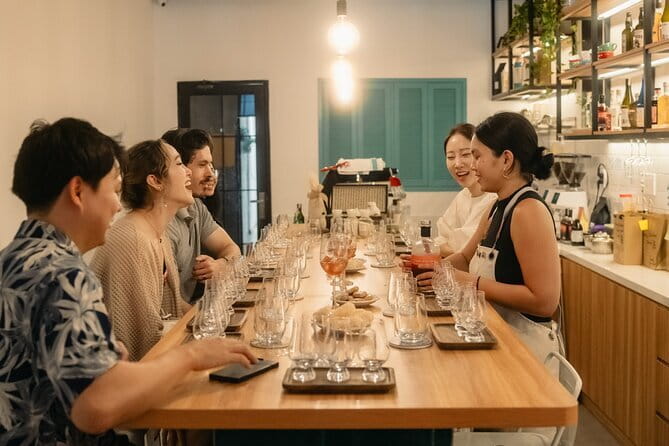
The egg coffee, cà phê trứng lòng đỏ, is likely to be the drink many people book the class to learn. It combines strong Vietnamese coffee with an egg-based topping that gives the cup a creamy, soft texture.
The appeal is the contrast. The coffee brings bitterness and intensity, while the egg mixture adds sweetness and a smooth finish. When layered carefully, the cup also looks striking, with a dark coffee base and a pale topping.
This is where the class’s focus on temperature and texture becomes useful. Egg coffee is not simply coffee with an ingredient stirred in. The topping needs to sit properly, and the way you serve it affects the drinking experience. The barista explains the steps and helps you see how technique changes the final cup.
If you usually take your coffee black, this may be the most unfamiliar preparation of the four. If you like desserts with coffee, it may be the easiest favorite. Either way, making it yourself gives you a clearer sense of why this drink has become such a well-known part of Vietnamese café culture.
More Vietnamese Coffee Experiences in Ho Chi Minh City
- Fun & Easy Vietnamese Coffee Workshop in Hồ Chí Minh City
★ 5.0 · 293 reviews - Vietnamese Coffee & Culture Exploration in Hồ Chí Minh City
★ 5.0 · 202 reviews - Vietnam Coffee Journey – Make extraordinary tasty coffee yourself
★ 5.0 · 30 reviews - Ho Chi Minh Street Food Tour and Vietnamese Coffee
★ 5.0 · 28 reviews
Cà phê sữa đá and the pleasure of simplicity
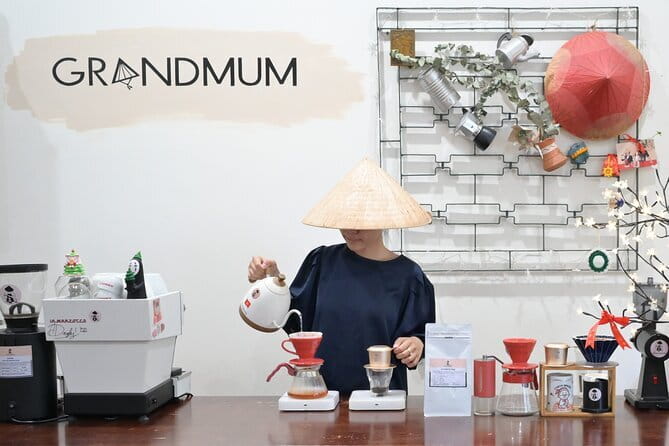
The dark roast condensed milk coffee, cà phê sữa đá, is the most familiar Vietnamese coffee style in the class. It pairs intense coffee with sweet condensed milk and ice.
The drink is straightforward, but the brewing method gives it more character than a standard iced coffee. The slow drip produces a concentrated base, while the condensed milk softens the bitterness and adds a thick sweetness. The result is powerful, cold, and easy to understand after one sip.
This cup also gives you a useful reference point for the other three. Once you taste coffee with condensed milk, you can better notice how egg, salt, and coconut alter the same basic foundation.
You may want to think about timing here. If you prepare and drink all four samples, the total caffeine adds up. The class has received positive feedback for its tasty drinks, but that does not change the practical point: coffee lovers may enjoy the full tasting, while people sensitive to caffeine should pace themselves.
Sea salt coffee and the sweet savory balance
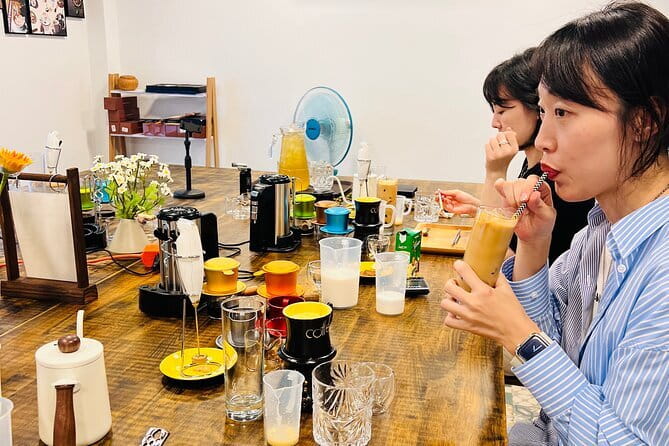
Cà phê muối biển, or sea salt coffee, is the most surprising combination for many people. Salt does not turn the drink into a savory soup. Used carefully, it can soften the harsh edge of coffee and make the sweetness feel more balanced.
This is a good example of why the class is more useful than simply ordering a coffee. You can see how a small ingredient changes the drink’s overall shape. The focus is on the interplay of bitter and sweet notes, but the salt adds another layer to that balance.
The cup also fits the class’s interest in texture and temperature. A chilled coffee with a smooth topping or creamy element drinks differently from a hot brew. You are encouraged to notice those contrasts instead of rushing from one cup to the next.
If you are unsure about salty coffee, this is the drink where curiosity helps. You do not have to decide in advance that it will be your favorite. The point is to taste a familiar coffee base in a new form and learn what the ingredient contributes.
Coconut milk coffee for a softer finish
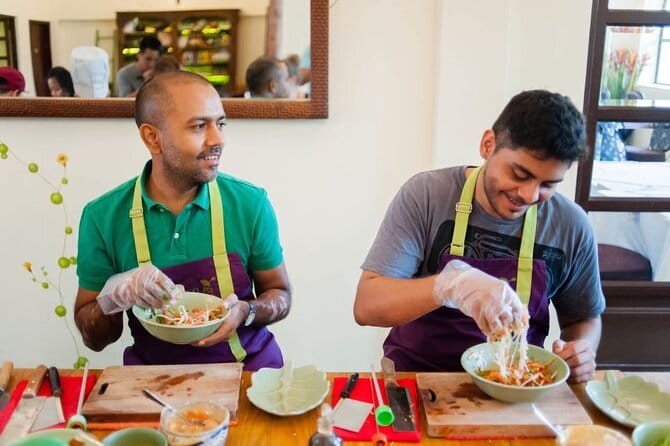
Cà phê cốt dừa, or coconut milk coffee, brings a gentle tropical note to the tasting. Coconut changes the body of the drink and gives the coffee a rounder, softer quality.
The coconut version is a useful counterpoint to the condensed milk and egg coffees. Instead of relying on one strong sweetener, it adds its own aroma and creamy texture. The coffee remains present, but the drink feels less direct and more dessert-like.
Here again, presentation matters. The class teaches you to build cups that look layered and inviting. Coconut milk can make the drink especially attractive when arranged with care, so this is one of the better preparations for anyone who enjoys making café-style drinks at home.
The four recipes work best as a set. Egg coffee shows texture, condensed milk coffee shows the classic sweet coffee balance, sea salt coffee shows restraint, and coconut milk coffee shows how a new flavor can soften the base.
A relaxed class led by Long or Sarah
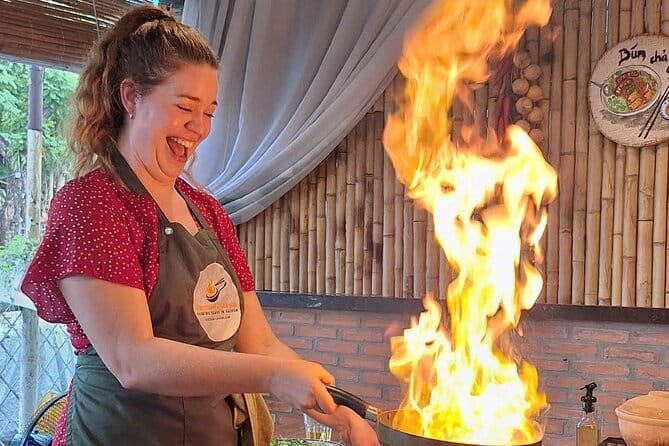
The instructor is identified as the head barista, Long, also referred to as Sarah. The teaching style is an important part of the experience. You need clear directions in a coffee workshop, but you also need enough breathing room to work at your own pace.
The class is described as funny and well paced. That matters because the session includes several recipes and techniques. A barista who moves too quickly can make the experience stressful, while one who explains every step for too long can leave you watching instead of making.
The balance here appears to favor participation. You prepare the coffees yourself, stay involved, and have a chance to ask questions. The class closes with a question and answer session, a recap of the main points, and a discussion of how coffee culture in Vietnam continues to change.
If you are traveling alone, the format also gives you an easy social setting. You share the activity with other people visiting Vietnam, but the subject keeps the conversation focused. It is a calmer alternative to a large food tour or a crowded evening activity.
What the $25 price includes
At $25 per person, this is a fair price if you want more than a tasting. You are paying for roughly two hours of instruction, four coffee preparations, the equipment and ingredients needed for the workshop, a question and answer period, and special gifts for each participant.
The value comes from the practical format. If the class were only a lecture with four samples placed in front of you, the price would be less compelling. Here, you work through the process and learn a method you can try again.
The class also gives you variety without requiring several café stops. You taste four traditional styles in one sitting and compare them while the differences are fresh. For a short stay in Ho Chi Minh City, that can be a good use of two hours.
The main question is how much coffee you actually want. If you are comfortable with strong Vietnamese coffee and enjoy tasting several preparations, the price feels reasonable. If you rarely drink coffee, you may value the cultural lesson more than finishing every cup.
Who should book this coffee workshop?
I would recommend it to coffee drinkers who want a practical introduction to Vietnamese café culture. It also suits people who enjoy cooking classes, food styling, and learning techniques they can repeat at home.
The class works well for couples, friends, and solo visitors. A group of up to 15 keeps it social without making the experience feel like a large production. The mobile ticket and central meeting point also make it easy to fit into a day in District 1.
Families may need to think about the caffeine issue, especially for younger participants, because the class centers on four coffee drinks. Anyone with dietary restrictions should also consider the ingredients named in the recipes, particularly egg, condensed milk, sea salt, and coconut milk.
I would choose a morning session if you are sensitive to caffeine. The afternoon option can be enjoyable, but four coffees may leave you wide awake later than planned.
Practical details before you go
You receive confirmation when you book, and you can show a mobile ticket. The meeting and return point is 131/3 Nguyễn Thị Minh Khai, Ho Chi Minh City.
Service animals are allowed, and the location is near public transportation. The maximum group size is 15 people.
You can cancel for a full refund if you do so at least 24 hours before the start time. Cancellations or changes made within 24 hours are not refunded or accepted, and the cut-off follows local time.
Should you book it?
Book this class if you want to make four Vietnamese coffees rather than simply drink one. The egg coffee, sea salt coffee, and coconut milk coffee provide enough variety to make the session feel like a real lesson, while the classic condensed milk coffee gives you a familiar starting point.
I would skip it only if you avoid caffeine, dislike sweet or creamy coffee, or prefer a short café stop over a two-hour workshop. For everyone else, the combination of hands-on brewing, a small group, a funny and well-paced instructor, and special gifts makes $25 a sensible way to spend part of your Ho Chi Minh City visit.
FAQ
Where does the coffee class begin?
The class begins at 131/3 Nguyễn Thị Minh Khai, Phường Phạm Ngũ Lão, Quận 1, Ho Chi Minh City, Vietnam.
Where does the activity end?
The activity ends back at the meeting point.
How long does the experience last?
The class lasts approximately two hours.
Which coffees will I prepare?
You will prepare egg coffee, dark roast condensed milk coffee, sea salt coffee, and coconut milk coffee.
How many people can join the class?
The activity accepts a maximum of 15 participants.
Is public transportation available near the meeting point?
Yes. The meeting location is near public transportation.
What is the cancellation policy?
You can receive a full refund if you cancel at least 24 hours before the start time. Cancellations or changes made less than 24 hours before the start time are not accepted, and the amount paid is not refunded.
Freshly brewed listings in Ho Chi Minh City
- Tea & Coffee Experience★ 5.0 · 10 reviews
- Saigon Special Night Coffee Landmark 81 & Food Tour★ 5.0 · 2 reviews
- Hands-on making 3 Iconic Coffees of South Central North Vietnam★ 5.0 · 14 reviews
- Private Ho Chi Minh City Tour from Port & Vietnamese Egg Coffee★ 5.0 · 6 reviews
- Sai Gon Special Coffee At Landmark 81 & Street Food tour★ 5.0 · 3 reviews
- Drip Craft Coffee Workshop-Discover 4 Famous Types of Viet Coffee★ 5.0 · 2 reviews
- Discover Vietnam’s Coffee Culture.★ 5.0 · 5 reviews
- [Free E-sim] Half day Instagram Cafe Tour in Ho Chi Minh★ 4.5 · 8 reviews
Ho Chi Minh City Coffee Tours, compared.
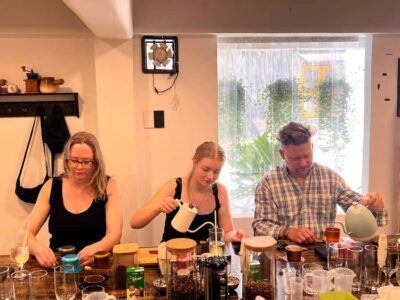
Egg coffee & Course on 4 traditional types of Viet coffee
Read our review →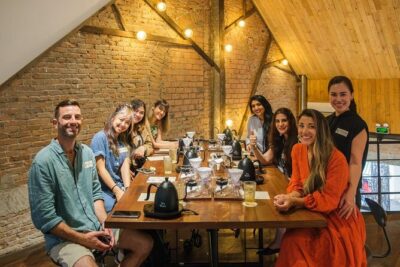
Fun & Easy Vietnamese Coffee Workshop in Hồ Chí Minh City
Read our review →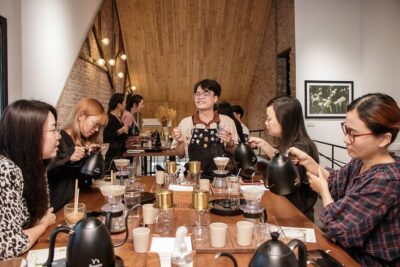
Vietnamese Coffee & Culture Exploration in Hồ Chí Minh City
Read our review →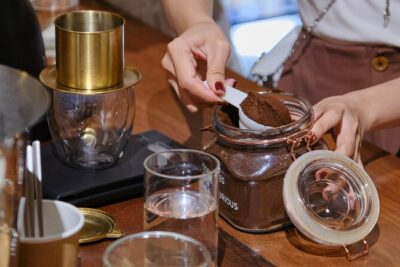
Decadent Vietnamese “Egg Coffee” Workshop in Hồ Chí Minh City
Read our review →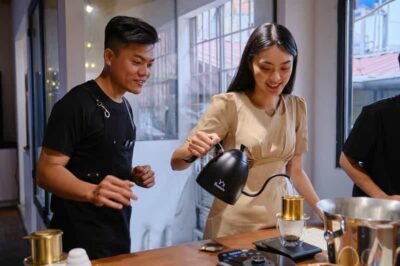
Ho Chi Minh City: Fun and Easy Coffee Workshop for Beginners
Read our review →
Techniques & Secrets Behind the Famed Vietnamese Egg Coffee
Read our review →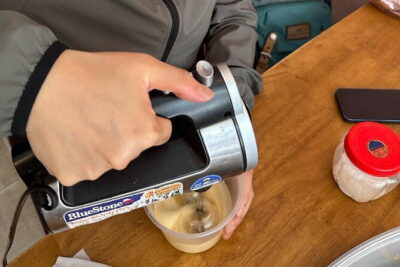
1 hour Egg Coffee Cooking Class with Snack and Local Instructor
Read our review →