
Review · HANOI
Hanoi Ultimate Coffee Workshop: Make, Learn & Taste
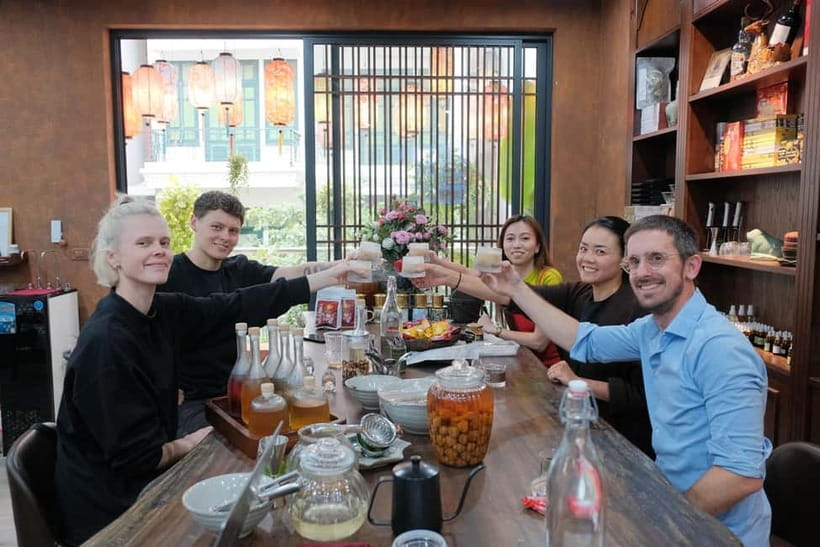
Vietnamese coffee is not just strong coffee poured over ice. In this Hanoi workshop, you learn how beans are grown and roasted, handle the traditional tools, and make several drinks yourself, including egg coffee, salt coffee, coconut coffee, and coffee cocktails. It is part tasting session, part practical class, and part introduction to a daily Vietnamese ritual.
I like the hands-on format and the chance to compare five classic brews rather than simply being handed a cup. I also like the practical extras: local tools, recipe notes, digital coffee books, and a certificate if you request one. Hosts such as Luka, Lin, Giang, and Jonathan are praised for clear explanations and an easy sense of fun.
The main consideration is the amount of caffeine. Some sessions include six coffees, plus wine tasting, and the class can last up to five hours. If you are sensitive to coffee, ask about tasting portions before you begin.
Key points to know before booking
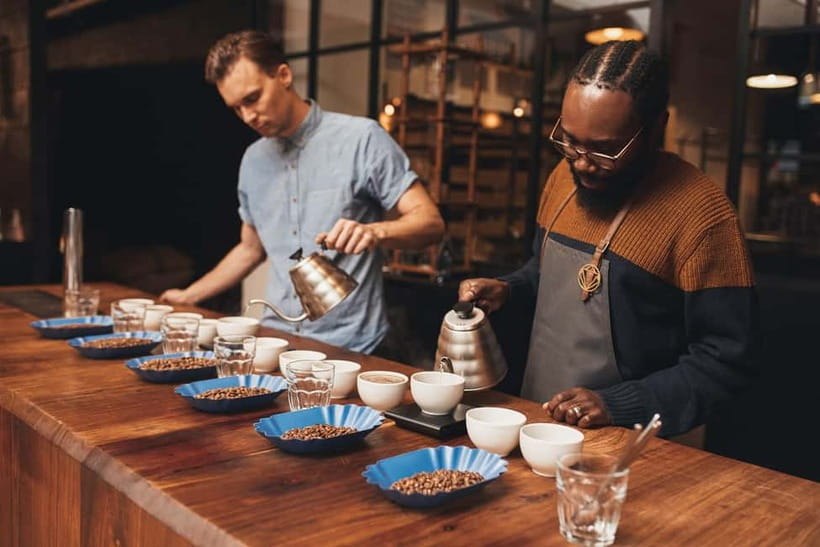
- Make the coffee yourself: You use filters, grinders, and other traditional equipment instead of watching a standard demonstration.
- Taste Hanoi in several styles: Egg coffee, salt coffee, brown coffee, coconut coffee, pour-over coffee, and coffee cocktails may all appear in the session.
- Expect a strong coffee lesson: The class covers cultivation, green beans, roasting, brewing technique, and ways to spot poor or counterfeit coffee.
- Hosts make a difference: Luka, Lin, Giang, and Jonathan are among the instructors praised for clear teaching and lively storytelling.
- Old Quarter pickup is limited: Complimentary pickup and drop-off apply within Hanoi’s Old Quarter. Other areas may cost extra.
- Good value at $23: The fee includes the workshop, equipment, snacks, wine tasting, recipes, and digital coffee books, making it especially useful for coffee fans.
Hanoi coffee culture in one practical class
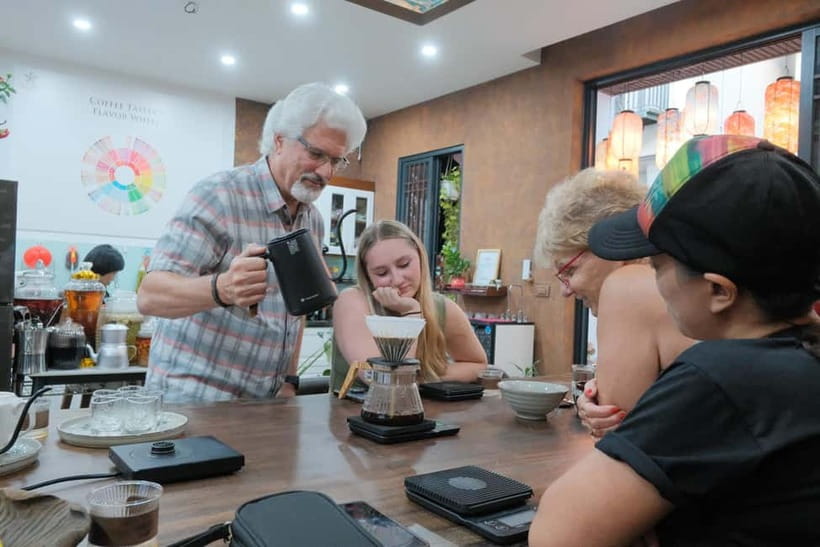
This experience is a good match for you if you want more than a café stop. Hanoi has plenty of cafés where you can order egg coffee or condensed-milk coffee, but a cup on a menu does not explain how the drink came to be, what makes it distinctive, or how to prepare it at home.
The class begins with the story of coffee in Vietnam and its place in the wider coffee world. You learn about coffee trees, growing conditions, green coffee beans, and roasting. The green beans are especially useful to see because they show the product before roasting changes its color, smell, and flavor.
The teaching also covers the difference between an authentic cup and poor or counterfeit coffee. That is a worthwhile part of the session, since Vietnamese coffee is often associated with a heavy, intense style that can be imitated with low-quality ingredients. You are not simply memorizing a recipe. You are learning what to look for in the beans, the equipment, and the finished drink.
The class is taught in English and is designed around participation. That matters because the drinks are not all made in the same way. You handle the tools, follow the brewing steps, and taste the result while the instructor explains what went right or what could be adjusted.
More Coffee Making Classes in Hanoi
- Hanoi Coffee Workshop: Taste Salt, Coconut and Egg Coffee
★ 5.0 · 1,286 reviews - Hanoi: Salt Coffee Workshop Awake Your Senses With 6 Brews
★ 5.0 · 792 reviews - Hanoi: Vietnamese Coffee Workshop with 6 Brews and 8 Recipes
★ 5.0 · 237 reviews
From green beans to the Vietnamese phin
The equipment is one of the most useful parts of the workshop. Vietnamese coffee is closely linked with the small metal phin filter, which sits directly over a cup and lets the coffee drip slowly. You get to work with local coffee-making tools, along with grinders and other equipment used in the preparation process.
A slow drip changes the rhythm of the drink. You are not pressing a button and moving on. You watch the coffee pass through the filter and learn how technique affects the final cup. The workshop explains the requirements for a good brew, including the handling of the beans and the preparation method.
This is the kind of detail that makes the class useful after you leave Hanoi. The provided recipe book gives you a reference for recreating the drinks at home, while the digital coffee books offer more material to read later. The recipes are a real advantage over a tasting-only activity, especially if you already own basic coffee equipment.
The lesson is not presented as a formal barista qualification. It is a friendly cultural workshop with professional guidance from people who have more than 10 years of experience in the coffee industry. A professional certificate is available if you request one.
The five core coffees, plus possible extras
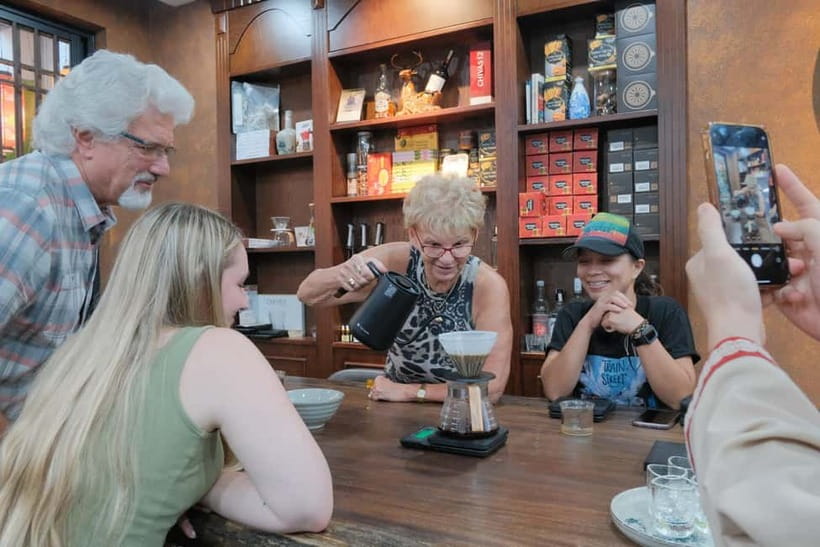
The exact number of drinks can vary in the way the program is described. The main plan focuses on five distinctive Vietnamese brews, while several sessions have included six coffees and an additional cocktail or variation. You should think of the following as the menu of possibilities rather than a guaranteed fixed sequence.
Vietnamese egg coffee
Egg coffee is one of Hanoi’s best-known specialties. The drink combines coffee with a creamy egg-based topping, creating a dessert-like contrast between bitterness and sweetness. The workshop shows you how to prepare it rather than simply presenting a finished glass.
This is often the most memorable drink for first-time visitors because it does not taste like an ordinary coffee with milk. Pay attention to the balance. The coffee needs enough strength to hold its own against the rich topping.
More Coffee Making Classes in Vietnam
- Ha Noi Egg Coffee Class
★ 5.0 · 227 reviews - Hanoi Coffee Workshop: Master 6 Signature Vietnamese Coffee
★ 5.0 · 171 reviews - Hanoi Coffee Class learning 5 famous coffee in Hanoi
★ 5.0 · 161 reviews - Mini Hanoi Coffee Workshop: Pick Any Signature Coffee You Like
★ 5.0 · 160 reviews
Vietnamese brown coffee
The original brown coffee is the classic condensed-milk style. It is sweet, powerful, and closely tied to the slow-drip phin method. You learn the basic structure of a cup that appears everywhere in Vietnam, then taste the result you have prepared yourself.
This is likely the most useful recipe to take home. The ingredients are easier to find than those for some specialty drinks, and the method gives you a direct connection with everyday Vietnamese café culture.
Coconut coffee
Coconut coffee brings a cooler, sweeter side to the workshop. The coconut element changes the texture and softens the coffee’s force. It is a good comparison with brown coffee because both can be sweet, but they produce a different finish.
You may find this drink especially appealing in Hanoi’s warm weather, though the workshop itself is an indoor activity. That makes the class a sensible plan on a rainy day, when walking between cafés is less attractive.
Pour-over coffee
The pour-over section gives you a chance to compare a more measured brewing style with the traditional Vietnamese filter. It places more attention on the relationship between water, coffee, and timing.
This part may appeal most if you already enjoy specialty coffee. It gives the class some range and prevents the session from becoming only a tour of sweet coffee drinks.
Salt coffee
Salt coffee adds another sharp contrast. A small amount of salt can change how sweetness and bitterness register, creating a drink that tastes different from its simple list of ingredients.
The inclusion of salt coffee is a strong reason to choose this class over a standard coffee tasting. You are sampling regional ideas and modern variations, not only the familiar brown coffee.
Coffee cocktails, wine, and possible sixth drinks
The session can also include signature coffee cocktails made with jam and local wine. Local Vietnamese wines are available for tasting, and some sessions have included six coffees in all.
The order matters. Coffee comes before the wine tasting, which is sensible for both flavor and alertness. Still, this is a lot to consume in one sitting. Drink the water provided, use the snacks, and ask the host if you would prefer small tasting portions.
The coffee cocktails also make the experience more social and playful. They are less about mastering a daily brewing habit and more about seeing how Vietnamese ingredients can be used in a creative drink.
What the 3 to 5 hours look like
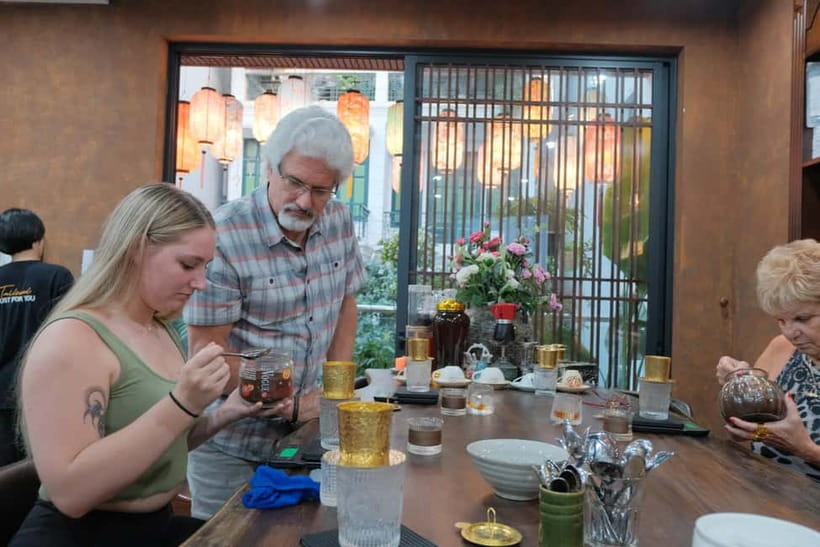
The timing depends on the chosen option and start time. The coffee tasting itself is listed at about three hours, with the full activity lasting from three to five hours. A local restaurant stop is also listed for lunch or dinner for about 1.5 hours, but the supplied details do not clearly state that a full meal is included in the base price. Confirm this point when booking if food is important to your plans.
A typical session begins with the introduction to coffee history, cultivation, beans, and roasting. This first section gives the later tasting some context. Instead of wondering why Vietnamese coffee tastes so forceful or why a phin takes time, you understand the process before you start making drinks.
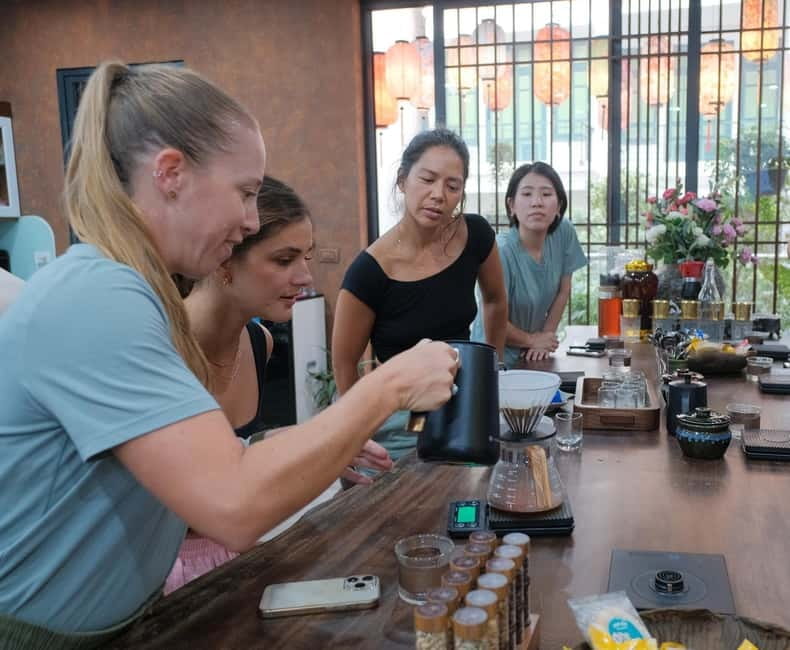
The practical brewing follows. You move through the tools and recipes with the instructor’s help. The atmosphere is intended to be relaxed, but you should still expect a fair amount of information. The hosts explain each drink in detail, answer questions, and connect the recipes with Vietnamese habits.
The final stage brings together the tastings, wine, snacks, and conversation. Some people may find the full session easy to fill, especially if they enjoy asking about beans and brewing. If you want a quick coffee stop, this is not the right format.
Meeting in Hoang Hoa Tham or arranging Old Quarter pickup
The stated meeting point is at Alley 75, Lane 173, Hoang Hoa Tham Street. Look for the intersection with the large yellow Bia Hoi Mau Dich sign. The team meets you there and guides you to the venue.
Use the supplied Google Maps location carefully, since Hanoi’s lanes can be confusing and the meeting point is not described as a major street-front café. Allow a little extra time if you are making your own way there.
Pickup and drop-off are available within the Old Quarter area. Pickup times usually fall within a 15 to 20 minute window, but Hanoi traffic and weather can shift the schedule. If your hotel is outside the French Old Quarter, pickup may cost extra.
Private groups have more flexibility. Complimentary pickup is available within 10 kilometers of the Hanoi Post Office, including locations outside the Old Quarter. Private sessions can also adjust the start and finish time, pickup point, and menu items upon request.
Transport has been especially useful in poor weather. One session still collected a participant during flooded roads, and another arranged transport to the roastery. These details suggest that you should contact the operator early if rain, road access, or a special pickup location matters to you.
Why the $23 price is good value
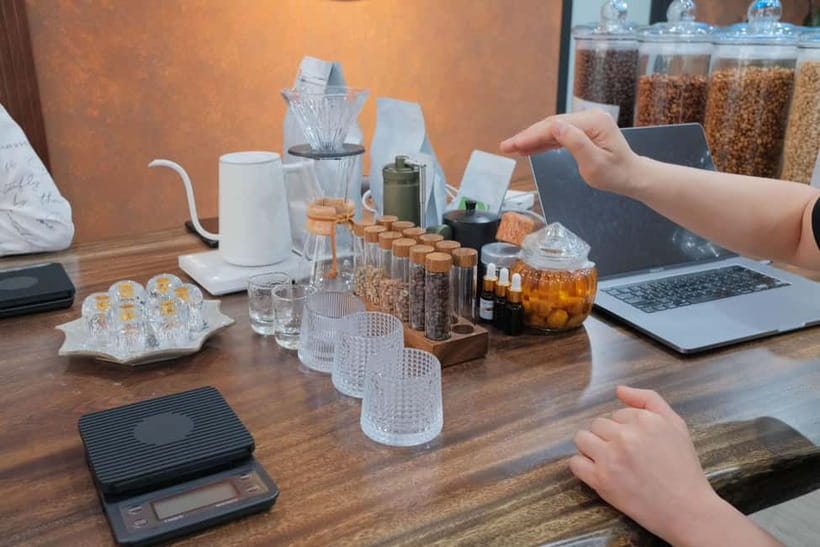
At $23 per person, the workshop costs more than ordering one or two Vietnamese coffees, but the comparison is not really fair. You are paying for a 3 to 5 hour class, instruction from experienced coffee professionals, the use of grinders and filters, several tastings, snacks, wine, recipes, and digital coffee books.
The value is strongest if you will use what you learn. The recipe book gives you a way to repeat the drinks, and the lesson on identifying poor coffee can help you make better choices at cafés and shops. The experience also gives you cultural context that a simple tasting cannot provide.
The price is less compelling if you dislike sweet drinks, avoid caffeine, or only want a short demonstration. The quantity of coffee is a serious consideration. Some people found themselves well supplied with caffeine after the session, even though water and snacks were available.
Private groups may cost more depending on the arrangement, but the added control can be worthwhile for couples, families, or coffee enthusiasts who want particular drinks. The menu and timing can be customized, which is not usually possible in a standard group class.
The hosts and teaching style
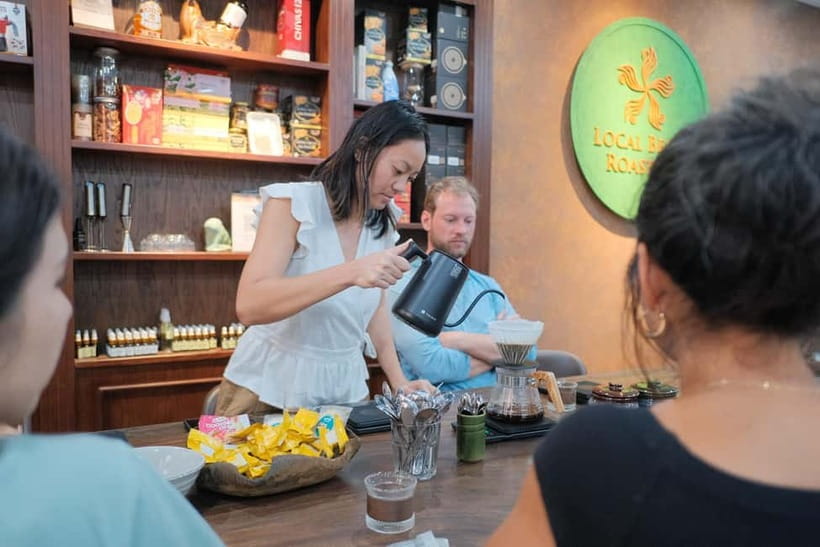
The human side of this experience is important. Luka is praised for combining coffee expertise with humor and clear explanations. Lin is noted for making people feel welcome and explaining each coffee carefully. Giang is described as both educational and fun, while Jonathan has used prepared slides and storytelling to explain coffee making and roasting.
These names may not correspond to every departure, so you should not book based on one specific instructor unless the operator confirms who will lead your session. Still, the repeated pattern is clear: the class depends heavily on the person guiding it, and the available hosts are presented as experienced coffee professionals.
The teaching style seems suited to curious beginners rather than only serious coffee specialists. You can ask questions, see the tools up close, and learn at a practical pace. Private sessions are better if you have a narrow goal, such as mastering a particular drink or discussing a brewing method in more detail.
Who should book this coffee workshop
I would recommend it to:
- Coffee drinkers who want to understand Vietnamese brewing rather than just sample it
- First-time visitors looking for an indoor Hanoi activity
- Couples and small groups who enjoy food and drink classes
- People who want recipes and tools explained in a practical way
- Visitors staying in the Old Quarter who can use the pickup option
- Anyone curious about egg coffee, salt coffee, or coffee cocktails
I would be more cautious if you are highly sensitive to caffeine, dislike sweet coffee, or have limited time in Hanoi. The session is not a quick café visit, and the drink count can reach six coffees plus wine.
The workshop also suits a rainy morning particularly well. You can spend several hours indoors, learn something specific, and still leave with a better understanding of one of Vietnam’s everyday pleasures.
Should you book it?
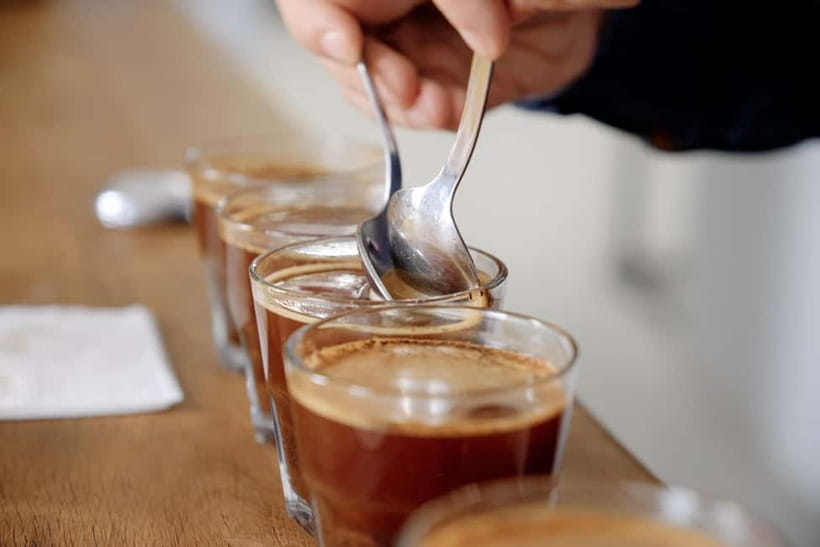
Book this experience if you want to make the drinks yourself, ask questions, and leave with recipes instead of only photographs. The combination of coffee history, roasting basics, local equipment, five core brews, possible extras, wine, and Old Quarter transport offers strong value at $23.
Skip it if you want a short, quiet tasting or need to limit caffeine. For everyone else, this is a useful and enjoyable way to understand Hanoi coffee from the inside, with enough practical instruction to keep the experience going after you return home.
FAQ
How much does the Hanoi Ultimate Coffee Workshop cost?
The listed price is $23 per person.
How long does the workshop last?
The activity lasts between 3 and 5 hours, depending on the selected option and starting time.
Where is the meeting point?
Meet at Alley 75, Lane 173, Hoang Hoa Tham Street, at the intersection with the large yellow Bia Hoi Mau Dich sign.
Is hotel pickup available?
Pickup and drop-off are available within Hanoi’s Old Quarter area. Locations outside the Old Quarter may request pickup for an additional fee.
Is pickup included for private groups?
For private groups, complimentary hotel pickup is available inside and outside the Old Quarter within 10 kilometers of the Hanoi Post Office.
Which coffees can I make?
The listed drinks include Vietnamese salt coffee, egg coffee, original Vietnamese brown coffee, coconut coffee, and pour-over coffee. Coffee cocktails with jam and local wine may also be included.
How many coffees will I taste?
The main workshop is described as teaching up to five unique brews, while some sessions have included six coffees. Confirm the exact menu when booking.
Is wine tasting included?
Yes. The experience includes a selection of local Vietnamese wines and signature coffee cocktails with jam and local wine.
Is food included?
Welcome refreshments and snacks are included. A local restaurant stop for lunch or dinner is listed, but the supplied details do not clearly confirm that a full meal is included in the base price.
Is the workshop taught in English?
Yes. English is the listed instruction language.
Can I book a private group?
Yes. Private groups are available, with possible changes to timing, pickup location, and menu items.
Do I receive recipes after the class?
Yes. A recipe book is provided, along with free digital copies of coffee books related to the workshop.
Can I get a certificate?
Yes. A professional certificate is available if requested.
Can I cancel the booking?
You can cancel up to 24 hours in advance for a full refund. The reserve-now, pay-later option is also available.
Freshly brewed listings in Hanoi
- Vietnamese Coffee 101 Workshop★ 5.0 · 11 reviews
- Private tour: Hanoi city tour-Van Phuc silk village with egg coffee, lunch★ 5.0 · 2 reviews
- Taste of Vietnam’s Coffee Scene – A Guided Experience★ 5.0 · 2 reviews
- Private Hà Nội Coffee History Tour★ 5.0 · 6 reviews
- Walking Tour in Hanoi Old Quarter with Street Food & Coffee★ 5.0 · 4 reviews
- Hanoi Private And All Inclusive Coffee Lovers Tour in Vietnam★ 5.0 · 6 reviews
- hidden gems cafe – learn making coconut and egg coffee★ 5.0 · 2 reviews
- Hanoi History Coffee Tour★ 5.0 · 2 reviews
Hanoi Coffee Tours, compared.
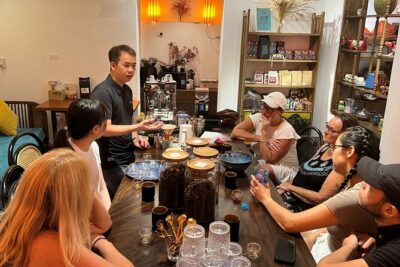
Hanoi Coffee Experience: 6 Brews, 9 Recipes & 3 Liquor Tastings
Read our review →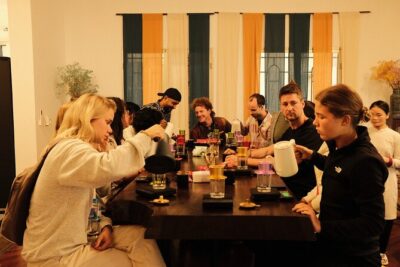
Hanoi Coffee Workshop: Taste Salt, Coconut and Egg Coffee
Read our review →
Hanoi: Salt Coffee Workshop Awake Your Senses With 6 Brews
Read our review →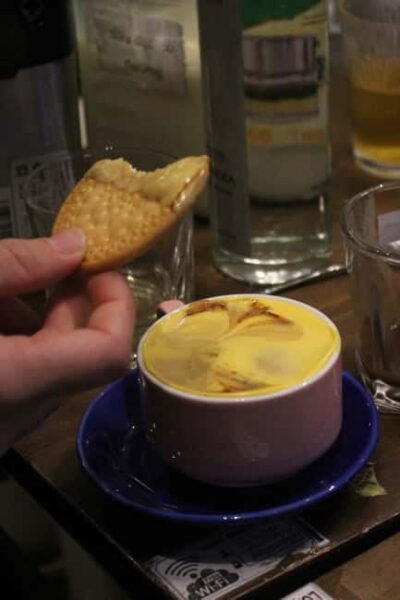
Hanoi: Master the Art of 4-6 Signature Vietnameses Coffees
Read our review →
Hanoi: Vietnamese Street Food Tour with Egg Coffee
Read our review →
Hanoi Cooking Class: Pho/Bun Cha/Banh Xeo…+Free Egg/Salt Coffee
Read our review →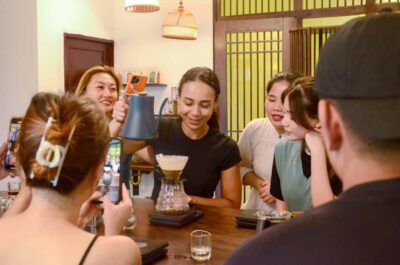
Hanoi: Vietnamese Coffee Workshop with 6 Brews and 8 Recipes
Read our review →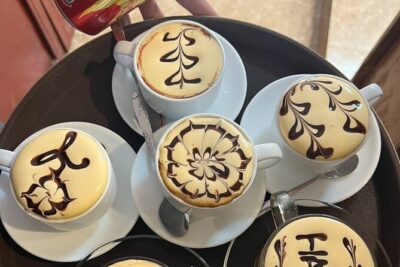
Browse the lists this tour appears in