
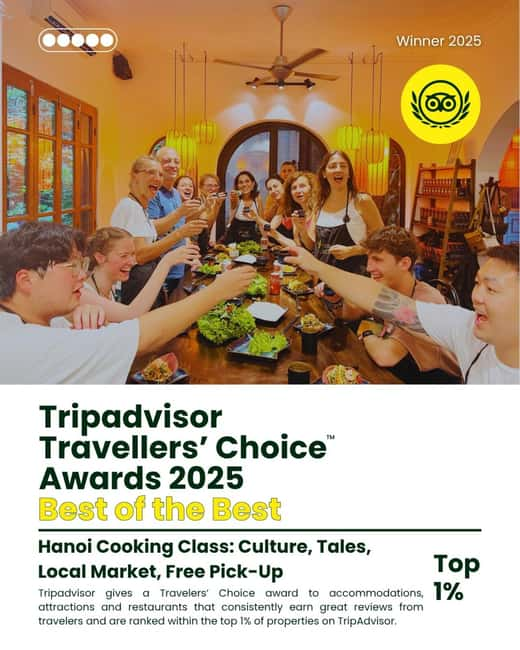
Review · HANOI
Hanoi: Rose Kitchen: Pho/Bun Cha/Nem+ Free Egg/ Salt Coffee
Hanoi’s Rose Kitchen turns a cooking lesson into a small cultural visit. You meet your English-speaking guide at a roadside sign, walk to a quiet garden villa, and learn to make one Vietnamese classic while hearing why the dish matters. Guides such as Simon, Maxi, Aroma, and Kim are praised for patience, clear instruction, and warm personalities.
I like the peaceful villa setting, a welcome change from Hanoi’s traffic and tight cooking studios. I also like the useful choice of one dish and one coffee, since you can focus on making pho, bun cha, spring rolls, or another favorite rather than rushing through a long menu.
The main consideration is that the standard class centers on one dish for your group, not a full survey of Vietnamese cooking. At $21, it is good value for a hands-on meal and two-hour lesson, but you should choose your dish carefully if you want the class to match a particular food interest.
Key points to know before booking
- Choose one Vietnamese classic: Options include pho bo, pho ga, bun cha, nem ran, banh xeo, goi cuon, and cha ca la vong, with vegetarian versions available.
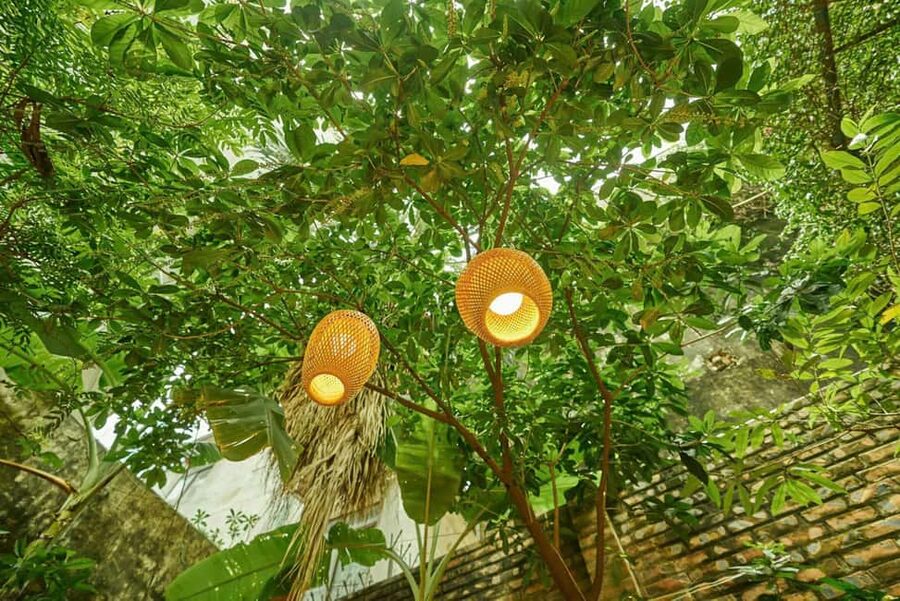
- Cook in a garden villa: The two 250-square-meter villas offer generous space, air conditioning, and a calmer setting than a busy restaurant.
- Expect personal teaching: Simon, Maxi, Aroma, Kim, Colin, and Oanh are among the guides who lead sessions in English.
- Coffee is part of the experience: Pick egg, coconut, salt, or classic Vietnamese drip coffee after cooking.
- Your meal is included: You eat what you prepare as lunch or dinner, depending on your time slot.
- The visit supports local women: The class provides steady work for elder women from rural communities.
A quiet start away from central Hanoi traffic
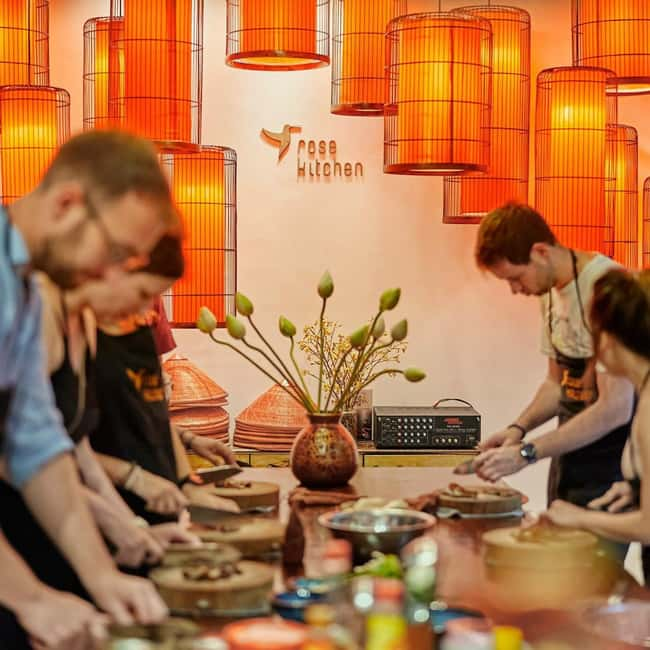
The experience begins at Alley 75, Lane 173, Hoang Hoa Tham Street. This is a crossroads rather than a polished storefront, so take a taxi or Grab and look for the large yellow Bia Hoi Mau Dich sign.
A cultural storyteller meets you there and walks you a short distance to the kitchen. That small escort matters. The meeting point can feel easy to miss if you are expecting a restaurant entrance, but once you spot the yellow sign, the arrival is simple.
You receive a complimentary herbal drink on arrival. Then you settle into one of two garden villas, each measuring about 250 square meters. The air conditioning is useful in Hanoi’s heat, while the open, garden-style setting gives the class more breathing room than many compact urban cooking schools.
I would allow a little extra time for the meeting point, especially if you are coming from the Old Quarter. The class itself lasts two hours, but the walk from the crossroads and the need to find the sign make this less of a walk-in activity.
More Vietnamese Coffee Experiences in Hanoi
- Hanoi: Salt Coffee Workshop Awake Your Senses With 6 Brews
★ 5.0 · 792 reviews - Hanoi Cooking Class: Pho/Bun Cha/Banh Xeo…+Free Egg/Salt Coffee
★ 5.0 · 267 reviews - Hanoi: Vietnamese Coffee Workshop with 6 Brews and 8 Recipes
★ 5.0 · 237 reviews
Choosing between pho, bun cha, and spring rolls
Your central decision is the dish. The class asks you to choose one iconic Vietnamese recipe for your group, and vegetarian versions are available for every option.
Pho bo and pho ga suit you if you want Vietnam’s most famous noodle soup. Pho bo uses beef, while pho ga uses chicken. The lesson also gives your guide room to explain why pho is commonly eaten for breakfast, a detail that makes the dish more than a bowl of noodles for many Vietnamese families.
Bun cha is the strongest choice if you want a Hanoi specialty. The dish combines grilled pork, rice noodles, herbs, and dipping sauce, so you work with several elements rather than preparing one single item. It also gives you a taste of the sweet, savory, smoky balance that defines northern Vietnamese food.
Nem ran, or Hanoi-style fried spring rolls, is a good pick for hands-on work. Rolling the filling and handling the wrappers gives you a clear task, and the finished food is easy to share. Some sessions have paired spring rolls with another dish, but the standard description centers on one selected dish, so confirm the plan if you want more than one recipe.
Goi cuon offers a lighter route. These fresh spring rolls use herbs and dipping sauce rather than deep frying. Choose this if you prefer fresh ingredients and want a vegetarian-friendly option.
Banh xeo brings the sizzle. This crispy pancake is associated with southern Vietnam, making it an interesting choice in a Hanoi class. The regional contrast gives your guide a chance to explain how Vietnamese cooking changes from north to south.
Cha ca la vong is a Hanoian fish dish with dill. It is a more specific local choice for someone who has already tried pho and bun cha and wants something tied closely to Hanoi food culture.
The practical advice is simple: pick the dish you most want to understand, not the one that sounds easiest. The whole point is to work with the ingredients, seasoning, and serving style rather than simply watch a chef prepare a meal.
Cooking with Simon, Maxi, Aroma, Kim, Colin, or Oanh
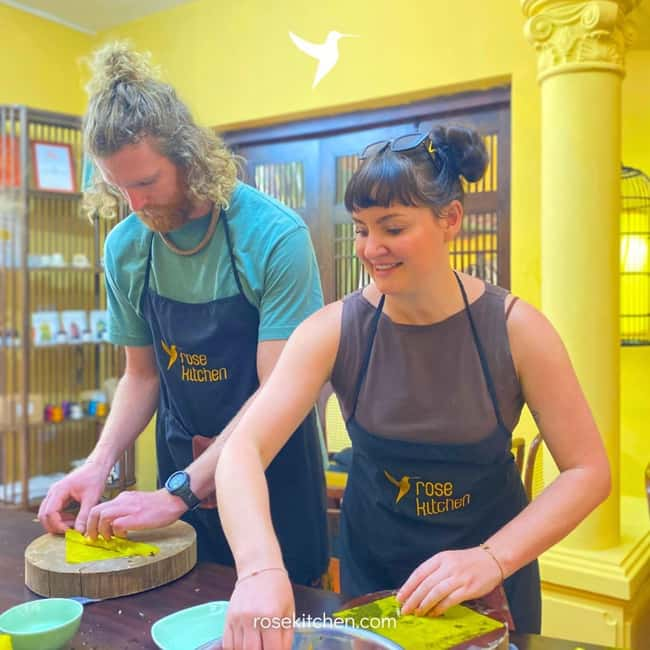
The strongest part of the experience is the teaching. Guides including Simon, Maxi, Aroma, Kim, Colin, and Oanh lead classes in English, and the instruction is step by step.
Simon receives especially strong praise for clear English, humor, patience, and cooking skill. He has guided families, solo visitors, vegetarians, and first-time cooks, adjusting his help without making the session feel like a lecture. That matters in a class where chopping, seasoning, shaping, or grilling may feel unfamiliar.
Maxi is also a popular guide for her friendly approach and careful explanations. One vegetarian session focused on bun cha, and the guide adapted the preparation so the diner could take part fully. Aroma has been described as warm and helpful, including assisting with a ride after class in rainy weather.
Kim’s teaching style is practical. You can expect explanations while you cut vegetables or season meat, with attention to the reason behind each step. Colin and Oanh have also led sessions, giving the operation more than one familiar face.
The phrase cultural storyteller fits the format. You are not only shown how to assemble food. You hear about traditions, regional habits, and the place each dish holds in daily life. The guides are trained by the head chef of Sofitel Metropole, which helps explain the polished teaching style without turning the class into a formal culinary-school exercise.
The kitchen supplies all tools and ingredients. Mineral water is available throughout, and a dedicated butler provides personal support during the session. You do not need to bring equipment, though curiosity and a willingness to handle the food yourself will make the class more rewarding.
What the two-hour class feels like
The exact order can vary by dish, but the experience has a clear rhythm.
First comes the welcome drink and introduction in the villa. Your guide explains the selected recipe and its cultural background. This is the point to mention dietary needs, including vegetarian or gluten-free requirements.
Next comes the preparation. You might cut herbs and vegetables, season fillings, shape spring rolls, prepare noodles, or work through the components of a soup. The teaching is interactive rather than a demonstration from a distance. You should expect to do the work, with help when your knife technique or seasoning needs correction.
The cooking stage gives the dish its character. Bun cha requires attention to grilled pork and the dipping sauce. Pho involves the balance of broth, noodles, herbs, and protein. Nem ran depends on careful rolling and frying. Banh xeo requires timing if you want a crisp pancake.
Finally, you sit down to eat the meal you prepared. This is lunch or dinner depending on your time slot. The meal is not an added restaurant bill, and it gives you a chance to taste the effect of each technique while the lesson is still fresh.
The class finishes with one complimentary Vietnamese coffee. You choose egg coffee, coconut coffee, salt coffee, or classic ca phe nau or ca phe den. Egg coffee is the Hanoi signature, with a creamy topping over strong coffee. Salt coffee offers a bolder, less expected finish, while coconut coffee is sweeter and softer.
The coffee is not just a free extra. It gives the session a final cultural note, especially if you choose egg coffee, which is closely linked with Hanoi’s cafe tradition.
Same town, another way to drink it:
- Hanoi Coffee Experience: 6 Brews, 9 Recipes & 3 Liquor Tastings
★ 5.0 · 2,945 reviews - Hanoi Coffee Workshop: Taste Salt, Coconut and Egg Coffee
★ 5.0 · 1,286 reviews - Hanoi: Master the Art of 4-6 Signature Vietnameses Coffees
★ 5.0 · 517 reviews - Hanoi: Vietnamese Street Food Tour with Egg Coffee
★ 4.9 · 315 reviews
The villa setting changes the pace
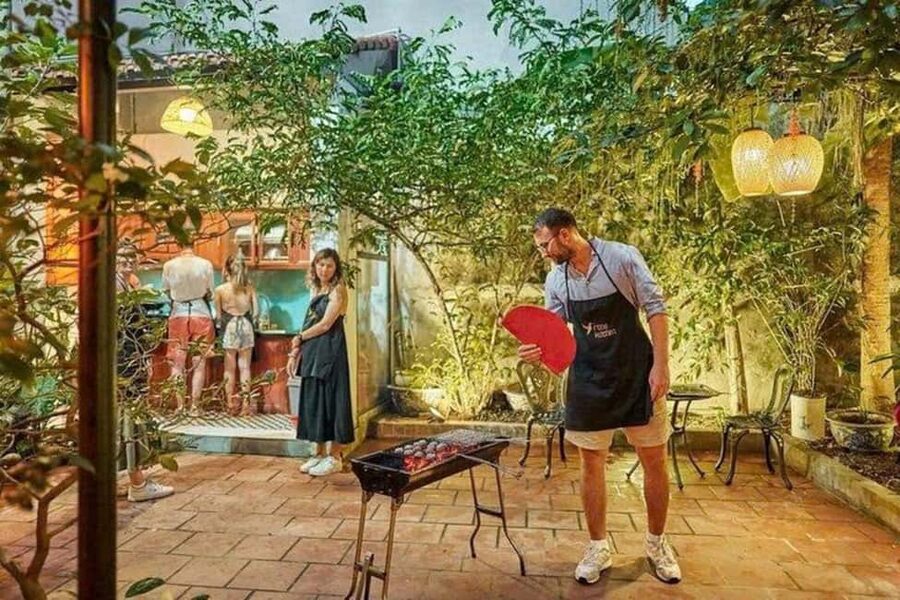
Hanoi can feel crowded, noisy, and fast. Rose Kitchen gives you a pause without taking you far from the city.
The two villas provide an exclusive setting for the class, with room for cooking, eating, and conversation. Air conditioning keeps the practical work comfortable, and the garden setting makes the meal feel less like a scheduled stop between sightseeing visits.
This is useful for families and small groups. A child can watch the process without standing in a narrow restaurant aisle, and a family can share one meal after working together. Solo visitors can also receive more attention when the session is small or privately booked.
The setting is not a traditional market tour. You do not spend the morning buying ingredients from vendors or walking through food stalls. If you want a market-based experience, this will feel more contained. If you want clean facilities, clear instruction, and a quiet place to cook, the villa is a strong fit.
What the $21 price really covers
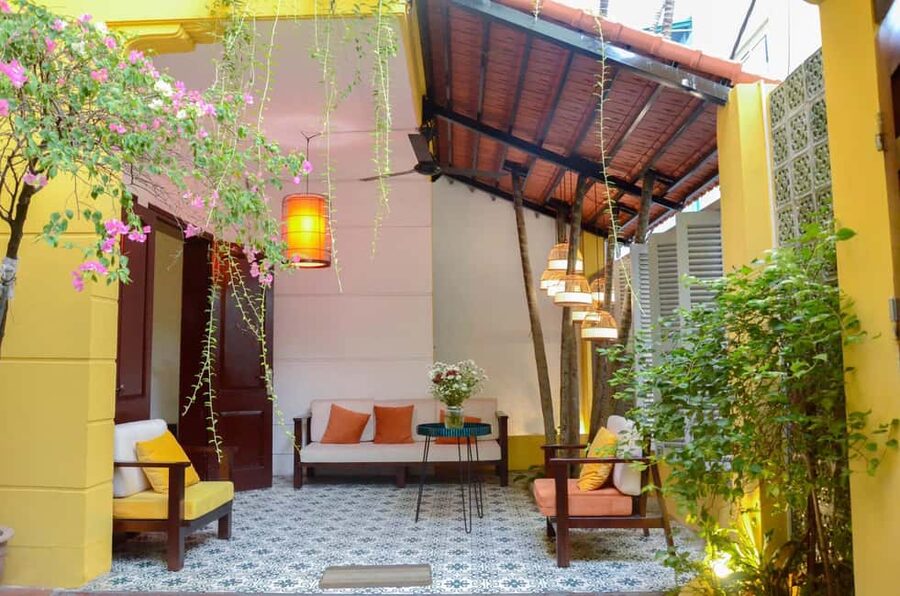
At $21 per person, the price covers more than a short cooking demonstration. You receive a welcome drink, ingredients, tools, instruction in English, unlimited mineral water, a full meal, one coffee, and luggage storage.
The value depends on how much you want to participate. If you only want to eat Vietnamese food, a local restaurant will cost less. If you want to understand how a dish is made, ask questions, and leave with a recipe experience you can repeat, the price is reasonable.
The cultural element also gives the class extra weight. The activity helps provide steady, respectful work to elder women from rural communities. That does not change the cooking itself, but it gives your spending a direct local purpose beyond the meal.
You should also factor in the comfort of the setting. An air-conditioned kitchen, a personal butler, English instruction, and luggage storage can be useful after hotel checkout or before an evening departure. The class is not merely a cheap lunch, and it is not priced like a full professional culinary course. It sits in the middle: a guided cultural activity with food you eat at the end.
Who will get the most from this class
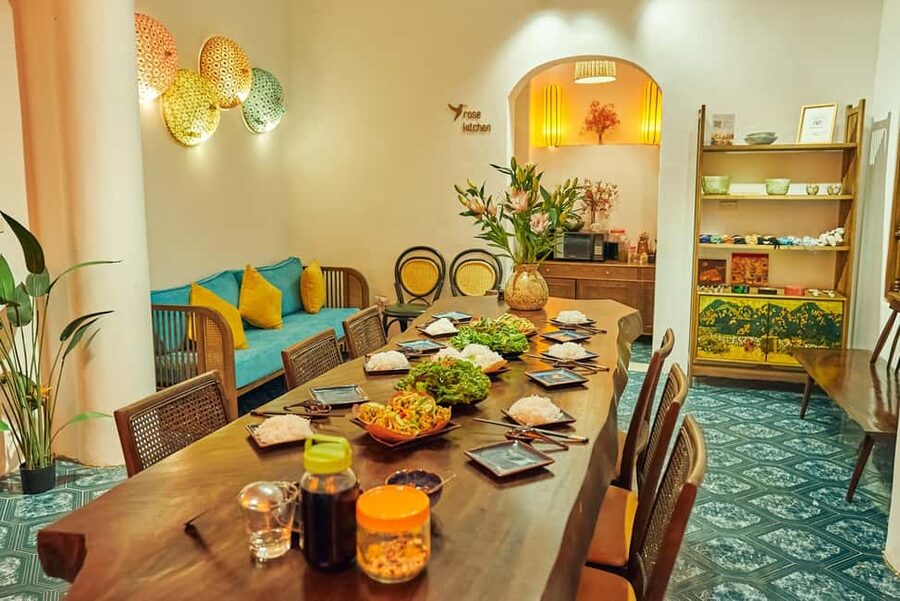
I would recommend Rose Kitchen to several types of visitors.
First-time visitors to Hanoi get an introduction to pho, bun cha, coffee, and food customs in one compact session. The explanation of breakfast pho is especially useful because it connects a famous dish with ordinary daily life.
Families benefit from the hands-on structure and friendly teaching. Simon, in particular, has worked well with families, and the villa gives a group room to work together.
Vegetarians and visitors with dietary needs should find the format accommodating. Vegetarian versions are offered for all dishes, and a gluten-free diner received careful attention to clean preparation and safe ingredients. Tell your guide about your needs at the start.
Solo visitors may receive a one-on-one session if the schedule allows. That can turn the class into a very personal lesson, with more time for questions and corrections.
Food-focused visitors can choose a dish with a clear Hanoi connection, such as bun cha, pho, or cha ca la vong. If you have already eaten those several times, banh xeo or goi cuon gives you a different direction.
This is less suited to someone who dislikes touching food, wants a large menu, or expects a market excursion. The focus is one dish, cultural explanation, and a shared meal.
Booking details that matter
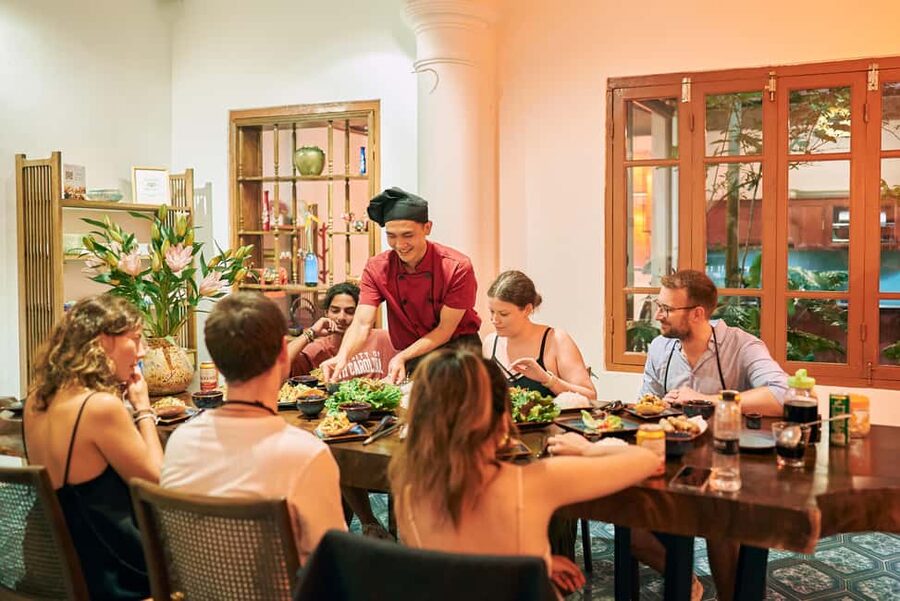
The class is available in two-hour time slots, with starting times shown during booking. Lunch and dinner sessions are available depending on the selected time.
English is the stated teaching language. The activity is wheelchair accessible, and free luggage storage is available during the session. Those details make it useful on a travel day, though you should still arrange your taxi or Grab to the Hoang Hoa Tham meeting point.
You can cancel up to 24 hours before the activity for a full refund. A reserve-now, pay-later option is also available, which helps if your Hanoi schedule is still shifting.
The transport service receives a perfect score from all recorded ratings, but transport is not listed as part of the activity. Plan to make your own way to the crossroads and look for the yellow sign.
Should you book Rose Kitchen Hanoi?
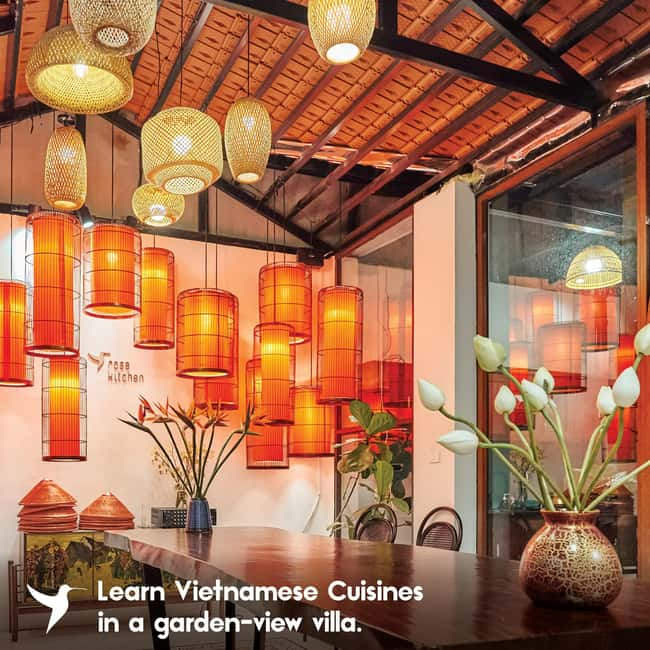
Book it if you want one well-taught Vietnamese dish, a calm villa setting, and a meal that comes with cultural context. The strongest reasons are the patient English-speaking guides, the choice of vegetarian versions, the included coffee, and the chance to hear practical stories about why Vietnamese people eat and cook these foods.
Choose bun cha for a particularly Hanoi-centered lesson, pho if you want the national classic, or egg coffee if the city’s cafe culture interests you. At $21, the class offers solid value for a two-hour meal, lesson, and cultural visit.
Skip it if you want to cook several dishes in one sitting or spend the day shopping in markets. For everyone else, especially families, solo cooks, and visitors with dietary needs, this is a thoughtful and manageable way to make Vietnamese food part of your Hanoi experience.
FAQ
How long does the Rose Kitchen cooking class last?
The activity lasts two hours. Starting times depend on availability.
How much does the experience cost?
The listed price is $21 per person.
Which dishes can I choose to cook?
You can choose banh xeo, nem ran, goi cuon, bun cha, cha ca la vong, pho bo, or pho ga. Vegetarian options are available for all dishes.
Which coffee can I choose?
You can choose egg coffee, coconut coffee, salt coffee, ca phe nau, or ca phe den. One complimentary coffee is included for your group.
Is the class taught in English?
Yes. The cultural storytellers guide the class in English. Guides who lead sessions include Simon, Maxi, Aroma, Kim, Colin, and Oanh.
Where is the meeting point?
Meet at Alley 75, Lane 173, Hoang Hoa Tham Street, at the crossroads. Look for the large yellow Bia Hoi Mau Dich sign, where your cultural storyteller will meet you and walk you to the kitchen.
Is the activity wheelchair accessible?
Yes, the activity is listed as wheelchair accessible.
Can I cancel for a refund?
You can cancel up to 24 hours in advance for a full refund. A reserve-now, pay-later option is also available.
Freshly brewed listings in Hanoi
- Vietnamese Coffee 101 Workshop★ 5.0 · 11 reviews
- Private Hà Nội Coffee History Tour★ 5.0 · 6 reviews
- Private tour: Hanoi city tour-Van Phuc silk village with egg coffee, lunch★ 5.0 · 2 reviews
- Taste of Vietnam’s Coffee Scene – A Guided Experience★ 5.0 · 2 reviews
- Walking Tour in Hanoi Old Quarter with Street Food & Coffee★ 5.0 · 4 reviews
- Hanoi Private And All Inclusive Coffee Lovers Tour in Vietnam★ 5.0 · 6 reviews
- hidden gems cafe – learn making coconut and egg coffee★ 5.0 · 2 reviews
- Hanoi History Coffee Tour★ 5.0 · 2 reviews
Hanoi Coffee Tours, compared.
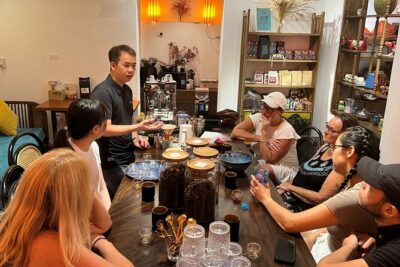
Hanoi Coffee Experience: 6 Brews, 9 Recipes & 3 Liquor Tastings
Read our review →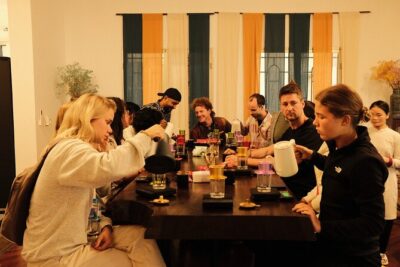
Hanoi Coffee Workshop: Taste Salt, Coconut and Egg Coffee
Read our review →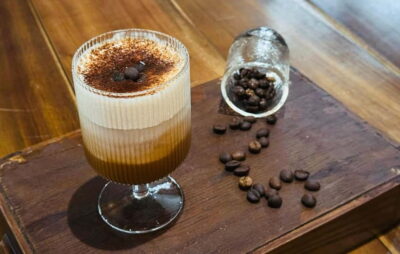
Hanoi: Salt Coffee Workshop Awake Your Senses With 6 Brews
Read our review →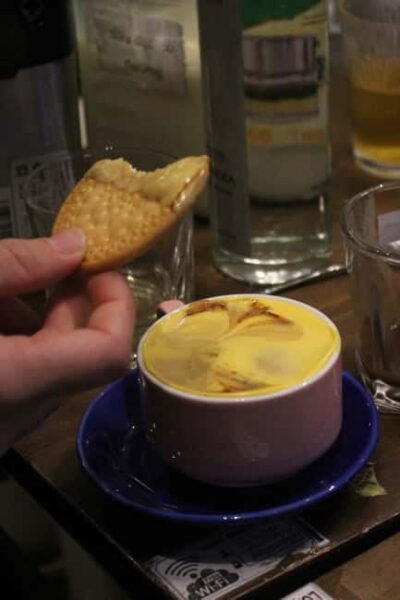
Hanoi: Master the Art of 4-6 Signature Vietnameses Coffees
Read our review →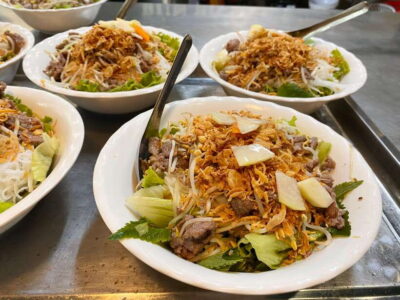
Hanoi: Vietnamese Street Food Tour with Egg Coffee
Read our review →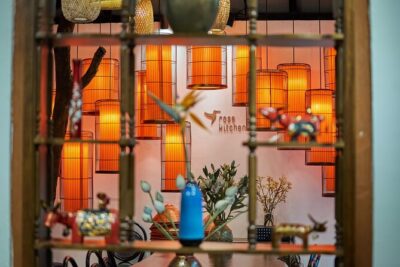
Hanoi Cooking Class: Pho/Bun Cha/Banh Xeo…+Free Egg/Salt Coffee
Read our review →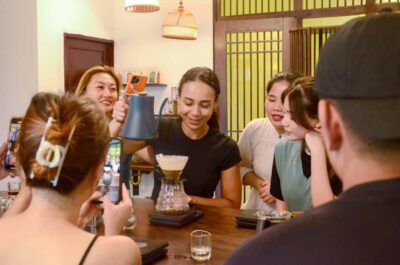
Hanoi: Vietnamese Coffee Workshop with 6 Brews and 8 Recipes
Read our review →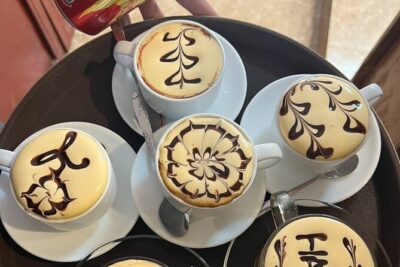
Browse the lists this tour appears in