
Review · HANOI
Hanoi: Hands-On 5 Vietnamese Coffees & 3 Local Wines Tasting
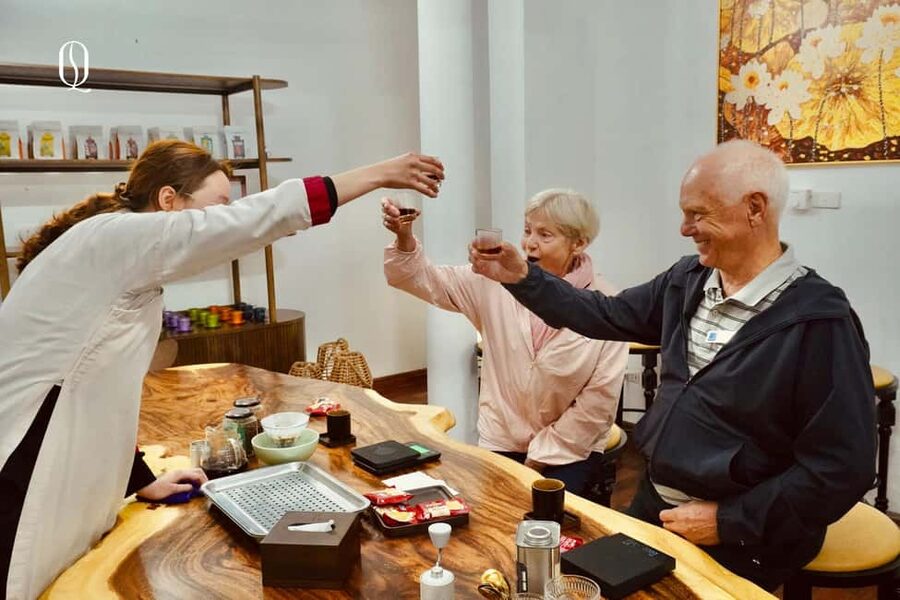
The best part of this Hanoi experience is that you do not simply drink coffee. You learn why Vietnamese coffee tastes the way it does, then make several versions yourself with traditional tools. Maxie leads the session in clear English, with Stuart also involved, and the setting is a calm Indochina-style villa far removed from Hanoi’s street noise.
I like the hands-on format and the chance to try four distinct drinks, including egg, salt, coconut, and cocktail coffee. I also like the link to a Da Lat coffee farm, where part of the workshop fee helps fund education for farmers’ children. The main consideration is caffeine: the session can include several coffees in a short period, so this may not be ideal late in the day or for anyone sensitive to strong brews.
Key points to know before you book
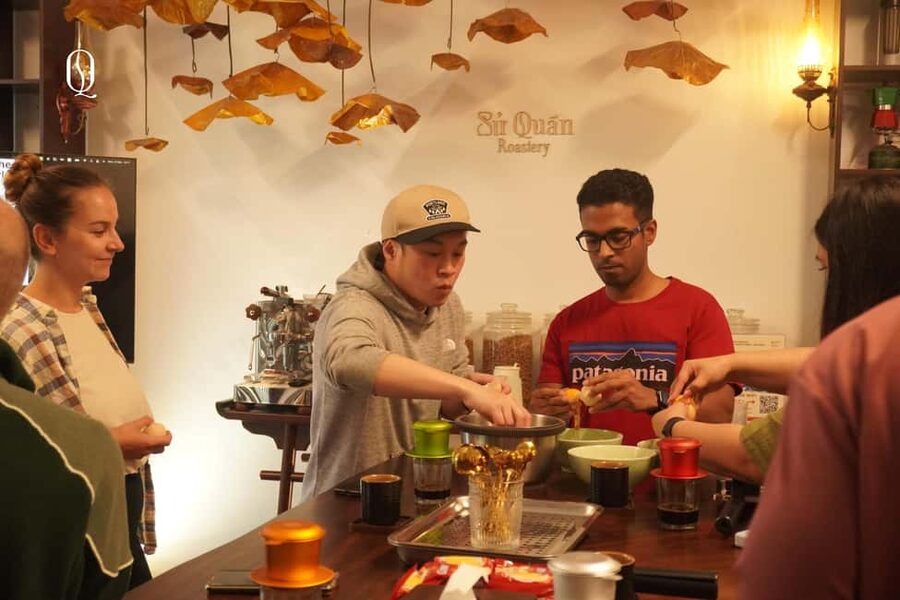
- Maxie leads in fluent English: She explains coffee types, brewing methods, and cultural background in a clear, involved way.
- You make the drinks yourself: The workshop uses traditional Vietnamese tools rather than treating the tasting as a passive demonstration.
- Four coffee styles may be available: Egg, salt, coconut, and cocktail coffee are among the choices, with the number depending on your session.
- The villa setting is part of the appeal: Herbal tea, a local snack, and an Indochina-style interior give the hour a slower feel.
- The experience supports a Da Lat farm project: A portion of each workshop contributes to education for children of farming families.
- Plan for one to two hours: It fits neatly into a busy Hanoi itinerary, but the actual start time depends on availability.
A quiet coffee lesson in the middle of Hanoi
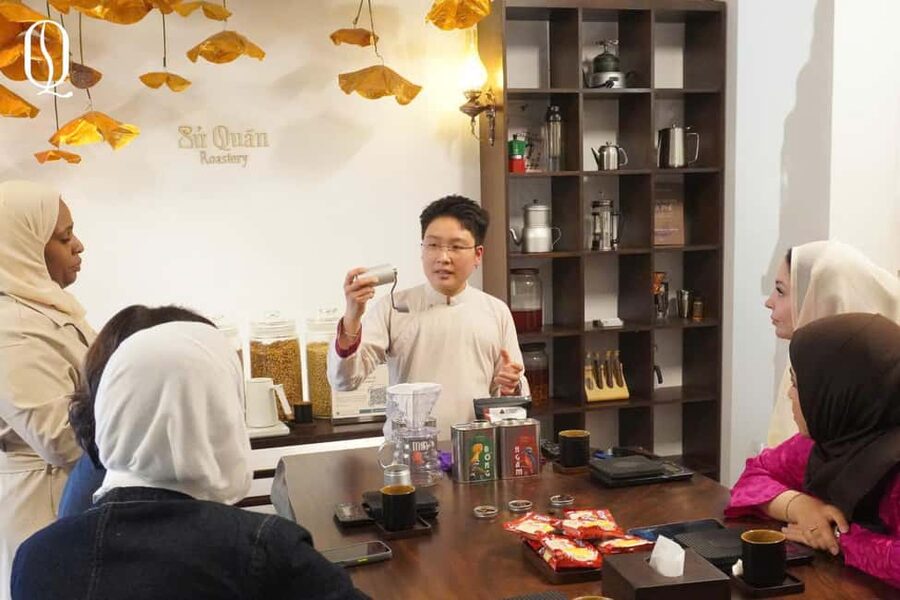
Hanoi can be noisy, crowded, and wonderfully intense. Motorbikes fill the streets, cafés squeeze into narrow buildings, and coffee is everywhere. This workshop gives you a short break from that rush in a hidden Indochina-style villa with a more settled, intimate feel.
You begin with herbal tea. It is a small touch, but a useful one. You have time to settle in before the coffee starts, and the opening feels more like a cultural visit than a quick tasting counter.
The session is led in English by Maxie, a local host and culture storyteller. Her role is not limited to showing you how to operate a phin filter. She explains how coffee arrived in Vietnam, how production developed, and how local habits shaped the way people drink it today. The presentation may also use a television screen, which helps organize the information without turning the class into a lecture.
The workshop is called a tasting of five Vietnamese coffees and three local wines, but the exact coffee lineup can vary. The practical session described for most bookings focuses on making and tasting two, three, or four coffee styles. Egg, salt, coconut, and cocktail coffee are the named options. If you are booking mainly for the wine portion, confirm what will be served at your chosen session, since the available information gives far more detail about the coffee than the wine.
More Coffee Tastings in Vietnam
- Hanoi Coffee Experience: 6 Brews, 9 Recipes & 3 Liquor Tastings
★ 5.0 · 2,945 reviews - Hanoi Street Food, Coffee Tastings, Alleys Walking Tour
★ 5.0 · 3 reviews - Da Nang Cooking Class with Coffee Tasting and Market Visit
★ 5.0 · 310 reviews
From French introduction to Vietnamese coffee culture
Coffee in Vietnam is tied to the country’s French colonial past, but the drink you encounter today is not simply a European habit copied from somewhere else. Local ingredients, climate, work patterns, and taste preferences shaped a distinct coffee culture.
The introduction covers Vietnam’s rise to become the world’s second-largest coffee producer. You also hear about growing areas, including the central highlands around Da Lat, and the work involved in roasting and grinding beans before they reach the cup.
This background matters because Vietnamese coffee is often strong, dark, and prepared with condensed milk or other ingredients that change its texture and sweetness. When you understand the beans and the preparation, you can make better sense of the coffee menus you will see all over Hanoi.
The guide also discusses traditional roasting methods and the meaning attached to different beans. One practical benefit is that you leave better equipped to order coffee elsewhere. Instead of seeing egg coffee or salt coffee as novelty drinks, you understand them as part of a local habit of adapting coffee to available ingredients and preferred flavors.
The wartime period is included as part of the story. That section helps explain how resourcefulness influenced Vietnamese food and drink. The session is not a formal history course, but it gives enough context to connect a small cup of coffee with wider changes in Vietnamese life.
Your first tools: phin filters and local technique
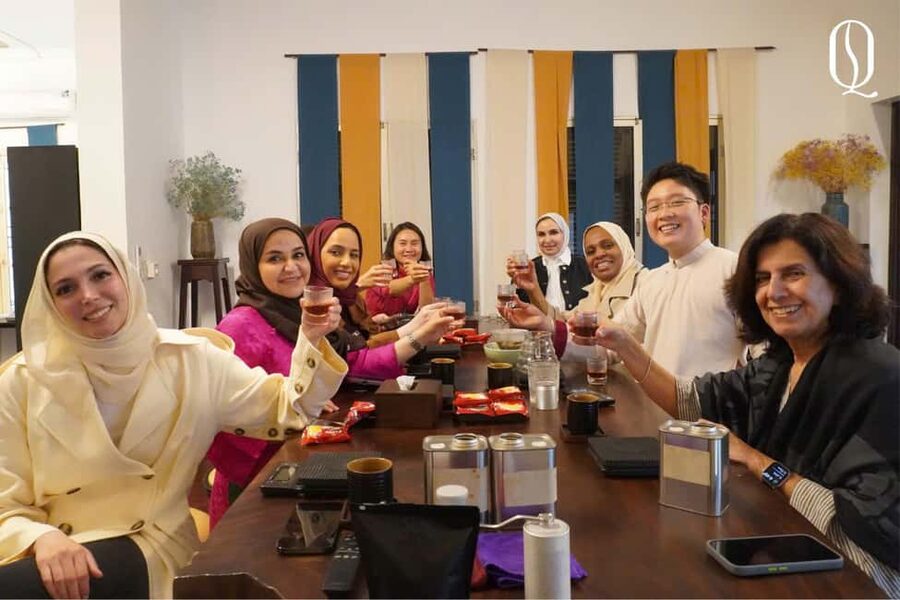
The hands-on part uses traditional Vietnamese brewing equipment and methods. The phin is the key tool. It is a small metal filter that sits directly on top of a cup, allowing hot water to pass slowly through ground coffee.
You get to handle the equipment rather than watch someone else do all the work. That distinction makes this more useful than a standard tasting. You can see how the coffee grounds, water, and timing affect the final drink, and you can ask questions while making it.
The workshop is suitable for different experience levels. You do not need to arrive knowing how to brew Vietnamese coffee. The instruction is designed to guide you through the process, and the English explanations make it easier to follow each stage.
A practical tip is to pay close attention to the differences between drinks before adding too much sugar or milk. The base coffee is part of the lesson. Once you mix everything together, some of the contrast between roasting styles and brewing methods becomes harder to notice.
Four Hanoi-style coffees, each with a different character
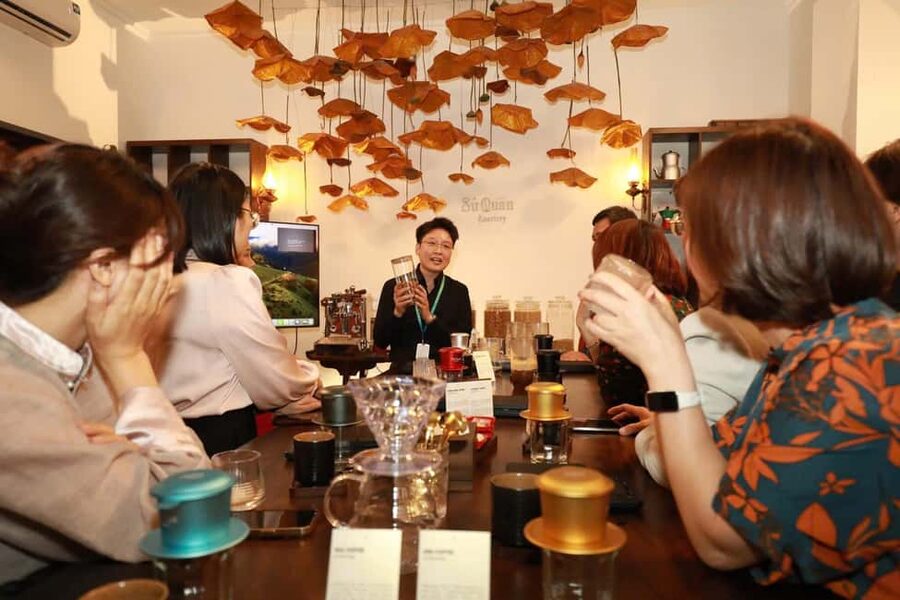
The session may let you choose from several signature drinks. The exact number depends on your booking, but the named choices give you a good sense of the variety.
Egg coffee is the most famous Hanoi-style option. It combines coffee with a creamy egg topping, creating a drink that feels closer to a soft dessert than a standard black coffee. Making it yourself helps you appreciate the balance between the bitter coffee and the sweet, smooth topping.
Salt coffee offers a different lesson. Salt can sharpen flavors and temper bitterness when used carefully. It is not simply salty coffee. The point is to see how a small change in seasoning can alter the whole cup.
Coconut coffee brings a cooler, sweeter profile and shows how coffee is paired with familiar local ingredients. Depending on the preparation, it can feel richer and more refreshing than a plain hot brew.
Cocktail coffee is the most playful option. The name suggests a mixed drink style, but the activity information does not specify the exact ingredients or alcohol content. Ask Maxie what goes into it before you begin, especially if you avoid alcohol.
The session can include two, three, or four creations, while the experience title refers to five coffees and three local wines. That difference is worth noting before booking. The workshop clearly offers variety, but the number of cups you personally make may depend on the group, timing, and selected package.
More Coffee Tastings in Hanoi:
- Medellin: Coffee Tour with Transport, Snacks and Tastings
★ 4.7 · 1,357 reviews - Seattle Coffee Tour: Capitol Hill Cafes, Tastings & Local Stories
★ 5.0 · 489 reviews - Buggy Ride Into the jungle with cave coffee & chocolate tasting
★ 5.0 · 465 reviews - Private Walking Tour, Food Tasting and Bosnian Coffee in Sarajevo
★ 5.0 · 255 reviews
Why the farm connection adds value
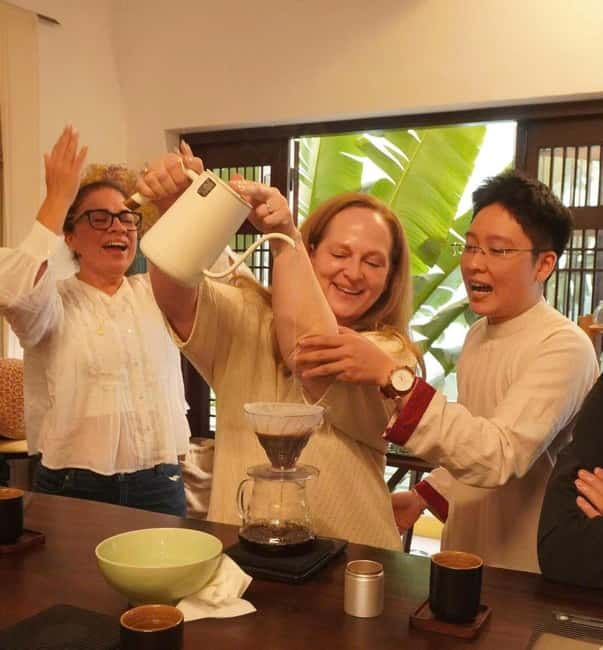
Su Quan maintains a coffee farm in Da Lat, where families have cared for their land and crops across generations. The workshop connects that agricultural work with the cup in front of you.
Part of each booking supports education for farmers’ children. This is not a separate donation request or an added task during the workshop. It is built into the initiative behind the experience, giving your fee a wider purpose beyond the hour you spend in the villa.
I appreciate this detail because coffee tastings can otherwise feel detached from production. Here, you receive some context about the people and places behind the beans. The information is still limited to what a short workshop can cover, but it gives the tasting a useful human link.
You should not book solely because of the education project if the coffee format does not appeal to you. The contribution is a welcome benefit, not a substitute for good instruction. In this case, the two parts support each other: you learn about coffee farming and preparation, then contribute to a project connected with farming families.
Tea, a local snack, and a calmer pace
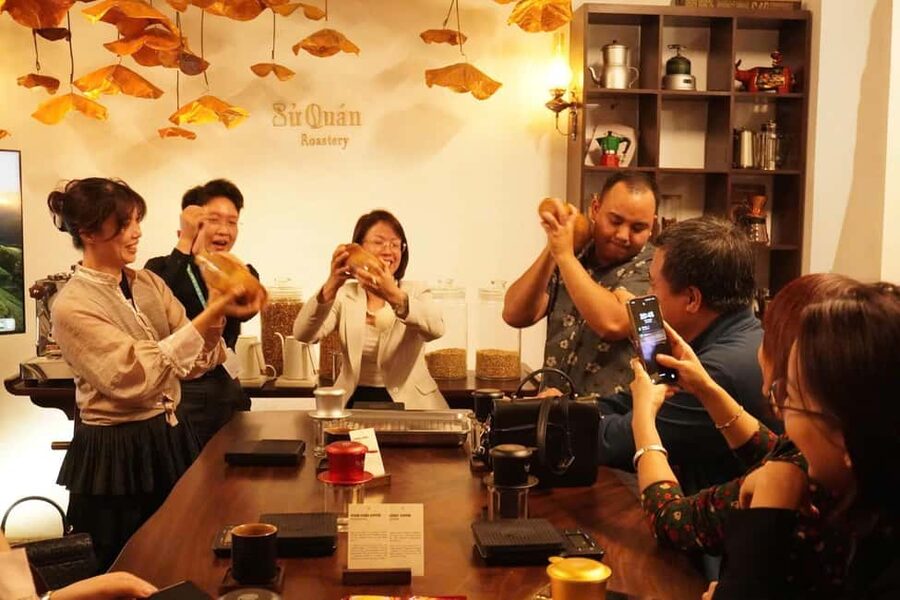
The welcome herbal tea sets a gentle tone. It also gives you a non-coffee drink at the start, which is helpful if you are arriving from a busy morning of sightseeing.
A light local snack is served during the session. It is not presented as a full meal, so plan to eat beforehand if you are hungry. Its role is to complement the tasting and give you something small to enjoy between coffees.
The setting matters here. A villa with Indochina-style character creates a more personal atmosphere than a standard café table. You can focus on the host, the tools, and the flavors without trying to watch traffic or compete with a crowded coffee shop.
That said, the experience is still short. You will get an introduction, instruction, several tastings, and some cultural background, but you will not receive a full professional barista course or a detailed farm visit. Think of it as a compact cultural workshop with practical elements.
Timing, price, and who gets the most from it
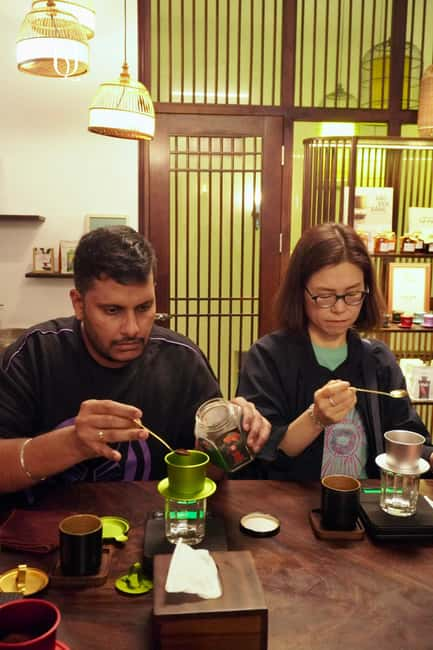
At $12 per person, the value is strong if your aim is to understand Vietnamese coffee and make several drinks. The price includes the English-speaking guide, herbal tea, a local snack, coffee instruction, tasting, and use of traditional brewing tools. For a one to two-hour activity, that is a useful amount of contact and content.
The value is less clear if you only want a large coffee tasting or a long alcohol session. The available details focus on coffee preparation, while the wine component is not explained in equal detail. I would ask about the wine lineup and serving format if that is your main reason for booking.
This is a good choice for:
- First-time visitors who want a clear introduction to Vietnamese coffee
- People with a short gap between Hanoi sightseeing plans
- Couples, friends, or families looking for an indoor cultural activity
- Anyone curious about egg, salt, coconut, or cocktail coffee
- Coffee drinkers who prefer participation over a simple tasting
- Visitors who want an experience connected to a local education project
It may suit you less if you dislike sweet coffee, avoid caffeine, or want a full meal. It may also be a poor fit if you need a highly technical coffee course focused on professional extraction, espresso, or latte art. This workshop is about Vietnamese methods and culture, not café certification.
The activity is wheelchair accessible, and private transportation is not included. You will need to arrange your own way to the venue. Cancellation is free up to 24 hours in advance, and you can reserve now and pay later, which helps if your Hanoi plans are still shifting.
The strongest reason to book
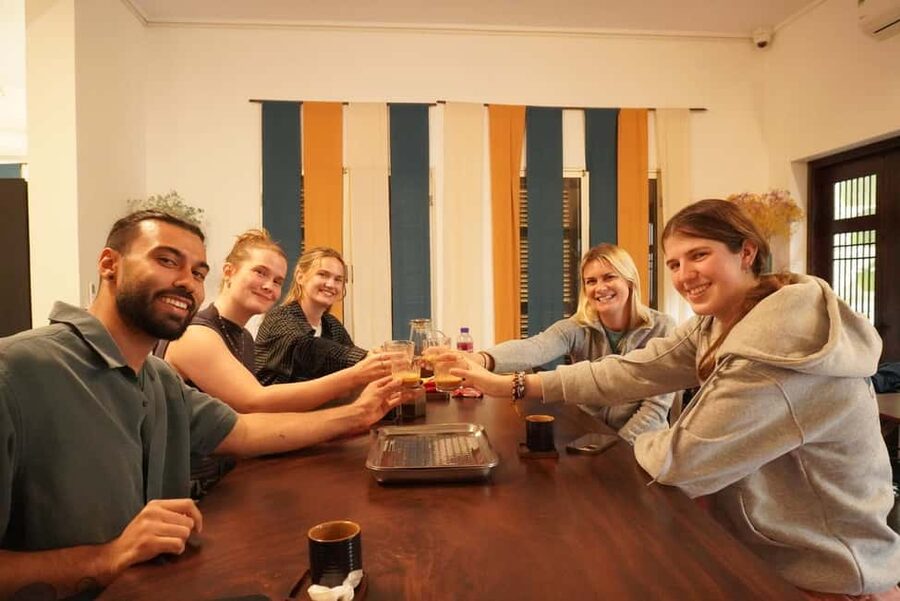
The most praised part of this experience is the quality of the teaching. Maxie is repeatedly singled out for clear English, strong preparation, and an ability to involve participants rather than simply talk at them. One session also included Stuart, and the instruction was described as professional and well organized.
That matters because coffee workshops can become vague or overly theatrical. Here, you should expect explanations about beans, regions, roasting, brewing, and cultural meaning, followed by a chance to make the drinks yourself.
You also get more than one flavor profile. Four coffee styles in one morning can show you how dramatically Vietnamese coffee changes when you add egg, salt, coconut, or cocktail-style ingredients. The experience can leave you with recipes and techniques you can try again after returning home.
The one point I would keep in mind is the caffeine load. Four coffees in a compact session is a lot for some people. If you are sensitive, ask whether you can share portions or focus on fewer preparations. The supplied details do not promise that every participant makes all five coffees, so confirm the format when you book.
Should you book the Su Quan workshop?
Book it if you want a short, friendly way to understand why Vietnamese coffee is such a strong part of daily life. The combination of Maxie’s clear instruction, traditional tools, several signature drinks, local snacks, and the Da Lat education project gives the $12 price real value.
I would be especially keen to fit it into a Hanoi itinerary on a morning or afternoon when you want something quieter than a street tour. Just clarify the exact coffee and wine lineup, and remember that the session is a cultural coffee class rather than a full meal or professional barista course. For curious coffee drinkers with limited time, it is an easy choice.
FAQ
How long does the Vietnamese coffee and wine experience last?
The activity lasts between one and two hours. Starting times depend on availability.
How much does the experience cost?
The listed price is $12 per person.
Who teaches the workshop?
Maxie leads the workshop in English, and Stuart is also involved in teaching some sessions.
Which Vietnamese coffees can I make?
The named coffee options include egg coffee, salt coffee, coconut coffee, and cocktail coffee. Depending on the session and your experience level, you may make two, three, or four drinks.
Is transportation included?
No. Private transportation is not included, so you must make your own way to the venue.
Is the activity wheelchair accessible?
Yes. The activity is listed as wheelchair accessible.
Can I cancel or pay later?
You can cancel up to 24 hours in advance for a full refund. You can also reserve your place and pay later.
More coffee with something to eat in Hanoi
- Hanoi: Vietnamese Street Food Tour with Egg Coffee
★ 4.9 · 315 reviews - Hanoi Michelin Star Walking Food Tour & Train Street
★ 5.0 · 165 reviews - Hanoi Egg Coffee Class and Street Food Walking Tour
★ 5.0 · 33 reviews - Discover Hanoi’s Street Food by Night & Mini Class Coffee
★ 4.8 · 28 reviews
More Wine Stops in Hanoi
- Secret Delights: Curated Wine, Coffee & Forest Experience
★ 5.0 · 279 reviews - Coffee – Wine – Tea Da Lat’s Agricultural Treasures Tour
★ 4.8 · 63 reviews - Coffee & Wine: North Route of Gran Canaria Tour
★ 4.5 · 17 reviews - Trastevere Breakfast to Lunch Food Tour: Coffee, Maritozzi & Wine
★ 5.0 · 14 reviews
Freshly brewed listings in Hanoi
- Vietnamese Coffee 101 Workshop★ 5.0 · 11 reviews
- Private Hà Nội Coffee History Tour★ 5.0 · 6 reviews
- Private tour: Hanoi city tour-Van Phuc silk village with egg coffee, lunch★ 5.0 · 2 reviews
- Taste of Vietnam’s Coffee Scene – A Guided Experience★ 5.0 · 2 reviews
- Hanoi Private And All Inclusive Coffee Lovers Tour in Vietnam★ 5.0 · 6 reviews
- hidden gems cafe – learn making coconut and egg coffee★ 5.0 · 2 reviews
- Walking Tour in Hanoi Old Quarter with Street Food & Coffee★ 5.0 · 4 reviews
- Hanoi Coffee Workshop Brew Taste and Culture Experience★ 5.0 · 10 reviews
Hanoi Coffee Tours, compared.
Hanoi Coffee Experience: 6 Brews, 9 Recipes & 3 Liquor Tastings
Read our review →
Hanoi Coffee Workshop: Taste Salt, Coconut and Egg Coffee
Read our review →
Hanoi: Salt Coffee Workshop Awake Your Senses With 6 Brews
Read our review →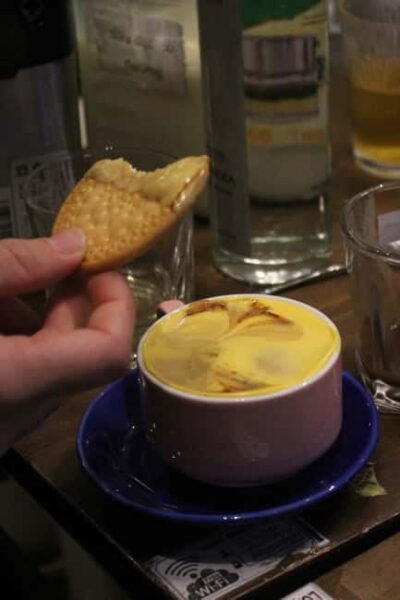
Hanoi: Master the Art of 4-6 Signature Vietnameses Coffees
Read our review →
Hanoi: Vietnamese Street Food Tour with Egg Coffee
Read our review →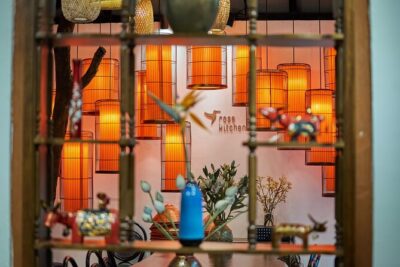
Hanoi Cooking Class: Pho/Bun Cha/Banh Xeo…+Free Egg/Salt Coffee
Read our review →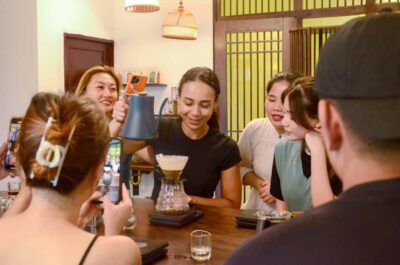
Hanoi: Vietnamese Coffee Workshop with 6 Brews and 8 Recipes
Read our review →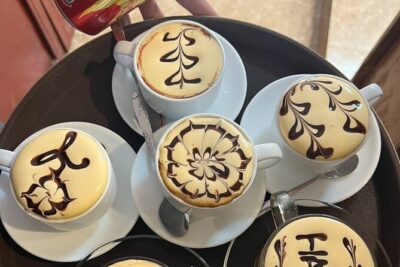
Browse the lists this tour appears in