
Review · HANOI
Hanoi Coffee Workshop Crafting the Perfect Brew
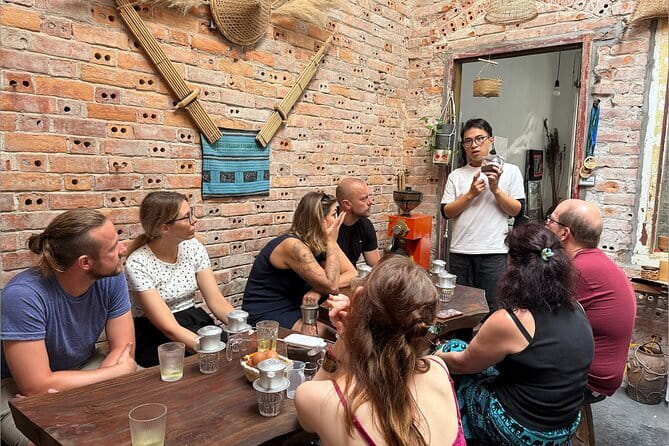
Vietnamese coffee is not just a strong drink served over ice. It is a small lesson in history, local taste, and clever kitchen improvisation. This two-hour Hanoi workshop takes you from the basic phin filter to egg coffee, coconut coffee, and the surprisingly good salt coffee. The best part is that you make every cup yourself, rather than simply watching a demonstration.
I like the mix of practical work and cultural context. Instructors such as Dat and Devin explain how coffee fits into Vietnam’s past and present, while Claire, Ashley, and David have been praised for their patient, friendly teaching. I also like that you get recipes to use at home. The main drawback is the caffeine load: four to six coffee styles in two hours can be a lot, especially if you are sensitive to strong coffee or sweet condensed milk.
Key points before you book
- Six possible coffee styles: Prepare black, brown, white, egg, coconut, and salt coffee, with the exact selection described as four to six styles.
- The phin filter is the star: Learn the small metal brewing tool that produces concentrated Vietnamese coffee.
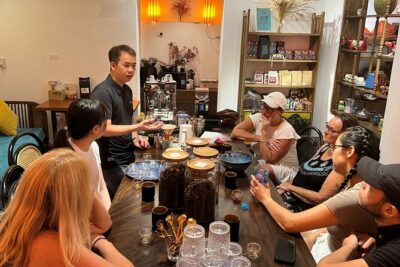
- A hands-on class: You handle the ingredients, mix the drinks, adjust flavors, and try simple coffee designs.
- English-speaking instruction: Guides named Dat, Devin, Claire, Ashley, and David have led sessions, depending on the booking.
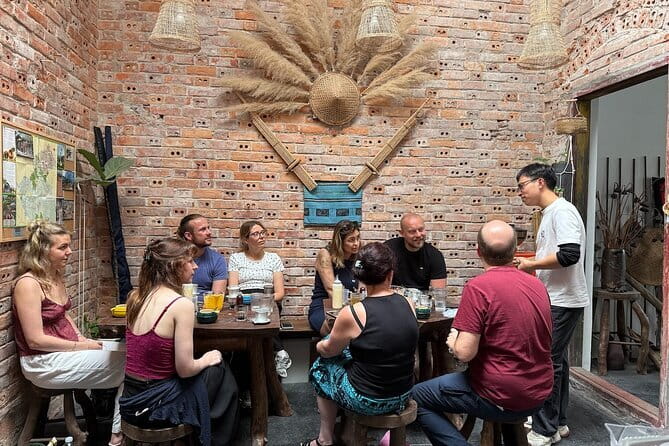
- Small group size: The class accepts a maximum of 15 people, keeping the activity more personal than a large demonstration.
- Old Quarter location: Meet at GẠO CAFE10 on Chợ Gạo Street, with the class ending at the same café.
Starting at GẠO CAFE10 in Hanoi’s Old Quarter
The class begins at GẠO CAFE10, at 10 P. Chợ Gạo, Hàng Buồm, in Hoàn Kiếm. This puts you in the central Old Quarter, near public transportation and within easy reach of Hanoi’s main sightseeing area.
The exact meeting point matters. Old Quarter addresses can be confusing, and small cafés may sit among tightly packed storefronts and narrow streets. Keep the mobile ticket ready, allow time to find the café, and confirm the start time when you book.
There is no hotel pickup or sightseeing transfer included. You make your own way to the café, then return to the same point at the end. That keeps the cost low and makes the workshop easy to fit between walks around the Old Quarter, Hoàn Kiếm Lake, or an evening meal.
The group can include up to 15 people. That is small enough for a teacher to check your technique, though the experience may feel more social than private. If you want one-on-one instruction, this is not a private lesson.
More Coffee Making Classes in Hanoi
- Hanoi Coffee Workshop: Taste Salt, Coconut and Egg Coffee
★ 5.0 · 1,286 reviews - Hanoi: Salt Coffee Workshop Awake Your Senses With 6 Brews
★ 5.0 · 792 reviews - Hanoi: Vietnamese Coffee Workshop with 6 Brews and 8 Recipes
★ 5.0 · 237 reviews
Why the phin filter matters
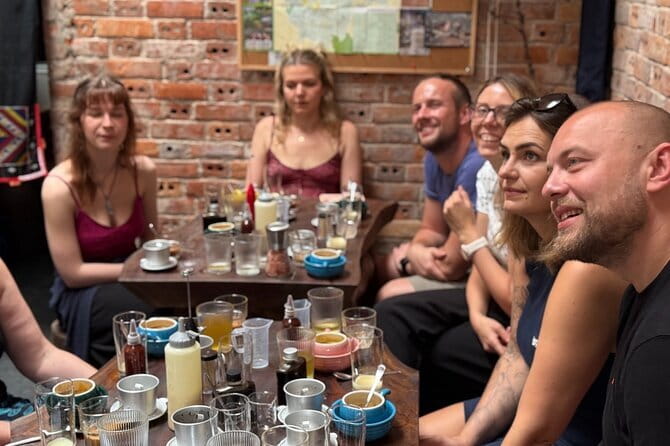
Vietnamese coffee begins with the phin, a compact metal filter placed directly over a cup. Unlike a fast espresso machine, the phin lets hot water drip slowly through finely ground coffee. The result is concentrated, bold, and well suited to sweetened or creamy additions.
You learn how to use the filter as part of the class, not simply receive a cup made by someone else. That is useful because the phin is simple, portable, and easy to use at home once you have the right coffee and ingredients.
The black coffee is the clearest place to start. Without condensed milk or foam, you can focus on the strength and bitterness of the brew. This cup helps you understand why Vietnamese coffee is often paired with rich, sweet, or salty elements.
The workshop introduces both robusta and arabica beans. Robusta is common in Vietnamese coffee and brings a firm, bitter flavor with plenty of punch. Arabica tends to be lighter and more aromatic. You are not simply memorizing coffee names, you are learning why different beans behave differently in the cup.
Black, brown, and white coffee: the basic trio
After black coffee, the class moves into variations that rely on sweetness and milk. Brown coffee is generally coffee mixed with condensed milk, often served hot or cold. The milk softens the bitterness and gives the drink a thick, sweet character.
This is one of the most useful recipes to take home because the method is simple. You can adjust the condensed milk to suit your taste, which matters if you prefer coffee that is less sweet than the traditional version.
The white coffee description can be confusing for anyone familiar with Western café menus. Here, it is not a light coffee with fresh milk in the usual European sense. It balances strong robusta coffee with condensed milk, so it remains bold while tasting smoother and sweeter.
The exact order of the drinks may vary, and the class can cover four to six styles. The important point is that you compare them side by side. That makes the difference between plain coffee, milk coffee, and more creative recipes easier to understand than a single café order would.
Egg coffee is the dessert course
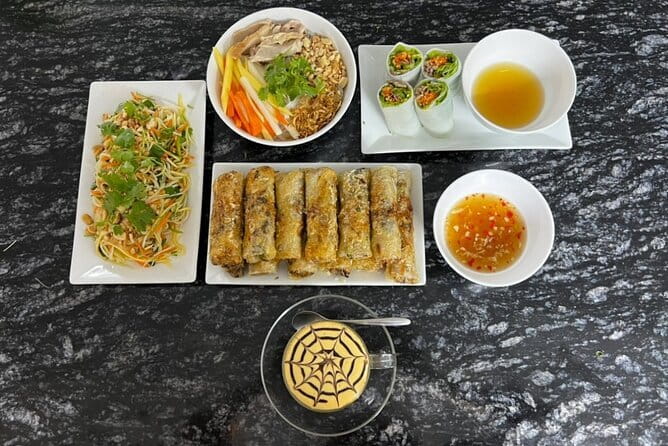
Egg coffee is one of Hanoi’s signature drinks, and it is usually the class favorite for visitors who enjoy dessert-style coffee. A creamy egg mixture sits with or above strong coffee, producing a custard-like texture that softens the bitter brew.
This is not a plain breakfast coffee. Think of it as a drinkable dessert with coffee underneath. The workshop gives you the chance to make the creamy topping yourself, which helps explain why texture matters as much as flavor.
The egg coffee also shows how Vietnamese cafés have adapted coffee to local tastes and available ingredients. The strong coffee provides a useful counterpoint to the sweet, rich topping. If you normally drink coffee black, this may feel too indulgent. If you like tiramisu, custard, or sweet cream, it is likely to be one of your best picks.
The class also lets you compare your own version with other drinks. You can adjust the sweetness and learn how the balance changes when the coffee is stronger or the topping is lighter.
More Coffee Making Classes in Vietnam
- Ha Noi Egg Coffee Class
★ 5.0 · 227 reviews - Hanoi Coffee Workshop: Master 6 Signature Vietnamese Coffee
★ 5.0 · 171 reviews - Hanoi Coffee Class learning 5 famous coffee in Hanoi
★ 5.0 · 161 reviews - Mini Hanoi Coffee Workshop: Pick Any Signature Coffee You Like
★ 5.0 · 160 reviews
Coconut coffee brings a tropical twist
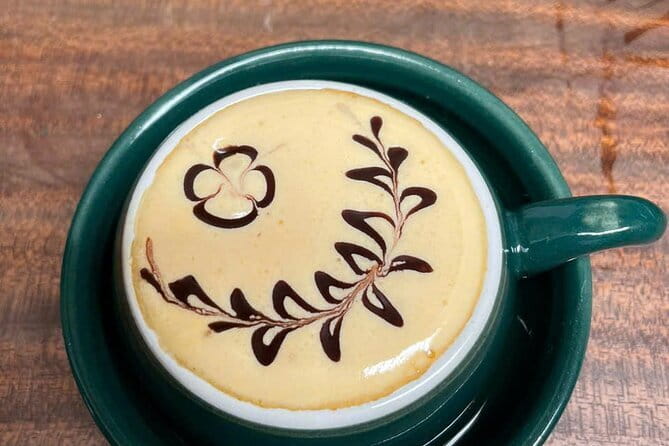
Coconut coffee combines strong black coffee with creamy coconut milk. It has a different feel from egg coffee: less custard-like, more tropical, and often refreshing when served cold.
This recipe is useful for anyone who finds traditional Vietnamese coffee too bitter. Coconut softens the edges without removing the coffee flavor. It also gives you another way to think about texture, since the drink needs a good balance between coffee and creamy coconut.
You may find that the coconut version is easier to reproduce at home than egg coffee. The ingredients are familiar, and the method does not depend as much on getting a delicate foam or custard texture right.
The class is not only about finding one favorite. It is about seeing how one base coffee can become several very different drinks. Coconut coffee makes that point clearly.
Salt coffee is the surprise
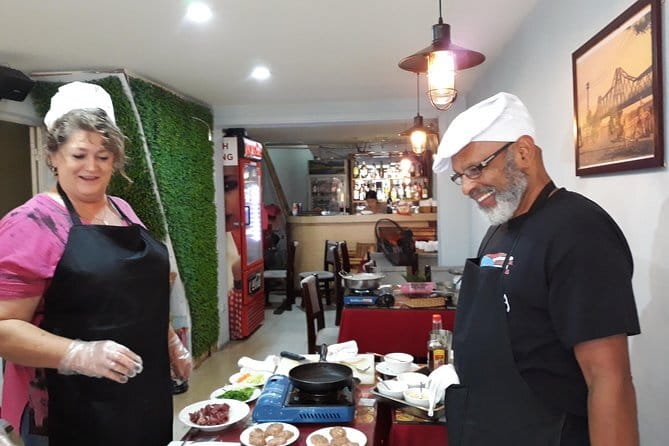
Salt coffee is less familiar than the other styles, but it has become a rising part of Vietnamese café culture. The drink combines coffee with milk foam and sea salt, creating a blend of bitter, sweet, and salty flavors.
A small amount of salt can reduce the harsh edge of coffee and make sweetness seem stronger. That is why the result does not taste like a cup of seawater. Used carefully, salt rounds out the drink.
Several participants have singled out salt coffee as their favorite, which makes it worth trying even if it sounds unusual. I would save judgment until after the first sip. The appeal is the contrast: bold coffee below, creamy foam above, and a light salty note tying the flavors together.
This is also one of the more interesting recipes to recreate for friends. It is familiar enough to understand, but unusual enough to start a conversation.
Tasting four to six cups in two hours
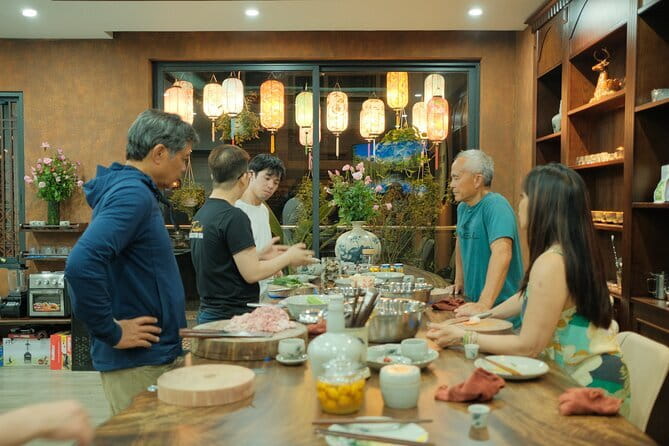
The class is advertised as covering four to six coffee styles. The full six usually include black, brown, egg, white, coconut, and salt coffee. Some sessions may cover four or five, so you should not assume that every date will follow precisely the same selection.
The two-hour length is sensible. You have enough time to prepare drinks, taste them, hear the background, and ask questions without turning the activity into a full-day course. The pace may feel quick if you want long explanations for every technique, but it is well suited to a holiday schedule.
There is one practical warning: these are not small, weak samples by definition. Vietnamese coffee can be strong, and condensed milk, foam, and coconut can make the drinks filling. If you are limiting caffeine or sugar, tell the instructor and adjust your portions where possible.
The session works well for couples and friends because each person can compare flavors and help with the preparation. It is also suitable for families, although the coffee itself may not suit young children. The provided information describes the activity as suitable for all ages, but caffeine and hot ingredients still call for adult judgment.
Learning coffee art without pressure
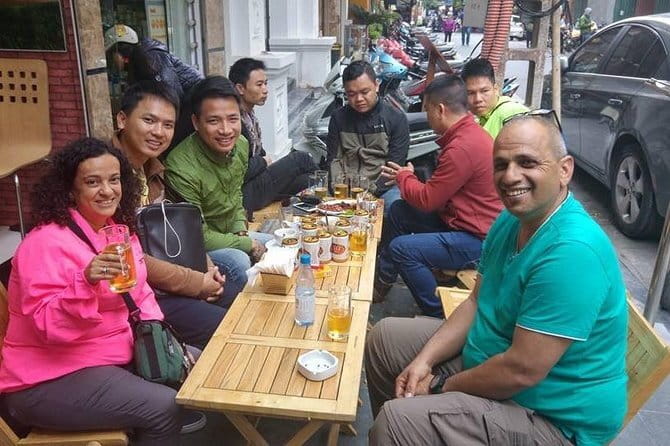
The workshop includes a chance to try simple coffee designs. This is not presented as a professional barista course, so keep your expectations practical. You are learning basic decoration and getting help with the technique, rather than training for a café job.
That lighter approach is part of the fun. Coffee art gives you something visual to work on after you have learned the core recipes. It also makes the activity more appealing if you are looking for photographs or a social experience, not just a lesson about beans.
The instructor can help adjust the drinks to your taste. That is important because Vietnamese coffee often leans sweet and strong. You can learn the traditional version first, then decide how much condensed milk, foam, coconut, or salt suits you.
The instructors and teaching style
The instructors vary by session. Dat is associated with clear explanations of coffee history and the background of all six drinks. Devin is described as patient and easy to follow, with useful information about Vietnamese history and places to visit. Claire is noted for taking photos, helping with coffee art, and adjusting recipes to individual tastes.
Ashley has led organized sessions in fluent English and is known for a friendly approach. David has also taught the workshop with an enthusiastic focus on coffee. Since the instructor is not guaranteed by the supplied details, treat the names as examples of the teaching team rather than a promise that one particular person will lead your class.
The common thread is an English-speaking guide who combines instruction with conversation. You are not expected to arrive with coffee knowledge. The class explains the drinks as you make them, which keeps the lesson accessible to first-time coffee makers.
Is $17.73 good value?
At $17.73 per person, the workshop offers more than a typical café tasting. You receive the ingredients, guided preparation, tasting of several coffee styles, recipes for each type, and an English-speaking instructor.
The value is strongest if you want a skill you can repeat at home. A standard café crawl might let you taste several drinks, but it would not teach you how to use a phin, prepare egg foam, or recreate salt coffee. The recipes add lasting value.
The price is less attractive if you only want a single cup of egg coffee or a quick photo. You can order Vietnamese coffee cheaply in Hanoi. This activity earns its price through the hands-on work and instruction, not through the amount of coffee alone.
Food and extra drinks are not included. Personal expenses and tips are also outside the price. You should budget for those only if you want something beyond the workshop itself.
Booking, cancellation, and practical details
Confirmation is provided at booking, and the activity uses a mobile ticket. Service animals are allowed, and the meeting point is near public transportation.
Free cancellation applies if you cancel at least 24 hours before the local start time. Cancellations or changes made within 24 hours are not accepted for a refund. The activity may also be canceled for poor weather or if the minimum number of participants is not met. In those cases, you are offered another date or experience, or a full refund.
The class ends where it begins, at GẠO CAFE10. That makes it easy to continue exploring the Old Quarter afterward without arranging another ride.
Who should book this Hanoi coffee class?
I would recommend it to coffee fans, curious eaters, couples, friends, and anyone who wants a relaxed indoor activity with a local food focus. It is especially useful early in a Hanoi visit, since the guide may also share context about coffee and suggestions for places to visit.
You do not need barista skills. You only need an interest in tasting strong coffee and trying several sweet, creamy, salty, or tropical variations.
I would be more cautious if you avoid caffeine, dislike condensed milk, or prefer a quiet private lesson. A group of up to 15 people and six possible drinks can feel busy. The class also focuses on Vietnamese-style coffee, not espresso theory, roasting science, or advanced latte techniques.
Should you book it?
Book this workshop if you want to understand Hanoi coffee by making it yourself. The phin filter, egg coffee, coconut coffee, and salt coffee give you a better sense of local café culture than simply ordering one drink at a street café.
The strongest reasons to go are the hands-on format, the recipes, the approachable English-speaking instructors, and the chance to taste six distinct styles for $17.73. Just plan for a strong caffeine and sugar session, and remember that the exact instructor and number of coffee styles can vary.
For most visitors, this is a good-value two-hour break in the Old Quarter, with a useful souvenir: the ability to recreate Vietnamese coffee at home.
FAQ
Where does the Hanoi coffee workshop begin?
It begins at GẠO CAFE10, 10 P. Chợ Gạo, Hàng Buồm, Hoàn Kiếm, Hanoi, Vietnam.
Where does the activity end?
The workshop ends back at the meeting point, at GẠO CAFE10.
How long does the workshop last?
The activity lasts approximately two hours.
How much does the workshop cost?
The listed price is $17.73 per person.
How many coffee styles will I make?
The workshop covers four to six styles. The possible drinks are black, brown, egg, white, coconut, and salt coffee.
Is an English-speaking instructor included?
Yes. An English-speaking instructor is included.
Are ingredients included?
Yes. All ingredients needed for making the coffee are included.
Do I receive the recipes?
Yes. Recipes for each coffee style are included.
What is the maximum group size?
The activity has a maximum of 15 participants.
Can I cancel for a full refund?
Yes, if you cancel at least 24 hours before the experience start time. Cancellations within 24 hours are not refunded.
Freshly brewed listings in Hanoi
- Vietnamese Coffee 101 Workshop★ 5.0 · 11 reviews
- Private Hà Nội Coffee History Tour★ 5.0 · 6 reviews
- Private tour: Hanoi city tour-Van Phuc silk village with egg coffee, lunch★ 5.0 · 2 reviews
- Taste of Vietnam’s Coffee Scene – A Guided Experience★ 5.0 · 2 reviews
- Walking Tour in Hanoi Old Quarter with Street Food & Coffee★ 5.0 · 4 reviews
- Hanoi Private And All Inclusive Coffee Lovers Tour in Vietnam★ 5.0 · 6 reviews
- hidden gems cafe – learn making coconut and egg coffee★ 5.0 · 2 reviews
- Hanoi History Coffee Tour★ 5.0 · 2 reviews
Hanoi Coffee Tours, compared.
Hanoi Coffee Experience: 6 Brews, 9 Recipes & 3 Liquor Tastings
Read our review →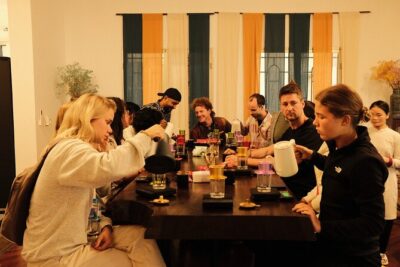
Hanoi Coffee Workshop: Taste Salt, Coconut and Egg Coffee
Read our review →
Hanoi: Salt Coffee Workshop Awake Your Senses With 6 Brews
Read our review →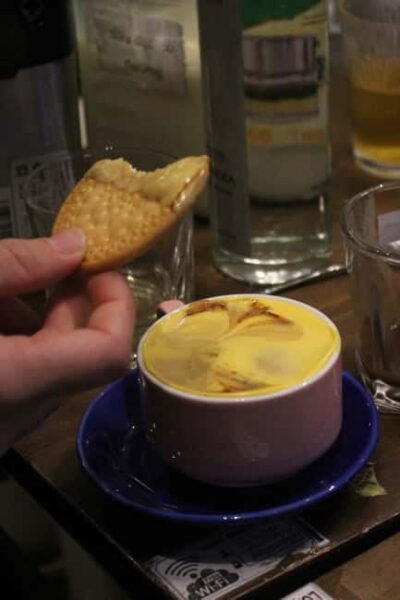
Hanoi: Master the Art of 4-6 Signature Vietnameses Coffees
Read our review →
Hanoi: Vietnamese Street Food Tour with Egg Coffee
Read our review →
Hanoi Cooking Class: Pho/Bun Cha/Banh Xeo…+Free Egg/Salt Coffee
Read our review →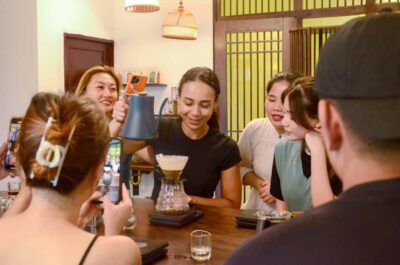
Hanoi: Vietnamese Coffee Workshop with 6 Brews and 8 Recipes
Read our review →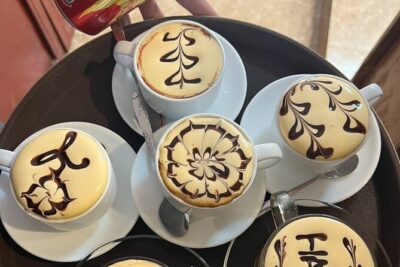
Browse the lists this tour appears in