
Review · HANOI
Hanoi Artisan Coffee Making Class with Train Street
Hanoi’s Train Street is the star here, but the coffee is the real reason to book. At 65 Railway Coffee, you learn to make several Vietnamese drinks by hand, then watch the train pass close beside the café. It is a lively combination of local coffee culture and one of Hanoi’s most unusual urban sights.
I like the hands-on format, since you are not simply handed a cup and told how it was made. I also like the range of flavors, from strong filtered coffee to dessert-like egg coffee and surprising fruit combinations. The main consideration is space and timing: this is a Train Street café, so the train moment can make the setting feel tight and busy rather than calm.
Key points to know before booking
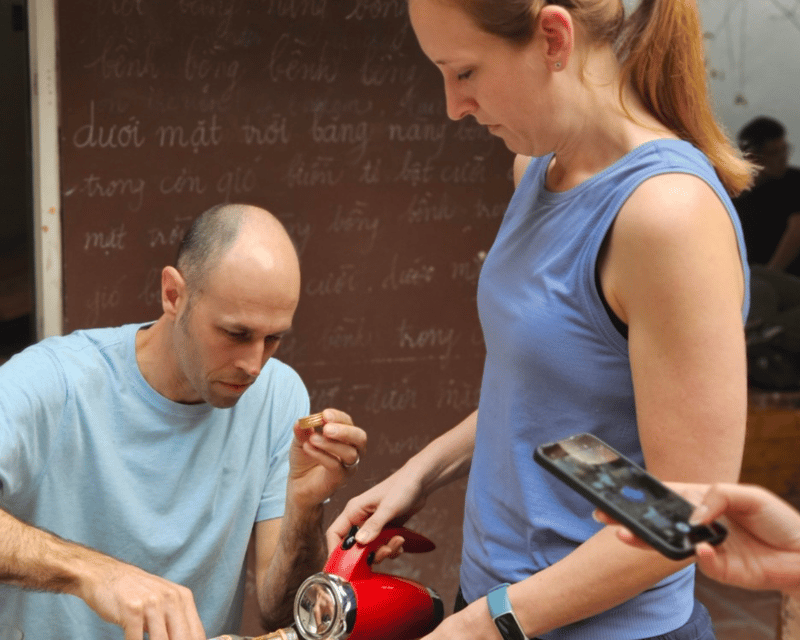
- Five named coffee styles: Learn filtered, egg, coconut, salted, and orange or banana coffee.
- A close-up Train Street setting: Watch the train pass next to the café during the visit.
- Three hours at 65 Railway Coffee: The class begins and ends at 65 Ng. 224 Lê Duẩn in Đống Đa.
- A useful tasting range: Compare strong coffee, creamy egg topping, coconut, salt, and fruit.
- English-speaking instruction: An English-speaking teacher leads the class, with ingredients and equipment included.
- $30 per person: The price makes more sense if you want both a lesson and a Train Street stop, not just a quick coffee.
Learning Hanoi coffee beside the railway
Vietnamese coffee is not built around one standard cup. The country is known for strong coffee, slow filtering, condensed sweetness, and creative combinations that can turn a drink into a dessert. This class gives you a practical way to understand that range.
You work through five named recipes: filtered coffee, egg coffee, coconut coffee, salted coffee, and orange or banana coffee. The orange and banana options are presented together in the program, so the exact fruit preparation may vary. Some sessions have included seven coffees, giving you more tasting than the five advertised styles suggest.
That variety is the main value. You are not spending three hours repeating one basic recipe. Instead, you compare texture, sweetness, aroma, and strength from cup to cup. The class suits anyone who wants to return home with a better idea of what to order at Hanoi cafés, even if you never copy the recipes perfectly.
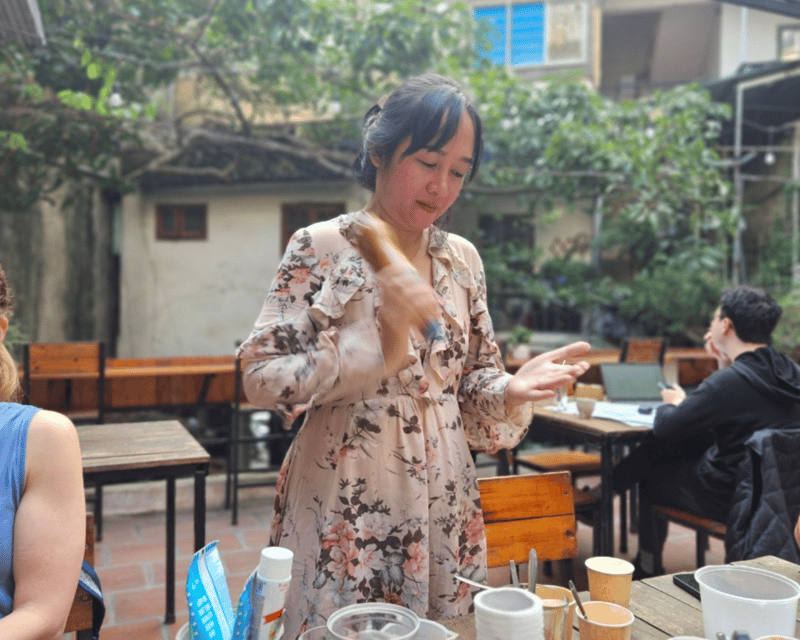
The setting adds a second layer. The café space has plenty of natural greenery, which softens the hard railway surroundings. Still, this is not a quiet cooking studio. The Train Street location brings movement, noise, and a built-in point of attention when the train approaches.
More Coffee Making Classes in Hanoi
- Hanoi Coffee Workshop: Taste Salt, Coconut and Egg Coffee
★ 5.0 · 1,286 reviews - Hanoi: Salt Coffee Workshop Awake Your Senses With 6 Brews
★ 5.0 · 792 reviews - Hanoi: Vietnamese Coffee Workshop with 6 Brews and 8 Recipes
★ 5.0 · 237 reviews
Starting at 65 Railway Coffee on Lê Duẩn
The meeting point is 65 Railway Coffee, at 65 Ng. 224 Lê Duẩn, Khâm Thiên, Đống Đa, Hanoi. The same café is the end point, so you do not need to arrange a second pickup after the lesson.
That simple start matters in Hanoi, where crossing town can take time. If you choose hotel pickup, the operator asks you to wait five minutes in your lobby. Pickup is optional, so check the selected option carefully when booking. If you make your own way there, use the full address rather than relying only on the words Train Street, since the railway area has several café spots and entrances.
The activity takes three hours. Starting times depend on availability, so choose a slot that fits your day. A morning class leaves your afternoon open for Hanoi sightseeing. A later session may work well if you want coffee before dinner, though the exact train timing is not specified.
Bring a camera. The coffee-making steps give you plenty to photograph, and the passing train is the moment most people will want to remember. Alcohol and drugs are not allowed.
The five coffee recipes you will make
Filtered coffee and the strong Vietnamese base
The lesson begins with the traditional filtered style. Vietnamese coffee is commonly prepared with a small metal filter, often called a phin, that rests over the cup while water passes slowly through the grounds.
Here, you learn the method rather than simply tasting the result. The focus is on preparing the coffee and seeing how the slow filter produces a powerful drink. One account described the filtered coffee as surprisingly strong, so this may be the cup that wakes you up fastest.
This style gives you a useful reference point for the rest of the class. Once you understand the bold coffee base, you can see how egg, coconut, salt, or fruit changes the drink. If you normally prefer mild coffee, take small sips and treat it as a tasting rather than a full mug.
More Coffee Making Classes in Vietnam
- Ha Noi Egg Coffee Class
★ 5.0 · 227 reviews - Hanoi Coffee Workshop: Master 6 Signature Vietnamese Coffee
★ 5.0 · 171 reviews - Hanoi Coffee Class learning 5 famous coffee in Hanoi
★ 5.0 · 161 reviews - Mini Hanoi Coffee Workshop: Pick Any Signature Coffee You Like
★ 5.0 · 160 reviews
Egg coffee, Hanoi’s creamy specialty
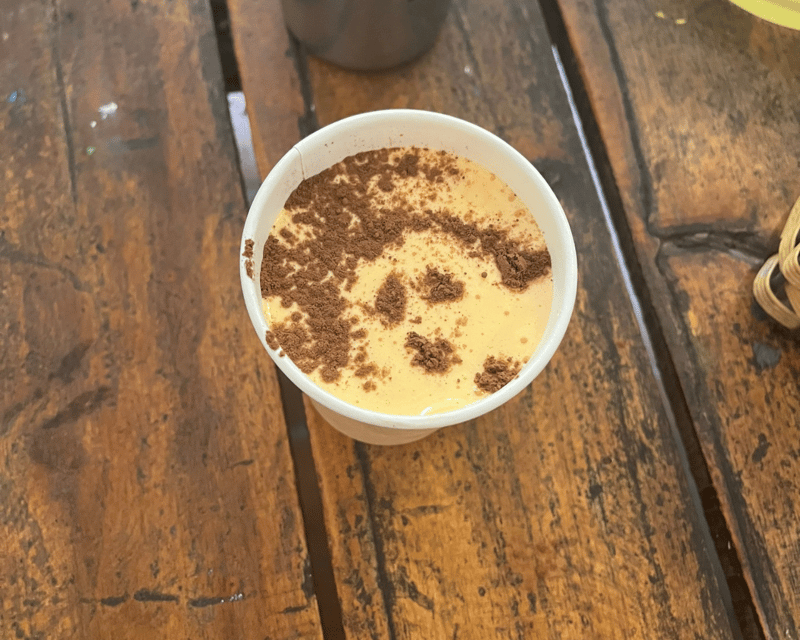
Egg coffee is one of Hanoi’s best-known coffee creations. The drink combines coffee with a whipped egg mixture, producing a thick, creamy topping that can taste more like dessert than a standard caffeine stop.
The class lets you make the mixture yourself, so you can see how the drink gets its texture. The result has been compared to tiramisu in flavor, which tells you what to expect: sweet, creamy, and rich beside a dark coffee base.
This is likely to be one of the most popular recipes for first-time visitors. It is also the least ordinary of the five, making it a good reason to choose a class instead of ordering only a familiar iced coffee. If you do not enjoy sweet drinks, egg coffee may be more of a taste experiment than a new daily favorite.
Coconut coffee for a cooler, tropical flavor
Coconut coffee brings a softer, tropical note to the strong coffee. The recipe lets you see how coconut changes both the flavor and the mouthfeel of the drink.
It is a useful contrast with egg coffee. Egg coffee is creamy and dessert-like, while coconut coffee gives you a different kind of sweetness and a more refreshing impression. The class does not only teach recipes that taste similar, and that is a real strength.
You may be surprised by this cup. One tasting ranked coconut coffee higher than expected, which suggests it is worth approaching with an open mind even if coconut is not usually your first choice.
Salted coffee and the sweet-salty balance
Salted coffee sounds odd until you taste how a small amount of salt can balance bitterness and sweetness. The recipe is associated especially with central Vietnam, but it has become a popular style to try in Hanoi as well.
This part of the class is useful because it shows how a tiny ingredient can change coffee without hiding it completely. Salt does not turn the drink into a savory beverage. Instead, it can make the coffee taste rounder and bring out the sweet elements.
If you have already tried salted coffee elsewhere in Vietnam, this recipe may feel less new. It still gives you a chance to compare the style with the other drinks in the same sitting.
Orange or banana coffee, the unusual finish
The fruit-based recipe is the wild card. The class describes an orange or banana version, and the tasting notes available for the experience include both banana and orange coffee.
Banana coffee earned the strongest personal preference in one account, while orange coffee was described as refreshing but confusing in a pleasant way. That makes sense: orange and coffee pull your palate in different directions, with citrus freshness meeting a dark roasted flavor.
This is not the recipe to choose if you want a traditional cup. It is the recipe to choose if you like trying combinations that do not immediately seem to belong together. You may taste something closer to a summer drink, or you may decide that coffee and fruit should remain separate. Either response is part of the fun.
Watching the train pass beside the café
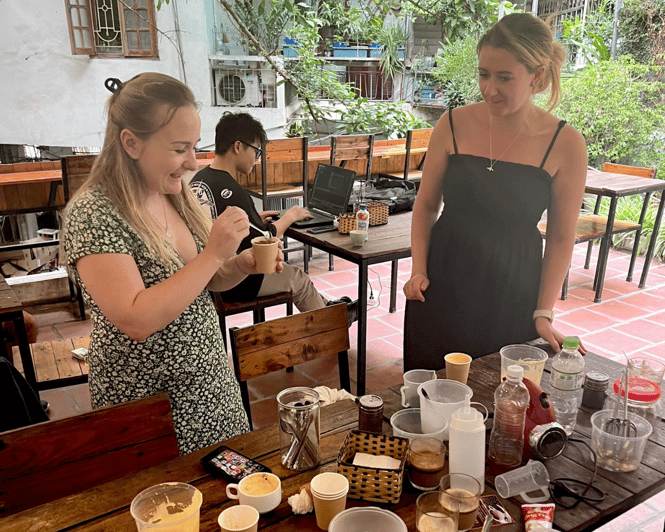
The Train Street moment gives the class its visual hook. You are not visiting a railway museum or taking a train ride. You are sitting at a café beside an active track and watching the train pass next to you.
That setting is memorable, but it also calls for practical awareness. The railway is close, and the area can feel cramped when the train arrives. Follow the teacher’s instructions and keep your camera in hand rather than stepping into unsafe positions for a better photograph.
The train is only one part of the three-hour visit. Do not book this expecting the whole activity to revolve around a long railway spectacle. Most of your time is devoted to preparing and tasting coffee, with the passing train adding a dramatic break in the lesson.
The natural greenery around the café is another pleasant detail. It gives the coffee-making area a more relaxed look than the railway setting alone would suggest. You get a café atmosphere, a working lesson, and a railway view in one stop.
What the three-hour schedule means for you
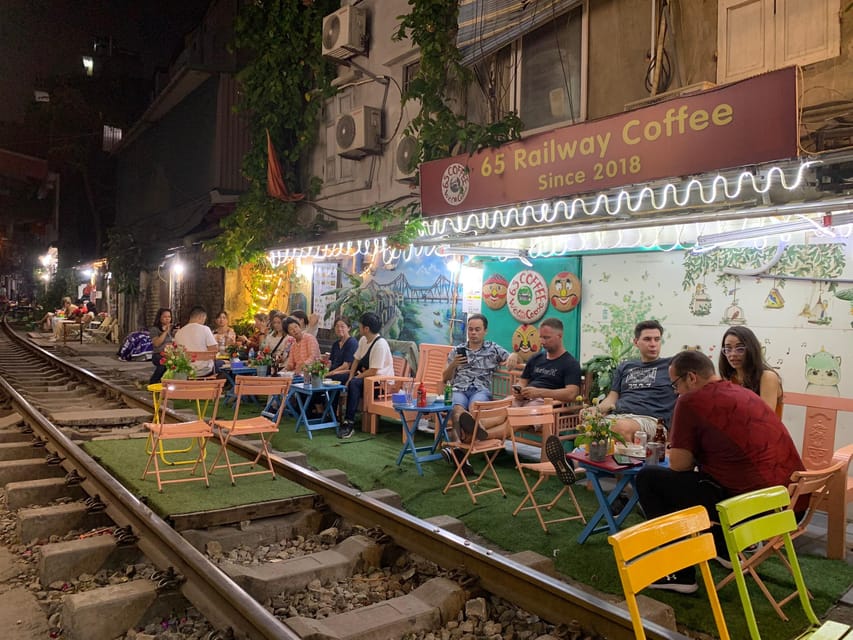
The supplied schedule is simple: start at 65 Railway Coffee, complete the coffee class and Train Street visit, then finish back at the meeting point. There are no separate sightseeing stops or meals included.
That simplicity is helpful. You know where you begin and end, and you are not losing time to a long list of unrelated attractions. It also means you should judge the activity for what it is: a focused coffee workshop with a railway-side setting.
Three hours is enough time for hands-on preparation, tasting, explanation, and the Train Street moment. It is longer than a normal café visit, so the class works best if you genuinely enjoy coffee or want a slower cultural activity. If you only want a quick photograph of the railway and one drink, this will probably feel too long.
The exact start time depends on availability. Private and small-group options are offered, which can make the lesson easier to follow. A smaller group may also give you more room to ask questions and handle the equipment, though the exact group size is not provided.
What is included, and what costs extra
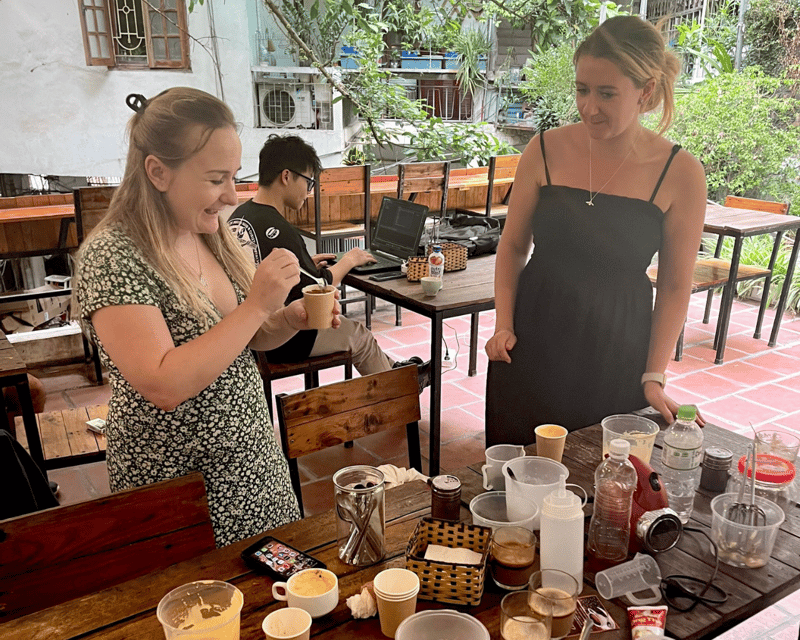
The $30 per person price includes an English-speaking teacher, ingredients, and equipment for the class. That covers the core expense of making the drinks, so you are not paying extra for each recipe prepared during the lesson.
The price is fair if you want instruction and several tastings in one activity. Buying five separate specialty coffees at cafés could add up quickly, while a class gives you the method as well as the drinks. The value is weaker if you dislike coffee, do not want to prepare anything yourself, or are visiting Train Street only for a short photo stop.
Additional food and drinks are not included. Personal expenses are also your responsibility. Plan accordingly if you want a meal before or after the class, since the scheduled activity is centered on coffee rather than a full food experience.
You can cancel up to 24 hours in advance for a full refund, and the reserve-now, pay-later option keeps you from paying at the time of booking. Those terms are useful if your Hanoi schedule is still changing.
Who will enjoy this class most
I would recommend this to coffee drinkers who want more than a standard café stop. You get to taste familiar and unusual styles side by side, and you leave with a clearer sense of how Vietnamese coffee is prepared.
It also suits couples, friends, and small groups who like doing something together. The recipes create a natural way to compare favorites. Banana coffee may win you over, egg coffee may taste like tiramisu, and orange coffee may leave you wondering if you are drinking coffee or juice.
The activity is also a good fit for first-time Hanoi visitors who want one distinctive local stop without committing to a full-day tour. The meeting point is in Đống Đa, and the activity returns there, so you can build the rest of the day around it.
I would hesitate to recommend it to anyone seeking a quiet, polished café tasting. Train Street is the opposite of that. The passing train is exciting, but the setting can be tight and active. Anyone over 95 is listed as unsuitable for the activity.
The experience has a rating of 4.9 from nine reviews, and the most praised elements are clear: the kind, funny staff; the range of coffees; and the surprising success of banana and egg coffee. Those points match what the format does best. The people make the lesson approachable, while the recipes give you plenty to talk about afterward.
Practical tips for getting more from the lesson
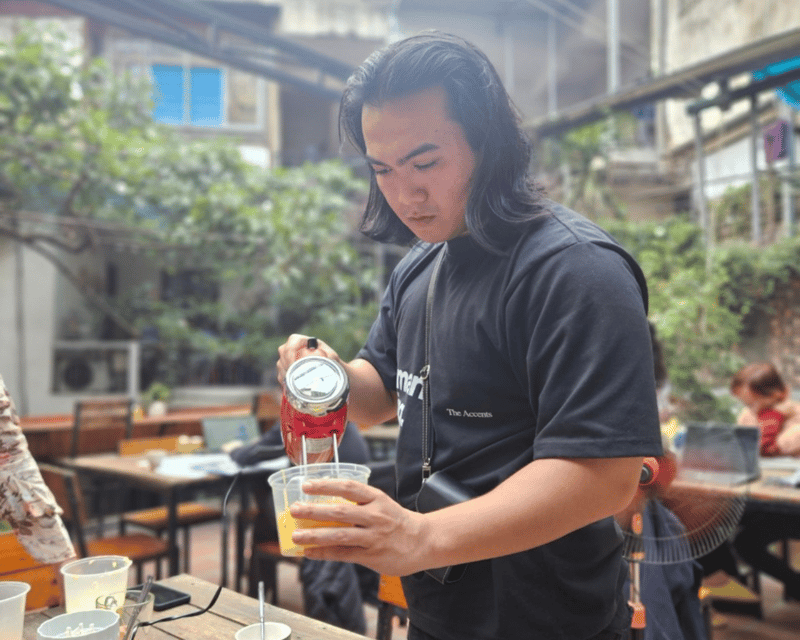
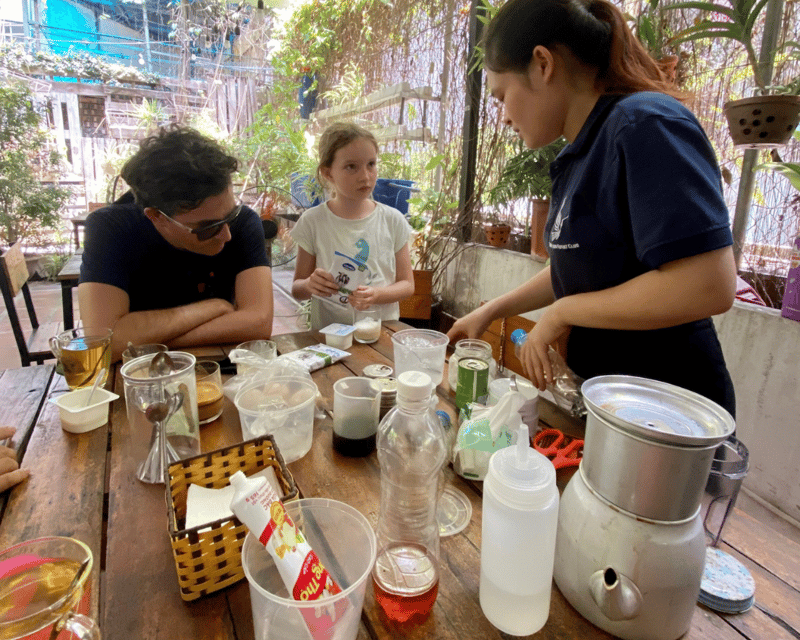
Arrive ready to participate. The equipment and ingredients are provided, but the point is to make the drinks yourself rather than watch a demonstration from a distance.
Bring a camera, but do not let photography take over the coffee tasting. The unusual flavors are easier to compare when you give each one a few careful sips. Take notes if you want to remember your favorite recipe for later.
Expect strong coffee. The filtered style may be more intense than you normally drink, while egg and coconut coffee can be sweet and creamy. The fruit recipes are less traditional and may appeal most to adventurous palates.
If you choose hotel pickup, wait in the lobby five minutes before the agreed time. If you meet at the café, double-check the address, 65 Ng. 224 Lê Duẩn, Khâm Thiên, Đống Đa.
Should you book the Artisan Coffee Making Class?
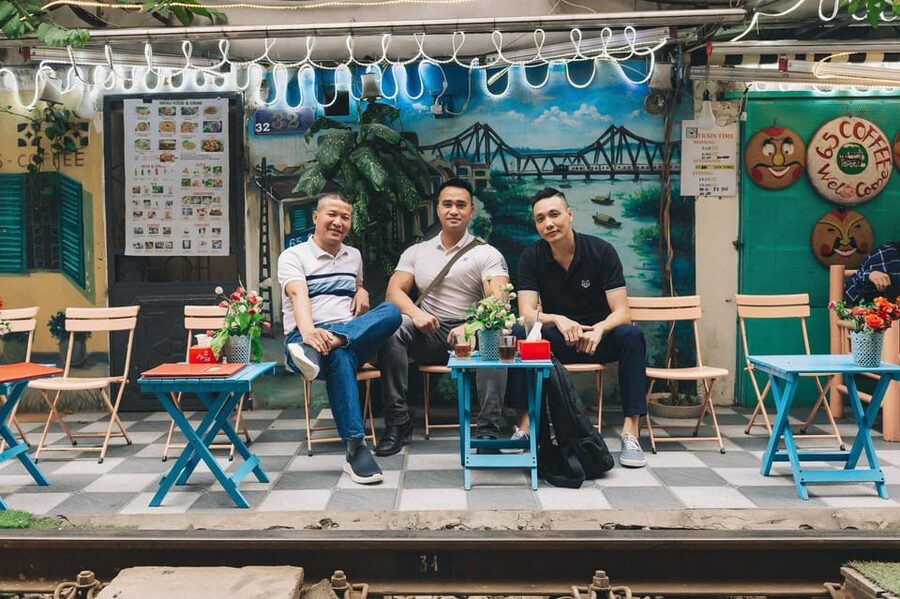
Book it if you want a friendly, practical introduction to Hanoi coffee and like the idea of tasting several unusual recipes in one sitting. The combination of hands-on preparation, English instruction, greenery, and the train passing close by gives you more than a normal café visit for $30.
Skip it if you want a quiet drink, dislike sweet or experimental coffee, or only want a fast Train Street photograph. For coffee fans, curious eaters, and anyone who enjoys a little controlled chaos with their sightseeing, this is a strong three-hour choice.
FAQ
How much does the Hanoi Artisan Coffee Making Class cost?
The activity costs $30 per person.
How long does the coffee class last?
The activity lasts three hours. Starting times depend on availability.
Where does the activity begin?
It begins at 65 Railway Coffee, located at 65 Ng. 224 Lê Duẩn, Khâm Thiên, Đống Đa, Hanoi, Vietnam.
Where does the activity end?
The activity ends back at the meeting point at 65 Railway Coffee.
Which coffee recipes are included?
The class covers filtered coffee, egg coffee, coconut coffee, salted coffee, and orange or banana coffee. Some sessions have included seven coffees.
Is the class taught in English?
Yes. An English-speaking teacher leads the activity.
Are ingredients and equipment included?
Yes. Ingredients and equipment for the class are included. Additional food, drinks, and personal expenses are not included.
Is hotel pickup available?
Yes. Pickup is optional. If you select it, wait five minutes in your hotel lobby.
More Train Journeys in Hanoi
- Hanoi Michelin Star Walking Food Tour & Train Street
★ 5.0 · 165 reviews - Hanoi Jeep Night Street Foodie Tour, Train Street and Egg Coffee
★ 5.0 · 60 reviews - Private Tour Incense Village, Hat village & Train Street Coffee
★ 4.5 · 33 reviews - Half Day Tour Van Phuc Silk Village and Train Street Coffee
★ 5.0 · 3 reviews
Freshly brewed listings in Hanoi
- Vietnamese Coffee 101 Workshop★ 5.0 · 11 reviews
- Private Hà Nội Coffee History Tour★ 5.0 · 6 reviews
- Private tour: Hanoi city tour-Van Phuc silk village with egg coffee, lunch★ 5.0 · 2 reviews
- Taste of Vietnam’s Coffee Scene – A Guided Experience★ 5.0 · 2 reviews
- Hanoi Private And All Inclusive Coffee Lovers Tour in Vietnam★ 5.0 · 6 reviews
- hidden gems cafe – learn making coconut and egg coffee★ 5.0 · 2 reviews
- Walking Tour in Hanoi Old Quarter with Street Food & Coffee★ 5.0 · 4 reviews
- Hanoi Coffee Workshop Brew Taste and Culture Experience★ 5.0 · 10 reviews
Hanoi Coffee Tours, compared.
Hanoi Coffee Experience: 6 Brews, 9 Recipes & 3 Liquor Tastings
Read our review →
Hanoi Coffee Workshop: Taste Salt, Coconut and Egg Coffee
Read our review →
Hanoi: Salt Coffee Workshop Awake Your Senses With 6 Brews
Read our review →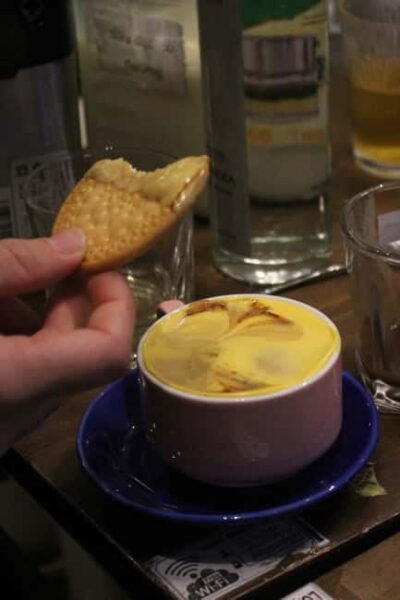
Hanoi: Master the Art of 4-6 Signature Vietnameses Coffees
Read our review →
Hanoi: Vietnamese Street Food Tour with Egg Coffee
Read our review →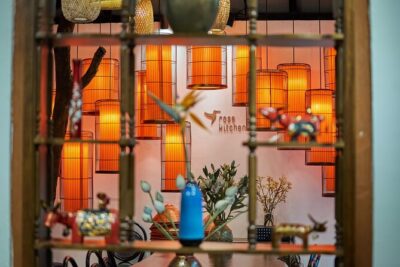
Hanoi Cooking Class: Pho/Bun Cha/Banh Xeo…+Free Egg/Salt Coffee
Read our review →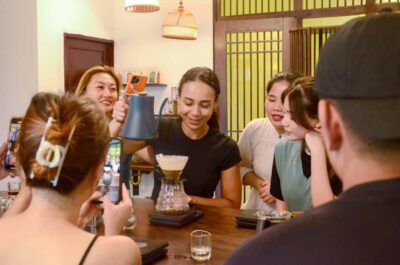
Hanoi: Vietnamese Coffee Workshop with 6 Brews and 8 Recipes
Read our review →
Browse the lists this tour appears in