
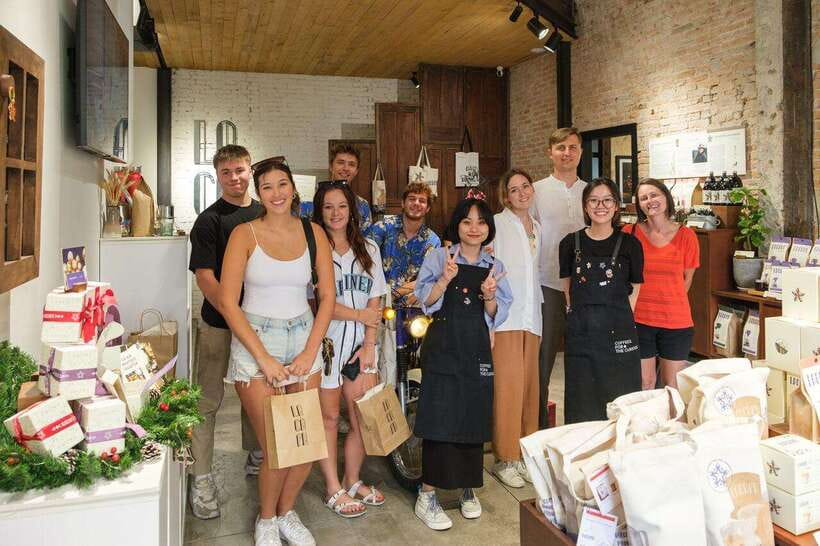
Review · HO CHI MINH CITY
Hands-on Discovery of Vietnamese Coffee & Culture
Vietnamese coffee is more than strong coffee with condensed milk. At Lacàph, you learn how beans, brewing tools, farmers, trade, and daily life fit together, then make the drinks yourself. The small-batch roasting demo and the chance to brew two Lacàph blends are the real draws.
I like the clear, home-friendly methods and the way short films connect coffee to Hà Nội, Đà Lạt, and Chợ Lớn in Sài Gòn. I also like that the tastings include mung bean cake and cocoa-coated cashews, not just a cup of coffee. The main consideration is simple: this is a seated, stair-access experience, so it is not suitable for wheelchair users and may feel too coffee-focused if you want a general city tour.
Key points to know before booking
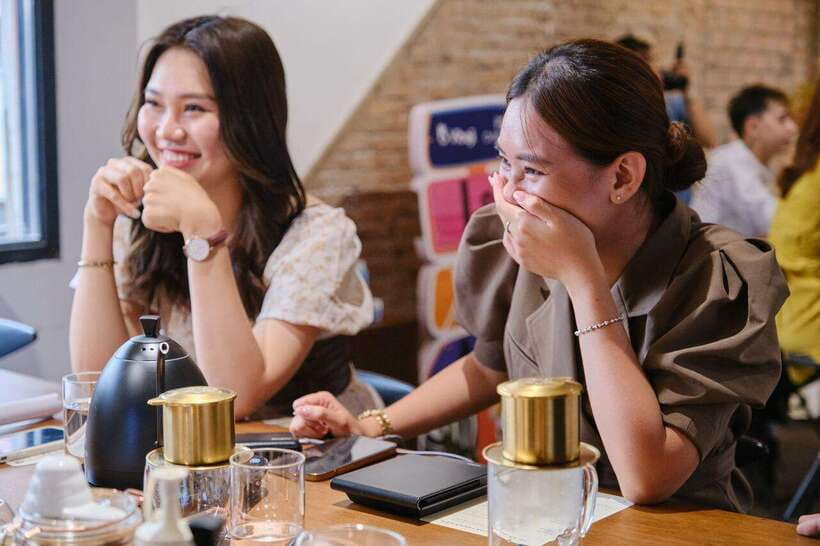
- Two brewing methods: Make Lacàph Filter Blend and Lacàph Phin Blend using simple techniques you can repeat at home.
- A close look at roasting: Watch a small batch of Phin Blend roast and listen for the beans to crack.
- Coffee with Vietnamese sweets: Try filter coffee with bánh đậu xanh, or mung bean cake, and phin coffee with cocoa-coated cashews.
- Stories beyond the cup: Short in-house films introduce farmers, coffee workers, and places from Hà Nội to Đà Lạt and Chợ Lớn.
- A compact District 1 setting: Lacàph sits upstairs at 220 Nguyễn Công Trứ, behind a purple iron door.
- Personal guides: English and Vietnamese instruction is available, with guides such as Giao and Vi leading the session.
What the 150-minute coffee session is really about
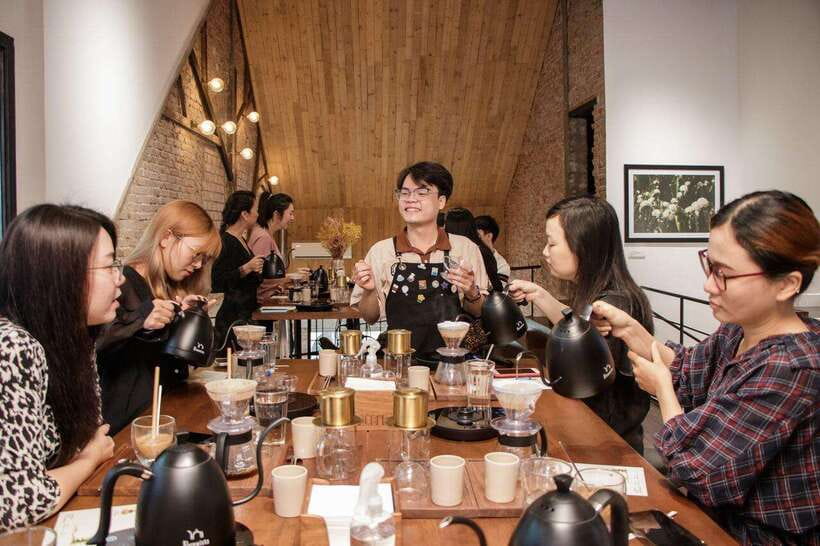
This is a hands-on workshop, not a quick tasting stop. You spend two and a half hours learning how Vietnamese coffee is grown, roasted, brewed, and enjoyed, with plenty of time to handle the equipment and taste the results.
The session begins with a multi-sensory experiment. The goal is to get you paying attention to aroma, taste, texture, and sound before the brewing starts. That is a useful opening because coffee can seem like a simple drink until you notice how much changes between beans, roast levels, grind, water, and brewing speed.
You are not expected to arrive with coffee expertise. One participant described starting as a complete novice and leaving with a much better understanding of coffee. That fits the design of the activity: the guides explain the basics while keeping the session practical rather than turning it into a technical lecture.
The atmosphere is organized and timed, but not stiff. That balance matters in a workshop. You get a clear sequence of activities without feeling as if you are being hurried from one demonstration to the next.
More Vietnamese Coffee Experiences in Ho Chi Minh City
- Egg coffee & Course on 4 traditional types of Viet coffee
★ 4.9 · 487 reviews - Fun & Easy Vietnamese Coffee Workshop in Hồ Chí Minh City
★ 5.0 · 293 reviews - Vietnamese Coffee & Culture Exploration in Hồ Chí Minh City
★ 5.0 · 202 reviews
Brewing two Vietnamese coffees by hand
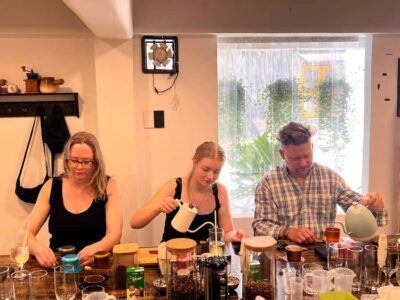
The strongest part of the experience is the chance to brew two different Lacàph blends yourself. You work with methods that are simple enough to repeat in your own kitchen, which gives the lesson value beyond the cup you drink in Hồ Chí Minh City.
The first tasting features Lacàph Filter Blend with bánh đậu xanh, a sweet mung bean cake. This pairing introduces a softer side of Vietnamese coffee culture. The sweet cake gives you something to compare against the coffee’s flavor, rather than asking you to judge the drink on its own.
The second preparation uses the Lacàph Microfilter Phin Brewer with Lacàph Phin Blend. The phin is Vietnam’s familiar metal coffee filter, and watching the coffee pass slowly through it helps explain why the drink has such a distinct character. You are not simply handed a finished cup. You see the brewing process and take part in it.
This is also where the workshop helps correct a common assumption. Vietnamese coffee is often reduced to iced coffee with condensed milk, but the session presents a broader picture. You work with Vietnamese beans and learn how different brewing styles bring out different qualities.
The phin coffee comes with cocoa-coated cashews. That pairing gives the second tasting a modern snack element while keeping the focus on Vietnamese flavors. It is a small detail, but it makes the tasting feel planned rather than like a series of unrelated samples.
Hearing the beans crack during the Phin Blend roast

The small-batch roasting demonstration adds a welcome change of pace. Instead of only discussing roast levels, you get to see Lacàph Phin Blend being roasted in a small quantity and hear the beans crack as they change.
The sound is part of the lesson. You also notice the smell develop as the beans roast, which connects the raw material to the drink in your cup. For many people, this will be the first time they have watched coffee change in real time.
This segment is short enough to remain interesting, but it adds an important layer. Brewing is only one part of coffee. Roasting affects aroma and taste before the beans ever reach the phin or filter.
Do not expect a full commercial roasting course. The supplied details describe a demonstration, not a technical certification class or a long lesson in roast profiling. That is fine for most visitors. You get the sensory moment and the basic idea without giving up the rest of the afternoon.
Coffee stories from Hà Nội, Đà Lạt, and Chợ Lớn

The workshop uses a series of in-house mini-documentaries to connect the drink to places and people across Việt Nam. The films take you from Hà Nội to Đà Lạt and then to Chợ Lớn in Sài Gòn, showing that coffee culture is not confined to one city or one style of café.
The videos also introduce farmers and other people involved in coffee. This is valuable because a brewing workshop can easily focus only on equipment and flavor. Here, the films remind you that every cup begins with agricultural work and continues through roasting, selling, serving, and drinking.
The setting in the films matters, too. Đà Lạt is closely linked with coffee production, while Hà Nội and Chợ Lớn show different urban settings where coffee becomes part of ordinary life. You get a sense of coffee as a social habit and a national story, not just a product on a menu.
I especially like this part for visitors who want a little context before ordering coffee elsewhere in Việt Nam. After the session, a phin on a café table means more than it did before. You have seen the tool, used it, and learned why it matters.
The films are not a replacement for visiting those places. They are a compact introduction that keeps the workshop focused. If you are already taking a dedicated coffee farm trip or a longer cultural course, you may find this section familiar. For a short activity in District 1, it gives the session useful depth.
Same town, another way to drink it:
- Decadent Vietnamese “Egg Coffee” Workshop in Hồ Chí Minh City
★ 5.0 · 150 reviews - Ho Chi Minh City: Fun and Easy Coffee Workshop for Beginners
★ 4.9 · 121 reviews - Techniques & Secrets Behind the Famed Vietnamese Egg Coffee
★ 5.0 · 99 reviews - 1 hour Egg Coffee Cooking Class with Snack and Local Instructor
★ 5.0 · 72 reviews
Finding Lacàph in an old District 1 building
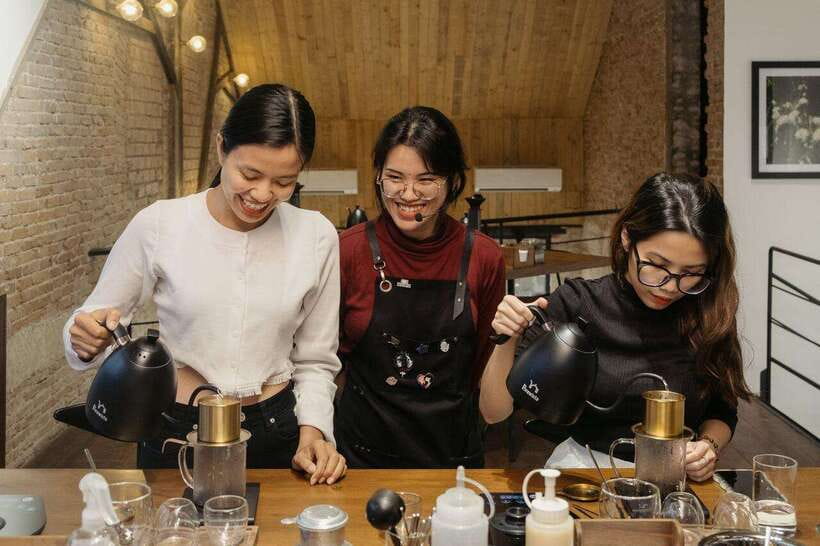
Lacàph is at 220 Nguyễn Công Trứ in Nguyễn Thái Bình Ward, District 1. It occupies an upper floor in an old building, and the entrance is easy to miss if you are expecting a large café storefront.
Look for a small sign in front of a purple iron door. Go through the door, climb the stairs, and turn sharply left at the top. That last turn is worth remembering. The location has a tucked-away feel, but the directions are specific enough if you pay attention.
The stairs are an important practical point. The activity is not suitable for wheelchair users, and there is no indication of an accessible alternative entrance. If stairs are difficult for you, contact the provider before booking rather than arriving and hoping the layout will work.
The old-building setting also helps the experience feel separate from the traffic and movement of the street below. You are there for a focused workshop, not a café stop squeezed between sightseeing visits.
How the guides shape the experience
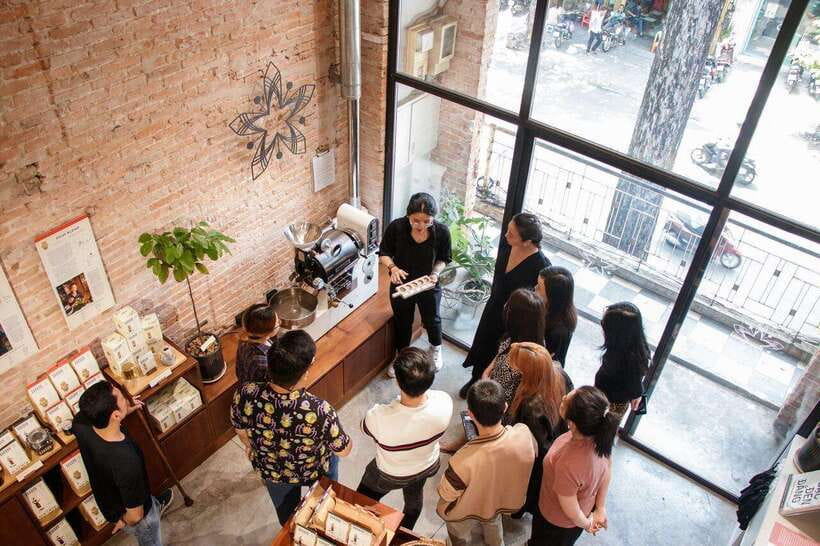
Instruction is offered in English and Vietnamese. Two guides named in participant feedback are Giao and Vi. Giao was praised for enthusiasm, while Vi was singled out for clear, well-informed instruction and a hands-on approach.
That personal element is important. Coffee workshops can feel dry when the guide only recites facts. Here, the format gives the instructor several ways to keep you involved: tasting, brewing, watching the roast, viewing films, and talking through the cultural background.
You should expect a planned session rather than an open-ended coffee chat. One participant described it as well organized and carefully timed without being rigid. That is a good description of what the format aims to do. The schedule lets you cover several subjects in 150 minutes, but it may leave less time for long individual questions.
If you have a particular interest in farm production, roast science, or café traditions, ask your guide questions as they arise. The English and Vietnamese format makes the experience suitable for international visitors, but the exact balance of discussion and demonstration can depend on the group and guide.
Is $30 a good value?
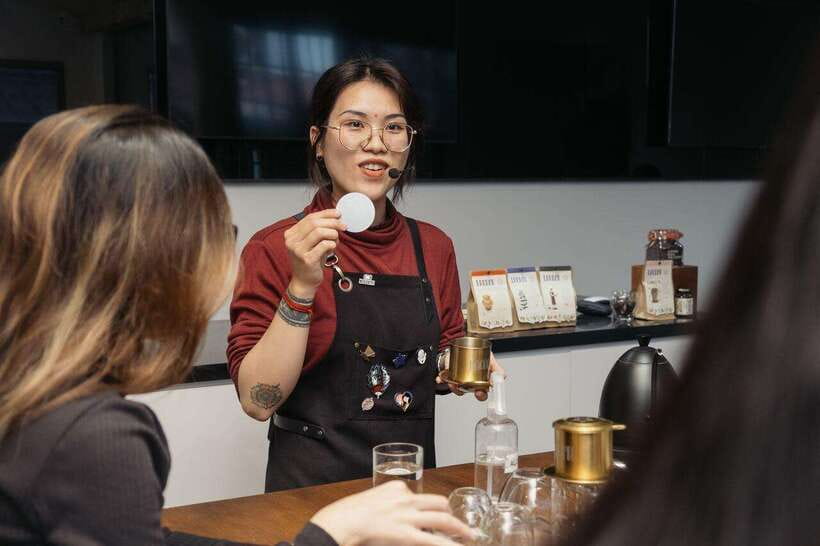
At $30 per person, this is priced above a basic café tasting but below a full-day food or farm excursion. I consider it good value if you want structured instruction, several tastings, a roasting demonstration, and cultural background in one sitting.
The cost includes the coffee, brewing activities, small-batch roast demonstration, films, and food pairings. You are paying for access to the process, not just the finished drinks. That distinction makes the price easier to justify.
The value is strongest for curious coffee drinkers who want to understand Vietnamese methods and later use them at home. The workshop gives you ideas, equipment familiarity, and a sense of how filter coffee and phin coffee differ.
It is less compelling if you only want to drink a traditional cà phê and move on. You could spend far less at a café for a single cup. This activity earns its price through the instruction and context, so book it for the learning as much as for the caffeine.
The booking terms also make it easier to fit into a changing schedule. You can reserve now and pay later, and cancellation is free up to 24 hours before the activity for a full refund. Starting times depend on availability, so check the schedule before planning other District 1 activities around it.
Who will enjoy this most?
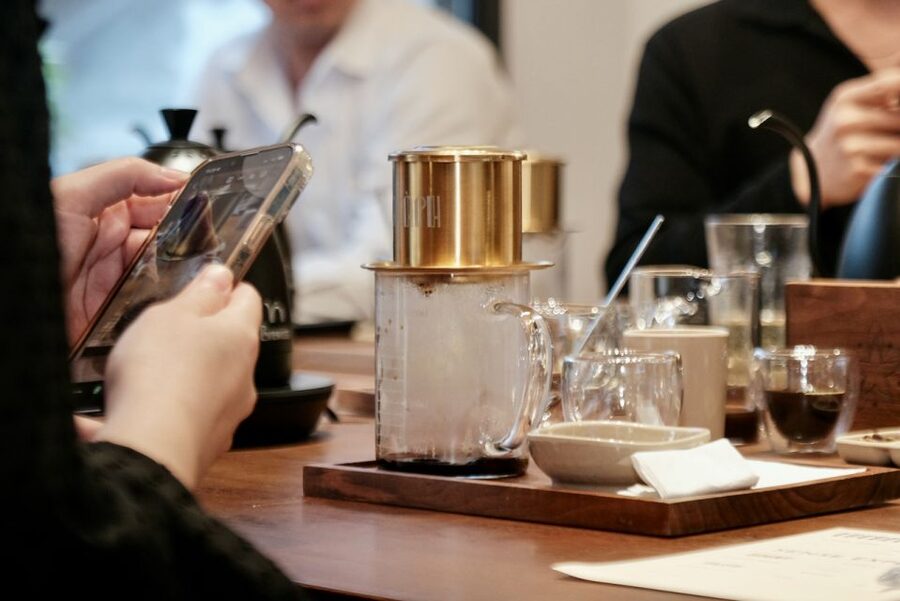
I would recommend this workshop to first-time visitors who want a clear introduction to Vietnamese coffee. You do not need prior knowledge, and the hands-on format gives you something to do at each stage.
It also suits coffee drinkers who have already tried Vietnamese coffee but want to understand the beans, roasting, and brewing tools. The two methods let you compare rather than rely on a single prepared cup.
The cultural films make it a good choice for visitors who want more than a food demonstration. You hear about farmers and follow coffee through several parts of Việt Nam, which adds meaning to later café visits.
Families with older children may find the roasting and brewing sections engaging, but the supplied information does not specify a minimum age or child price. Check those details before booking for young children.
I would not choose it if you dislike caffeine, cannot manage stairs, or want a broad city tour. The activity stays centered on coffee for two and a half hours. It is focused by design.
What to bring and how to prepare
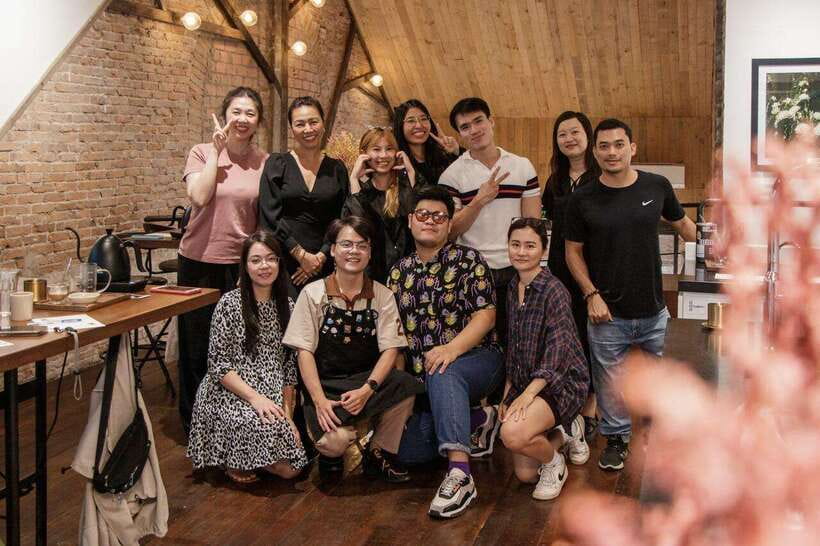
Bring an interest in tasting and a little patience. The activity includes coffee throughout, so arriving without a large caffeine load is sensible. You may also want to eat something beforehand if coffee affects you strongly, since the included sweets are pairings rather than a full meal.
Wear something comfortable for sitting, handling brewing tools, and moving through the upstairs space. The experience is indoors according to the meeting-point information, but no detailed facilities are provided, so avoid assuming it offers the setup of a large modern café.
Give yourself enough time to find the purple door at 220 Nguyễn Công Trứ. The entrance is not described as a prominent storefront, and the upstairs location can be easy to pass if you are rushing.
Should you book the Lacàph coffee experience?
Book it if you want to understand Vietnamese coffee instead of simply ordering it. For $30, you get two brewing methods, Vietnamese beans, a small roast demonstration, local stories, and food pairings in a compact 150-minute session.
The best reason to go is the combination of doing and seeing. You brew the coffee, hear the beans crack, watch the films, and learn why coffee matters in Việt Nam. Guides such as Giao and Vi add a human touch, with English and Vietnamese instruction available.
Skip it if you are looking for a general Hồ Chí Minh City sightseeing tour, a full meal, or an accessible venue without stairs. For everyone else, this is a practical and focused way to turn a familiar drink into a better understanding of Vietnamese culture.
FAQ
Where does the Vietnamese coffee experience take place?
It takes place at Lacàph, 220 Nguyễn Công Trứ, Nguyễn Thái Bình Ward, District 1, Hồ Chí Minh City. Look for the small sign by the purple iron door, go upstairs, and turn left at the top.
How long does the activity last?
The experience lasts 150 minutes, or two and a half hours. Starting times vary, so check availability when booking.
Which languages are available?
The activity is offered in English and Vietnamese. Guides named in the supplied information include Giao and Vi.
What coffee will I taste and brew?
You will work with Vietnamese coffee beans and brew Lacàph Filter Blend and Lacàph Phin Blend. The phin preparation uses a Lacàph Microfilter Phin Brewer.
What food is included?
Filter coffee is paired with bánh đậu xanh, or mung bean cake. The phin coffee is paired with cocoa-coated cashews.
Is the activity suitable for wheelchair users?
No. The activity is listed as unsuitable for wheelchair users, and the meeting point requires climbing stairs to an upper floor.
Freshly brewed listings in Ho Chi Minh City
- Saigon Special Night Coffee Landmark 81 & Food Tour★ 5.0 · 2 reviews
- Tea & Coffee Experience★ 5.0 · 10 reviews
- Hands-on making 3 Iconic Coffees of South Central North Vietnam★ 5.0 · 14 reviews
- Private Ho Chi Minh City Tour from Port & Vietnamese Egg Coffee★ 5.0 · 6 reviews
- Sai Gon Special Coffee At Landmark 81 & Street Food tour★ 5.0 · 3 reviews
- Discover Vietnam’s Coffee Culture.★ 5.0 · 5 reviews
- [Free E-sim] Half day Instagram Cafe Tour in Ho Chi Minh★ 4.5 · 8 reviews
- Drip Craft Coffee Workshop-Discover 4 Famous Types of Viet Coffee★ 5.0 · 2 reviews
Ho Chi Minh City Coffee Tours, compared.
Egg coffee & Course on 4 traditional types of Viet coffee
Read our review →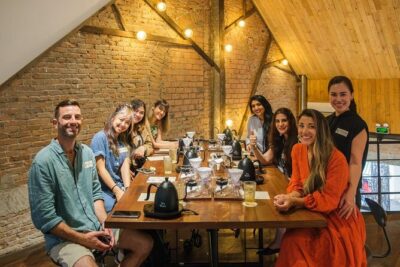
Fun & Easy Vietnamese Coffee Workshop in Hồ Chí Minh City
Read our review →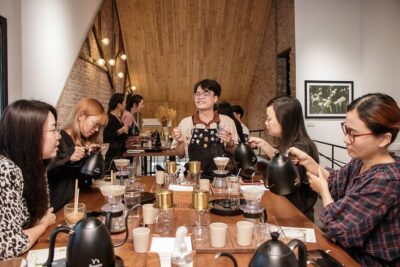
Vietnamese Coffee & Culture Exploration in Hồ Chí Minh City
Read our review →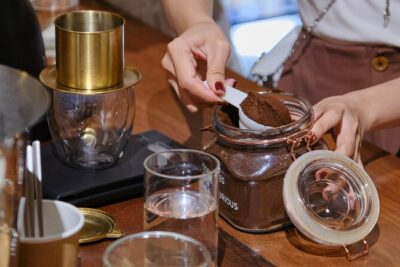
Decadent Vietnamese “Egg Coffee” Workshop in Hồ Chí Minh City
Read our review →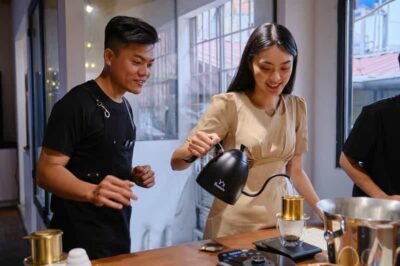
Ho Chi Minh City: Fun and Easy Coffee Workshop for Beginners
Read our review →
Techniques & Secrets Behind the Famed Vietnamese Egg Coffee
Read our review →
1 hour Egg Coffee Cooking Class with Snack and Local Instructor
Read our review →
Saigon Unseen: Culture, Coffee, Hidden Spots Motorbike Adventure
Read our review →Browse the lists this tour appears in