
Review · GERMANY
Espresso Kurs im Johann Jacobs Haus in Bremen
The best part of this Bremen coffee course is that you do not simply watch a barista work. You practice the key steps yourself, from adjusting the grinder to pulling espresso and pouring a heart with smooth milk foam. Hands-on time is the real draw here.
I like the small group of no more than eight, which gives the practical work room to breathe. I also like the course’s full coffee path, covering the bean, roast, grinder, espresso machine, and milk texture rather than treating latte art as a stand-alone trick. The main consideration is language: instruction is in German, and the $152 price is serious for a coffee class, so you should want more than a casual tasting.
Key points at a glance
- Three and a half hours of practice: The 210-minute format gives you time to work through espresso and milk foam without rushing.
- Small class, eight people maximum: You can expect a more personal setup than a large demonstration.
- Coffee from bean to cup: The course covers origin, roasting, grinder adjustment, machine operation, and milk foam.
- Heart-shaped cappuccino finish: You practice making fine, velvety foam and pouring a heart.
- Useful take-home material: A handout helps you repeat the process at home.
- German instruction at Johann Jacobs Haus: You meet at the counter in the Heritage Store, and you may receive a participation certificate at the end.
A practical coffee lesson inside Johann Jacobs Haus
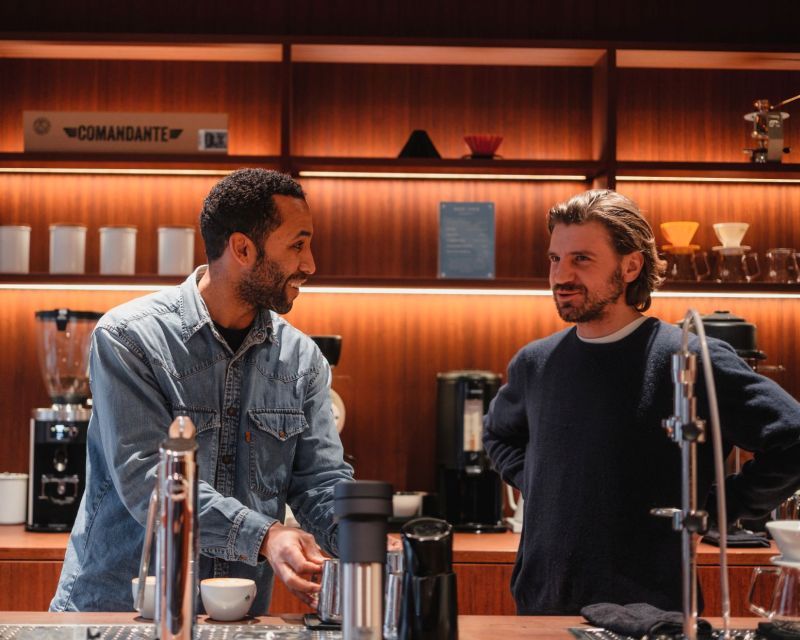
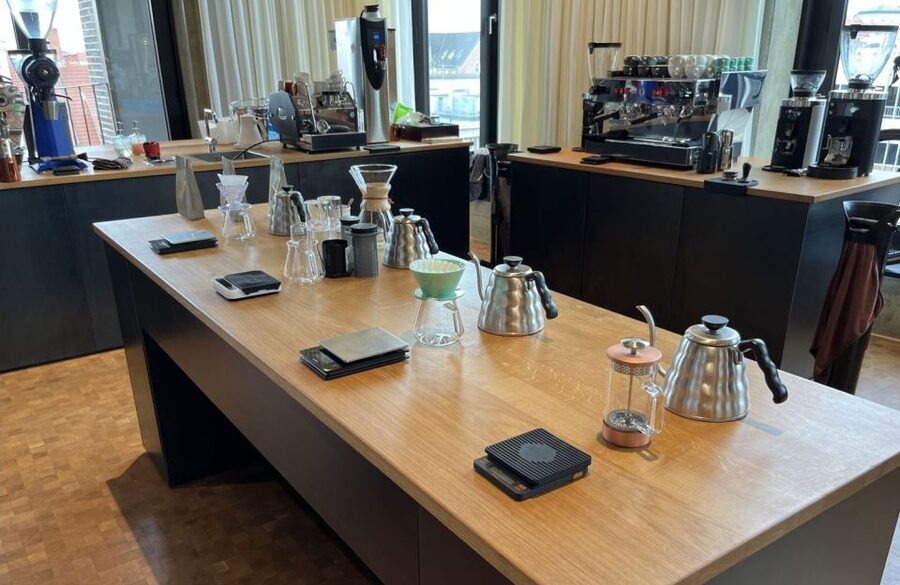
The course takes place at the Johann Jacobs Haus in Bremen, in northern Germany. You report to the counter at the Johann Jacobs Haus Heritage Store, a simple meeting point that should be easy to identify once you arrive at the venue.
This is not presented as a quick coffee tasting. It is a focused class built around the espresso machine. That distinction matters. You are paying to learn a repeatable method, not just sample a few cups and leave with a bag of beans.
The language of instruction is German. If you are comfortable following technical explanations in German, that should be no issue. If you are not, this is the first point to consider before booking. The supplied information does not list translation or instruction in another language, so do not assume that the trainer can switch languages.
The group is capped at eight participants. I consider that a useful size for this kind of class. Espresso preparation involves equipment, dosing, grinding, tamping, extraction, and tasting. Milk work needs space and attention, too. A class that is too large can turn into a demonstration where you watch someone else make the drinks. Eight people gives you a better chance to handle the process yourself.
More Coffee Tours in the world:
- Hanoi Coffee Experience: 6 Brews, 9 Recipes & 3 Liquor Tastings
★ 5.0 · 2,945 reviews - Medellin: Coffee Tour with Transport, Snacks and Tastings
★ 4.7 · 1,357 reviews - Istanbul: Turkish Coffee Making and Fortune Telling Workshop
★ 4.9 · 1,308 reviews
Starting with the bean and the roast
The course begins with the foundations of espresso: the coffee bean and its origin. You learn how the bean’s background and roast relate to the drink in your cup. This part gives the rest of the session some purpose. Instead of changing grinder settings by guesswork, you start to understand why the coffee behaves as it does.
The description does not name a particular coffee origin, roast profile, or tasting lineup, so you should not book expecting a specific regional coffee flight. The useful point is the framework. You get an introduction to where coffee comes from and how roasting affects preparation before moving to the machine.
I like this order. Many beginner classes rush straight to the espresso machine, then ask you to copy a set of steps. Here, the bean and roast come first, which helps connect the raw ingredient to the final cup.
The course also appears suited to people who want to make better coffee at home. You will not need to become a coffee professional to benefit from this section. A basic understanding of beans and roast can help you make smarter choices when buying coffee, even before you adjust a grinder.
Learning to adjust the grinder
Grinder adjustment is one of the most useful parts of the session. Espresso is sensitive to grind size, and small changes can affect how the water passes through the coffee. The course focuses on what matters when setting the grinder, rather than treating the machine as a button you simply press.
Expect to work through the relationship between the grinder and the espresso machine. The supplied details do not specify the exact grinder model, extraction times, recipes, or technical measurements, so I would not count on a fixed formula that applies to every home setup. Instead, you should come away with a better sense of how to make adjustments when a shot is not behaving as expected.
This is where the hands-on format earns its keep. Reading about grinder settings is useful, but handling the equipment makes the lesson easier to remember. The class lets you practice the decision-making that home coffee making requires.
At home, you may use different beans and a different machine. That means the exact setting from the course may not transfer directly to your kitchen. The lasting value is the method: observe the result, adjust the grinder or machine, and try again.
Working the espresso machine
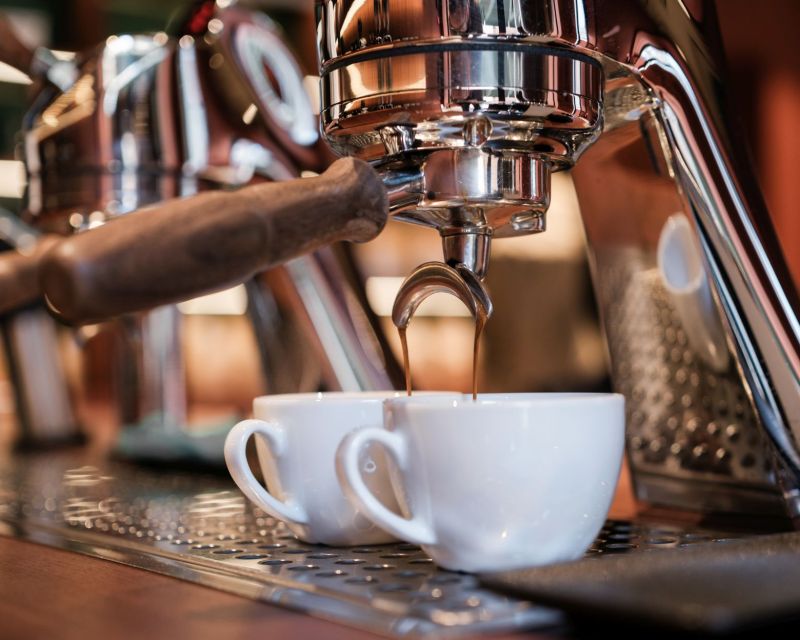
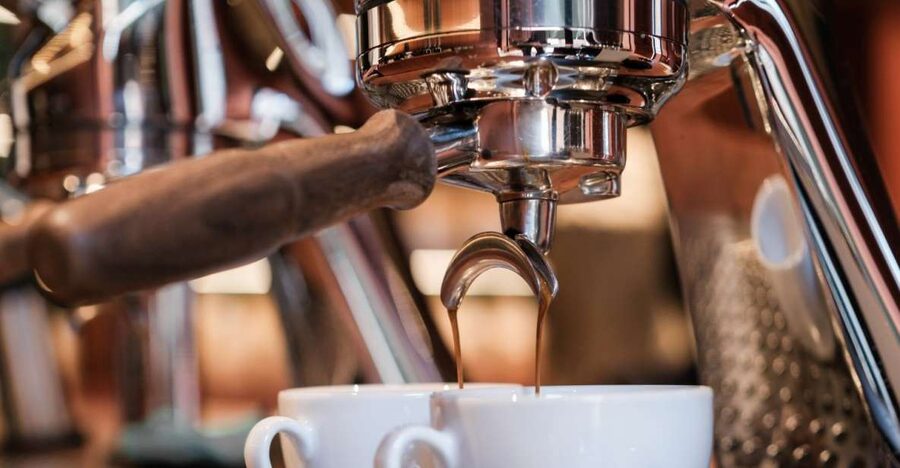
The next stage puts the theory into a cup. You learn how to operate the espresso machine and prepare espresso in a way that aims for a balanced, barista-style result.
The course description does not list each machine step in detail, so I would avoid expecting an advanced technical workshop on every part of commercial equipment. What you can reasonably expect is guided practice with the main preparation process, linked to the grinder and the coffee itself.
This is also where the class can reveal the gap between owning an espresso machine and knowing how to use it. Home machines often look friendly enough, but the final cup depends on several connected choices. The grinder setting, the coffee, the machine, and your technique all matter.
The 210-minute duration gives the class enough time to cover these parts without squeezing everything into a one-hour demonstration. It also leaves room for you to repeat the process. That repeat practice is important. A single perfect shot might be luck. A second or third attempt helps you understand what changed.
Water, espresso, milk, and milk alternatives are included. That keeps the focus on the work rather than asking you to bring ingredients. The information does not specify which milk alternatives are offered, so check directly with the provider if you need a particular option.
Same town, another way to drink it:
- Hanoi Coffee Workshop: Taste Salt, Coconut and Egg Coffee
★ 5.0 · 1,286 reviews - Vienna for Food Lovers: Cafés, Markets & Austrian Cuisine
★ 5.0 · 1,063 reviews - Big Island Highlights: Coffee, Volcano, Black Sands & Waterfall
★ 5.0 · 1,054 reviews - Hanoi: Salt Coffee Workshop Awake Your Senses With 6 Brews
★ 5.0 · 792 reviews
Making smooth milk foam and pouring a heart
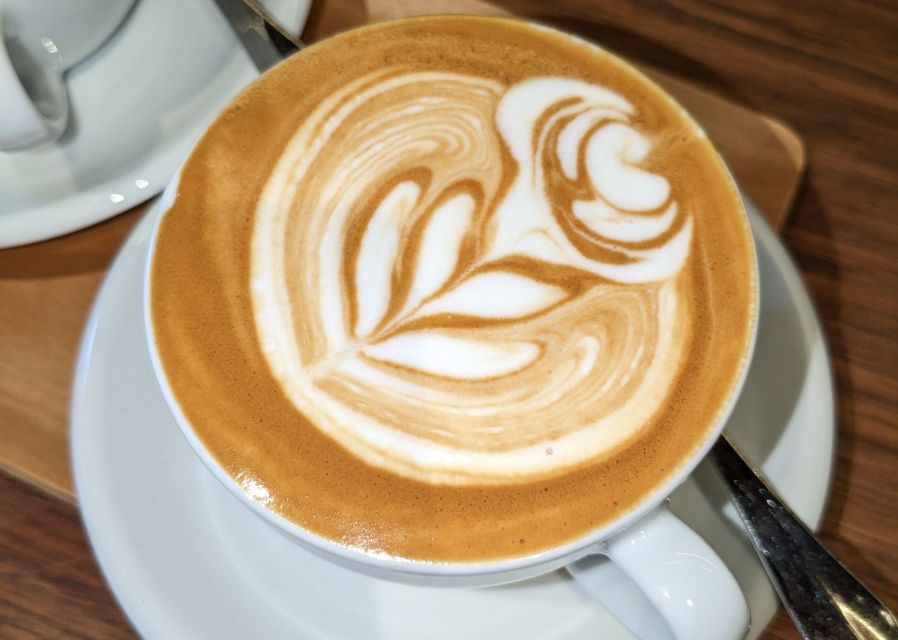
The final skill is milk foam. You learn to make fine, velvety foam and use it to pour a heart on top of a cappuccino. This is the most visual part of the course, but it is not only decoration.
Good milk texture affects how a cappuccino feels and tastes. Foam that is too stiff, too bubbly, or too thin will not pour cleanly and will not blend well with the espresso. The course aims to teach the texture needed for a smooth finish.
The heart is a nice target because it gives you a clear result to work toward. You can see whether the milk is flowing properly and whether your hand position is improving. Still, keep your expectations sensible. Latte art takes practice, and one lesson will not turn every cup into café art. The value is learning the basic technique and having a chance to try it under instruction.
If you prefer plant-based milk, the inclusion of milk alternatives is useful. The class does not say which types are available or whether each alternative behaves differently during steaming, so ask if that detail matters to you.
Why the small group changes the experience
Eight participants is the maximum, and that number matters more here than it would on a simple tasting. Everyone is dealing with the same equipment and learning the same sequence. A smaller class should make it easier to see the trainer’s demonstrations and ask questions when your own espresso or foam does not look right.
The available review gives strong weight to the practical side of the course. Pauline, who attended in December 2025, especially liked how much of the session involved trying things personally. She also appreciated learning about the coffee bean and its origin, but found the practical work the best part.
That matches the design of the experience. This is not a lecture with a few minutes of practice at the end. The course is built around doing. If you learn best by handling equipment and repeating a task, the format is a good fit.
The instructor is German-speaking, but no trainer name is provided. You can expect a professional trainer, yet you should not book expecting instruction from a particular named barista.
What the price gives you
The listed price is $152 per person. That is a high price for a coffee experience, especially if your aim is simply to drink espresso in Bremen. It becomes easier to justify if you want structured training, repeated practice, and guidance on equipment you plan to use at home.
You receive coffee, water, milk or milk alternatives, practical instruction, and a handout. You may also receive a participation certificate from the Johann Jacobs Haus at the end. The certificate is a pleasant extra, but it is not the main reason to book. The real value lies in learning a process you can repeat in your own kitchen.
I would compare this with the price of a casual café visit only if you are looking for entertainment. The course is better judged against the cost of a specialist coffee lesson. It may be worthwhile for a home espresso owner, a serious coffee fan, or someone considering a machine and grinder purchase.
If you rarely drink espresso or prefer simple filter coffee, the price may feel hard to defend. The lesson focuses on espresso preparation, machine operation, and milk foam. Those skills will matter less if you do not plan to use them after the course.
The handout and participation certificate
A handout is included, giving you a written reference after the class. That is important because espresso involves several steps, and details can blur once you leave. Use the handout to record any personal notes about the settings or methods you practiced during the session.
The certificate is optional. The information says you can receive a participation certificate from Johann Jacobs Haus at the end. It may be useful as a small record of the class, but it does not replace practice. Your best souvenir will be the ability to prepare a more consistent espresso and texture milk at home.
The course does not say that equipment, coffee beans, or a home grinder are included to take away. Plan on receiving instruction and reference material rather than a full home barista kit.
Who should book the Bremen espresso course
This experience suits you best if you already own, or plan to buy, an espresso machine and grinder. You should also enjoy learning by doing. The practical format is more valuable when you are willing to repeat a shot, adjust the grinder, steam milk, and try again.
It is also a good choice for a coffee-focused stop in Bremen. The course gives you a structured activity at Johann Jacobs Haus rather than another general sightseeing visit. You can build your schedule around 210 minutes, then continue exploring Bremen afterward.
The course is less suitable if you want a short introduction, a coffee tasting, or a class in English. The language is German, and the session is long enough to require a real part of your day.
The perfect attendee is curious, patient, and willing to accept a few imperfect cappuccinos while learning. That is not a flaw. Espresso and milk foam are practical skills, and the useful lessons often come from figuring out why a shot or pour did not work.
Booking details that matter
The activity allows free cancellation up to 24 hours before the start time for a full refund. You can also reserve now and pay later, which helps if your Bremen plans are still shifting.
The exact starting times depend on availability. Since the class lasts 210 minutes, check the schedule before booking and allow enough time to reach the Johann Jacobs Haus Heritage Store. You report at the counter when you arrive.
The group type is small, with up to eight participants. The instructor language is German. Water, espresso, milk, and milk alternatives are included, but the available information does not list accessibility details, specific equipment, or the exact milk alternatives.
Should you book it?
Book this course if you want real espresso practice, not just a coffee-themed outing. The strongest reasons are the small group, the full bean-to-cup approach, and the chance to work directly with the grinder, machine, and milk foam. The practical focus is the feature I would value most.
Think twice if $152 feels high, if you need English instruction, or if you have no interest in making espresso at home. For the right person, the three-and-a-half-hour format offers useful training and a handout you can revisit. For everyone else, a café stop will cost less and require far less time.
FAQ
Where does the espresso course meet?
You should report to the counter at the Johann Jacobs Haus Heritage Store in Bremen.
How long does the course last?
The course lasts 210 minutes, or three and a half hours.
What language is the instruction in?
The instructor teaches in German. German is the listed course language.
How many people can join the class?
The course is limited to eight participants, making it a small-group experience.
What is included in the price?
Water, espresso, milk, and milk alternatives are included. A handout is also provided for reference.
Can I cancel the booking?
Yes. You can cancel up to 24 hours in advance for a full refund. You can also reserve now and pay later.
Freshly brewed listings in the world
- Vietnamese Coffee 101 Workshop★ 5.0 · 11 reviews
- Vietnamese Coffee Making Class in Hoi An★ 5.0 · 4 reviews
- Vancouver: Street Art & Craft Coffee Walking Tour w/ Tasting★ 4.8 · 11 reviews
- Yerevan: Private Coffee Tour with 2 Café Stops★ 5.0 · 2 reviews
- Coffee pleasure walking tour★ 5.0 · 12 reviews
- Ubud: Waterfall, Holy Water Temple,Swing&coffee plantation★ 5.0 · 9 reviews
- Vienna: Guided Viennese Coffee-House Tour★ 5.0 · 2 reviews
- Turkish Coffee and Traditional Turkish Dessert Cooking★ 4.6 · 8 reviews
Germany Coffee Tours, compared.
Rüdesheim: City tour with music, wine, and Rüdesheim coffee
Read our review →

Hamburg – St. Pauli coffee klatch with ex dominatrix – perfect in rainy weather
Read our review →Browse the lists this tour appears in