
Review · GERMANY
Berlin: DIY Coffee Roasting Workshop
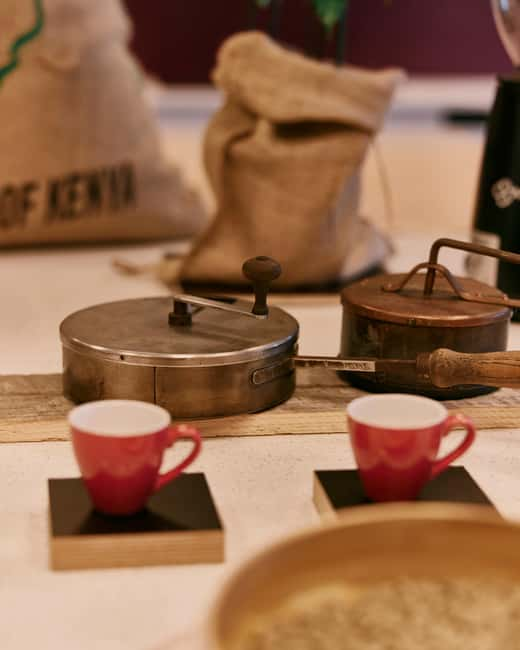
The clever idea here is wonderfully simple: you roast green coffee beans in an ordinary household pot, then grind and drink them before the workshop is over. It turns coffee from a daily habit into something you can actually understand and repeat at home.
I like the hands-on format and the chance to roast two different coffees, since tasting them side by side makes the effects of roasting easier to notice. I also like the East African coffee background, the look at the host’s 20 coffee trees, and the fact that you leave with your own packaged beans rather than just a memory.
The main consideration is price. At $81 per person for two hours, this is not a bargain coffee tasting. It makes the most sense for serious coffee fans, curious cooks, and anyone who values a practical skill more than a long sightseeing schedule.
Key points to know
- You roast coffee in a normal pot, not specialized café equipment.
- Two coffee types are roasted and tasted, giving you a useful comparison.
- The workshop explains coffee’s East African origins and includes a look at 20 coffee trees.
- You grind and brew the beans yourself soon after roasting.
- Packaged home-roasted coffee goes home with you, with two bags included according to the experience details.
- German and English instruction is available, and the two-hour session is wheelchair accessible.
A Berlin coffee class with a very practical idea
Many coffee workshops focus on tasting notes, expensive machines, or barista technique. This one begins with a more basic question: can you roast coffee at home with equipment you already own?
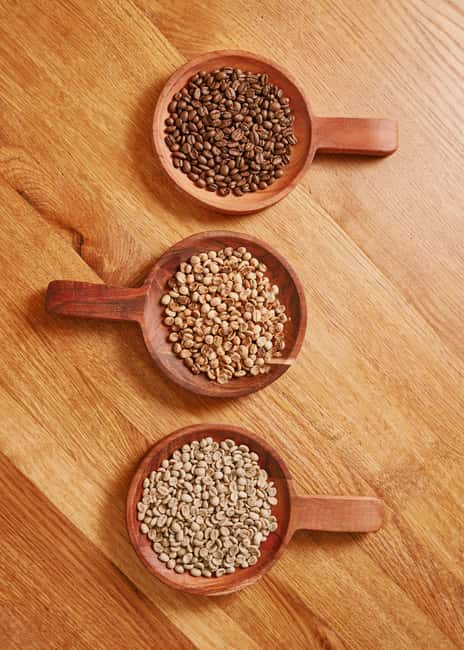
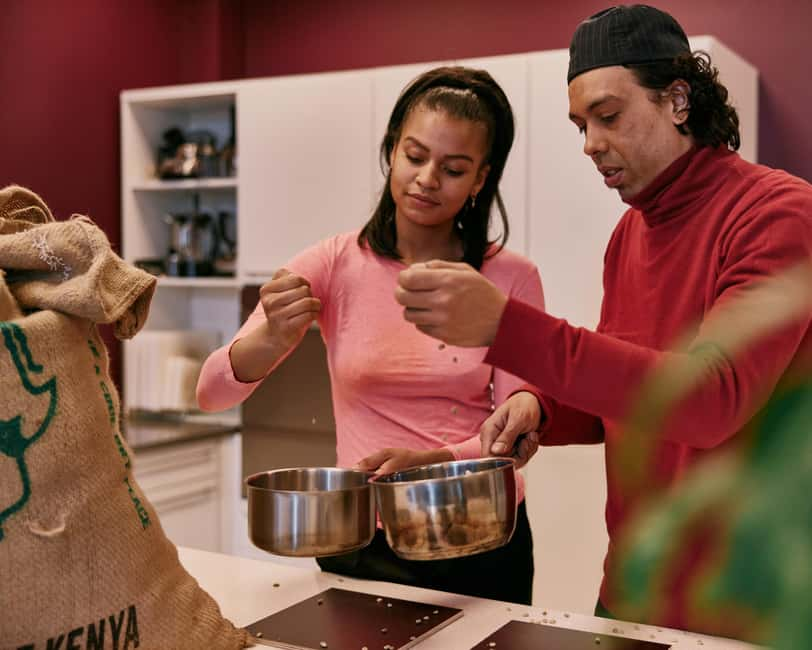
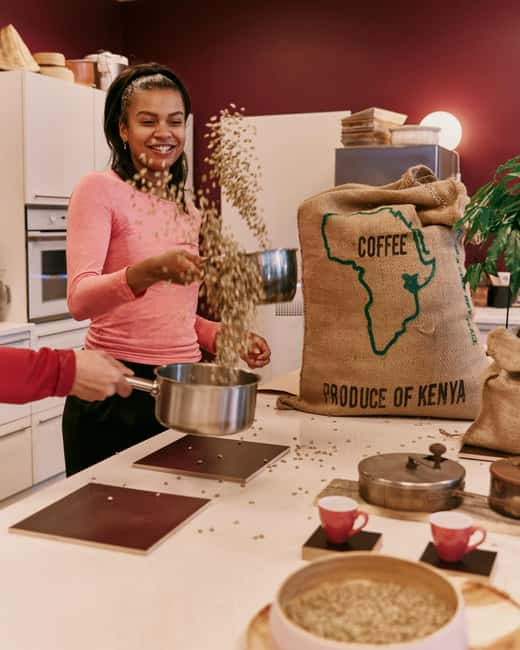
The answer is the heart of the experience. You work with green coffee beans and roast them in a household pot, following step-by-step guidance. That makes the class less about watching an expert and more about learning a process you can try again in your own kitchen.
The pot method is also what gives the workshop its character. You are not simply being handed a perfect cup. You see the beans change, smell the roast develop, and learn that coffee flavor starts well before grinding or brewing.
That hands-on approach should appeal to you if you like food workshops that leave you with a skill. It also gives the two-hour session a clear purpose. You are not just collecting coffee facts. You are learning how to make a basic roast yourself.
More Specialty Coffee Tours in the world:
- Cartagena: Colombian Specialty Coffee Tasting
★ 4.4 · 130 reviews - Coffee Farm Tour with Roasting & Tasting Workshop – Da Lat
★ 5.0 · 126 reviews - Private Coffee Roasting Class
★ 5.0 · 101 reviews
Opening a coffee cherry and looking back to East Africa
The workshop starts beyond the finished bean. You get to open an original coffee cherry, which helps explain where the familiar brown bean comes from. It is a small detail, but it gives the class a useful physical connection to coffee production.
The coffee story then reaches back to East Africa, where coffee culture originated. The presentation covers coffee history and the host’s own involvement in Kenya, adding a personal layer to the broader subject.
You also get a peek at the host’s 20 coffee trees. The supplied details do not give a farm location or say that you visit a plantation, so you should not expect a field trip. Think of this as a compact introduction to the plant, the fruit, and the path from cherry to roasted bean.
I like this part because it keeps the class from becoming a simple cooking demonstration. You learn about the ingredient before you alter it. For anyone who normally sees coffee only as grounds in a bag, that context is useful.
Roasting two coffees in a pot
The central activity is the roast itself. You work with two different types of coffee and roast them on site in a pot. The instructor provides step-by-step directions and explains how roasting techniques affect flavor development.
This is where you will need to pay attention. The attraction is not polished theater. It is learning how the beans respond during a process that you may later repeat at home.
The information provided does not promise a particular roast level, a specific bean origin for both coffees, or a fixed recipe that you can follow without adjustment. That is worth noting. The value comes from learning the principles and receiving personal tips, not from taking home a single foolproof formula.
As the beans roast, their scent fills the room. That smell is part of the pleasure, but it also helps you connect the visual changes with the result in the cup. You begin to understand that roast development is not an abstract chart. It is something you can watch and smell.
You roast two types because comparison is more useful than a single example. One coffee may show a different response to heat or produce a different cup character. The class gives you a chance to notice those differences while the process is still fresh.
From freshly roasted beans to two cups of coffee
After roasting, the beans are ground and brewed in a relaxed setting. This quick turnaround is one of the best features of the workshop. You do not have to wait until you return home to find out what your work tastes like.
You then try the two coffees together and share impressions. The short presentation on coffee and roasting processes helps put those impressions into words. You may not leave with professional tasting vocabulary, but you should have a better idea of how roasting affects aroma and flavor.
The tasting is also a sensible check on the pot-roasting method. If your goal is to roast at home, you want to connect technique with the finished drink. Seeing the beans change is interesting. Drinking them is the proof of the lesson.
The information does not specify the brewing device, coffee-to-water ratio, or amount of coffee served. If those details matter to you, ask the instructor during the session. The workshop clearly includes grinding, brewing, and tasting, but it is not presented as a detailed espresso-making class.
That distinction matters. Book this for roasting and basic coffee understanding, not for advanced latte art, café service, or a full barista certificate.
More Coffee Tours in the world:
- Hanoi Coffee Experience: 6 Brews, 9 Recipes & 3 Liquor Tastings
★ 5.0 · 2,945 reviews - Medellin: Coffee Tour with Transport, Snacks and Tastings
★ 4.7 · 1,357 reviews - Istanbul: Turkish Coffee Making and Fortune Telling Workshop
★ 4.9 · 1,308 reviews - Hanoi Coffee Workshop: Taste Salt, Coconut and Egg Coffee
★ 5.0 · 1,286 reviews
What you take home from the workshop
The final practical reward is your home-roasted coffee in attractive packaging. The experience details describe two bags to take home, giving you more than a single sample to serve or brew later.
I like this takeaway because it extends the class beyond the two-hour session. You can serve the beans to friends and family, compare them with the coffee you normally buy, and try to repeat the roasting process at home.
The packaging is described as trendy, but the more important point is that the beans are your work. You watched them roast and then tasted the result. That gives the souvenir some real usefulness.
You can also buy additional unroasted coffee beans if you want to continue practicing. This is optional, and the supplied information does not state the price or available varieties. Still, it is a sensible option for anyone who finishes the class ready to try another batch.
Because the course teaches a household-pot method, you do not need to commit to expensive equipment immediately. That keeps the first step manageable. You can decide later if home roasting deserves more space, time, or specialized gear.
Is $81 a fair price for two hours?
At $81 per person, this is a specialty workshop rather than a casual coffee stop. You are paying for instruction, two roasting exercises, background information, a tasting, and packaged beans to take home.
The value depends on how much you care about the activity itself. If you simply want a good coffee in Berlin, $81 is far too much. If you want an interactive class that teaches a repeatable skill and gives you coffee to use later, the price is easier to justify.
The two types of coffee improve the value because they make the session more than a single demonstration. The coffee cherry, East African history, Kenya connection, and look at the 20 coffee trees also give the class more range.
I would compare it with other food workshops rather than with the cost of a cup of coffee. You are buying time with an instructor and a chance to make something yourself. The included beans matter, but they should be seen as part of the lesson rather than the main reason to book.
The payment terms add some flexibility. You can reserve now and pay later, and cancellation is free up to 24 hours before the activity for a full refund. Starting times vary, so you need to check availability when booking.
Who will enjoy this Berlin experience most?
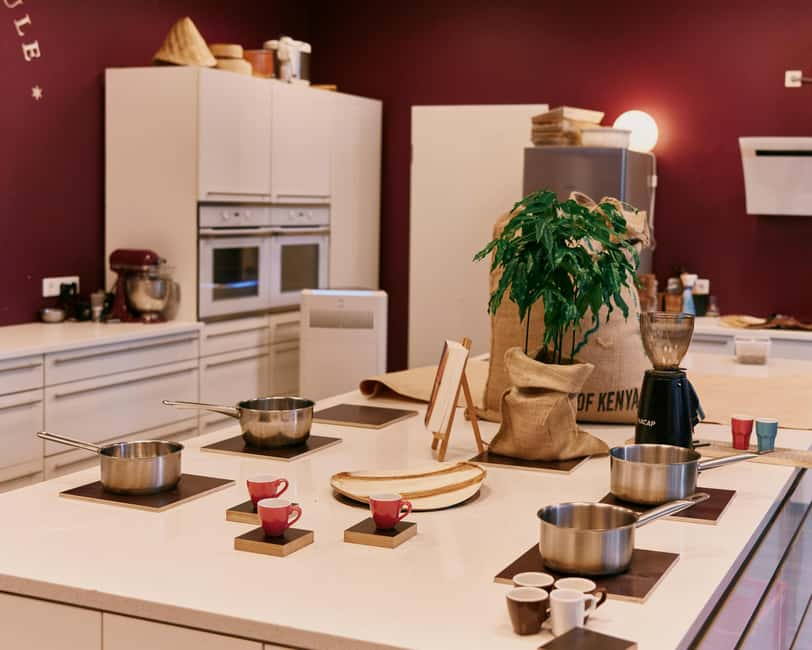
This workshop is best for adults and older teenagers with a real interest in coffee. Children under 16 are not allowed, so it is not a family activity for younger kids.
I would recommend it to:
- Coffee drinkers who want to understand roasting
- Couples looking for a hands-on birthday activity
- Home cooks who enjoy learning kitchen techniques
- People curious about coffee production and East African origins
- Visitors who prefer a small practical workshop to a standard city tour
The birthday angle works particularly well because the session gives you something to do together, taste together, and take home. It is more memorable than simply visiting a café, though it will not suit someone who wants a quiet or purely observational experience.
You should also be comfortable with a scent-heavy activity. Fresh roasting is part of the point, and the room will smell strongly of coffee. One participant described leaving smelling wonderfully, which sounds pleasant to a coffee fan but may be less appealing if you dislike strong aromas.
Language, access, and what is not specified
Instruction is available in German and English. Some content is shown in its original language, so you may hear material in the language of the presentation even if you book an English session.
The experience is wheelchair accessible. The information does not specify the exact room layout, the height of the work surface, or whether every roasting step can be adapted for different mobility needs. If you need a particular arrangement, contact the provider before booking.
The provider is CoffeeandBananas. No individual instructor name is supplied, but the class includes personal tips and a short presentation from the host. The tone appears designed to be direct and informal rather than academic.
The session lasts two hours, which is long enough for the full sequence: background, coffee cherry, two roasts, grinding, brewing, tasting, and take-home packing. It is short enough to fit beside other Berlin plans, though you should allow time for the full activity rather than treating it as a quick café visit.
How this compares with a normal coffee tasting
A normal tasting lets you focus on the cup. This workshop asks you to understand how the cup came to be.
You handle green beans, watch them roast, and taste the result soon afterward. That makes the session more active and more educational than a flight of prepared coffees. It also means the outcome is part of the experience. The point is not only to taste an ideal cup, but to connect the roasting method with the flavor in front of you.
A standard tasting may offer more coffees or more formal tasting structure. This class offers fewer coffees but more involvement. Two types are enough for a useful comparison without turning the session into a long technical seminar.
The workshop is also more useful if you want to repeat what you learn. Personal tips and tricks for roasting at home are included, and extra unroasted beans can be purchased. That creates a natural next step for anyone who finds the process rewarding.
Small limitations to keep in mind
The experience has only three published ratings, all at five out of five, so the feedback is very positive but limited. I would treat that as encouraging rather than as proof that every coffee drinker will love the format.
The class is also not designed for children under 16. Families with younger children need another activity.
You should not book it expecting a full coffee-farm visit, professional roasting certification, or detailed equipment training. You get an introduction to roasting in a pot, coffee history, a tasting, and practical home advice. That is a clear package, but it has limits.
The exact group size is not given. If you prefer a very private workshop, ask before reserving. The description supports a relaxed tasting atmosphere, but it does not promise a private session or a particular number of participants.
Should you book the Berlin DIY Coffee Roasting Workshop?
Book it if you drink coffee regularly and like learning by doing. The strongest reasons are the household-pot method, the two coffee comparisons, the freshly brewed tasting, and the packaged beans you take home.
At $81, I would skip it if you only want a quick caffeine stop or if your main goal is espresso technique. I would also skip it if you are traveling with children under 16.
For coffee lovers, couples, and curious home cooks, this is a useful two-hour Berlin activity with a clear payoff. You leave knowing more about the plant and its East African roots, having roasted two coffees yourself, and carrying home beans that give you a reason to keep practicing.
FAQ
How long does the DIY coffee roasting workshop last?
The workshop lasts two hours.
How much does the experience cost?
The listed price is $81 per person.
Where does the workshop take place?
It takes place in Berlin, Germany, and is provided by CoffeeandBananas.
What languages are available?
The instructor offers the workshop in German and English. Some content is shown in its original language.
What will I roast during the class?
You will roast two different types of green coffee beans in a household pot.
Do I get to drink the coffee I roast?
Yes. The beans are ground and brewed after roasting, and you taste the two coffees during the workshop.
Can I take coffee home afterward?
Yes. Your self-roasted beans are placed in packaging for you to take home. The experience details indicate two bags.
Can I buy extra unroasted coffee beans?
Yes. Additional unroasted beans are available to buy if you want to continue roasting at home.
Is the workshop suitable for children or wheelchair users?
Children under 16 are not permitted. The workshop is wheelchair accessible.
Freshly brewed listings in the world
- Vietnamese Coffee 101 Workshop★ 5.0 · 11 reviews
- Vietnamese Coffee Making Class in Hoi An★ 5.0 · 4 reviews
- Vancouver: Street Art & Craft Coffee Walking Tour w/ Tasting★ 4.8 · 11 reviews
- Yerevan: Private Coffee Tour with 2 Café Stops★ 5.0 · 2 reviews
- Ubud: Waterfall, Holy Water Temple,Swing&coffee plantation★ 5.0 · 9 reviews
- Coffee pleasure walking tour★ 5.0 · 12 reviews
- Vienna: Guided Viennese Coffee-House Tour★ 5.0 · 2 reviews
- Turkish Coffee and Traditional Turkish Dessert Cooking★ 4.6 · 8 reviews
Germany Coffee Tours, compared.
Rüdesheim: City tour with music, wine, and Rüdesheim coffee
Read our review →

Hamburg – St. Pauli coffee klatch with ex dominatrix – perfect in rainy weather
Read our review →Browse the lists this tour appears in