Review · CARTAGENA
Cartagena: Colombian Specialty Coffee Tasting
Cartagena’s Cafe-472 coffee tasting is less a quick cup at a café and more a short coffee school. You trace the bean from cultivation and processing to brewing, then taste three Colombian specialty coffees prepared in different ways. Guides including Tomas, Santiago, Pedro, and Arturo explain the work with plenty of enthusiasm.
I like the hands-on sensory work, especially the coffee aromas, fresh and dried fruits, chocolate, and tasting vocabulary. I also like the range of brewing methods, from Chemex and V60 to the Hario TCA-5 siphon, because each method shows a different side of the same drink.
The main consideration is the format. This is partly a lecture, and the session can feel more like a polished class than a casual social tasting. Also, double-check the address before setting out, since one booking pin led to the wrong location.
Key points to know before you book
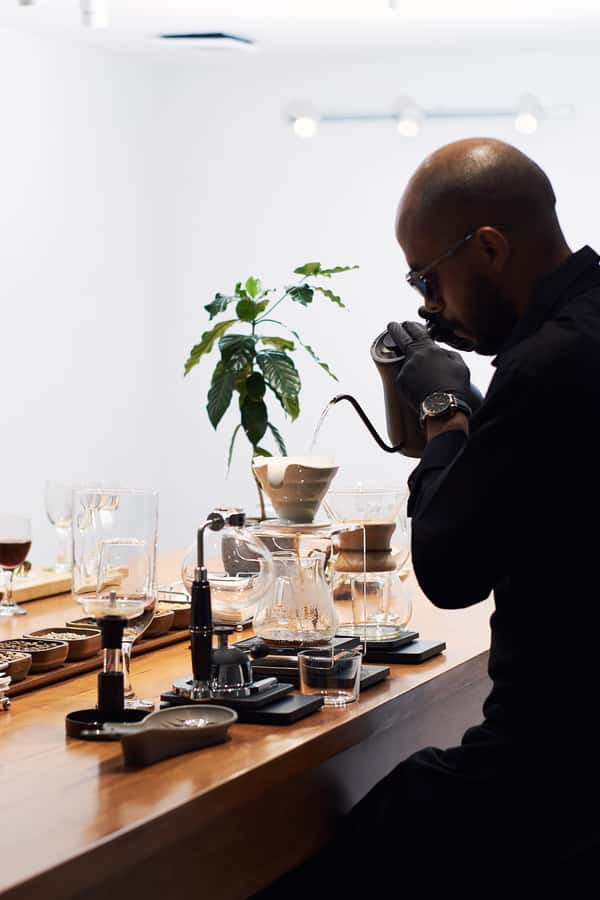
- Three coffees, three brewing methods: Expect different profiles prepared with methods such as Chemex, V60, and Hario siphon.
- A bean-to-cup lesson: The class covers Colombian growing, harvesting, processing, roasting, preparation, and tasting.
- Sensory practice: You use coffee aromas, fresh fruit, dried fruit, and chocolate to build your palate.
- Strong English and Spanish instruction: Guides such as Tomas and Santiago are praised for clear explanations and an easygoing manner.
- A refined indoor setting: The experience takes place at Cafe-472, a dedicated coffee center with air conditioning.
- Good value at $15: For two hours of guided tasting and instruction, the price is modest, especially if you want more than a standard café visit.
What the Cartagena coffee class is really about
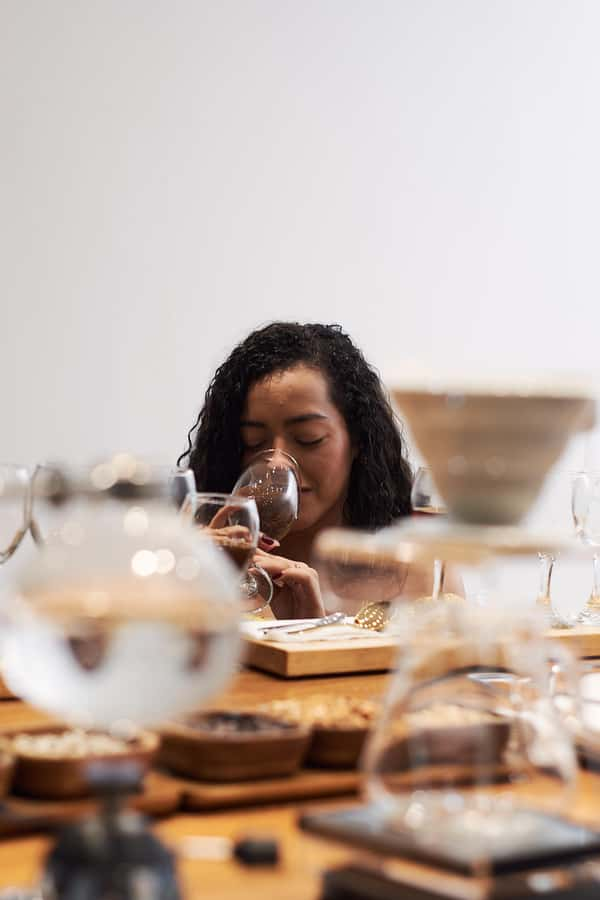
Colombia is famous for coffee, but many visitors leave with only a vague idea of why Colombian beans taste different. This session gives you a practical answer. You learn that coffee flavor depends on much more than the country printed on the bag. Growing conditions, harvesting, processing, roasting, grinding, water, and brewing all affect the final cup.
The class begins with an introduction to Colombian coffee and its place in local culture. It is taught in a classroom setting rather than on a working farm, so you should not expect to walk through coffee fields or watch workers pick beans. Instead, the focus is on understanding the full process through explanation, samples, aroma work, and tasting.
That makes this a useful choice in Cartagena, where a plantation visit is not part of the city experience. You get a compact lesson in coffee production without leaving town, and you can connect what you learn to cafés and coffee shops during the rest of your trip.
More Coffee Tastings in Colombia
- Medellin: Coffee Tour with Transport, Snacks and Tastings
★ 4.7 · 1,357 reviews - Bogota: Colombian Coffee Tasting
★ 4.8 · 92 reviews - Coffee tasting experience at Divino Café Especial
★ 5.0 · 57 reviews
From parchment bean to finished cup
The first part follows the coffee bean before it becomes something you drink. You learn about cultivation, planting, harvesting, and processing, including how the bean changes from its parchment stage into a form suitable for roasting and brewing.
This section matters because coffee labels can sound impressive while telling you little about what is in the cup. The class gives you basic terms and ideas for asking better questions. You begin to understand how processing affects sweetness, acidity, body, and aroma.
The explanations come from the barista or instructor leading your session. The guides vary, but Tomas, Santiago, Pedro, Arturo, and others have been praised for their command of the subject and their willingness to explain details. Tomas is especially associated with a thorough, coffee-focused presentation, while Santiago is described as lively and accessible for beginners.
The class does not assume that you already know coffee jargon. Santiago has helped first-time tasters follow the process, while other instructors have adjusted the pace for people with more experience. If you already spend time comparing origins and brewing styles, you will still find useful detail, but the format is aimed at a broad audience.
Training your nose before your tongue
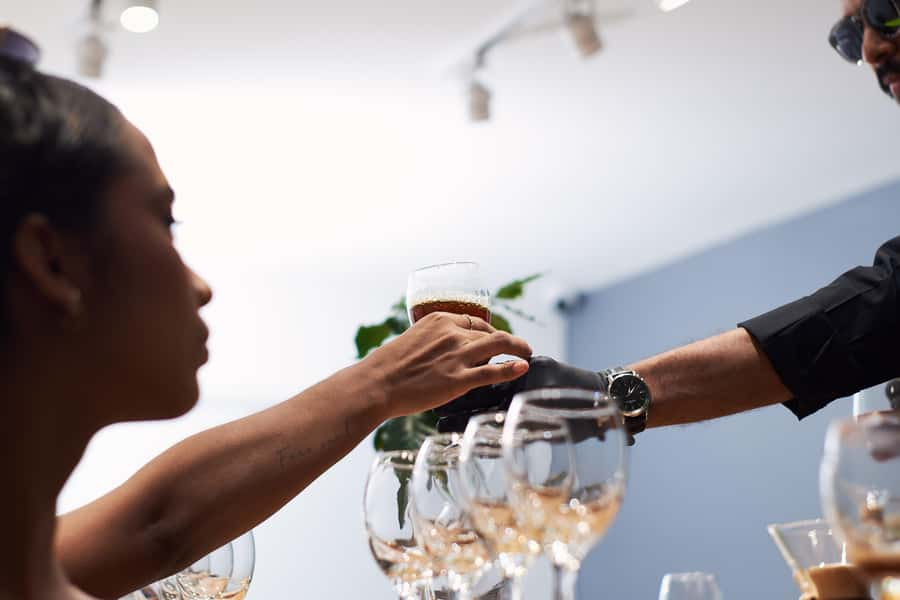
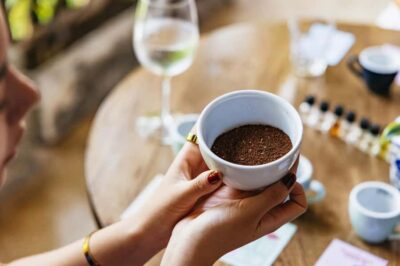
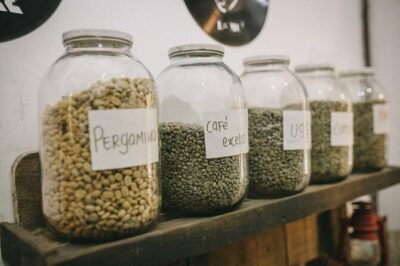
One of the better ideas in the session is to work with smell before concentrating on taste. You use coffee aroma samples and a coffee nose, then compare those aromas with fresh fruit, dried fruit, and chocolate.
This may sound simple, but it changes how you pay attention. Many people say a coffee tastes like fruit or honey without knowing how to identify those notes. Here, you get reference points first. Smelling fruit and chocolate gives your palate something concrete to compare with the coffee.
You also work on describing body, sweetness, acidity, and other basic traits. You do not need to become a professional cupper in two hours. The goal is more modest and more useful: you should leave able to say why one coffee feels light and bright while another feels round, smooth, or heavier.
I particularly like this part for people who think they do not have a good palate. Coffee tasting is not a talent reserved for experts. The instructor gives you a framework, and the samples help you connect words to sensations.
Chemex, V60, and Hario siphon

The tasting centers on three coffees prepared with separate extraction methods. The exact sequence can vary, but examples include the Chemex, V60, and Hario TCA-5 siphon.
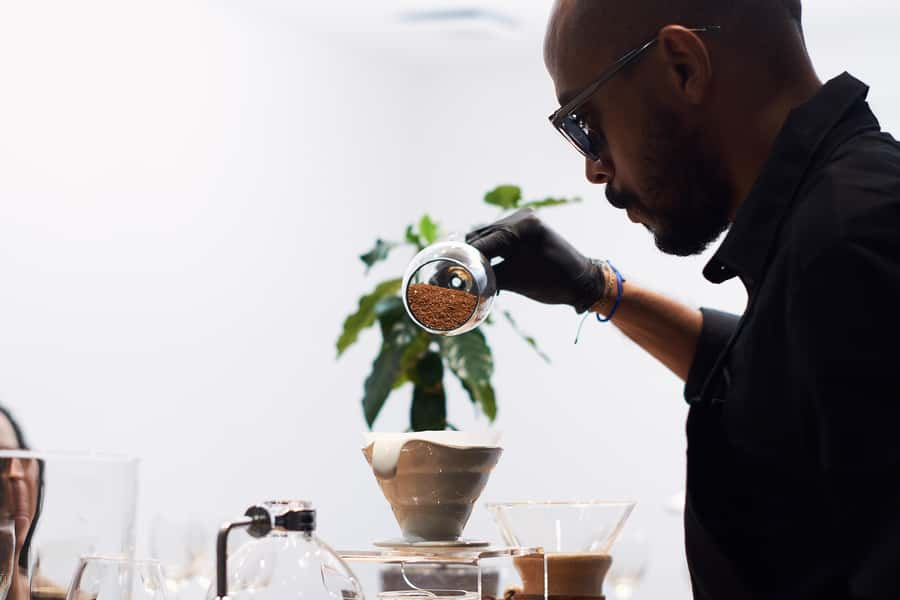
The Chemex is used to show a fruity, complex profile. Its clean style can make delicate notes easier to notice. The V60 can bring out brightness and body, helping you see how a controlled pour changes the cup. The Hario siphon produces a rounder, smoother result, with one tasting described as having honey aromas.
You are not simply handed three cups and asked which one you prefer. The instructor explains what each method does and why it changes the drink. That is the key value of the tasting. You can compare technique as well as bean.
The class may also introduce additional third-wave brewing methods. The point is not to turn you into a home barista in one afternoon, but to show you that the same coffee can taste quite different depending on how it is extracted.
If you are curious about making better coffee at home, take notes. You will learn ideas about preparation and flavor that can help you choose between a V60, Chemex, or another filter method later. The session ends with a clearer sense of which profile you prefer: fruity, floral, sweet, smooth, bright, or chocolate-toned.
More Specialty Coffee Tours in Colombia
- Coffee Experience from bean to cup
★ 5.0 · 71 reviews - Private coffee tour near Medellín, from bean to cup.
★ 5.0 · 60 reviews - Specialty Coffee Workshops in Cartagena
★ 5.0 · 34 reviews - Medellin: Avoeden Café Coffee Brewing Workshop
★ 5.0 · 12 reviews
A polished café setting in Cartagena
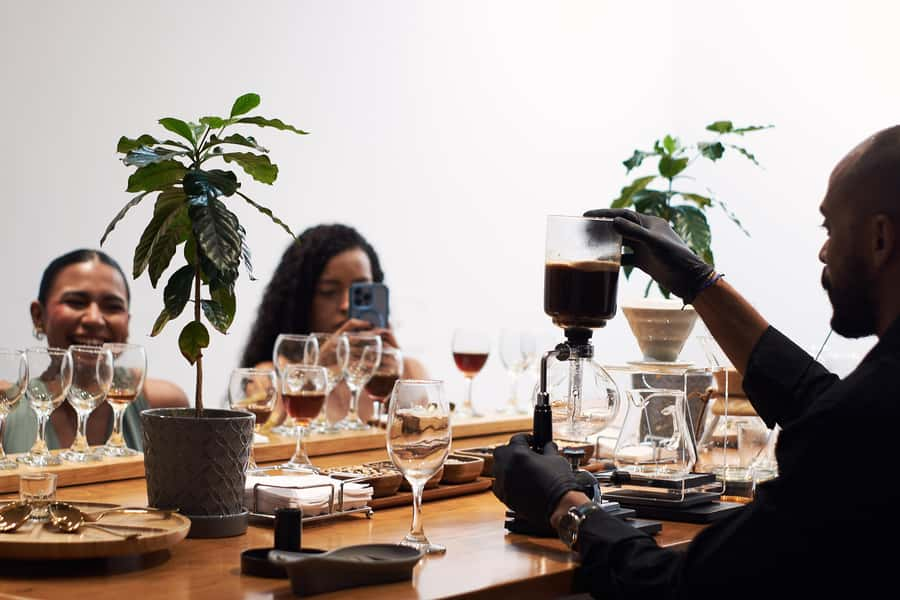
Cafe-472 is presented as a coffee experience center rather than a regular café stop. The space has been designed around the tasting, and the setting is described as clean, attractive, and comfortable. Air conditioning is a practical advantage in Cartagena, especially if you arrive warm from walking or a taxi ride.
The setting also helps the lesson feel focused. You are not trying to hear a guide over loud street traffic or squeezing into a crowded counter. The room is set up for explanation, brewing, and sensory work.
That polished feel will suit you if you enjoy a tidy, well-presented experience. One person described it as luxurious and high-end, though the activity remains affordable. If you prefer a rougher farm visit or a casual conversation with a grower, this will feel more formal.
The venue can be tricky to find. One booking address directed a visitor to the wrong place, requiring extra walking and help from people nearby. The café is called Cafe-472, and the location near Consultorio Dra. Bleidys Mendoza Sotomonte, a dentist office across the street, may be more useful than relying on the general address alone. An Uber search reportedly worked well. Tell the staff you are there for the activity once you arrive.
How interactive is the experience?
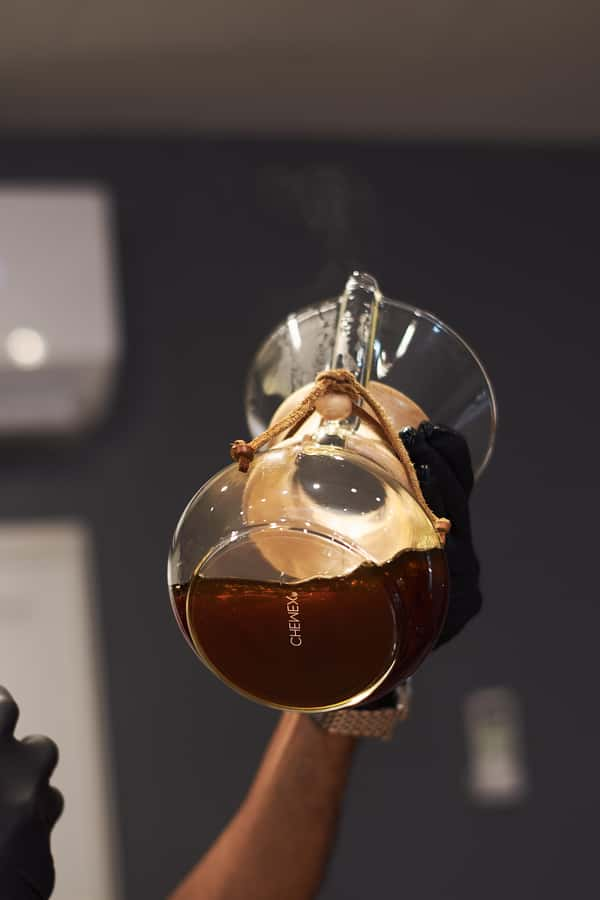
The class sits between a demonstration and a workshop. You smell ingredients, taste coffee, compare methods, and build your sensory vocabulary. In some sessions, participants have also had a chance to try a brewing technique, including the Hario siphon.
Still, the guide does most of the brewing and teaching. One account described the format as more lecture-style than social, with plenty of explanation but limited group interaction. That is worth knowing before you book.
The experience works best when you ask questions. Guides such as Tomas, Santiago, and Pedro are described as welcoming and willing to explain a point more than once. If you are curious about washing methods, roast levels, or how to spot better coffee, speak up.
Group size can vary. Several people happened to be the only participant or part of a very small group and received a highly personal session. You should not count on a private class, but a small group is possible. Even with a full booking, the dedicated setting should keep the activity more focused than a normal café tasting.
The instructors make a real difference
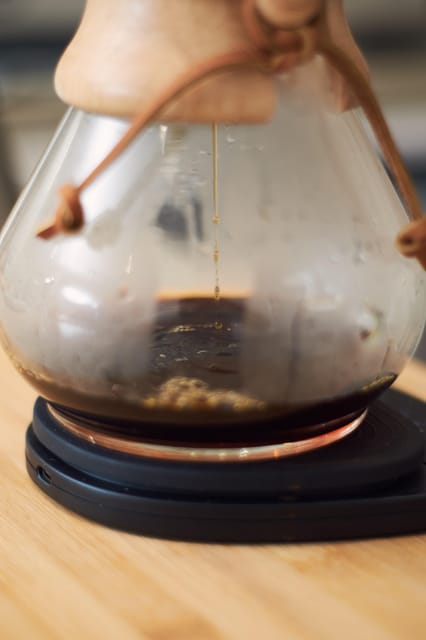
The host is an important part of this activity because the subject can become technical. A dry lecture about processing and extraction would be hard work, especially after a morning of sightseeing.
Tomas is repeatedly described as passionate, thorough, and easy to follow. Santiago brings a more playful and social tone, and has been especially good at making the class accessible to people new to coffee tasting. Pedro is praised for explaining brewing techniques in detail, while Arturo is described as warm and well informed.
The guide on your date may be someone else, so treat these names as examples rather than a guarantee. The useful pattern is that the instructors are baristas or coffee specialists who care about the subject and take questions seriously.
English and Spanish are both offered. A bilingual session has worked well for mixed-language families, including a group where one participant spoke only Spanish. If you are booking for people with different language needs, confirm the preferred language when possible.
Is two hours enough?
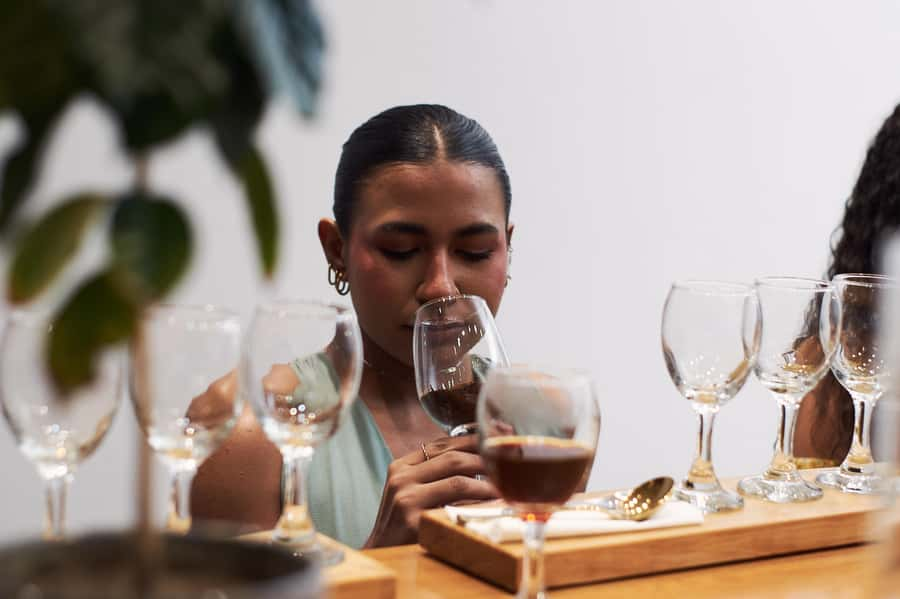
The advertised duration is two hours, which is enough time for an introduction, sensory exercises, and three preparations without turning the class into a full-day course. The pace should feel manageable for most people.
One participant described the activity as lasting closer to three hours, and another suggested shortening the overall duration. This may reflect a particularly detailed or personalized session. I would plan for the stated two hours, but avoid scheduling an important appointment immediately afterward.
The amount of coffee is worth considering. You will taste three prepared coffees and may sample additional coffee elements during the session. If caffeine affects you strongly, ask the instructor about tasting sizes and take your time. The experience is about comparison, not finishing every cup quickly.
Do not wear strong fragrance. Perfume or cologne can interfere with the aroma work, which is a central part of the class.
What you receive for $15
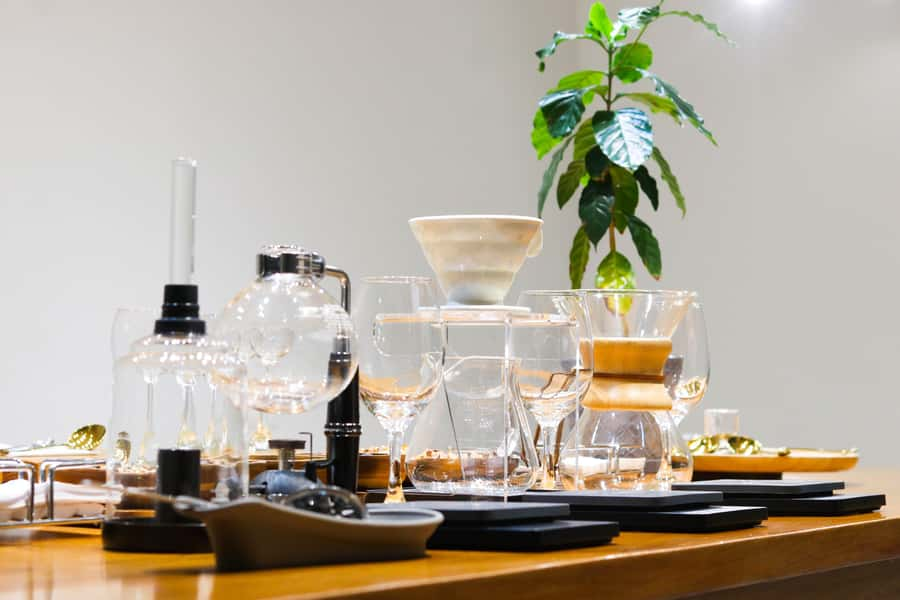
At $15 per person, this is one of the better-value specialty coffee activities in Cartagena. You receive guided instruction, three coffee preparations, sensory materials, and a participation diploma called Awakening of the Coffee Senses, From the Seed to the Cup.
The value depends on what you want. If you simply want a good Colombian coffee, a café visit will cost less and take less time. If you want to understand why the cup tastes the way it does, the class offers much more for a small premium.
The experience also gives you a useful souvenir that is not another key ring or bottle of rum: a better sense of what to order and how to brew at home. Some people wished the session ended with an offer to buy the signature beans. That does not appear to be a standard part of the activity, so do not book it expecting a bag of coffee to be included.
The booking terms are friendly for a city itinerary. You can reserve and pay later, and cancellation is free up to 24 hours before the start for a full refund. Starting times vary, so check availability for your date.
Who should book this coffee tasting?
I would book this if you drink coffee regularly, want to learn how specialty coffee works, or are looking for a quieter activity between Cartagena’s historic streets and nightlife.
It is also a good choice for mixed groups. One person may be a serious coffee fan while another drinks little coffee, yet both can take part in the aroma, fruit, chocolate, and preparation work. The class gives nonexperts enough context without making experienced drinkers feel ignored.
You should think twice if you dislike lectures, have little interest in coffee, or want a farm visit. This is not a plantation excursion, and it is not primarily a social food tour. It is a structured tasting in a dedicated indoor space.
My practical verdict
Cafe-472’s Colombian coffee tasting offers far more than three pleasant drinks. You learn how coffee moves from cultivation and processing to extraction, then practice noticing the difference with your own senses.
I like the combination of clear instruction, serious coffee, and an accessible price. I also like that the session shows real differences between Chemex, V60, and siphon brewing rather than treating Colombian coffee as one single flavor.
Book it if you want a calm, educational break in Cartagena and would enjoy learning how to taste coffee properly. Skip it if your ideal coffee experience means visiting a rural plantation or sitting casually with a cup and no lesson. For everyone in between, $15 is a small gamble, and the potential payoff is leaving Colombia with a much sharper palate.
FAQ
Where does the Colombian coffee tasting take place?
The activity takes place at Cafe-472, a coffee experience center in Cartagena, Bolívar, Colombia. It is not held on a coffee plantation.
How long does the experience last?
The stated duration is two hours. Some sessions may run longer, especially when the group is small or the discussion becomes detailed.
How much does the tasting cost?
The listed price is $15 per person.
How many coffees will I taste?
The activity includes a tasting of three different Colombian specialty coffees with different profiles and preparation methods.
Which brewing methods are included?
Examples include Chemex, V60, and the Hario TCA-5 siphon. The guide explains how each method affects the final cup.
Is the activity offered in English?
Yes. The instructors offer the experience in English and Spanish.
Do I visit a Colombian coffee plantation?
No. The activity provides an introduction to coffee growing and plantations in a classroom setting. It also covers processing and preparation, but it does not include a plantation visit.
What sensory materials are used?
The session includes coffee aromas, fresh fruit, dehydrated fruit, and chocolate to help you identify flavors and develop tasting vocabulary.
Is cancellation available?
You can cancel up to 24 hours before the activity for a full refund. You can also reserve now and pay later.
More coffee with something to eat in Colombia
- Salento: Coffee Farm Tour with Tasting
★ 4.9 · 41 reviews - Coffee Tasting Experience in Cali
★ 5.0 · 13 reviews - Bogota: Coffee Tasting Experience Tour with Exotic Varieties
★ 4.1 · 13 reviews - Salento: Coffee Master Roasting, Brewing and Tasting Tour
★ 4.8 · 6 reviews
Freshly brewed listings in Colombia
- Salento: Coffee Master Roasting, Brewing and Tasting Tour★ 4.8 · 6 reviews
- Private Tour to Coffee Farm (farm of your choice)★ 5.0 · 2 reviews
- Medellin: Coffee Farm Tour & Spa with Overnight Glamping★ 4.5 · 3 reviews
- Minca: Hidden Waterfall + Coffee and Cocoa Workshop★ 4.9 · 6 reviews
- Most complete COFFEE TOUR at local family farm★ 5.0 · 2 reviews
- Medellin: The Best Coffee Tasting Experience★ 5.0 · 5 reviews
- Medellin: Avoeden Café Coffee Brewing Workshop★ 5.0 · 12 reviews
- Medellin: Coffee and fruit tour★ 4.9 · 12 reviews
Cartagena Coffee Tours, compared.
Cartagena Highlights: San Felipe, Popa & Coffee Experience
Read our review →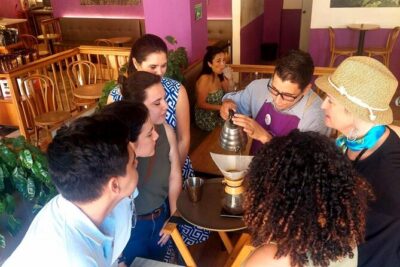
Walking Tour of Cartagena Including a Colombian Cup of Coffee
Read our review →