
Review · MEDELLIN
Private coffee tour near Medellín, from bean to cup.
The most interesting part of this private coffee tour near Medellín is that you do not just watch coffee being made. You handle the red berries, learn how the seed tastes, see the equipment at work, and finish with coffee prepared in several ways. The farm has been run by the same family for two generations, so the visit feels like a working home business rather than a polished attraction.
I like the personal format, since your party has the guide’s full attention. I also like the mix of work and tasting: you may pick coffee on the hillside, then sit down to compare brewing methods and try tea made from coffee husks. The main consideration is comfort. This is a real mountain farm, with mosquitoes and uneven walking, so you should dress for the outdoors.
Key points at a glance
- Hands-on coffee picking: Collect ripe red berries and see how your harvest joins the next batch.
- A two-generation family farm: Learn the full process from planting and pulp removal to drying, roasting, and brewing.
- Several ways to drink coffee: Taste the farm’s coffee through different preparation methods, not just one standard cup.
- Private transport included: Ride from Medellín to Sabaneta and back with transportation arranged for your group.
- Guides who add personality: Oscar, Mario, and Yuly have each led memorable visits, with English available depending on the guide.
- Outdoor conditions matter: Expect mosquitoes, mountain paths, and all-weather operation. Long pants, sleeves, and bug spray are smart.
From Medellín to a working farm in Sabaneta
The outing lasts about four to five hours, including transfers, and the farm is in Sabaneta, roughly 20 to 30 minutes from Medellín in normal conditions. Traffic can change that timing, especially at busy hours, so keep a little slack in your day.
Private transportation is included, which matters here. You do not need to work out a taxi ride to a rural property or arrange a return pickup while carrying coffee purchases. Pickup details are confirmed when you book, and the service operates with a multilingual guide. English ability can vary by assignment, but Mario and Oscar have been specifically praised for their strong English and clear explanations. Yuly is another guide who has brought a playful, friendly tone to the visit.
The private setup is useful for more than comfort. Coffee production raises plenty of small questions: Why is one berry ripe while another beside it is not? How does fermentation change flavor? Why does altitude affect the final cup? With only your own group, you can stop and ask instead of keeping pace with a large crowd.
More Specialty Coffee Tours in Colombia
- Coffee Experience from bean to cup
★ 5.0 · 71 reviews - Medellin: Avoeden Café Coffee Brewing Workshop
★ 5.0 · 12 reviews - Coffee Experience with roasting show in Comuna 13
★ 5.0 · 5 reviews
Sabaneta: coffee that begins with the plant
The farm visit takes about three hours. It is run by a family that has worked with coffee for two generations, and you learn the process in the same place where much of it happens.
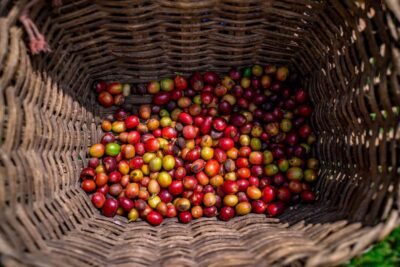
A useful early lesson is that coffee begins as a fruit, not as a roasted bean. The ripe coffee cherry is bright red, and inside it is the seed that will eventually be dried and roasted. You may taste the seed at this stage, which gives you a very different sense of coffee than the finished drink in your hotel.
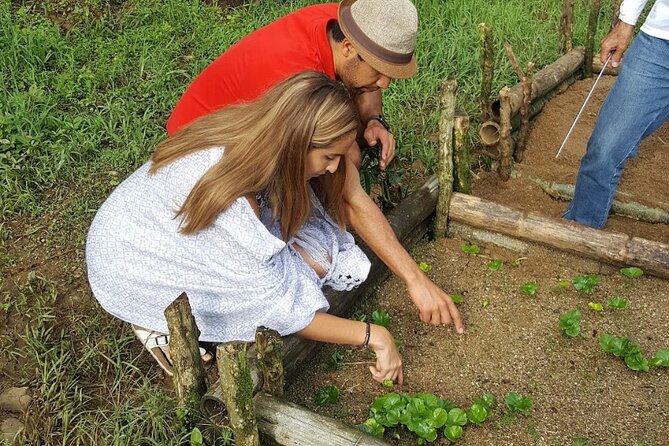
The experience can also include planting coffee. That small step helps connect the final cup to the slow work behind it. Coffee is not simply picked, roasted, and poured in one afternoon. The plant, the fruit, the processing method, and the drying time all shape what you taste later.
The family owner explains the work, while your guide helps translate the process into plain terms. Oscar has been especially effective at linking each stage together, from the plant to the cup. The owner’s role is important too, since you are learning from someone who works with the crop rather than presenting a general coffee demonstration.
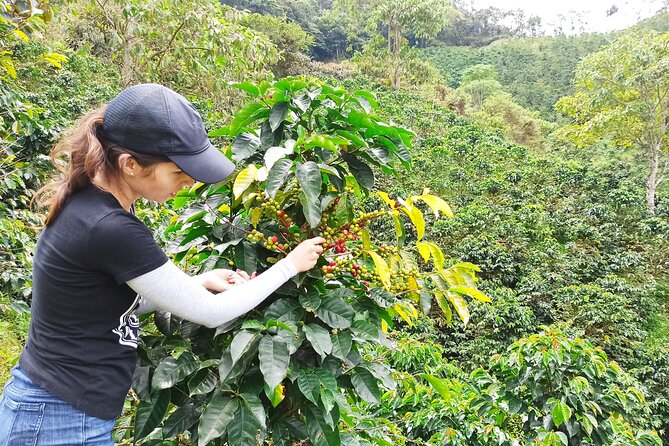
Picking red berries on the hillside
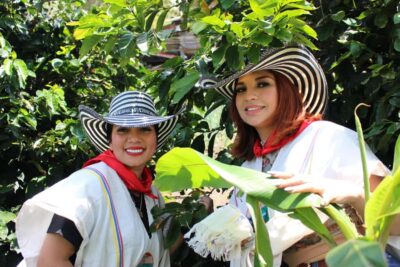
The hands-on section is the part many people remember best. You suit up with a bucket and head up the mountain to collect ripe coffee cherries. Boots may be provided for safer walking, and the experience can include a simple hat and shawl as part of the farm clothing.
Picking sounds easy until you try to select only the ready fruit. The red berries are the ones you want, while green fruit needs more time. This turns a pleasant photo opportunity into a short lesson in farm work. Your guide continues explaining the crop as you walk and pick.
The setting is a real working farm, not a tidy garden built only for tours. That means the path may be difficult in places. One person found the walking hard and wished the area were cleaner and safer. Take that comment seriously if you have balance or mobility concerns. The tour asks for moderate physical fitness, and the ground can be uneven.
Mosquitoes are another part of the setting. The farm sits in a mountain area with plants and damp spots, so insects are possible. Bring insect repellent, wear long pants and long sleeves, and accept the offer of bug spray if it is available. Boots can help with footing, but they will not turn a farm trail into a paved path.
Your harvest goes into the farm’s process. That detail gives the picking real purpose. You are not simply gathering berries for a quick demonstration, since the coffee you collect is intended to become part of a future batch.
Fermentation, drying, and roasting explained clearly
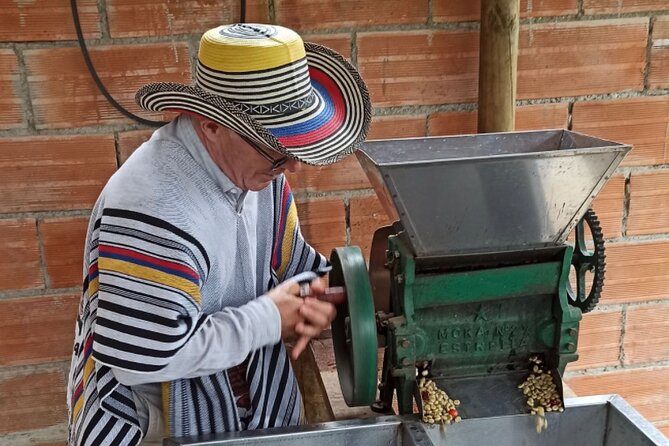
After picking, the tour follows the coffee through the stages that determine flavor. You learn about processing, fermentation, drying, and roasting, with the farm’s machines brought into the explanation.
The practical value here is that you can connect each technical step to the cup you drink later. Fermentation affects taste. Drying changes the condition of the beans before roasting. Roasting then brings out the aromas and flavors people recognize as coffee.
Altitude also enters the discussion. It is one of several factors that can shape the final drink, along with the boiling point of the water and the brewing method. You do not need to be a coffee expert to follow this. The best guides, including Oscar and Mario, explain the reasons behind each step rather than burying you in jargon.
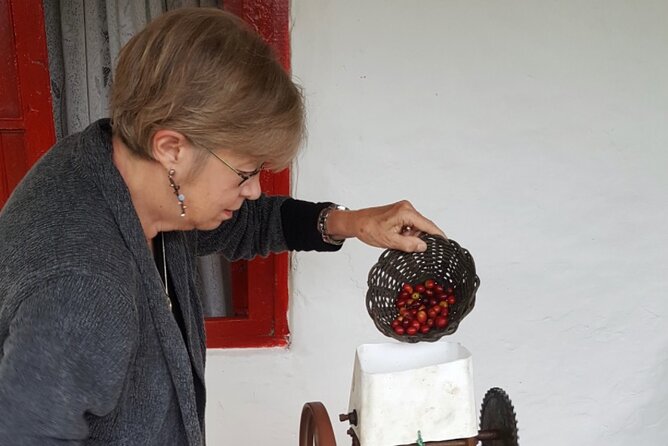
Seeing equipment in action adds another layer. A coffee tour can become a quick farm walk with a sample at the end. This one gives you a look at how the crop moves through the farm’s working system. The demonstrations help explain why good coffee requires careful handling long before it reaches a café.
More Specialty Coffee Tours in Medellin:
- Cartagena: Colombian Specialty Coffee Tasting
★ 4.4 · 130 reviews - Coffee Farm Tour with Roasting & Tasting Workshop – Da Lat
★ 5.0 · 126 reviews - Private Coffee Roasting Class
★ 5.0 · 101 reviews - Experience specialty coffee with sustainable coffee farmers
★ 4.9 · 91 reviews
The final tasting: several methods, one crop
The visit ends with coffee prepared in different ways. This is where the earlier lessons become useful. You can compare how the same farm product changes depending on brewing technique, water temperature, and preparation.
The experience includes a cup of coffee and sampling of the farm’s products. One particularly interesting extra is tea made from coffee husks. Coffee production does not end with the bean, and using the husk shows how the farm can make use of more of the fruit rather than treating every leftover part as waste.
This tasting is not just a caffeine stop. It gives you a reason to pay attention to the earlier stages. A coffee that tastes different after another brewing method makes the discussion of processing and roasting easier to understand.
You can also buy coffee to take home. Bags are available in half-pound and one-pound sizes, as whole bean or ground coffee. Purchases are cash only, so bring cash if you want a practical souvenir. Ground coffee suits you if you do not have a grinder, while whole bean is the better choice if you want to grind it fresh later.
What $95 means for the value
At $95 per person, this is not the cheapest way to drink coffee in Medellín. You are paying for a private vehicle, a private guide, farm admission, the hands-on visit, and the tasting rather than for a simple plantation entrance.
The price makes more sense if you value time and ease. A private ride removes the need to find the farm independently, and a private guide lets you shape the pace around your own questions. You also get a working farm experience, not just a café lesson in the city.
For two people, the cost can feel substantial, especially if you are mainly looking for a good cup of coffee. The value improves if you want a full half-day activity and care about understanding production from fruit to brew. Coffee fans who enjoy learning, handling the crop, and comparing preparation styles will get more from this than someone seeking a quick tasting.
The purchase of coffee is separate from the tour price, and the farm accepts cash for those bags. Plan for that small extra cost if you want to take the experience home.
Who will enjoy this farm visit most
I would choose this for a coffee drinker who wants to understand the product beyond the café counter. It is also a good fit for couples, families, and small groups who prefer a private experience and do not want to spend the day on a large scheduled outing.
You should be comfortable outdoors for several hours. Moderate fitness is requested, and the route includes uphill or uneven farm walking. If mosquitoes bother you, prepare properly rather than hoping the problem will not arise.
This is less suited to someone seeking a polished, fully paved attraction or a formal tasting room with no physical work. The charm comes from the working farm, and the working farm also brings mud, insects, rough paths, and changing weather.
The tour runs in all weather conditions. Dress for the forecast, but keep the farm setting in mind even on a dry day. Long sleeves, long pants, sturdy footwear, and insect repellent are the practical basics.
Why the guide can shape the whole visit
The farm supplies the setting and the coffee, but the guide determines how well the pieces connect. Mario has been praised for being punctual, friendly, helpful, and strong in both Medellín context and coffee subjects. Oscar has guided the planting, picking, processing, and tasting in a way that keeps the day active. Yuly has brought an easygoing, fun style to the coffee lessons.
You may not receive a particular guide, so treat those names as examples of the team rather than a guarantee. A multilingual guide may operate the tour, and your booking confirmation should make the arrangement clear.
A good guide is especially useful during the tasting. Without explanation, different brewing methods can blur together. With clear guidance, you can notice how preparation, water heat, roasting, and processing affect the result.
Timing, weather, and practical preparation
Set aside four to five hours, not just the three hours spent at the farm. The transfer time is approximate and depends on traffic and the time of day. A pickup in the afternoon has worked well for some bookings, but allow room around the tour if you have a dinner reservation or another timed activity.
The farm operates in all weather. Wear clothing you can move in and do not bring anything precious that you would hate to get dusty or damp. Long sleeves help with insects, and long pants are specifically sensible for the farm.
Use the boots offered for the walking section if you need extra protection. Bring bug spray even if the provider may have some available. A reusable water bottle is not specifically listed as included, so do not count on every personal comfort item being supplied.
The tour is private, but it is not described as wheelchair accessible. Since moderate physical fitness is requested and the paths can be hard to walk, contact the provider before booking if you need a fully accessible route.
Free cancellation is available when you cancel at least 24 hours before the local start time. Changes or cancellations inside that window are not accepted for a refund.
Should you book this coffee tour?
Book it if you want a real farm lesson with work, walking, and tasting, and if coffee is more than a morning drink for you. The strongest parts are the family-run setting, the chance to pick ripe berries, the clear explanation of processing, and the comparison of brewing methods at the end.
Think twice if you want a short, urban coffee tasting, dislike insects, or need smooth paths. The $95 price is fair for private transport, a private guide, and several hours of hands-on instruction, but it is harder to justify if you plan only to sample coffee and leave.
For the best experience, request the language you need, pack bug spray, wear long pants and sleeves, bring cash for coffee purchases, and keep your schedule flexible for traffic. If that sounds like a good half-day to you, this is a practical way to see how Medellín’s coffee moves from a red berry on the plant to the cup in your hand.
FAQ
Where does the coffee tour take place?
The farm is in Sabaneta, about 30 minutes from Medellín. Transfer times are approximate and depend on traffic and the time of day.
How long does the experience last?
The full experience lasts about four to five hours. The farm visit itself takes about three hours, with additional time for transportation.
Is transportation included?
Yes. Private transportation is provided for your group.
Is this a private tour?
Yes. Only your party participates in the activity.
What happens at the coffee farm?
You learn about the full coffee process, from the plant and fruit through processing, fermentation, drying, roasting, and brewing. You can also pick ripe berries and see farm equipment in use.
Can I taste coffee at the farm?
Yes. The experience includes a cup of coffee and samples prepared through different brewing methods. Coffee husk tea may also be included.
Do I need to be physically fit?
A moderate level of physical fitness is recommended. The farm includes mountain walking, and one part of the experience involves going uphill to pick coffee.
What should I wear?
Dress for outdoor conditions in all weather. Long pants, long sleeves, and insect repellent are recommended because mosquitoes may be present. Boots may be provided for walking.
Can I buy coffee to take home?
Yes. The farm sells half-pound and one-pound bags in ground or whole-bean form. Purchases are cash only.
Can I cancel for a full refund?
Yes, if you cancel at least 24 hours before the experience begins. Cancellations or changes made less than 24 hours before the local start time are not refunded or accepted.
Freshly brewed listings in Medellin
- Medellin: Coffee Farm Tour & Spa with Overnight Glamping★ 4.5 · 3 reviews
- Medellin: The Best Coffee Tasting Experience★ 5.0 · 5 reviews
- Medellin: Avoeden Café Coffee Brewing Workshop★ 5.0 · 12 reviews
- Medellin: Coffee and fruit tour★ 4.9 · 12 reviews
- Guatape Coffee Villa including Rock Town & Waterfall★ 5.0 · 12 reviews
- From Medellin: Private Envigado Coffee Tour with Tastings★ 4.3 · 4 reviews
- Guatapé & Coffee Farm, all in one day★ 5.0 · 3 reviews
- Medellín: Coffee Tour Experience at a Coffee Farm★ 4.8 · 3 reviews
Medellin Coffee Tours, compared.
Medellin: Coffee Tour with Transport, Snacks and Tastings
Read our review →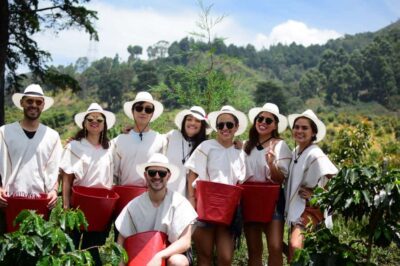
Medellín Coffee Farm Tour with Trolley and Cable Car Ride
Read our review →
Medellin: Coffee Tour with Hotel Transfers and Meals
Read our review →
Coffee & Chocolate Private Tour in Medellin: Genuine Experience
Read our review →
Coffee Tour with arrival on horseback and sugar cane processing
Read our review →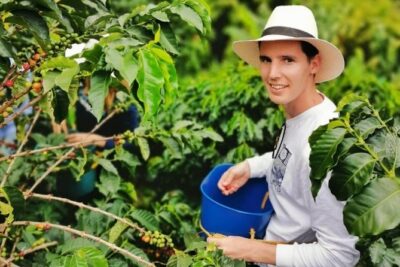
Coffee Tour in the Beautiful Jardin Town: Adventure in the Andes
Read our review →Browse the lists this tour appears in