
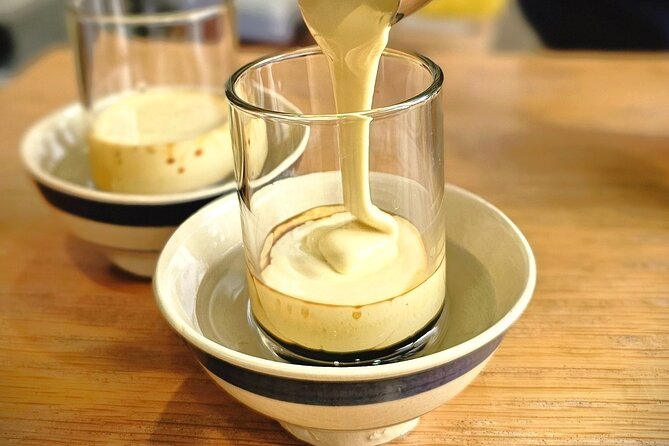
Review · HO CHI MINH CITY
Vietnam Coffee Journey – Make extraordinary tasty coffee yourself
Vietnamese coffee is not just strong coffee poured over ice. It carries clues about the country’s past, regional tastes, and practical approach to making the most of what is available. In this small Saigon workshop, Quynh connects six different drinks to those stories, then shows you how to make them yourself.
I like the hands-on phin brewing, because you leave with a usable skill rather than a string of coffee facts. I also like the clear regional contrast between Southern condensed milk coffee and Northern egg coffee. The main consideration is caffeine: six tastings can add up, even if you do not finish every drink.
Key points to know before booking
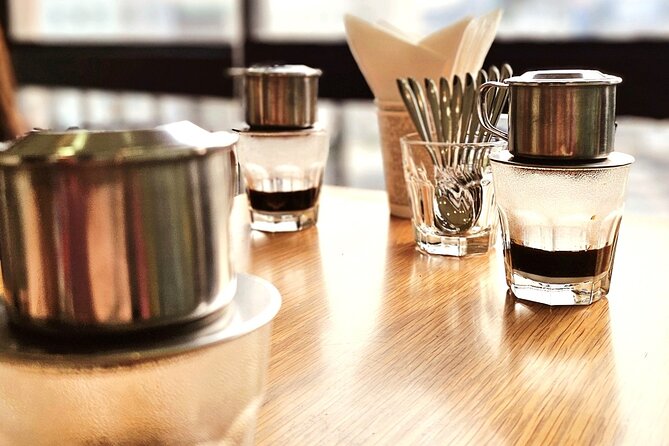
- Six drinks in one sitting: Taste everything from plain black coffee to coffee with condensed milk and egg.
- A real phin lesson: Learn how to set up and use Vietnam’s traditional metal coffee dripper.
- Coffee with cultural context: Quynh explains how history, regional habits, and local character shape each drink.
- Small groups: The maximum is six people, which leaves room for questions and personal help.
- Useful recipes: You receive practical tips for adjusting the drinks to your own taste at home.
- Central District 1 location: The session begins and ends at 27 Ngô Đức Kế, near public transportation.
Six cups that explain Vietnam better than a museum label
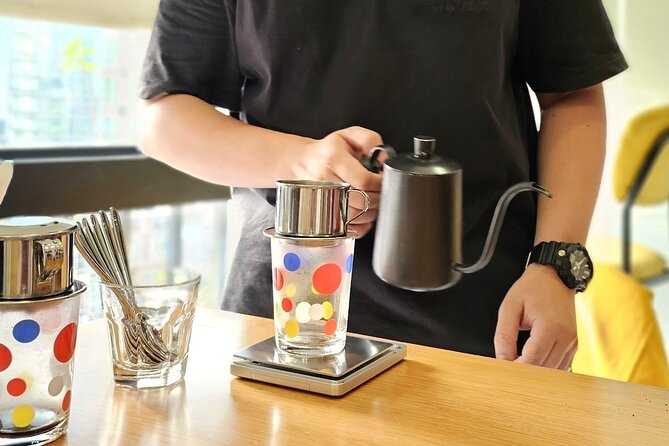
The best part of this experience is its simple idea: use coffee to explain Vietnam. You are not only tasting different recipes. You are looking at how ingredients, brewing tools, regional habits, and historical circumstances created the drinks people order today.
The tasting moves from pure black coffee to more familiar combinations with added ingredients. That progression matters. It lets you notice what the coffee itself tastes like before sugar, condensed milk, or other elements change the balance.
You will also hear the stories behind the drinks. Each cup has a reason for existing, and Quynh connects those reasons to Vietnamese history and the character of different parts of the country. This gives the session more substance than a standard café visit, where you might enjoy a drink without knowing why it became popular.
The format is informative but not presented as formal barista training. You do not need to arrive with technical coffee knowledge. Quynh explains how different brewing methods and tools affect the final drink, using practical language rather than turning the session into a professional course.
That approach suits most visitors. You can ask about coffee, food, culture, or almost anything related to Vietnam. The small group makes it easier to stop and ask questions instead of trying to keep up with a large presentation.
More Vietnamese Coffee Experiences in Ho Chi Minh City
- Egg coffee & Course on 4 traditional types of Viet coffee
★ 4.9 · 487 reviews - Fun & Easy Vietnamese Coffee Workshop in Hồ Chí Minh City
★ 5.0 · 293 reviews - Vietnamese Coffee & Culture Exploration in Hồ Chí Minh City
★ 5.0 · 202 reviews
Learning the phin, Vietnam’s slow coffee tool
The phin is a small metal coffee dripper that sits directly on top of a cup. It is uncomplicated, compact, and central to the way many Vietnamese coffee drinks are made.
You will use one yourself rather than simply watching Quynh prepare coffee. The useful lesson is not just where to place the grounds. You learn how the brewing method brings out the drink’s particular character, and how small adjustments can change the result.
That makes the workshop practical for home use. You will receive recipes and tips for adjusting the drinks to suit your own taste. You might prefer a stronger coffee, less sweetness, or a different balance between the coffee and its ingredients. The point is to give you enough understanding to make those choices yourself.
I like this part because the phin does not require an expensive machine. It is a traditional tool, easy to carry, and simple enough for a kitchen counter. The class gives you a better chance of reproducing Vietnamese coffee at home than a tasting alone would.
Do not expect a professional certification or a technical training course. The aim is understanding and confidence. You will learn what the brewing equipment does, why a recipe works, and how to make the main drinks without treating the process as mysterious.
Southern condensed milk coffee and Northern egg coffee
Two of the most important drinks are ca phe sua, coffee with condensed milk, and ca phe trung, egg coffee. They represent different regional traditions and show how Vietnamese coffee can move in very different directions.
Southern-style condensed milk coffee is closely linked to the sweet, powerful cup many visitors associate with Saigon. The condensed milk adds body and sweetness to the coffee, creating a drink that can be served hot or cold depending on the style being discussed and prepared.
Northern egg coffee has a different personality. The egg element changes the texture and gives the drink a dessert-like quality. Its story also helps explain how people developed creative coffee recipes in response to local circumstances and available ingredients.
You will not just be handed finished versions of these drinks. You will learn the basic methods for making them. That is important because the recipes can appear unusual if you first encounter them in a café. Once you understand the preparation, the drinks make more sense.
The regional comparison is one of the strongest reasons to book this experience. A café menu may tell you what to order, but this session explains why these drinks became part of everyday coffee culture and how local preferences show up in the cup.
What the two-and-a-half-hour session feels like
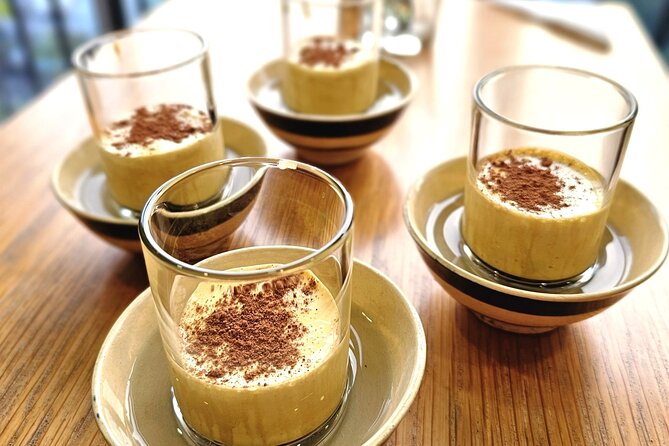
The advertised duration is about two hours and thirty minutes. That gives Quynh enough time to combine tasting, explanation, brewing, and questions without rushing through all six drinks.
The exact order of the tasting is not specified, so you should think of the session as a guided progression rather than a fixed restaurant-style menu. You can expect to move between explanation and tasting, then take part in the preparation of the key drinks.
The first cups help establish the basics. You taste coffee in a simpler form and then compare it with drinks that use additional ingredients. This makes the changes easier to notice. Instead of being told that one recipe is sweeter, thicker, or more dessert-like, you can compare the drinks directly.
The middle of the session focuses on the reasons behind the drinks and the brewing methods. Quynh’s background as a quality-control and barista coach is useful here. The emphasis is on how equipment and technique affect flavor, not on presenting one commercial brand or specialty coffee approach as the only correct answer.
The hands-on portion gives the experience its shape. You prepare coffee, work with the phin, and learn the methods for condensed milk and egg coffee. Expect the session to be conversational. One participant who attended noted that it can run beyond two and a half hours when coffee and conversation continue, so avoid scheduling something immediately afterward.
Same town, another way to drink it:
- Decadent Vietnamese “Egg Coffee” Workshop in Hồ Chí Minh City
★ 5.0 · 150 reviews - Ho Chi Minh City: Fun and Easy Coffee Workshop for Beginners
★ 4.9 · 121 reviews - Techniques & Secrets Behind the Famed Vietnamese Egg Coffee
★ 5.0 · 99 reviews - 1 hour Egg Coffee Cooking Class with Snack and Local Instructor
★ 5.0 · 72 reviews
Why the small group of six matters
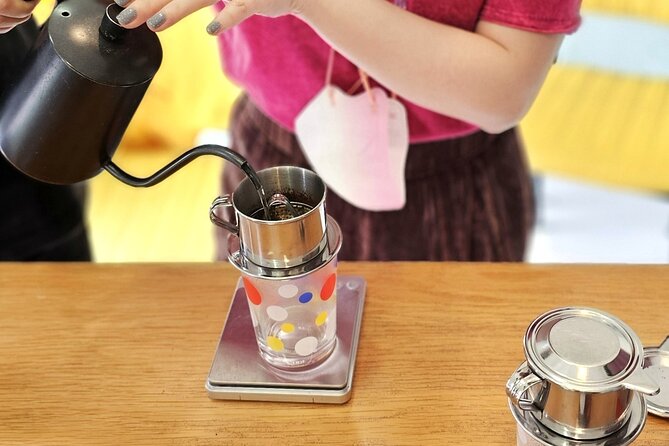
The maximum group size is six people. That is a meaningful limit for a hands-on activity, since each person needs space to prepare coffee and time to ask questions.
A large coffee class can leave you watching someone else do the important steps. Here, the small format should make it easier to get help with the phin, check your proportions, and ask why one method differs from another.
It also suits people with different levels of interest. You can focus on the cultural stories, the preparation, or the tasting. If you are already serious about coffee, you can ask more technical questions. If you simply want to understand what to order in Vietnam, you can keep things basic.
The lab is spacious and has seats for children waiting for their parents to join. That does not make this a children’s coffee activity, but it is a useful detail for families arranging their day in Ho Chi Minh City.
The experience begins and ends at 27 Ngô Đức Kế in Bến Nghé, District 1. The location is near public transportation, and a mobile ticket is accepted. Since the activity returns to its starting point, you do not need to plan around a separate finish location.
The guide and the teaching style
Quynh leads the experience and brings a mix of coffee, quality-control, and barista experience to the session. The strongest part of the teaching style is the link between simple instructions and wider cultural meaning.
You will hear explanations about how coffee developed alongside Vietnamese society and how local characteristics show up in different recipes. Quynh also welcomes questions, which is useful because coffee tends to lead into other topics such as food, daily habits, and regional identity.
The teaching is described as concise and informative rather than commercial. You are not being pushed toward a particular café, product, or specialty coffee viewpoint. That balance matters in a city with plenty of cafés and many competing ideas about what makes a good cup.
The activity has received a 4.99 out of 5 rating across almost 800 platform ratings, and the supplied rating summary gives it five out of five from 30 reviews, with 100 percent recommending it. The most consistent praise focuses on Quynh’s presentation, clear explanations, and ability to connect coffee with Vietnamese history and culture.
Those ratings cannot tell you if you personally prefer strong coffee or egg coffee. They do suggest that the teaching is the main attraction, not just the quantity of drinks.
Is $30 a fair price?
At $30 per person, this is more expensive than ordering a single coffee in Ho Chi Minh City. That comparison is not quite fair, since you are paying for six tastings, instruction, ingredients, equipment use, recipes, and roughly two and a half hours of time.
The value is strongest if you are curious about how Vietnamese coffee works or want to repeat the drinks at home. The phin lesson alone gives the session a practical edge, while the regional stories give you context you will not get from simply visiting several cafés.
It is less compelling if you only want a quick caffeine stop. You could spend far less on a cup of ca phe sua at a local café, and this session requires a substantial block of your day.
I would also compare it with your wider plans. If your schedule includes several café visits, the workshop can help you understand what you are tasting afterward. If you have no interest in preparation or cultural background, the price may feel high for a tasting.
The average booking lead time is 13 days, so it is sensible to reserve ahead, especially if you want a particular date. The group limit of six may also make dates fill faster than a large group tour.
Caffeine, dietary needs, and practical limits
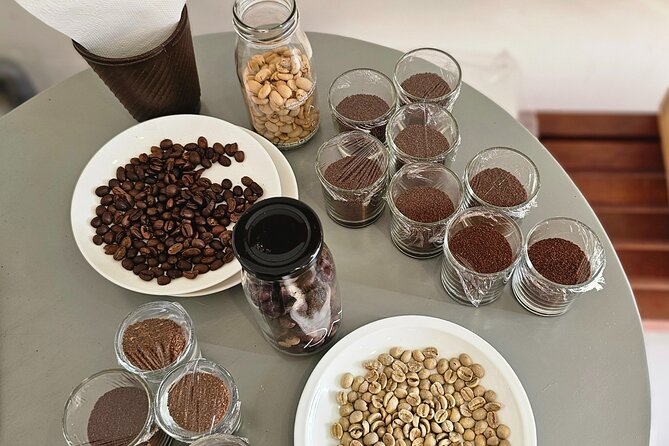
Six drinks sound appealing, but caffeine-sensitive visitors should plan carefully. You do not need to finish every serving. Tasting rather than drinking the full amount is specifically allowed, and you should tell the host if you need to limit caffeine.
Vegetarian, vegan, and halal options are available with advance arrangements. Contact Quynh before booking or before the activity so the ingredients can be prepared appropriately.
Service animals are allowed, and the venue is near public transportation. Confirmation is received at booking, and the ticket is mobile, so there is no stated need to print anything.
The activity ends where it starts. For changes or cancellations, you can receive a full refund if you cancel at least 24 hours before the local start time. Changes or cancellations inside that window are not accepted for a refund.
Who will get the most from this coffee journey?
I would recommend it most strongly to coffee drinkers who want to understand Vietnamese coffee beyond its reputation for strength and sweetness. It is also a good fit for anyone interested in food culture, regional differences, and the everyday history behind familiar recipes.
It works well early in a Ho Chi Minh City visit. Once you know how the phin works and understand the difference between Southern and Northern styles, cafés become more interesting. You can order with more confidence and notice what changes from one drink to another.
It may also suit people who enjoy learning by doing. If you remember a recipe better after preparing it yourself, the phin and drink-making sections make the $30 easier to justify.
Families should consider the caffeine issue for children and anyone sensitive to it. The seating area is useful for children waiting, but the core activity is still built around coffee tasting and preparation.
If you want a quick introduction, Quynh also offers a shorter one-and-a-half-hour experience covering three iconic drinks from the North, Central region, and South. If you want to connect coffee drinks with the city’s growth, a four-hour electric tuk-tuk tour is another option. Those are alternatives, not part of this two-and-a-half-hour session.
Should you book Vietnam Coffee Journey?
Book it if you want more than a good cup. The combination of six drinks, cultural explanation, phin practice, and recipes makes this a useful introduction to Vietnamese coffee, especially for a small group willing to ask questions.
Skip it if you are looking for a short café stop, dislike sweet or unusual coffee drinks, or need to avoid caffeine altogether. For everyone else, $30 buys a thoughtful lesson you can carry into the rest of your time in Vietnam, and possibly into your own kitchen later.
FAQ
Where does the Vietnam Coffee Journey begin?
It begins at 27 Ngô Đức Kế, Bến Nghé, District 1, Ho Chi Minh City, Vietnam.
Where does the activity end?
The experience ends back at the meeting point.
How long does the coffee experience last?
The planned duration is approximately two hours and thirty minutes. It may continue longer if coffee preparation and conversation run over.
How many coffee drinks will I try?
You will try six different coffee drinks, beginning with pure black coffee and continuing through iconic drinks made with additional ingredients.
Will I learn how to use a phin?
Yes. The activity includes hands-on instruction in using the traditional Vietnamese phin coffee dripper.
Will I learn to make condensed milk and egg coffee?
Yes. You will learn methods for making Southern ca phe sua and Northern ca phe trung, along with recipes and tips for preparing them at home.
What if I am sensitive to caffeine?
You can taste rather than finish all the drinks. Caffeine-sensitive participants should consider how much they consume during the session.
Are vegetarian, vegan, and halal options available?
Yes. Vegetarian, vegan, and halal arrangements are available if you contact the provider in advance.
Freshly brewed listings in Ho Chi Minh City
- Saigon Special Night Coffee Landmark 81 & Food Tour★ 5.0 · 2 reviews
- Tea & Coffee Experience★ 5.0 · 10 reviews
- Private Ho Chi Minh City Tour from Port & Vietnamese Egg Coffee★ 5.0 · 6 reviews
- Sai Gon Special Coffee At Landmark 81 & Street Food tour★ 5.0 · 3 reviews
- Hands-on making 3 Iconic Coffees of South Central North Vietnam★ 5.0 · 14 reviews
- Drip Craft Coffee Workshop-Discover 4 Famous Types of Viet Coffee★ 5.0 · 2 reviews
- Discover Vietnam’s Coffee Culture.★ 5.0 · 5 reviews
- [Free E-sim] Half day Instagram Cafe Tour in Ho Chi Minh★ 4.5 · 8 reviews
Ho Chi Minh City Coffee Tours, compared.
Egg coffee & Course on 4 traditional types of Viet coffee
Read our review →
Fun & Easy Vietnamese Coffee Workshop in Hồ Chí Minh City
Read our review →
Vietnamese Coffee & Culture Exploration in Hồ Chí Minh City
Read our review →
Decadent Vietnamese “Egg Coffee” Workshop in Hồ Chí Minh City
Read our review →
Ho Chi Minh City: Fun and Easy Coffee Workshop for Beginners
Read our review →
Techniques & Secrets Behind the Famed Vietnamese Egg Coffee
Read our review →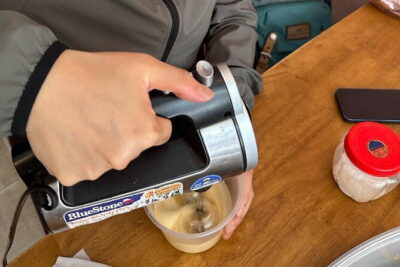
1 hour Egg Coffee Cooking Class with Snack and Local Instructor
Read our review →
Saigon Unseen: Culture, Coffee, Hidden Spots Motorbike Adventure
Read our review →Browse the lists this tour appears in