Review · HANOI
Hanoi Coffee Workshop: Taste Salt, Coconut and Egg Coffee
Vietnamese coffee is not just strong coffee poured over ice. At Local Beans Roastery, you’ll work through six distinct drinks, including salt, egg, and coconut coffee, then learn why each one fits daily life in Vietnam. The workshop also covers coffee farms, roast levels, the Phin filter, and a coffee cocktail made with local jam and wine.
I like the hands-on format, since you grind, filter, mix, and taste rather than simply watch a demonstration. I also like the useful take-home extras: recipes, digital coffee books, and the option to request a professional certificate. The one thing to consider is the three-and-a-half-hour length, plus the caffeine load if you try every cup in full.
Key points at a glance
- Six Vietnamese coffee styles: Brew classic Phin coffee, brown coffee, salt coffee, egg coffee, coconut coffee, and a coffee cocktail.
- Guides with personality: Val, Lin, Luka, Giang, and Valerie are named among the hosts, with Lin and Val especially noted for clear, lively teaching.
- More than a tasting: You learn about Vietnamese coffee farms, roast levels, brewing methods, and the place coffee holds in everyday culture.
- Everything is supplied: Filters, grinders, coffee equipment, snacks, welcome tea, and tasting materials are included.
- Good for different diets: Vegan participants and people with dietary restrictions can be accommodated if arrangements are made.
- Convenient Hanoi setup: Pickup and drop-off are available within the Old Quarter, while the workshop itself begins and ends at Local Beans Roastery.
Six cups that show Hanoi’s coffee character
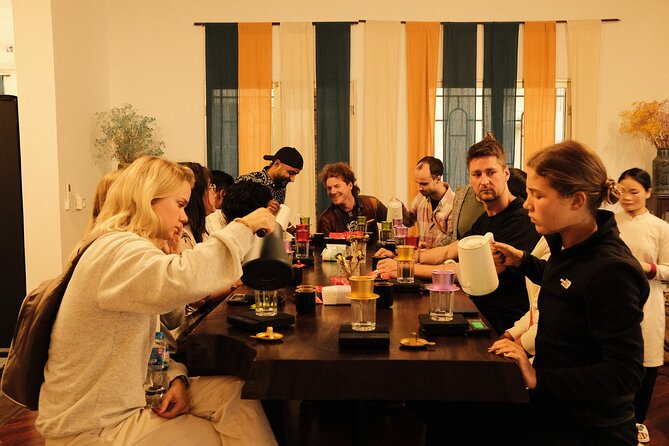
The heart of this Hanoi coffee workshop is the chance to make six different drinks. That range matters. You are not tasting six minor variations of the same cup. Each recipe changes the balance of bitterness, sweetness, creaminess, aroma, or texture.
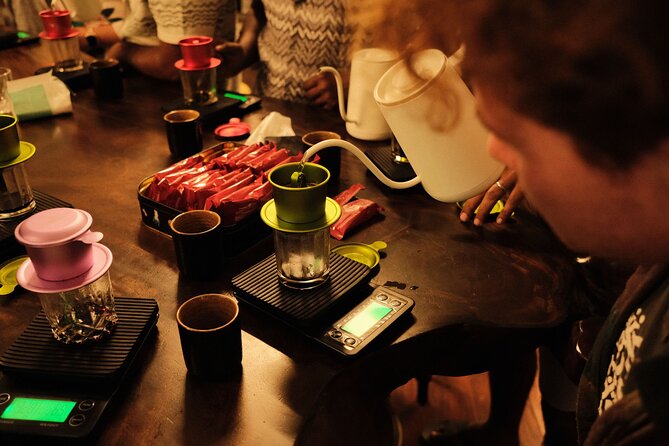
You begin with classic Phin-brewed coffee, made with Vietnam’s familiar metal filter. The Phin is slower than an electric drip machine, and that pause is part of the experience. Coffee passes through the small filter into your cup while you watch the brew gather below.
The workshop uses this first drink to show how brewing affects taste. Grind size, water, roast level, and patience all matter. You get a practical lesson in why one cup tastes rounded and fragrant while another can taste flat or harsh.
Brown coffee follows the familiar Vietnamese pairing of strong coffee and condensed milk. This is the style many people first associate with Hanoi and Vietnam. The sweetness softens the coffee’s punch, but it does not erase it. For many people, this is the easiest starting point.
Salt coffee sounds odd until you taste what the salt does. Used carefully, it can soften bitterness and bring out a fuller impression of the coffee. This is one of the workshop’s most useful lessons because it shows that coffee recipes do not need to be complicated to change the drink.
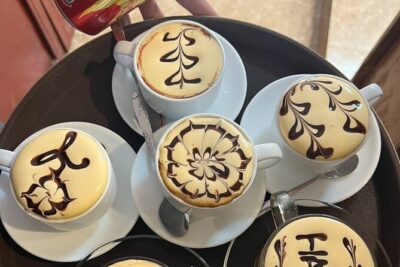
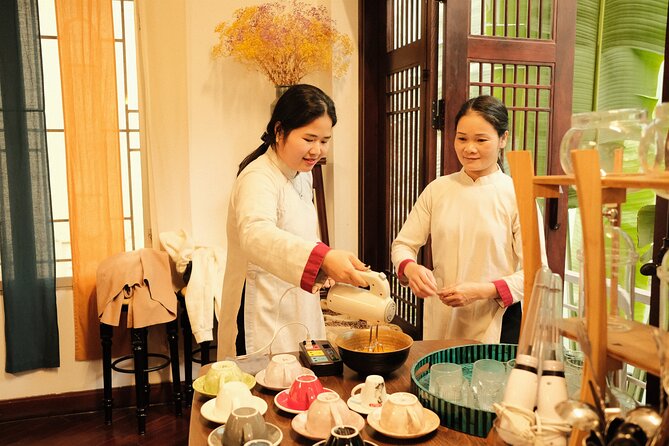
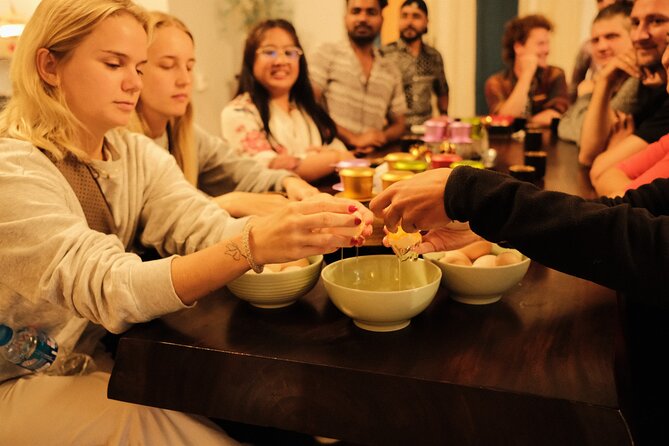
Egg coffee is the famous Hanoi specialty. A sweet, creamy egg mixture sits with or above the coffee, giving the drink a dessert-like texture. The workshop lets you make it yourself, which makes the recipe less mysterious and gives you a better chance of repeating it at home.
Coconut coffee brings a cooler, sweeter style to the set. Its texture and flavor are different from the egg version, so the contrast helps you notice how much the added ingredient changes the base coffee.
The final drink is a coffee cocktail made with local jam and wine. It is a playful finish and a reminder that Vietnamese coffee does not have to stay within one narrow tradition. You get a familiar coffee base, then a more creative local variation.
More Coffee Making Classes in Hanoi
- Hanoi: Salt Coffee Workshop Awake Your Senses With 6 Brews
★ 5.0 · 792 reviews - Hanoi: Vietnamese Coffee Workshop with 6 Brews and 8 Recipes
★ 5.0 · 237 reviews - Ha Noi Egg Coffee Class
★ 5.0 · 227 reviews
From Vietnamese coffee farms to your cup
The workshop begins with coffee’s place in Vietnam. Your guide explains how coffee became part of the country’s daily culture and how farming connects to the drinks served in Hanoi.
The farming background gives useful context to the tasting. You are not only learning a recipe. You are learning why Vietnamese coffee has such a strong identity and why robusta is so common in the country’s coffee trade.
One important point is that robusta is presented as a key part of Vietnamese coffee culture. If you prefer lighter specialty coffee, you may not agree with treating robusta as the best choice. That is a fair concern, and the workshop is better understood as an explanation of Vietnam’s coffee tradition rather than a claim that one coffee species is superior in every setting.
Your guide also explains roast levels and how they affect aroma and taste. This is practical information for anyone who buys beans at home. A darker roast may bring heavier, deeper notes, while a lighter roast can show more of the bean’s aroma. The exact result depends on the coffee and brewing method, but the basic lesson helps you taste with more attention.
The hosts bring different strengths to the session. Val is described as funny and easy to follow, with a strong focus on coffee growing and the background of famous Vietnamese drinks. Lin is praised for involving each person in the process and making it easy to ask questions. Luka leads an organized class and adds information about coffee and local wines.
The staff names may vary by session, but the format remains centered on direct instruction rather than a recorded talk. That is a real advantage. You can ask why your filter is draining slowly, how much condensed milk to use, or what makes egg coffee hold its creamy texture.
What the 3.5-hour schedule feels like
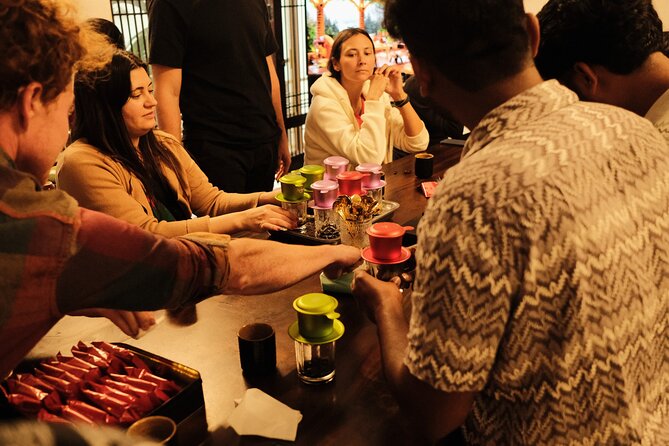
Three and a half hours is long enough to make this more than a quick tasting. It also means you should avoid scheduling it right before another fixed activity.
The session starts at Local Beans Roastery, at No. 75/173 Hoang Hoa Tham Street in Ba Dinh District. The activity ends at the same meeting point unless you use the available Old Quarter pickup and drop-off service.
You begin with a welcome herbal ginger root and peach tea, along with snacks. This is a small detail, but it gives you a gentler start before the coffee begins. It also helps make the workshop feel like a social class rather than a series of rushed samples.
Next comes the introduction to Vietnamese coffee culture and production. You learn about the route from farm to cup, the role of roast levels, and the basic equipment used in the workshop.
The brewing section then takes over. The instructors provide filters, grinders, and other special coffee-making tools. You do not need to pack equipment or know how to use a Phin before arriving.
Each recipe is introduced, prepared, and tasted. The guide connects the drink to its origin and place in everyday life. This storytelling is useful because it stops the recipes from feeling like random internet trends. Salt, egg, coconut, and condensed milk each have a different role, and the class explains those differences as you drink.
A bonus tasting of homemade rice wine comes near the coffee and local-drink discussion. It is not listed as a separate full activity, so think of it as an extra taste rather than a second tasting tour.
At the end, you receive digital coffee recipes and a recipe book. You can also request a professional certificate. These are practical additions, especially if you want to repeat the drinks after returning home.
Why the hands-on equipment matters
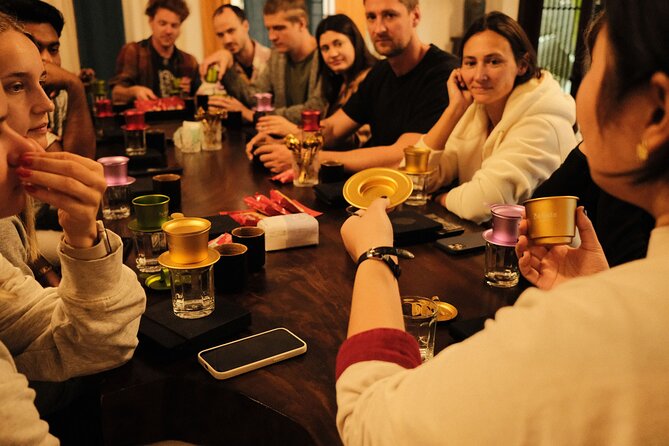
A coffee class can be pleasant but forgettable if you only watch someone else work. This one gives you the tools to take part.
You grind the beans, use the filter, and prepare the additions for the different drinks. That gives you a better sense of timing and proportion than simply reading a recipe.
The Phin filter is the most useful piece of equipment to understand. It is compact, inexpensive, and closely tied to Vietnamese coffee culture. Once you understand how it works, you can recreate a basic Vietnamese coffee without a large machine.
The class also helps you compare the same general coffee base in different forms. A cup with condensed milk behaves differently from one with salt. Egg coffee depends on a creamy topping, while coconut coffee changes the texture and sweetness. The coffee cocktail takes the idea in a more unusual direction.
I like that the equipment is provided rather than treated as an extra purchase. The price is $16 per person, and that includes the class, equipment, snacks, welcome tea, guidance, and take-home recipes. For a three-and-a-half-hour activity with six drinks, that is a solid value, especially if you make use of the recipes afterward.
The price does not include tips or personal expenses. If you buy coffee products at the roastery, that is also separate. The company has products available for purchase, which can help you continue the practice at home, but you should not feel that buying supplies is required for the workshop itself.
More Coffee Making Classes in Vietnam
- Hanoi Coffee Workshop: Master 6 Signature Vietnamese Coffee
★ 5.0 · 171 reviews - Hanoi Coffee Class learning 5 famous coffee in Hanoi
★ 5.0 · 161 reviews - Mini Hanoi Coffee Workshop: Pick Any Signature Coffee You Like
★ 5.0 · 160 reviews - Hanoi Egg Coffee making course
★ 4.9 · 112 reviews
The best parts for solo visitors and small groups
The class is designed to work for someone arriving alone. The format encourages questions and participation, so you do not need to bring a group to feel involved.
Lin’s teaching style is especially suited to a mixed group. The instructor brings people into the preparation instead of allowing one or two confident coffee drinkers to do all the work.
Friends and couples can also enjoy the format because you have several drinks to compare. One person may prefer the egg coffee, while another chooses salt or coconut. That difference makes the tasting more interesting than ordering two identical cups.
The activity offers group discounts, though the exact discount details are not provided. The maximum capacity is listed as 100 people. That is a large possible limit, so do not assume every session will feel like a tiny private lesson. The actual atmosphere may depend on the booking size and the day.
The workshop also works well on a rainy Hanoi morning or afternoon. Much of the activity takes place around brewing, tasting, and conversation, so bad weather does not spoil the central plan. An early 8 a.m. start is available, which can help you fit the class into a busy Hanoi schedule.
Dietary needs and caffeine planning
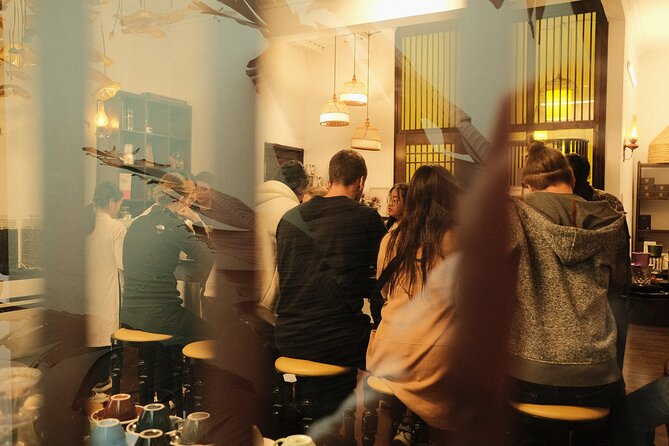
Vegan participants and people with dietary restrictions can be accommodated. You should raise your needs when booking so the hosts can plan the suitable ingredients.
Egg coffee is obviously not vegan, and some other recipes may include dairy or sweetened milk. The workshop includes several styles, so dietary substitutions may change what you taste. The supplied information confirms that accommodation is possible, but it does not specify every substitute or recipe alteration.
Caffeine is worth planning for. You prepare six coffee drinks, although you do not have to consume every cup in full. If you are sensitive to caffeine, ask about smaller tasting portions and pace yourself.
The snacks and welcome tea are helpful, but they do not turn the workshop into a full meal. Have a normal meal around the session if you need one.
Location, pickup, and practical planning
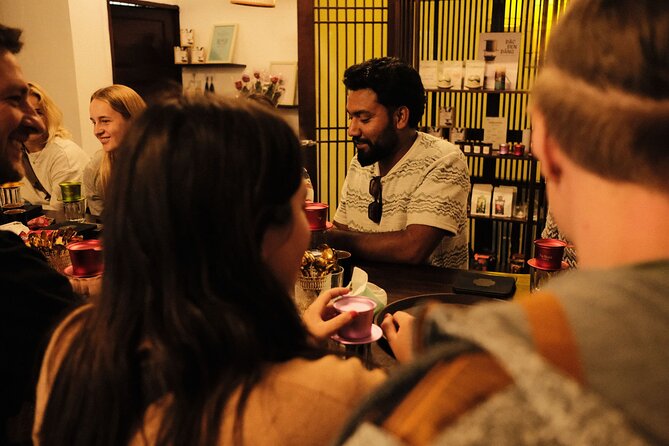
The meeting point is Local Beans Roastery at No. 75/173 Hoang Hoa Tham Street, Ngoc Ha Ward, Ba Dinh, Hanoi. The activity begins and ends there.
Hotel pickup and drop-off are available within the Old Quarter area. This is useful because Hanoi traffic and unfamiliar streets can make a short cross-town trip more tiring than expected. If your hotel is outside the Old Quarter, you should plan to reach the roastery yourself.
The site is near public transportation, and service animals are allowed. Confirmation is provided at booking. Mobile tickets are available, which means you do not need to print a voucher.
Plan for the full three-and-a-half-hour duration. The coffee preparation, tasting, cultural explanation, and recipe handout all take time. This is not the right choice if you want a 45-minute stop between sightseeing appointments.
Free cancellation is available up to 24 hours before the start time for a full refund. Within 24 hours, the payment is not refunded, and late changes are not accepted.
Who should book this Hanoi coffee workshop?
I would choose this class if you want a local food experience with something useful to take home. You learn six recipes, understand the Phin filter, and leave with written and digital material rather than only a pleasant memory.
It suits coffee drinkers who want to understand Vietnamese styles, not just photograph an egg coffee. It also suits curious non-coffee drinkers. The drinks are different enough that you may find one you like, especially the sweeter brown, egg, or coconut versions.
The workshop is a good match for solo visitors because the class format is open and question-friendly. It is also an easy group activity for friends, particularly if you enjoy comparing tastes.
You should think twice if you dislike sweet drinks, dairy, eggs, alcohol, or strong coffee. Vegan arrangements are possible, but not every signature drink will remain unchanged. You should also skip it if your Hanoi schedule is packed and you cannot spare the full session.
Should you book it?
At $16, this is a strong-value Hanoi activity for anyone interested in coffee, local food, or practical cultural experiences. The six-drink format gives you real variety, while the equipment and recipes make the class useful beyond the day itself.
Book it if you want to learn by doing, meet an engaging instructor such as Val, Lin, or Luka, and take home a better understanding of why Vietnamese coffee tastes the way it does. Pass if you want a quick cafe stop, a quiet private tasting, or a class with no sweet ingredients.
For most curious visitors, I would book it early in the Hanoi stay. You can then return to local cafes with a sharper eye, and you may even recognize which drinks are worth ordering next.
FAQ
How long does the Hanoi coffee workshop last?
The workshop lasts approximately three hours and 30 minutes.
Where does the activity begin?
It begins at Local Beans Roastery, No. 75/173 Hoang Hoa Tham Street, Ngoc Ha Ward, Ba Dinh, Hanoi 100000, Vietnam.
Where does the activity end?
The workshop ends back at the meeting point.
Which coffee drinks will I make?
You will prepare six Vietnamese coffee styles: classic Phin coffee, brown coffee, salt coffee, egg coffee, coconut coffee, and a coffee cocktail made with local jam and wine.
Is hotel pickup available?
Yes. Pickup and drop-off are available for hotels within the Old Quarter area.
Is the workshop suitable for vegan participants?
Yes. Vegan participants and people with dietary restrictions can be accommodated. You should provide those details when booking.
Is coffee-making equipment provided?
Yes. Filters, grinders, and other special coffee-making equipment are provided.
What happens if I need to cancel?
You can cancel at least 24 hours before the start time for a full refund. Cancellations or changes made within 24 hours are not accepted for a refund.
More Egg Coffee Experiences in Hanoi
- Hanoi: Vietnamese Street Food Tour with Egg Coffee
★ 4.9 · 315 reviews - Hanoi Egg Coffee Making Course
★ 5.0 · 76 reviews - Hanoi: Cyclo the Old Quarter and Egg Coffee Tour
★ 4.6 · 63 reviews - Hanoi Jeep Night Street Foodie Tour, Train Street and Egg Coffee
★ 5.0 · 60 reviews
Freshly brewed listings in Hanoi
- Vietnamese Coffee 101 Workshop★ 5.0 · 11 reviews
- Private Hà Nội Coffee History Tour★ 5.0 · 6 reviews
- Private tour: Hanoi city tour-Van Phuc silk village with egg coffee, lunch★ 5.0 · 2 reviews
- Taste of Vietnam’s Coffee Scene – A Guided Experience★ 5.0 · 2 reviews
- hidden gems cafe – learn making coconut and egg coffee★ 5.0 · 2 reviews
- Walking Tour in Hanoi Old Quarter with Street Food & Coffee★ 5.0 · 4 reviews
- Hanoi Private And All Inclusive Coffee Lovers Tour in Vietnam★ 5.0 · 6 reviews
- Hanoi History Coffee Tour★ 5.0 · 2 reviews
Hanoi Coffee Tours, compared.
Hanoi Coffee Experience: 6 Brews, 9 Recipes & 3 Liquor Tastings
Read our review →
Hanoi: Salt Coffee Workshop Awake Your Senses With 6 Brews
Read our review →
Hanoi: Master the Art of 4-6 Signature Vietnameses Coffees
Read our review →
Hanoi: Vietnamese Street Food Tour with Egg Coffee
Read our review →
Hanoi Cooking Class: Pho/Bun Cha/Banh Xeo…+Free Egg/Salt Coffee
Read our review →
Hanoi: Vietnamese Coffee Workshop with 6 Brews and 8 Recipes
Read our review →