
Review · HANOI
Hanoi Coffee Class with Egg, Coconut, Salt, and Dripping Coffee
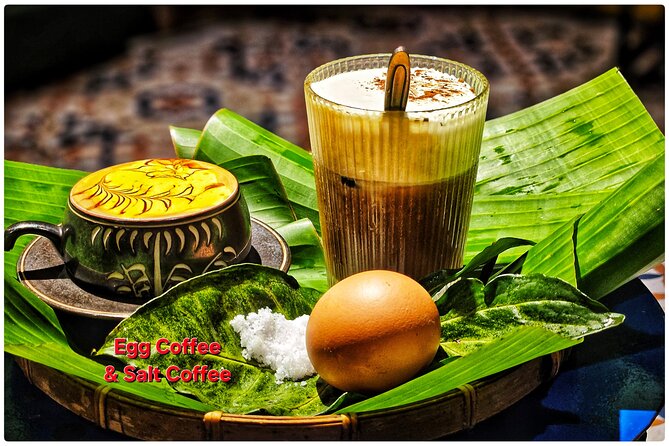
Vietnamese coffee is not just a strong drink served in a glass. It is a small ritual, and this two-hour Hanoi coffee class lets you make five versions yourself: dripping black coffee, coffee with condensed milk, egg coffee, coconut coffee, and salt coffee. The lesson takes place in a creative recycling café in the Old Quarter, where the furniture and décor give the setting a local feel.
I like two things right away: the small group limit of eight should give you a fair chance to ask questions, and the class goes well beyond the usual cup of coffee. You learn how the drinks are made, then get context about Hanoi coffee culture and the traditions behind each recipe. Instructors named John and Riley have been praised for keeping the lesson clear and engaging.
The main consideration is that this is a tasting and workshop, not a broad food tour. If you do not enjoy strong coffee, condensed milk, eggs, coconut, or salt in unusual combinations, five drinks may be a lot. Also, recipe cards are not listed as part of the class, so bring a phone or notebook if you want to save the methods.
Key points at a glance
- Five Vietnamese coffee styles: Make dripping black coffee, condensed milk coffee, egg coffee, coconut coffee, and salt coffee.
- Old Quarter setting: Meet at the recycling café at 1 Hàng Mắm, a central Hanoi address.
- Small class size: The maximum is eight people, which suits hands-on instruction.
- Culture with your caffeine: The lesson covers Hanoi coffee customs, background, and the role of these drinks in local life.
- Good value at $25: You get roughly two hours of instruction, preparation, tasting, and conversation.
- Flexible booking: Confirmation is sent at booking, and cancellation is free up to 24 hours before the start time.
Five Vietnamese coffees in one compact class
The appeal here is variety. Many coffee activities in Hanoi amount to a tasting with a short explanation. This class gives you a set of drinks that use different methods, textures, and flavors, so you can compare them as you go.
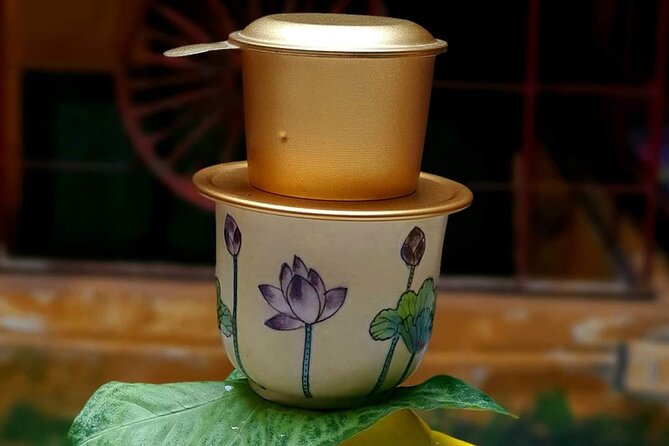
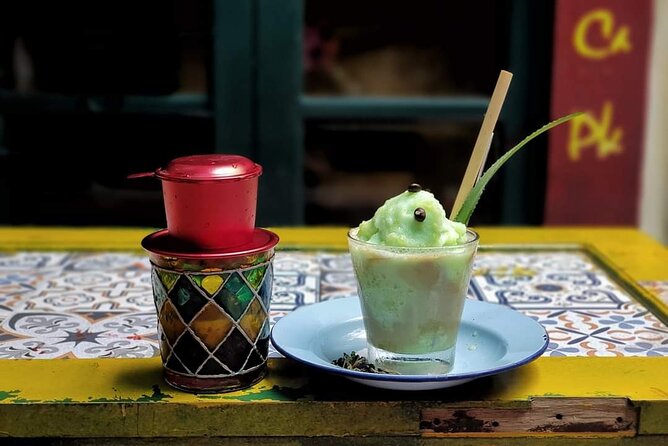
You start with Vietnamese dripping coffee, usually prepared through a small metal filter placed over a cup. The slow drip is part of the experience. It gives you a clear look at how the coffee is brewed instead of hiding the process behind a machine.
The class also covers black coffee and coffee with condensed milk. These are useful foundations because they show the basic balance between Vietnam’s bold coffee and the sweetness often added to it. If you want to order coffee confidently during the rest of your Hanoi stay, these two versions give you a practical starting point.
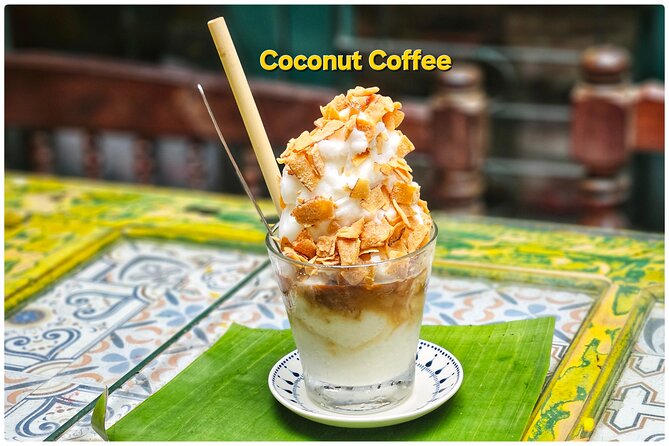
The more unusual drinks come next. Egg coffee is associated especially with Hanoi and is known for its creamy egg topping. Coconut coffee brings a cooler, sweeter profile, while salt coffee adds a savory edge. Making all three yourself helps you understand that Vietnamese coffee is not one fixed recipe. Small additions can change the drink completely.
The exact order of preparation is not specified, so you should expect the instructor to shape the pace around the group. That is a good fit for beginners. You are not being pushed through a large demonstration with dozens of people trying to copy it from the back.
More Coffee Making Classes in Hanoi
- Hanoi Coffee Workshop: Taste Salt, Coconut and Egg Coffee
★ 5.0 · 1,286 reviews - Hanoi: Salt Coffee Workshop Awake Your Senses With 6 Brews
★ 5.0 · 792 reviews - Hanoi: Vietnamese Coffee Workshop with 6 Brews and 8 Recipes
★ 5.0 · 237 reviews
Why the dripping filter matters
The metal filter is more than a handy brewing tool. It slows the process and makes coffee preparation visible. You can watch the drink form, adjust your attention to the aroma, and see why Vietnamese coffee is often treated as a pause in the day rather than a quick takeaway.
That slower rhythm is one of the strongest reasons to book this class early in your Hanoi visit. Once you know how the filter works, you will recognize it in cafés around the city. You will also have a better sense of what you are ordering when a menu lists black coffee, condensed milk coffee, or a specialty variation.
The class is not presented as professional barista training. It is a cultural workshop for people who want a useful skill and a better understanding of what is in the cup. That distinction matters. You will learn enough to repeat the drinks at home, but you should not expect advanced café technique or a formal qualification.
The recycling café at 1 Hàng Mắm
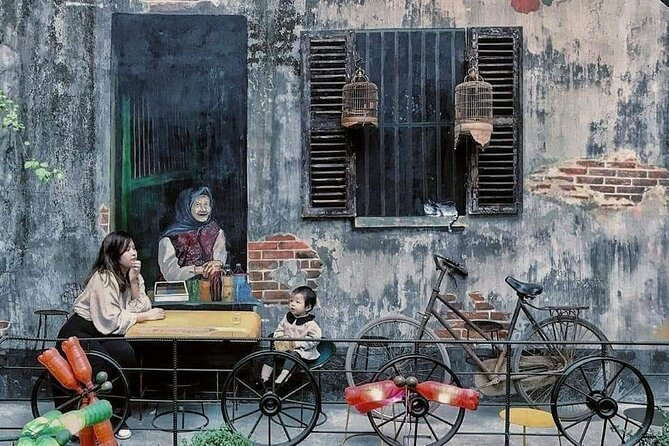
The meeting point is the café at 1 Hàng Mắm in Hanoi’s Old Quarter. Its design uses repurposed furniture and decorations, giving the class a setting with more character than a plain classroom.
The café’s environmental focus is part of its identity. Reusing materials for tables, furnishings, and decorations creates an easy connection with the practical, resourceful side of Vietnamese café culture. You are learning about drinks in a place that also makes a point of how its surroundings are made.
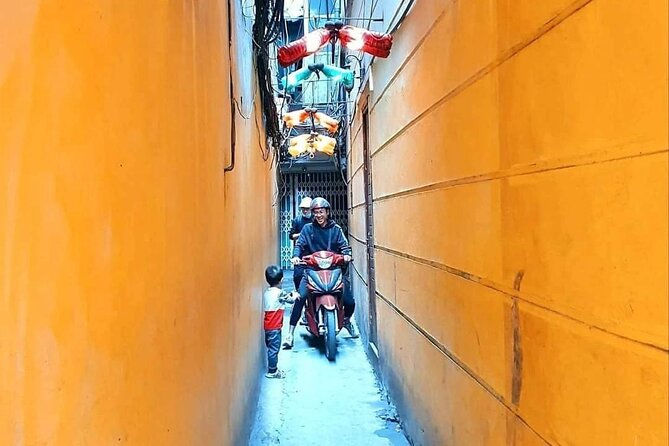
The Old Quarter location is useful for a short activity. You do not need to set aside a full day or arrange a separate transfer. The address is near public transportation, and the class ends back at the same meeting point. Check the exact route before leaving, since Hanoi’s Old Quarter streets can take longer to cross than the map suggests.
You may also find food or a snack available during the session. Healthy, organic Vietnamese food is served at the café, though the tour information does not define a full meal as part of the coffee class. If you need lunch, treat the class and any snack as separate from a planned restaurant meal.
John, Riley, and the small-group format
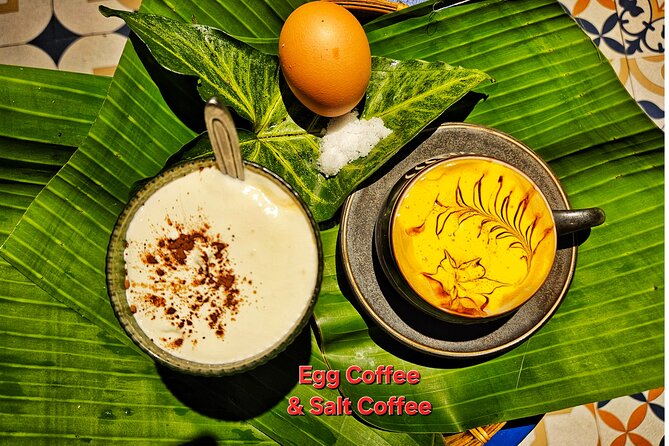
Two instructor names associated with this class are John and Riley. John has been praised for being an engaging host, while Riley has been described as an excellent instructor. The information does not establish that both teach every session, so your guide may be one of them or another member of the team.
The group cap of eight is important. Coffee making is hands-on, and a small class makes it easier to see the demonstration and get help with your own drink. You should have a better chance to ask why a recipe uses a certain ingredient or how to repeat it at home.
The teaching style also appears to include conversation, not just a fixed script. That suits a class about coffee culture because the useful questions often come up naturally. You might want to ask about the difference between ordinary Vietnamese coffee and Hanoi specialties, or how locals think about egg, coconut, and salt coffee.
Still, a small group does not guarantee a private lesson. If all eight people are working at once, you may need to wait briefly for an instructor to check your preparation. That is a normal tradeoff for a shared class at this price.
More Coffee Making Classes in Vietnam
- Ha Noi Egg Coffee Class
★ 5.0 · 227 reviews - Hanoi Coffee Workshop: Master 6 Signature Vietnamese Coffee
★ 5.0 · 171 reviews - Hanoi Coffee Class learning 5 famous coffee in Hanoi
★ 5.0 · 161 reviews - Mini Hanoi Coffee Workshop: Pick Any Signature Coffee You Like
★ 5.0 · 160 reviews
What the culture lesson adds
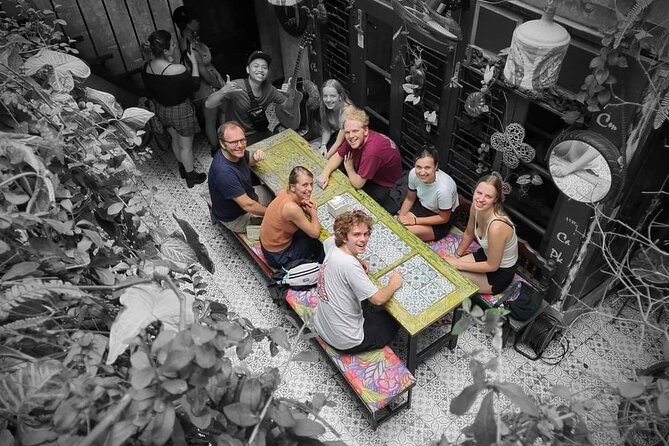
The history and cultural background help keep the class from becoming a list of recipes. You learn why coffee has such a visible place in Hanoi and how local drinks developed into the styles served today.
This part will likely matter most if you plan to spend several days in Vietnam. Coffee shops are a major part of daily life, and knowing the basics gives you a simple way to connect with the city. After the class, a café stop becomes more than a caffeine break. You can notice the filter, the condensed milk, the serving style, and the pace of the ritual.
The class also gives you a way to compare Hanoi with other Vietnamese coffee traditions. Egg coffee is particularly tied to Hanoi, while salt coffee is strongly associated with central Vietnam. The activity includes both, which makes the tasting more useful than trying only the city’s best-known specialty.
You should not expect an academic lecture. The session is designed around making and drinking coffee, with cultural explanation woven through the work. That balance is likely to suit most people, especially if you want information you can use rather than a long formal presentation.
Is $25 a fair price?
At $25 per person, the class is priced as a moderate short activity rather than a bargain tasting. The value depends on what you want from it.
If you simply want to drink egg coffee, you can do that for far less at a Hanoi café. You are paying extra here for instruction, five preparations, a small group, the Old Quarter setting, and an explanation of coffee culture. The price makes more sense if you want to understand the process and repeat the drinks later.
The two-hour length is also useful. It is long enough to cover several recipes without taking over your day. You can place it between sightseeing plans, though you should allow time to reach Hàng Mắm and get settled.
I consider the price fair for a visitor who enjoys food activities and wants a skill to take home. It is less compelling for someone who only wants a quick drink or who dislikes sweet, creamy, or unusual coffee styles.
One small value issue remains: a written recipe sheet is not listed. Since you make five drinks, it would be handy to leave with exact measurements. Use your phone to record notes if the instructor permits it, and write down the ingredients and order of preparation before you leave.
Who will enjoy this Hanoi activity?
I would recommend the class to coffee drinkers, curious eaters, couples, friends, and solo visitors who like meeting people through food. It also works well for first-time visitors who want a gentle introduction to local café customs.
Families may enjoy the demonstration, but the available information does not specify a minimum age or child pricing. If you are booking with children, confirm those details before paying.
The class suits vegetarians and people interested in organic food only in a limited sense. The café serves healthy, organic Vietnamese cuisine, but the class description does not provide a full ingredient list for the coffees or any meal. If you have allergies, ask the provider before booking.
This is also a good rainy-day plan. It takes place indoors and lasts about two hours, so you can get out of the weather while still doing something tied closely to Hanoi.
It is not the best choice if you want a large sightseeing route, a full meal, or a private cooking lesson. You remain at the café, and the focus stays firmly on coffee.
Timing, meeting point, and cancellation
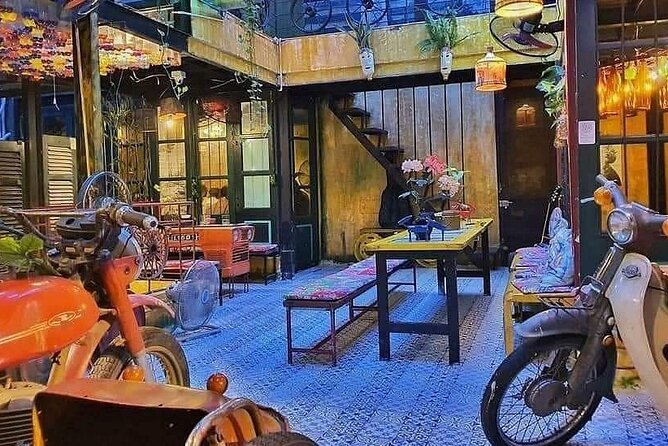
You meet at the café at 1 Hàng Mắm, in Hanoi’s Old Quarter, and return there when the activity ends. The location is near public transportation, and a mobile ticket is accepted, so you do not need to print a voucher.
Confirmation arrives at the time of booking. The class is often booked about nine days ahead, which suggests that planning early is sensible if your Hanoi dates are fixed. It is especially worth reserving ahead for a particular morning or afternoon, since the group is limited to eight.
Cancellation is free if you cancel at least 24 hours before the start time. Inside that window, the payment is not refunded, and changes are not accepted. The cut-off follows Hanoi local time, so check the clock carefully if you are arranging the class from another time zone.
Should you book this coffee class?
Book it if you want more than a cup of egg coffee. The strongest parts are the five-drink format, the small group, the Old Quarter setting, and the link between practical preparation and Hanoi coffee culture.
Skip it if you do not enjoy strong coffee or sweet and creamy drinks, or if you would rather spend $25 on several café visits. Also think twice if you need a formal recipe handout, since one is not listed.
For most visitors who enjoy food, local customs, and hands-on activities, this is a sensible two-hour addition to a Hanoi itinerary. It gives you something to taste in the moment and a method you can try again after returning home.
FAQ
How long does the Hanoi coffee class last?
The class lasts approximately two hours.
Where does the class begin?
You meet at the recycling café at 1 Hàng Mắm, in Hanoi’s Old Quarter, Hoàn Kiếm, Hanoi, Vietnam.
Where does the activity end?
The class ends back at the meeting point.
Which coffees will I learn to make?
You learn dripping black coffee, coffee with condensed milk, egg coffee, coconut coffee, and salt coffee.
How many people can join the class?
The activity has a maximum of eight participants.
Is the activity confirmed immediately after booking?
Yes. Confirmation is received at the time of booking.
Can I cancel for a full refund?
Yes, if you cancel at least 24 hours before the experience start time. Cancellations within 24 hours are not refunded, and changes within that period are not accepted.
Freshly brewed listings in Hanoi
- Vietnamese Coffee 101 Workshop★ 5.0 · 11 reviews
- Private Hà Nội Coffee History Tour★ 5.0 · 6 reviews
- Private tour: Hanoi city tour-Van Phuc silk village with egg coffee, lunch★ 5.0 · 2 reviews
- Taste of Vietnam’s Coffee Scene – A Guided Experience★ 5.0 · 2 reviews
- hidden gems cafe – learn making coconut and egg coffee★ 5.0 · 2 reviews
- Walking Tour in Hanoi Old Quarter with Street Food & Coffee★ 5.0 · 4 reviews
- Hanoi Private And All Inclusive Coffee Lovers Tour in Vietnam★ 5.0 · 6 reviews
- Hanoi Coffee Workshop Brew Taste and Culture Experience★ 5.0 · 10 reviews
Hanoi Coffee Tours, compared.
Hanoi Coffee Experience: 6 Brews, 9 Recipes & 3 Liquor Tastings
Read our review →
Hanoi Coffee Workshop: Taste Salt, Coconut and Egg Coffee
Read our review →
Hanoi: Salt Coffee Workshop Awake Your Senses With 6 Brews
Read our review →
Hanoi: Master the Art of 4-6 Signature Vietnameses Coffees
Read our review →
Hanoi: Vietnamese Street Food Tour with Egg Coffee
Read our review →
Hanoi Cooking Class: Pho/Bun Cha/Banh Xeo…+Free Egg/Salt Coffee
Read our review →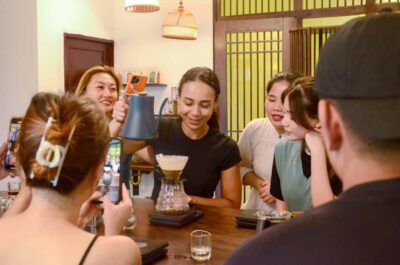
Hanoi: Vietnamese Coffee Workshop with 6 Brews and 8 Recipes
Read our review →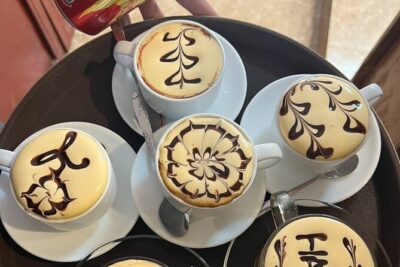
Browse the lists this tour appears in