
Review · JAPAN
Tokyo’s Neighborhood Digs: Coffee, Records & Vintage Vibes
Tokyo’s best stories often hide beyond the famous crossings and temples. This four-hour outing links Shimokitazawa, Kichijoji, Koenji, and Nakano, four west Tokyo districts where music, fashion, coffee, anime, and old Tokyo habits still shape daily life.
I like the mix of hands-on browsing and local context. You are not simply marched past shops. You learn how each neighborhood changed, from Shimokitazawa’s post-war growth to Nakano’s pop-culture boom. I also like that public transit and coffee are included, which keeps the morning or afternoon moving without making you sort out every train connection yourself.
The main drawback is the pace. Four neighborhoods in four hours means short visits, especially at Koenji and Nakano. You should also expect plenty of walking, crowded shop interiors, and little time for a serious shopping expedition. Comfortable shoes matter.
Key points to know before you book
- Shimokitazawa begins the tour with vintage clothing, records, and an artist-led past.
- Kichijoji adds locally roasted coffee and a slower neighborhood mood.
- Koenji offers indie boutiques and a look at changing social attitudes around tattoo shops.
- Nakano Broadway is the strongest stop for anime, manga, retro games, and vintage cameras.
- Transit and coffee are included, but your own purchases are not.
- The English-speaking guide may be Ryuhki, Hiro, or another guide, and private or small-group formats are available.
Four Tokyo neighborhoods, four different versions of city life
This experience works because the neighborhoods are not interchangeable. Tokyo can feel like one huge urban machine from a train window, but these districts have distinct personalities. Shimokitazawa leans toward vintage and independent arts. Kichijoji feels more relaxed. Koenji favors music, alternative fashion, and personal style. Nakano is a collector’s maze.
You meet at Shimokitazawa Station’s Odakyu Line East Exit. From there, the guide leads you through the surrounding streets and uses the shops, buildings, and people around you to explain how each district developed.
The tour is not designed for a long list of major sights. It is better suited to readers who want to understand how Tokyo residents shop, dress, listen to music, drink coffee, and follow pop culture. You will see ordinary streets rather than postcard landmarks, which is exactly the point.
More Coffee Tours in the world:
- Hanoi Coffee Experience: 6 Brews, 9 Recipes & 3 Liquor Tastings
★ 5.0 · 2,945 reviews - Medellin: Coffee Tour with Transport, Snacks and Tastings
★ 4.7 · 1,357 reviews - Istanbul: Turkish Coffee Making and Fortune Telling Workshop
★ 4.9 · 1,308 reviews
Shimokitazawa: vintage clothes, records, and post-war change
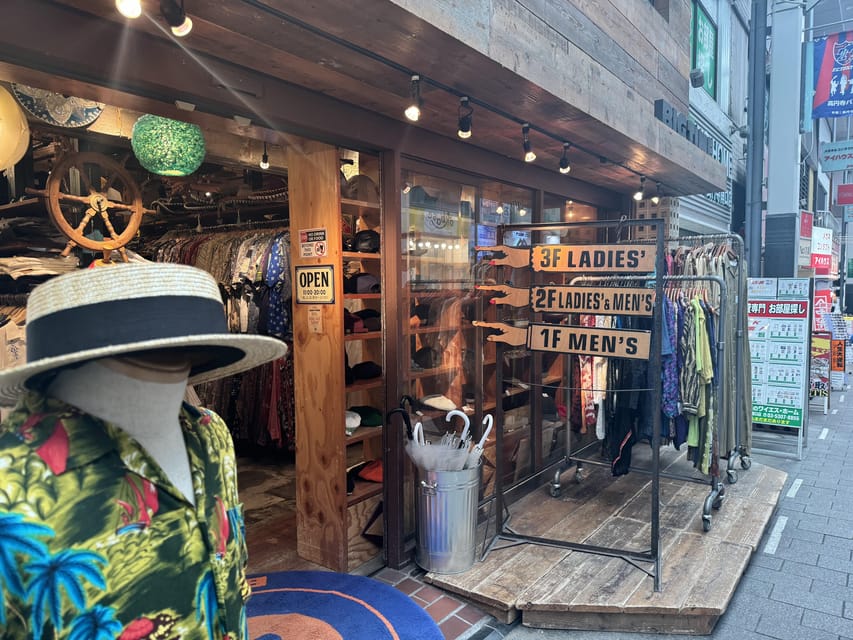
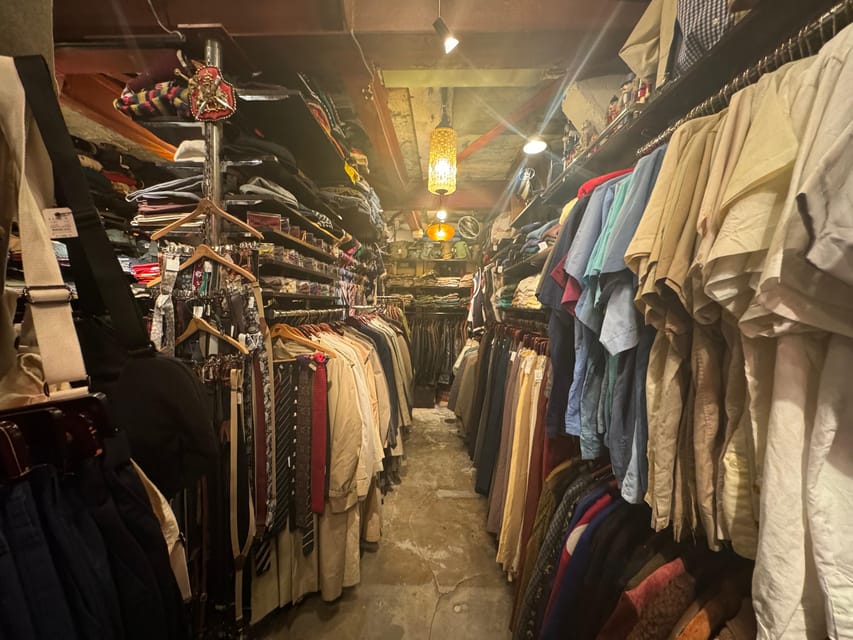
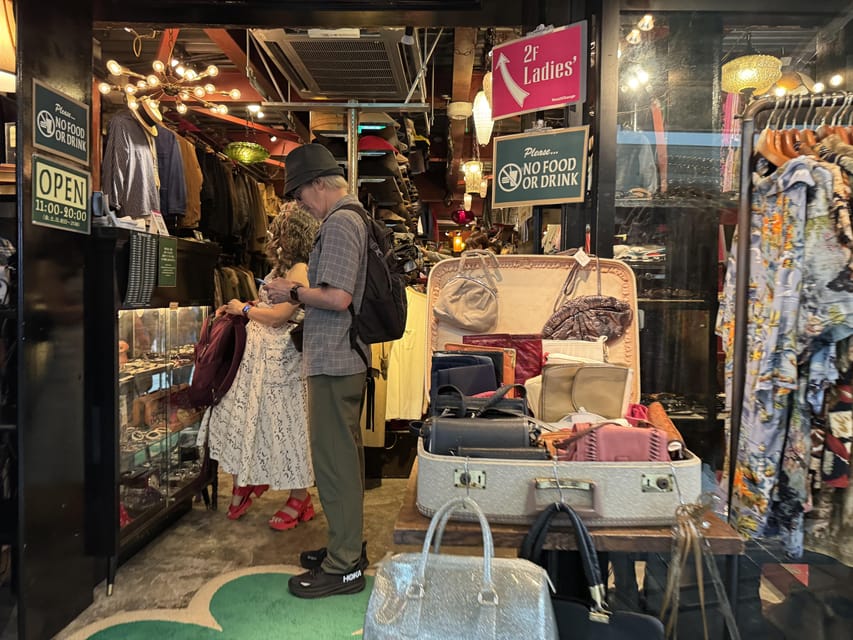
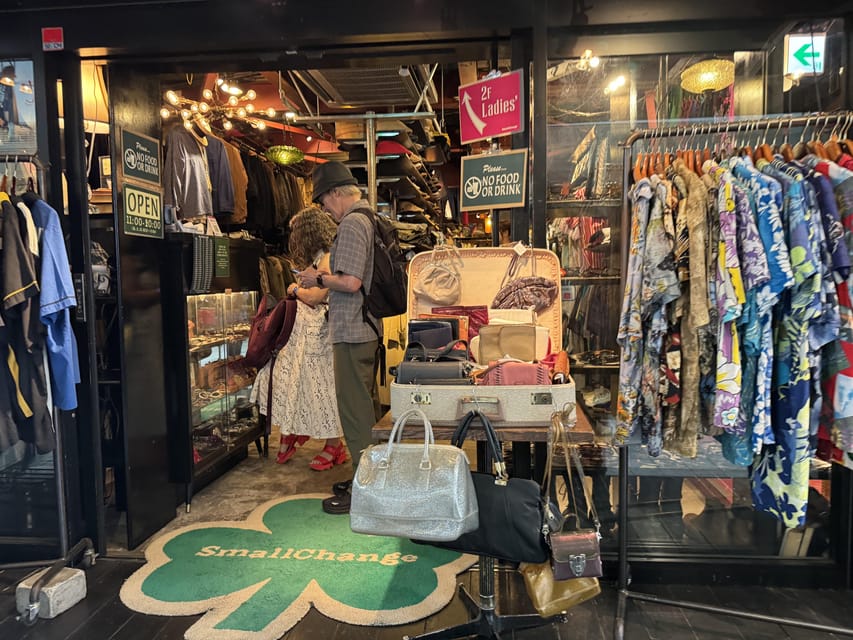
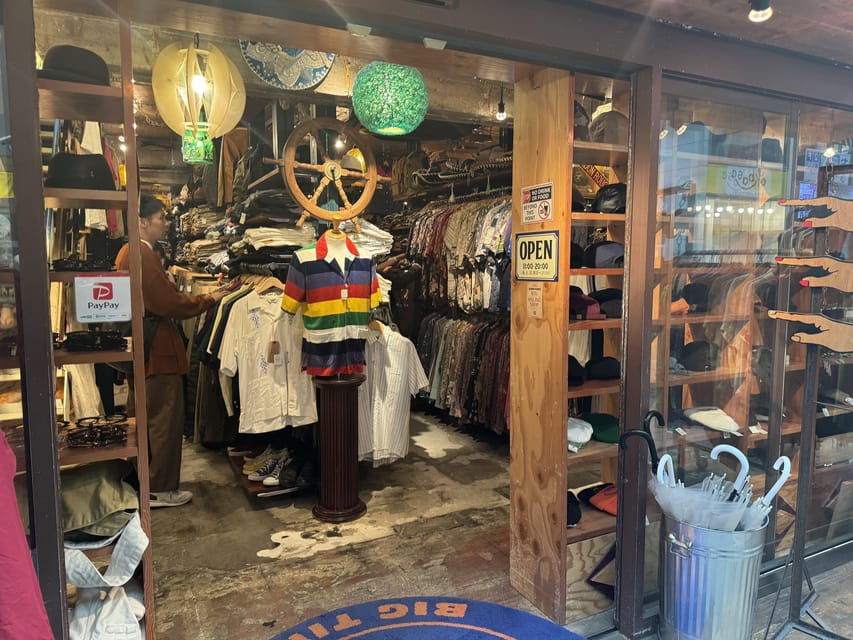
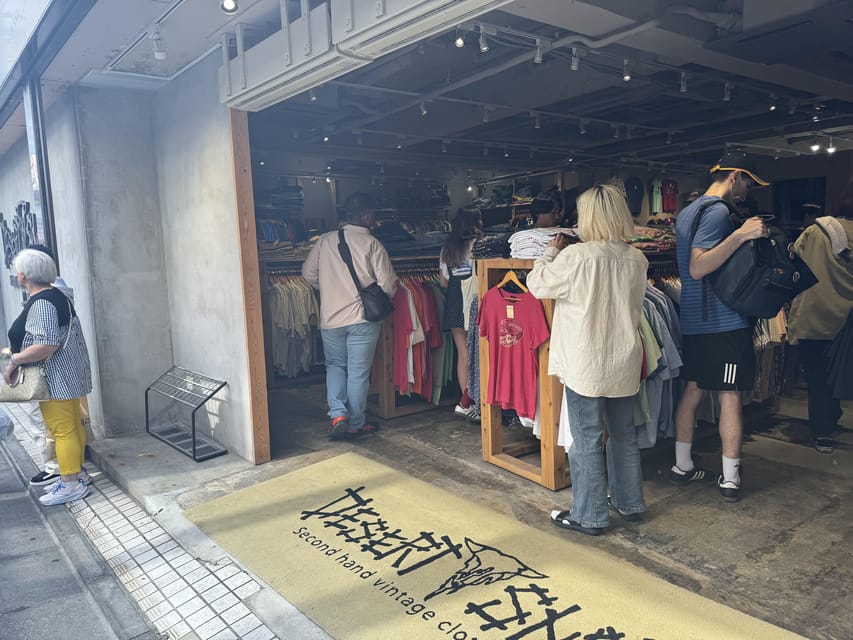
The first hour belongs to Shimokitazawa, a district known for vintage shopping and an independent arts scene. Its labyrinth of narrow streets is ideal for browsing, though less ideal if you prefer a clear route and wide sidewalks.
Expect the guide to point out vintage shops and independent businesses while explaining how the neighborhood changed after the war. Shimokitazawa grew into a gathering place for artists and creative people, and that past still shapes its secondhand clothing, music, and small-shop identity.
The shopping is part of the fun, but you should set realistic expectations. The tour includes access to vintage shops and indie boutiques, not free merchandise or a shopping allowance. Personal purchases cost extra, and serious collectors could easily spend far more than the tour price if they find the right jacket, record, or other piece.
I like this opening because it gets you involved quickly. You are not only hearing about subculture. You are looking at clothes, music, and objects that express it. The guide can also help you understand why a particular street or shop matters, something that is easy to miss if you explore Shimokitazawa alone.
The district’s compact, winding layout means you should avoid bulky luggage. Bring a camera if you want street details and storefronts, but remember that flash photography is not allowed.
Kichijoji: coffee and a calmer side of Tokyo
The tour then moves to Kichijoji for about an hour. This stop shifts the mood. Instead of focusing mainly on vintage finds, you get a look at independent cafes and Tokyo’s changing coffee culture.
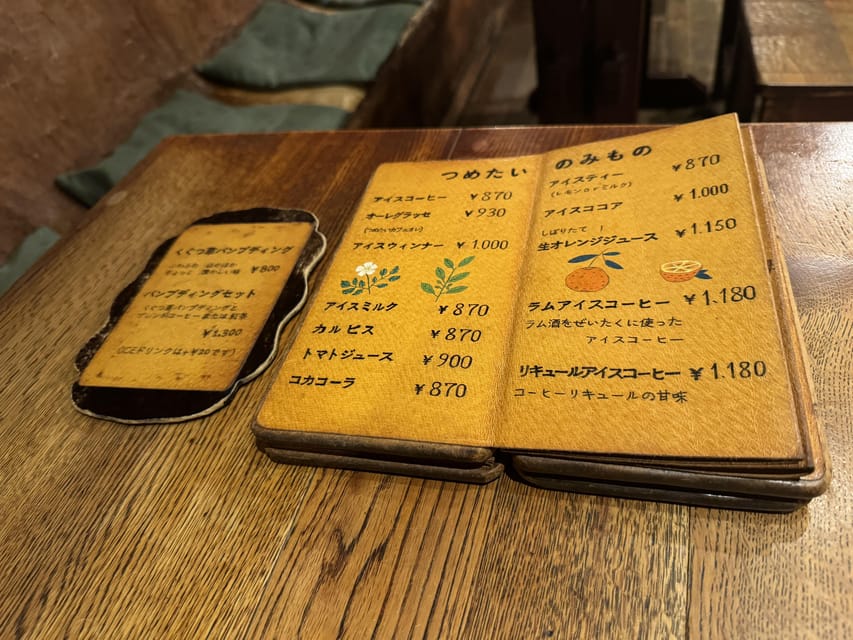
Coffee at a local cafe is included. The experience specifically calls for locally roasted coffee, so this is more than a quick drink grabbed between train connections. It gives you a seated pause while the guide explains how Kichijoji developed its laid-back character and how the economic bubble era influenced its buildings and streets.
That historical link is useful because Tokyo’s appearance often reflects several eras at once. A casual neighborhood may carry traces of rapid growth, changing property values, and later efforts to keep a local feel. You do not need a background in Japanese economics to follow the discussion. The value is in seeing familiar streets with a sharper eye.
Kichijoji is also a good balance after the more fashion-focused start. If you want a tour with only shopping, this stop may feel less intense. If you appreciate coffee and neighborhood atmosphere, it adds welcome breathing room.
The included drink is a clear value point. At $83 per person, the coffee does not make the price cheap by itself, but it removes one small expense while giving the tour a natural break. You are also paying for a guide who handles the movement between districts and provides social and historical context along the way.
Koenji: indie style and changing social rules
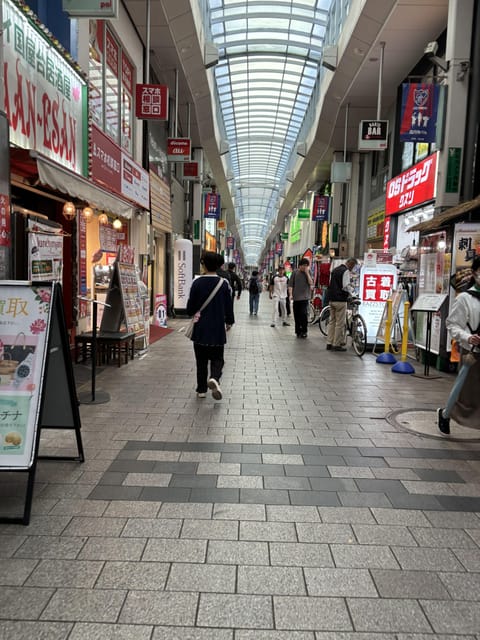
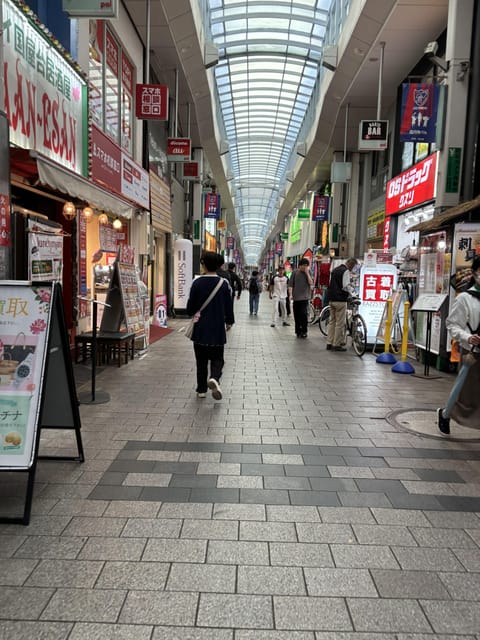
Koenji receives about 40 minutes, so this is a quick look rather than a full exploration. The area is known for creative energy, indie boutiques, and streets where current Tokyo style feels less polished and more personal.
You will move through maze-like streets and see shops connected to the district’s alternative fashion scene. The guide also discusses changing social norms that have allowed tattoo parlors to flourish in Koenji. That topic gives the stop more substance than a simple browse through clothing racks.
Koenji is a useful contrast with Shimokitazawa. Both have independent shops and creative roots, but the emphasis here is on present-day style and social change. You may find pieces that reflect Tokyo’s current fashion rather than carefully preserved vintage clothing.
The short timing is the weakness. Forty minutes gives you enough time to get a feel for the area, but not enough to inspect every boutique or shop for a major purchase. If Koenji is your main reason for booking, you may want to return on your own after the tour.
Still, the guided introduction has practical value. A first visit can feel like a collection of disconnected side streets. A local guide helps you understand what you are seeing and why the district attracts tattoo artists, independent retailers, and people who prefer less conventional styles.
Same town, another way to drink it:
- Hanoi Coffee Workshop: Taste Salt, Coconut and Egg Coffee
★ 5.0 · 1,286 reviews - Vienna for Food Lovers: Cafés, Markets & Austrian Cuisine
★ 5.0 · 1,063 reviews - Big Island Highlights: Coffee, Volcano, Black Sands & Waterfall
★ 5.0 · 1,054 reviews - Hanoi: Salt Coffee Workshop Awake Your Senses With 6 Brews
★ 5.0 · 792 reviews
Nakano Broadway: anime, manga, cameras, and retro games
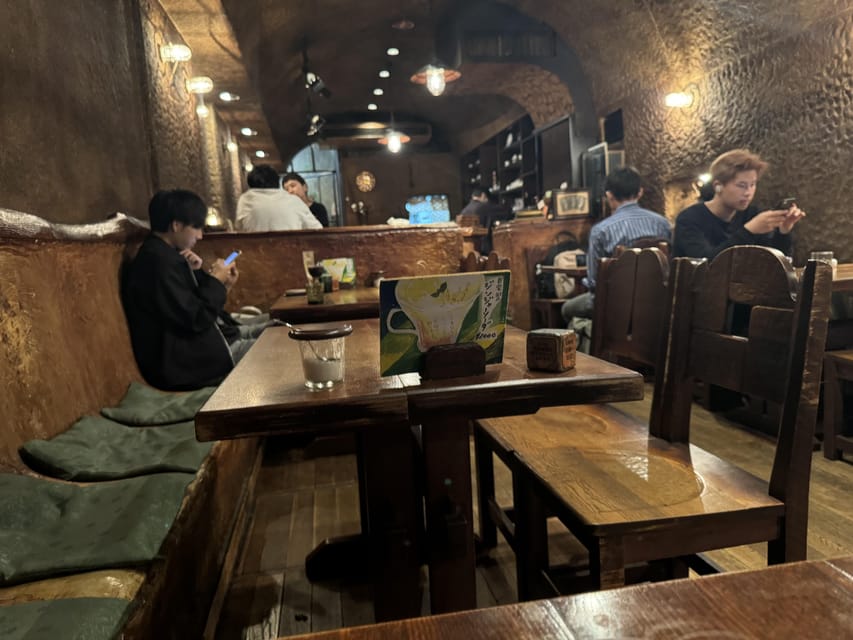
The final stop is Nakano Broadway, with about 40 minutes set aside for exploration. This is the most focused stop for Japanese pop culture and collecting.
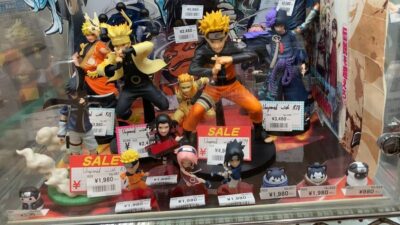
Inside the complex, you can look for anime and manga items, retro games, vintage cameras, and other collector pieces. The shops create a compact display of Japan’s entertainment culture, with many small storefronts offering different kinds of objects. If you enjoy browsing, this stop can feel like a treasure hunt. If anime and collectibles are not your interests, it may be the least rewarding part of the tour.
The guide connects Nakano’s shops to the bubble era and its lasting effect on anime and manga. That context matters. You are not only seeing merchandise. You are seeing how Japanese entertainment became a major part of modern culture and how older objects continue to attract collectors.
Do not expect enough time to inspect every shelf. Forty minutes passes quickly in a place with this much to see. I would use the tour to learn the layout and identify the types of shops that interest you, then return later if you want to buy something specific.
The same spending rule applies here as in Shimokitazawa. Purchases are not included. Prices can vary widely, and the tour does not promise a particular character, game, camera, or collectible. Think of the stop as an introduction with a chance to find something unexpected.
How the transport and timing affect the experience
The tour includes transit, which is important because the four neighborhoods are spread across west Tokyo. You do not have to plan each connection or wonder which station exit will save time. That convenience lets you pay attention to the guide and the surroundings.
The tradeoff is a fairly active four hours. Each neighborhood receives between 40 minutes and one hour, and some of that time goes toward moving through streets and shops. You should not book this expecting long cafe sitting, detailed museum visits, or relaxed shopping at every stop.
Wear comfortable walking shoes and bring water. Sunscreen is sensible, particularly if the weather is bright. A camera is welcome, but flash photography is not allowed, and smoking is not allowed during the activity.
The experience is not suitable for people with mobility impairments or wheelchair users. The walking, station access, narrow shop interiors, and changing streets make this an important consideration before booking.
The guide makes the difference
The strongest part of this experience is the human element. Ryuhki has been described as warm, personal, flexible, and generous with information about Tokyo’s culture, people, and neighborhoods. That is particularly useful on a tour like this, where the value depends on explanation rather than famous monuments.
Hiro has also led the experience, offering a friendly introduction to shopping and restaurant areas. Since guides can change, you should not assume that one specific person will lead your outing, but Ryuhki and Hiro are names associated with the experience.
A good guide matters here because the tour has no single headline attraction. The point is the connection between places. You need someone who can explain why Shimokitazawa feels different from Koenji, or how Nakano’s collector shops connect to wider changes in Japanese entertainment.
The small-group or private format is another advantage. Group size can affect how easily you move through narrow streets and small shops. A private option may suit you if you want to ask many questions or adjust the balance between fashion, coffee, records, and anime. The exact format and availability should be checked when booking.
Is $83 a fair price?
At $83 per person, this is not a bargain way to get from one Tokyo neighborhood to another. You could use public transit for much less and explore the streets yourself.
The price makes more sense if you value the guide’s interpretation, included transit, the coffee stop, and the time saved planning the route. You also get a structured introduction to four districts that can be confusing on a first visit. The tour gives you a working map of Tokyo’s subcultures, which can help you decide where to return independently.
The value is strongest for a first-time visitor who wants local shopping and pop culture without spending a full day on one theme. It is weaker for an experienced Tokyo visitor who already knows these neighborhoods or wants hours of uninterrupted browsing.
You should also budget for purchases. The tour may lead you to vintage clothes, records, anime goods, cameras, or games that are hard to resist, but none of those personal items are included.
Who should book this experience?
I would recommend it to you if you enjoy small shops, independent coffee, alternative fashion, records, anime, manga, or retro games. It also suits curious visitors who want social and economic context, not only a list of places to photograph.
The tour is a good fit for couples, friends, and solo visitors who prefer a private or small-group outing. It can also help you get comfortable using Tokyo’s local train network, since transit is built into the experience.
I would hesitate if you dislike walking, need wheelchair access, want major landmarks, or prefer to shop slowly. The four-stop plan offers range, not depth. You will see a lot, but you will not master any one neighborhood in a single afternoon.
Should you book Tokyo’s Neighborhood Digs?
Book it if you want Tokyo beyond the usual sights and like the idea of learning through shops, cafes, and side streets. The best reasons are the clear contrast between the four districts, the included coffee and transit, and the personal guidance offered by English-speaking guides such as Ryuhki and Hiro.
Skip it if your main goal is a long shopping session or if Nakano, Koenji, Shimokitazawa, and Kichijoji are already familiar to you. For the right visitor, this is a useful first look at Tokyo’s independent culture, with enough leads to plan your own return visits.
Free cancellation is available up to 24 hours before the start time, and you can reserve now and pay later. Check the available start times before booking, then arrive at the Odakyu Line East Exit of Shimokitazawa Station ready to walk.
FAQ
Where does the tour meet?
The meeting point is the Odakyu Line East Exit at Shimokitazawa Station.
How long does the experience last?
The tour lasts four hours.
Which neighborhoods does the tour visit?
The experience visits Shimokitazawa, Kichijoji, Koenji, and Nakano.
Is coffee included?
Yes. Coffee at a local cafe is included.
Is public transportation included?
Yes. Transit between the neighborhoods is included.
Are shopping purchases included in the price?
No. Personal shopping expenses are not included.
Is the tour available in English?
Yes. The live tour guide language is English. Private and small-group options are available.
Freshly brewed listings in the world
- Vietnamese Coffee 101 Workshop★ 5.0 · 11 reviews
- Vietnamese Coffee Making Class in Hoi An★ 5.0 · 4 reviews
- Yerevan: Private Coffee Tour with 2 Café Stops★ 5.0 · 2 reviews
- Vancouver: Street Art & Craft Coffee Walking Tour w/ Tasting★ 4.8 · 11 reviews
- Ubud: Waterfall, Holy Water Temple,Swing&coffee plantation★ 5.0 · 9 reviews
- Coffee pleasure walking tour★ 5.0 · 12 reviews
- Vienna: Guided Viennese Coffee-House Tour★ 5.0 · 2 reviews
- Turkish Coffee and Traditional Turkish Dessert Cooking★ 4.6 · 8 reviews
Japan Coffee Tours, compared.
Tokyo Akihabara, Anime, Manga, Video Games & Maid Cafe Tour
Read our review →
100% PRIVATE Anime, Manga, Game & Pop Culture Tour in Akihabara
Read our review →
Discover Japanese Politics Over a Coffee in Tokyo
Read our review →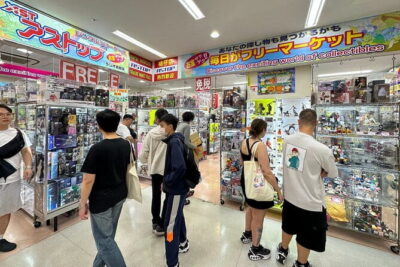
Private Akihabara Retro Tokyo Anime Game Maid Cafe Tour w/ pickup
Read our review →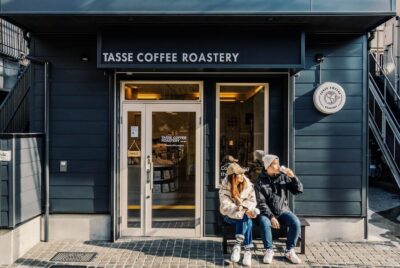
Discover Japanese Coffee Brewing Experience at Tokyo
Read our review →
Private Akihabara Anime Game Maid Cafe Tour w/ free pickup
Read our review →
Best of Downtown Tokyo: Nature, Coffee, & Japanese Sweets Tasting
Read our review →
Discover Coffee Experience Latte Art Workshop at Tokyo
Read our review →Browse the lists this tour appears in