
Review · HANOI
Hanoi: Master the Art of 4-6 Signature Vietnameses Coffees
The most interesting part of this Hanoi coffee class is that you do not simply watch someone prepare a pretty cup. You make four to six Vietnamese coffees yourself, using ceramic tools, fresh eggs, milk, coconut, and Vietnamese beans. You learn how to taste and adjust each drink, which is far more useful than copying a recipe once.
I like the small groups, capped at 10, and the easygoing local setting near the Hanoi Opera House. I also like that guides such as Jade, Eddie, Daisy, and Tyler explain how coffee fits into everyday Hanoi life, then send you home with recipes and local café and food suggestions. The main drawback is practical: six coffees can deliver a serious caffeine hit, so I would book an early slot and avoid stacking it after several café stops.
What makes this Hanoi coffee class worth your time
- Six styles in one sitting: Try black, brown, egg, white or silver, coconut, and salted coffee.
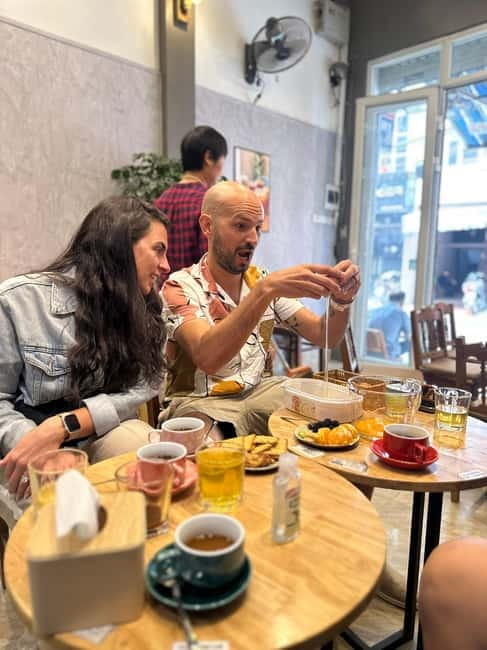
- Hands-on from start to finish: Grind, brew with a phin, whisk, taste, and change the balance yourself.
- A real local home: You work around ceramic tools and everyday life, rather than in a polished demonstration kitchen.
- Useful home recipes: Ingredients and substitutions are explained in clear, practical terms.
- Small groups: With no more than 10 people, you can ask questions and get help with each cup.
- More than coffee: Local guides share Old Quarter food and café tips, and some provide a useful map.
Entering a lived-in Hanoi home
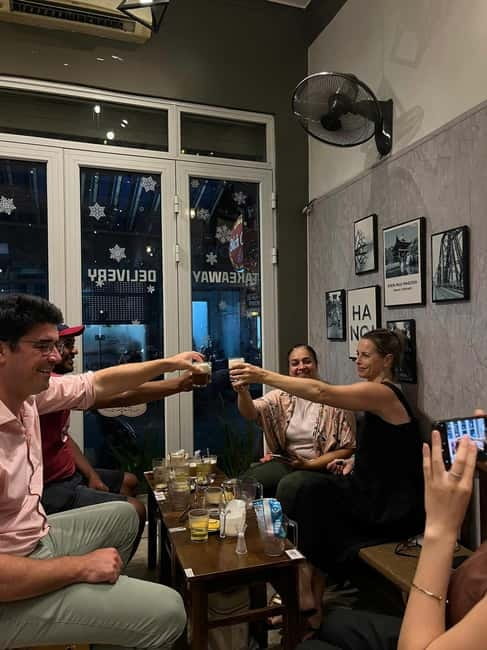
The meeting point is a cozy local café in a quiet corner of Hanoi’s Old Quarter. It is close to the Hanoi Opera House and the French Quarter, with the Red River and Vinh Tuy Bridge also listed as nearby reference points. The setting is handy if you are staying around Hoàn Kiếm Lake or planning to explore the older central streets afterward.
From the street, the experience leads you into a local home. That change matters. You hear ordinary Hanoi life outside, while inside, coffee warms the room and the pace slows down. This is not a staged historical room or a large culinary school. It is a working home with air conditioning, clean restrooms, a dishwasher, sterilized utensils, and a pet-friendly garden space.
The atmosphere sounds especially suitable for people who prefer a personal introduction to a place. Warm-hearted local elders may be present, and a cat has occasionally kept participants company. That is a small detail, but it helps explain the character of the setting: relaxed, domestic, and a little less formal than a standard workshop.
The experience is wheelchair accessible. Childcare is available, which may help some families, although babies under one year are not suitable for the activity. The upper age limit is 95.
More Coffee Tours in Hanoi:
- Hanoi Coffee Experience: 6 Brews, 9 Recipes & 3 Liquor Tastings
★ 5.0 · 2,945 reviews - Hanoi Coffee Workshop: Taste Salt, Coconut and Egg Coffee
★ 5.0 · 1,286 reviews - Hanoi: Salt Coffee Workshop Awake Your Senses With 6 Brews
★ 5.0 · 792 reviews
Your first lesson: Vietnamese coffee is built for adjustment
Vietnamese coffee often has a firm, roasted taste. The class uses specialty coffee from Vietnam’s Central Highlands, with beans selected after tastings in different parts of the country. The coffee changes with the seasons, so the exact cup can vary during the year.
That seasonal point is useful because it keeps the class from treating Vietnamese coffee as one fixed flavor. You learn to notice bitterness, strength, sweetness, creaminess, and texture. The goal is not to make every cup taste the same. It is to understand the base drink and adjust it to your liking without losing its Vietnamese character.
The instructors explain how locals control strength and balance. You may prefer a bolder black coffee, a sweeter brown coffee, or a softer coconut version. The class lets you make those choices rather than handing you a finished drink and moving on.
Fresh ingredients are prepared daily. Eggs, milk, and coconut are not pre-made or artificial. The practical benefit is clear: you see what goes into each recipe, and you learn which home-friendly substitutes can work if you cannot find the exact Vietnamese ingredient later.
Six cups, six ways to understand Hanoi coffee
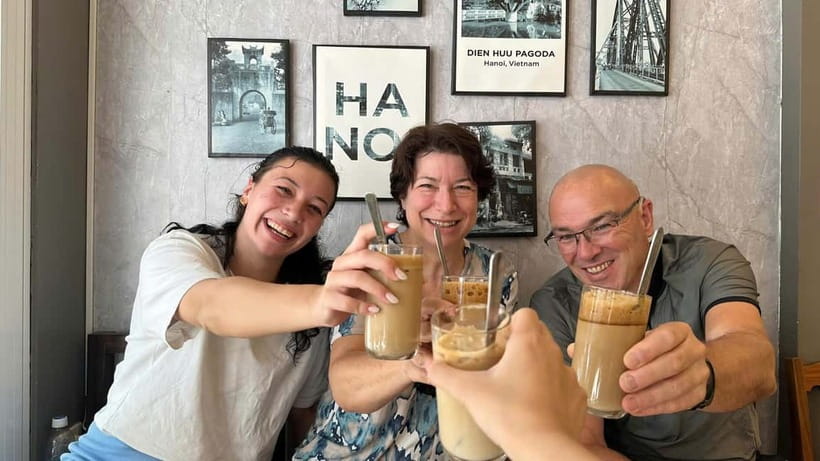
The exact class can produce four to six coffees depending on the session, but the full selection includes six familiar styles. Every cup is hands-on, so the class is less about six tastings and more about six small lessons.
Black coffee with the phin filter
The black coffee is the foundation. You work with the traditional phin filter, the small metal brewer that sits directly over the cup. It drips slowly, giving you time to watch the coffee change from dry grounds to a dark brew.
This is a good place to learn the basic controls: how much coffee to use, how firmly to press, how much water to add, and how long to let the coffee pass through. The instructor shows you the steps clearly, then helps you notice what happens when the brew is too weak, too bitter, or too strong.
Even if you do not normally like black coffee, it is worth paying attention here. One useful feature of the class is that you can adjust the drink instead of accepting the first result. That makes the lesson more approachable for people who usually take milk or sugar.
Same town, another way to drink it:
- Hanoi: Vietnamese Street Food Tour with Egg Coffee
★ 4.9 · 315 reviews - Hanoi Cooking Class: Pho/Bun Cha/Banh Xeo…+Free Egg/Salt Coffee
★ 5.0 · 267 reviews - Hanoi: Vietnamese Coffee Workshop with 6 Brews and 8 Recipes
★ 5.0 · 237 reviews - Ha Noi Egg Coffee Class
★ 5.0 · 227 reviews
Brown coffee with condensed milk
Brown coffee is the familiar sweetened version, with dark coffee balanced by condensed milk. It is a strong but approachable introduction to the way Vietnamese coffee combines bitterness and sweetness.
The class does not treat sweetness as an afterthought. You learn how much to add and how to mix it with the brewed coffee. At home, that matters because a small change in condensed milk can turn the drink from pleasantly rounded to heavy and sugary.
This is also one of the easiest recipes to recreate after the trip. The phin filter is compact, and the ingredient list is simple. One participant bought filters to take home, so you may have the option to purchase one locally if you want to continue the habit.
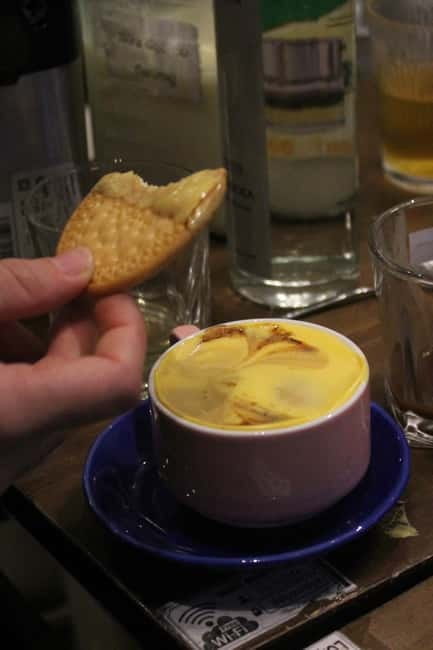
Egg coffee
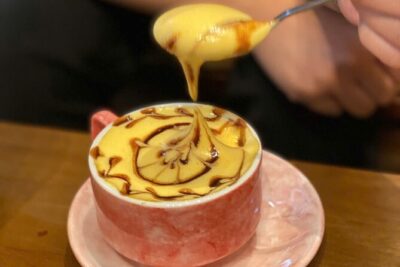
Egg coffee is the most famous Hanoi specialty in the group. The instructor explains its background while you whisk the topping and learn how texture affects the final drink.
The egg mixture needs attention. You are not just pouring a ready-made foam onto coffee. You work with the ingredients and see how whisking changes the consistency. That makes the recipe memorable, although it also means this is one of the cups where patient instruction helps.
Egg coffee suits anyone who likes a dessert-like drink with a strong coffee base. If you prefer unsweetened coffee, it may be the richest style of the six. The class gives you the chance to reduce or increase sweetness, which is more useful than a fixed café serving.
White or silver coffee
The white, also called silver, style gives you another way to explore the balance between coffee and milk. The supplied details do not specify a single traditional recipe name beyond white or silver coffee, so your instructor is the right person to explain the local version used in the workshop.
This cup is useful for comparison. After tasting black, brown, and egg coffee, you can see how milk changes the body and softens the coffee’s sharper edges. If you are trying to work out which Vietnamese coffee style suits you best, this is a helpful middle ground.
Coconut coffee
Coconut coffee was a clear favorite for several participants, and it is easy to understand why. The drink combines coffee with fresh coconut for a smoother, mildly sweet result.
You make the drink yourself, so you can pay attention to how the coconut changes the coffee’s texture and flavor. It is not simply black coffee with a flavored syrup added at the end. Fresh ingredients are prepared daily, and the instructor explains the recipe and possible substitutions for home use.
I would save this cup for careful tasting. Coconut coffee can be an easy choice for people who find straight Vietnamese coffee too forceful, but it still keeps the roasted coffee at the center.
Salted coffee
Salted coffee may sound odd until you taste what a small amount of salt does to bitterness and sweetness. The class presents it as another way to balance coffee, not as a novelty stunt.
This is where the lesson about adjustment becomes most useful. Too much salt would dominate the cup, while the right amount can change your sense of sweetness and soften the bitter edge. You learn the principle and can then apply it at home with care.
The instructors make the difference
The instructors are Vietnamese and speak Vietnamese and English. The guides named in the supplied information include Jade, Eddie, Daisy, Tyler, Jessica, Zoey, Ngoc, and Mint. Your guide depends on the date and session, but the teaching approach is consistent: clear steps, local stories, and time for questions.
Jade is especially associated with explanations of egg coffee, coffee culture, and Hanoi’s cafés. She has also provided maps and suggestions for restaurants and less obvious coffee places. Eddie is described as patient and thorough, with clear explanations of each recipe. Daisy is noted for combining stories with practical instruction, while Tyler has led warm, culture-focused sessions.
Those details matter because a coffee workshop can easily become a recipe recital. Here, the guide explains why each style tastes the way it does and what it says about life in Hanoi. You hear about mornings, old cafés, changing tastes, and the way coffee developed into a daily social habit.
The guides also make this a useful first-day activity. A local café map and food recommendations can help you decide where to eat and drink afterward. I would not book it solely for the recommendations, but they add real value if you are still finding your way around Hanoi.
A small group keeps the lesson practical
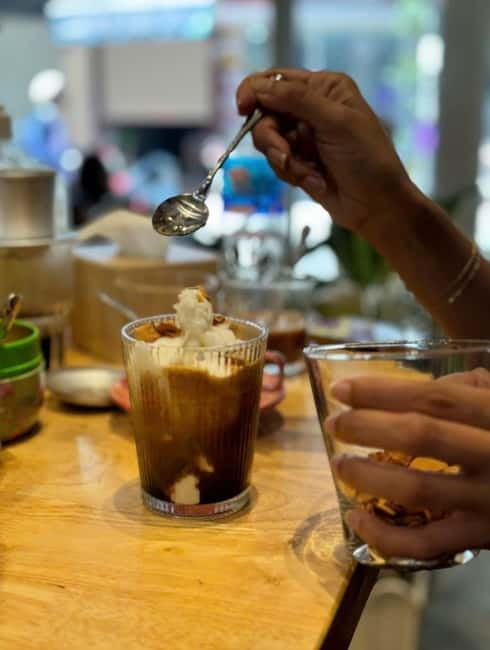
The group limit is 10 people, and some time slots may be much smaller. At least one session became a private class because only one person had booked. You should not assume that will happen, but the small-group design gives the instructor room to watch your technique.
That is important when you are using a phin or whisking egg coffee. In a large class, you might miss the timing or be left with a recipe but no sense of what went wrong. Here, you can ask for help, taste your own result, and adjust the next cup.
The social side is also pleasant. You meet other people over a sequence of coffees, but you are not pushed into a loud group activity. The setting lets conversation develop naturally between brews.
There is one tradeoff. A small workshop can take closer to two hours, especially when the group asks questions and makes all six drinks. If you want a fast stop, check the available time before booking. The shorter version can last about an hour, while the full class may run for two.
What you take home besides caffeine
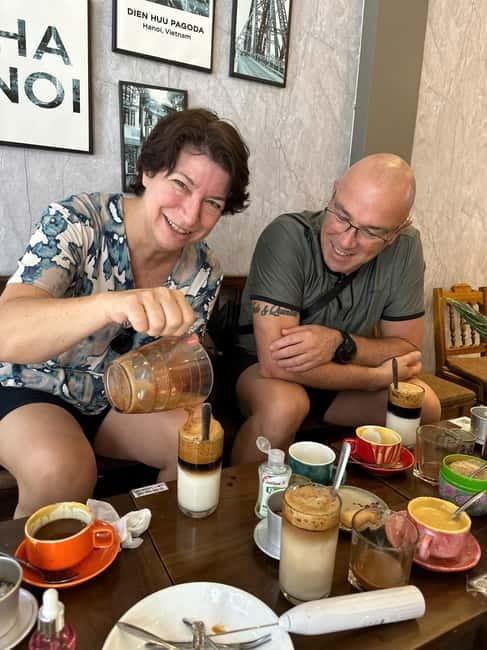
The biggest practical benefit is the collection of full recipes. You learn how to make the drinks with ordinary home equipment and receive guidance on substitutions when the exact ingredients are unavailable.
You also leave with a better sense of how to taste Vietnamese coffee. Rather than asking only if you like or dislike a cup, you can ask whether it needs less strength, more sweetness, a softer topping, or a different balance. That is the skill that makes the workshop useful after your trip.
A phin filter is small enough to pack, and some participants have bought one at the class. You should confirm availability on your date rather than count on it, but the option makes sense if you want to recreate the experience at home.
The instructor takes photographs, so you do not need to spend the whole class trying to document every step. The included coffees and teas also mean you are not paying extra for each sample.
Is $22 good value?
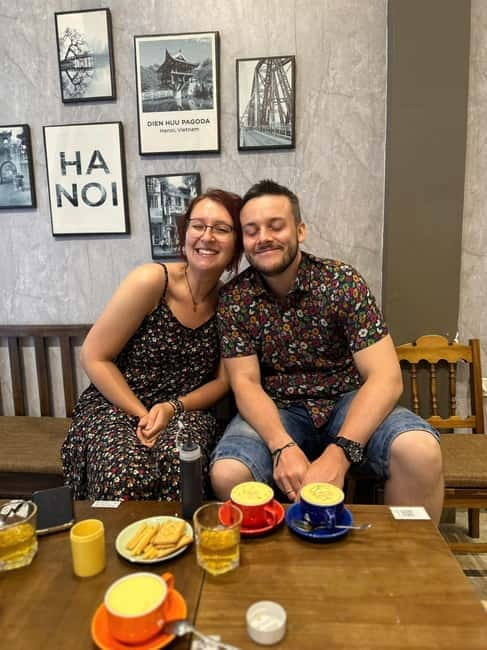
At $22 per person, this is a strong value if you want more than a café tasting. You receive multiple drinks, fresh ingredients, instruction, recipes, local context, and about one to two hours of guided time. Six separate café orders could cost more, and they would not teach you how to make the drinks.
The value is lower if you dislike coffee, avoid caffeine, or only want one quick cup. Six styles are a lot to taste, and the class is built around participation. You will be grinding, brewing, whisking, and cleaning as part of the process, not sitting back for a show.
I would also think about timing. Book it early in your Hanoi stay if you want café advice and local food suggestions to shape the rest of your visit. Book it in the morning if you are sensitive to caffeine. One hour may be enough for a compact introduction, while two hours gives you more time with all six recipes.
Free cancellation up to 24 hours before the activity and reserve-now, pay-later booking make the $22 commitment easier to manage. Starting times vary, so check availability before you plan other Old Quarter activities around it.
Who should book this experience?
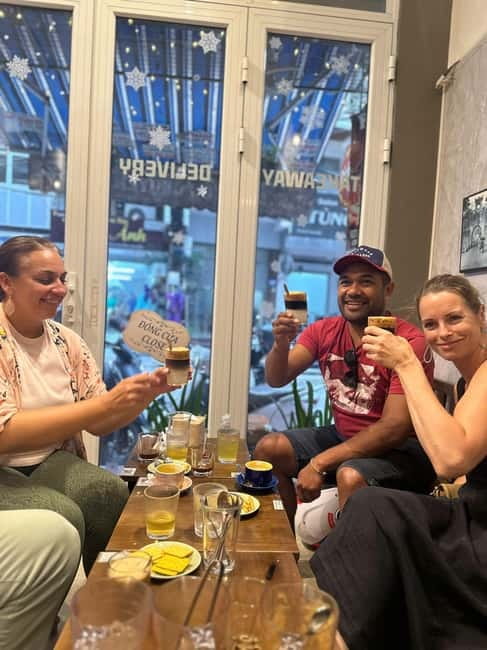
I would choose this class if you enjoy coffee, cooking, local homes, or small cultural activities. It also suits couples, solo visitors, and parents who can use the available childcare service. The wheelchair-accessible setup is helpful for people who need that feature.
It is a particularly good fit if you have already been drinking Vietnamese coffee and want to understand what is in the cup. You can compare the styles properly, learn the phin method, and take the recipes home.
I would be cautious if you are avoiding eggs, milk, coconut, or sugar, since several of the signature drinks rely on those ingredients. The supplied information does not describe alternative menus, so ask the instructor before booking if you have dietary restrictions.
Should you book the Hanoi coffee workshop?
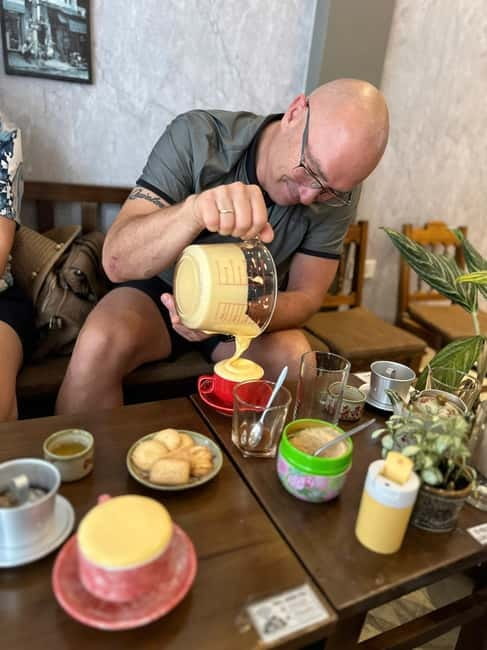
Yes, if coffee is part of the reason you came to Vietnam. The strongest parts are the hands-on format, the local home, the small group, and the clear teaching from guides such as Jade, Eddie, Daisy, and Tyler. You get six distinct cups and a practical way to repeat them at home.
I would skip it only if you want a quiet single-cup café visit, need to avoid caffeine, or have no interest in making the drinks yourself. For everyone else, $22 buys a useful Hanoi introduction, a stack of recipes, and a better understanding of why Vietnamese coffee tastes the way it does.
FAQ
How long does the Vietnamese coffee class last?
The activity lasts about one to two hours. Check the available starting times because the length can vary by session.
How many Vietnamese coffees will I make?
You may make four to six coffees. The full selection includes black, brown, egg, white or silver, coconut, and salted coffee.
Is the coffee class held in a local home?
Yes. The activity takes place in a lived-in local home reached through a cozy café in a peaceful corner of Hanoi’s Old Quarter.
What language is the class taught in?
The instructors speak Vietnamese and English.
How large is the group?
The group is limited to 10 participants. Some sessions may have fewer people, depending on bookings.
Is the class suitable for wheelchair users?
Yes. The activity is listed as wheelchair accessible.
Are recipes included?
Yes. You receive full recipes and additional guidance, including home-friendly ingredient substitutes.
Are the ingredients fresh?
Fresh eggs, milk, and coconut are prepared daily. The activity states that ingredients are not pre-made or artificial.
Can I cancel for a refund?
You can cancel up to 24 hours in advance for a full refund. Reserve-now, pay-later booking is also available.
Freshly brewed listings in Hanoi
- Vietnamese Coffee 101 Workshop★ 5.0 · 11 reviews
- Private tour: Hanoi city tour-Van Phuc silk village with egg coffee, lunch★ 5.0 · 2 reviews
- Taste of Vietnam’s Coffee Scene – A Guided Experience★ 5.0 · 2 reviews
- Private Hà Nội Coffee History Tour★ 5.0 · 6 reviews
- Walking Tour in Hanoi Old Quarter with Street Food & Coffee★ 5.0 · 4 reviews
- Hanoi Private And All Inclusive Coffee Lovers Tour in Vietnam★ 5.0 · 6 reviews
- hidden gems cafe – learn making coconut and egg coffee★ 5.0 · 2 reviews
- Hanoi History Coffee Tour★ 5.0 · 2 reviews
Hanoi Coffee Tours, compared.
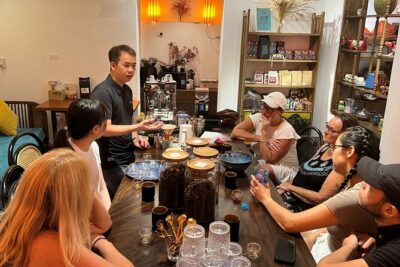
Hanoi Coffee Experience: 6 Brews, 9 Recipes & 3 Liquor Tastings
Read our review →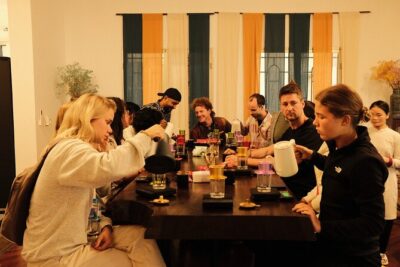
Hanoi Coffee Workshop: Taste Salt, Coconut and Egg Coffee
Read our review →
Hanoi: Salt Coffee Workshop Awake Your Senses With 6 Brews
Read our review →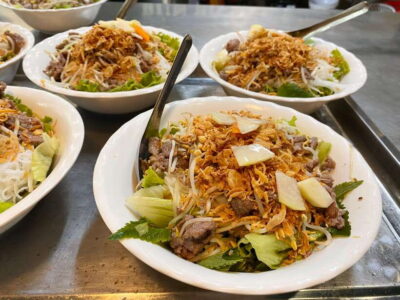
Hanoi: Vietnamese Street Food Tour with Egg Coffee
Read our review →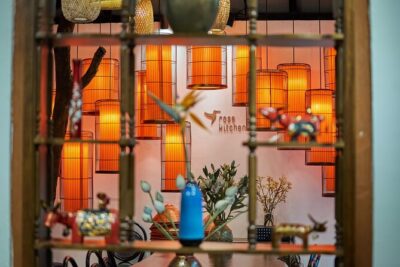
Hanoi Cooking Class: Pho/Bun Cha/Banh Xeo…+Free Egg/Salt Coffee
Read our review →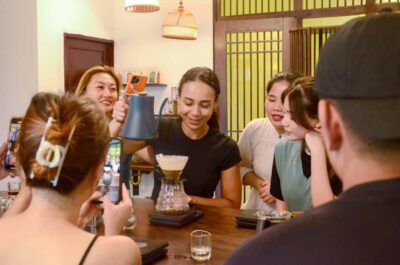
Hanoi: Vietnamese Coffee Workshop with 6 Brews and 8 Recipes
Read our review →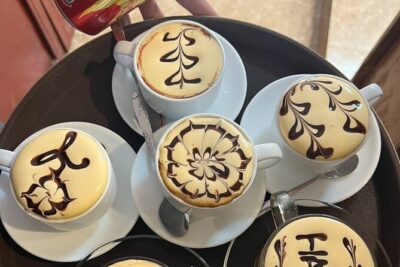
Hanoi Coffee Workshop: Master 6 Signature Vietnamese Coffee
Read our review →Browse the lists this tour appears in