Review · HANOI
Hanoi: Hanoi Egg Coffee Class learning 5 coffees and stories
Vietnamese coffee is more than strong caffeine in a small glass. This Hanoi class explains the beans, roasting, phin brewing, and the curious local habit of turning coffee into a dessert, a salty drink, or even an orange-scented treat. You leave with recipes and a better sense of why coffee matters here.
I like the small, practical format and the chance to work with several Vietnamese styles rather than simply drink one cup. I also like the patient teaching style associated with instructors such as Phuong, Bella, and Ruby, along with the welcome tea and snack that make five tastings easier on your system.
The main point to clarify before booking is the phrase five coffees. The class covers five varieties, but one recent participant made two coffees in person, egg and iced coconut, then received recipes for the others. If you want five separate hands-on preparations, ask the provider first.
Key points to know before booking
- Five Vietnamese coffee styles: Expect an introduction to phin, egg, coconut, salt, orange, or house coffee.
- Hands-on work may vary: The class may prepare two coffees while covering the other recipes by explanation and handout.
- A useful coffee lesson: Learn about varieties, processing, roasting, and Vietnamese drinking culture.
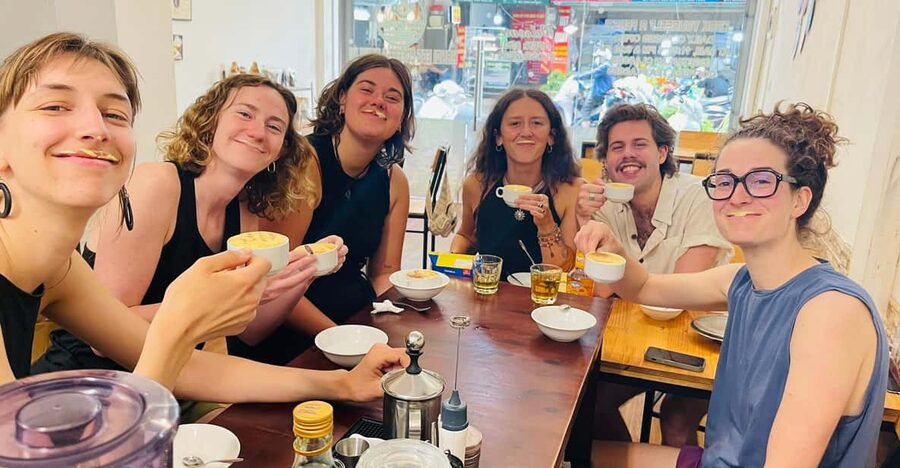
- Snacks are built in: Welcome tea plus banh mi or spring rolls help balance the caffeine.
- Central Hanoi meeting point: Meet five minutes early at 08 Gia Ngu Street.
- Flexible booking: The experience lasts 90 minutes to two hours, with free cancellation up to 24 hours before the start.
Why Vietnamese coffee makes a good Hanoi class
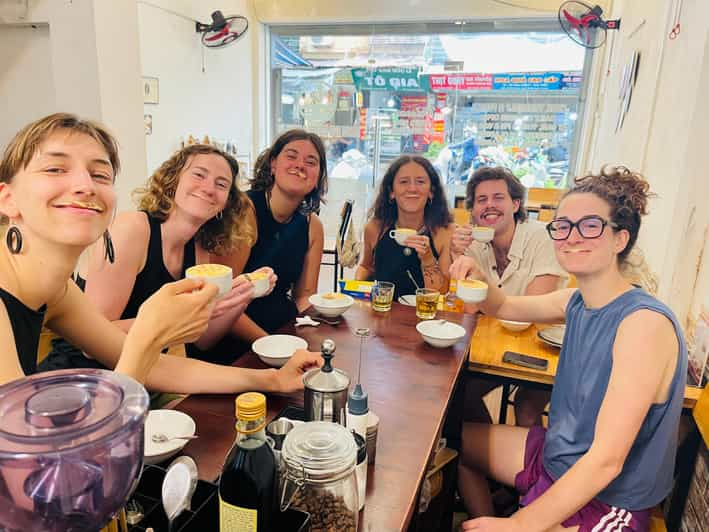
Vietnamese coffee has a clear personality. It is often bold, sweet, creamy, salty, cold, or sharply flavored, depending on how it is prepared. That makes a coffee lesson here more interesting than a basic demonstration of how to brew a cup.
The class begins with general coffee knowledge. You learn about coffee varieties, processing methods, roasting, and the way coffee is consumed in Vietnam. This background matters because it gives the drinks some context. Egg coffee is not simply coffee with a sweet topping, and phin coffee is not just a slow filter. Each style reflects a different part of local café culture.
I like this approach for visitors who want more than a quick food photo. You get the story behind the cup, then taste the result. The format also suits people who rarely drink coffee. Barbara, who described herself as a non-coffee drinker, still found the process accessible and enjoyed the egg and iced coconut versions. The course did not require you to arrive as a coffee expert.
More Coffee Making Classes in Hanoi
- Hanoi Coffee Workshop: Taste Salt, Coconut and Egg Coffee
★ 5.0 · 1,286 reviews - Hanoi: Salt Coffee Workshop Awake Your Senses With 6 Brews
★ 5.0 · 792 reviews - Hanoi: Vietnamese Coffee Workshop with 6 Brews and 8 Recipes
★ 5.0 · 237 reviews
Meeting at 08 Gia Ngu Street
The class meets at number 08 Gia Ngu Street in Hanoi. You are asked to arrive five minutes before your booked time, which is sensible for a short class. The provider also has a larger Apron Up Cooking Class location and a smaller Hanoi Egg Coffee site, so check the exact venue on your booking details before setting out.
The first few minutes are for meeting the instructor and other participants over a welcome tea. That opening gives you time to settle in before the coffee lesson begins. It also helps if you are traveling with a mix of coffee fans and non-drinkers, since the activity does not start with an immediate caffeine hit.
The location is listed as wheelchair accessible. Other transport details are not supplied, so plan your route to the address in advance and allow extra time if you are coming through Hanoi’s busy Old Quarter streets.
From coffee beans to Vietnamese café culture
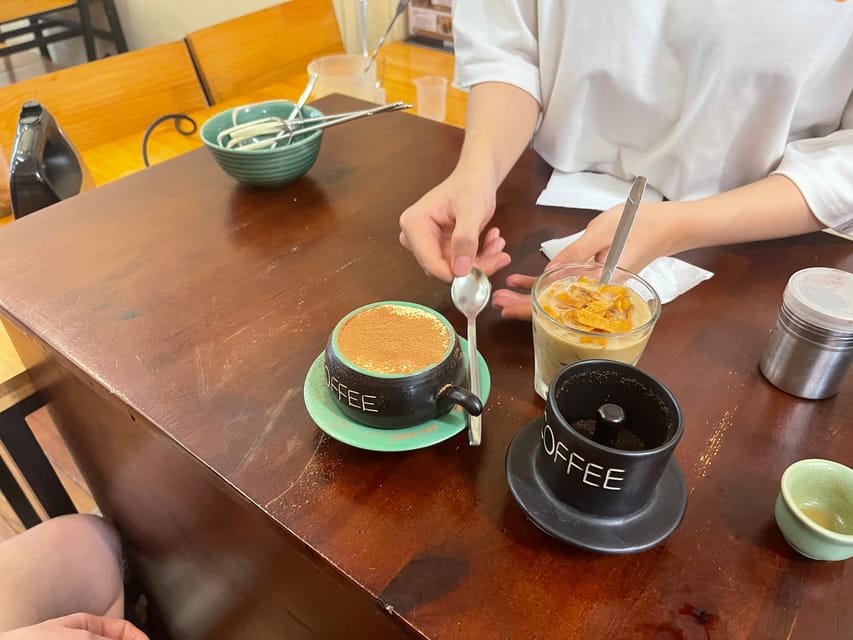
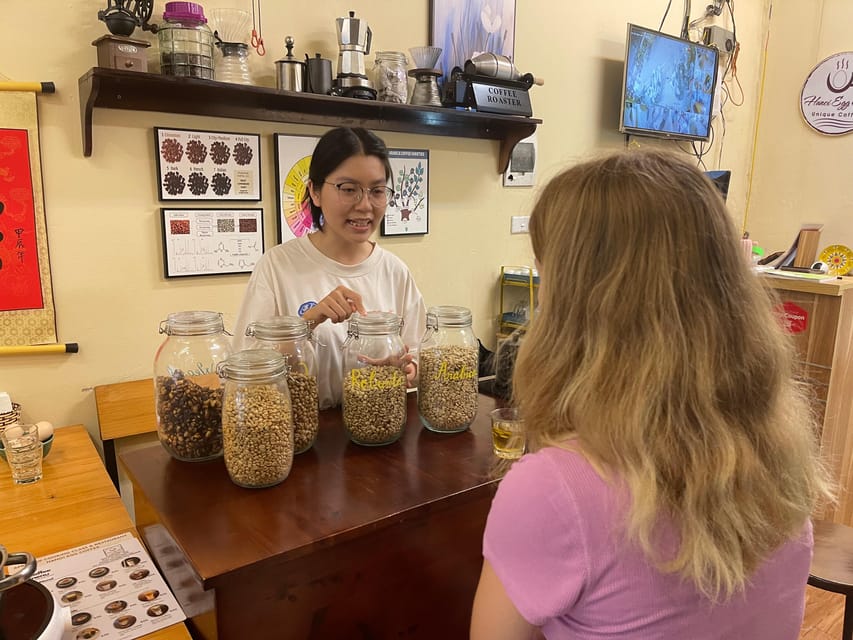
The opening lesson covers the basic chain from bean to drink. You hear about coffee varieties, how coffee is processed, how it is roasted, and how people drink it in Vietnam. That is a worthwhile use of time because the later recipes make more sense once you understand the foundations.
The instructor teaches in English. Names connected with recent sessions include Phuong, Bella, and Ruby. Their teaching styles were described as patient, informative, and lively, with particular praise for Phuong’s ability to explain the subject clearly and share stories about coffee.
Do not expect a formal barista certification course. This is a compact introduction aimed at visitors. The lesson gives you enough information to understand the drinks and repeat the recipes at home, but the stated duration is only 90 minutes to two hours. The class is best viewed as a cultural food activity with practical instruction.
Phin coffee and the slow Vietnamese method
Phin coffee is one of the central techniques introduced in the class. A phin is a small Vietnamese filter that sits over a cup, allowing coffee to drip slowly. The method is simple, but the pace is part of its charm.
For you, the value is not just learning how to use a tool. The phin helps explain why Vietnamese coffee is often served as a slow, social drink rather than something swallowed quickly on the way to work. You get to see how the brewing method shapes the final cup.
The class includes tools and ingredients, so you do not need to bring equipment. Recipes are also provided, making it easier to continue experimenting after you return home. If you enjoy the practical side of travel, this is one of the strongest reasons to book.
More Coffee Making Classes in Vietnam
- Ha Noi Egg Coffee Class
★ 5.0 · 227 reviews - Hanoi Coffee Workshop: Master 6 Signature Vietnamese Coffee
★ 5.0 · 171 reviews - Hanoi Coffee Class learning 5 famous coffee in Hanoi
★ 5.0 · 161 reviews - Mini Hanoi Coffee Workshop: Pick Any Signature Coffee You Like
★ 5.0 · 160 reviews
Egg coffee, the class favorite for good reason
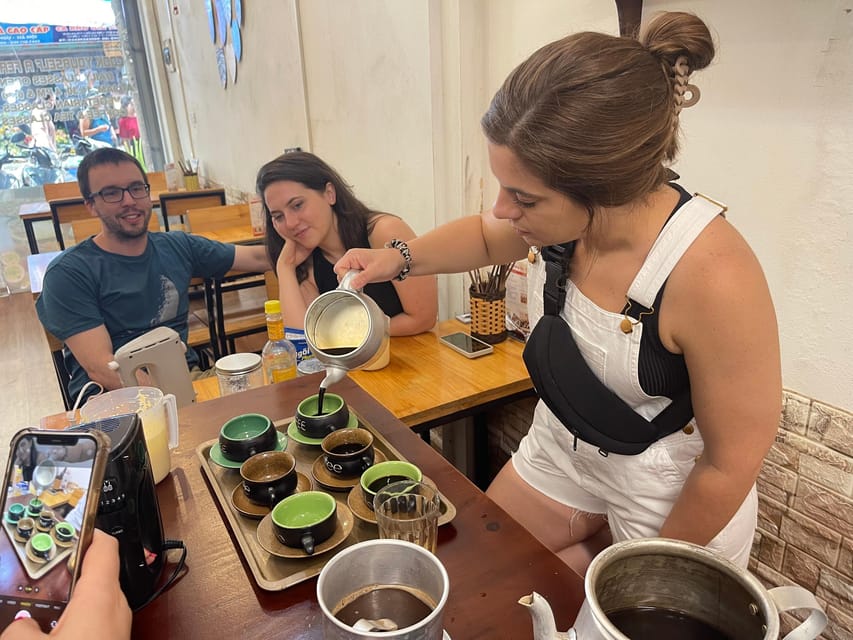
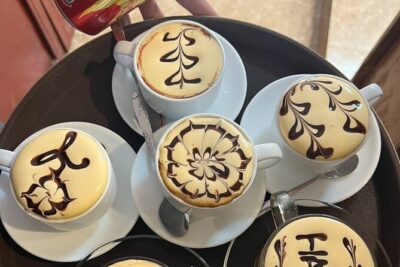
Egg coffee is the drink most closely associated with this experience. It combines coffee with a thick, sweet egg-based topping, creating something closer to a dessert than a plain morning brew.
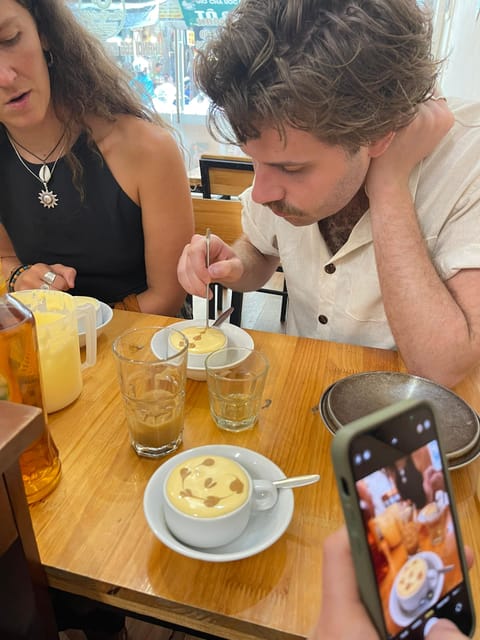
The class shows you how the drink is made and gives you a chance to taste it. Barbara’s session included hands-on preparation of egg coffee, and she found it delicious enough to nearly change her opinion of coffee. That is useful evidence for anyone who normally avoids bitter drinks, although you should still expect a sweet and creamy result rather than a light black coffee.
This part of the class also gives the instructor room to discuss the stories behind Vietnamese coffee. Phuong was especially praised for explaining the process and sharing those stories in a patient way. The activity is therefore not just a recipe lesson. It connects a familiar drink to local habits and food culture.
Coconut, salt, orange, and house coffee
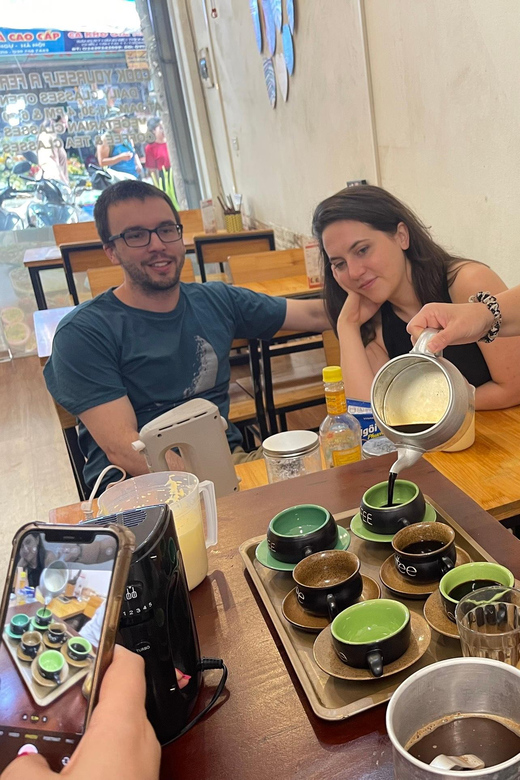
The other listed styles are coconut coffee, salt coffee, orange coffee, and a house coffee option. Together, they show how flexible Vietnamese coffee can be.
Coconut coffee brings a cool, tropical direction. One recent class included iced coconut coffee, which was enjoyed alongside the egg coffee. Salt coffee takes the drink in another direction, using salt to change the balance of the coffee rather than simply adding more sugar. Orange coffee adds a citrus note, while the house recipe gives the instructor room to present a particular local variation.
Here is the important booking detail: the class description says you learn to make five coffees, but the practical format may not mean five separate recipes made by every participant. One account says the hands-on work covered egg and iced coconut coffee, while the remaining recipes were sent afterward. You still receive the recipes, but the experience may be closer to tasting and learning five styles with hands-on preparation of two.
That distinction matters if you are booking mainly for a full workshop. It matters less if your priority is learning the range of Vietnamese coffee and enjoying a relaxed tasting.
Snacks make the caffeine load easier
Coffee tasting can catch up with you, especially when several strong drinks are involved. The class includes a snack such as banh mi or spring rolls to help ease the caffeine intake and make the tasting more comfortable.
This is a small feature, but I consider it good planning. You are not left with several coffees and nothing to eat. The snack also adds another piece of Vietnamese food culture to the session without turning the class into a full cooking course.
The precise snack may vary, since both banh mi and spring rolls are listed. If you have food allergies or dietary restrictions, ask before booking because the available information does not specify fillings or ingredients.
What the 90 minutes to two hours feels like
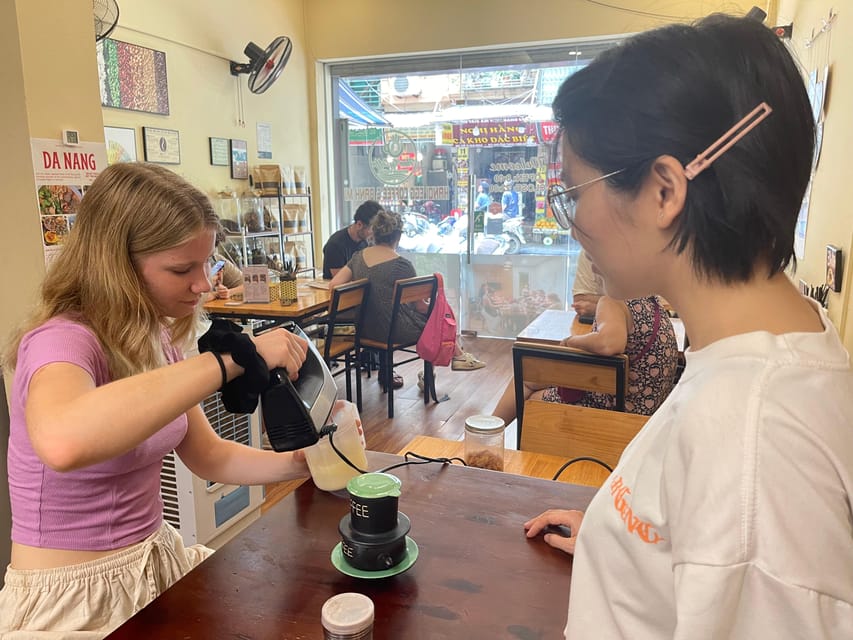
The class is long enough to include conversation, instruction, tasting, and at least some preparation, but short enough to fit into a busy Hanoi schedule. You might book it in the morning before sightseeing, or later in the day when a café stop would otherwise take less than an hour.
A typical flow looks like this:
- Arrive five minutes early at 08 Gia Ngu Street.
- Meet the instructor and group over welcome tea.
- Learn about coffee types, processing, roasting, and Vietnamese coffee culture.
- Prepare and taste the selected coffee styles.
- Enjoy a snack during the tasting.
- Receive recipes for future use.
- Finish after roughly 90 minutes to two hours.
The exact starting times depend on availability. Since the class can run for two hours, leave some space afterward rather than booking an attraction at the very next minute.
Is $27 a fair price?
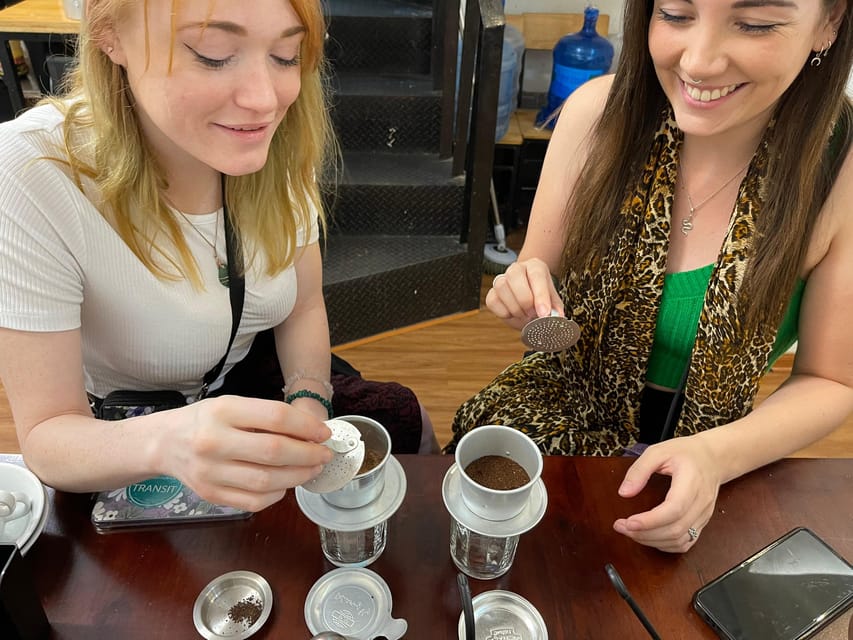
At $27 per person, the class is not the cheapest way to drink coffee in Hanoi. You could buy several cups at local cafés for much less. But that comparison misses the main value.
You are paying for an English-speaking instructor, tools, ingredients, welcome tea, coffee tasting, five coffee styles, a snack, and recipes. The lesson also gives you a clearer understanding of Vietnamese coffee culture, which a quick café visit usually cannot provide.
I consider the price fair for visitors who want an organized food activity and a take-home skill. It is less compelling for someone who only wants to taste egg coffee. That person can likely order one at a café and spend far less.
The value also depends on your expectation of hands-on work. If you assume you will personally prepare all five drinks, the experience may feel less substantial when only two are made during the session. If you see it as a guided tasting and coffee lesson with selected hands-on recipes, the price makes more sense.
Who will enjoy this coffee class most?
I would recommend it to coffee fans who want to understand Vietnamese methods, not just photograph a cup. It also suits curious food lovers, couples, solo visitors, and small groups looking for an indoor activity in Hanoi.
Non-coffee drinkers should not rule it out. The egg and coconut versions may be approachable because they are sweet and creamy, and Barbara’s experience shows that a reluctant coffee drinker can still enjoy the lesson. Still, anyone highly sensitive to caffeine should take the tasting seriously and use the included snack.
The class is also a good fit for travelers who like to bring home something useful. The recipes let you recreate the drinks later, provided you can find the required ingredients and tools.
It may be a weaker choice for someone seeking a long, detailed barista course, a large meal, or five full hands-on preparations. The format is compact and introductory, not an intensive professional workshop.
Booking details worth keeping in mind
The instructor language is English, and the activity is listed as wheelchair accessible. You can reserve now and pay later, which helps if your Hanoi schedule is still changing.
Free cancellation is available up to 24 hours before the activity for a full refund. The class price is $27 per person. Gratuities and other personal expenses are not included, so keep a little extra money available if you want to thank the instructor or buy anything separately.
Because the provider uses both an Apron Up Cooking Class site and a smaller Hanoi Egg Coffee site, check the meeting address carefully. The stated meeting point is 08 Gia Ngu Street.
Should you book it?
Book this class if you want a friendly introduction to Vietnamese coffee, a few useful recipes, and a story behind the drinks. The strongest parts are the English instruction, the chance to compare unusual styles, the included snack, and the patient teaching associated with instructors such as Phuong, Bella, and Ruby.
Before paying, confirm how many coffees will be prepared hands-on in your session. That is the one detail most likely to affect your satisfaction. If you are happy to make two drinks and learn the rest through tasting and recipes, this is a good-value Hanoi food activity. If five full preparations are essential, get clarification first.
FAQ
How much does the Hanoi Egg Coffee Class cost?
The price is $27 per person.
How long does the coffee class last?
The activity lasts between 90 minutes and two hours, depending on the scheduled session.
Where does the class meet?
The stated meeting point is number 08 Gia Ngu Street in Hanoi. The provider also has an Apron Up Cooking Class location and a smaller Hanoi Egg Coffee site, so check your booking details carefully.
What coffees are included?
The class covers phin coffee, egg coffee, coconut coffee, salt coffee, orange coffee, or a house coffee, depending on the session and selected recipes.
Do I make all five coffees myself?
Not necessarily. The class teaches five coffee styles, but one recent session involved making egg coffee and iced coconut coffee, with recipes for the other drinks provided afterward.
Is the class taught in English?
Yes. The instructor language is English.
Are food, coffee, and equipment included?
Yes. Tools, ingredients, welcome tea, coffee tasting, five coffees, the coffee lesson, an English-speaking instructor, and recipes are included. A banh mi or spring roll snack is also provided.
Can I cancel the booking?
Yes. You can cancel up to 24 hours in advance for a full refund. You can also reserve now and pay later.
More Egg Coffee Experiences in Hanoi
- Hanoi: Vietnamese Street Food Tour with Egg Coffee
★ 4.9 · 315 reviews - Hanoi Egg Coffee making course
★ 4.9 · 112 reviews - Hanoi Egg Coffee Making Course
★ 5.0 · 76 reviews - Hanoi: Cyclo the Old Quarter and Egg Coffee Tour
★ 4.6 · 63 reviews
Freshly brewed listings in Hanoi
- Vietnamese Coffee 101 Workshop★ 5.0 · 11 reviews
- Taste of Vietnam’s Coffee Scene – A Guided Experience★ 5.0 · 2 reviews
- Private Hà Nội Coffee History Tour★ 5.0 · 6 reviews
- Private tour: Hanoi city tour-Van Phuc silk village with egg coffee, lunch★ 5.0 · 2 reviews
- Walking Tour in Hanoi Old Quarter with Street Food & Coffee★ 5.0 · 4 reviews
- Hanoi Private And All Inclusive Coffee Lovers Tour in Vietnam★ 5.0 · 6 reviews
- hidden gems cafe – learn making coconut and egg coffee★ 5.0 · 2 reviews
- Hanoi Coffee Workshop Brew Taste and Culture Experience★ 5.0 · 10 reviews
Hanoi Coffee Tours, compared.
Hanoi Coffee Experience: 6 Brews, 9 Recipes & 3 Liquor Tastings
Read our review →
Hanoi Coffee Workshop: Taste Salt, Coconut and Egg Coffee
Read our review →
Hanoi: Salt Coffee Workshop Awake Your Senses With 6 Brews
Read our review →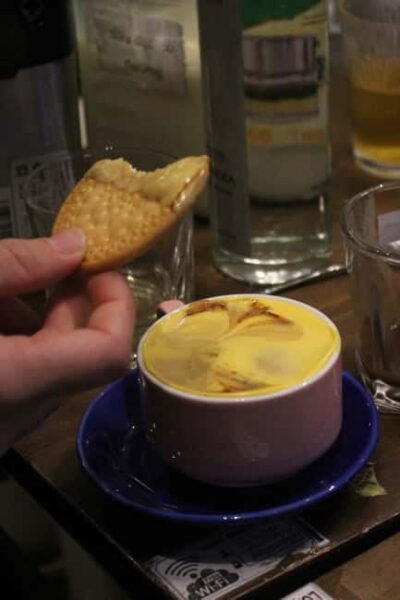
Hanoi: Master the Art of 4-6 Signature Vietnameses Coffees
Read our review →
Hanoi: Vietnamese Street Food Tour with Egg Coffee
Read our review →
Hanoi Cooking Class: Pho/Bun Cha/Banh Xeo…+Free Egg/Salt Coffee
Read our review →
Hanoi: Vietnamese Coffee Workshop with 6 Brews and 8 Recipes
Read our review →