Review · HO CHI MINH CITY
Egg coffee & Course on 4 traditional types of Viet coffee
Vietnamese coffee is more than dark brew poured over ice. In this two-hour hands-on class, you learn how condensed milk, whipped egg, sea salt, and coconut change the drink’s taste and texture. The fun is in making each cup yourself, then seeing how four simple recipes can produce such different results.
I especially like the small-group, step-by-step teaching and the chance to leave with recipes you can use at home. The class also gives useful cultural context, so you understand why Vietnamese coffee is prepared slowly through a drip filter rather than made with the push of a button. The main drawback is the caffeine load: four tastings can be a lot, so eat first and do not feel obliged to finish every cup.
Key points to know
- Four distinct drinks: Make egg coffee, iced condensed milk coffee, sea salt coffee, and coconut milk coffee.
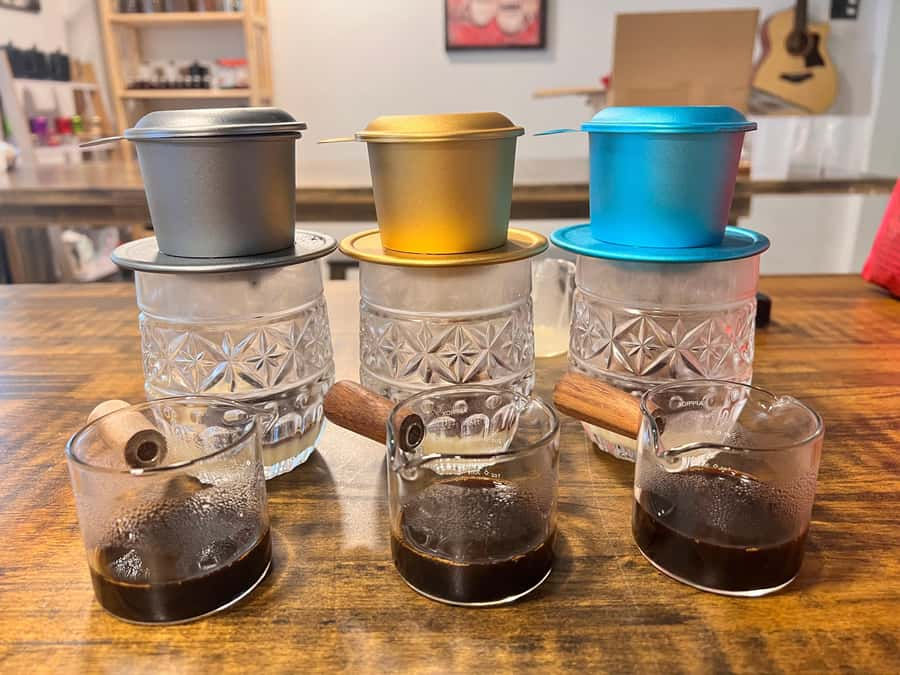
- Traditional technique: Learn how to steep and brew coffee with Vietnamese drip methods.
- Texture matters: Compare whipped egg, creamy coconut, salted foam, ice, and sweetened milk.
- Useful take-home lesson: Recipes are shared at the end, making it easier to repeat the drinks at home.
- Good value at $18: Equipment, ingredients, instruction, tastings, gratuity, and a Q&A are included.
- Plan for strong caffeine: Eat before class, bring water, and skip any cup if you have had enough.
Four Vietnamese coffees, one lively two-hour lesson
This experience works best if you want more than a quick café stop. Instead of ordering one familiar drink, you spend time learning how several Vietnamese styles are built.
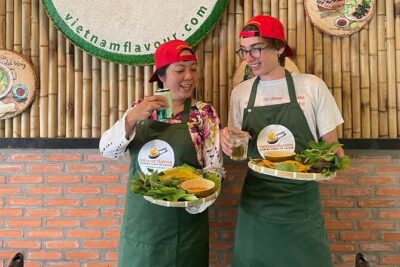
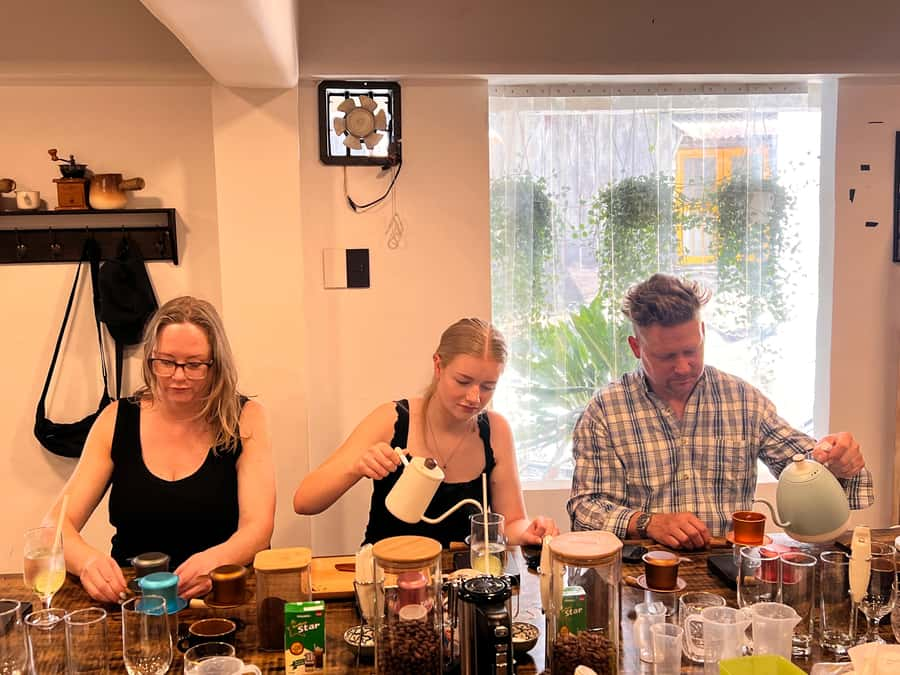
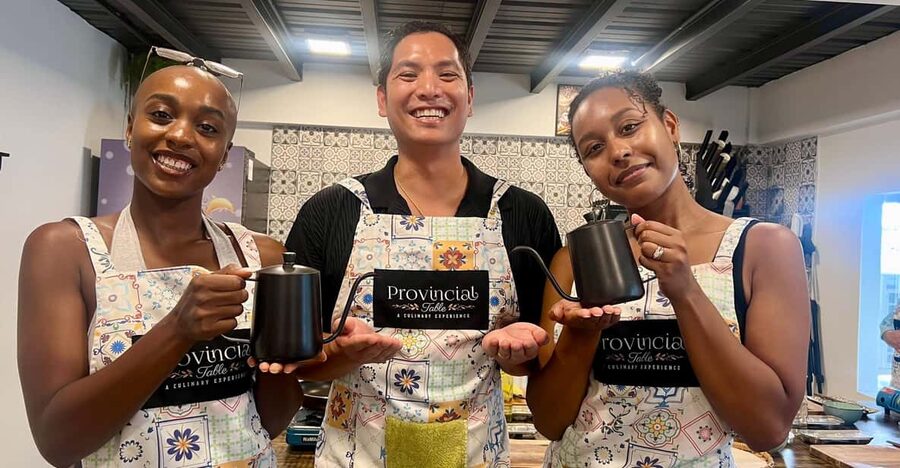
The format is practical. An English- and Vietnamese-speaking barista introduces the coffee traditions of Vietnam, shows you each preparation, and then guides you through the process. You are not simply watching a demonstration. You handle the equipment, follow the steps, and taste the finished drinks.
The class is also a useful break from a packed sightseeing day. Two hours gives you enough time to sit down, listen, make coffee, and ask questions without turning the session into a rushed tasting. It is a good choice for a morning activity, a rainy-day plan, or a final stop before an evening flight.
Hosts named in the activity information include Sarah, Sara, Ann, and Anna. The teaching style is friendly and patient, with repeated praise for clear explanations, humor, and encouragement when participants need help with the technique.
More Egg Coffee Experiences in Ho Chi Minh City
- Decadent Vietnamese “Egg Coffee” Workshop in Hồ Chí Minh City
★ 5.0 · 150 reviews - Techniques & Secrets Behind the Famed Vietnamese Egg Coffee
★ 5.0 · 99 reviews - 1 hour Egg Coffee Cooking Class with Snack and Local Instructor
★ 5.0 · 72 reviews
Starting in Hem 131
Finding the venue takes a little care. If you arrive by taxi or app-based car, you will most likely be dropped at the entrance to Hem 131. Walk down the corridor and look for the fourth building on the left.
Transportation is not included, so allow extra time to reach the meeting point. This is not the sort of activity where you want to arrive flustered, especially if you are carrying a camera or trying to locate the correct entrance in a narrow alley.
The class ends back at the same meeting point. That makes it easy to continue sightseeing afterward, return to your hotel, or arrange a ride to the airport. Since the venue is described by its alley location rather than a major landmark, save the meeting instructions before leaving your hotel.
Coffee culture before the first brew
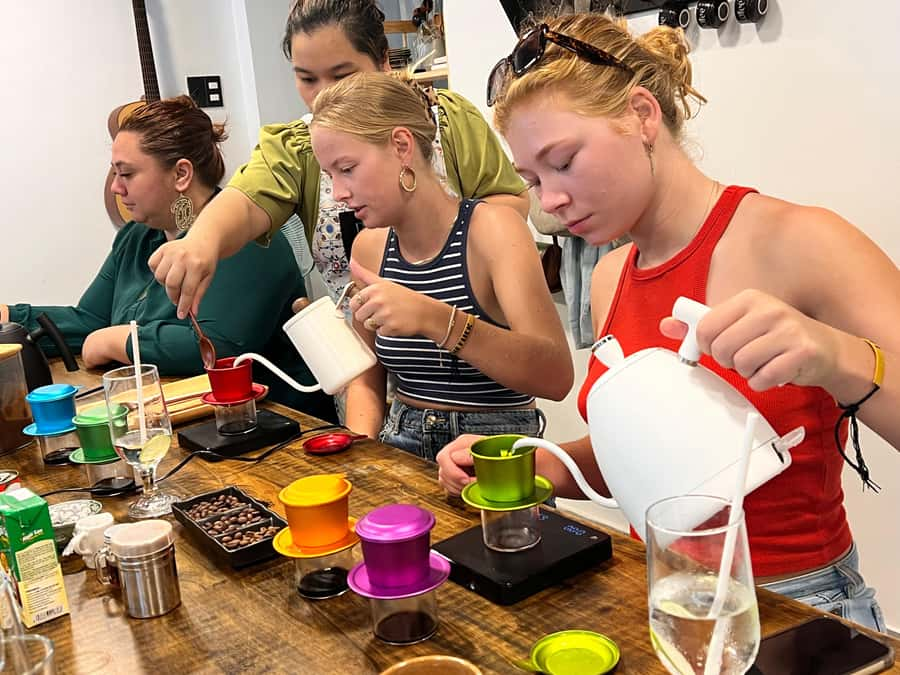
The session begins with an introduction to coffee in Vietnam, including its origins, outside influences, and place in everyday culture. This opening matters because the drinks can seem unusual if you only know coffee as a plain black beverage or a standard latte.
Vietnamese coffee often plays with contrast. Dark, bitter coffee is paired with sweetened milk, whipped egg, salted cream, coconut, ice, or other soft textures. The class explains how these additions are not random decorations. They change the balance of the cup and make the drink feel closer to a dessert in some cases.
I like this part because it gives the recipes a reason. You are not just memorizing ingredients. You learn to notice the role of bitterness, sweetness, temperature, and texture in each drink.
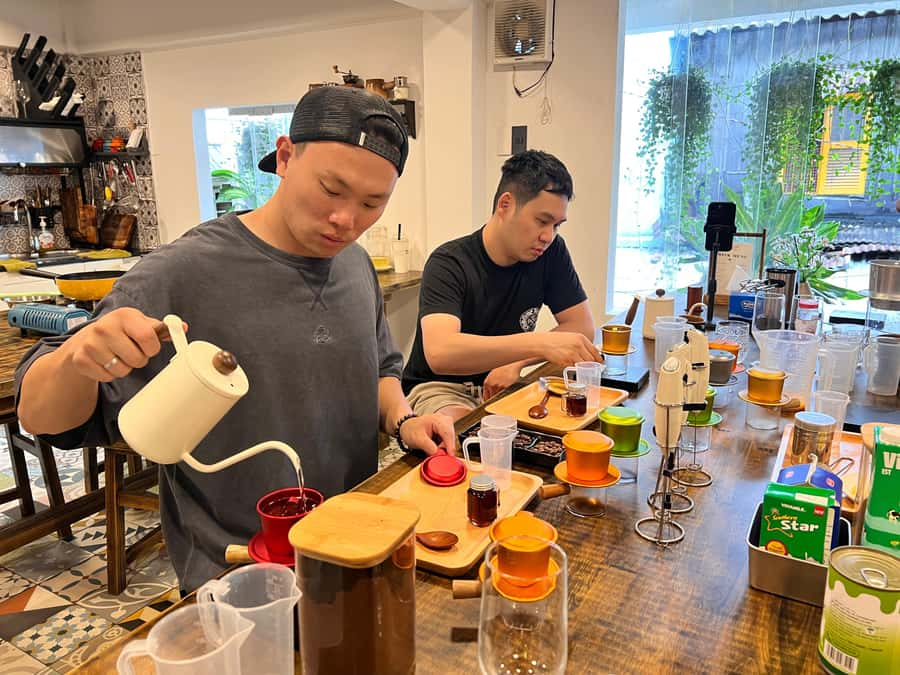
The barista also introduces the slow drip approach used in the class. You will see how the coffee passes through a traditional filter and why patience matters. This is a slower ritual than pressing a button on a machine, but it gives you a better sense of how Vietnamese coffee is prepared at home and in cafés.
Egg coffee: a soft topping over strong coffee
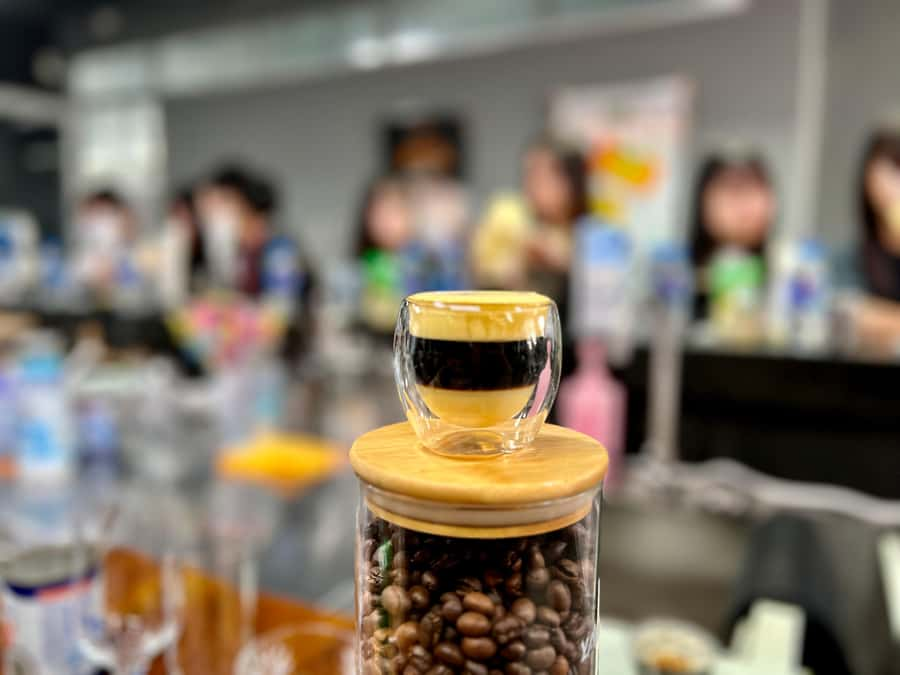
Egg coffee, or Cà Phê Trứng Lòng Đỏ, is likely the most unusual drink in the set. It combines strong Vietnamese coffee with a creamy egg mixture that creates a thick, dessert-like layer.
The important lesson is texture. The egg topping must be prepared so it becomes smooth and light rather than tasting like plain raw egg. With the barista beside you, you can watch the method closely and learn how the topping sits over the coffee.
This is a good example of why a class is more useful than simply ordering the drink. At a café, you taste the finished result but do not see the preparation. Here, you can understand how the bitter coffee and sweet, creamy topping work together.
If egg coffee sounds strange to you, keep an open mind. It is one of the class’s signature creations, and the contrast between hot coffee and cool, soft topping is part of its appeal. You can also control how much you drink if the caffeine begins to catch up with you.
More Vietnamese Coffee Experiences in Ho Chi Minh City
- Fun & Easy Vietnamese Coffee Workshop in Hồ Chí Minh City
★ 5.0 · 293 reviews - Vietnamese Coffee & Culture Exploration in Hồ Chí Minh City
★ 5.0 · 202 reviews - Vietnam Coffee Journey – Make extraordinary tasty coffee yourself
★ 5.0 · 30 reviews - Ho Chi Minh Street Food Tour and Vietnamese Coffee
★ 5.0 · 28 reviews
Iced condensed milk coffee: the everyday classic
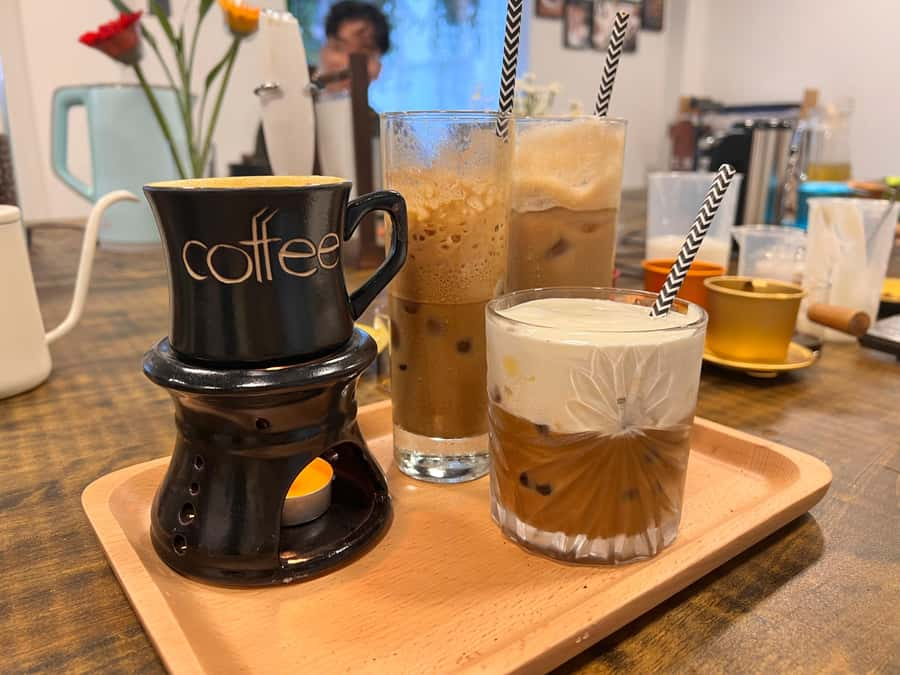
Cà Phê Sữa Đá is the most familiar Vietnamese coffee in the group. It uses dark roast coffee, condensed milk, and ice.
The preparation looks simple, but the balance matters. Too much condensed milk can cover the coffee. Too little can leave the dark roast tasting harsh. The class lets you adjust the proportions and see how the sweetness softens the bitterness.
This is the drink most likely to become part of your routine after the class. It is easy to understand, easy to serve cold, and does not require unusual ingredients beyond Vietnamese-style coffee and condensed milk.
Pay attention to the drip time here. The slow preparation is part of the experience, and the drink tastes different from a hurried iced coffee. You are making a concentrated base, then bringing it together with sweetness and ice.
Sea salt coffee: the surprise favorite
Cà Phê Muối Biển, or sea salt coffee, is often the drink that changes people’s expectations. A little salt can sharpen the coffee and reduce the sense of bitterness, while a creamy topping adds softness.
The trick is moderation. This should not taste like a cup of seawater. The salt works as a seasoning, much as it does in cooking, bringing the other flavors into clearer focus.
I would pay close attention during this part of the lesson because it is the easiest recipe to recreate with a memorable result. The combination of dark coffee, sweetness, creaminess, and a slight salty note gives the drink a clear identity without requiring a long ingredient list.
The sea salt version is also a good reminder that Vietnamese coffee is not fixed in one style. Café culture continues to experiment while keeping the strong drip coffee at the center.
Coconut milk coffee: cold, creamy, and different
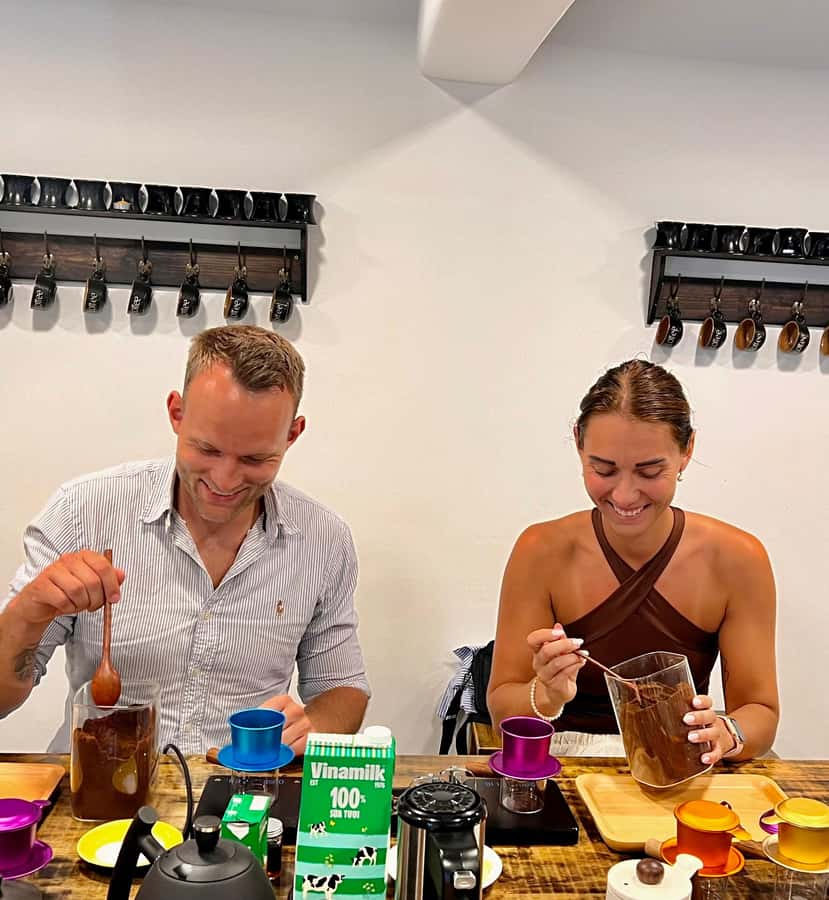
Cà Phê Cốt Dừa combines coffee with coconut milk. Compared with the condensed milk drink, this version feels softer and more tropical, with coconut changing both the aroma and the body of the cup.
The temperature contrast is part of the fun. Cold coconut and ice meet the deep flavor of the coffee, creating a drink that feels closer to a blended dessert than a standard café order, depending on how it is prepared in class.
This is a useful option for anyone who finds black coffee too intense. The coconut does not erase the coffee, but it rounds out the stronger notes. It also gives you another way to adapt the recipe at home if you prefer a less dairy-focused drink.
The class includes vegan options upon request, so tell the provider about dietary needs in advance. You should also report food allergies or restrictions before the workshop begins.
The value of making, tasting, and asking questions
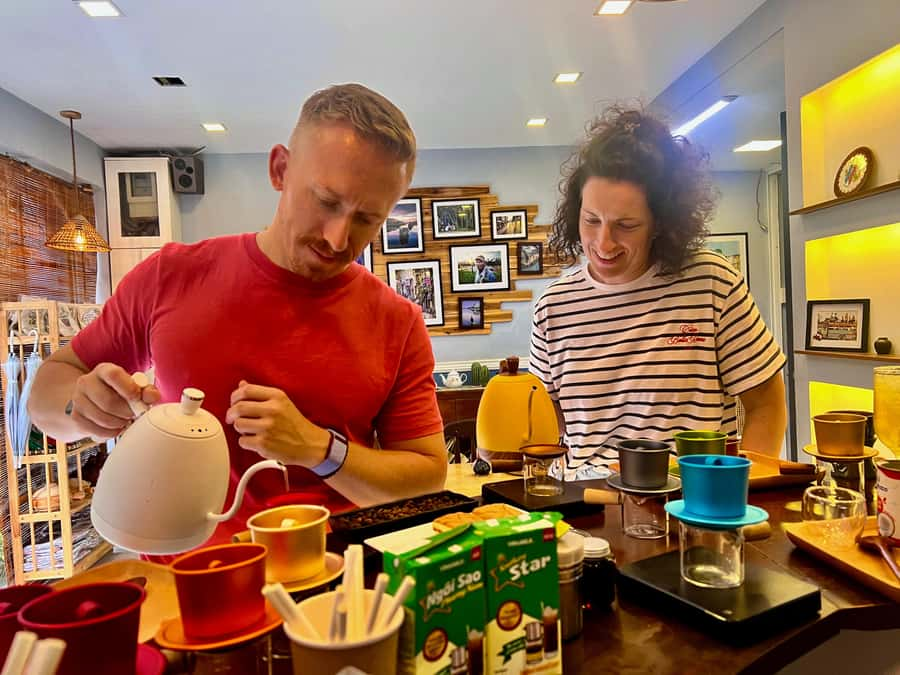
At $18 per person, the price is reasonable for a two-hour activity. You get barista guidance, all equipment, four coffee styles, tastings, a Q&A, and gratuity included.
The value is not just the amount of coffee. You are paying for instruction and for the chance to compare four preparations in one sitting. Ordering four separate specialty drinks could cost more, and it would not teach you how to make them.
The class is especially worthwhile if you enjoy food activities that give you a skill to take home. Recipes are shared at the end, which means you can try the drinks again after returning home. Several participants found this useful, particularly for sea salt coffee and the traditional drip method.
The class also suits people with different levels of coffee experience. You do not need to know how to use a Vietnamese filter before arriving. At the same time, coffee enthusiasts have enough detail to appreciate the differences between beans, roast levels, brewing time, and added ingredients.
A practical warning about caffeine
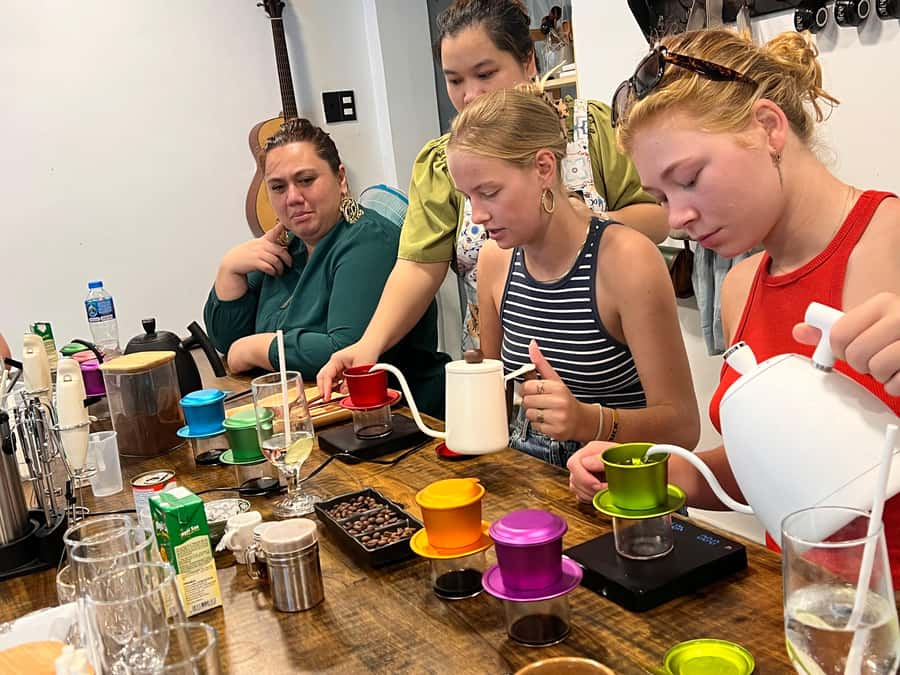
You will make and taste four coffees, and the drinks use strong coffee. This is the one part of the experience you should plan around.
Eat something before class. Bring water. Avoid drinking several coffees immediately before arriving. You can taste each drink without finishing every cup, and it is sensible to stop if you feel the caffeine building.
Pregnant women are advised not to take the activity, and it is not suitable for children under five. People with back problems should also avoid it. Wear comfortable clothing and shoes because this is a hands-on workshop, not a quick seated tasting.
Smoking is not allowed during the activity.
Group atmosphere and teaching style
The class is designed to be interactive, and the guide works through each stage rather than leaving you to guess. That makes it a good pick if you like asking questions or want help with presentation.
The baristas Sarah and Ann are specifically praised in the available information for being patient, funny, friendly, and clear. Other named hosts include Sara and Anna. Since the instructor can vary, bookers should expect the same general format rather than one guaranteed teacher.
Small groups help here. You can watch the demonstration, work at your own pace, and compare your results with the people sharing the table. The class feels social without requiring you to be an expert.
The final Q&A gives you time to ask about coffee preparation, Vietnam’s changing café culture, and ways to make the drinks at home. This is also when you can clarify ingredients or revisit a technique that was easy to miss during the practical work.
Who should book this coffee class?
I would recommend it to coffee drinkers, food-focused visitors, and anyone who wants a short cultural activity with a practical result. It also works well for couples, friends, and solo visitors who enjoy learning alongside a small group.
It is a particularly good choice if you have already tried Vietnamese iced coffee and want to understand the wider range of drinks. It gives you four styles in one sitting, from familiar condensed milk coffee to the more surprising egg and sea salt versions.
You may want to skip it if caffeine affects you strongly, if you dislike sweet drinks, or if you prefer a quiet café visit without instruction. The class involves tasting several preparations, so it is not ideal for someone looking only for a single cup of black coffee.
Free cancellation is available up to 24 hours before the start time, and you can reserve now and pay later. Check the available start times when booking because the schedule may affect how well the class fits with sightseeing or transport plans.
Should you book it?
Book this experience if you want to understand Vietnamese coffee by making it yourself. The strongest reasons are the patient instruction, four distinct drinks, useful recipes, and a price that includes the equipment and tastings.
Go prepared for serious caffeine and a little logistical care when finding Hem 131. Eat first, save the meeting directions, and ask about allergies or vegan requirements before class. If you do that, this is a practical, good-value way to turn a familiar Vietnamese drink into a memorable local skill.
FAQ
How long does the Vietnamese coffee class last?
The activity lasts two hours. Check availability for the exact starting times.
How much does the experience cost?
The listed price is $18 per person.
Which four coffees will I make?
You will make egg coffee, dark roast condensed milk coffee, sea salt coffee, and coconut milk coffee.
Is transportation included?
No. Transportation to the venue is not included. The activity ends back at the meeting point.
How do I find the meeting point?
Drivers will most likely drop you at the start of Hem 131. Walk down the corridor and go to the fourth building on the left.
What languages does the instructor speak?
The instructors speak English and Vietnamese.
Are vegan options available?
Yes. Vegan options are available upon request. Tell the provider about dietary restrictions or allergies before the class.
Should I eat before the activity?
Yes. The class includes four coffee preparations and a lot of caffeine, so you should eat beforehand and bring water.
Can I cancel the booking?
You can cancel up to 24 hours in advance for a full refund. Reserve now and pay later is also available.
Freshly brewed listings in Ho Chi Minh City
- Saigon Special Night Coffee Landmark 81 & Food Tour★ 5.0 · 2 reviews
- Tea & Coffee Experience★ 5.0 · 10 reviews
- Hands-on making 3 Iconic Coffees of South Central North Vietnam★ 5.0 · 14 reviews
- Private Ho Chi Minh City Tour from Port & Vietnamese Egg Coffee★ 5.0 · 6 reviews
- Sai Gon Special Coffee At Landmark 81 & Street Food tour★ 5.0 · 3 reviews
- Drip Craft Coffee Workshop-Discover 4 Famous Types of Viet Coffee★ 5.0 · 2 reviews
- Discover Vietnam’s Coffee Culture.★ 5.0 · 5 reviews
- [Free E-sim] Half day Instagram Cafe Tour in Ho Chi Minh★ 4.5 · 8 reviews
Ho Chi Minh City Coffee Tours, compared.
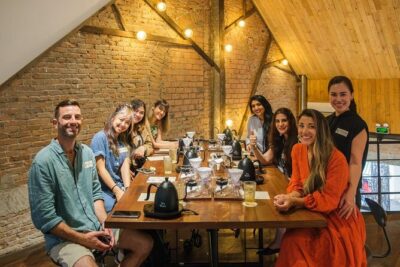
Fun & Easy Vietnamese Coffee Workshop in Hồ Chí Minh City
Read our review →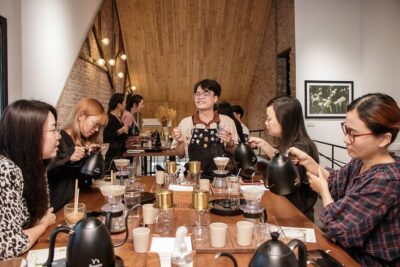
Vietnamese Coffee & Culture Exploration in Hồ Chí Minh City
Read our review →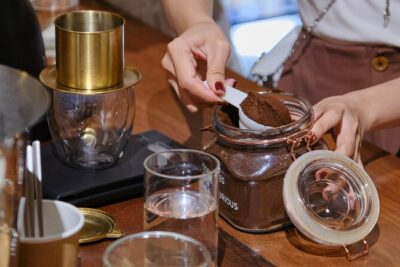
Decadent Vietnamese “Egg Coffee” Workshop in Hồ Chí Minh City
Read our review →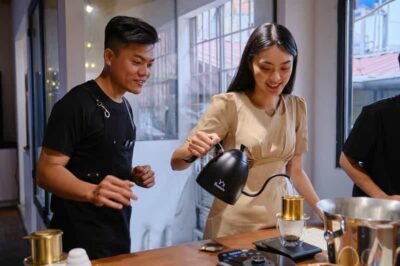
Ho Chi Minh City: Fun and Easy Coffee Workshop for Beginners
Read our review →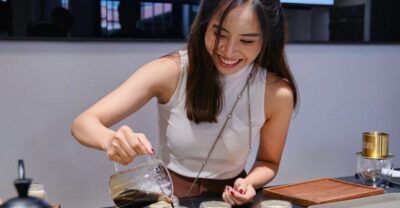
Techniques & Secrets Behind the Famed Vietnamese Egg Coffee
Read our review →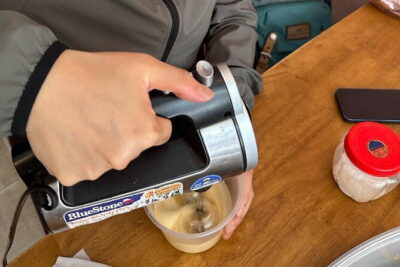
1 hour Egg Coffee Cooking Class with Snack and Local Instructor
Read our review →
Saigon Unseen: Culture, Coffee, Hidden Spots Motorbike Adventure
Read our review →