
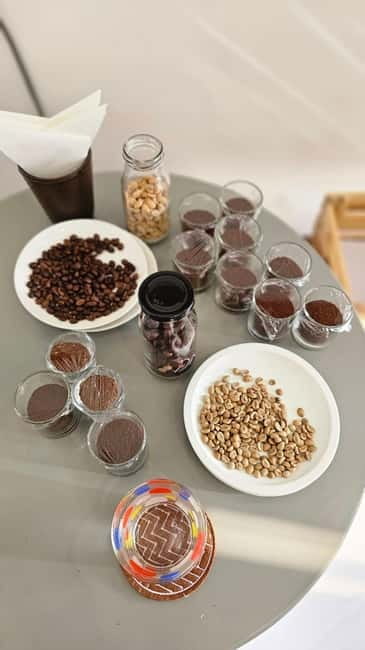
Review · HO CHI MINH CITY
A Complete Vietnam Coffee Journey – The Unknown Giant
Vietnamese coffee is far more than strong coffee poured over condensed milk. In this two-and-a-half-hour workshop, Quynh connects coffee growing, brewing tools, local habits, and national identity through six different drinks. You make and taste the coffee yourself, so the lesson never feels like a lecture.
I like the small group of up to six people, which gives you room to ask questions and adjust the recipes to your taste. I also like the focus on Robusta, a bean often dismissed by coffee drinkers who know only the Arabica-centered story. The main drawback is simple: this is built for curious coffee drinkers, not children, and the caffeine adds up quickly.
Key points
- Six coffee drinks cover traditional and modern Vietnamese styles, including coconut, condensed milk, salt, and egg coffee.
- Quynh leads the session in clear English or Vietnamese and welcomes questions about coffee and Vietnamese culture.
- Hands-on brewing lets you make drinks instead of only watching a demonstration.
- Central location at 40E Ngô Đức Kế makes this easy to fit into a Ho Chi Minh City sightseeing day.
- A local snack is included, with bánh mì, vegetarian or halal bánh mì, croissant, or fresh fruit.
- Two and a half hours for $30 is a fair price if you want context, tasting, and practical brewing advice in one sitting.
Six cups that explain Vietnam
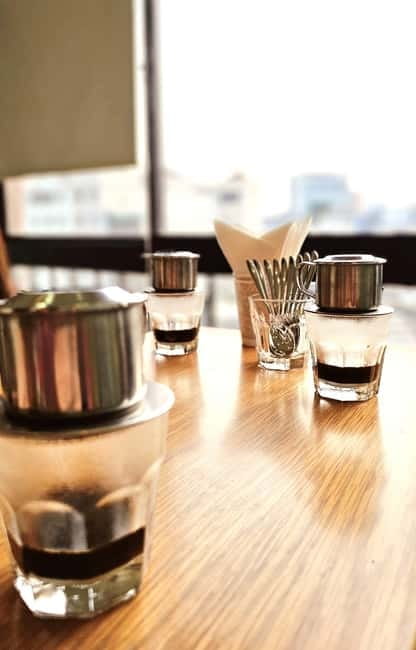
The most useful feature of this experience is its range. You are not handed one famous glass of condensed milk coffee and sent on your way. You work through six drinks and learn why each one tastes and feels different.
The session includes familiar styles such as coffee with condensed milk, along with coconut coffee, salt coffee, and egg coffee. The point is not simply to identify sweet, salty, creamy, or bitter flavors. Quynh explains how ingredients, brewing methods, and equipment shape the final drink.
That makes the workshop useful even if you usually avoid sweet coffee. You can compare the drinks without treating one recipe as the correct version. Vietnamese coffee is presented as a living part of daily life, with regional habits and modern café trends developing alongside it.
You also get to compare traditional and modern approaches. The traditional side may appeal to you if you want to understand the slow, concentrated style associated with Vietnamese coffee. The modern side shows how cafés adapt familiar flavors into newer drinks. The session is not designed as professional barista training, but you leave with a clear sense of what each method does.
More Vietnamese Coffee Experiences in Ho Chi Minh City
- Egg coffee & Course on 4 traditional types of Viet coffee
★ 4.9 · 487 reviews - Fun & Easy Vietnamese Coffee Workshop in Hồ Chí Minh City
★ 5.0 · 293 reviews - Vietnamese Coffee & Culture Exploration in Hồ Chí Minh City
★ 5.0 · 202 reviews
Meeting Quynh at 40E Ngô Đức Kế
The workshop begins and ends at 40E Ngô Đức Kế, right in central Ho Chi Minh City. That is a useful location for a short activity because you do not lose much of your day getting there. You can place it between sightseeing, lunch, or an evening walk through the city center.
The experience lasts 150 minutes. That is long enough to cover coffee history, tasting, brewing, questions, and a snack without turning the session into a full-day commitment. I would allow a little extra time around the booking if you have a fixed restaurant reservation or an airport transfer afterward.
The group is limited to six people. This matters more here than it would on a standard food tour. You will be handling brewing equipment, tasting several drinks, and asking questions. A large group could turn the practical part into a queue. With six or fewer people, you should have a better chance to take part directly.
The activity is offered in English or Vietnamese. Quynh has been hosting the experience for several years and has a very high rating across nearly 800 bookings and platform reviews. More important for you, the feedback points to clear English and a willingness to answer questions well beyond a fixed script.
What the coffee lesson covers
The session begins with the wider coffee story. You learn how coffee reached Vietnam and how the country became a major coffee producer. The important point is that coffee here is not merely an imported café fashion. It has developed into a recognizable part of Vietnamese culture.
Robusta receives special attention. Vietnam is strongly associated with Robusta production, yet many international coffee conversations treat it as the rougher, less refined bean. This workshop gives you a more useful view. You learn what Robusta contributes, why it works well in certain Vietnamese preparations, and how brewing and added ingredients affect its character.
That section is valuable because it helps you taste with better questions. Instead of asking if a drink is simply good or bad, you can ask what the bean, roast, filter, dilution, temperature, and added ingredients are doing. You may not become a coffee expert in one afternoon, but you will understand the main choices behind the cup.
Quynh also places Vietnamese coffee within world coffee culture. The lesson connects local drinks with the wider story of coffee, then brings the focus back to Vietnam. If you already know a fair amount about coffee, you can ask about global comparisons. If you are starting from zero, the explanations are intended to remain concise and practical.
Making your own coffee, not just watching
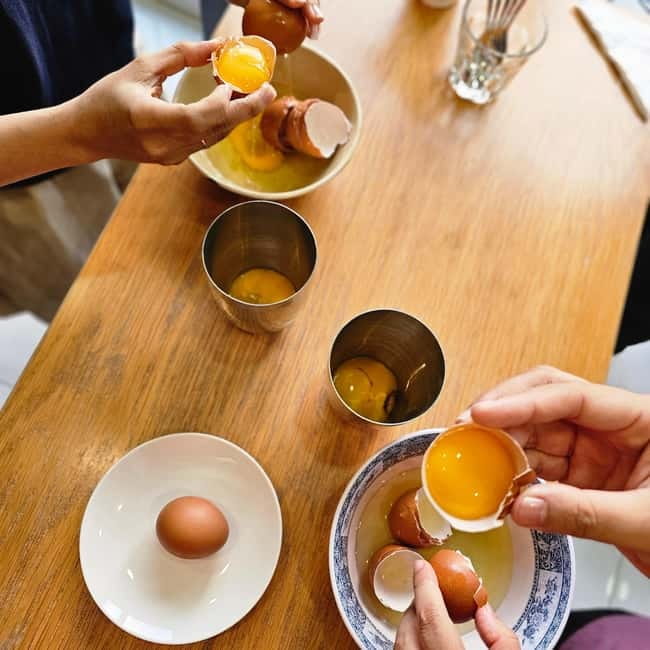
The hands-on part is the reason I would choose this experience over a basic café tasting. You make your own drinks and see how small changes affect the result. You also get tips for adjusting sweetness and strength to suit your own preferences.
This is not a formal certification course. You should not expect a technical training program or professional café qualification. Instead, you learn enough to understand the method and repeat some of the drinks at home.
That distinction is helpful. A class can sometimes focus so heavily on exact procedure that it becomes stiff. This session is built around tasting and understanding. You are encouraged to ask questions, including questions that are not strictly about coffee.
The practical advice should be useful after your trip. You learn about brewing methods and instruments, along with the way they bring out different characteristics. If you like a stronger drink, a less sweet version, or a softer balance, you can ask how to adjust the recipe rather than blindly copying it.
Because six drinks are included, the caffeine level deserves some thought. You might prefer to taste smaller amounts rather than finish every sample. The supplied information does not describe exact serving sizes, so tell Quynh if you have caffeine limits or special dietary needs before the session.
Same town, another way to drink it:
- Decadent Vietnamese “Egg Coffee” Workshop in Hồ Chí Minh City
★ 5.0 · 150 reviews - Ho Chi Minh City: Fun and Easy Coffee Workshop for Beginners
★ 4.9 · 121 reviews - Techniques & Secrets Behind the Famed Vietnamese Egg Coffee
★ 5.0 · 99 reviews - 1 hour Egg Coffee Cooking Class with Snack and Local Instructor
★ 5.0 · 72 reviews
Egg, coconut, salt, and condensed milk
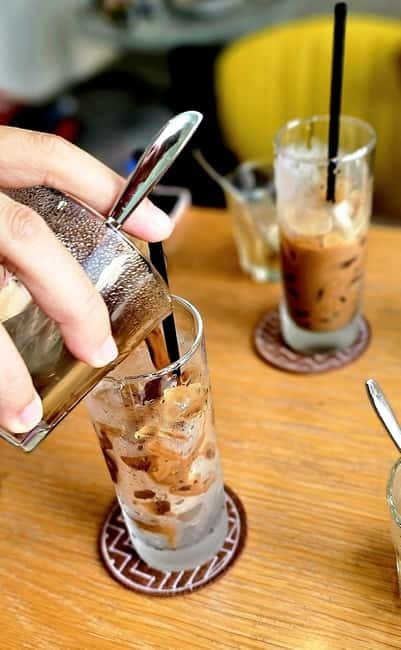
The drinks are the heart of the experience, and each gives you a different entry point into Vietnamese café culture.
Condensed milk coffee is the classic place to start. Its sweetness is not an afterthought. It balances the powerful coffee and gives the drink its familiar thick, dessert-like quality. You learn how the brewing process and milk work together rather than treating condensed milk as something added at random.
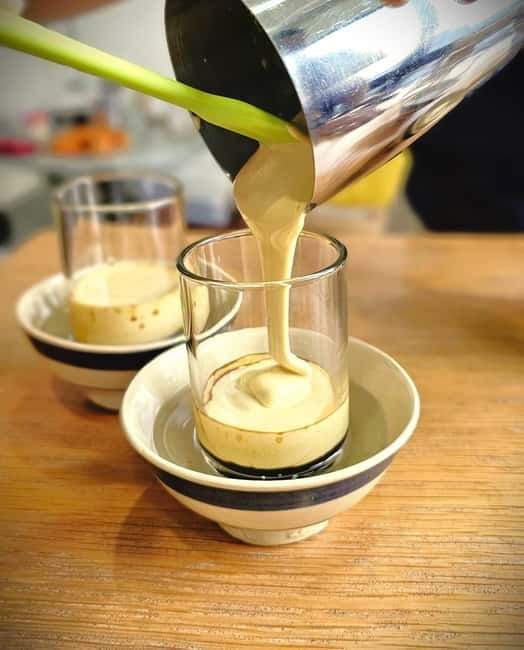
Egg coffee shows how Vietnamese coffee can move into dessert territory. The creamy topping changes the texture as much as the flavor. If you usually drink coffee black, this may be the most surprising cup of the session.
Coconut coffee brings another texture and flavor combination. It shows how local café menus use familiar ingredients to soften or reshape the coffee base. Salt coffee offers a different lesson. A small salty element can change the way you perceive bitterness and sweetness.
These drinks also make the cultural discussion easier to remember. You are not trying to retain a list of dates or production figures. You are tasting the connection between local ingredients, café habits, and changing preferences.
The snack makes the afternoon more practical
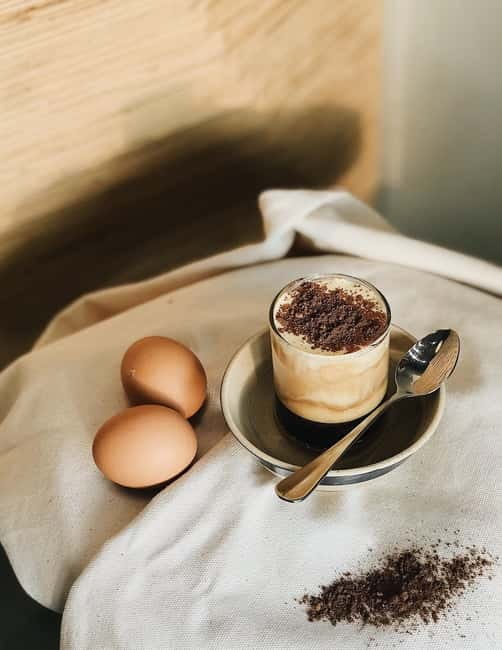
A snack is included, and you choose from a local bánh mì, vegetarian or halal bánh mì, croissant, or fresh fruit. This is a modest detail, but it helps after several coffee samples.
The bánh mì option makes the meal feel more connected to Vietnam. Vegetarian and halal choices are available, which gives you a useful alternative if you do not eat meat. A croissant or fruit may suit you better if you want something lighter.
The snack is not a substitute for a full meal. Think of it as a useful bite during a tasting session. If you arrive hungry, choose the more filling option. If you are sensitive to caffeine on an empty stomach, eating before or during the workshop is sensible.
You should also contact the host about any special requirements. The experience specifically asks you to do so, and it is better to clarify dietary needs in advance than assume every preference can be handled on the day.
Why the small group changes the experience
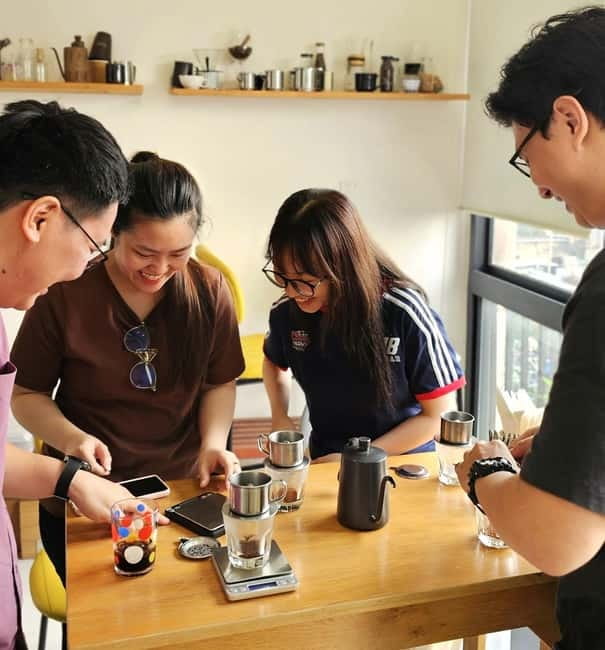
Coffee tasting works best when you can speak up. With a maximum of six participants, you can ask why one coffee tastes heavier, how a drink is sweetened, or what changes when a different brewing instrument is used.
The group size also suits the host’s teaching style. Quynh invites questions and has learned from the questions people bring to the workshop. That suggests a more flexible conversation than a fixed presentation.
Come prepared with a few questions. You might ask how to reduce sweetness, which equipment is easiest to use at home, how Robusta compares with Arabica, or why the same coffee can taste different under another brewing method. The session is designed to handle both coffee questions and wider questions about Vietnam.
The limit is that a small workshop is still a shared activity. You will not control every minute or choose every drink. If you want a private lesson, the supplied information does not promise one, so ask before booking.
$30 value in central Ho Chi Minh City
At $30 per person, this is priced above a simple coffee stop but below a long food tour or private city excursion. The value comes from combining six drinks, a snack, guided explanation, and hands-on preparation in 150 minutes.
If you only want to taste one Vietnamese coffee, you can spend far less in a café. If you want to understand why the drinks differ and learn to make them yourself, the price is more reasonable. You are paying for the host’s time, the range of ingredients, the guided comparisons, and the chance to ask detailed questions.
The central location adds value because you do not need a separate transfer. It also makes the workshop easy to pair with other city activities. The exact starting times depend on availability, so check the schedule before building your day around it.
Free cancellation is available up to 24 hours in advance, and you can reserve now and pay later. Those terms help if your Ho Chi Minh City plans are still moving around. They do not remove the need to check the time carefully, especially if you are fitting the workshop between other bookings.
Who should book this coffee journey
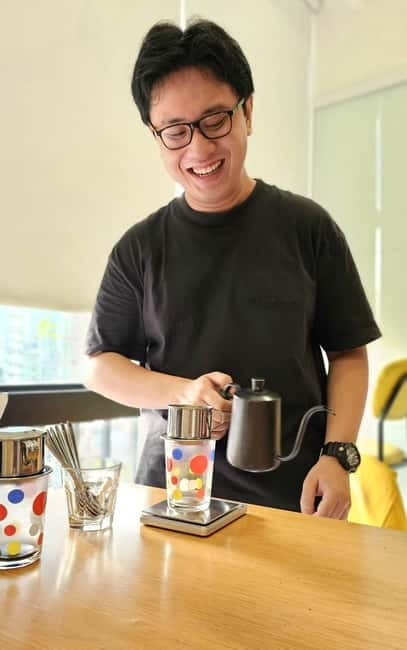
I would recommend this to you if you enjoy understanding what you eat and drink, not just photographing it. It suits coffee drinkers of all experience levels because the session covers basic context while leaving room for detailed questions.
It is also a good choice if you are unsure about Vietnamese coffee. The tasting format lets you try several styles before deciding which one you prefer. Fans of sweet drinks will have plenty to explore, while black coffee drinkers can focus on beans, brewing, strength, and balance.
The experience is less suitable for anyone under 16, since children under that age are not permitted. Six coffee drinks may also be too much if you are very sensitive to caffeine. Ask about serving sizes and special requirements before you book.
The accessibility information needs care. The activity details describe it as wheelchair accessible, but the restrictions also say it is not suitable for wheelchair users. That is a direct conflict. If you use a wheelchair, contact the provider before paying and ask for a clear answer about the entrance, seating, restroom, and movement within the workshop.
Should you book this workshop?
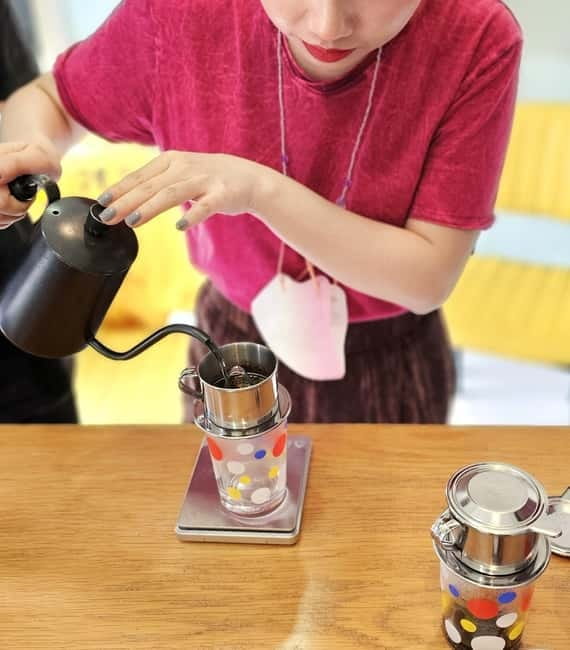
Book it if you want a compact, central, hands-on introduction to Vietnamese coffee, especially if you value context as much as flavor. Quynh’s strong English, broad coffee knowledge, and open question style make this more useful than a quick tasting flight.
Skip it if you only want a fast café visit, dislike sweet or creamy drinks, or need a child-friendly activity. Also check the caffeine load and accessibility details in advance. For most adults who want to understand why Vietnamese coffee tastes the way it does, $30 buys a well-filled afternoon and skills you can use after leaving Saigon.
FAQ
Where does the coffee experience begin and end?
It begins and ends at 40E Ngô Đức Kế in Ho Chi Minh City.
How long does the workshop last?
The experience lasts 150 minutes, or two and a half hours.
How many people can join?
The group is limited to six participants.
Which languages are available?
The experience is offered in English and Vietnamese.
How many coffee drinks are included?
Six different coffee drinks are included.
What types of coffee may be covered?
The experience includes traditional and modern Vietnamese styles, including coconut, condensed milk, salt, and egg coffee.
Is food included?
Yes. You can choose a local bánh mì, vegetarian or halal bánh mì, croissant, or fresh fruit.
Are children allowed to join?
No. The experience is not suitable for children under 16.
Can I cancel or pay later?
You can cancel up to 24 hours in advance for a full refund. You can also reserve your place and pay later.
Freshly brewed listings in Ho Chi Minh City
- Saigon Special Night Coffee Landmark 81 & Food Tour★ 5.0 · 2 reviews
- Tea & Coffee Experience★ 5.0 · 10 reviews
- Hands-on making 3 Iconic Coffees of South Central North Vietnam★ 5.0 · 14 reviews
- Private Ho Chi Minh City Tour from Port & Vietnamese Egg Coffee★ 5.0 · 6 reviews
- Sai Gon Special Coffee At Landmark 81 & Street Food tour★ 5.0 · 3 reviews
- Discover Vietnam’s Coffee Culture.★ 5.0 · 5 reviews
- [Free E-sim] Half day Instagram Cafe Tour in Ho Chi Minh★ 4.5 · 8 reviews
- Drip Craft Coffee Workshop-Discover 4 Famous Types of Viet Coffee★ 5.0 · 2 reviews
Ho Chi Minh City Coffee Tours, compared.
Egg coffee & Course on 4 traditional types of Viet coffee
Read our review →
Fun & Easy Vietnamese Coffee Workshop in Hồ Chí Minh City
Read our review →
Vietnamese Coffee & Culture Exploration in Hồ Chí Minh City
Read our review →
Decadent Vietnamese “Egg Coffee” Workshop in Hồ Chí Minh City
Read our review →
Ho Chi Minh City: Fun and Easy Coffee Workshop for Beginners
Read our review →
Techniques & Secrets Behind the Famed Vietnamese Egg Coffee
Read our review →
1 hour Egg Coffee Cooking Class with Snack and Local Instructor
Read our review →
Saigon Unseen: Culture, Coffee, Hidden Spots Motorbike Adventure
Read our review →Browse the lists this tour appears in