
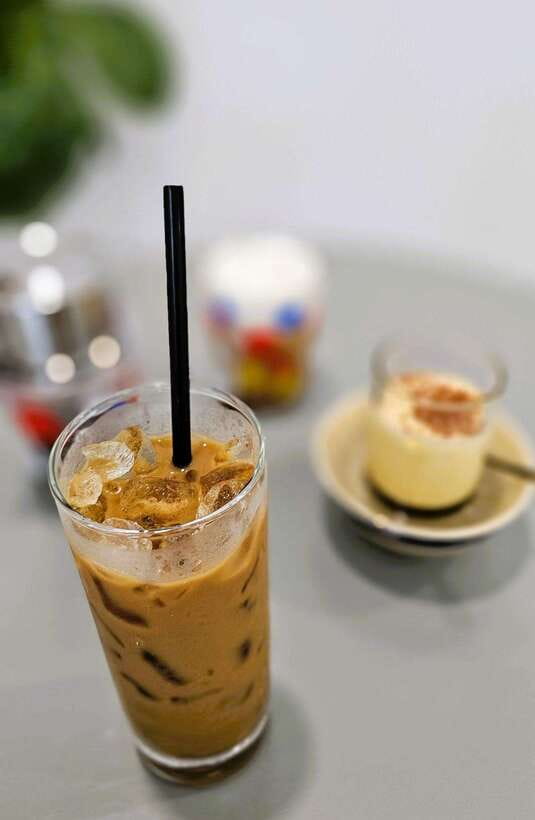
Review · HO CHI MINH CITY
Make 3 Regions Iconic Vietnamese coffees: Brown, Salted, Egg
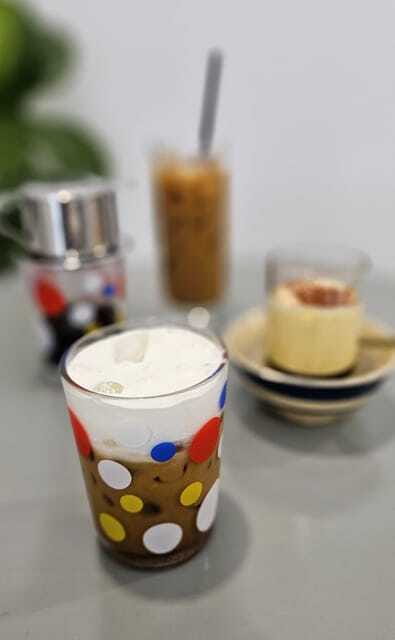
Vietnam’s coffee culture is not one drink but a countrywide story in three cups. In this 90-minute hands-on class, you make southern brown coffee, central salted cream coffee and northern egg coffee while learning how regional habits reflect Vietnam’s different food cultures.
I like the small group, capped at six, and the way Quynh connects brewing technique with history instead of handing you a drink and sending you on your way. I also like the convenient city-center setting, air-conditioned seating and all-inclusive price. The main catch is the caffeine load, so skip coffee for at least two hours before class.
Key points
- Three regional drinks: Make brown coffee from the South, salted cream coffee from central Vietnam and egg coffee from the North.
- A proper phin lesson: Learn how to use Vietnam’s traditional metal coffee filter, including practical brewing tips.
- Quynh leads the class: He brings more than 16 years of food and beverage experience, along with strong English and a lively teaching style.
- Small and social: The group is limited to six people, which leaves room for questions and individual help.
- More than a tasting: You learn how coffee arrived in Vietnam, how it entered daily life and why each region developed its own signature drink.
- Good dietary planning: Vegan, coeliac and lactose-intolerant options are available if you note your needs when booking.
Three Coffees, Three Parts of Vietnam
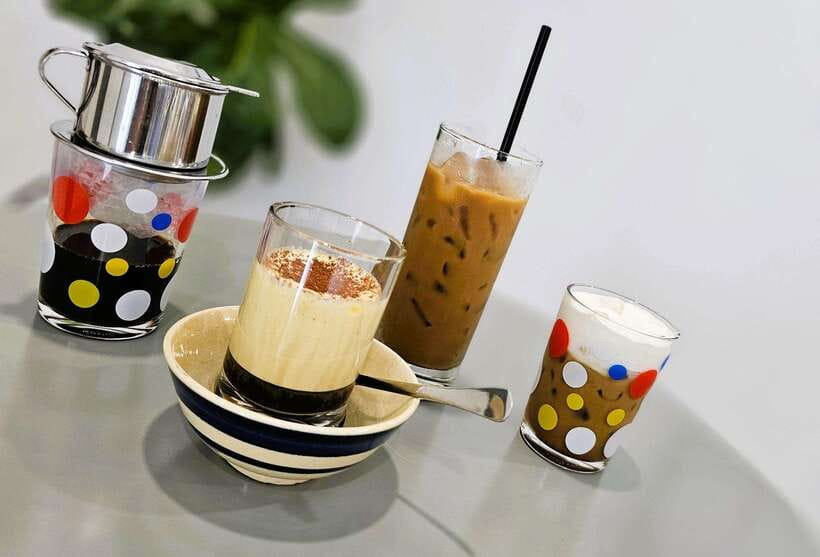
The clever idea here is simple: use coffee to explain regional character. Rather than treating Vietnamese coffee as one fixed recipe, the class shows how the South, Central region and North have their own favored preparations.
You begin with a short introduction to Vietnamese coffee and its place in everyday life. The history is presented as a useful backdrop to the drinks, not as a long academic lecture. You learn how coffee became woven into local routines and why the cup in front of you can say something about where you are in the country.
That context gives the practical work more meaning. You are not simply adding ingredients in the correct order. You are learning why these drinks developed, how they are served and what makes each one recognizably Vietnamese.
The workshop includes four coffee tastings and instruction on making the drinks yourself. The exact flow may vary slightly with the group, but the central task is consistent: you prepare the three iconic styles and taste the results as you go.
More Coffee Tours in Ho Chi Minh City:
- Egg coffee & Course on 4 traditional types of Viet coffee
★ 4.9 · 487 reviews - Fun & Easy Vietnamese Coffee Workshop in Hồ Chí Minh City
★ 5.0 · 293 reviews - Vietnamese Coffee & Culture Exploration in Hồ Chí Minh City
★ 5.0 · 202 reviews
Starting With Southern Brown Coffee
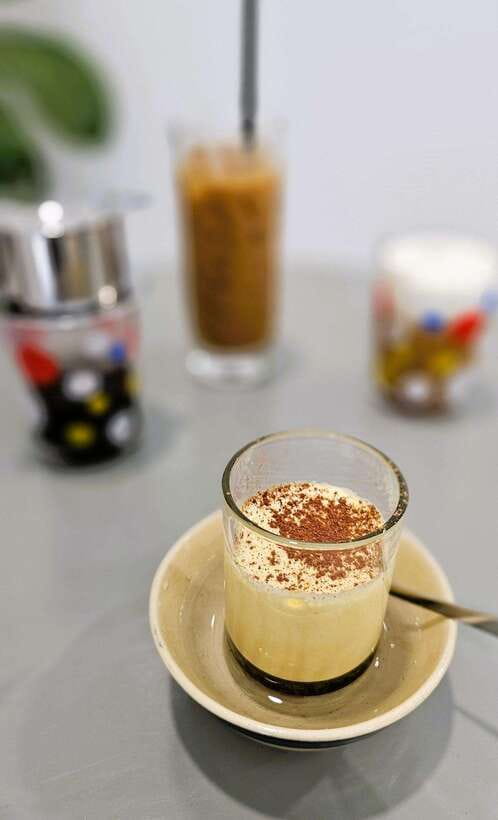
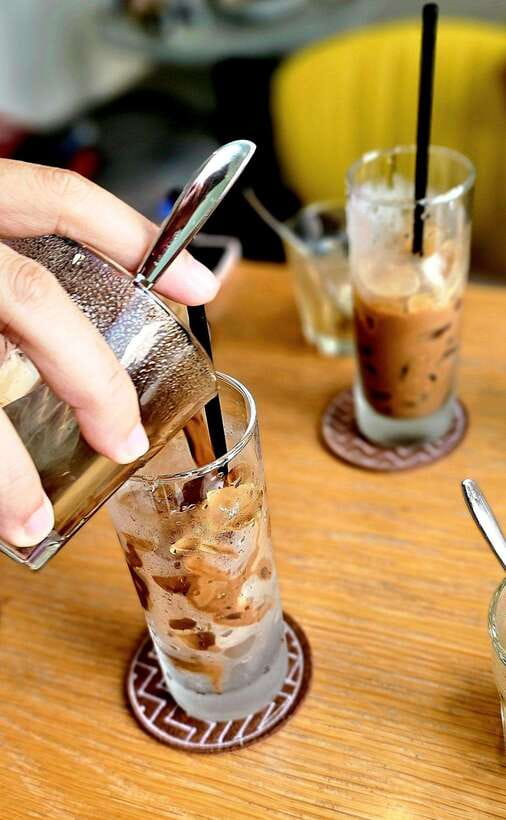
Brown coffee, commonly associated with southern Vietnam, is the most familiar starting point for many people. It pairs strong brewed coffee with condensed milk, creating the sweet, bold drink often seen in cafés across Ho Chi Minh City.
Here, the important lesson is the balance. The coffee needs enough strength to hold its own against the condensed milk, and the phin filter controls the pace of the brew. Quynh shows you the proper way to use the filter, including the small brewing choices that affect the finished cup.
This is where the class earns its keep for home coffee drinkers. A phin is simple, compact and inexpensive, but it does not work like a standard drip machine. You have to understand how the filter sits, how the coffee brews and how patience affects the result.
I like that you make the drink yourself rather than watching a demonstration from a distance. If your first attempt is not perfect, you have a chance to understand why. The process is forgiving, and the group format lets you compare what happened in each cup without turning the session into a formal cooking lesson.
For non-coffee drinkers, brown coffee is still a useful introduction to Vietnamese café culture. It is sweet enough to be approachable, but it also makes the strength of local coffee clear. Do not treat it as a mild breakfast drink.
The Central Region’s Salted Cream Coffee
The salted cream coffee brings a different idea to the table. Associated with central Vietnam, it uses a salty cream component to soften and reshape the coffee rather than simply adding sweetness.
This is a good example of why the regional theme works. The drink is not just another flavored coffee. Its taste depends on contrast, and the salt changes how you notice the bitterness, creaminess and strength of the brew.
Quynh explains the background of the drink while guiding you through its preparation. You get practical instruction, but also a sense of how local café habits can develop into recognizable regional specialties.
The salted coffee is likely to be the most unfamiliar of the three. That is a benefit if you want something beyond the standard café order, though people who dislike strong coffee or unusual sweet-and-salty combinations may need a moment to adjust.
The class is also a useful place to ask questions. With no more than six participants, you are not lost in a large demonstration. The host has room to explain what you are doing and why the drink tastes different from the southern version.
Northern Egg Coffee and the Sweet Finish
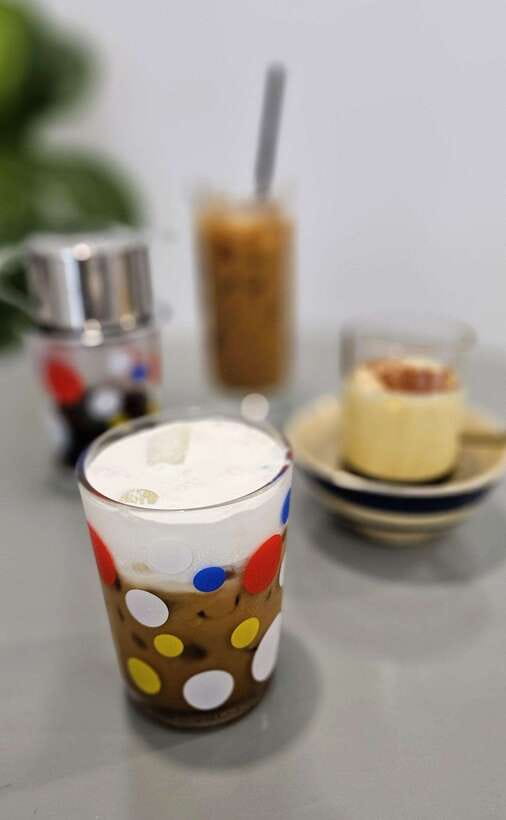
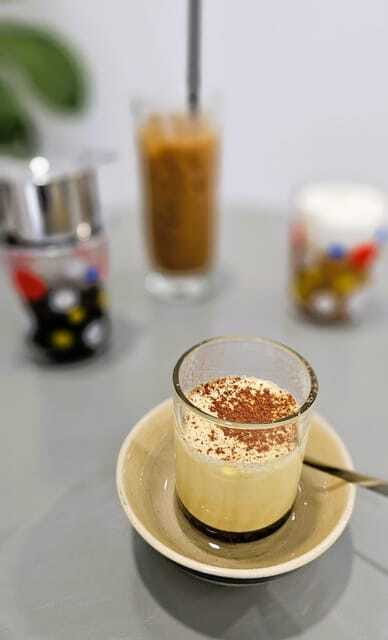
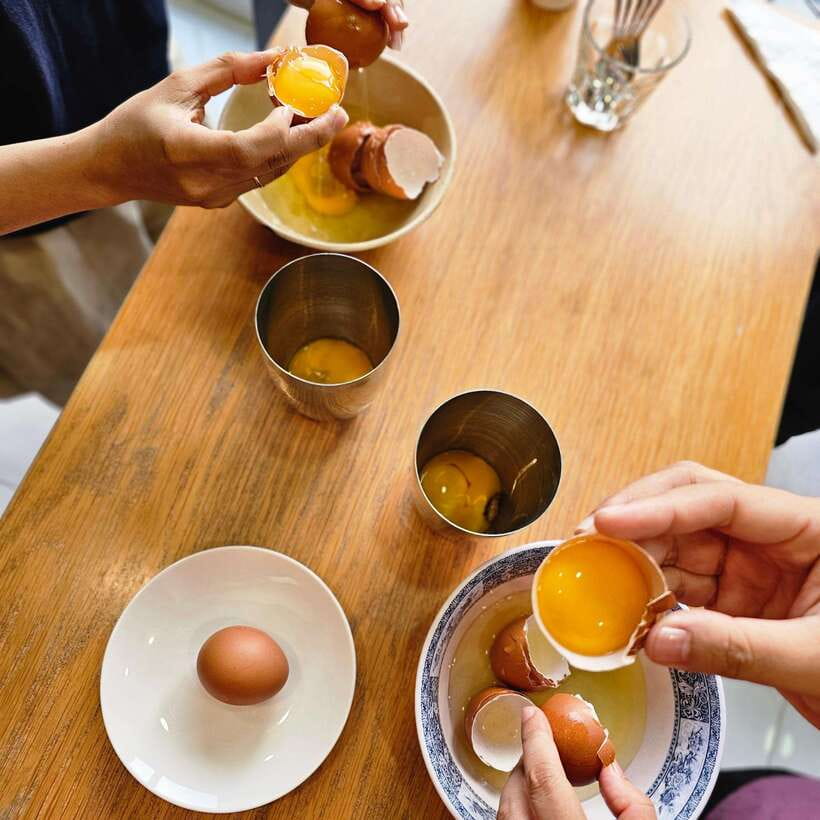
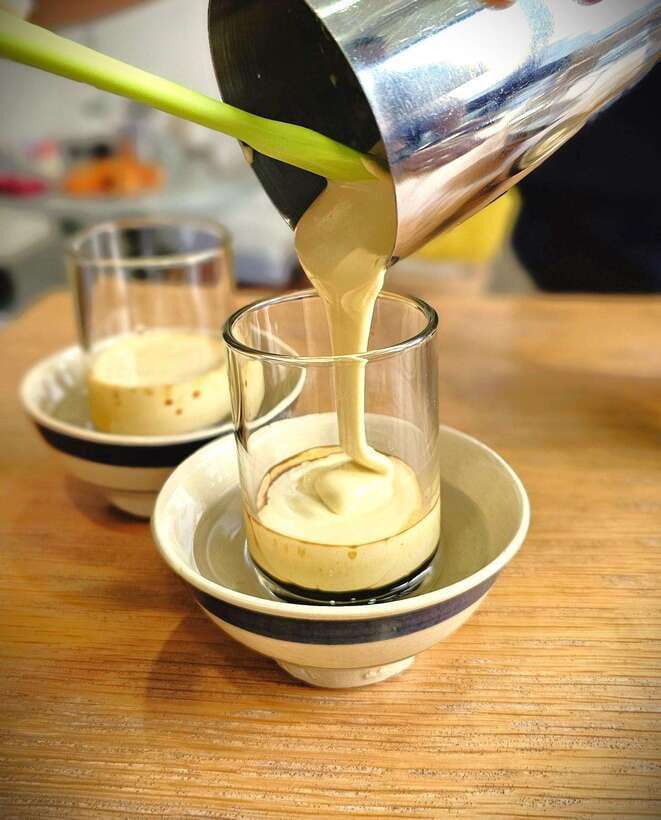
Egg coffee represents the North and provides the most dessert-like stop in the sequence. It combines coffee with a creamy egg-based topping, producing a rich texture and a softer, sweeter experience than a plain black brew.
The preparation is part of the fun. Texture matters, and the topping needs to work with the coffee below it. You are shown how to put the drink together rather than receiving a finished cup with no explanation.
This is the drink that often wins over people who say they are not coffee fans. That does not mean the class is caffeine-free or gentle on the coffee intake. You still taste several preparations, so anyone sensitive to caffeine should take the warning seriously.
The three drinks work well as a set. Brown coffee shows the South’s sweet, strong café style. Salted cream coffee introduces a central variation built around contrast. Egg coffee finishes with a creamy northern specialty. Taken together, they make a more useful lesson than sampling three unrelated drinks.
Same town, another way to drink it:
- Decadent Vietnamese “Egg Coffee” Workshop in Hồ Chí Minh City
★ 5.0 · 150 reviews - Ho Chi Minh City: Fun and Easy Coffee Workshop for Beginners
★ 4.9 · 121 reviews - Techniques & Secrets Behind the Famed Vietnamese Egg Coffee
★ 5.0 · 99 reviews - 1 hour Egg Coffee Cooking Class with Snack and Local Instructor
★ 5.0 · 72 reviews
Quynh’s Teaching Style and the Six-Person Format
The host, Quynh, has more than 16 years of food and beverage experience. His English is described as strong, and his teaching style combines coffee instruction with stories about Vietnam and its food culture.
The most valuable part of his role is the connection between enthusiasm and structure. The session is organized, but it does not sound stiff. You learn the sequence of each drink, receive brewing advice and have space to ask about coffee, history and daily life.
Past participants have found the class engaging even when they normally dislike formal lessons. That is important. This is not aimed only at coffee professionals or serious home baristas. You can join with basic interest and still leave with a better sense of how Vietnamese coffee works.
The group limit of six matters. A large class could turn the hands-on element into a crowded demonstration, especially when everyone is handling filters and ingredients. Here, you should have a better chance of getting direct help and seeing the details clearly.
The small format also suits solo visitors and couples who want a social activity without joining a packed tour. At the same time, it is still a group experience, so do not book it expecting a private, silent tasting.
A Simple Local Snack With a Local Twist
The food included is plain bánh mì with condensed milk. It is a modest snack rather than a full meal, but it fits the class well.
The snack gives you something to eat alongside a substantial amount of coffee. It also shows another simple use of condensed milk in local food culture. The focus remains coffee, so you should not arrive expecting a cooking workshop or a large spread.
If you are vegan, coeliac or lactose intolerant, alternatives are available. You need to note this when booking so the team can prepare properly. The provided information does not specify each substitute, so mention your needs clearly rather than assuming a standard replacement will be ready.
Why the City-Center Location Helps
The workshop takes place in a convenient location in the heart of the city. That makes it easy to fit into a day of sightseeing in Ho Chi Minh City, particularly if you want an indoor break from traffic, heat and busy streets.
The air-conditioned seating is more than a minor comfort. Coffee preparation requires attention, and a cool, comfortable room makes it easier to listen, taste and work with the equipment. You are not trying to follow a brewing lesson while standing outdoors or rushing between stops.
The activity lasts 90 minutes, which is long enough to cover the three drinks without taking over your day. It can fit before lunch, between city sights or near the end of an itinerary. The timing also makes it a useful choice for a final-day activity, when you want one last focused experience rather than another long excursion.
Is $22 Good Value?
At $22 per person, this is not the cheapest way to drink coffee in Vietnam. You can order a strong local coffee for very little money. That comparison, however, misses what you are paying for.
The price includes four coffee tastings, instruction on making the drinks, use of a comfortable air-conditioned space, the local snack and all other listed charges. You also receive an explanation of the phin filter and the regional background of each drink.
I see the value in the teaching rather than the ingredients. If you only want a caffeine break, spend less at a café. If you want to understand what you are drinking and learn techniques you can repeat later, $22 is a fair price for a small, guided session.
The six-person limit improves the value further. You are paying for access to a host who can answer questions and help with the preparation, not just for a tasting tray. The activity makes the most sense for people who enjoy participation and conversation.
Who Should Book This Coffee Workshop?
This class suits you if you want an indoor activity with a clear cultural theme. It is especially useful early in a Vietnam trip, because you can recognize the drinks later in cafés and understand what you are ordering.
It also works well for:
- Coffee fans who want to learn the phin method
- People curious about regional food traditions
- Couples or friends looking for a short shared activity
- Solo visitors who prefer a small group
- People who do not usually take classes but enjoy practical demonstrations
- Anyone with a final free morning or afternoon in Ho Chi Minh City
You do not need to be a home barista. The class is designed around making the drinks yourself, but the host provides the structure and guidance.
The activity is not suitable for children under 14 or people over 95. There is conflicting information about wheelchair access: the activity details describe the venue as wheelchair accessible, while the restrictions say it is not suitable for wheelchair users. If accessibility affects your booking, confirm the current arrangements directly before paying.
The caffeine level is the main practical concern for everyone. Four tastings can add up, so avoid coffee for at least two hours before the start. If you are highly sensitive to caffeine, this may not be the right food activity for you.
Booking Flexibility and What to Note
You can cancel up to 24 hours before the start for a full refund. The reserve-now, pay-later option also lets you hold a place without paying immediately, which helps when your Ho Chi Minh City plans are still shifting.
The class is taught in English. Dietary alternatives are available for vegan, coeliac and lactose-intolerant participants, but you must include the request when booking.
The experience provider is Vietnam Coffee Journey – Day. Since the group is limited to six, check availability for your preferred start time rather than assuming there will be space on the day.
Should You Book It?
I would book this if you want more than a quick cup and prefer a practical cultural activity over a passive tasting. The best reasons are the three-region structure, the hands-on phin practice and Quynh’s mix of coffee knowledge, humor and personal interest in Vietnam.
I would skip it if you dislike coffee, have a strong caffeine sensitivity or only want the lowest-cost café experience. For everyone else, $22 buys a focused 90 minutes, four tastings, a snack and a useful introduction to one of Vietnam’s most distinctive everyday traditions.
FAQ
How long does the Vietnamese coffee workshop last?
The activity lasts 90 minutes.
How much does the experience cost?
The price is $22 per person.
Which Vietnamese coffees will I make?
You will make southern brown coffee, central salted cream coffee and northern egg coffee.
How many coffee tastings are included?
Four coffee tastings are included, along with instruction on how to make the drinks.
Will I learn how to use a Vietnamese phin filter?
Yes. The workshop includes guidance on the proper way to use the traditional phin dripper, along with brewing tips.
Who teaches the class?
Quynh leads the class. He has more than 16 years of food and beverage experience and teaches in English.
How large is the group?
The group is limited to six participants.
Is food included?
Yes. A simple local snack of plain bánh mì with condensed milk is included.
Are dietary alternatives available?
Alternatives are available for vegan, coeliac and lactose-intolerant participants. You should note your dietary needs when booking.
Can I cancel the activity?
Yes. You can cancel up to 24 hours in advance for a full refund. Reserve-now, pay-later booking is also available.
Freshly brewed listings in Ho Chi Minh City
- Saigon Special Night Coffee Landmark 81 & Food Tour★ 5.0 · 2 reviews
- Tea & Coffee Experience★ 5.0 · 10 reviews
- Hands-on making 3 Iconic Coffees of South Central North Vietnam★ 5.0 · 14 reviews
- Private Ho Chi Minh City Tour from Port & Vietnamese Egg Coffee★ 5.0 · 6 reviews
- Sai Gon Special Coffee At Landmark 81 & Street Food tour★ 5.0 · 3 reviews
- Discover Vietnam’s Coffee Culture.★ 5.0 · 5 reviews
- [Free E-sim] Half day Instagram Cafe Tour in Ho Chi Minh★ 4.5 · 8 reviews
- Drip Craft Coffee Workshop-Discover 4 Famous Types of Viet Coffee★ 5.0 · 2 reviews
Ho Chi Minh City Coffee Tours, compared.
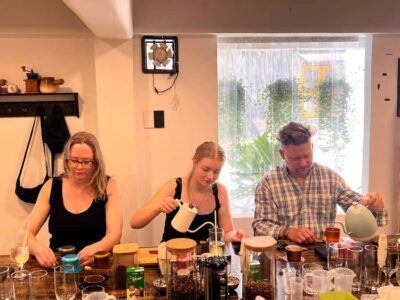
Egg coffee & Course on 4 traditional types of Viet coffee
Read our review →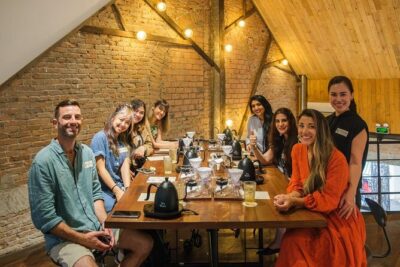
Fun & Easy Vietnamese Coffee Workshop in Hồ Chí Minh City
Read our review →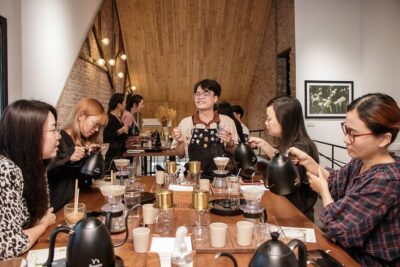
Vietnamese Coffee & Culture Exploration in Hồ Chí Minh City
Read our review →
Decadent Vietnamese “Egg Coffee” Workshop in Hồ Chí Minh City
Read our review →
Ho Chi Minh City: Fun and Easy Coffee Workshop for Beginners
Read our review →
Techniques & Secrets Behind the Famed Vietnamese Egg Coffee
Read our review →
1 hour Egg Coffee Cooking Class with Snack and Local Instructor
Read our review →
Saigon Unseen: Culture, Coffee, Hidden Spots Motorbike Adventure
Read our review →Browse the lists this tour appears in