

Review · HANOI
Hanoi Coffee Classes
Hanoi’s coffee culture comes through best when you make the drinks yourself. In about two hours, this small-group class takes you from phin-filter coffee and the Arabica versus Robusta debate to Hanoi egg coffee, central Vietnam salt coffee, and a modern cold brew.
I like the clear regional focus, especially the way egg coffee represents northern Hanoi while salt coffee points south toward central Vietnam. I also like that the group is capped at eight people, with an English-speaking barista, all class drinks, water, and Old Quarter pickup included.
The main caution is simple: the available feedback is limited and largely concerns the provider’s wider food tours, not this coffee class itself. If you want a long roasting workshop or a formal coffee certification, this two-hour tasting and preparation class may feel too light.
What makes this coffee class worth considering
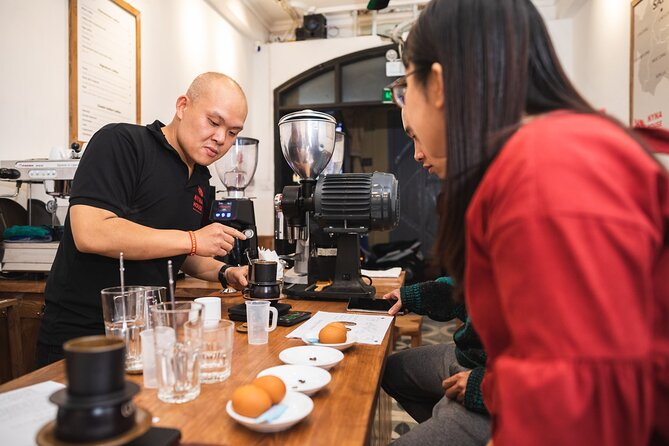
- You compare Arabica and Robusta by brewing both with Vietnam’s classic phin filter.
- You prepare four different drinks, including egg coffee, salt coffee, cold brew, and a peanut butter coffee bonus.
- You get regional context, with northern, central, and modern Vietnamese coffee styles explained through the recipes.
- You work with an English-speaking barista, rather than simply watching a demonstration.
- Your group can have up to eight people, a useful size for asking questions and getting hands-on time.
- Old Quarter pickup and every class drink are included, which makes the $55 price easier to assess.
Starting with the phin at Phố Hàng Bè
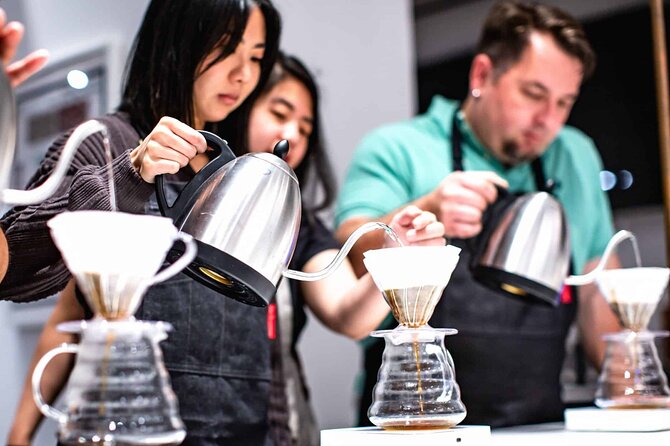
The class takes place around Phố Hàng Bè, in Hanoi’s Old Quarter, an area well suited to a short food-and-drink activity. Pickup is offered within the Old Quarter using local transportation, so you do not need to arrange a separate taxi for the start if your hotel is in that zone.
The first practical lesson is the Vietnamese phin filter. This small metal brewer sits directly over your cup and lets coffee drip slowly through a perforated chamber. It is less automated than a capsule machine and much slower than a typical café brewer, but that pace is part of the experience.
You make coffee with both Arabica and Robusta beans. This comparison gives you something useful to take away: Vietnamese coffee is not one single flavor. Arabica is generally associated with a lighter, more aromatic cup, while Robusta is known for heavier body and stronger bitterness. The class lets you taste the difference directly rather than relying on a lecture.
The barista also explains the tips behind typical Vietnamese coffee drinks. That matters because the phin is not only equipment. The grind, amount of coffee, water, drip speed, and balance of sweetness all affect the final cup.
I like this opening because it gives the class a firm foundation. You learn the most recognizable brewing method first, then see how the same coffee culture branches into richer, sweeter, saltier, and colder drinks.
More Coffee Tours in Hanoi:
- Hanoi Coffee Experience: 6 Brews, 9 Recipes & 3 Liquor Tastings
★ 5.0 · 2,945 reviews - Hanoi Coffee Workshop: Taste Salt, Coconut and Egg Coffee
★ 5.0 · 1,286 reviews - Hanoi: Salt Coffee Workshop Awake Your Senses With 6 Brews
★ 5.0 · 792 reviews
Making Hanoi egg coffee from scratch
Egg coffee is the class’s northern signature. Hanoi is especially associated with this drink, which uses a sweet, creamy egg mixture over coffee. Its texture is part of the appeal: it can feel closer to a soft dessert topping than to milk added to a regular cup.
You prepare it yourself using the recipe taught by the Hanoi Coffee Station barista. The value here is not just the final taste. You get to see how a few familiar ingredients can create a drink that feels completely different from a standard café order.
This is also the clearest cultural lesson in the class. Egg coffee represents Hanoi’s coffee tradition, so the drink carries a sense of place beyond its ingredients. The instructor explains the story behind it while showing you how to make it, giving the recipe a local frame rather than treating it as a novelty.
For many people, this will be the most memorable drink of the session. It is unusual enough to feel special, but accessible enough for first-time coffee drinkers. If you prefer black coffee with no sweetness, though, this part may be less appealing.
Salt coffee brings central Vietnam into the cup
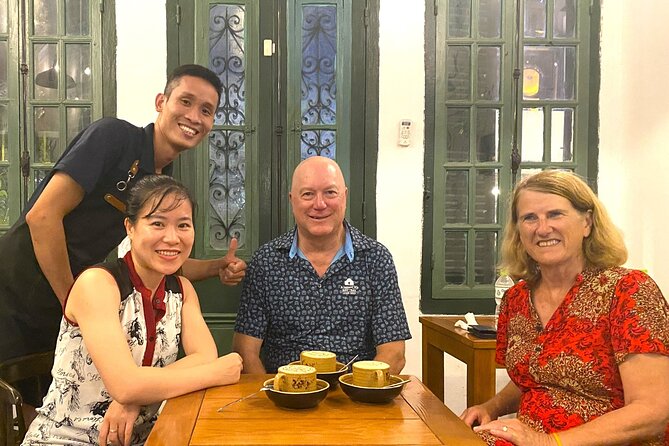
Next comes salt coffee, presented as a drink linked with central Vietnamese coffee culture. The idea may sound odd until you taste it. Salt can temper bitterness and sharpen other flavors, much as a small pinch of salt can improve certain sweet foods.
You make this version under the barista’s direction, so the process remains hands-on. The class does not simply place a finished cup in front of you. You take part in the preparation and can understand how the salty element fits into the drink.
This regional contrast gives the itinerary a useful shape. Egg coffee points to Hanoi and the north, while salt coffee introduces another part of Vietnam through a very different flavor balance. In two hours, you are not attempting to cover the whole country, but you do get a compact look at how coffee habits vary by place.
I would especially recommend this part to curious eaters who enjoy trying combinations that are not common in their home cafés. It may be less suitable for someone who wants only classic espresso or plain drip coffee.
Cold brew with a modern Vietnamese twist
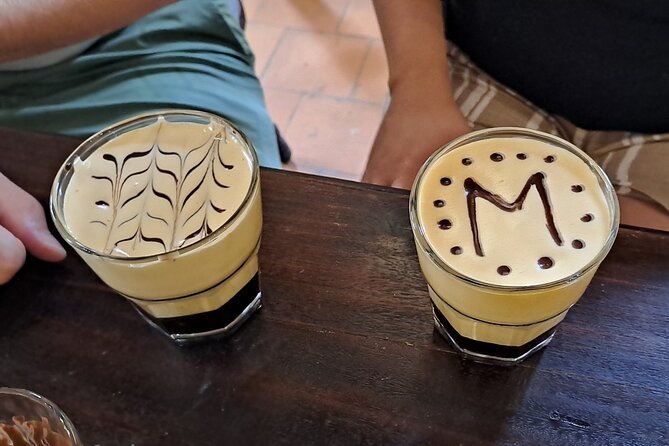
The final main preparation is cold brew coffee. It represents the third-wave coffee movement in Vietnam, according to the class description, and includes a special mixed element rather than serving as plain chilled coffee.
The phrase third wave generally points to a more ingredient-focused approach, with attention to bean character, brewing method, and presentation. Here, the class connects that newer style with Vietnamese coffee rather than presenting tradition and modern café culture as separate worlds.
Cold brew also changes the rhythm of the class. The phin is slow and warm, egg coffee is creamy and sweet, salt coffee is savory, and cold brew brings a cooler, more contemporary finish. The range keeps the two hours varied.
Because the precise twist is not specified in the available information, you should expect the barista to reveal the final mix during the class rather than arrive with a fixed expectation. That is one small uncertainty, but it also leaves room for the drink to be a surprise.
Same town, another way to drink it:
- Hanoi: Master the Art of 4-6 Signature Vietnameses Coffees
★ 5.0 · 517 reviews - Hanoi: Vietnamese Street Food Tour with Egg Coffee
★ 4.9 · 315 reviews - Hanoi Cooking Class: Pho/Bun Cha/Banh Xeo…+Free Egg/Salt Coffee
★ 5.0 · 267 reviews - Hanoi: Vietnamese Coffee Workshop with 6 Brews and 8 Recipes
★ 5.0 · 237 reviews
The peanut butter coffee bonus
A bonus tasting adds peanut butter coffee. This is not one of the four central lessons, but it gives the session one more unusual flavor combination before it ends.
Peanut butter and coffee can produce a thick, roasted, nutty profile. You may find it more filling and dessert-like than the phin coffee served at the beginning. It is a useful extra for anyone who enjoys sweet or rich café drinks.
The bonus also helps explain the $55 price. You are not paying only for one brewing lesson. You are sampling a set of drinks, comparing coffee styles, hearing the stories behind them, and making several recipes with guidance.
Still, value depends on your interests. If you rarely drink coffee, the number of preparations may feel excessive. If coffee is part of the reason you came to Vietnam, the variety makes the class much more worthwhile.
Why the small group size matters
The maximum group size is eight people. That is not a private lesson, but it is small enough to make the format more practical than a large demonstration.
You should have a better chance to see the barista’s technique, ask questions, and take part in the recipes. Hands-on classes can become frustrating when the group is too large, especially when everyone must share tools or wait for a turn. An eight-person limit helps reduce that problem.
The class is also a good fit for mixed groups. One person can focus on brewing, another can ask about beans, and others can concentrate on taste. Children can participate, but they must be accompanied by an adult.
The available comments about the provider’s broader local food work point to a relaxed style, local stops, generous portions, and guides who use humor. One guide named Tom is praised for helping people feel comfortable soon after arrival in Hanoi. That does not confirm Tom will lead your coffee class, and the coffee instructor may be someone else, but it suggests the provider is used to informal, personal introductions to local food culture.
Is $55 a fair price?
At $55 per person, this is not the cheapest way to drink coffee in Hanoi. You can buy a phin coffee, egg coffee, or salt coffee at local cafés for a small fraction of the cost.
The comparison is not really café price versus tour price, though. You are paying for instruction, several drinks, the chance to prepare them, regional explanations, bottled water, and Old Quarter pickup. The group is also limited to eight, and the class lasts about two hours.
I see the price as reasonable if you want an organized, English-language introduction and would otherwise struggle to understand what you are ordering. It is less compelling if you are comfortable wandering into cafés, asking questions, and learning by trial and error.
The inclusion of all class drinks is important. You do not need to keep adding small payments as each recipe appears. Pickup within the Old Quarter adds convenience, though transportation outside that area costs 490,000 Vietnamese dong per group.
Who should book this class?
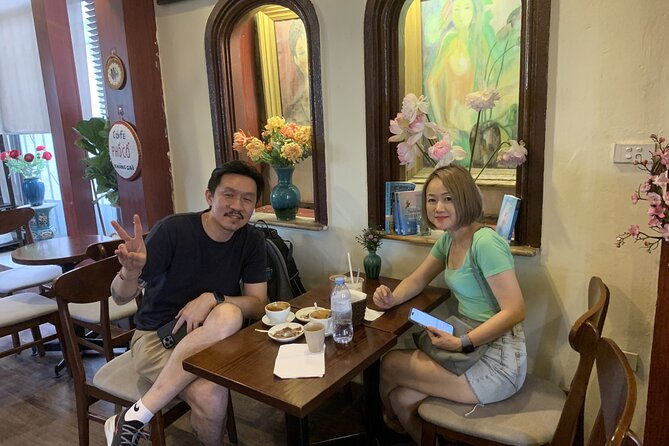
This experience suits coffee drinkers who want more than a quick cup and prefer a short activity with a clear beginning and end. It is also a good choice for first-time visitors who want a direct introduction to Vietnamese café customs without committing half a day.
Couples, families with an adult accompanying each child, and small groups of friends should find the format easy to manage. The mobile ticket and nearby public transportation make it practical to fit into a day of Old Quarter sightseeing.
You will get the most from it if you enjoy tasting contrasts. The class moves from Arabica to Robusta, black coffee to sweet egg coffee, savory salt coffee to chilled cold brew, then adds peanut butter coffee. That is a lot of flavor in a short time.
You may want to skip it if you are looking for a serious roasting course. Although the overview refers to roasting, grinding, and brewing, the detailed class sequence focuses on making and tasting drinks through the phin, egg coffee, salt coffee, cold brew, and peanut butter coffee. It does not provide a technical syllabus for roast profiles, extraction measurements, or professional barista training.
Timing, pickup, and cancellation details
The activity lasts approximately two hours. Pickup is available in Hanoi’s Old Quarter through local transportation, while pickup and drop-off outside the Old Quarter cost 490,000 Vietnamese dong per group.
Confirmation is provided when you book, and the activity is near public transportation. Most people can participate, but children must have an adult with them.
The tour can be canceled for a full refund up to 24 hours before the local start time. A cancellation or change made less than 24 hours before the start time is not accepted for a refund.
The experience is often booked about 44 days in advance. That does not guarantee that every date fills early, but it is a useful warning not to leave the class until the last day of a short Hanoi visit.
Should you book Hanoi Coffee Classes?
Book it if you want a compact, guided look at Vietnamese coffee culture and like the idea of making several drinks yourself. The strongest reasons are the Arabica and Robusta comparison, the regional story told through egg and salt coffee, and the variety of included tastings.
Think twice if you only want to drink coffee, need a fully private lesson, or expect advanced roasting instruction. The class is best understood as an accessible cultural tasting with hands-on preparation, not a professional training course.
For a first visit to Hanoi, I like the way this experience turns an everyday local habit into something you can understand, taste, and repeat. Just reserve ahead, especially if your schedule is tight, and confirm the pickup area if your accommodation is outside the Old Quarter.
FAQ
How long does the Hanoi coffee class last?
The class lasts approximately two hours.
Where does the class take place?
The class takes place at or around Phố Hàng Bè in Hanoi’s Old Quarter.
What coffee drinks will I make?
You will make phin coffee with Arabica and Robusta beans, Hanoi egg coffee, salt coffee associated with central Vietnam, and cold brew with a twist. Peanut butter coffee is included as a bonus tasting.
Is pickup included?
Pickup is included within Hanoi’s Old Quarter using local transportation. Pickup and drop-off outside the Old Quarter costs 490,000 Vietnamese dong per group.
How many people can join the class?
The activity has a maximum of eight participants.
Can I cancel for a full refund?
Yes. You can cancel at least 24 hours before the local start time for a full refund. Cancellations or changes made less than 24 hours before the start time are not accepted for a refund.
Freshly brewed listings in Hanoi
- Vietnamese Coffee 101 Workshop★ 5.0 · 11 reviews
- Private Hà Nội Coffee History Tour★ 5.0 · 6 reviews
- Private tour: Hanoi city tour-Van Phuc silk village with egg coffee, lunch★ 5.0 · 2 reviews
- Taste of Vietnam’s Coffee Scene – A Guided Experience★ 5.0 · 2 reviews
- hidden gems cafe – learn making coconut and egg coffee★ 5.0 · 2 reviews
- Walking Tour in Hanoi Old Quarter with Street Food & Coffee★ 5.0 · 4 reviews
- Hanoi Private And All Inclusive Coffee Lovers Tour in Vietnam★ 5.0 · 6 reviews
- Hanoi Coffee Workshop Brew Taste and Culture Experience★ 5.0 · 10 reviews
Hanoi Coffee Tours, compared.
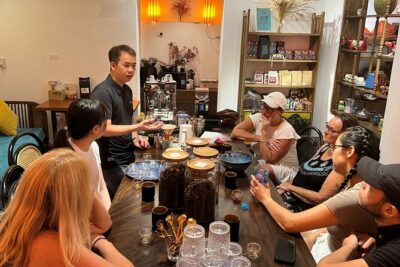
Hanoi Coffee Experience: 6 Brews, 9 Recipes & 3 Liquor Tastings
Read our review →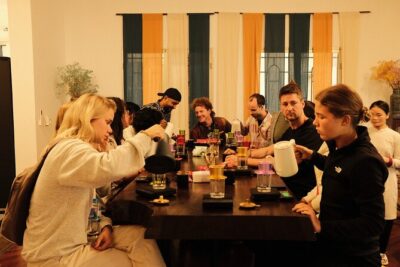
Hanoi Coffee Workshop: Taste Salt, Coconut and Egg Coffee
Read our review →
Hanoi: Salt Coffee Workshop Awake Your Senses With 6 Brews
Read our review →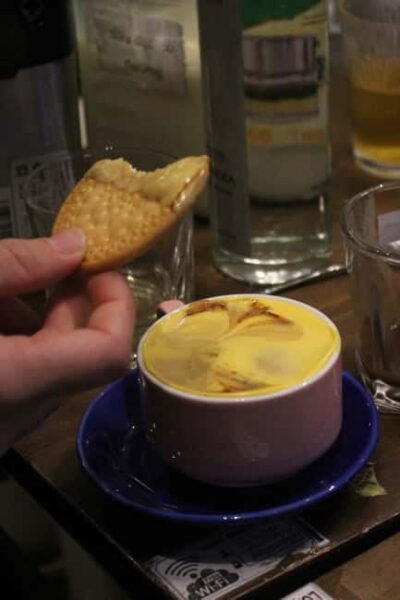
Hanoi: Master the Art of 4-6 Signature Vietnameses Coffees
Read our review →
Hanoi: Vietnamese Street Food Tour with Egg Coffee
Read our review →
Hanoi Cooking Class: Pho/Bun Cha/Banh Xeo…+Free Egg/Salt Coffee
Read our review →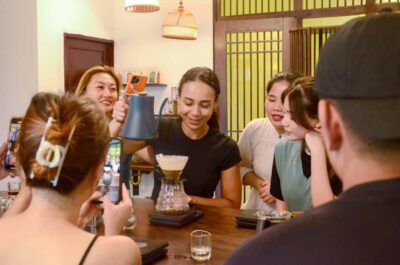
Hanoi: Vietnamese Coffee Workshop with 6 Brews and 8 Recipes
Read our review →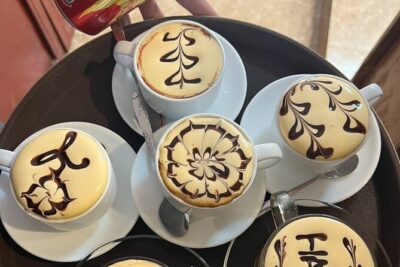
Browse the lists this tour appears in