
Review · DA LAT
Experience Making specialty coffee in Da Lat City
Da Lat is one of Vietnam’s best places to learn that coffee is not simply strong, dark, and bitter. At HuyEco Coffee Farm, you taste coffee grown by the host, compare Arabica and Robusta, then roast beans yourself and see how much processing changes the cup. I like the farm-to-cup setting and the chance to make your own coffee instead of only watching a demonstration.
I also like the clear focus on flavor. You try natural and washed coffees, sample light, medium, and dark roasts, and finish with a traditional phin. The main consideration is time: at about one hour, this is a compact introduction rather than a full farm tour or a long coffee workshop.
Key points at a glance
- Five Vietnamese coffees in one sitting: Compare Arabica and Robusta from the host’s farm, including natural and washed processing.
- You roast the beans yourself: The activity gives you a hands-on look at how roasting affects taste.
- Three roast levels to compare: Taste light, medium, and dark roast coffee and notice how the cup changes.
- A real farm-to-cup explanation: Learn about cultivation, drying, processing, roasting, and brewing from the person producing the coffee.
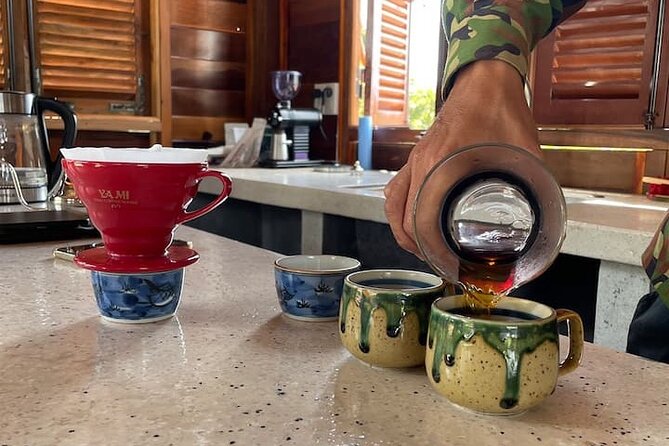
- Traditional phin coffee at the finish: Make your own Vietnamese coffee while watching Da Lat from the shop.
- Small group, simple meeting point: The maximum is 10 people, and the activity begins and ends at HuyEco Coffee Farm.
Why this Da Lat coffee experience is different
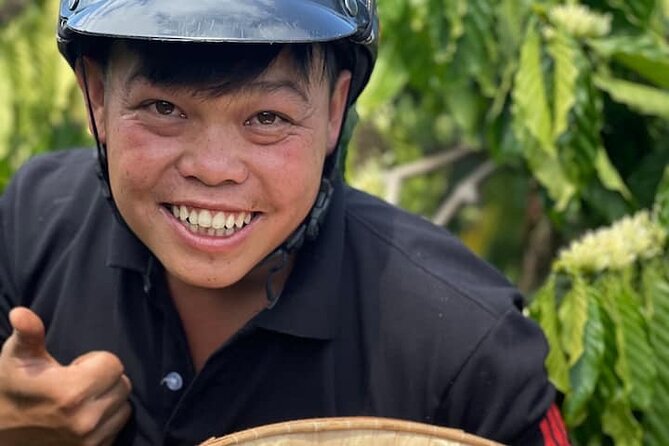
Many coffee tastings ask you to sit back while someone else handles the beans. This one puts you near the whole chain, from coffee plant to finished drink. The host is a sustainable coffee farmer, and the beans come from the host’s own farm. That gives the session a personal scale that you will not get from a generic café tasting.
The central lesson is that Vietnamese coffee has more range than its usual reputation suggests. You may be used to thick coffee mixed with condensed milk, but this experience focuses on coffee without anything added. The point is to taste the natural sour, sweet, or fruity notes that can appear in the bean.
That makes the session useful even if you already drink coffee every day. You are not only sampling different cups. You are learning why they taste different.
The activity covers five types of coffee from the farm. The exact full list is not specified, but Arabica and Robusta are included, along with examples of Robusta prepared by the natural process and Arabica prepared by both washed and natural processes. This is enough variety to show how the bean type and the processing method work together.
More Specialty Coffee Tours in Vietnam
- Coffee Farm Tour with Roasting & Tasting Workshop – Da Lat
★ 5.0 · 126 reviews - Experience specialty coffee with sustainable coffee farmers
★ 4.9 · 91 reviews - Vietnamese Bread & Brew: Banh Mi Baking Class & Specialty Coffee
★ 5.0 · 76 reviews
Starting at HuyEco Coffee Farm in Da Lat
You meet at HuyEco Coffee Farm, at Hẻm 29 Đường 3/4, Phường 3, Đà Lạt, Lâm Đồng 66000. The activity ends at the same point, so you do not need to arrange a separate return transfer.
The location is in Da Lat city, not at a remote plantation. That is convenient if you are fitting the coffee session between sightseeing stops, meals, or other plans. It also means you should not book this expecting a long drive through the coffee-growing countryside. The farm and coffee shop setting provide the link to production, while the tasting and preparation make up most of the hour.
The group can include up to 10 people. That is small enough to keep the session personal, though it is not a private class. If you want to ask detailed questions about drying, roasting, or brewing, a small group gives you a better chance to do so than a large commercial tasting.
Confirmation is provided when you book, and the ticket is mobile. Those are minor details, but they make this an easy activity to add to a Da Lat day.
Learning the difference between Arabica and Robusta
The first useful comparison is between Arabica and Robusta. These are not simply two labels on a menu. They can produce noticeably different cups, and the host uses coffee from the farm to explain the distinction.
Vietnam is strongly associated with Robusta, especially in the traditional coffee served through a phin filter. Arabica offers another side of the country’s coffee production, with the possibility of brighter or more fruit-forward flavors. The experience lets you try both rather than relying on general descriptions.
I like this part because it gives you a better vocabulary for ordering coffee later. If you prefer a sharper, sweeter, or fruitier cup, you can begin to connect that preference to the bean and the way it was processed. If you prefer heavier coffee, the Robusta samples may give you a clearer reference point.
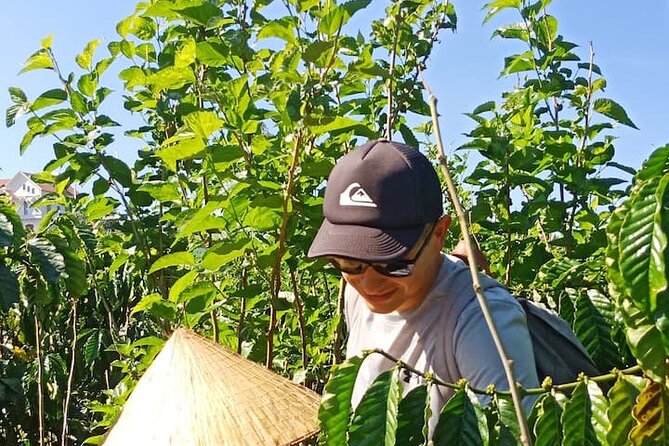
The host also explains coffee cultivation. You get a look at the plants in the garden and hear how the beans are grown and prepared. The supplied details do not promise a long agricultural tour, so think of the garden visit as part of the lesson, not a separate plantation excursion.
That distinction matters. The strength of this activity is the close explanation and tasting, not the amount of ground covered.
Natural and washed processing, tasted side by side
Processing is where the session becomes more than a basic coffee stop. The host shows how the same broad product can change through different methods before roasting even begins.
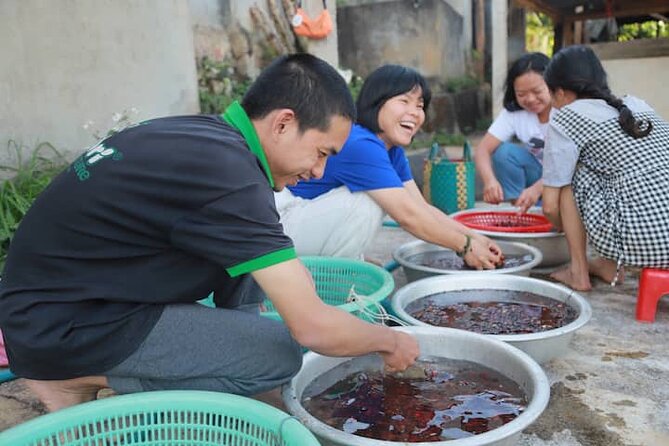
The natural process dries the coffee fruit with the seed inside. The washed process removes the fruit before drying. You do not need technical coffee knowledge to follow the basic idea, because the point is made through tasting.
The selection includes Vietnamese Robusta with a natural process, Arabica with a washed process, and Arabica with a natural process. Tasting these together helps you notice how fruitiness, sweetness, sourness, and body can shift.
You may find the natural coffees more expressive or fruit-led, while the washed coffee can seem cleaner and brighter. Exact impressions will depend on the beans and the roast, so do not treat those descriptions as fixed rules. The value is in trying the cups in sequence and deciding what you taste for yourself.
This is one of the most useful parts for anyone who buys whole beans. Processing labels can sound technical when you see them on a bag. After this session, you will have a practical sense of why natural and washed coffee can produce different flavors.
More Specialty Coffee Tours in Da Lat:
- Cartagena: Colombian Specialty Coffee Tasting
★ 4.4 · 130 reviews - Private Coffee Roasting Class
★ 5.0 · 101 reviews - Coffee Experience from bean to cup
★ 5.0 · 71 reviews - Private coffee tour near Medellín, from bean to cup.
★ 5.0 · 60 reviews
Roasting your own beans at three levels
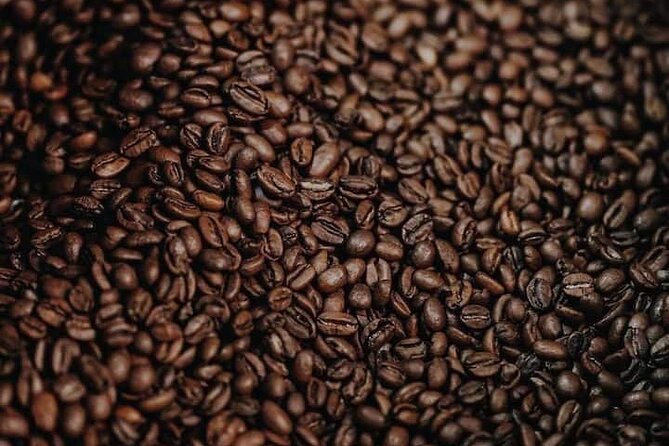
You do not only taste finished coffee. You roast the beans yourself. That hands-on step helps explain why roasting is not just a color change.
The activity covers light, medium, and dark roasting. As the roast gets darker, the character of the coffee changes. A light roast can retain more of the bean’s original acidity and fruit notes, while a dark roast can bring more bitterness and roasted flavor. Medium roast sits between those styles.
The host explains how roasting helps control the final flavor. You get to connect the appearance and aroma of the beans with the cup that follows. That is a much clearer lesson than hearing a short description and moving on.
This is also where the hour can feel full. You are fitting cultivation, processing, roasting, tasting, and brewing into one compact visit. If you enjoy taking your time with each cup, the pace may feel brisk. If you want an efficient introduction, the format works well.
The experience is a good fit for curious coffee drinkers who want to understand the basics without committing to a multi-hour course. It is less suited to someone searching for a slow, technical roasting workshop with extensive practice on professional equipment, since that level of detail is not promised.
Tasting five styles without added ingredients
The tasting is designed around original coffee, with no mixing. That is important in Vietnam, where coffee is often served with condensed milk, sugar, or ice. Those drinks are delicious, but they can cover the bean’s own character.
Here, you get the chance to taste sour, sweet, and fruity notes directly. The words are useful guides, but you should not expect every cup to taste like fruit juice. Coffee flavor is subtle, and your own palate may pick up something different from the person beside you.
I like the way this format turns tasting into a comparison. One coffee on its own can be hard to judge. Five coffees, prepared through different methods, give you a set of reference points.
The host answers questions about the beans and the process. The teaching style is described as clear and thorough, with particular attention to cultivation and processing. That matters if you are the kind of person who wants to know why a coffee tastes the way it does, rather than simply hearing that one cup is light and another is strong.
A possible drawback is that people who dislike black coffee may find the tasting challenging. The experience is built around unblended coffee, so it is not the best choice if you mainly want sweet Vietnamese coffee with condensed milk.
Finishing with a traditional Vietnamese phin
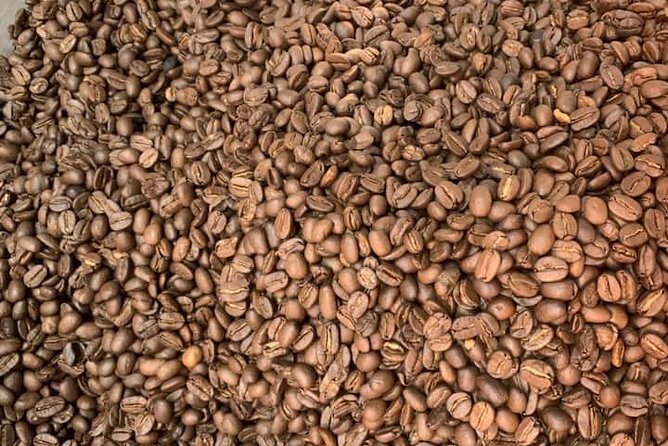
The final step is making your own cup with a traditional phin. This small metal filter is central to everyday Vietnamese coffee culture. It sits over the cup and lets water pass slowly through the grounds.
You get to handle the brewing rather than only drinking a cup prepared for you. That gives the session a practical finish, since you can repeat the method at home after the trip.
The setting adds something, too. You make the phin coffee while watching the city. The provided details do not specify a particular viewpoint or landmark, so keep expectations reasonable. You should think of this as a pleasant city view during the last part of the session, not as a dedicated sightseeing lookout.
The phin is slower than a standard café machine, and that is part of its appeal. It gives you a chance to watch the coffee drip and notice how a simple brewing method produces a strong, concentrated drink.
If you already know Vietnamese coffee, this final step may be familiar. The difference is that you have just tasted several coffees without additions, so you can better understand how the phin changes the finished cup.
Is $21 a fair price?
At $21 per person, this experience offers good value if you care about coffee and want more than a single drink. You receive instruction on coffee plants, processing, roasting, and brewing, plus a tasting of five coffees and a hands-on roasting session.
The price makes less sense if you only want a quick café visit. Da Lat has plenty of places to buy coffee for far less, and this is not primarily a sightseeing tour. You are paying for access to the farmer’s knowledge, the guided comparisons, and the chance to take part in the preparation.
The maximum group size of 10 helps support the price. You are not being moved through a large factory-style presentation. The activity has a human scale, and the host’s own farm gives the tasting a direct connection to the coffee.
For a short activity, the content is dense. You get a clear introduction rather than an all-day farm visit. I would consider it especially good value for coffee drinkers who plan to buy Vietnamese beans or want to understand the difference between natural and washed processing.
Who should book this experience?
I would recommend it to:
- Coffee drinkers who want to taste Vietnamese Arabica and Robusta side by side
- Visitors curious about natural and washed processing
- People who enjoy hands-on activities rather than passive tastings
- Anyone who wants to learn the basics of light, medium, and dark roasting
- Visitors with only an hour available in Da Lat
- Coffee fans who want to learn the traditional phin method
It should suit solo visitors, couples, and small groups. The 10-person limit keeps it manageable, though the activity remains shared rather than private.
I would think twice if you want a long plantation walk, a full professional roasting course, or a tour focused mainly on scenery. Those are not the main attractions here. The core experience is tasting, explanation, and making coffee.
You should also allow for the possibility that the hour feels quick. There is a lot to cover, and a detailed question session could make the schedule feel tight. Still, the compact format is useful for a city break.
Booking is flexible as long as you cancel at least 24 hours before the local start time. A later cancellation, or changes made within 24 hours, are not eligible for a refund.
My verdict on this one-hour coffee session
Book this experience if you want to understand what makes Vietnamese coffee taste different and you prefer a personal workshop to a standard café stop. The best parts are the farm-grown beans, the comparison of processing methods, the three roast levels, and the chance to prepare your own phin coffee.
The main limit is its short length. You will get a focused introduction, not a complete coffee education or an extended visit to a rural plantation. For $21, though, the combination of five coffees, hands-on roasting, and direct instruction makes it a sensible choice for anyone who likes coffee and wants a more authentic connection to what is in the cup.
FAQ
Where does the coffee experience begin?
It begins at HuyEco Coffee Farm, Hẻm 29 Đường 3/4, Phường 3, Đà Lạt, Lâm Đồng 66000, Vietnam.
Where does the activity end?
The activity ends back at the same meeting point, HuyEco Coffee Farm.
How long does the experience last?
It lasts about one hour.
How many people can join?
The maximum group size is 10 people.
Which coffees will I taste?
You will explore five types of coffee from the host’s farm, including Arabica and Robusta. The session includes Robusta with a natural process, Arabica with a washed process, and Arabica with a natural process.
Will I roast coffee myself?
Yes. You will roast coffee beans yourself and compare light, medium, and dark roast styles.
Can I cancel for a full refund?
Yes, if you cancel at least 24 hours before the experience’s local start time. Cancellations or changes made less than 24 hours before the start time are not accepted for a refund.
Freshly brewed listings in Da Lat
- VIP Dalat 3 waterfalls – Datanla, Elephant Pongour & Coffee Tour★ 5.0 · 8 reviews
- Coffee – Wine – Tea: Dalat Treasures tour★ 3.5 · 5 reviews
- Coffee Class and DaLat Outskirt Tour★ 4.5 · 5 reviews
- Tea & Coffee Tour★ 4.8 · 5 reviews
- DALAT EASY RIDER GROUP TOUR – PONGOUR FALL – SILK- COFFEE..★ 5.0 · 6 reviews
- Dalat Group Easy Rider – Elephant Fall-Pagoda-Weasel Coffee…★ 5.0 · 7 reviews
- Dalat Countryside Motorbike Day Tour–Coffee Farms & Pagodas★ 5.0 · 53 reviews
- Dalat: MOTORBIKE TOUR TO PONGOUR FALLS- SILK- COFFEE FARM★ 4.9 · 52 reviews
Da Lat Coffee Tours, compared.
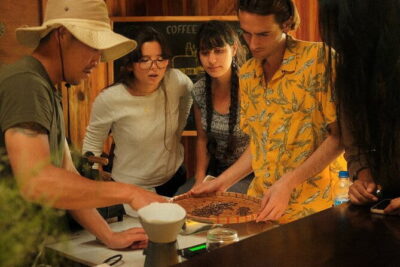
Coffee Farm Tour with Roasting & Tasting Workshop – Da Lat
Read our review →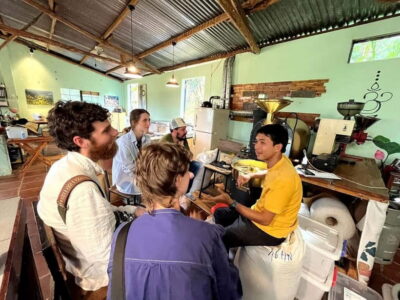
Experience specialty coffee with sustainable coffee farmers
Read our review →
Coffee – Wine – Tea Da Lat’s Agricultural Treasures Tour
Read our review →
Dalat’s countryside|Coffee Plantations Tour beyond Elephant falls
Read our review →
Dalat Countryside Motorbike Day Tour–Coffee Farms & Pagodas
Read our review →
Dalat: MOTORBIKE TOUR TO PONGOUR FALLS- SILK- COFFEE FARM
Read our review →
VIP Dalat 3 waterfalls – Datanla, Elephant Pongour & Coffee Tour
Read our review →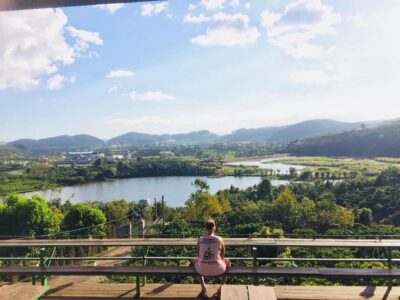
Dalat Group Easy Rider – Elephant Fall-Pagoda-Weasel Coffee…
Read our review →Browse the lists this tour appears in