
Review · ADDIS ABABA
Ethiopian Culinary Tour – Market, Coffee Ceremony and More
Addis Ababa’s food culture is best understood with your hands, nose, and taste buds. This six-hour tour takes you from Merkato’s spice stalls to a coffee ceremony, with injera baking and tej honey wine along the way. It is more than a meal: each stop explains how food fits into daily Ethiopian life.
I like two things in particular. First, you do not simply watch the coffee ceremony or eat injera. You take part by roasting coffee and trying to bake the spongy bread yourself. Second, pickup and drop-off anywhere in Addis Ababa, including the airport, makes this a useful first or last day activity. The one consideration is that the schedule is full, and a crowded open-air market may feel tiring if you prefer slow, quiet sightseeing.
Key points to know
- Merkato brings the city’s food trade into focus: Explore Africa’s largest open-air market and browse spices, coffee, and everyday goods.
- Injera is a hands-on lesson: Try baking Ethiopia’s famous spongy flatbread, then eat your creation with local seasoning.
- Coffee is treated as a social ritual: Roast beans, prepare coffee, and take part in a traditional ceremony rather than just ordering a cup.
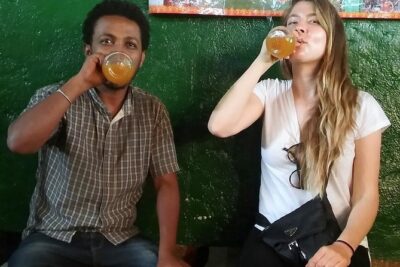
- Tej adds a distinctly Ethiopian finish: Visit a local honey-wine bar and sample tej, a drink similar to mead.
- Lunch is built into the day: Eat a typical buffet meal at Ethiopia’s oldest hotel, with hot drinks and water included.
- The tour earns strong praise for its guides: Desale, Seid, Muse, and Zerefa have been noted for explaining food, city sights, and Ethiopian culture clearly.
A food tour that explains Addis Ababa one bite at a time
This is a good choice if you want your first taste of Addis Ababa to include context, not just restaurant stops. The route joins several parts of Ethiopian food life: coffee served as a ritual, injera made at home and in restaurants, spices sold in a huge market, and tej poured in a traditional bar.
The price is $85 per person for six hours. That includes a private car, driver, fuel, English-speaking guide, food activities, buffet lunch, hot drinks, and a bottle of water. Since pickup and drop-off are included at hotels, homes, and the airport, the price is reasonable for a full day of transport and guided activities, especially if you are traveling alone or with a small party.
This is not a specialist cooking school. You will learn by doing, but the main goal is cultural understanding. The cooking tasks are approachable, and the guide fills in the background as you move through the city.
More Coffee Ceremony Experiences in the world:
- Ethiopian Culinary Tour – Market, Food, Coffee Ceremony & more
★ 5.0 · 65 reviews - Lalibela: Churches Full-Day Private Tour w/Coffee Ceremony
★ 4.7 · 5 reviews - Sarajevo: City Tour with Bosnian coffee ritual ☕️
★ 5.0 · 2 reviews
Starting with Tomoca’s Ethiopian coffee
The day begins with a stop at a Tomoca Coffee shop. Here, you can taste Italian-style coffee and a macchiato made with Ethiopian Arabica beans.
This is a useful opening because it shows two sides of Addis Ababa’s coffee culture. Ethiopia is known for its coffee beans, while Italian-style preparation reflects the city’s long connection with espresso and macchiato. You get a quick, polished café drink before moving into the slower ceremonial method later in the day.
I like that the tour does not treat coffee as a single subject. You first taste a café version, then later learn how coffee is roasted and prepared in a traditional ceremony. That contrast helps you notice the difference between coffee as a quick morning drink and coffee as a social occasion.
The Tomoca stop is likely brief compared with the ceremony and market visit. If you want a long coffee tasting with many brewing methods, this tour may feel limited. Its strength is variety rather than detailed barista training.
Reading the spice stalls at Merkato
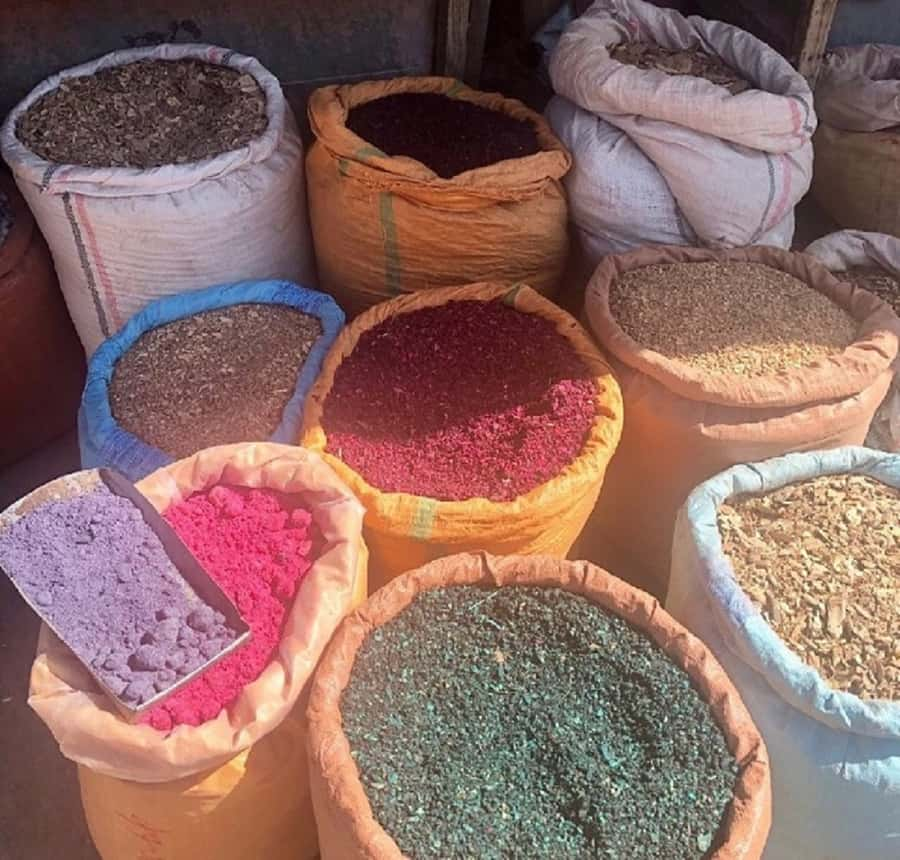
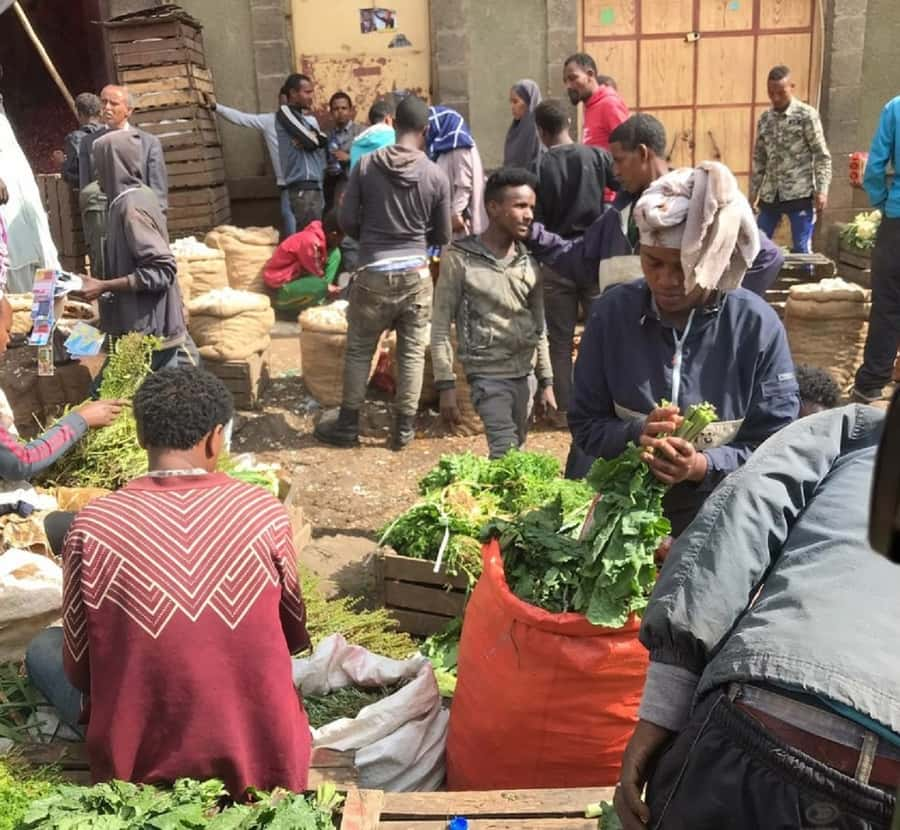
Merkato is one of the day’s biggest attractions. It is described as Africa’s largest open-air market, and the tour takes you into its spice trade, coffee stalls, and wide mix of food and non-food goods.
The market gives the food stops a practical setting. Instead of hearing a guide list Ethiopian spices in a quiet classroom, you see them being sold in the place where local shopping happens. You can test your bargaining skills with spice dealers, though your guide will be the best person to advise you on how to approach a purchase.
Expect a lively, crowded environment rather than a neat market hall. Keep your passport or ID secure, carry only what you need, and stay close to the guide. The tour requires an ID document, and the market is one reason you should avoid bringing anything you would not want to keep an eye on.
The market can also be tiring. Six hours is enough time for a broad introduction, but not enough to inspect every corner of Merkato. I would treat this as a guided orientation, not a shopping expedition. If you want spices or coffee to take home, ask about prices, packing, and customs rules before buying a large amount.
Making your own injera
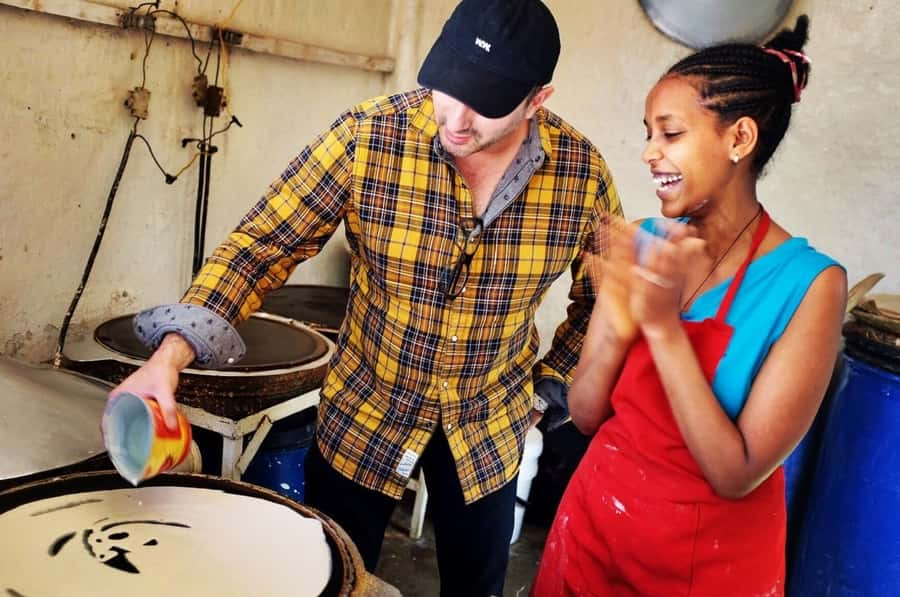
The injera lesson is the most hands-on food stop. Injera is Ethiopia’s familiar spongy flatbread, used as both plate and utensil for many meals. You will see the process step by step and then face the practical test of baking it yourself.
The result may not look perfect. That is part of the fun. Injera takes practice, and the point here is to understand its texture and role in Ethiopian meals, not to leave with professional cooking skills.
You can then eat your bread with typical local seasoning. One meal described during the day included a vegetarian buffet, so this tour can be especially useful if you want to sample plant-based Ethiopian dishes in one sitting. The supplied information does not promise a fully vegetarian tour, so anyone with strict dietary needs should confirm arrangements before booking.
This stop also gives you a better appreciation for the bread on your lunch plate. Once you have tried to spread and bake the batter yourself, you understand why the soft, slightly springy texture is so central to Ethiopian eating.
More market stops for beans in the world:
- Da Nang Cooking Class with Coffee Tasting and Market Visit
★ 5.0 · 310 reviews - Hungry in Vienna? A Food Lover’s Coffee & Market Walk
★ 4.9 · 276 reviews - Coffee Crawl & VIP Morning in Pike Place Market
★ 5.0 · 75 reviews - Coffee & Food Tastings at Pike Place Market
★ 5.0 · 67 reviews
The coffee ceremony is the heart of the day
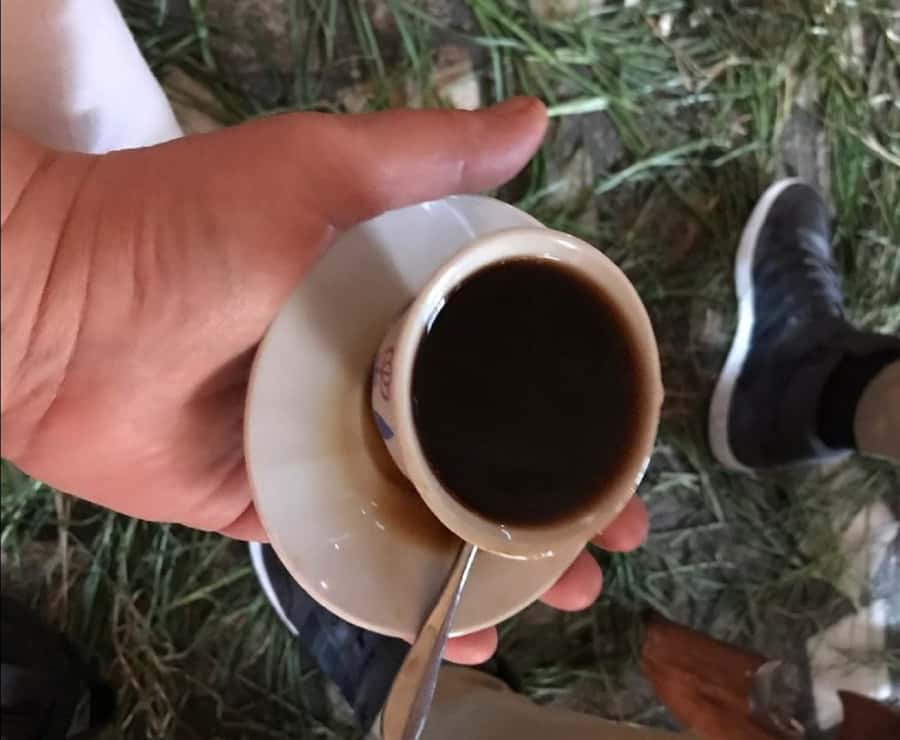
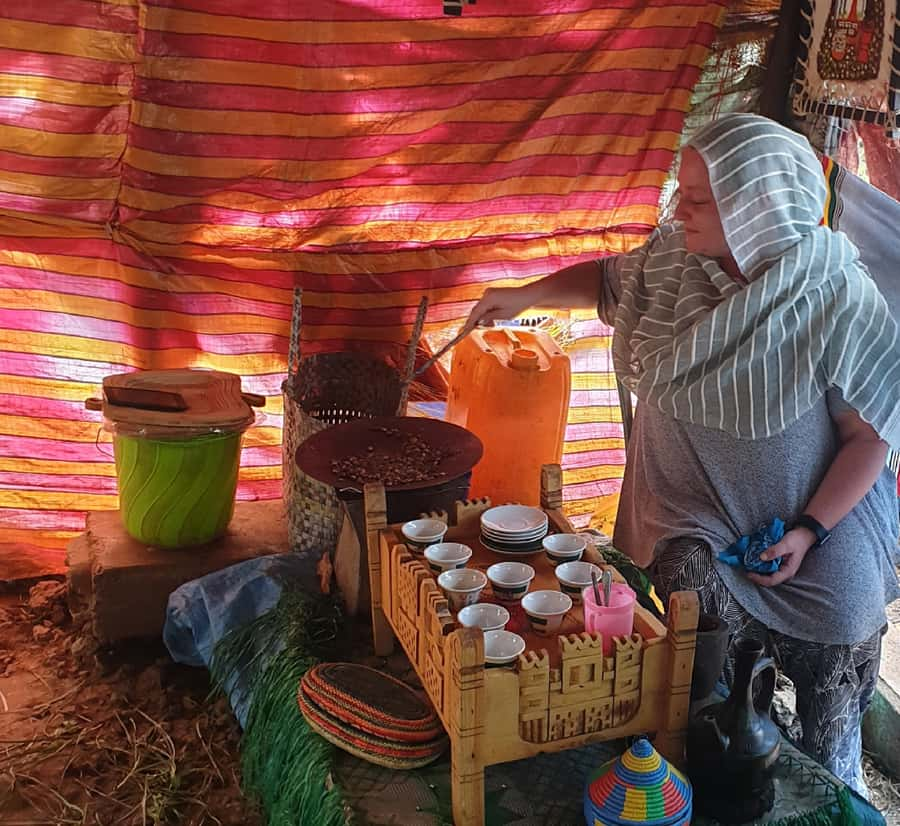
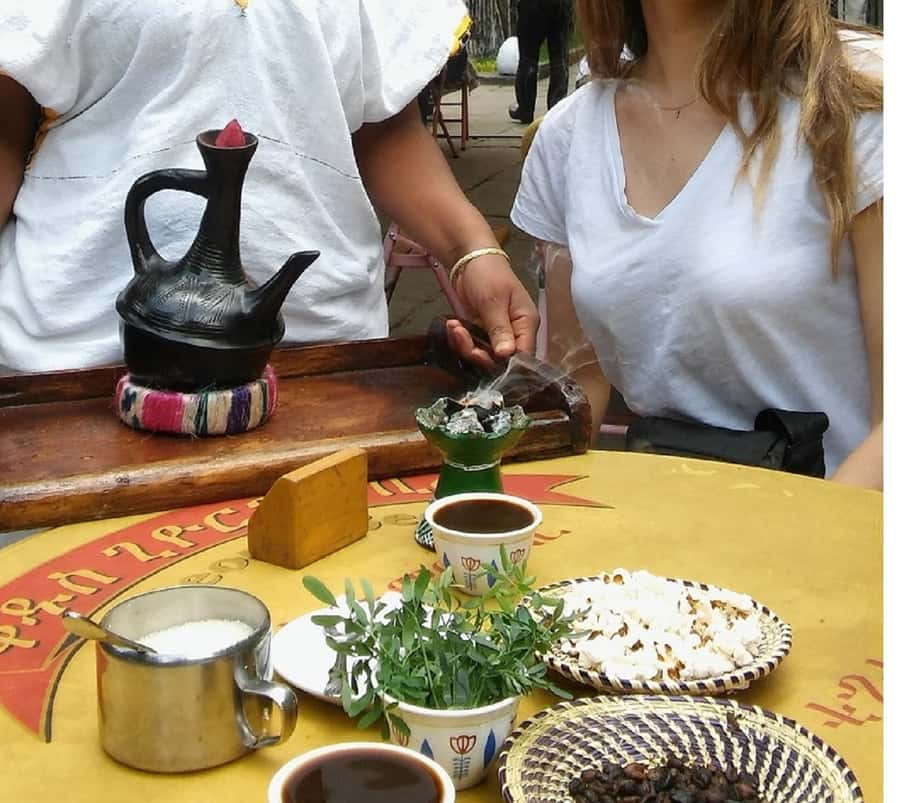
The traditional coffee ceremony is the most distinctive part of the tour. Your guide demonstrates the process step by step, and you have the chance to roast your own beans and help prepare the coffee.
This is not simply a tasting. The ceremony turns coffee into a shared event, with time set aside for preparation and conversation. It offers a stronger connection to Ethiopian daily life than a standard café stop can provide.
The pace matters here. Coffee is roasted, prepared, and served rather than rushed into a takeaway cup. You will want to pay attention to the smells and stages of preparation, since the ceremony is as much about the method as the final drink.
Several guides have been praised for making this part clear and engaging. Desale, Seid, Muse, and Zerefa are among the guides associated with highly rated tours, with Desale in particular noted for answering questions about food, city landmarks, and local culture. Guide assignments can change, so do not assume you will receive a particular person, but you can expect an English-speaking guide.
Tasting tej at a local honey-wine bar
The final tasting stop is a local tej bar. Tej is traditional Ethiopian honey wine, similar to mead, and is made mainly from fermented honey.
You will tour the bar and sample tej. This is a useful stop because it introduces a drink many visitors may not encounter on a standard city sightseeing route. The flavor may be unfamiliar if you normally drink wine made from grapes, so think of it as a local specialty rather than a direct substitute for table wine.
Alcohol beyond the honey wine is not included. The tour does not promise a full drinking session, and the focus remains on tasting and learning about the drink. If you do not drink alcohol, ask the operator what nonalcoholic alternative is available before booking, as one is not specified in the tour details.
The tej visit also gives the day a pleasant change of pace. After the market and cooking activity, you finish with a small tasting in a place tied to local food habits.
Lunch at Addis Ababa’s oldest hotel
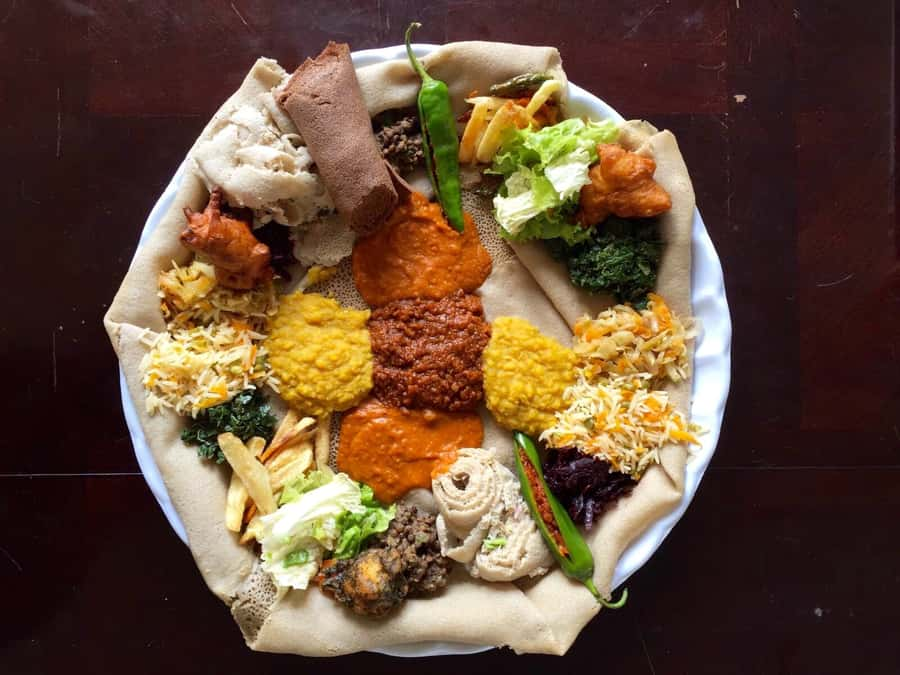
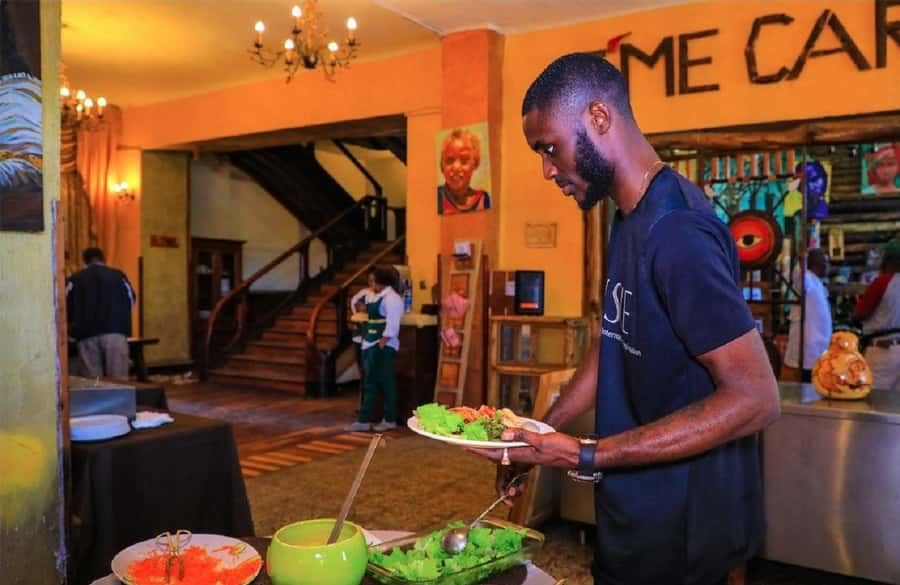
Lunch is served buffet style at the first Ethiopian hotel, also described as the oldest hotel in the city. The meal includes samples of popular Ethiopian dishes, along with hot drinks and a bottle of water.
A buffet is a sensible format for this tour. You can try several dishes without ordering a large plate of something unfamiliar. It also lets you return to favorites after tasting a little of everything.
Do not expect a fine-dining meal. The value is in the range of local foods and the setting, not in elaborate service. If you have dietary restrictions, allergies, or strong preferences, contact the operator ahead of time because the included meal is described in broad terms.
For many people, lunch will be the point where the morning’s lessons come together. You have seen spices at the market, learned about injera, and tasted coffee in two forms. Now you can sit down to a typical spread and recognize more of what you are eating.
What the guides add to the city drive
The car ride is not just a transfer between food stops. Guides have pointed out major Addis Ababa landmarks and explained the history of different areas while driving.
That extra commentary matters because the tour is not limited to food. It gives you a broad introduction to the capital through its markets, cafés, restaurants, and streets. Seid, for example, was praised for combining food stops with city sightseeing and for creating an easy atmosphere with the driver, Muse.
The included car, driver, and fuel also add practical value. Addis Ababa’s stops are spread across the city, and arranging separate rides would cost time and money. Pickup is available at any location in Addis Ababa, including the airport, though you should confirm the exact meeting point when booking.
For pickup, wait in your hotel lobby for 15 minutes before or after the scheduled time. That small buffer is worth allowing for, especially in a busy capital where road conditions can affect timing.
Who should book this six-hour tour
I would recommend this for a first visit to Addis Ababa, especially if you want food to be your way into the city. It suits curious eaters, coffee lovers, and anyone who prefers practical cultural activities to a long sequence of monuments.
It is also a good fit for a short stopover. Airport pickup and drop-off mean you can use the tour without arranging separate city transport, though you should allow enough time around your flight and confirm the schedule carefully.
Families and groups may enjoy the injera and coffee activities because they involve participation rather than simply listening. The tour could also work well for solo visitors who want a guide, driver, and structured route for the day.
I would think twice if you want an advanced cooking course, a quiet market stroll, or a tour focused only on restaurant dining. The schedule moves through several different settings, and the market can be crowded. The experience is broad and active rather than slow and specialized.
Price, timing, and practical details

At $85 per person, the tour offers solid value when you count the six-hour duration, vehicle, driver, fuel, guide, lunch, drinks, and activity fees. It is more expensive than exploring Addis Ababa independently, but it saves you from arranging transport and guessing which food stops will offer a useful local introduction.
Free cancellation is available up to 24 hours before the tour for a full refund. You can also reserve now and pay later, which helps if your itinerary is still changing.
The tour runs for six hours, with starting times dependent on availability. It takes place rain or shine, so bring suitable clothing and be ready for outdoor walking at Merkato. You should bring a passport or ID card, as requested by the operator.
Tips for the guide are not included. Alcoholic drinks other than tej are also not included. Lunch includes hot drinks and water, but you should plan for any extra purchases at the market, café, or bar.
Should you book this Ethiopian food tour?
Book it if you want a practical introduction to Ethiopian food and city life in one well-filled day. The strongest parts are the traditional coffee ceremony, the chance to bake injera, the spice market, and the clear guidance provided by people such as Desale, Seid, Muse, and Zerefa.
Skip it if your priority is a slow, specialist cooking lesson or a polished restaurant tour. For most first-time visitors, though, the combination of market, coffee, bread, lunch, and tej makes the $85 cost fair. You leave with more than a full stomach: you understand how several everyday Ethiopian foods are made, served, and shared.
FAQ
How long does the Ethiopian culinary tour last?
The tour lasts six hours.
How much does the tour cost?
The price is $85 per person.
Is pickup included?
Yes. Pickup and drop-off are included at any location in Addis Ababa, including hotels, houses, and the airport.
Is lunch included?
Yes. The tour includes a buffet-style lunch at the first Ethiopian hotel, along with a bottle of water and hot drinks.
Is transportation included?
Yes. Ground transportation, a car, driver, and fuel are included.
Is the tour conducted in English?
Yes. An English-speaking live guide leads the tour.
Do I need to bring identification?
Yes. You should bring a passport or ID card.
Is tej included in the tour?
Samples of Ethiopian honey wine, known as tej, are included. Other alcoholic drinks are not included.
Can I cancel for a full refund?
Yes. You can cancel up to 24 hours in advance for a full refund.
More Shopping Stops in the world
- Vietnam Flavour: Market-to-Table & The Art of Egg Coffee
★ 5.0 · 53 reviews - From Bangkok: Don Wai Market, Wat Samphran & Lotus Café Tour
★ 4.5 · 48 reviews - Shopping tour Punta Cana rum cigars coffee larimar chocolate souvenirs mamajuan
★ 4.0 · 44 reviews - Private Floating Market, Train Market and After Rain Cafe Tour
★ 5.0 · 38 reviews
Freshly brewed listings in the world
- Vietnamese Coffee 101 Workshop★ 5.0 · 11 reviews
- Vietnamese Coffee Making Class in Hoi An★ 5.0 · 4 reviews
- Vancouver: Street Art & Craft Coffee Walking Tour w/ Tasting★ 4.8 · 11 reviews
- Yerevan: Private Coffee Tour with 2 Café Stops★ 5.0 · 2 reviews
- Ubud: Waterfall, Holy Water Temple,Swing&coffee plantation★ 5.0 · 9 reviews
- Coffee pleasure walking tour★ 5.0 · 12 reviews
- Vienna: Guided Viennese Coffee-House Tour★ 5.0 · 2 reviews
- Turkish Coffee and Traditional Turkish Dessert Cooking★ 4.6 · 8 reviews
Addis Ababa Coffee Tours, compared.
Ethiopian Culinary Tour – Market, Food, Coffee Ceremony & more
Read our review →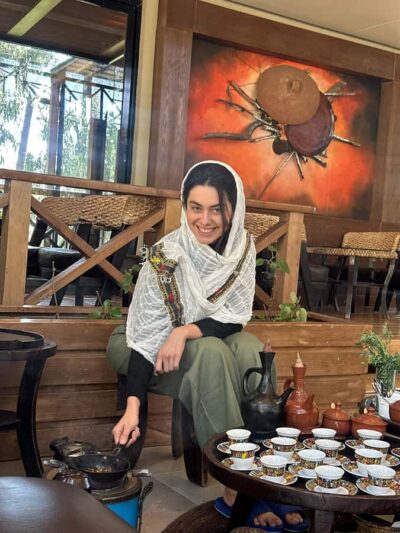
Ethiopia coffee cupping class/Ethiopian food injera making
Read our review →
Browse the lists this tour appears in