
Review · ANTIGUA
Coffee & Macadamia Fincas Tour
Antigua’s Coffee & Macadamia Fincas Tour gives you a useful look at two crops that shape Guatemala’s rural economy. At Finca La Azotea, you follow coffee from tiny plant to finished cup. At Valhalla Experimental Station, you learn why macadamia trees matter for food, income, and forest protection.
I like the small private format, capped at eight people, and the chance to ask your guide questions as you go. I also like the tour’s wider story: guides such as Erwin and Hugo have connected coffee and macadamia production with local jobs, organic farming, and indigenous community programs.
The main caution is value. At $60 per person, admission fees are extra, so this makes the most sense if you want explanation, transport, and local context rather than simply a quick farm visit. Vehicle quality has also been uneven, so confirm the pickup details before you go.
Key points to know before booking
- Coffee from seed to cup: La Azotea explains cultivation, processing, and production, followed by a cup made near the source.
- Macadamias with a social purpose: Valhalla presents the nut as both a food crop and part of a long-running sustainable agriculture project.
- Private attention: The group size ranges from the required minimum of four to a maximum of eight people.
- Flexible guiding: Roberto, Erwin, Galileo, and Hugo have all led versions of this outing, with some guides adding photo stops or nearby cultural visits.
- Four hours outside central Antigua: The drive is short enough for a half-day plan, while still taking you beyond the historic center.
- Extra fees matter: Entry to both sites, tips, personal expenses, and taxes are not included in the advertised $60 price.
Why this half-day outing is more than a coffee tasting
Many coffee tours stop at a pretty plantation, hand you a cup, and send you home. This one aims to explain the work behind that cup. You see the plant, hear about production methods, and connect coffee with Guatemala’s economy and local communities.
That extra context is the reason I would choose this tour over simply hiring a car to reach a finca. A good guide can explain what you are looking at, point out the stages of production, and place the farms in the larger story of rural life in Guatemala.
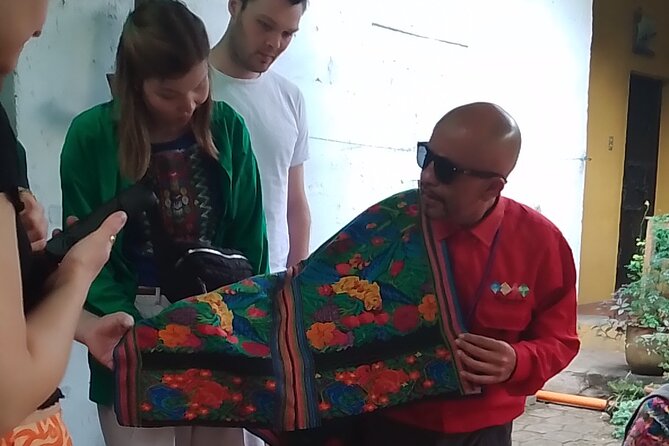
The experience lasts about four hours, including transport between Antigua and the two stops. You receive hotel pickup and drop-off in an air-conditioned vehicle, and the private setup gives the guide room to adjust the pace. Past guides have added photo stops and side visits, including a weaving stop, an award-winning weaver, and a trip toward Aliotenango. Those additions are not guaranteed, so treat them as possible extras rather than part of the promised route.
The overall rating is 4.6 from 53 reviews, which fits the pattern here: strong praise for the guides and educational content, mixed comments about price, and one serious complaint about the condition of the vehicle.
More Coffee Tours in the world:
- Hanoi Coffee Experience: 6 Brews, 9 Recipes & 3 Liquor Tastings
★ 5.0 · 2,945 reviews - Medellin: Coffee Tour with Transport, Snacks and Tastings
★ 4.7 · 1,357 reviews - Istanbul: Turkish Coffee Making and Fortune Telling Workshop
★ 4.9 · 1,308 reviews
Finca La Azotea: following coffee from plant to cup
The first stop is Finca La Azotea, reached after leaving Antigua’s historic area for the surrounding countryside. Plan on about two hours here, making it the main part of the tour.
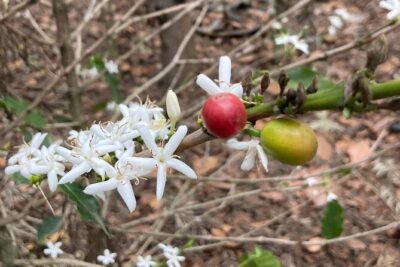
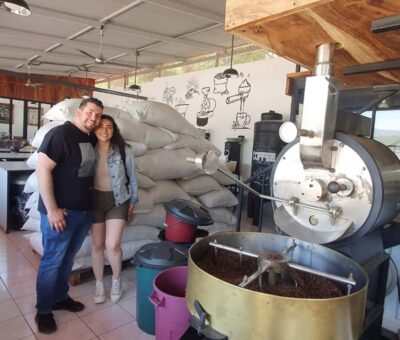
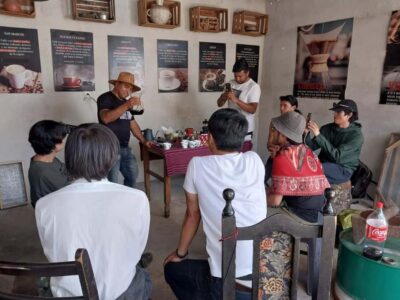
The focus is the full coffee process. You learn how the plant grows, how coffee is produced, and how the beans eventually become the drink in your cup. The visit includes a cup of coffee served close to the production area, which gives the tasting a clear sense of place.
Do not picture an enormous plantation stretching to the horizon. The experience is more about understanding the stages of coffee production than walking through an endless growing area. That distinction matters. If you want a broad agricultural tour with long walks among thousands of plants, you may find this stop modest. If you want a clear introduction to coffee production, it should fit well.
I would pay attention to the guide’s explanation of how coffee supports Guatemala. Coffee is not just a beverage here. It connects farming, employment, export income, and family livelihoods. One guide, Erwin, was praised for explaining the importance of coffee to the country and the local population. Hugo also placed the farm visit within a wider discussion of daily life and organic farming.
The best version of this stop is interactive. Ask how the plant changes through production, what makes Guatemalan coffee distinctive, and how local workers benefit. The guide may add useful detail, but you should not expect a formal meeting with farm workers. One family group specifically wanted more direct contact with people working at the finca.
You also need to remember that the admission ticket to Centro Cultural La Azotea is not included. The tour price covers transport and a professional guide, but you should budget for the entry fee separately.
Valhalla Experimental Station and the story of macadamia farming
The second stop takes about one hour at Valhalla Experimental Station, roughly 20 minutes from Antigua according to one detailed account. The subject changes from coffee to macadamias, but the basic theme remains the same: food production tied to community and environmental care.
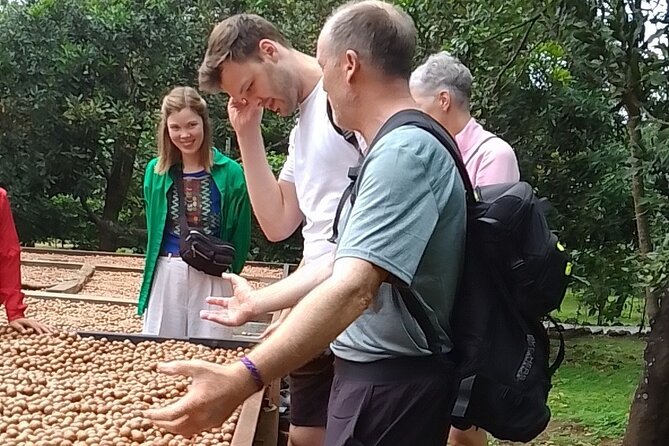
You learn about the nut’s nutritional qualities, its many uses, and the ecological benefits of planting macadamia trees. Valhalla has worked with macadamias for more than 20 years, with a stated focus on sustainable agriculture, rainforest preservation, and education for indigenous people.
The community work is an important part of the visit. The project donates macadamia trees to families so they can add food to their household supply and possibly earn money from selling nuts and related products. That gives the stop a practical angle. You are not only looking at a crop, but also at a possible source of long-term household income.
The site includes a restaurant and a small gift shop, and some versions of the tour include tastings. Macadamia products can make this stop more appealing than its short duration suggests. You may learn about uses for the nut that you have not considered before, and the tasting gives you a simple way to connect the agricultural explanation with the finished product.
Still, this is the weaker stop for some people. One poor experience described the macadamia visit as a waste of time, and another said the group was taken somewhere else instead, without being given a choice. That is a warning to confirm the day’s route with your operator. Under the planned schedule, Valhalla is part of the tour, but substitutions or itinerary changes have occurred.
If your main interest is coffee, you may find the macadamia portion less compelling. If you care about sustainable farming, local enterprise, and food production, it adds a useful second subject and keeps the outing from becoming a single-topic plantation visit.
The guide can make or break the day
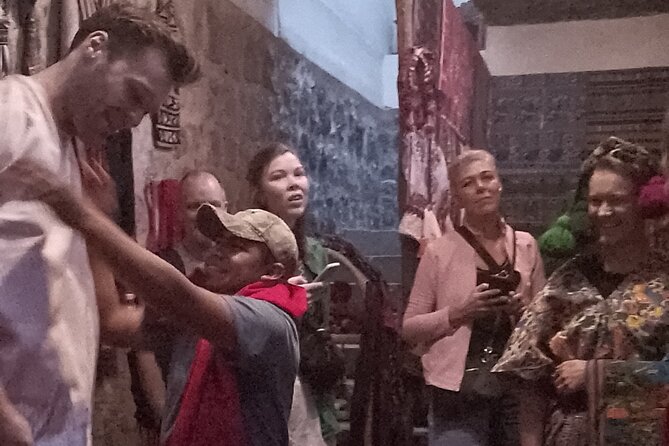
This tour relies heavily on the person in the front seat. The strongest praise has gone to guides who explain more than the basic facts and respond to what you want to see.
Erwin has been described as especially good at explaining coffee, macadamias, and sustainable tourism. He also helped a sick passenger feel better by getting a cup of medium-roast coffee after heat-related illness. Galileo was praised for being personable and informed, while Hugo was noted for discussing daily life, local industries, and organic farming.
Roberto appears to bring plenty of personality. He has been described as enthusiastic, friendly, and able to explain local history, customs, and culture. He also made extra stops for some groups. The tradeoff is that one family found his attempts to sell real estate distracting. A guide’s extra conversation can be fun, but you are entitled to ask that the discussion stay focused on the tour.
The private format gives you a better chance to shape the conversation. Ask for photo stops, more time at the coffee finca, or less time at the macadamia site. The operator says the tour may be led by a multilingual guide, but the available information does not promise a specific language or a particular guide.
There has also been one report of a driver arriving an hour late. That is not typical enough to define the whole experience, but it makes a simple practical step worthwhile: have your hotel confirm the pickup time and keep the operator’s contact information handy.
Same town, another way to drink it:
- Hanoi Coffee Workshop: Taste Salt, Coconut and Egg Coffee
★ 5.0 · 1,286 reviews - Vienna for Food Lovers: Cafés, Markets & Austrian Cuisine
★ 5.0 · 1,063 reviews - Big Island Highlights: Coffee, Volcano, Black Sands & Waterfall
★ 5.0 · 1,054 reviews - Hanoi: Salt Coffee Workshop Awake Your Senses With 6 Brews
★ 5.0 · 792 reviews
Transport, group size, and comfort
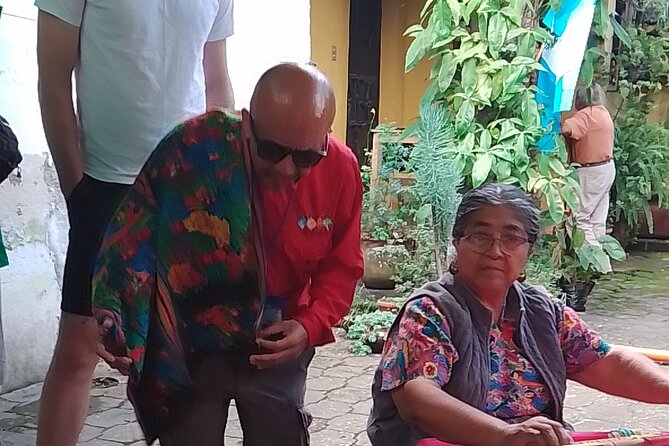
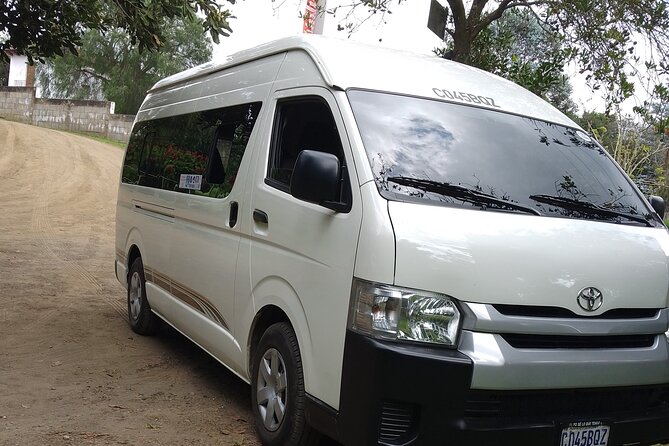
Hotel pickup and drop-off are included, along with private transportation in an air-conditioned minivan. The tour requires at least four people per booking and accepts no more than eight. That is a useful arrangement for families and small groups, but it means solo visitors or pairs may not be able to book unless they meet the minimum requirement through their booking arrangement.
Air conditioning matters in Guatemala’s warm climate, especially after walking around the coffee finca. The tour does not require a special dress code, but comfortable clothing and shoes make sense for a farm setting. Children can take part, provided they are accompanied by an adult. A child rate applies only when the child shares with two paying adults.
Vehicle condition deserves a frank note. One recent account described an extremely old, dirty vehicle with exposed metal inside. That is a serious comfort and safety concern, especially for a four-hour outing. Other accounts describe the transport without a problem, so the vehicle may vary. I would ask for an air-conditioned minivan in good condition when confirming the pickup.
Is $60 a fair price?
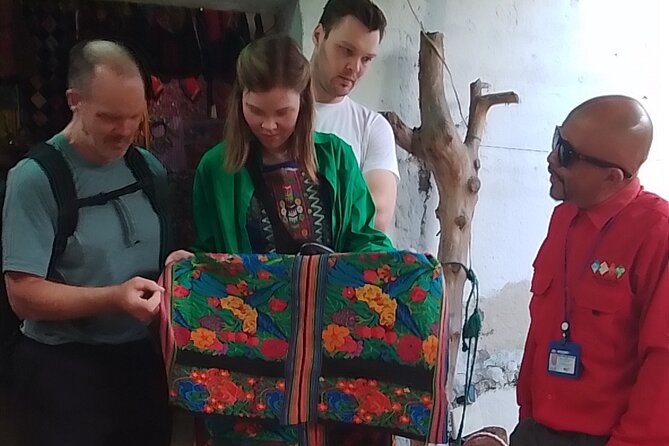
The advertised cost is $60 per person, but it does not include entry fees to La Azotea or Valhalla. Tips are also separate, with 10 percent suggested based on satisfaction. Personal expenses, taxes, and admission charges can push the final cost higher.
The value depends on what you are buying. You are paying for private transport, hotel pickup and drop-off, a guide, and a half-day route that would be awkward to arrange by local taxi or ride service. You are also paying for interpretation. A good guide can turn two short farm visits into a practical lesson about agriculture, trade, community programs, and rural life.
If you only want to reach La Azotea, a cheaper ride may be possible. One account made exactly that point, saying the plantation itself was interesting but questioning how much the guide added. The tour becomes easier to justify when you value the explanations, flexible stops, and the second visit to Valhalla.
The price feels strongest for a family or small group that wants an organized outing without planning transport. It feels less attractive for budget-minded pairs who are interested only in coffee and do not care about macadamias or community agriculture.
Who will enjoy this tour most?
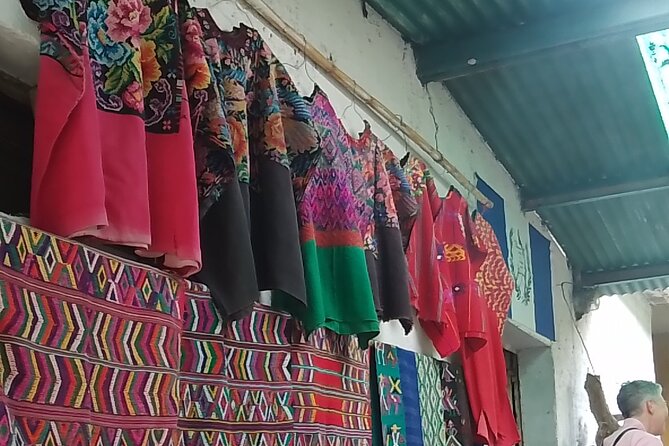
I would recommend it to you if you like knowing how local products are made. It works particularly well for families because the subjects are easy to understand, the tour lasts only half a day, and the macadamia stop includes products, food, and a gift shop.
It also suits anyone interested in responsible tourism. The farms connect agriculture with local income, indigenous education, tree planting, rainforest protection, and sustainable production. The tour does not turn those issues into a classroom lecture, but it gives you a real place to discuss them.
Coffee enthusiasts should enjoy the first stop, though serious coffee specialists may want a more technical or longer plantation visit. You should also book with realistic expectations: this is an educational visit with tastings, not a full-day farm-work experience.
I would be cautious if you dislike vehicle-based tours, want guaranteed contact with farm workers, or expect a large plantation. I would also hesitate if you need a strict, unchanging schedule, since guides have sometimes added stops and at least one group experienced an unexpected change.
Booking details that matter
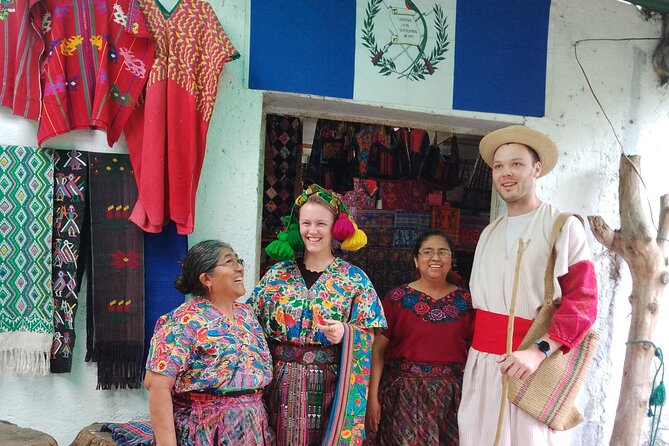
Confirmation is provided at booking. The experience depends on good weather, and it can be canceled if the weather is poor or if the minimum number of participants is not reached. In either case, you are offered another date or a full refund.
You can cancel for a full refund up to 24 hours before the start time. Changes or cancellations made less than 24 hours before the tour are not accepted for a refund, and all cut-off times follow local time in Guatemala.
Because the tour is often booked about seven days ahead, I would reserve early if your Antigua schedule is tight. At the same time, confirm the pickup time, the vehicle, the language of the guide, and that both La Azotea and Valhalla are planned for your date.
Should you book the Coffee & Macadamia Fincas Tour?
Book it if you want a guided, easy half-day introduction to Guatemalan coffee, macadamia farming, and community-based agriculture. The best guides, including Erwin, Hugo, and Galileo, appear to add real value by connecting the crops with culture and daily life. The small group size and private transport are also useful.
Skip it if your only goal is to taste coffee as cheaply as possible, or if the extra admission fees push the cost beyond your comfort level. Before paying, confirm the vehicle condition and the full route. With those details settled, this is a worthwhile choice for families, curious food lovers, and anyone who wants more context than a quick plantation stop can provide.
FAQ
How long does the Coffee & Macadamia Fincas Tour last?
The tour lasts approximately four hours, including the two farm visits and transportation from Antigua.
What places does the tour visit?
The planned stops are Finca La Azotea and Valhalla Experimental Station.
Is transportation included?
Yes. Hotel pickup and drop-off are provided with private transportation in an air-conditioned vehicle.
Are admission fees included in the $60 price?
No. Entry fees for Centro Cultural La Azotea and Valhalla Experimental Station are not included.
How many people can join the tour?
A minimum of four people is required per booking, and the maximum group size is eight.
Can children participate?
Yes. Children must be accompanied by an adult, and the child rate applies only when sharing with two paying adults.
What happens if the tour is canceled because of weather or too few bookings?
You will be offered a different date or experience, or you can receive a full refund.
Freshly brewed listings in the world
- Vietnamese Coffee 101 Workshop★ 5.0 · 11 reviews
- Vietnamese Coffee Making Class in Hoi An★ 5.0 · 4 reviews
- Vancouver: Street Art & Craft Coffee Walking Tour w/ Tasting★ 4.8 · 11 reviews
- Yerevan: Private Coffee Tour with 2 Café Stops★ 5.0 · 2 reviews
- Ubud: Waterfall, Holy Water Temple,Swing&coffee plantation★ 5.0 · 9 reviews
- Coffee pleasure walking tour★ 5.0 · 12 reviews
- Vienna: Guided Viennese Coffee-House Tour★ 5.0 · 2 reviews
- Turkish Coffee and Traditional Turkish Dessert Cooking★ 4.6 · 8 reviews
Antigua Coffee Tours, compared.
Experience: Organic Coffee, Avocados, Honey & More!
Read our review →
From Antigua or Guatemala : Coffee & Culture Full-Day Tour
Read our review →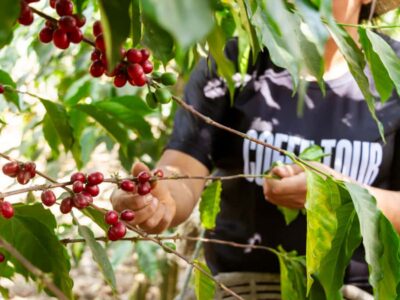
Browse the lists this tour appears in