
Review · LJUBLJANA
Barista Skills Foundation Course in Ljubljana
The most useful part of this Ljubljana course is that it treats coffee as more than a hot drink. You learn how to make espresso drinks, then judge what is in the cup, trace the flavor back to the coffee and equipment, and improve your result.
I like the hands-on work with professional equipment, and I like the focus on sourcing and dialing in coffee rather than simple recipe copying. The main drawback is the price, $355.04 per person, which is a serious outlay if you only want a fun morning coffee stop.
This is also a long session, about seven hours. That gives you time to practice, but caffeine, concentration, and a full day indoors are worth considering before you book.
Key points to know
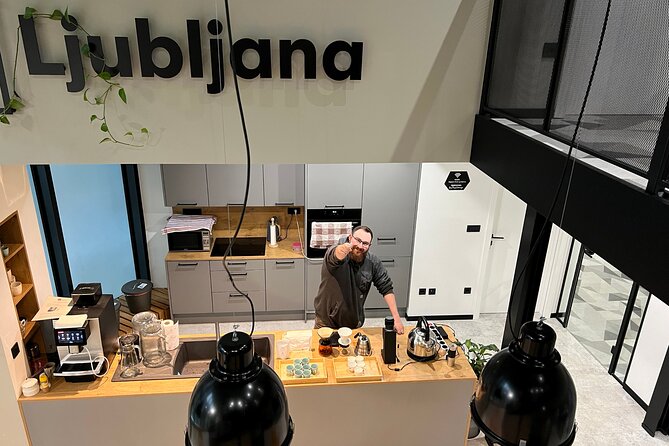
- A full seven-hour coffee workshop: You get time to learn, taste, practice, and ask questions instead of rushing through a short demonstration.
- Latte art is part of the course: You are shown how to pour designs, not just how to make espresso and milk.
- Coffee flavor gets proper attention: The course explains what changes a cup’s taste and how to evaluate the result.
- Professional equipment is available: You work with machines and tools used for serious coffee preparation.
- Private English-language format: Only your group participates, with the session beginning at 10:00 am.
- Coffee, tea, water, and snacks are included: Lunch and alcoholic drinks are not, so plan around the long day.
What the Ljubljana barista course actually teaches
This is a foundation course, but it is not limited to pressing a button and steaming milk. The subject is coffee from several angles: preparation, tasting, equipment, maintenance, sourcing, and adjustment.
You can expect to learn classic espresso-based drinks first, then look at why one cup tastes better than another. That distinction matters. Many beginner classes teach a fixed method, while this one aims to help you notice the result and work out what needs changing.
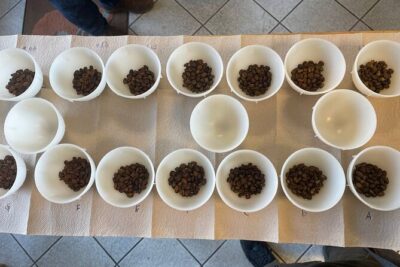
You might compare coffees, examine how preparation affects flavor, and practice making drinks on professional equipment. The exact order can vary, but the day is designed to connect theory with repeated hands-on work.
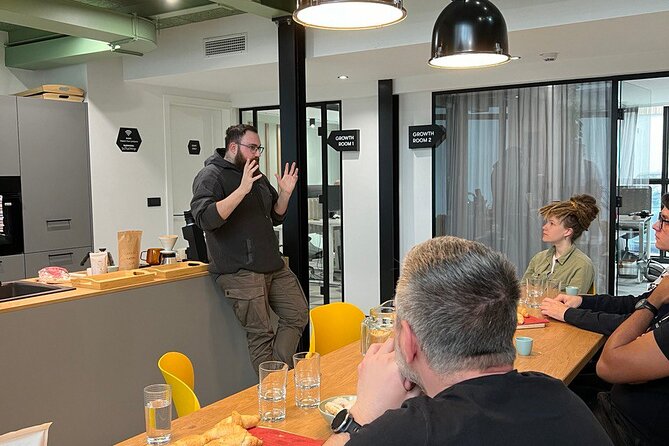
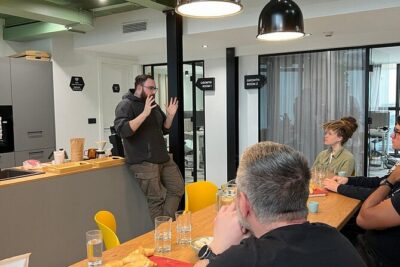
Lev leads the instruction and brings experience from working with coffee. The tone appears practical and open to beginners. You do not need to arrive planning a new career in coffee, but you should come ready to participate rather than simply watch.
The course is offered in English. That makes it a useful option for visitors who want a technical activity in Ljubljana without needing Slovenian.
More Coffee Tours in the world:
- Hanoi Coffee Experience: 6 Brews, 9 Recipes & 3 Liquor Tastings
★ 5.0 · 2,945 reviews - Medellin: Coffee Tour with Transport, Snacks and Tastings
★ 4.7 · 1,357 reviews - Istanbul: Turkish Coffee Making and Fortune Telling Workshop
★ 4.9 · 1,308 reviews
Starting at Dunajska cesta 61 at 10:00 am
The meeting point is Dunajska c. 61, 1000 Ljubljana, and the activity begins at 10:00 am. It is near public transportation, which makes the start easier to reach than a remote workshop site.
I would allow extra time to find the address and arrive calm. A coffee class works better when you are not walking in late, especially since the opening section may set up the basic ideas used for the rest of the day.
The activity returns to the same meeting point at the end. That is handy because you do not need to arrange a second pickup or guess where the course finishes.
The private setup is worth noting. Only your group participates, so the session is not a large public demonstration. This should make it easier to ask basic questions, repeat a technique, or spend more time on the parts you find difficult.
The private format does not automatically mean the class is quiet or leisurely. Seven hours is still a substantial block of instruction. If your group includes people with very different skill levels, talk through your goals early so the time is used well.
Learning to taste espresso instead of just drinking it
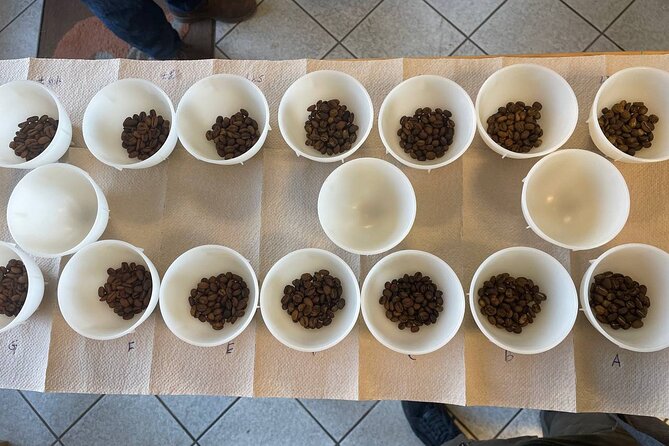
The course places real weight on evaluation. You are not only told how to make a cappuccino or another espresso drink. You learn to consider what affects the flavor profile in the cup.
That can change the way you drink coffee after the class. You may begin noticing bitterness, sourness, strength, aroma, texture, or balance instead of simply deciding that a coffee is good or bad.
This is especially useful if you buy beans for home brewing. Understanding flavor gives you a better way to describe what went wrong. Instead of saying the coffee tastes strange, you can start asking if the grind, water, dose, extraction, or bean choice needs attention.
The experience also covers how to source good coffee. That is a practical subject, since a well-made drink cannot fully rescue poor or unsuitable beans. The sourcing section should help you think about quality before the coffee reaches the machine.
I like this wider view. It gives the course value beyond the seven hours because the skills can shape how you choose coffee in cafés and shops later.
Still, tasting takes concentration. You may find several cups interesting at first and tiring later. The included water and snacks help, but lunch is not included, so you should plan to eat before the start or after the course as appropriate.
Using professional equipment and keeping it in shape
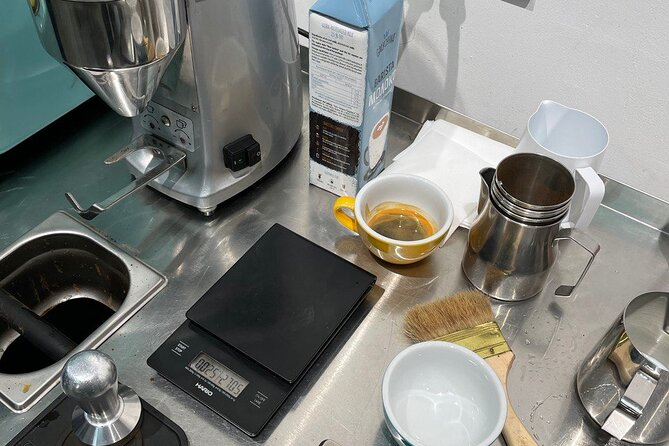
A major benefit is the chance to work with actual professional equipment. This is more useful than watching someone else operate a machine, because you get a feel for the process and see how small adjustments affect the result.
The course explains how coffee equipment works and how it is maintained. That second point is easy to ignore, yet it matters at home. Dirty or poorly maintained equipment can affect flavor and performance, even when the coffee and recipe are sound.
You should come away with a better sense of what the machine is doing, which parts need care, and why regular cleaning belongs in the routine. The information is aimed at practical use, not just coffee vocabulary.
Do not expect a fully specified equipment list from the published details. The course confirms professional equipment, but it does not name the espresso machine, grinder, or other tools. If you have a particular machine you want to learn, ask the provider before booking.
The session may also help you decide if buying home equipment is worthwhile. That is a useful outcome. Many people spend heavily on gear before understanding what they actually need. A foundation class can make that choice more sensible.
Same town, another way to drink it:
- Hanoi Coffee Workshop: Taste Salt, Coconut and Egg Coffee
★ 5.0 · 1,286 reviews - Vienna for Food Lovers: Cafés, Markets & Austrian Cuisine
★ 5.0 · 1,063 reviews - Big Island Highlights: Coffee, Volcano, Black Sands & Waterfall
★ 5.0 · 1,054 reviews - Hanoi: Salt Coffee Workshop Awake Your Senses With 6 Brews
★ 5.0 · 792 reviews
Dialing in coffee and making classic drinks
Dialing in is one of the most valuable skills covered. In plain terms, it means adjusting the preparation so the coffee produces a better result. This is where tasting and equipment meet.
You learn to source coffee, prepare it, assess the cup, and make changes. That process is more flexible than memorizing one recipe. Coffee changes from bean to bean, and the same settings will not always give the same result.
The course also teaches classic espresso-based drinks. You should expect practice with the basic building blocks of café coffee, along with an explanation of how preparation affects the finished drink.
The details do not promise a particular menu of drinks, so I would not book expecting a named list beyond classic espresso-based options. The useful part is the method: learn what you are making, taste it, and work out how to improve it.
This is also where the seven-hour duration earns its keep. A short class can show you one successful extraction. A full day gives you more room to make mistakes, change an approach, and understand why the result shifts.
That length may be too much for someone who simply wants to make a single latte. For a person who wants repeatable home coffee, it offers more substance.
Pouring latte art without treating it as a magic trick

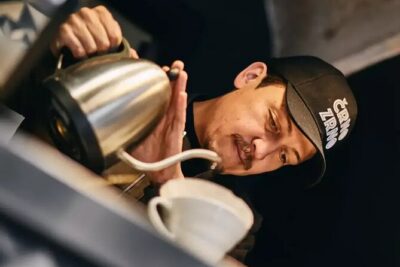
Latte art is included, and that gives the day a visual, hands-on goal. You learn how to pour designs rather than stopping at a plain milk drink.
The important point is that latte art depends on more than drawing with the pitcher. The milk texture, espresso base, pouring height, speed, and timing all matter. The course connects the appearance of the drink with the preparation behind it.
You should approach this part with patience. Latte art can look simple when someone experienced does it, but a first attempt may be uneven. The private group format helps here because you can ask for correction without performing before a large class.
The activity does not promise a particular design or guarantee that you will leave making café-perfect patterns. It does give you instruction and practice on professional equipment, which is a better starting point than trying to copy short videos at home.
For many people, latte art is the fun section of the day. It also gives you a clear way to see progress. If the milk texture improves and the pour becomes more controlled, the result shows it.
How the $355.04 price makes sense
At $355.04 per person, this is not a casual Ljubljana attraction. It costs more than a standard coffee tasting because it occupies about seven hours and combines instruction, tasting, equipment use, and practice.
The value depends on your goal. If you are curious about coffee but rarely prepare it, the price may feel hard to justify. You will still receive coffee, tea, water, and snacks, but the main purchase is the training time, not refreshments.
For a home brewer, aspiring barista, or serious coffee fan, the calculation is different. You get a concentrated introduction to espresso drinks, flavor evaluation, equipment care, sourcing, dialing in, and latte art. Learning these subjects separately could take a long time and involve buying beans and equipment without knowing what to look for.
The private format also adds value for a group with shared interest. Your group has the instructor’s attention rather than joining a crowded public session. I would be less enthusiastic about the price for a person who plans to remain a casual coffee drinker.
The best way to judge the cost is to ask what you want to do afterward. If you want to improve your coffee at home and understand why results vary, the course has a clear purpose. If you mainly want a memorable activity between sightseeing stops, a shorter and less expensive tasting may suit you better.
Who will get the most from seven hours
I would recommend this course most strongly to:
- A coffee enthusiast who wants a structured starting point.
- Someone setting up or improving a home espresso routine.
- An aspiring barista who needs practice with equipment and milk.
- A visitor who wants a private, practical activity in English.
- A curious beginner who enjoys learning by doing.
You do not need to plan a coffee career. One participant used the course to move beyond instant three-in-one coffee and gain enough confidence to show off a little socially. That is a fair reason to book. A useful skill does not have to become a profession.
The course may be less suitable if you dislike long workshops, avoid caffeine, or want a fast sightseeing activity. There is no age limit for drinking coffee, but the provider accepts participants over 18 for coffee-related workshops. That rule makes this an adult activity even though the subject itself is not alcohol-based.
Because this is private, it could work well for friends, couples, or a small family group that wants to learn together. The supplied details do not state a maximum group size, so ask before booking if group numbers matter to you.
What to bring and how to plan the day
Coffee, tea, bottled water, and snacks are included. Lunch is not included, and alcoholic beverages are not part of the activity.
I would eat sensibly before the 10:00 am start and avoid treating the snacks as a full meal. The session lasts around seven hours, so plan your day around it rather than trying to fit a major attraction into the same time window.
Wear something comfortable for a practical workshop. The supplied details do not specify a dress code or equipment to bring, so you should not assume that personal coffee tools are required. If you have questions about bringing beans, a notebook, or a specific home machine issue, contact Specialty Kava Slovenia before the course.
A mobile ticket is provided, and confirmation is received at booking. Keep the booking information available when you arrive.
Free cancellation is available if you cancel at least 24 hours before the local start time. Changes or cancellations made inside that period are not accepted and are not refunded, so check your plans before the cutoff.
Should you book this Ljubljana coffee course?
Book it if you want more than a tasting. The strongest reason to choose it is the combination of hands-on professional equipment and instruction on how to evaluate and improve coffee. You get a full working day with espresso, sourcing, equipment care, dialing in, and latte art.
Think twice if the $355.04 price feels high for a one-off activity or if seven hours sounds exhausting. This is a course first and a sightseeing experience second.
For the right person, it is a useful way to turn vague coffee interest into practical skill. You may leave with better technique, a sharper palate, and a clearer idea of what to buy and adjust at home. If that is what you want from Ljubljana, Specialty Kava Slovenia is a focused choice.
FAQ
Where does the barista course begin?
The course begins at Dunajska c. 61, 1000 Ljubljana, Slovenia.
What time does the activity start?
The start time is 10:00 am.
How long does the course last?
The course lasts approximately seven hours.
Where does the activity finish?
The activity ends back at the meeting point.
Is the course offered in English?
Yes. The course is offered in English.
Is this a private activity?
Yes. Only your group participates.
What is included in the price?
Coffee and/or tea, bottled water, and snacks are included.
Is lunch included?
No. Lunch is not included.
Are alcoholic beverages included?
No. Alcoholic beverages are not included.
Is there an age requirement?
There is no age limit for drinking coffee, but the provider accepts people over 18 for the coffee-related workshops.
Is the meeting point near public transportation?
Yes. The meeting point is near public transportation.
Can I cancel for a full refund?
Yes, if you cancel at least 24 hours before the experience start time. Cancellations made less than 24 hours before the start time are not refunded.
Freshly brewed listings in the world
- Vietnamese Coffee 101 Workshop★ 5.0 · 11 reviews
- Vietnamese Coffee Making Class in Hoi An★ 5.0 · 4 reviews
- Vancouver: Street Art & Craft Coffee Walking Tour w/ Tasting★ 4.8 · 11 reviews
- Yerevan: Private Coffee Tour with 2 Café Stops★ 5.0 · 2 reviews
- Ubud: Waterfall, Holy Water Temple,Swing&coffee plantation★ 5.0 · 9 reviews
- Coffee pleasure walking tour★ 5.0 · 12 reviews
- Vienna: Guided Viennese Coffee-House Tour★ 5.0 · 2 reviews
- Turkish Coffee and Traditional Turkish Dessert Cooking★ 4.6 · 8 reviews
Ljubljana Coffee Tours, compared.

Introduction to the Specialty Coffee world in Ljubljana
Read our review →Browse the lists this tour appears in