
Review · KIGALI
Rwandan Coffee Experience
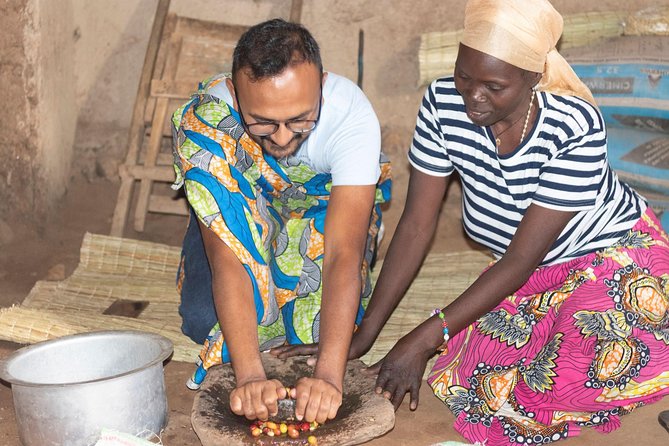
The most memorable part of this Kigali-area experience is that you handle the coffee at every stage, from choosing ripe cherries on the plant to roasting and grinding dried beans. I like the hands-on work and the chance to share a family lunch while hearing about daily life in the community.
I also like that the day is built around people rather than a quick photo stop. The local guides and hosts, including Bona on some departures, create a personal visit, though you should allow a full half-day or more and expect uneven ground and moderate physical activity.
Key points to know before booking
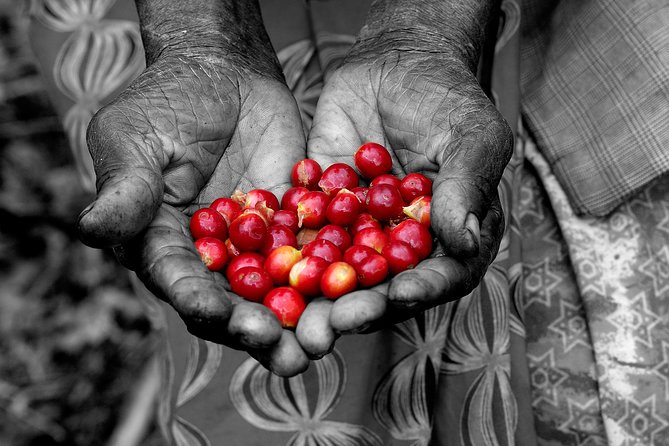
- You make the coffee from plant to cup: Pick cherries, wash and pulp them, dry them, roast them, and grind them by hand.
- The village visit includes local food: Lunch is prepared from the kind of food the family normally eats.
- You get a choice of practical tasks: Fetch water or help in the kitchen before the coffee processing begins.
- Transport from Kigali is extra: Return transport between Muhanga, also called Gitarama, and the village is included.
- This is a private activity: Only your own group participates, with a minimum booking of two people.
- Plan for a long, active day: The experience lasts about 5 to 8 hours and includes uneven surfaces.
From Kigali to a Rwandan coffee village
This is not a quick coffee tasting tucked into a city café. The experience takes you from Kigali toward Muhanga, also known as Gitarama, and then onward to a village where coffee production is part of ordinary working life.
The day begins with a briefing. That matters because the visit involves more than watching a demonstration. You will be shown how the day works, what to wear, and how to take part respectfully. On arrival, you are welcomed and dressed in suitable attire before heading to the coffee fields.
The meeting point is listed at NR1 in Gitarama. If you are staying in Kigali, do not assume the $90 price includes the entire journey from your hotel. Transport from Kigali can be arranged for an additional charge, while return transport from Muhanga to the village is included.
That split is the main logistical point to settle before paying. Ask for the Kigali pickup cost and timing when you book. The experience is available in the morning, with stated operating hours from 8:00 to 11:00, while the full activity itself lasts roughly 5 to 8 hours. The exact schedule may depend on your starting point and the time spent with the hosts.
More Coffee Tours in the world:
- Hanoi Coffee Experience: 6 Brews, 9 Recipes & 3 Liquor Tastings
★ 5.0 · 2,945 reviews - Medellin: Coffee Tour with Transport, Snacks and Tastings
★ 4.7 · 1,357 reviews - Istanbul: Turkish Coffee Making and Fortune Telling Workshop
★ 4.9 · 1,308 reviews
Picking the right coffee cherries
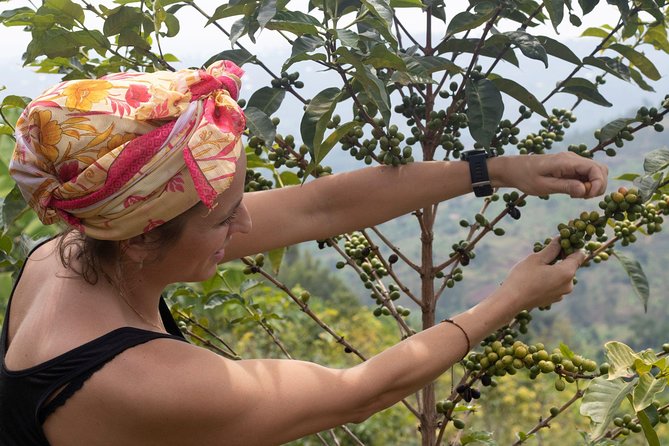
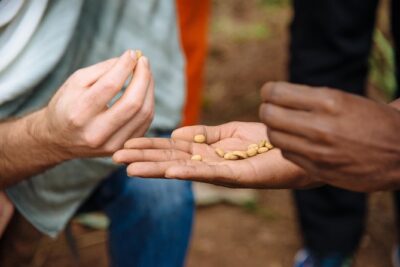
At the fields, you learn to identify the coffee plants and select suitable cherries. This is a small but important part of the day. Coffee is not simply picked in one sweep. The quality of the beans begins with which cherries are chosen and how carefully they are harvested.
You are not just shown a finished bag of roasted coffee. You take part at the beginning, among the plants, with guidance from the local host or guide. That gives the rest of the process a clear purpose. When you later wash, dry, roast, and grind the coffee, you know where the beans started.
The work can be physical. Expect to walk over uneven surfaces, and do not book this as a passive indoor tasting. The activity notes call for moderate physical fitness. Children can join, but they must be accompanied by an adult. A child rate applies only when the child shares with two paying adults.
The pace should suit people who prefer a real activity over a polished performance. You may spend time listening, moving between tasks, and waiting for the next stage of the coffee process. That slower rhythm is part of the appeal, but anyone wanting a short, tightly timed excursion may find the day longer than expected.
Fetching water or helping in the kitchen
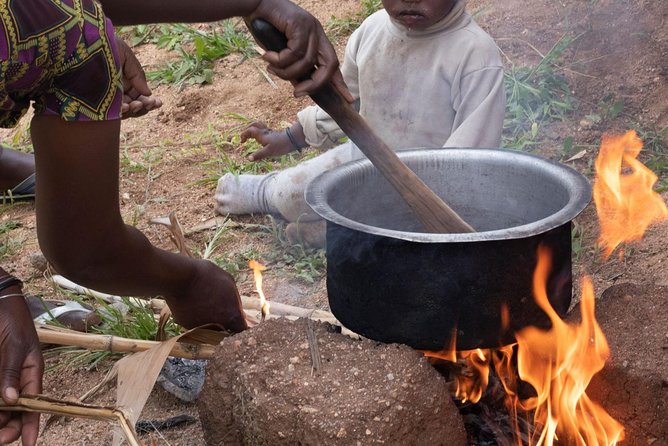
After harvesting, you have a choice. You can fetch water, or you can go to the kitchen and help with food preparation.
The water task gives you a better sense of the labor tied to everyday village life. It is not a decorative add-on. Water is needed for washing the coffee and for household work, so carrying it connects the coffee process with the rest of the day.
The kitchen option offers a different kind of contact with your hosts. You help prepare the meal rather than simply arriving when everything is ready. If you prefer food, conversation, and household activity to carrying water over uneven ground, this may be the better choice.
Neither option should be treated as a challenge to prove anything. Ask your guide what makes sense for the day and for your fitness level. The tour provides bottled water, but that does not remove the need to bring practical clothing and shoes suited to outdoor work.
Washing, pulping, and drying the cherries
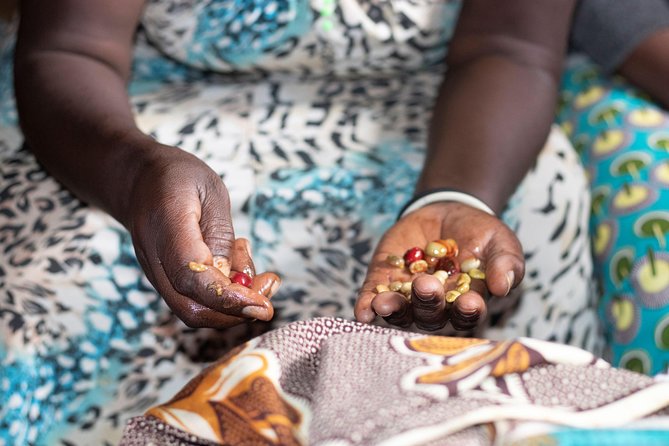
Once water is collected, the coffee cherries are washed and pulped. The pulp is removed from the fruit, leaving the beans to dry.
This part makes the price easier to judge. A standard tasting gives you a cup and perhaps a short explanation. Here, you see the less glamorous work that comes first. Washing and pulping require time and care, and the beans are then left out to dry before roasting.
You will not turn freshly picked cherries into finished coffee in a few minutes. The drying stage takes time, so the beans used later for roasting are dried coffee prepared for that stage. That is worth understanding before you arrive. The point is to follow the chain of production and take part in each kind of work, not to complete every process from one morning’s harvest instantly.
The sequence also gives you useful context about the value of coffee. A finished cup hides much of the labor behind it. Handling the fruit, water, pulp, and beans makes that labor visible without turning the experience into a formal lecture.
Same town, another way to drink it:
- Hanoi Coffee Workshop: Taste Salt, Coconut and Egg Coffee
★ 5.0 · 1,286 reviews - Vienna for Food Lovers: Cafés, Markets & Austrian Cuisine
★ 5.0 · 1,063 reviews - Big Island Highlights: Coffee, Volcano, Black Sands & Waterfall
★ 5.0 · 1,054 reviews - Hanoi: Salt Coffee Workshop Awake Your Senses With 6 Brews
★ 5.0 · 792 reviews
A family lunch and time to ask questions
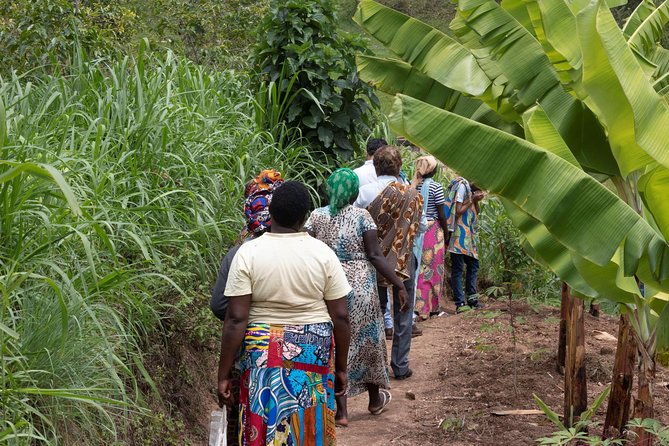
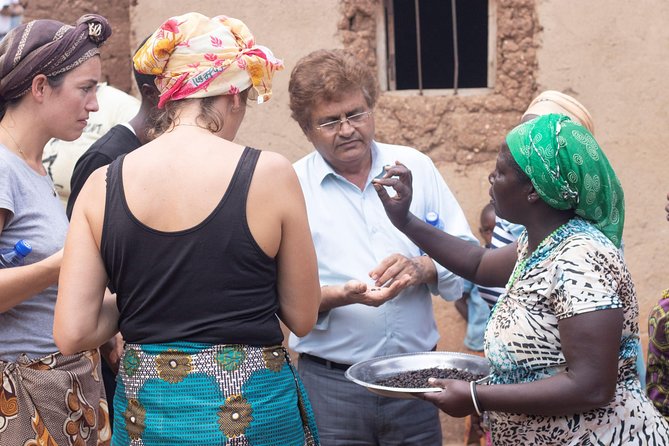
Lunch is local Rwandan food of the kind the family would normally eat. This is one of the strongest parts of the day because the meal creates room for conversation.
You are encouraged to ask your hosts about life in the community. That can be more meaningful than a scripted talk because questions can follow your own interests. You might ask about coffee work, family routines, local food, or how the cooperative and village fit into daily life.
The meal is included, along with coffee and tea. Bottled water is also provided. Gratuities, a local guide, and a tour host are included in the listed price.
Keep your expectations sensible. This is local home-style food, not a restaurant menu designed for visitors. That is exactly why it suits people who want a direct connection with the setting. If you have dietary needs, the supplied information does not specify how they are handled, so raise them when booking.
The strongest praise attached to this experience centers on its lack of a hard sales feel and its genuine contact with the people involved. You still have a gift shop available at Azizi Life, but purchases there are not included in the price and are optional.
Roasting and grinding by hand
After lunch, the dried coffee is hand-roasted and ground. This is the satisfying finish to the production chain, and it is where the work becomes something you can taste.
Roasting by hand lets you see how the plain dried beans change through heat. Grinding them yourself adds another simple but useful step. You are not only being served coffee at the end. You have helped prepare the drink from its agricultural beginning.
The final coffee or tea is included. The experience is less about tasting rare varieties or learning technical café skills and more about understanding the effort behind a familiar drink. If you are a serious coffee specialist, you may want more detail about bean variety, roast profile, or brewing method. Those specifics are not provided here.
For most people, the strength lies in the complete chain: plant, cherry, water, pulp, drying, roasting, grinding, and drinking. It is a memorable way to connect an everyday habit with the people who produce it.
Why the $90 price can make sense
At $90 per person, this is not the cheapest way to spend a morning in Rwanda. The value depends on what you want from a rural visit.
The price includes lunch, bottled water, coffee or tea, gratuities, a local guide, and a tour host. It also includes return transport from Muhanga to the village. Most important, it pays for a private activity, so only your group takes part. That can make the day feel more personal than a large group excursion.
Kigali transport is not included, and that can raise the total cost. Group discounts are available, so the per-person value may improve if you are booking with family or friends. A minimum of two people is required, which rules it out for a solo booking unless you arrange another participant.
I would compare this with the cost of a standard day trip that simply drives past rural areas. Here, you spend several hours taking part in work, eating a local meal, and speaking with hosts. If those are your priorities, the price is reasonable. If you mainly want a cup of Rwandan coffee and a short introduction, it is more than you need.
What to wear and how to prepare
Wear clothes that can handle outdoor work and shoes with a firm sole. The activity includes coffee fields, water collection or kitchen work, and uneven surfaces. You should be comfortable walking and standing for part of the day.
The experience supplies suitable attire on arrival, but that does not mean your own clothing can be delicate or formal. Dress for a village visit, not a city café. Bring patience as well as practical shoes. The length can range from 5 to 8 hours, so leave space in your schedule.
Because children must be accompanied by an adult, families should plan to stay together throughout the day. The minimum booking is two people, and the child rate is limited to a child sharing with two paying adults.
Confirmation is provided at booking. You can cancel for a full refund if you do so at least 24 hours before the start time. Changes or cancellations made inside that period are not accepted for a refund.
Who will enjoy this coffee experience most
I would choose this for you if you want to meet people through shared work rather than simply watch a cultural display. It suits couples, families with older children, friends, and small private groups who like food, farming, and practical activities.
It is also a good fit if you want your time outside Kigali to have a clear local focus. The day connects coffee production with household work and conversation, so it offers more than a single subject.
I would think twice if you have limited mobility, dislike uneven ground, or want a short and predictable outing. The activity calls for moderate fitness and can last most of a day. I would also check the extra Kigali transport cost before deciding if the total price fits your budget.
The private format is a real advantage for people who want to ask questions at their own pace. A guide such as Bona may lead the day, and the host team works with visitors directly. Guide assignments can vary, so confirm the name if meeting a particular guide matters to you.
Should you book the Azizi Life coffee day?
Book it if you want to understand Rwandan coffee through your hands, not just through a tasting cup. Picking cherries, helping with water or food preparation, eating a family meal, and roasting the beans gives the day a clear sense of place.
The main cautions are simple: arrange Kigali transport, allow 5 to 8 hours, and prepare for moderate activity. At $90, it is best value for people who want a private, human-scale village experience with lunch and guided participation. If that sounds like your kind of day, this is one of the stronger choices around Kigali.
FAQ
Where does the Rwandan Coffee Experience start?
The listed meeting point is NR1 in Gitarama, Rwanda, also known as Muhanga.
Is transportation from Kigali included?
No. Transportation from Kigali is not included, but it can be arranged on request for an additional charge.
What transportation is included?
Return transport from Muhanga, or Gitarama, Town to the village is included.
How long does the experience last?
The activity lasts approximately 5 to 8 hours.
What food and drinks are included?
Lunch, bottled water, and coffee or tea are included.
Is this a private tour?
Yes. Only your group participates, and a minimum of two people is required for a booking.
Can I cancel for a full refund?
Yes. You must cancel at least 24 hours before the experience start time to receive a full refund.
Freshly brewed listings in the world
- Vietnamese Coffee 101 Workshop★ 5.0 · 11 reviews
- Vietnamese Coffee Making Class in Hoi An★ 5.0 · 4 reviews
- Vancouver: Street Art & Craft Coffee Walking Tour w/ Tasting★ 4.8 · 11 reviews
- Yerevan: Private Coffee Tour with 2 Café Stops★ 5.0 · 2 reviews
- Ubud: Waterfall, Holy Water Temple,Swing&coffee plantation★ 5.0 · 9 reviews
- Coffee pleasure walking tour★ 5.0 · 12 reviews
- Vienna: Guided Viennese Coffee-House Tour★ 5.0 · 2 reviews
- Turkish Coffee and Traditional Turkish Dessert Cooking★ 4.6 · 8 reviews
Kigali Coffee Tours, compared.

Kigali: Traditional Coffee Experience ( Bean to Brew)
Read our review →

Local Community Tour(Cultural, Coffee,Village walk,Local food)
Read our review →
1-Day Lake Kivu Karongi Boat Cruise & Coffee farming with Lunch
Read our review →Browse the lists this tour appears in