
Review · KIGALI
Local Community Tour(Cultural, Coffee,Village walk,Local food)
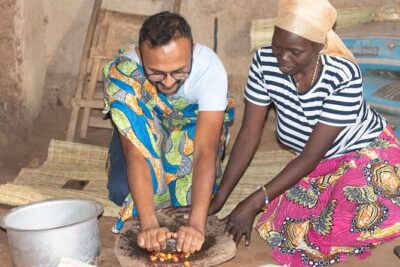
The most memorable part of this Kigali outing is not a landmark. It is the chance to sit with a Rwandan family, help prepare food, hear village stories, and take part in ordinary work such as grinding sorghum or smashing bananas. Local contact is the heart of the day.
I like the choice of activities, especially the drumming lesson and the coffee process from plantation to cup. I also like that lunch and transport are included. The main caution is price: at $170 per person, this can feel high if your visit is short or your group wants only a basic village walk.
Key points at a glance
- Choose your own focus: Pick from home-host, agro-tourism, or adventure activities rather than following one rigid program.
- Drumming is a strong highlight: You can take part in a traditional dance and drumming session, not just watch one.
- Food is hands-on: Help prepare local dishes, use traditional tools, and eat lunch with the family.
- Coffee and banana beer show working traditions: Follow coffee from plantation to cup or see how bananas become juice and beer.
- Mount Jali adds exercise: Hiking options range from medium to hard and high elevation, with sticks and binoculars available.
- Private and practical: Pickup, entrance, guiding, lunch, bottled water, and soda are included for your group.
A village day built around participation
This is a flexible cultural outing from Kigali, not a quick stop for photographs. You spend time with a Rwandan family and take part in tasks that explain how food, farming, music, and household life fit together.
The day begins at 7:00 a.m. at Rwagasabo Safaris Rwanda on KN 3 Ave in Kigali, with pickup offered. From there, the exact shape of the outing depends on the activities you choose and the time available. The stated duration is roughly four to seven hours, while the main itinerary describes a four-hour visit.
That difference matters. Ask for the day’s exact plan before setting out, especially if you want both coffee and a hike. The menu of choices is wide, but a half-day cannot give equal time to every activity.
More coffee with something to eat in the world:
- Vienna for Food Lovers: Cafés, Markets & Austrian Cuisine
★ 5.0 · 1,063 reviews - Buggy Ride Into the jungle with cave coffee & chocolate tasting
★ 5.0 · 465 reviews - Hanoi: Vietnamese Street Food Tour with Egg Coffee
★ 4.9 · 315 reviews
Starting with food, family, and village skills
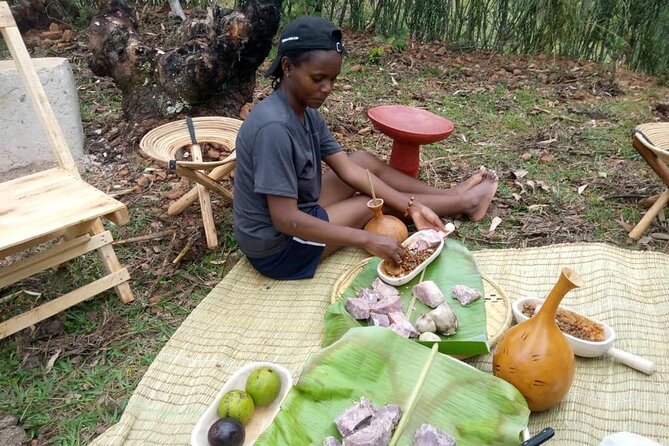
The home-host portion gives you the clearest sense of daily life. You may help prepare traditional food and eat it using traditional serving tools such as an imbehe and inkoko. The point is not simply to sample a dish. You see how ingredients are handled and how a meal becomes a social event.
Sorghum grinding and banana smashing are especially useful activities because they turn familiar food into a process you can understand. You get a better feel for the work behind the meal, and you are not left sitting at a table while someone else performs everything for you.
Lunch is included, along with bottled water and soda. Personal expenses and snacks outside the package are not included, so bring something extra if you need food between meals. The supplied advice to carry heavy snacks and drinks with sugar is worth following, particularly if you choose hiking or spend a long time outdoors.
The family setting also leaves room for conversation. You can listen to stories, ask about village routines, and meet people during a walk through the area. The day is strongest when you treat it as a shared exchange rather than a checklist of activities.
Traditional music that gets you moving
Traditional dance and drumming are among the most appealing choices here. The drumming lesson was a clear highlight for one participant, and I can understand why. Music gives you a direct way to join in, even if you know little about Rwandan culture before arriving.
Expect instruction and participation rather than a polished stage show. You may hear the rhythms, try the instruments, and take part in dance. That makes this a good choice for anyone who wants a cultural activity with some energy and humor.
The experience also includes storytelling, and the combination works well. Music shows how a tradition feels in the body, while stories provide context. If your time is limited, I would put drumming high on your list.
You should also keep your expectations in check. A short visit cannot explain every musical tradition in Rwanda, and the details of the session may depend on the family and guide available that day. Still, it is one of the more memorable options because you are doing something rather than simply looking at something.
Coffee from plantation to cup
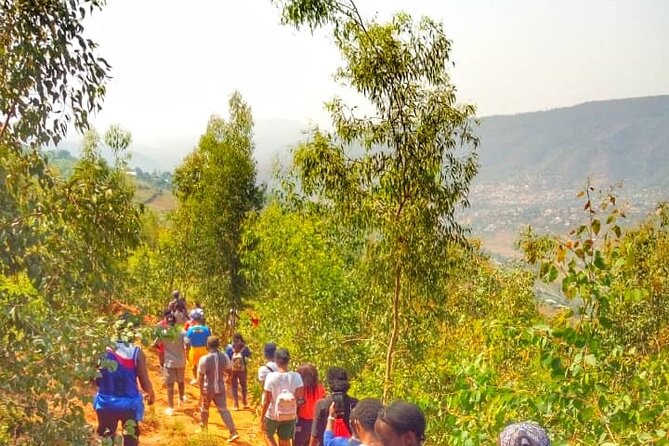
The coffee option follows the drink through several stages. You may see the plantation, take part in preparation, and follow the process through to the cup. That sequence gives the activity more purpose than a simple tasting.
Coffee matters as an agricultural product and as part of everyday work. Seeing it in relation to planting and preparation helps you understand the labor behind a drink that many visitors consume each morning without much thought.
This is a good choice if you prefer a calmer activity and want an introduction to local farming. It may also suit you if you want cultural context without a demanding hike. The available information does not specify every processing step or the amount of tasting provided, so ask how much time will be spent at each stage.
If you are choosing between coffee and banana beer, think about what you want to take home from the experience. Coffee offers a farm-to-cup lesson. Banana beer offers a more unusual look at fermentation and communal tasting.
More food stops with a coffee break in the world:
- Hungry in Vienna? A Food Lover’s Coffee & Market Walk
★ 4.9 · 276 reviews - Private Walking Tour, Food Tasting and Bosnian Coffee in Sarajevo
★ 5.0 · 255 reviews - Rome Pantheon: Award Winning Gelato Tiramisu & Espresso Food Tour
★ 5.0 · 99 reviews - Vienna Eats: Private Foodie Walk with Coffee & Markets
★ 5.0 · 77 reviews
Banana beer, from fruit to fermentation
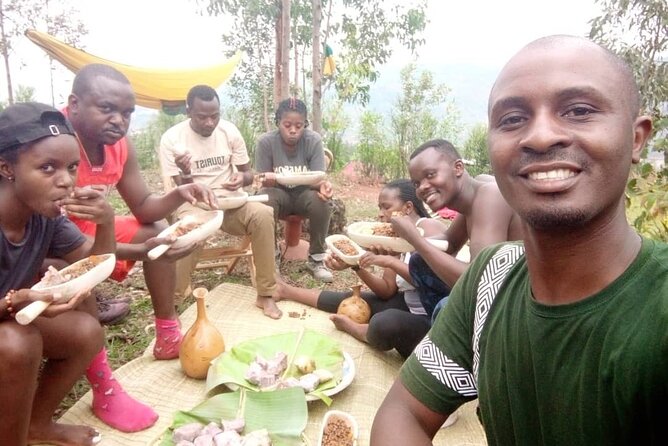
The banana beer activity begins in a banana plantation. You then follow juice making, fermentation, and beer tasting. The process includes smashing bananas, an especially hands-on part of the visit.
This activity gives you a practical look at how local ingredients become a drink. It also links farming with social life, since the final tasting takes place with local people. You are not only hearing about a tradition. You are seeing the raw material and the steps that lead to the finished drink.
The tasting is part of the planned activity, but drinkers should still ask the guide what is included and how much is offered. If you do not drink alcohol, confirm what alternatives are available before booking, since the supplied details do not specify them.
For many people, this will be more distinctive than a standard coffee stop. It is also a useful choice if you want an activity that combines agriculture, food production, and conversation.
Cattle, milking, and the working farm
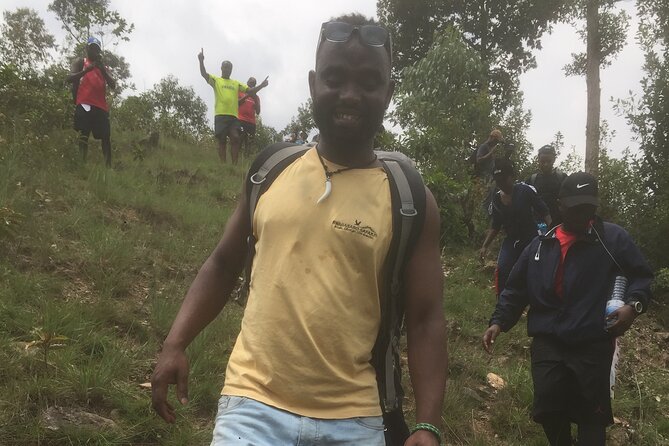
Traditional cattle and cow milking are another possible focus. This gives you a look at animal care and farm routines, rather than only the finished food on the table.
The broader program can include waking early to feed animals, farming, and meeting local people. Since your start time is 7:00 a.m., the schedule fits the idea of seeing a working day begin, although the exact animal activities should be confirmed when you book.
I would choose this option if you are interested in rural work and do not mind getting close to practical tasks. It is less suited to someone seeking a polished cultural performance. The value comes from seeing how household and farm responsibilities connect.
You can also combine this with the food portion, since both help explain where meals come from. Just remember that the tour offers choices, and the time available may not allow every activity in one visit.
Village walks and local conversation
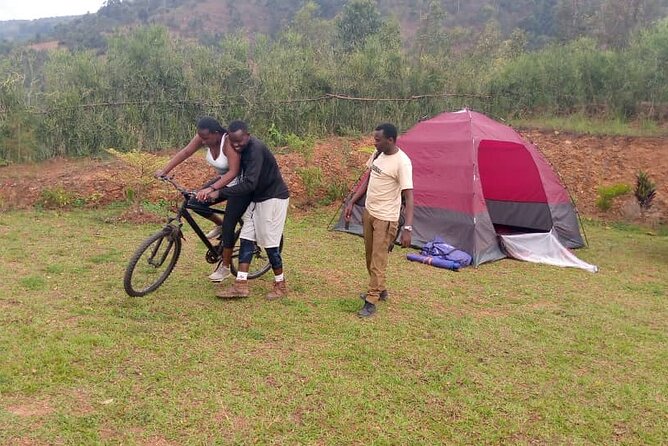
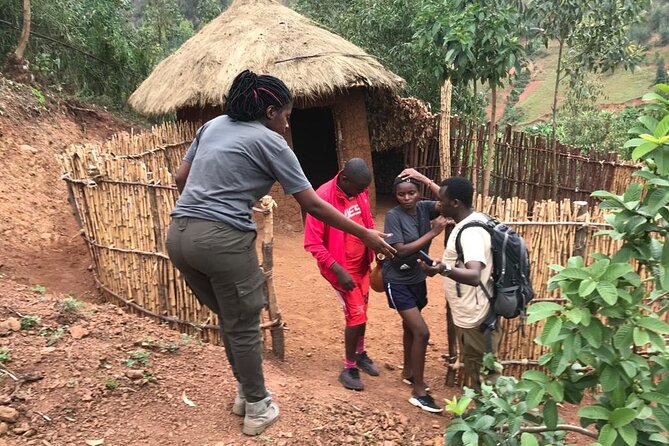
The village walk is a simple idea, but it may be the thread that connects the whole outing. You meet and interact with local people, see the setting around the family, and gain a better sense of place than you would from a vehicle window.
The walk can be part of the home-host program or an adventure option. It is also a useful choice for people who want conversation without committing to a hard hike.
Do not expect a museum-style explanation at every turn. The value is in the contact, the questions you ask, and the guide’s ability to connect what you see with daily life. Serge is named as one of the guides, and one participant specifically found him a great guide. If he is leading your outing, you can expect a personal guiding style, though guide assignment should be confirmed in advance.
Wear practical shoes. Even a gentle village walk can involve uneven ground, and the operator advises hiking shoes for the outing.
Mount Jali for a more active day
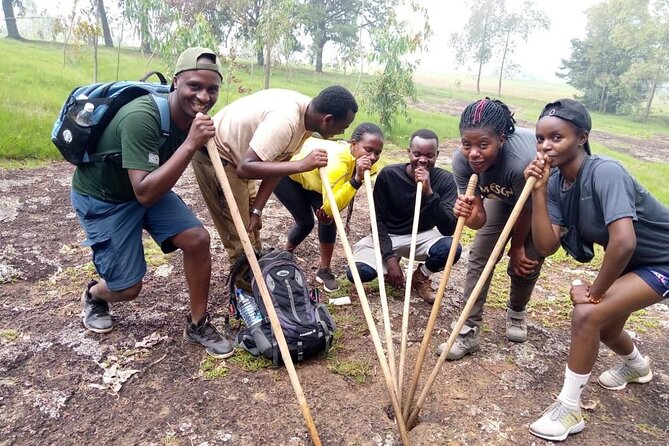
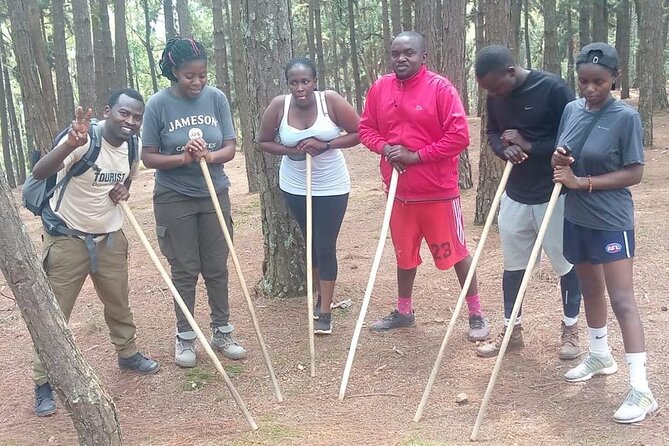
The adventure choices include Mount Jali hiking at hard, high, or medium elevation levels. You can enjoy views of the surrounding area with binoculars and hiking sticks. This changes the character of the tour from a cultural visit into a physical day outdoors.
The level matters. If you want a relaxed cultural outing, choose the village walk and home activities instead. If you enjoy exercise and want views as part of the day, ask which route matches your fitness and how much time it will take.
Bring sturdy hiking shoes, water, and substantial snacks. A raincoat is also advised during the rainy period. The package includes bottled water and soda, but you should not rely on those alone for a demanding hike.
The supplied details do not give the trail distance, elevation gain, or exact hiking time. Ask those questions before departure. Binoculars and hiking sticks are mentioned as part of the Mount Jali experience, but confirm whether the operator provides them or expects you to bring your own.
What the $170 price really covers
At $170 per person, this is not a bargain-priced city excursion. It becomes easier to justify if you value a private visit, transport from Kigali, a local guide, entrance arrangements, lunch, bottled water, and soda.
The private format is important. Only your group participates, so you can spend more time on the activities that interest you and ask questions without a large crowd. It also makes the outing easier for families or friends with different comfort levels, although the group size affects the final price.
The price feels strongest when you choose several connected activities, such as food preparation, a village walk, and drumming. It feels weaker if you pay $170 for a short visit with little time beyond one basic activity. Before booking, ask for a clear schedule and confirm whether your preferred choices can fit into the available hours.
The experience is usually booked about 23 days ahead, which suggests you should not leave it until the last moment if it is important to your Kigali plans. Confirmation is provided at booking.
Timing, pickup, and what to pack
The start time is 7:00 a.m. The listed ticket redemption point is Rwagasabo Safaris Rwanda, KN 3 Ave, Kigali, Rwanda, and pickup is offered. Confirm your pickup details and return timing before the morning begins.
The experience lasts about four to seven hours. The shorter end may suit a busy Kigali schedule, while the longer version gives you more room for food preparation, conversation, and outdoor activities.
Pack:
- Water and heavy snacks
- Drinks with sugar content
- Hiking shoes
- A raincoat during the rainy period
- Comfortable clothing for cooking, walking, drumming, or farm activities
No COVID-19 test is required or recommended. Most people can participate, though the harder Mount Jali routes require a reasonable level of fitness. Since this is a private activity, you can discuss your group’s needs ahead of time.
Cancellation is flexible if your plans change. You receive a full refund when you cancel at least 24 hours before the local start time. Cancellations or changes made within 24 hours are not accepted for a refund.
Who will get the most from this Kigali tour?
I would recommend this outing to you if you want contact with local people and prefer doing something practical over checking off monuments. It suits curious eaters, families, small private groups, photographers who value daily life, and anyone interested in coffee, farming, music, or rural routines.
It is also a good fit if you want choices. You can lean toward home life, agriculture, or outdoor activity instead of accepting a fixed program.
I would hesitate if you want a low-cost excursion, a tightly timed sightseeing route, or a highly polished performance. The program is broad, and the exact balance depends on what you select. You should also think carefully about the price if your group plans to stay only four hours and choose one main activity.
Should you book it?
Book this tour if your main goal is to meet local people, prepare food, try traditional music, and understand everyday rural work near Kigali. Drumming, local cooking, and banana beer production offer the most distinctive mix, while coffee and the village walk provide a gentler pace.
Before paying, ask which guide will lead the tour, whether Serge is available, which three activities can fit your time, and how the price changes with your group size. If the answer gives you a full day of participation rather than a brief stop, the private format and included transport, lunch, and guiding make the cost more reasonable.
FAQ
Where does the tour start?
The ticket redemption point is Rwagasabo Safaris Rwanda, KN 3 Ave, Kigali, Rwanda. Pickup is offered.
What time does the tour begin?
The scheduled start time is 7:00 a.m.
How long does the experience last?
The experience lasts approximately four to seven hours. The main itinerary describes a four-hour visit.
Is the tour private?
Yes. Only your group participates in this private activity.
What is included in the price?
Transport, an entrance permit, guiding fees, lunch, bottled water, and soda are included. The price varies by group size.
Which activities can I choose?
The choices come from three areas: home-host activities, agro-tourism activities, and adventure activities. Options include cooking, drumming, dancing, medicinal plants, village walks, coffee preparation, banana beer production, cattle and milking activities, Mount Jali hiking, and camping.
What should I bring?
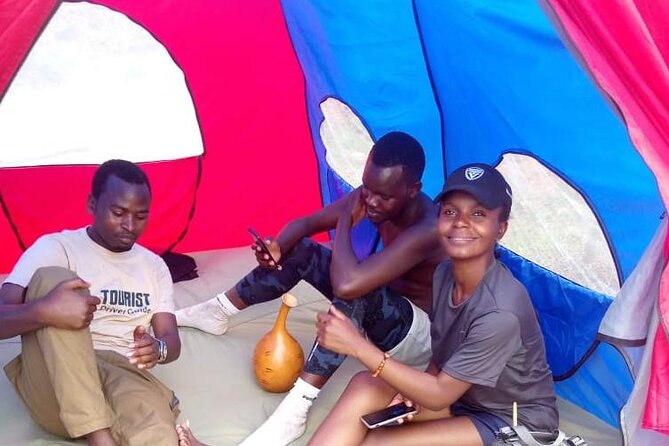
Bring water, heavy snacks, drinks with sugar content, hiking shoes, and a raincoat during the rainy period. Hiking sticks and binoculars are mentioned for the Mount Jali hike, but confirm whether they are supplied.
Can I cancel for a full refund?
Yes, if you cancel at least 24 hours before the experience start time. Cancellations and changes made less than 24 hours before the start time are not refunded or accepted.
Freshly brewed listings in the world
- Vietnamese Coffee 101 Workshop★ 5.0 · 11 reviews
- Vietnamese Coffee Making Class in Hoi An★ 5.0 · 4 reviews
- Vancouver: Street Art & Craft Coffee Walking Tour w/ Tasting★ 4.8 · 11 reviews
- Yerevan: Private Coffee Tour with 2 Café Stops★ 5.0 · 2 reviews
- Ubud: Waterfall, Holy Water Temple,Swing&coffee plantation★ 5.0 · 9 reviews
- Coffee pleasure walking tour★ 5.0 · 12 reviews
- Vienna: Guided Viennese Coffee-House Tour★ 5.0 · 2 reviews
- Turkish Coffee and Traditional Turkish Dessert Cooking★ 4.6 · 8 reviews
Kigali Coffee Tours, compared.
Kigali: Traditional Coffee Experience ( Bean to Brew)
Read our review →
1-Day Lake Kivu Karongi Boat Cruise & Coffee farming with Lunch
Read our review →Browse the lists this tour appears in