Review · ARUSHA
Marangu waterfall & Coffee making Cultural Tour | BURIGI CHATO SAFARIS CO LTD
Marangu gives you more than a waterfall stop. At about 1,900 meters on Kilimanjaro’s lower slopes, you move from coffee fields to forest paths, underground Chagga caves, and local food in one long day. I like the hands-on coffee session and the chance to swim beneath the falls. I also like that the day is built around Chagga life, not just a quick photo stop.
The main drawback is the amount of ground covered in roughly eight hours. You may spend a good part of the day in the vehicle, and the $150 price is harder to justify if you want only a waterfall hike. The walk can also be slippery, while the group size may reach 200, so ask about your departure size before booking.
Key points at a glance
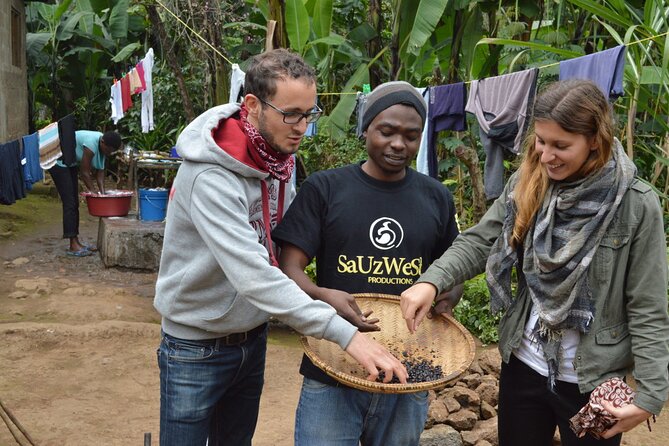
- Coffee is a hands-on stop: You learn how coffee is grown, harvested, processed, roasted, and prepared, then make a fresh cup yourself.
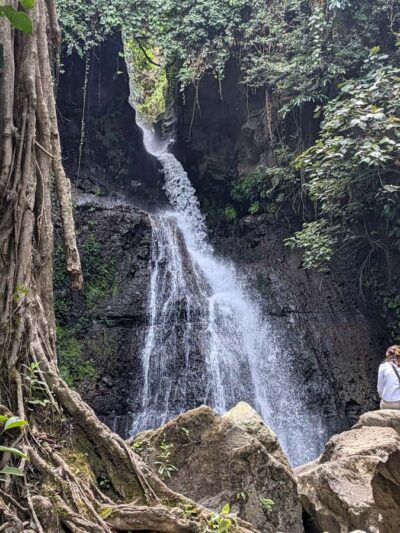
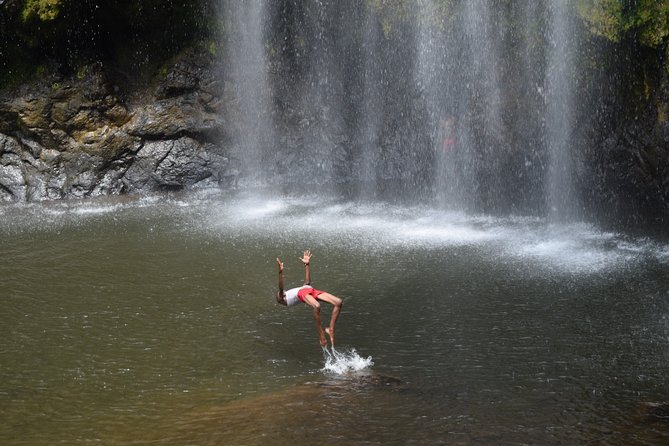
- The waterfall visit includes a hike: Expect a walk through lush greenery to Ndoro Waterfalls, with time for a swim if conditions are safe.
- Chagga culture shapes the whole day: The caves, museum, food, plants, and local drinks help connect the scenery with daily life.
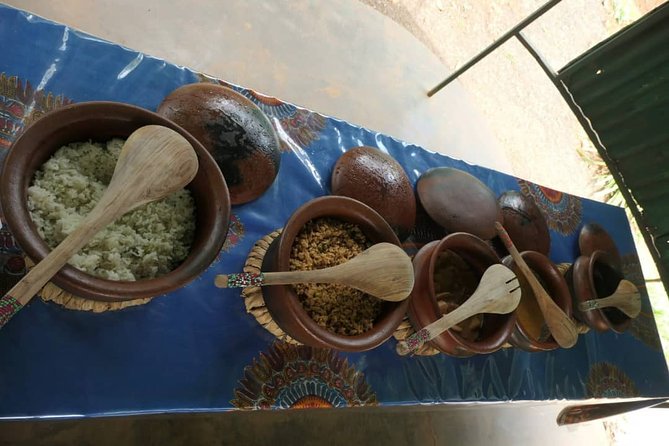
- Lunch is included: The meal may be served at a small restaurant or in a local family setting, depending on the arrangements.
- Kilimanjaro is part of the setting: Marangu Gate offers a sense of the mountain and possible views of Kilimanjaro, though weather controls what you see.
- Pickup needs checking: The tour starts at 8:00 am from Arusha, but hotel pickup is available only on request.
Why Marangu makes a strong cultural day trip
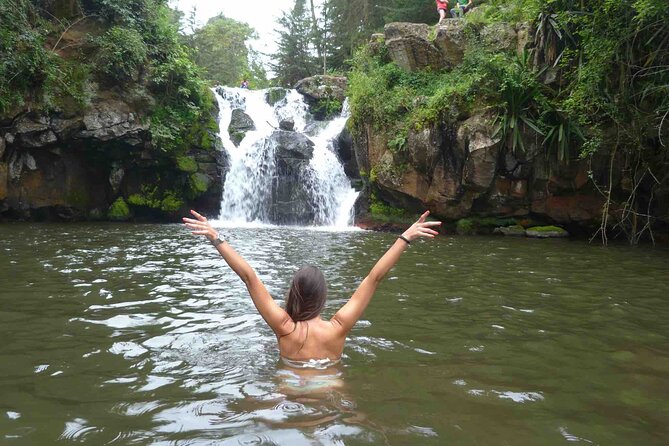
Marangu sits on the lower slopes of Kilimanjaro and is closely tied to the Chagga people. That setting gives this excursion a useful balance: you get forest, farming, water, and history without committing to a multi-day mountain trek.
I like the way the day links ordinary places together. A coffee plant is not just something you see in a field. You handle the beans and learn what happens before they reach a cup. The caves are not simply dark passages. They introduce the conflict and survival strategies connected with the Chagga community. Lunch then gives you a taste of food and drink that belongs to the area.
This is not the best choice if your sole goal is a long, quiet nature walk. It is a full cultural outing with several stops, and each one takes time. You should expect a busy schedule rather than hours spent at one waterfall.
The tour is listed at $150 per person. That includes lunch, taxes and listed fees, crew wages, and a first-aid kit. It does not include flights, visas, tips, hotel costs, or additional park fees. Since pickup from a hotel is available by request, confirm if transport from your accommodation is included in your quoted price.
More Coffee and Waterfall Trips in Arusha
- Materuni Waterfalls, coffee tour & Kikuletwa Hot Springs
★ 5.0 · 643 reviews - Materuni waterfalls coffee tour & Chemka hot springs Day trip
★ 5.0 · 131 reviews - Maasai village visit, Materuni waterfalls & coffee experience
★ 4.5 · 95 reviews
Starting at Marangu Gate at 1,900 meters
The day begins at 8:00 am, with Arusha listed as the starting point. The first area is Marangu Gate, the entry point for Kilimanjaro’s Marangu Route. You are not beginning a mountain climb here, but the gate gives you a feel for the scale and importance of the mountain.
Bring your camera for the mountain views, but keep expectations sensible. Kilimanjaro can be hidden by cloud, and the supplied details do not promise a clear summit view. On a good day, you may see the mountain and the surrounding slopes. Even without a perfect view, the gate helps explain why Marangu has long been an important base for people heading toward Kilimanjaro.
This first stop also sets the cultural frame. The Chagga live on the lower slopes, where farming benefits from the mountain’s water and fertile soil. Coffee is one of the key crops, and you will soon see how closely local agriculture is tied to the area.
The small coffee farm is the most hands-on stop
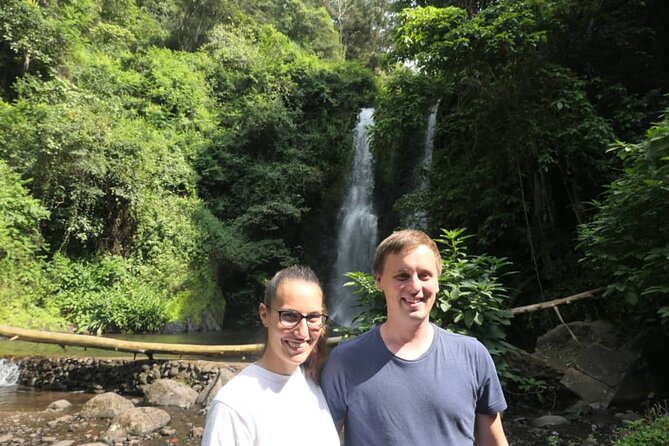
The coffee visit is one of the best reasons to choose this tour over a standard waterfall outing. You learn how coffee is grown and harvested, then see the local processing stages rather than simply sitting down for a tasting.
The useful part is the practical work. You may help process and roast the beans before preparing a cup yourself. That makes the stop more memorable than a simple explanation from a guide. It also gives you a clearer sense of the labor behind a drink many people take for granted.
The farm setting can also reveal details about everyday planting. One account describes learning about different plants used to mark boundaries between pieces of land. That sort of detail is valuable because it shifts your attention from grand attractions to how people use and organize the land around their homes.
The coffee stop is not presented as a polished plantation tour. It is a visit to a small local farm, so you should expect a personal, working environment rather than a large commercial visitor center. That is a strength if you want a close look at local production. It may feel basic if you want a highly staged tasting experience.
Hiking through greenery to Ndoro Waterfalls
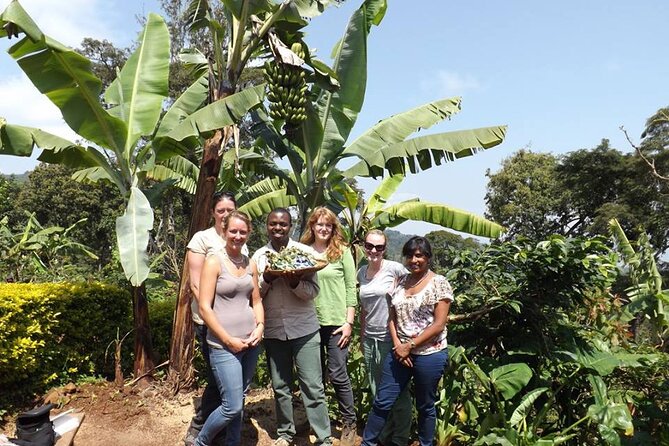
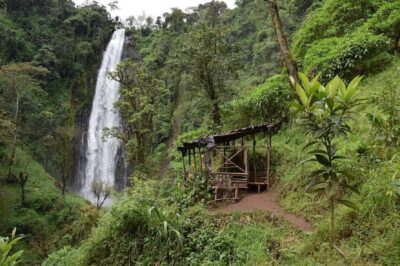
After coffee, the route continues to the waterfall area. The program refers to both Marangu Falls and Ndoro Waterfalls, so confirm the exact waterfall and walking route with the operator before setting out. The walk leads through lush greenery, and the path may include hills, uneven ground, and wet surfaces.
The falls are among the most scenic parts of the day. The walk provides views over the surrounding area, and you may see Marangu, Moshi, or Kilimanjaro depending on weather and your position. The setting is more than a single cascade. You are walking through the coffee-growing foothills, with plants and village life around you.
A swim is offered in the pool beneath the waterfall. The water has been described as safe for swimming, but it can be very cold. If you come from a cooler climate, you may find it manageable. Otherwise, treat the swim as optional rather than a must-do.
Use care near the top and edges of the falls. A drop can be dangerous, and wet rocks are not a place for careless photographs. Bring shoes with a firm grip, and pack a dry change of clothes if you intend to enter the water.
The hike is a genuine part of the experience, not a short walk from a parking area. You should be comfortable walking uphill and over uneven ground for part of the day. Most people can take part, according to the supplied booking information, but anyone with mobility limits should ask for a precise route description before paying.
More Coffee and Waterfall Trips in Tanzania
- Materuni Waterfalls & Coffee Tour from Moshi
★ 5.0 · 92 reviews - Arusha: Materuni Waterfalls, Coffee, and Hotsprings Tour
★ 4.8 · 78 reviews - Materuni Waterfalls, Visiting Chagga Village, CoffeeTour Kikuletwa Hotsprings
★ 5.0 · 63 reviews - Materuni waterfalls,coffee tour & Kikuletwa(Chemka)Hot Springs
★ 5.0 · 49 reviews
Chagga Underground Caves and a difficult chapter
The underground caves add a serious historical element. They were built as defensive spaces during periods of conflict. The explanation provided on the tour describes Maasai movement into the lower Kilimanjaro slopes during drought, followed by violence, enslavement, and killing involving local Chagga communities.
This history deserves careful listening. Conflict between communities is rarely simple, and a short tour can only cover part of the story. Pay attention to how your guide explains the dates, causes, and local memory. The caves matter because they show how people adapted to danger, not because they are merely an unusual place to walk underground.
Expect the cave visit to be dark and confined. The available information does not give details about lighting, helmets, or the length of the underground section, so ask before you go if tight spaces concern you. Wear practical clothes and shoes that can handle dust or damp ground.
The guide’s storytelling is important here. One account describes a guide explaining the cave history while walking through it, and another highlights plant knowledge and stories about villagers. No fixed guide name is provided for every departure. Geoffrey is named in one arrangement involving a car and guide, but you should not assume he will lead your booking.
The Chagga Live Museum keeps the day grounded
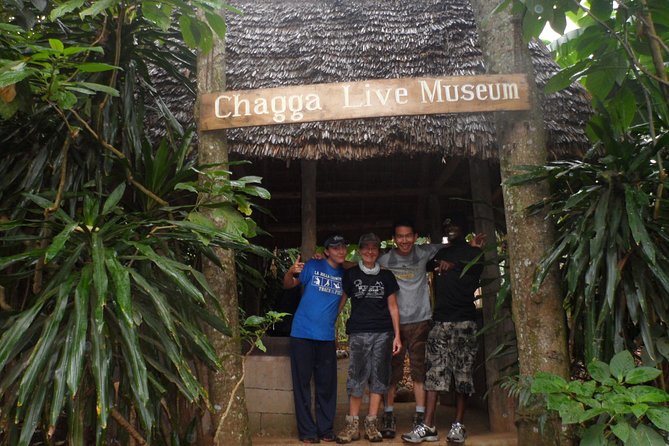
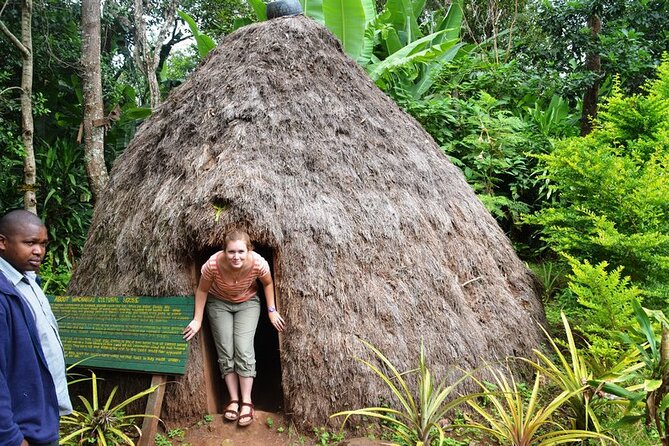
The Chagga Live Museum is a small outdoor museum focused on traditional Chagga life. It helps put the caves and coffee farm into a wider setting by showing how people lived, built homes, used plants, and organized daily work.
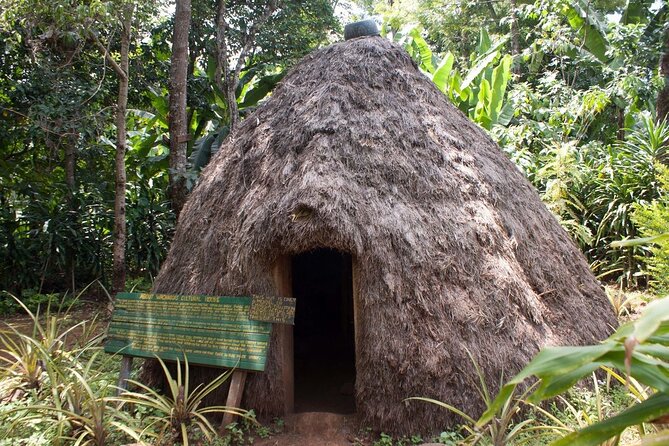
Do not expect a large museum with extensive displays. The attraction is the direct explanation of local customs and household life. The tour may include traditional houses with straw roofing, depending on the visit arrangements, along with discussion of food, farming, and community traditions.
This is where a good guide makes a real difference. Ask questions about which traditions are still practiced, which displays are historical reconstructions, and how modern Chagga life differs from the examples shown. You will get more from the stop if you treat it as a conversation rather than a quick series of photographs.
The museum can also make the day feel less like sightseeing from a distance. You are not only looking at a waterfall or a crop. You are learning how the local community connects land, shelter, food, and family life.
Lunch, banana beer, and local hospitality
Lunch is included, and the meal is described as a traditional hot dish. Depending on the arrangement, you may eat at a small restaurant or in a local family setting. One account describes an invitation to a family home for an African lunch, while another describes a small restaurant stop. Confirm the lunch setting if this matters to you.
Food is one of the strongest parts of a cultural tour because it gives you something practical to understand and remember. The meal may include local staples and dishes prepared in a home-style manner, but the exact menu is not specified. Tell the operator about dietary restrictions before the day begins.
You may also be offered banana beer or another local spirit. This is part of the cultural tasting, not a requirement. You can sample it if you wish, or simply ask questions about how it is made and when it is served. Drink carefully, especially if you still have a hike or a long ride ahead.
The family visit can be a warm part of the day, but it is worth being respectful about photographs and personal spaces. Ask before taking pictures, and remember that hospitality is not a license to treat someone’s home as a display.
Timing, pickup, and group size
The advertised duration is about eight hours, beginning at 8:00 am and ending back at the meeting point. Arusha is listed as the start location, while hotel pickup is available by request. The details do not clearly state that every Arusha hotel transfer is included in the $150 price, so settle that point before booking.
The booking information allows up to 200 people. That is a large possible maximum for a cultural and walking tour. Smaller departures may be available, and some accounts describe going with only a few people, but you should ask for the expected group size on your date.
Group size affects nearly every part of the day. A small group can make it easier to ask questions at the farm, move through the cave, and speak with a local family. A large group may mean waiting, less personal guide time, and a slower walk. If the operator cannot confirm a smaller departure, decide if the price still works for you.
Public transport is nearby, and most people can participate. Still, this is not a fully accessible sightseeing circuit. The waterfall walk and cave visit may involve uneven surfaces, steps, slopes, or restricted spaces. Ask for current route details if you have mobility concerns.
Is $150 fair value?
The price makes the most sense if you want several experiences in one day. You are paying for transport arrangements, guiding, a coffee activity, waterfall access, cultural sites, lunch, crew wages, taxes, and a first-aid kit. Compared with arranging each part separately, that can be convenient.
The value is weaker if you want only a waterfall swim. In that case, a simpler local excursion may cost less and leave more time for the falls. The tour also excludes tips, hotel costs, visas, flights, and possible additional park fees. Ask what those extra park charges are before you compare the price with another operator.
I would also ask these questions before booking:
- Is pickup from your hotel included or charged separately?
- Which waterfall does your departure visit, Marangu Falls or Ndoro Waterfalls?
- How many people are expected in your group?
- Is lunch served at a family home or a restaurant?
- Are the cave and museum admission costs covered?
- Are any additional park fees required on the day?
The free-cancellation rule allows a full refund if you cancel at least 24 hours before the 8:00 am start time. Changes or cancellations made inside that period are not accepted for a refund.
Who should book this Marangu day?
I would recommend it to you if you are staying in Arusha or near Kilimanjaro and want a day that mixes nature with local culture. It suits people who enjoy walking, asking questions, tasting unfamiliar food, and seeing how coffee is produced. It also works well before or after a safari if you want a closer look at community life around the mountain.
Families and older visitors should assess the waterfall path and cave conditions first. The booking information says most people can participate, but it does not provide a detailed accessibility description. Anyone who dislikes cold water, steep walking, dark spaces, or a full schedule may prefer a simpler outing.
Photographers will find plenty to work with: coffee plants, forest paths, the waterfall, mountain views, village homes, and traditional food. Just remember that weather may block Kilimanjaro, and safe viewing matters more than getting close to the edge of a fall.
Should you book it?
Book this tour if the coffee lesson and Chagga culture interest you as much as the waterfall. The strongest parts are the hands-on roasting, the cave visit, the local meal, and the chance to connect Marangu’s scenery with the people who live and farm there.
Skip it if you want a quiet, unhurried hike or a guaranteed small group. Before paying, confirm pickup, group size, the exact waterfall, lunch arrangements, and extra park fees. With those points clear, this is a useful full-day introduction to Marangu that offers far more than a quick swim.
FAQ
Where does the tour start?
The tour starts in Arusha, Tanzania, at 8:00 am. Hotel pickup is available upon request, so confirm the pickup arrangement with the provider before booking.
How long does the experience last?
The full experience lasts approximately eight hours and ends back at the meeting point.
Is lunch included?
Yes. A traditional hot lunch is included. The meal may be served at a small restaurant or in a local family setting, so ask the provider which arrangement applies to your departure.
Can I swim at the waterfall?
Swimming in the waterfall pool is offered when conditions are suitable. The water can be very cold, and you should take care near the waterfall edges and upper areas.
What is included in the price?
The $150 price includes lunch, listed fees and taxes, crew wages, and a first-aid kit. Flights, visas, tips, hotel costs, and additional park fees are not included.
What is the cancellation policy?
You can receive a full refund if you cancel at least 24 hours before the experience start time. Cancellations or changes made less than 24 hours before the start are not accepted for a refund.
More coffee-house history in Arusha
- Kona Shore Excursion: Sea Turtles, Historic Kona & Coffee
★ 4.5 · 324 reviews - Kona Tour: Bee Farm, Kona Coffee, and National Historical Parks
★ 4.5 · 78 reviews - Coffee, History, and Architecture of the French Quarter
★ 4.9 · 71 reviews - Small-Group Historic Coffee Tour in Edinburgh
★ 5.0 · 64 reviews
More Coffee Making Classes in Arusha
- Materuni Waterfalls & Coffee making Cultural Tour | BURIGI CHATO SAFARIS LTD
★ 5.0 · 15 reviews - Istanbul: Turkish Coffee Making and Fortune Telling Workshop
★ 4.9 · 1,308 reviews - Hanoi Coffee Workshop: Taste Salt, Coconut and Egg Coffee
★ 5.0 · 1,286 reviews - Hanoi: Salt Coffee Workshop Awake Your Senses With 6 Brews
★ 5.0 · 792 reviews
Freshly brewed listings in Arusha
- Waterfall & Coffee Walking Tour★ 5.0 · 6 reviews
- Private Tour to Marangu Waterfalls, Chagga Caves, Coffee tour & Hot Springs★ 5.0 · 7 reviews
- Private Materuni Waterfalls, Coffee Tour and Kikuletwa Hot Spring★ 5.0 · 4 reviews
- Materuni (Coffee Tour) and Chemka (Kikuletwa Tour)★ 5.0 · 8 reviews
- Materuni Waterfall Hike & Coffee Tour★ 5.0 · 4 reviews
- Waterfalls, Coffee, Hotsprings, Food Cuisine, & Serval Wildlife★ 5.0 · 6 reviews
- Coffee walk with stay in the village★ 5.0 · 5 reviews
- Coffee walk day trip★ 5.0 · 10 reviews
Arusha Coffee Tours, compared.
Materuni Waterfalls, coffee tour & Kikuletwa Hot Springs
Read our review →
Materuni waterfalls coffee tour & Chemka hot springs Day trip
Read our review →
Maasai village visit, Materuni waterfalls & coffee experience
Read our review →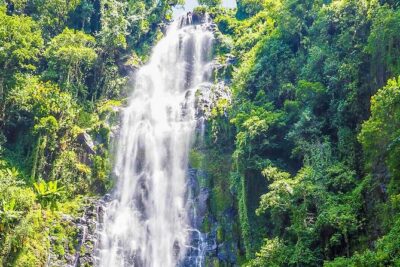
Arusha: Materuni Waterfalls, Coffee, and Hotsprings Tour
Read our review →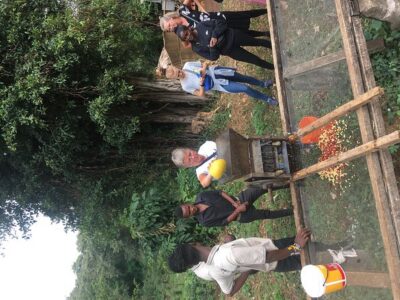
Coffee tour and Buffet Lunch with Kingstone Asilia (Arusha)
Read our review →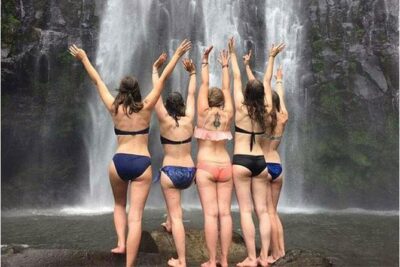
Materuni Waterfalls, Visiting Chagga Village, CoffeeTour Kikuletwa Hotsprings
Read our review →