
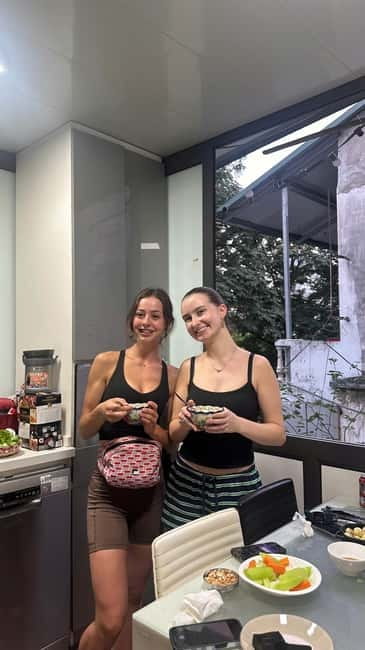
Review · HANOI
Hanoi: Make 6 Iconic Coffees in a Heritage Home with Locals
Hanoi’s coffee culture is best understood one cup at a time, and this workshop lets you make six of them inside a 100-year-old French colonial home. You work beside Old Quarter locals who grew up with these drinks, from egg coffee to coconut and salty coffee, rather than simply ordering one at a café.
I like the small group size, capped at 10, because coffee-making needs patient guidance. I also like the open-bar setup, where you can watch, ask questions, and adjust each cup to your taste. The main consideration is simple: this is an indoor, hands-on workshop, not a sightseeing tour. If you want Hanoi landmarks or a long food crawl, spend your time elsewhere.
What makes this workshop worth your time
- Six coffees in one sitting: Make and taste egg, coconut, salty, and other well-known Vietnamese styles.
- A real family home: Explore rooms filled with traditional art and objects collected across generations.
- Local teaching: Jade, Jennifer, Jenny, or Mint may lead the session, explaining recipes, customs, and coffee stories in Vietnamese or English.
- Small-group attention: With no more than 10 people, you get room to ask questions and correct your technique.
- Recipes you can repeat: Take home detailed instructions and a practical skill, not just a souvenir photo.
- Useful for families: The home has clean restrooms, air conditioning, a pet-friendly garden space, and childcare is available.
A quiet Old Quarter home behind the coffee
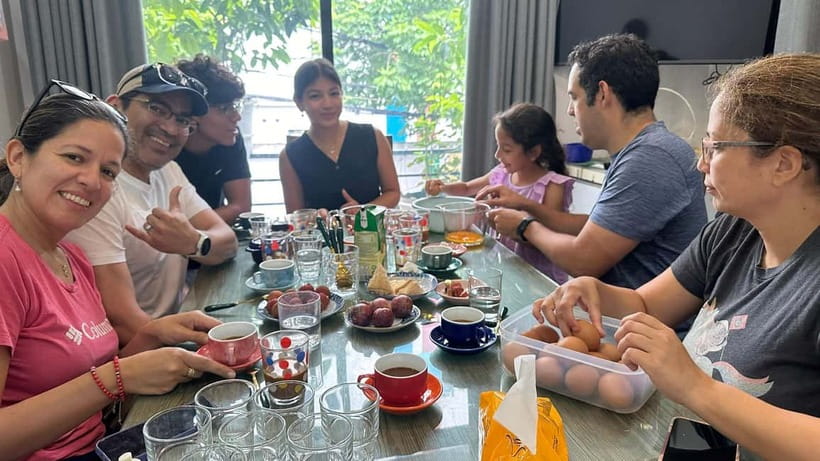
The meeting point is a century-old house tucked into Hanoi’s Old Quarter. That location matters. You remain close to the city’s narrow streets and old neighborhoods, but the workshop itself takes place in a calm, private setting away from the usual café noise.
The house is a French colonial home, with rooms shaped by family life rather than by tourism. Traditional art pieces and everyday objects have been collected and preserved by the family over many years. You are free to look around, notice the details, and spend time on the balcony during the workshop.
I like this setting because it gives the coffee some context. Vietnamese coffee is not only a drink served in a glass. It belongs to the home, the street corner, the slow morning, and the conversation that carries on after the cup is empty.
The space is also practical. It has air conditioning, clean restrooms, sterilized utensils, and a dishwasher. The workshop is indoors, which makes it a useful choice during Hanoi’s heat, rain, or cooler winter days.
Do not expect a polished cooking school with rows of stainless-steel benches. The appeal is the domestic setting. You are welcomed into a family space where coffee, art, and daily life sit together.
More coffee-house history in Hanoi:
- Coffee, History, and Architecture of the French Quarter
★ 4.9 · 71 reviews - Private Hà Nội Coffee History Tour
★ 5.0 · 6 reviews - Hanoi History Coffee Tour
★ 5.0 · 2 reviews
Your first lesson is how Vietnamese coffee tastes
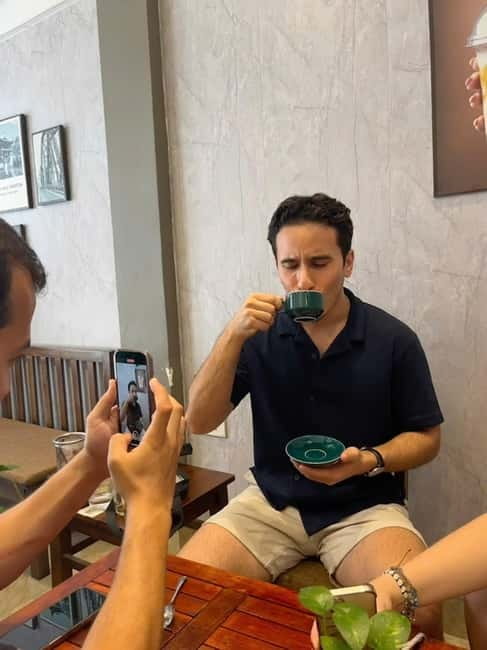
The session begins with an introduction to Vietnamese coffee beans and the way the hosts use them. You taste selected Vietnamese specialty beans along the way and share your impressions.
You do not need previous brewing experience. The instructor supplies the ingredients and equipment, then walks you through each step from the beginning. That makes this a good choice if you normally drink coffee but know little about how it is brewed or balanced.
The tasting element gives the class more purpose than simply mixing sweet ingredients into coffee. You begin to notice aroma, bitterness, texture, sweetness, temperature, and the way milk, coconut, egg, or salt changes the drink.
The hosts focus on balance. You can adjust each cup to suit your taste, but the point is not to make an entirely different drink. You learn how much personal choice a traditional recipe allows before it stops tasting like the style you are trying to make.
That is useful at home. A recipe may tell you what to add, but tasting teaches you when the coffee is too bitter, when the foam is too heavy, or when the sweetness has taken over.
Making egg coffee by hand
Egg coffee is likely to be the workshop’s most memorable cup. It is also the one that benefits most from careful instruction.
The class shows you how to make the creamy egg mixture and combine it with strong Vietnamese coffee. The host explains the method step by step, so you are not left guessing about texture or timing.
This is a fun drink to make because it feels part beverage, part dessert. The egg layer changes the mouthfeel of the coffee and softens its sharper notes. You can personalize the sweetness, but the instructor keeps the cup connected to the traditional style.
Several of the instructors receive particular praise for explaining the process clearly. Jade is described as warm and welcoming, while Jennifer is noted for her careful teaching, excellent English, local advice, and stories about coffee and Vietnamese culture. Jenny is also described as friendly and well informed about coffee traditions. Mint is praised for starting from scratch and never rushing the group.
The instructor can vary, so you should not book expecting one specific person unless the provider confirms that in advance. Whichever host leads the class, the stated language options are Vietnamese and English.
Coconut, salty, and other Hanoi favorites
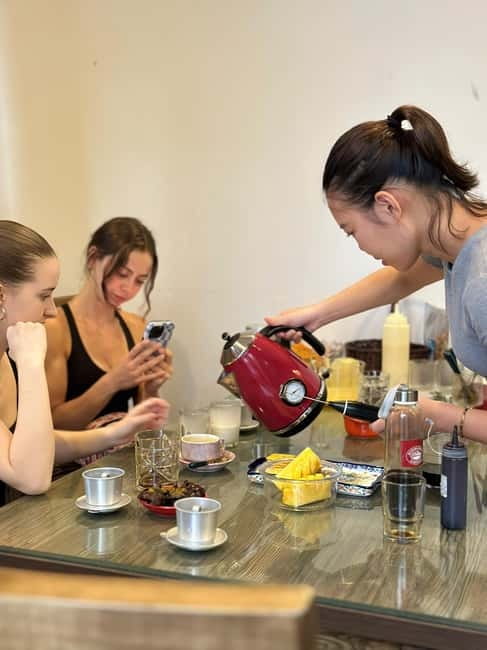
After egg coffee, you continue through five other Vietnamese coffee styles. The exact sequence is guided by the host, and the point is to compare the drinks rather than rush through a checklist.
Coconut coffee brings a cooler, smoother character to the session. It is a useful contrast with egg coffee because the texture and flavor come from a different combination. You learn how to build the cup, then decide how sweet or intense you want it.
Salty coffee offers another lesson in balance. Salt can sharpen and round out the flavor when used carefully. Too much would dominate the drink, so this is a good cup for paying attention to small changes.
The remaining styles give you a broader view of Vietnamese coffee. The value here is not only the number six. It is the chance to compare different textures, sweetness levels, temperatures, and ways of serving the same basic drink.
The pace is relaxed. You make each cup by hand, taste it, and ask questions before moving on. That takes longer than a quick demonstration, but it also means you leave with a better chance of remembering what you did.
Some descriptions of the session call it one to two hours, while the workshop is also presented as a relaxed two-hour activity. Plan for roughly two hours rather than trying to squeeze it between two tightly timed attractions.
More Coffee Tours in Hanoi:
- Hanoi Coffee Experience: 6 Brews, 9 Recipes & 3 Liquor Tastings
★ 5.0 · 2,945 reviews - Hanoi Coffee Workshop: Taste Salt, Coconut and Egg Coffee
★ 5.0 · 1,286 reviews - Hanoi: Salt Coffee Workshop Awake Your Senses With 6 Brews
★ 5.0 · 792 reviews - Hanoi: Master the Art of 4-6 Signature Vietnameses Coffees
★ 5.0 · 517 reviews
Why the open-bar format works
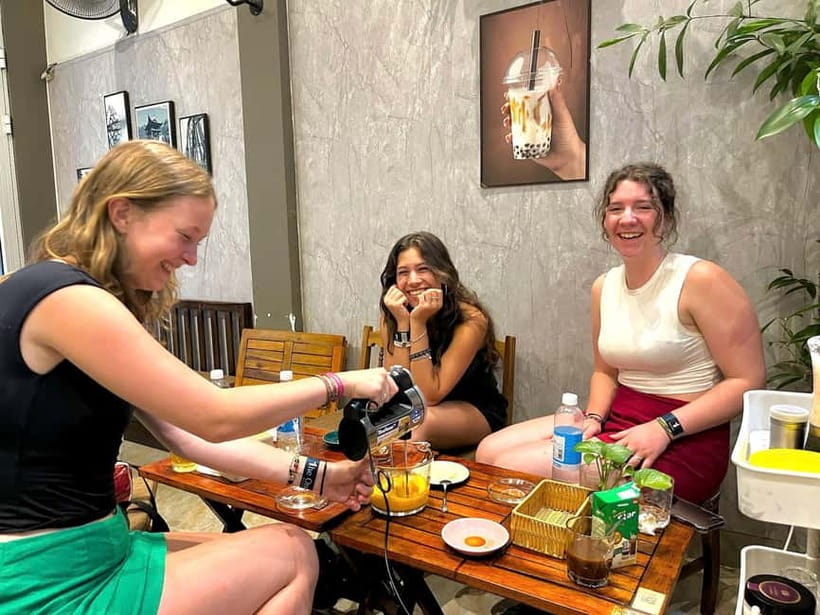
The open-bar arrangement is one of the strongest parts of the workshop. You are not expected to sit still while an instructor performs every step. You can observe, create, taste, and return to a technique when needed.
This format suits curious people. If you want to know why a mixture is whisked a certain way, how the coffee changes after adding salt, or how much coconut belongs in the cup, you have space to ask.
It also helps couples, families, and friends work at a comfortable pace. One person can watch while another tries the recipe, then you can compare results. The small group limit keeps this from becoming a crowded demonstration.
There is a small tradeoff. An open format may feel less formal than a structured culinary class. If you prefer exact timing, printed stations, and a strict lesson plan, this could seem loose. If you like conversation and room to experiment, it should feel natural.
The people behind the recipes
The hosts present the recipes as family knowledge shaped by everyday Hanoi life. That gives the class a more personal quality than a generic introduction to Vietnamese coffee.
You hear the stories behind the styles and how they became part of local coffee culture. The instructors also share practical advice about Hanoi and Vietnam, which can make the session useful beyond the coffee itself.
The strongest praise focuses on the warmth of the welcome and the clarity of the teaching. Visitors describe being made to feel at home, receiving patient explanations, and getting helpful local tips. Jennifer, Jade, Jenny, and Mint are all singled out in different sessions for their friendly approach.
That human contact is a major reason to choose this activity. You could learn a recipe from a video, but you would miss the conversation about why people make the drink this way and how the style fits into daily life.
The hosts also welcome curiosity from children and older family members. Childcare is available, though you should confirm the arrangement when booking if you need it. The garden is pet-friendly, which may help some families, but the workshop itself takes place indoors.
Six cups, one practical souvenir
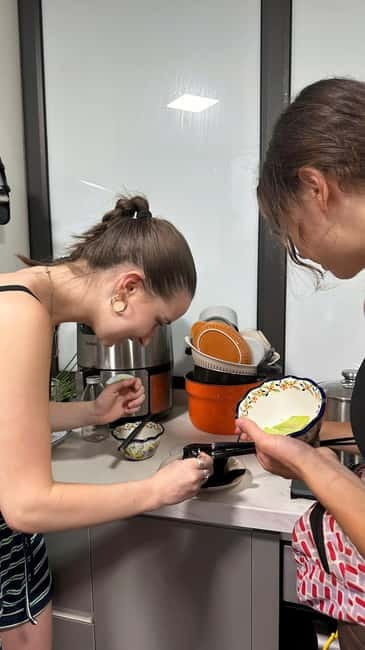
The best take-home item is not a coffee packet. It is the ability to repeat the drinks in your own kitchen.
You receive full, detailed recipes for all six coffees. The instructor also explains the steps in person, answers questions, and lets you taste the results. That combination is more useful than a recipe card alone because you learn what the finished texture and balance should be like.
You may not reproduce every cup perfectly on your first try. Coffee strength, equipment, and personal taste will vary. Still, the workshop gives you a working method and enough understanding to make sensible adjustments.
If you are planning to buy Vietnamese coffee equipment or beans later, use the class to ask questions. The hosts share their knowledge of the beans they have collected and refined over time, and you can compare their flavor notes during the tasting.
This is especially worthwhile for people who enjoy bringing food habits home from a trip. You can serve egg coffee after returning home, show friends how salty coffee works, or use the recipes as a starting point for your own variations.
Is $22 a fair price?
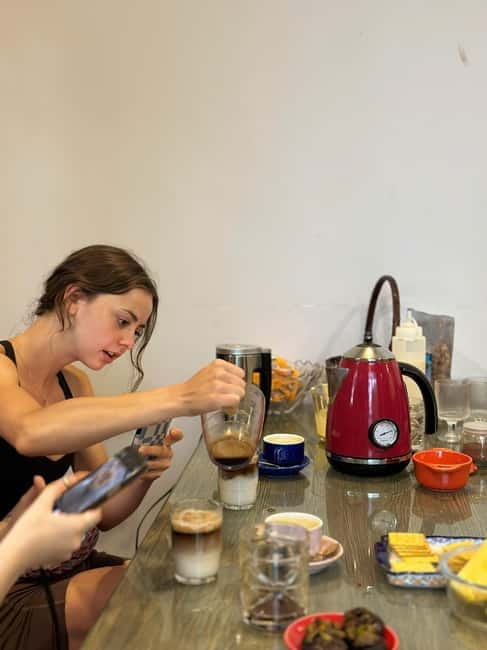
At $22 per person, this is a good-value Hanoi activity if you want participation rather than a simple tasting.
The price includes the coffee and tea, ingredients, equipment, instruction, recipes, and the use of the private home. You also receive direct guidance in a small group and a set of recipes you can use after the trip.
A café crawl could cost less if you only want to sample drinks. It would not give you the same instruction, access to a family home, or the chance to make six styles yourself. A formal cooking class might offer more dishes, but this workshop is focused and relatively short.
The value depends on your interests. If coffee is a minor concern and you mainly want to see Hanoi sights, $22 may be better spent on a museum, street-food walk, or additional café visits. If you enjoy food traditions and want a skill to take home, the price is modest.
Free cancellation up to 24 hours before the activity and the option to reserve now and pay later also make it easier to fit into a changing Hanoi schedule. The group is limited to 10, so early booking may matter during busy periods.
Who should book this coffee workshop?
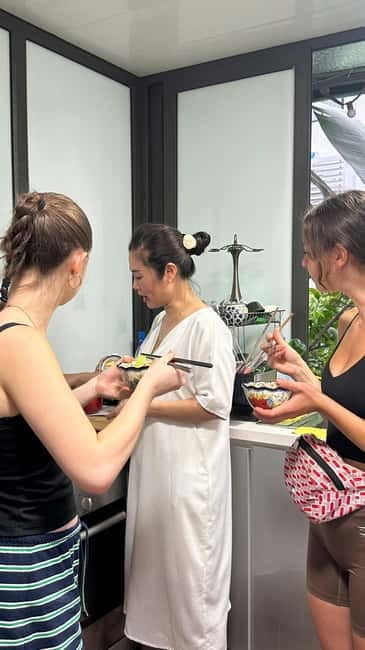
I would recommend it to coffee drinkers, curious cooks, couples, families, and anyone who wants a quiet cultural activity in the Old Quarter.
It is also a smart choice for a rainy morning or a hot afternoon when you want air conditioning and a place to sit. The session is indoors, wheelchair accessible, and does not require prior brewing skills.
You will get the most from it if you are willing to taste carefully and ask questions. The workshop is not built for people who want to hurry through six samples and leave. Each cup is part of a lesson, and the relaxed pace is central to the activity.
Families should note the childcare service and pet-friendly garden space. Since the group remains small, children may receive more attention than they would in a large public class, though you should confirm childcare needs ahead of time.
The workshop is less suitable if you dislike sweet drinks, do not drink coffee, or want a broad tour of Hanoi. Tea is included, but coffee is the focus from start to finish.
Practical details before you reserve
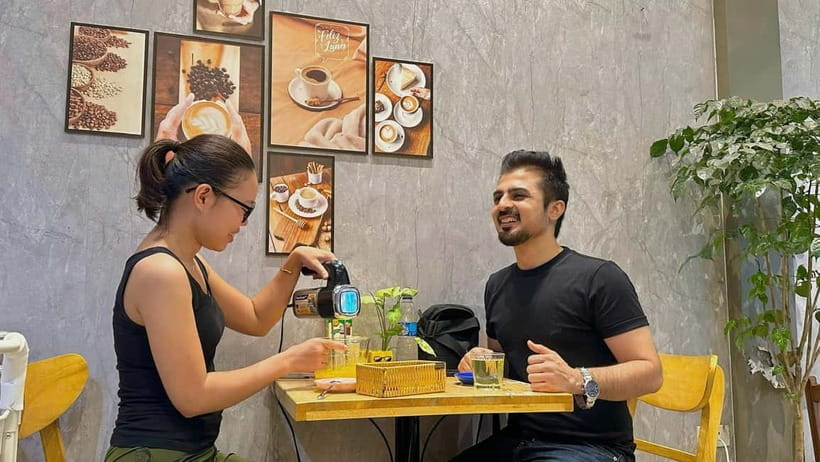
The activity lasts about one to two hours, with the workshop described as a relaxed two-hour session. Allow extra time around it so you are not rushing to your next booking.
The meeting point is a 100-year-old home in the Old Quarter. Because the house is tucked away and peaceful, read the meeting instructions carefully and allow time to locate it.
Instruction is available in Vietnamese and English. The group size is limited to 10 people, and all coffee, tea, ingredients, and equipment are provided.
You do not need to bring brewing tools or have any coffee-making background. You should arrive ready to taste several styles and make small adjustments to your cups.
Should you book it?
Book this workshop if you want to understand Vietnamese coffee by making it, not just drinking it. The family home, patient local instruction, six recipes, and small group give the activity a personal feel that a normal café stop cannot match.
Skip it if you want a sightseeing-heavy morning, dislike sweet or creamy coffee, or prefer a fast tasting with no hands-on work. For $22, though, it offers a useful skill, a calm Old Quarter setting, and a genuinely practical souvenir. I would place it high on the list for anyone who plans to remember Hanoi through its food and drink.
FAQ
Where does the coffee workshop take place?
It takes place in a 100-year-old French colonial home tucked into Hanoi’s Old Quarter. The home includes traditional art pieces and everyday objects collected by the family over many years.
How long does the activity last?
The activity is listed as lasting one to two hours and is described as a relaxed two-hour workshop.
How many Vietnamese coffees will I make?
You will make six iconic Vietnamese coffees, including egg coffee, coconut coffee, salty coffee, and other Vietnamese coffee styles.
Do I need coffee-making experience?
No. Prior coffee brewing experience is not required, and the instructor provides all necessary ingredients and equipment.
What languages are available?
The instructors speak Vietnamese and English.
What is included in the price?
The price includes coffees and teas, ingredients, equipment, instruction, detailed recipes, and the workshop itself.
What can I take home?
You take home full recipes for all six coffees and the practical skills needed to recreate them.
Is the activity suitable for children?
Childcare service is available, and the property includes a pet-friendly garden space. You should confirm childcare arrangements when booking.
Is the workshop wheelchair accessible?
Yes, the activity is listed as wheelchair accessible.
Can I cancel the booking?
You can cancel up to 24 hours in advance for a full refund. A reserve-now, pay-later option is also available.
Freshly brewed listings in Hanoi
- Vietnamese Coffee 101 Workshop★ 5.0 · 11 reviews
- Private Hà Nội Coffee History Tour★ 5.0 · 6 reviews
- Private tour: Hanoi city tour-Van Phuc silk village with egg coffee, lunch★ 5.0 · 2 reviews
- Taste of Vietnam’s Coffee Scene – A Guided Experience★ 5.0 · 2 reviews
- Hanoi Private And All Inclusive Coffee Lovers Tour in Vietnam★ 5.0 · 6 reviews
- hidden gems cafe – learn making coconut and egg coffee★ 5.0 · 2 reviews
- Walking Tour in Hanoi Old Quarter with Street Food & Coffee★ 5.0 · 4 reviews
- Hanoi Coffee Workshop Brew Taste and Culture Experience★ 5.0 · 10 reviews
Hanoi Coffee Tours, compared.
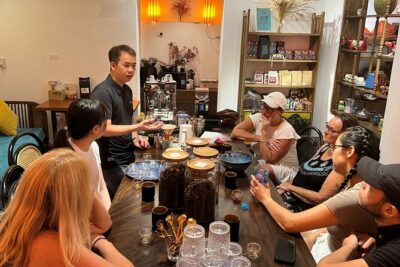
Hanoi Coffee Experience: 6 Brews, 9 Recipes & 3 Liquor Tastings
Read our review →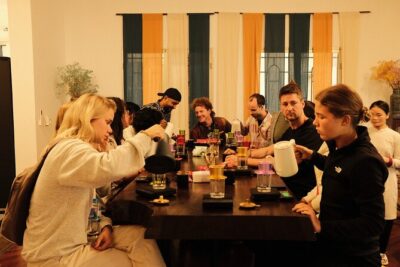
Hanoi Coffee Workshop: Taste Salt, Coconut and Egg Coffee
Read our review →
Hanoi: Salt Coffee Workshop Awake Your Senses With 6 Brews
Read our review →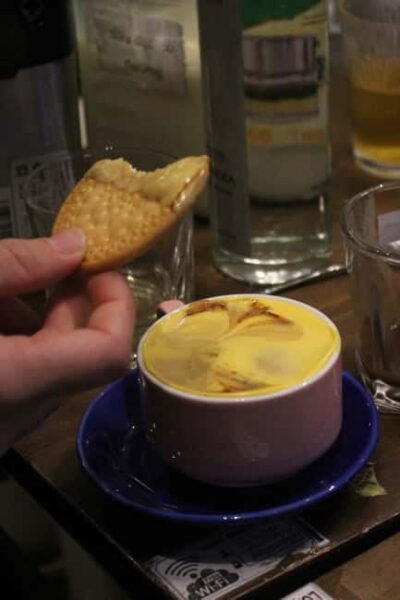
Hanoi: Master the Art of 4-6 Signature Vietnameses Coffees
Read our review →
Hanoi: Vietnamese Street Food Tour with Egg Coffee
Read our review →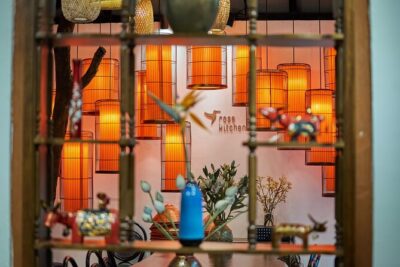
Hanoi Cooking Class: Pho/Bun Cha/Banh Xeo…+Free Egg/Salt Coffee
Read our review →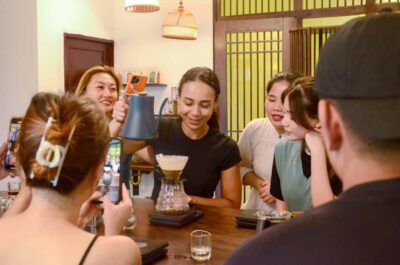
Hanoi: Vietnamese Coffee Workshop with 6 Brews and 8 Recipes
Read our review →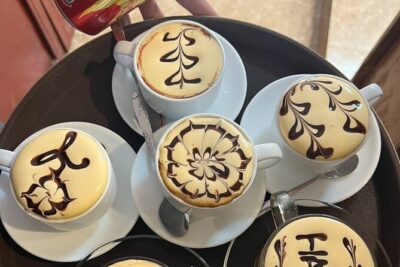
Browse the lists this tour appears in