
Review · ADDIS ABABA
Ethiopia coffee cupping class/Ethiopian food injera making
Ethiopian coffee and injera are not just food and drink here. They are daily rituals, social customs, and a direct route into local life. This four-hour Addis Ababa experience lets you taste coffee like a professional, then roll up your sleeves and make the sourdough flatbread used to scoop up dishes such as shiro and misir wot.
I like the private format, which gives your guide room to explain things at your pace. I also like the pairing of a coffee cupping at Hadero with hands-on cooking, since you learn both the story behind the ingredients and how they reach the table. The main consideration is that the actual cooking lesson is listed at about 30 minutes, so this is more of a cultural food introduction than a full culinary course.
Key points
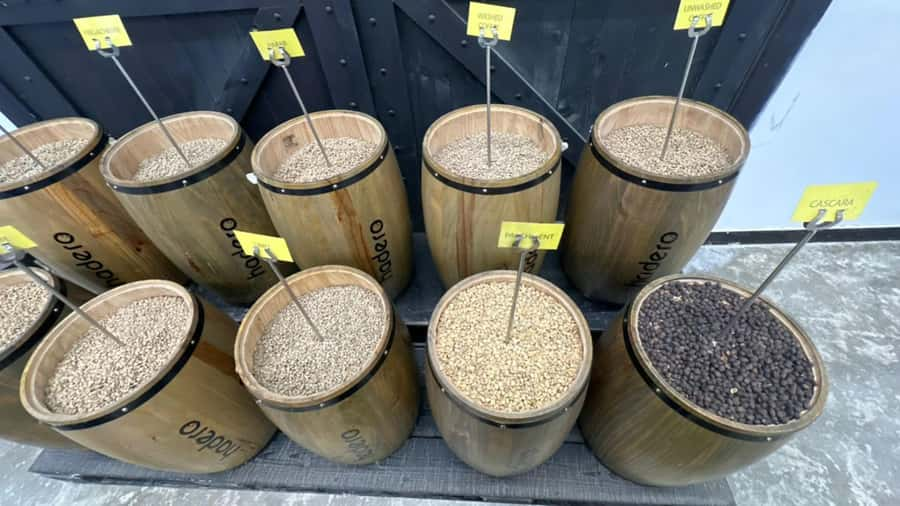
- Coffee cupping at Hadero: Learn about Ethiopian coffee regions, processing, roast levels, aromas, and tasting notes with a local coffee expert.
- Injera on a mitad: Mix, ferment, and bake Ethiopia’s sourdough flatbread, including the tricky flip on a traditional cooking plate.
- A shared Ethiopian meal: Eat your handmade enjera with local dishes such as shiro and misir wot.
- Personal local guiding: Guides including Joe, Mike, Aelaf, and Jonas are noted for careful planning, clear English, and flexible help.
- Addis Ababa pickup: Transport is included, with pickup arrangements made the day before.
- Private four-hour format: Best for adults who want food, coffee, and culture in one compact half-day.
Coffee first, with a lesson in the cup
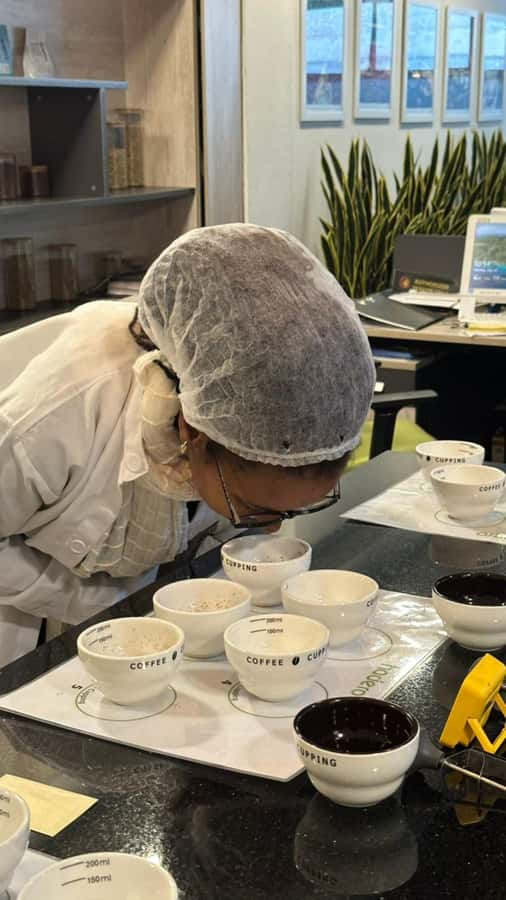
The experience begins with pickup in Addis Ababa and a guided coffee session lasting about 45 minutes. This is not simply a cup handed to you at the end of a meal. You get an introduction to coffee as a crop, a trade, a craft, and a part of Ethiopian social life.
At Hadero, the coffee portion can include information on cultivation, processing, quality control, roasting, and tasting. The exact setting may vary, but the practical goal is the same: help you notice what is in the cup rather than treating Ethiopian coffee as one single flavor.
Your local coffee expert explains the differences between growing regions, roast levels, and brewing methods. You also learn to look for aromas and tasting notes. If you normally add sugar or milk without thinking, this is a useful chance to taste the coffee on its own first.
The cupping format matters because it slows you down. You compare samples, smell the grounds, taste the brew, and pay attention to how one coffee differs from another. You do not need prior coffee experience. The guide’s job is to provide the vocabulary and context, not to test you.
You should also expect coffee to be treated as a social custom, not just a morning boost. The experience connects the drink to Ethiopian hospitality and daily routines. That context gives the later coffee ceremony more meaning, since you will already understand some of the work and care behind each cup.
More Coffee Tastings in the world:
- Hanoi Coffee Experience: 6 Brews, 9 Recipes & 3 Liquor Tastings
★ 5.0 · 2,945 reviews - Medellin: Coffee Tour with Transport, Snacks and Tastings
★ 4.7 · 1,357 reviews - Seattle Coffee Tour: Capitol Hill Cafes, Tastings & Local Stories
★ 5.0 · 489 reviews
Hadero and the route through Addis
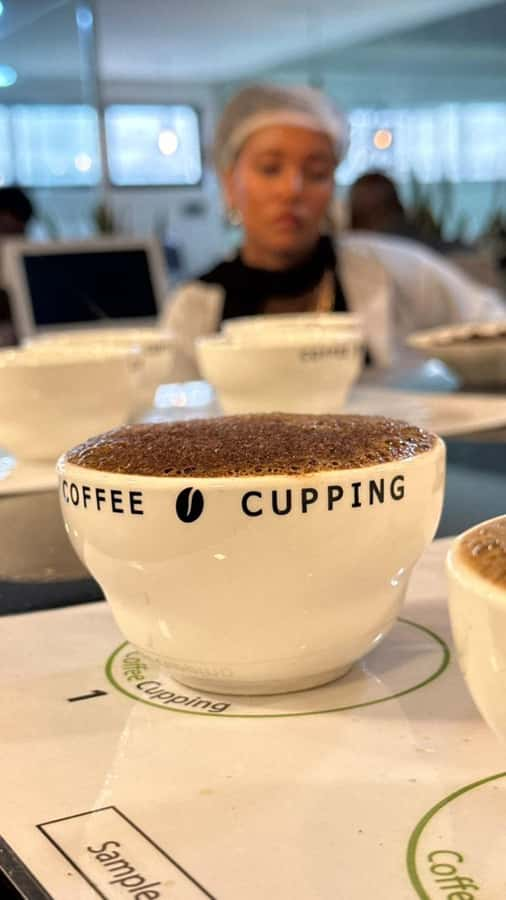
Several guides have taken visitors to Hadero for the coffee portion. Joe is associated with a visit where the coffee manager provided much of the explanation, while another guide, Aelaf, helped connect the tasting to cultivation, processing, and quality control.
The transfer time between stops can be part of the experience. Aelaf, also called Ale, has been praised for explaining city life, culture, and religion during the drive. That makes the vehicle time more useful than a silent trip from one activity to the next.
The tour is based in Addis Ababa, but the cooking session may take place toward Entoto National Park. The ride can show you parts of the city you might not otherwise see. It also means you should not think of the listed 45-minute coffee session and 30-minute cooking class as the whole four hours. Pickup, road time, the meal, coffee ceremony, and conversation fill out the half-day.
Your guide contacts you the day before to arrange pickup. Give clear details about where you are staying and tell the guide if you have a fixed schedule afterward. The private setup allows some room for adjustment, but the core activities remain coffee and injera.
Making injera on a traditional mitad
The second main activity is a hands-on injera class. Injera, also spelled enjera in the tour description, is the soft, sourdough-risen flatbread used across Ethiopian meals. It is both plate and utensil: dishes are served on it, and pieces are used to scoop up stews and lentils.
You work through the basic stages of mixing, fermenting, and baking. Fermentation is a key part of injera’s sour flavor and texture, though the short class means you may learn the method without waiting through a full fermentation cycle. The guide or local host translates the process and shows how the batter is handled.
Baking takes place on a traditional mitad. The flat cooking surface calls for a steady hand, and the flip is one of the moments where instruction helps. Do not expect every first attempt to look perfect. That is part of the fun, and it gives you a better sense of the skill behind an everyday Ethiopian staple.
The class is listed as about 30 minutes, so keep your expectations realistic. You will take part, but you will not become an injera specialist in one session. The value is in seeing the method, trying the tools, and understanding why the bread is central to the meal.
The setting is described as a clean, comfortable indoor or outdoor kitchen, with traditional equipment provided. Ingredients, spices, bottled water, and cooking tools are included. You do not need to pack anything beyond comfortable clothing and an appetite.
Lunch is the payoff for the lesson
After making the bread, you eat it with a selection of Ethiopian dishes. Shiro and misir wot are specifically included, along with other local sides. Shiro is a seasoned chickpea or split-pea stew, while misir wot is a spiced lentil dish. The combination gives you different textures and levels of seasoning against the mild, slightly sour injera.
This meal is not an afterthought. It shows you exactly why injera matters. You see how the bread holds sauces, absorbs flavor, and turns a shared plate into a communal meal. If you have only eaten Ethiopian food in restaurants, making the bread first helps the meal make sense.
You should be ready to eat with your hands, following local custom. The information provided does not promise a menu designed around allergies or dietary restrictions, so tell the provider about any needs when arranging pickup. The included meal covers the planned food, but extra dishes or drinks beyond the program are your responsibility.
The communal format also gives you time to talk with your host. That can be one of the strongest parts of the day. Guides such as Mike and Joe have been described as warm, attentive, and willing to share personal insight into Ethiopia. The tone is more like being shown around by a helpful local than being rushed through a cooking demonstration.
More coffee with something to eat in the world:
- Vienna for Food Lovers: Cafés, Markets & Austrian Cuisine
★ 5.0 · 1,063 reviews - Buggy Ride Into the jungle with cave coffee & chocolate tasting
★ 5.0 · 465 reviews - Hanoi: Vietnamese Street Food Tour with Egg Coffee
★ 4.9 · 315 reviews - Da Nang Cooking Class with Coffee Tasting and Market Visit
★ 5.0 · 310 reviews
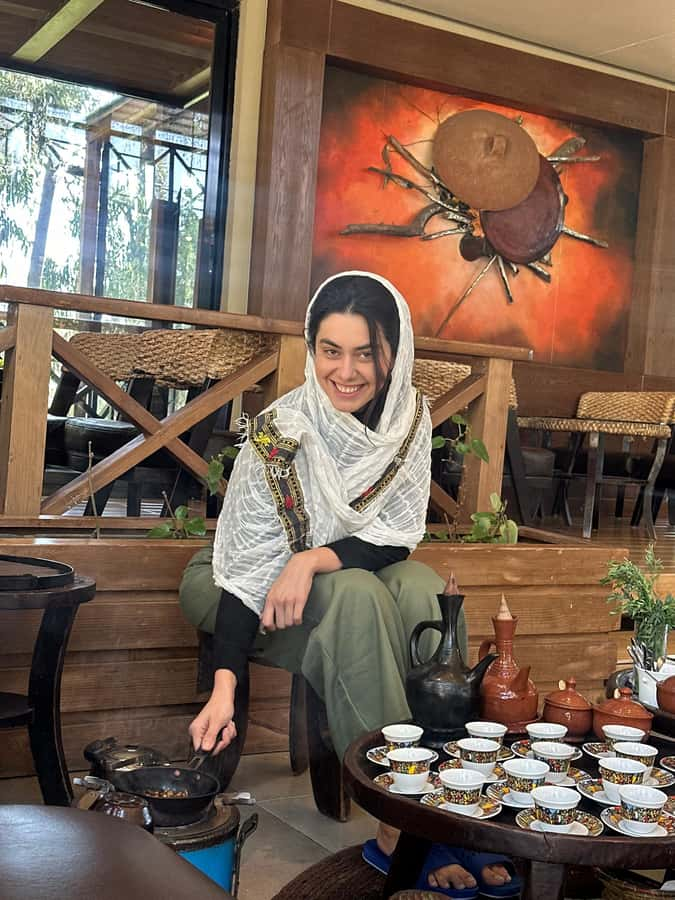
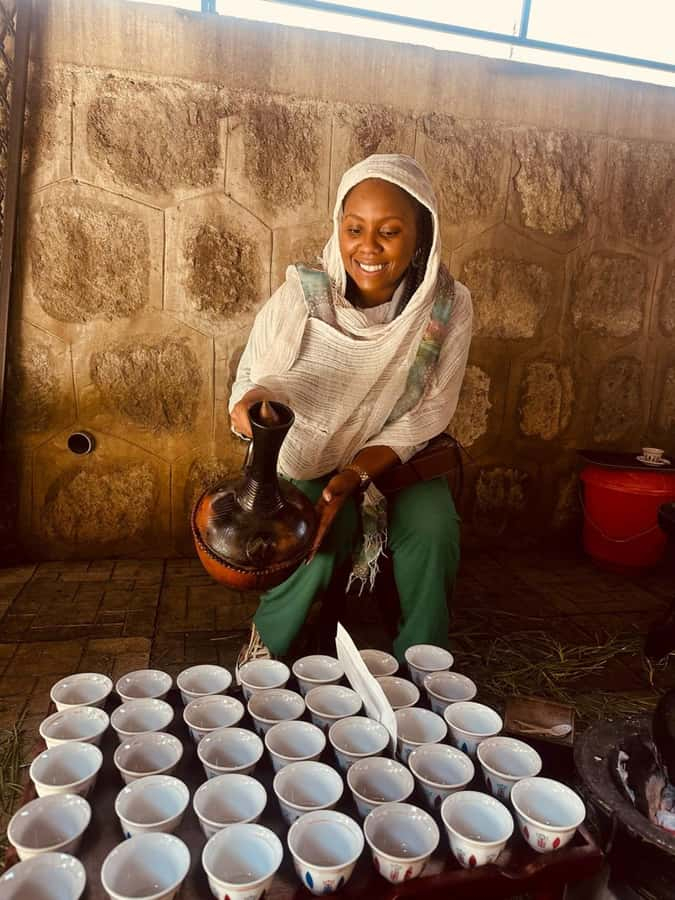
The Ethiopian coffee ceremony
The session finishes with a traditional coffee ceremony. This gives you a second way to encounter coffee after the more technical cupping session.
The cupping teaches you to compare beans and flavors. The ceremony shows coffee as an act of hospitality. The pace is slower, and the social setting matters as much as the drink. You can use this time to ask questions about Ethiopian customs, food, Addis Ababa, or places you plan to visit next.
For coffee lovers, the contrast between the two formats is useful. One is analytical, asking you to notice aroma and taste. The other is communal and symbolic. Together, they prevent the coffee portion from feeling like a standard tasting copied from another country.
The ceremony is also a good reason not to schedule something immediately after the tour. The formal activities may be compact, but the best part of the experience is having room for conversation and the shared meal. Build in a little breathing space after the four-hour window if your plans allow.
Guides who shape the experience
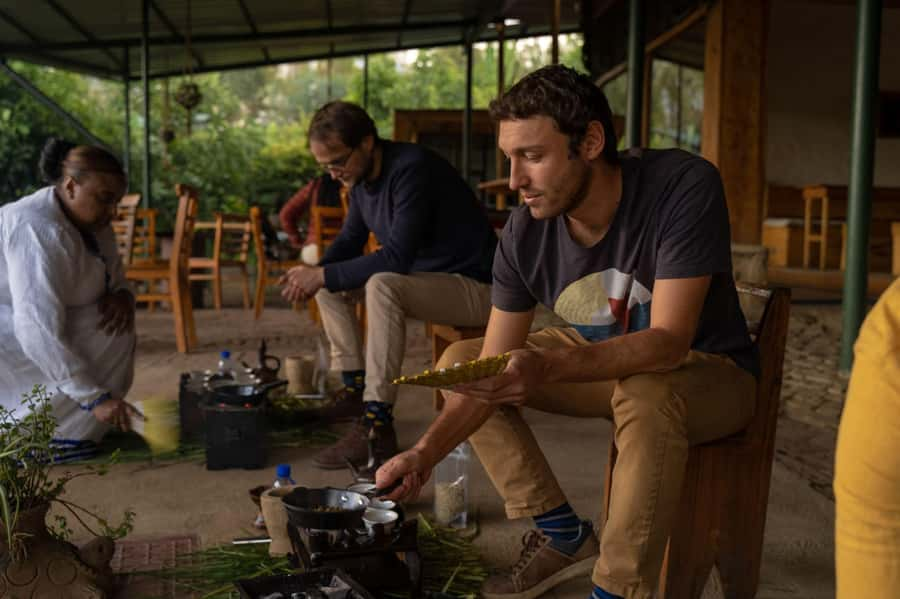
The activity is led in English, with a local cultural host and English-speaking guide. The guide may be Joe, Mike, Aelaf, Ale, Jonas, or another member of the provider’s team, so you should not book it expecting one specific person unless the provider confirms that in advance.
The individual guide matters here because the food instruction can be brief. A careful guide adds value by translating the cooking steps, explaining the meaning behind the ceremony, and making the transfers useful.
Aelaf has been especially attentive with timing and pickup, including arriving early and offering some flexibility around the day’s plan. He has also combined the coffee and injera activities with local sights such as Entoto Park, Menelik Palace, and a church museum when time and plans allowed. These additions are not part of the stated package, so treat them as possible adjustments, not promised stops.
Joe has been noted for introducing visitors to Ethiopian baking and coffee, then adding local suggestions such as a honey shop or a view over Addis from Entoto. Mike is described as caring and passionate about his country, while Jonas is praised for clear English, respectful conversation, and useful local context.
The practical lesson is simple: message clearly before pickup. Tell your guide what interests you, how much time you have, and if there are places you hope to see. The private group format makes that conversation worthwhile.
Is $94 a fair price?
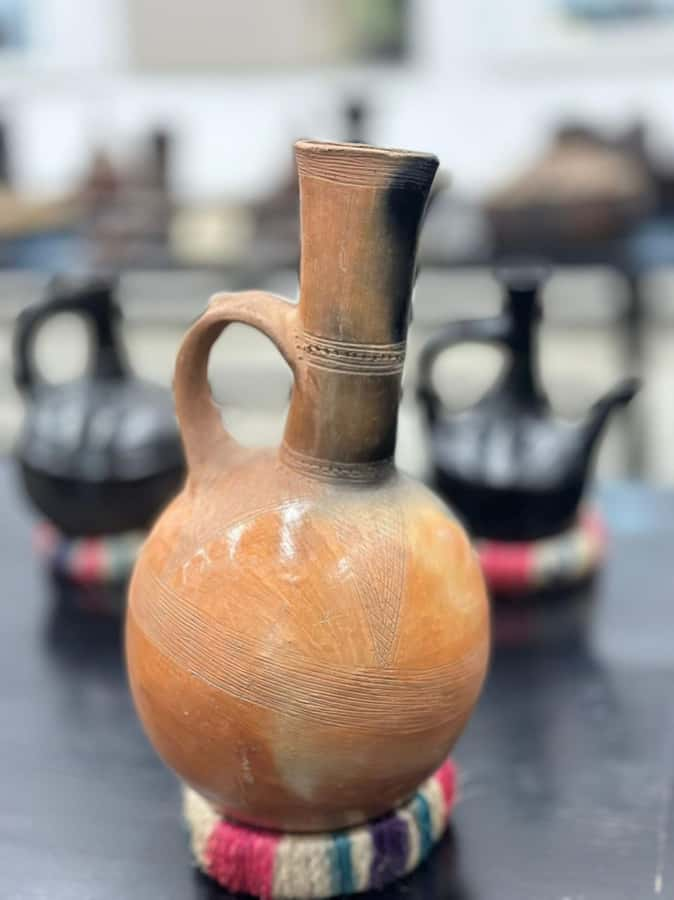
The price is $94 per person. That is more than the cost of buying a coffee and a plate of food in Addis Ababa, but this is not priced as a meal alone.
You are paying for a private four-hour outing, pickup, an English-speaking guide, a professional coffee tasting, a cooking class, lunch, a coffee ceremony, ingredients, equipment, and transport between activities. The price also covers the planning and translation that make the experience accessible to visitors who do not speak Amharic.
I see the value most clearly if you have limited time in Addis Ababa or want a structured introduction to Ethiopian food culture. The tour combines several things you might otherwise arrange separately. It is less compelling if you already have strong local connections, speak the language, or mainly want a long, technical cooking course.
The private format improves the value for couples, friends, or a small family group of eligible participants. You can ask questions without competing with a large crowd, and the guide can adapt the conversation. Children under 15 are not suitable for this activity, so it is aimed at older teens and adults.
Who should book this Addis Ababa food tour?
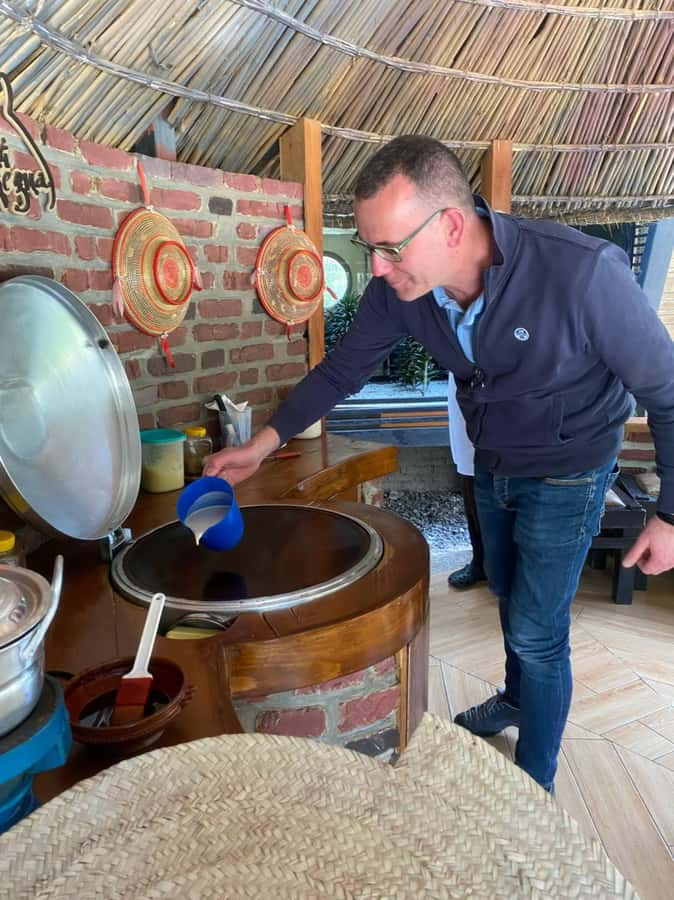
I would choose this experience if coffee is a major reason for your visit, or if you want your first Ethiopian meal to come with context. It also suits you if you like active cultural experiences more than passive sightseeing.
Foodies will appreciate making injera before eating it. Coffee fans will get both technical tasting and ceremony. First-time visitors to Addis Ababa can use the drive and conversation to learn about city life, religion, food, and local customs.
You should think twice if you need a long, advanced cooking workshop. The hands-on baking section is short, and the tour’s strength is its range rather than deep instruction in one recipe. You may also find the day less comfortable if altitude affects you, since the activity is not considered suitable for people with altitude sickness.
No alcohol or drugs are allowed. Personal purchases, extra food, and drinks are not included. Cancellation is flexible up to 24 hours before the activity for a full refund, and you can reserve now and pay later, which helps if your Addis Ababa schedule is still moving.
My call: book it for context, not just calories
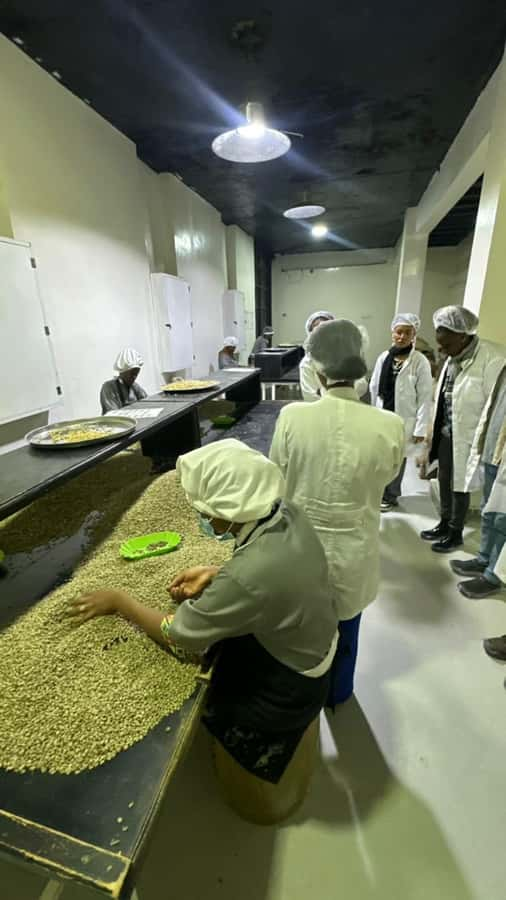
I would book this tour if I wanted a friendly, private introduction to Ethiopia through its two most recognizable table traditions. The coffee tasting gives the day substance, while the injera class keeps it hands-on. The meal and ceremony then bring the lessons together.
The strongest reason to book is the guide-led connection between activities. With a good guide such as Joe, Mike, Aelaf, Ale, or Jonas, you get more than instructions. You get local explanation, help with logistics, and a chance to ask the questions that rarely fit into a standard city tour.
Skip it if your priority is a long chef-led course or a large number of formal sights. Choose it if you want to understand what you are eating, meet a local host, and spend half a day learning by doing.
FAQ
How long does the Ethiopian coffee and injera experience last?
The experience lasts four hours, including pickup, transfers, coffee tasting, the injera activity, the meal, and coffee ceremony. The coffee session is listed at about 45 minutes, and the cooking class at about 30 minutes.
Where does the tour begin and end?
Pickup and return are in Addis Ababa. The provider contacts you the day before to organize the pickup details.
Is the tour private?
Yes. It is offered for a private group, with a local cultural host and English-speaking guide.
Is the tour conducted in English?
Yes. The live guide and cultural host speak English.
What food is included?
The experience includes a traditional Ethiopian lunch, handmade injera, and local dishes such as shiro and misir wot. Ingredients and spices used during the workshop are also included.
Are coffee tasting and the coffee ceremony both included?
Yes. You receive a guided Ethiopian coffee cupping session with coffee varieties, followed by a traditional Ethiopian coffee ceremony.
Can children join the activity?
No. The experience is not suitable for children under 15. It is also not suitable for people with altitude sickness.
More food stops with a coffee break in the world
- Hungry in Vienna? A Food Lover’s Coffee & Market Walk
★ 4.9 · 276 reviews - Private Walking Tour, Food Tasting and Bosnian Coffee in Sarajevo
★ 5.0 · 255 reviews - Rome Pantheon: Award Winning Gelato Tiramisu & Espresso Food Tour
★ 5.0 · 99 reviews - Vienna Eats: Private Foodie Walk with Coffee & Markets
★ 5.0 · 77 reviews
Freshly brewed listings in the world
- Vietnamese Coffee 101 Workshop★ 5.0 · 11 reviews
- Vietnamese Coffee Making Class in Hoi An★ 5.0 · 4 reviews
- Yerevan: Private Coffee Tour with 2 Café Stops★ 5.0 · 2 reviews
- Vancouver: Street Art & Craft Coffee Walking Tour w/ Tasting★ 4.8 · 11 reviews
- Ubud: Waterfall, Holy Water Temple,Swing&coffee plantation★ 5.0 · 9 reviews
- Coffee pleasure walking tour★ 5.0 · 12 reviews
- Vienna: Guided Viennese Coffee-House Tour★ 5.0 · 2 reviews
- Turkish Coffee and Traditional Turkish Dessert Cooking★ 4.6 · 8 reviews
Addis Ababa Coffee Tours, compared.
Ethiopian Culinary Tour – Market, Food, Coffee Ceremony & more
Read our review →
Browse the lists this tour appears in