
Review · PEREIRA
Coffee Tour at the Finca del Café
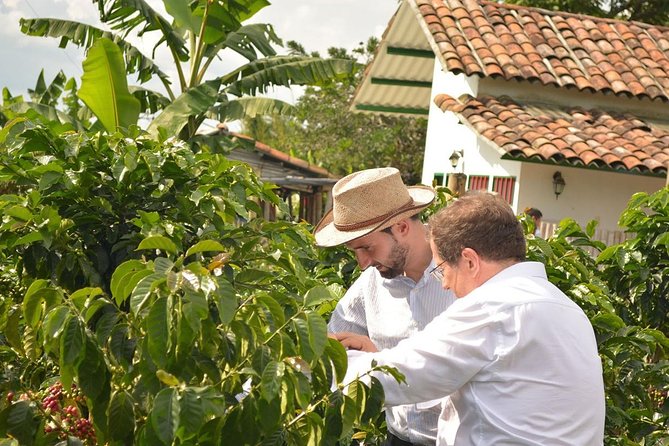
The most interesting part of the Finca del Café tour is its full coffee story. You follow the bean from seed and cultivation to harvesting, processing, roasting, preparation, and finally the cup. This is not just a tasting with a few plants nearby. It is a walk through a working coffee estate in Colombia’s Coffee Cultural Landscape, a UNESCO World Heritage area.
I like the way the tour connects farming with the wider region, including local wildlife and the scenery around Pereira and Santa Rosa de Cabal. I also like the two tastings of special origin coffee, plus the cold coffee drink, because they give you a clear reason to pay attention to how growing and preparation affect flavor.
The main consideration is the walking. The visit lasts about three hours and includes paths around the estate, so wear non-slip shoes and clothes you can move in. Private transportation is not included, and the meeting point is 1.5 kilometers uphill from the Universidad UNISARC.
Key points to know before you book
- Coffee from seed to palate: You follow cultivation, harvesting, processing, roasting, and preparation rather than seeing only the final product.
- Guides add regional context: Daniel and Jose are named guides associated with highly praised visits, with explanations about coffee, wildlife, and the area.
- Two origin-coffee tastings: The tastings make the lesson practical, letting you compare what you have just learned with what reaches your cup.
- A scenic farm walk: Expect beautiful views and an active outing, not a seated lecture inside a tasting room.
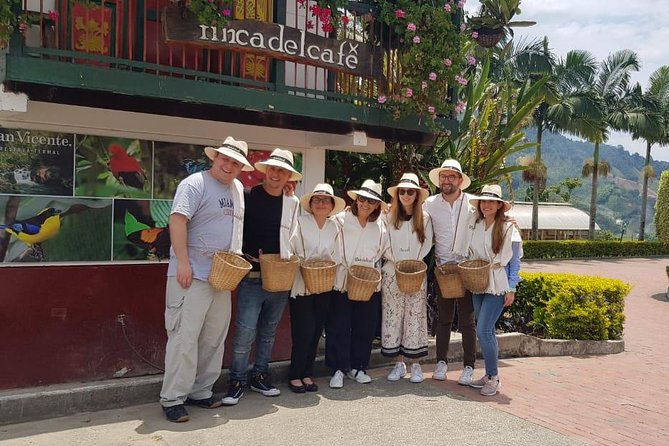
- Farm gear is provided: A poncho, basket, and hat are available on loan, useful for the working-estate setting.
- Good value at $40: The price covers about three hours, a local guide, insurance, two coffee tastings, and a cold coffee drink.
Why this coffee tour feels different
Coffee tours can be very short on substance. You see a few coffee bushes, hear a quick explanation, and sit down for a sample. Finca del Café takes a broader approach. The point is to understand coffee as a chain of decisions, beginning with the seed and ending with the way the drink is prepared.
That matters in Colombia. Coffee is not simply a souvenir or a drink served after lunch. It shapes rural work, local identity, and the economy of the Coffee Cultural Landscape. A tour in this setting gives you a better sense of why a cup can vary so much from one farm or region to another.
You should expect an experiential visit, with the guide explaining the process while you walk through the estate. The exact pace can vary, but the central path is clear: learn how coffee is cultivated, see how beans are harvested and processed, understand roasting and preparation, then taste the result.
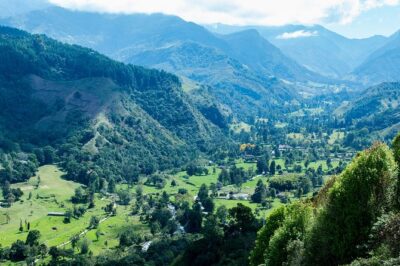
The setting also adds something that a city coffee class cannot. You are surrounded by the working farm and the scenery of Risaralda. The tour is as much about seeing where coffee grows as it is about learning coffee vocabulary.
More Coffee Farm Tours in Colombia
- Medellín Coffee Farm Tour with Trolley and Cable Car Ride
★ 4.9 · 277 reviews - Salento: Private Cocora Valley, Salento & Coffee Farm Tour
★ 4.9 · 202 reviews - From Bogotá: Coffee Farm and Tequendama Falls Tour
★ 4.5 · 130 reviews
Walking the estate near Santa Rosa de Cabal
The meeting point is Finca del Café, about 1.5 kilometers uphill from the Universidad UNISARC in Santa Rosa de Cabal, Risaralda. This is outside Pereira proper, so check your transport plan before setting out. Private transportation is not included.
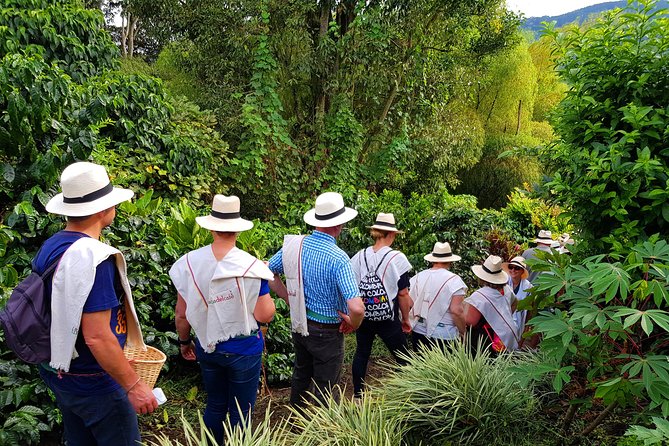
Once you arrive, the visit takes place around the estate rather than in one fixed room. You walk between parts of the coffee operation and take in views of the surrounding area. A local guide leads the way and explains what you are seeing.
The walking is a real part of the experience. One French-language review specifically recommends non-slip shoes and jeans, and that is sensible advice even if you plan to dress more lightly. Paths on a coffee property may be uneven, and the tour is more enjoyable when you are not worried about slippery soles or uncomfortable clothing.
The supplied poncho, basket, and hat help you look the part and make the visit feel connected to farm work. They are loaned for the tour, not souvenirs to take home. If rain is possible, remember that the farm setting is exposed enough for weather to affect the experience.
The views are a major part of the appeal. One particularly enthusiastic account describes the scenery as beautiful and suggests bringing a drone for aerial photographs. That is a personal tip, not a guarantee that drone use is permitted, so ask the operator first. In any case, bring a camera if you enjoy photographing farms, hills, and coffee plants.
From germination to the harvest
The tour begins with the basic question: where does coffee start? You learn about germination and the early stages of cultivation before moving toward mature plants and harvesting.
This first section is valuable because coffee often arrives in a bag with little sense of its agricultural work. At the farm, you can connect the finished drink with planting, growth, seasonal labor, and careful handling. The guide explains the traditional methods used to cultivate coffee in the region.
Harvesting gives the tour a more physical feel. One account describes enjoying the chance to experience the harvesting and production process, not just watch a demonstration. The supplied basket fits this part of the visit, and the farm setting helps you understand that coffee production depends on many small steps rather than one dramatic moment.
Do not expect a high-speed attraction with constant activities. The strength here is explanation. Guides such as Daniel and Jose have been praised for adding humor, stories about the region, and information about surrounding wildlife. That kind of local detail helps break up the technical material and gives the walk a stronger sense of place.
The experience is also useful if you have visited coffee farms elsewhere. Colombian production differs from methods in other coffee-growing parts of the world, and the guide explains those differences in a direct, practical way. You may leave with a better idea of why climate, cultivation, harvesting, and processing all influence the final flavor.
Processing, roasting, and preparation
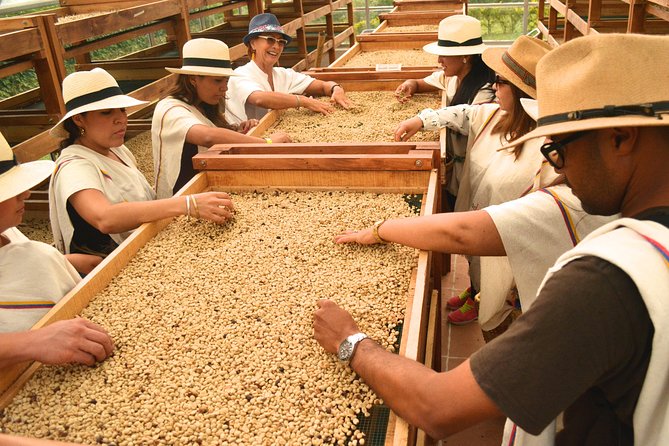
After cultivation and harvest, the tour follows the beans through production. This is where the seed becomes something you recognize as coffee.
You learn about the traditional processing methods used for coffee from this region. The exact equipment and demonstrations are not specified, so I would not book this expecting a particular machine or a guaranteed hands-on roasting session. What is clear is that the guide explains the stages from harvested bean through processing and roasting.
That explanation is one of the tour’s strongest features. Many coffee tastings jump straight to flavor notes. Here, the guide gives you the background needed to understand why a coffee tastes the way it does. The production method, roasting, and preparation all affect the cup.
The tour also helps you recognize how much work sits between farm and café. A beautifully prepared coffee depends on good growing conditions, careful harvest, sound processing, and appropriate roasting. You do not need to become a coffee expert to appreciate the point. You simply start paying attention to the choices behind the drink.
This is also where the visit may appeal to people who have already taken coffee tours in other countries. The experience is not limited to a generic explanation of coffee farming. It focuses on Colombian production and the traditions of the local coffee area.
Same town, another way to drink it:
- Medellin: Coffee Tour with Transport, Snacks and Tastings
★ 4.7 · 1,357 reviews - Medellin: Coffee Tour and Wellness Spa
★ 4.8 · 209 reviews - Medellin: Coffee Tour with Hotel Transfers and Meals
★ 4.9 · 186 reviews - Cartagena: Colombian Specialty Coffee Tasting
★ 4.4 · 130 reviews
Two origin tastings and a cold coffee drink
The tasting is not an afterthought. Two tastings of special origin coffee are included, along with a special cold coffee drink.
The two tastings give you a chance to connect the lesson with your senses. After walking through cultivation, harvesting, processing, and roasting, you can consider the final result in the cup. Pay attention to aroma, strength, texture, and aftertaste. You do not need formal tasting skills. The guide’s explanations should give you enough context to make the comparison useful.
The cold coffee drink adds variety. It also keeps the tasting from feeling like two identical cups served at the end. Additional food and drinks are not included, so plan around the tour if you need a meal or want more refreshments.
The quality of the tasting depends partly on how much attention you give it. If you rush through the cups, the visit becomes a pleasant farm walk with coffee at the end. If you compare the two and think back to the production stages, you get more value from the experience.
For people who care mainly about drinking coffee, this final section may be the biggest reason to book. For people who want a full agricultural visit, the tastings provide a satisfying finish rather than the sole purpose of the tour.
What the guides add to the experience
A good coffee farm needs a good interpreter. The property may be beautiful, but without clear explanations, you can miss the point of what you are seeing.
Daniel is praised for explaining the full production process with care and for adding stories about wildlife around the farm. Jose is also specifically associated with a fun, educational visit that covered harvesting, production, and Colombian coffee methods.
You may not receive Daniel or Jose on your date, so treat those names as examples of the guiding style rather than a guaranteed assignment. The listed experience includes a local guide, and the strongest descriptions focus on guides who combine information with humor and regional knowledge.
That balance suits this kind of tour. Technical coffee information can become dry, especially during a three-hour walk. Personal stories and observations about the area make the subject easier to follow and help you understand the farm as a living place rather than a set of production steps.
The regional information is worth noting. Guides do not only talk about coffee. They also explain the area around the farm, which can help you place Pereira and Santa Rosa de Cabal within Colombia’s broader coffee region.
Is $40 a fair price?
At $40 per person, this is not the cheapest coffee stop you could make in Colombia. It is also not simply a café tasting. The price covers roughly three hours, a local guide, insurance, two origin-coffee tastings, a cold coffee drink, and the use of a poncho, basket, and hat.
I consider that fair value if you want a guided farm experience rather than a quick photo opportunity. The duration gives the guide time to explain the coffee cycle and gives you time to walk the estate. The two tastings make the cost easier to justify, especially for anyone interested in specialty coffee.
The value is lower if you mainly want a cup of coffee and a short visit. You will also need to budget for transportation because private transport is not included, as well as any extra food or drinks.
The small group limit helps the price feel more reasonable. The tour accepts a maximum of 20 people, which is large enough for a social group but small enough for a guide to address the group without turning the visit into a crowded procession.
Who should book this experience?
I would recommend it to coffee drinkers who want to understand production rather than simply buy Colombian beans. It also suits people who enjoy walking, farm visits, photography, and local cultural context.
Families and mixed-interest groups may find it useful because the experience combines scenery, light outdoor activity, a practical lesson, and drinks. Most people can participate, and service animals are allowed. The experience is near public transportation, though the booking details do not specify the exact route or travel time.
It may be less suitable if you have limited mobility or dislike walking on a working farm. The tour description says most people can participate, but it does not promise a fully accessible route. Ask the operator about your specific needs before booking.
This is also a good choice for anyone building a coffee-focused day around Pereira. The farm is in Santa Rosa de Cabal, not at a central Pereira pickup point, so allow time to reach the meeting point and return afterward.
Timing, weather, and cancellation advice
Plan for about three hours, with the possibility that the walking pace and weather affect the timing. The experience requires good weather. If the operator cancels because of poor weather, you can choose another date or receive a full refund.
You can cancel for a full refund up to 24 hours before the start time. Cancellations or changes made less than 24 hours before the start time are not accepted for a refund. The cut-off follows local time.
The tour is often booked about 21 days ahead, so I would reserve earlier if your Colombia schedule is tight. Confirmation is provided at booking.
Should you book the Finca del Café tour?
Book it if you want the complete coffee story, a guided walk through a real estate, and two chances to taste origin coffee after learning how it is produced. The strongest reasons are the scenery, the regional explanations, and the way the visit links cultivation with the drink in your cup.
Skip it if you want only a brief tasting, need private transport included, or prefer a fully indoor activity. For most people interested in Colombian coffee, though, $40 buys a useful three-hour introduction to the country’s coffee culture, with enough walking and tasting to make the lesson stick.
FAQ
Where does the coffee tour start?
The tour starts at Finca del Café, located 1.5 kilometers uphill from Universidad UNISARC in Santa Rosa de Cabal, Risaralda, Colombia.
Where does the tour end?
The activity ends back at the meeting point at Finca del Café.
How long does the experience last?
The tour lasts approximately three hours.
How much does the tour cost?
The listed price is $40 per person.
What is included in the price?
The price includes a local guide, insurance, two tastings of special origin coffee, a special cold coffee drink, and a poncho, basket, and hat on loan.
Is transportation included?
Private transportation is not included. The farm is near public transportation.
How many people can join the tour?
The maximum group size is 20 people.
Can service animals participate?
Yes. Service animals are allowed.
Is the tour suitable for most people?
Most people can participate, but the experience includes walking around the estate. Wear suitable shoes, especially non-slip shoes, and contact the operator if you have specific mobility concerns.
What happens if the weather is poor?
The experience requires good weather. If it is canceled because of poor weather, you can choose a different date or receive a full refund.
What is the cancellation policy?
You can cancel at least 24 hours before the start time for a full refund. Cancellations or changes made less than 24 hours before the start time are not accepted for a refund.
Freshly brewed listings in Colombia
- Salento: Coffee Master Roasting, Brewing and Tasting Tour★ 4.8 · 6 reviews
- Private Tour to Coffee Farm (farm of your choice)★ 5.0 · 2 reviews
- Medellin: Coffee Farm Tour & Spa with Overnight Glamping★ 4.5 · 3 reviews
- Minca: Hidden Waterfall + Coffee and Cocoa Workshop★ 4.9 · 6 reviews
- Most complete COFFEE TOUR at local family farm★ 5.0 · 2 reviews
- Medellin: The Best Coffee Tasting Experience★ 5.0 · 5 reviews
- Medellin: Avoeden Café Coffee Brewing Workshop★ 5.0 · 12 reviews
- Medellin: Coffee and fruit tour★ 4.9 · 12 reviews
Pereira Coffee Tours, compared.
Full-Day Private Coffee Tour in Cocora Valley and Salento
Read our review →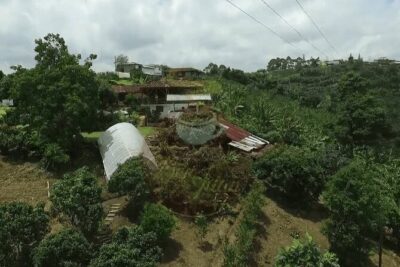
Salento and Cócora Tour plus Coffee Farm from Pereira or Armenia
Read our review →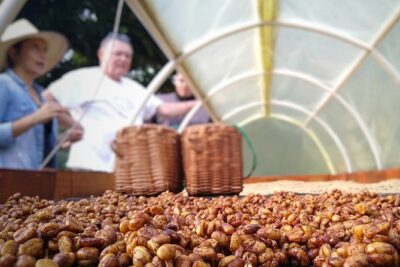
Explore the Coffee Process_From Tree to Cup & Fun by Jeep
Read our review →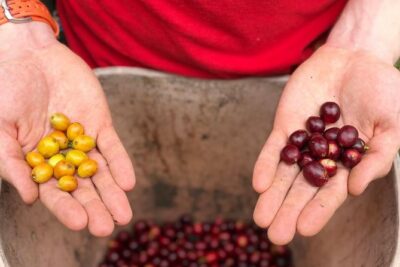
Browse the lists this tour appears in