
Review · POKHARA, NEPAL
Sarangkot Village Coffee Culture and Authentic Local Life Tour
Sarangkot is famous for mountain views, but this six-hour outing gives you a better reason to go uphill: coffee farming and ordinary village life. You walk from Pokhara beside Phewa Lake, then climb through rural communities to Pandeli, where small farmers grow Arabica coffee, vegetables, and other crops.
I like the direct connection between your hike and the local economy. I also like that Sharing Seeds pays farmers 30% more for coffee cherries than other collectors in the area and creates paid work for local women. The catch is simple: this is a real uphill hike, not a gentle sightseeing stroll, and weather or fitness can affect the day.
Key points to know before you book
- A long walk with a purpose: The route includes about 1 hour and 30 minutes beside Phewa Lake, followed by roughly 2 hours and 30 minutes uphill toward Sarangkot Pandeli.
- Coffee from farm to cup: You learn about organic Arabica growing, harvesting, processing, and tasting rather than simply stopping for a café drink.
- A community-first model: Sharing Seeds supports local farmers with training, updated farming advice, and higher payments for coffee cherries.
- A women-led meal: An organic lunch and local food are prepared through a community tourism project that creates work close to home.
- Small groups help: The maximum group size is 10 people, so you should have more room for questions and conversation.
- Plan for changing conditions: Coffee and honey tasting depends on availability, and the hike requires moderate physical fitness and good weather.
From SalesBerry to the shore of Phewa Lake
The day begins at 11:15 am outside SalesBerry Department Store on Chiple Dhunga Road in Pokhara. This central meeting point is practical, and the experience returns you there at the end. Private transportation is included, though much of the route is on foot.
The first section takes about 1 hour and 30 minutes along the shore of Phewa Lake. This is an easy way to leave central Pokhara behind without jumping straight into a steep climb. You walk beside one of Nepal’s best-known lakes, with time to settle into the pace and hear about the communities around it.
Phewa Tal is not treated as a quick photo stop. It forms part of the route, so the lake gives you a scenic setting while the guide leads you toward Khapaudi Village. After reaching Khapaudi, the walking becomes more demanding.
You should wear shoes with a firm grip and bring water. Hiking gear is not included, and the tour description asks for moderate physical fitness. The route may be manageable for many active visitors, but the total walking time makes it a poor match for anyone expecting a short village stroll.
More Coffee Tours in the world:
- Hanoi Coffee Experience: 6 Brews, 9 Recipes & 3 Liquor Tastings
★ 5.0 · 2,945 reviews - Medellin: Coffee Tour with Transport, Snacks and Tastings
★ 4.7 · 1,357 reviews - Istanbul: Turkish Coffee Making and Fortune Telling Workshop
★ 4.9 · 1,308 reviews
The uphill route through Khapaudi Village
From Khapaudi, you climb for about 2 hours and 30 minutes. This is the part that gives the outing its character. Instead of arriving in Sarangkot by road, you pass through village areas and see daily life at walking speed.
The route follows one of the older trekking ways toward the Annapurna region. That does not make it a high-altitude trek, but it helps explain why the path links the lake with the hills above Pokhara. You get a sense of how villages, farms, and walking routes fit together.
The uphill section is also where the tour asks the most from you. The reward is not only the view. You begin to see the small-scale farming that makes the coffee visit meaningful. The experience works best if you treat the walk as part of the tour rather than as transportation between attractions.
One useful detail comes from the way the organizers have handled different needs. A visitor with limited mobility was taken by taxi to the farm instead of hiking, and another booking used a cable car option before hiking down. These arrangements are not listed as standard inclusions, so ask Sharing Seeds before booking if you need an alternative to the full uphill route. Do not assume a taxi or cable car is automatically included.
Pandeli Park and the Phewa Lake view
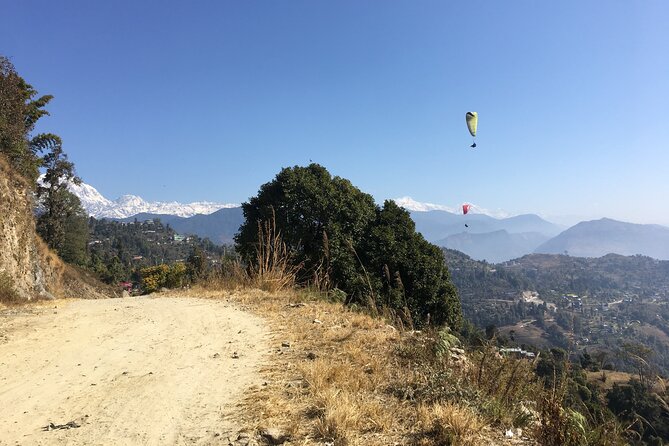
Pandeli Park, in Sarangkot, is reached at about 1,200 meters. It is described as one of the best points for a full view over Phewa Lake, so this is a natural place to pause after the climb.
The stop is useful because it combines rest with a clear sense of where you have come from. Looking back toward the lake after walking up from its shore gives the route a satisfying shape. You are not simply being driven to a viewpoint, taking a picture, and leaving.
Allow time here to catch your breath. The schedule lists about 20 minutes at Pandeli Park, but the pace may feel different depending on the group and weather. If you are sensitive to heat or steep paths, the uphill timing is the part to watch most closely.
The views are one of the strongest reasons to choose this outing over a coffee tasting reached entirely by road. You get scenery, but you also reach it through local paths and village communities.
Inside the coffee-growing community
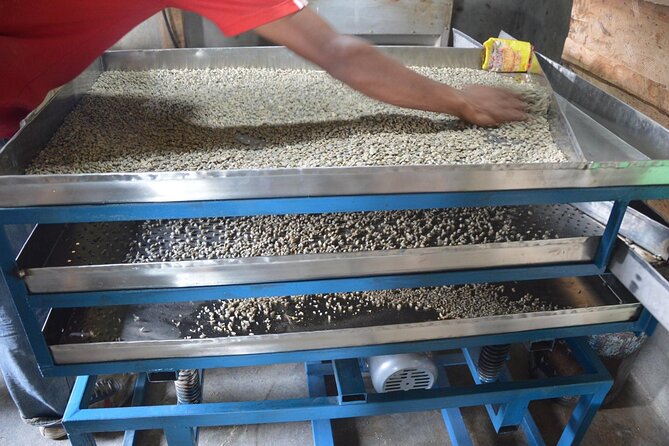
The farm visit explains the stages of organic coffee production, from growing Arabica plants through processing and preparation. You should expect a practical introduction rather than a large commercial plantation or polished museum exhibit.
That distinction matters. Small farms show the limits and care involved in coffee production. Weather, labor, processing, and fair prices all affect what a farmer earns. Sharing Seeds works with local Arabica growers by offering training and updated information about farming challenges and sustainable operation.
The organization also pays 30% more for coffee cherries than other collectors in the region. That figure gives the tour a clear economic point. Your payment is not only buying a hike and lunch. It helps support a model that tries to keep more value with the farmers who grow the crop.
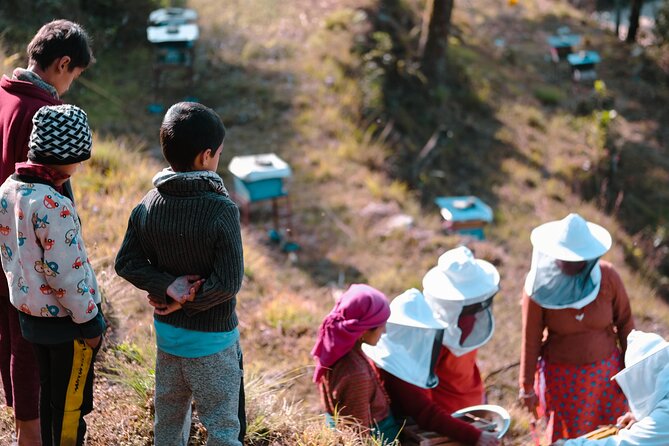
You may also see other parts of village farming, including vegetable gardens and beehives. The experience has a broader focus than coffee alone. Honey production, seasonal crops, and local food all help show how households make use of their land.
Coffee and honey tasting are included when available. The phrase matters, since supply can vary. You may taste local Arabica coffee and honey, but neither should be treated as guaranteed in every season.
Same town, another way to drink it:
- Hanoi Coffee Workshop: Taste Salt, Coconut and Egg Coffee
★ 5.0 · 1,286 reviews - Vienna for Food Lovers: Cafés, Markets & Austrian Cuisine
★ 5.0 · 1,063 reviews - Big Island Highlights: Coffee, Volcano, Black Sands & Waterfall
★ 5.0 · 1,054 reviews - Hanoi: Salt Coffee Workshop Awake Your Senses With 6 Brews
★ 5.0 · 792 reviews
Coffee, breakfast, and lunch with local hosts
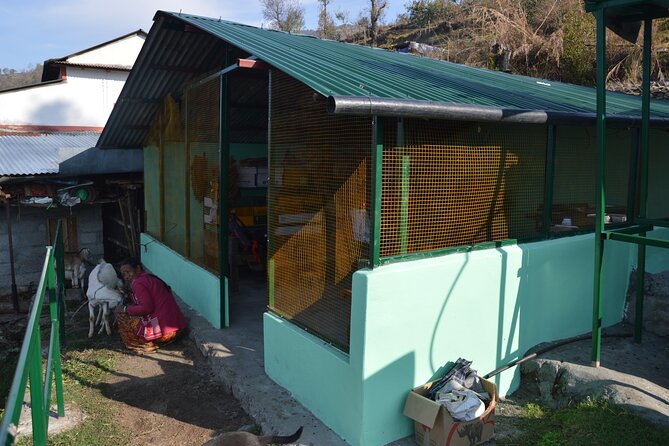
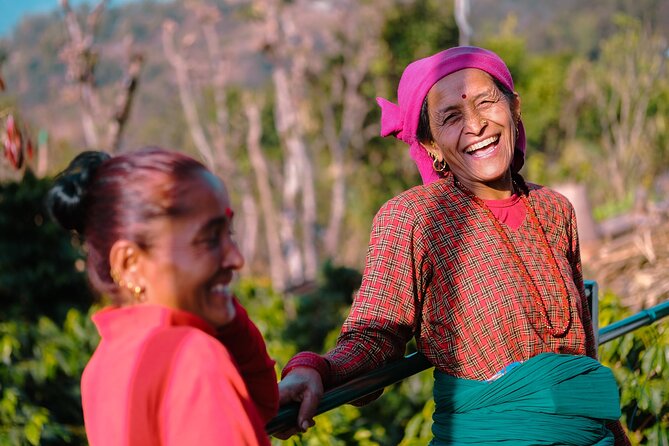
Food is a major part of the experience. The tour includes a local meal prepared by women involved in the community tourism project, and the description specifically presents it as organic and prepared by a women’s group.
The food has been described as a traditional breakfast or lunch, depending on the timing and arrangement of the day. You may receive a hearty local meal after the hike, along with iced coffee or hot coffee. Seasonal fruits and chocolate bars are also listed among the inclusions.
This is where the community focus becomes personal. Rather than treating women’s participation as a slogan, the project creates local jobs through cooking and hosting. That can help keep tourism income within the village and give women a direct role in welcoming visitors.
There is one detail worth checking before you pay. The full description presents an organic lunch as part of the experience, while the formal included-items list specifically names private transportation, coffee and honey tasting when available, seasonal fruit, and chocolate bars. I would confirm the exact meal arrangement with Sharing Seeds, especially if you have dietary restrictions.
What the guide adds to the visit
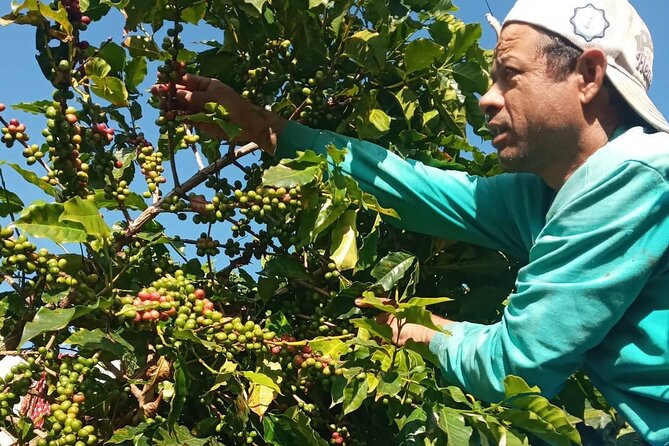
The guide named in the supplied information is Abby. A strong guide matters here because coffee farming has several steps, and the value of the visit depends on how clearly those steps are explained.
Abby is specifically praised for explaining the coffee process from farm to cup. That means you can ask about the plants, harvesting, processing, and the practical problems faced by small farmers. The setting also allows questions about honey, vegetables, organic methods, and community tourism.
The group limit is 10 people. That is small enough for conversation without making the experience feel like a private tour. If you want to ask about farming or local life, a small group is a real advantage.
The tone is likely informal and social. You are visiting a working community, not watching a staged cultural show. Show respect, ask before photographing people or property, and remember that the farms are part of someone’s livelihood.
Why the $60 price can make sense
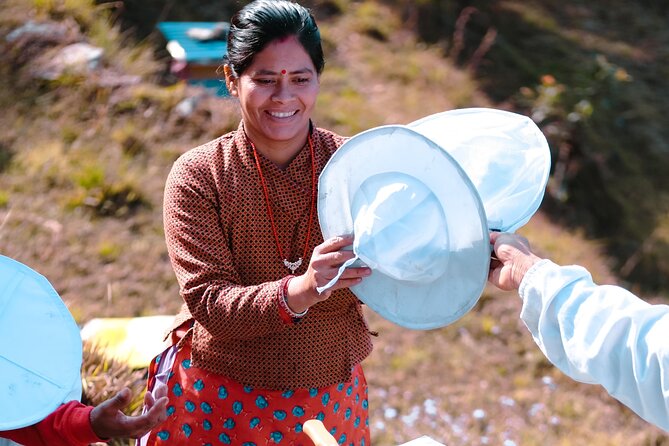
At $60 per person, this is more expensive than simply hiring transport to Sarangkot for a viewpoint stop. But it includes about six hours, a guided route, private transportation, tasting when available, seasonal snacks, and a community-based farm visit.
The better price comparison is with a guided half-day outing that combines hiking, food, coffee education, and local hosting. If you only want a quick panorama, this tour is not the best value. If you want context and a closer look at how local agriculture works, the cost is easier to justify.
The payment also supports a project that trains farmers, pays more for cherries, and creates jobs for women. You cannot measure every rupee of that benefit from one afternoon, but the structure is more purposeful than a standard sightseeing stop.
Group discounts may be available, which could improve the value for families or friends booking together. The maximum group size remains 10 people, so discounts do not necessarily mean a crowded outing.
Who should book this experience
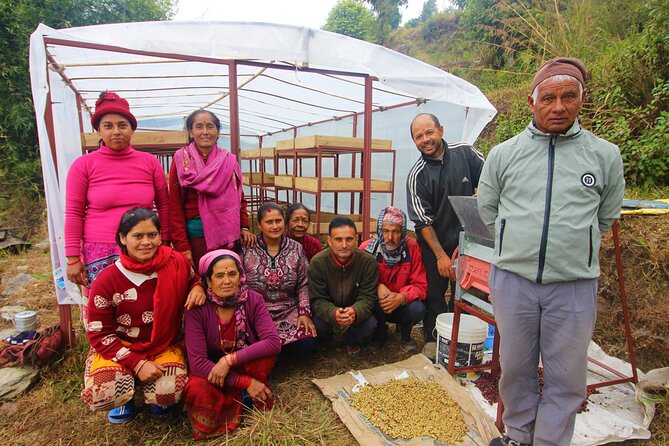
I would recommend it to you if you like walking, local food, small farms, and conversations about how tourism affects communities. It is especially suitable if you have already seen Pokhara’s main sights and want an outing with more substance than another viewpoint.
It also suits coffee drinkers who want to understand production rather than simply order a cup. The coffee is part of a wider farming story, so even people who are not serious about coffee can find the honey, gardens, food, and women-led hosting worthwhile.
You should think twice if you want a relaxed afternoon with little physical effort. The route includes a long uphill section, and the tour does not provide hiking gear. If you have limited mobility, contact the provider first about taxi or cable car possibilities.
The experience is capped at 10 people, and service animals are allowed. It is also near public transportation, though the stated meeting point and included private transport make the organized start simpler.
Timing, weather, and cancellation details
The start time is 11:15 am, and the activity ends back at the SalesBerry meeting point. The schedule suggests a six-hour outing, but uphill walking and weather can affect the pace.
Good weather is required. If poor weather forces cancellation, you can choose another date or receive a full refund. The same applies if the minimum number of participants is not reached.
You can cancel for a full refund up to 24 hours before the start time. Cancellations or changes made less than 24 hours ahead are not accepted for a refund, and cut-off times use local time in Nepal.
Should you book the Sarangkot coffee tour?
Book it if you want a real walking route, a local meal, and a closer look at small-scale organic farming. The combination of Phewa Lake, village paths, coffee, honey, and community work gives you a fuller day than a simple Sarangkot lookout visit.
Skip it if your main goal is a fast mountain panorama or if a four-hour walking approach sounds tiring. Before booking, confirm the meal details, tasting availability, and any taxi or cable car alternative you may need.
For active visitors who want their money to support local farmers and women-led work, this is one of the more thoughtful half-day choices around Pokhara.
FAQ
Where does the Sarangkot coffee tour start?
The tour starts at SalesBerry Department Store, 6XFQ+JV2, Chiple Dhunga Road, Pokhara 33700, Nepal.
What time does the activity begin?
The stated start time is 11:15 am.
Where does the tour finish?
The activity ends back at the SalesBerry meeting point.
How long does the experience last?
The tour lasts approximately six hours.
How difficult is the hike?
You should have moderate physical fitness. The route includes about 1 hour and 30 minutes beside Phewa Lake and around 2 hours and 30 minutes of uphill walking from Khapaudi Village.
Is food included?
The experience description includes an organic local meal prepared by women involved in the community tourism project. Seasonal fruits and chocolate bars are also listed as included. Confirm the exact meal arrangement before booking.
Is coffee tasting guaranteed?
Coffee and honey tasting are offered upon availability, so tasting should not be treated as guaranteed in every season.
What happens if bad weather cancels the tour?
You can choose a different date or receive a full refund if poor weather causes the activity to be canceled.
Freshly brewed listings in the world
- Vietnamese Coffee 101 Workshop★ 5.0 · 11 reviews
- Vietnamese Coffee Making Class in Hoi An★ 5.0 · 4 reviews
- Vancouver: Street Art & Craft Coffee Walking Tour w/ Tasting★ 4.8 · 11 reviews
- Yerevan: Private Coffee Tour with 2 Café Stops★ 5.0 · 2 reviews
- Coffee pleasure walking tour★ 5.0 · 12 reviews
- Ubud: Waterfall, Holy Water Temple,Swing&coffee plantation★ 5.0 · 9 reviews
- Vienna: Guided Viennese Coffee-House Tour★ 5.0 · 2 reviews
- Turkish Coffee and Traditional Turkish Dessert Cooking★ 4.6 · 8 reviews