
Review · ANTIGUA
Coffee farm experience
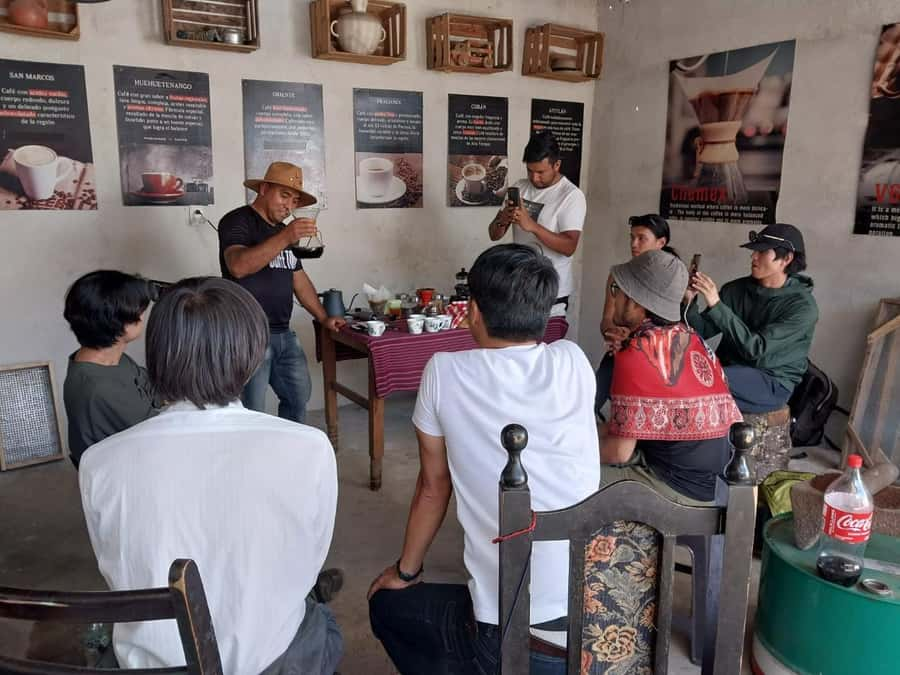
Coffee in Guatemala is not just a drink served after breakfast. It is a crop, a family livelihood, and a daily job that begins in the fields long before the beans reach your cup. This experience takes you from Antigua to Ciudad Vieja, where Baudilio and his family explain how coffee is grown, processed, roasted, and sold.
I especially like the family-farm setting and the chance to speak directly with people who do this work. I also like that the tour explains the less glamorous side of coffee, including plant care, fertilization, and the financial pressure faced by small growers. The main drawback is that this is a short, three-hour visit, so you should not expect a full agricultural course or a long trip through several farms.
Key points to know before you go
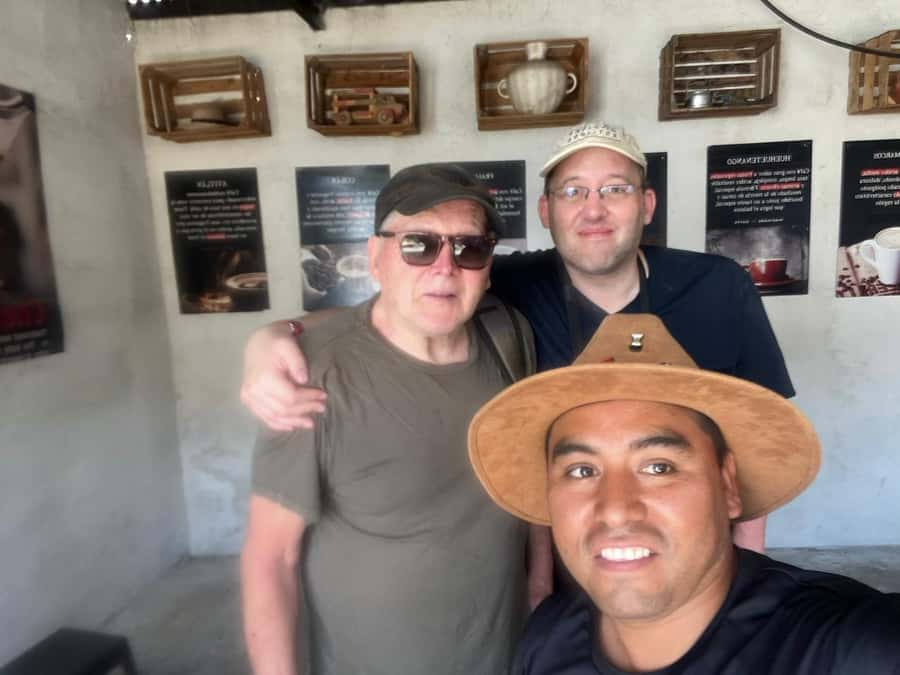
- Baudilio handles the pickup and guiding, with transportation from Antigua Guatemala included.
- Ciudad Vieja is the main setting, with about 105 minutes for walking, sightseeing, and the coffee visit.
- You learn the full coffee chain, from plant conditions and fertilization to processing, roasting, and tasting.
- The experience is hosted by a local family, giving it a personal feel rather than a factory-tour format.
- Two coffee types may be sampled, and you can buy additional coffee, though coffee purchases are not included.
- Wear closed shoes, comfortable clothes, and a hat, since the activity takes place outdoors and may involve insects.
From Antigua to Ciudad Vieja
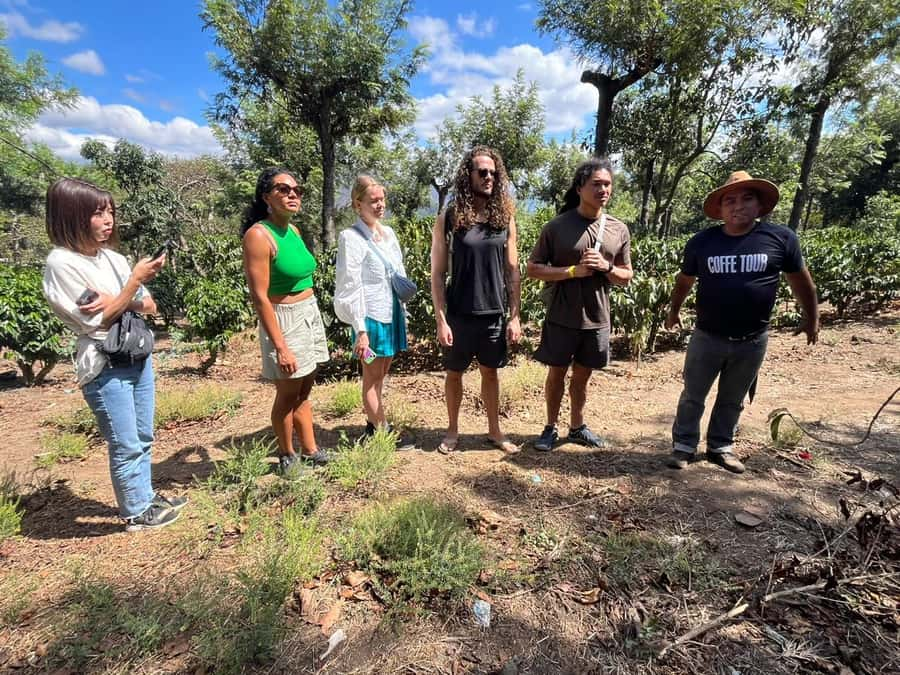
Your day begins with pickup in Antigua Guatemala. Baudilio, the person in charge of the circuit, arrives in his pickup vehicle, so you do not need to arrange separate transport to the farm. That matters in this part of Guatemala, where a short ride outside town can make a rural visit much easier to manage.
The trip takes you to Ciudad Vieja, a place tied to local farming and community life. The activity allows about 105 minutes for the guided portion, walking, and sightseeing before you return to Antigua. The full experience lasts three hours, including transportation and the tasting.
You should wear practical clothing from the start. Closed-toe shoes are required, and comfortable clothes are a better choice than anything smart or restrictive. A hat or cap is useful in the sun. Bring cash if you think you may buy coffee or need small purchases, and charge your phone before leaving so you can take photos and stay in contact with the pickup arrangements.
This is not a polished tourist attraction with a large visitor center. The appeal is the connection with a working local family and the chance to see coffee in a setting where it supports real households. That also means conditions may be simple. You should be ready for outdoor walking, sun, and insects.
More Coffee Farm Tours in the world:
- Award Winning Farm Tour: Coffee, Chocolate and Unique Gifts
★ 5.0 · 484 reviews - La Herradura Coffee Farm: tour in Europe’s only plantation
★ 4.8 · 430 reviews - Big Island: Volcanoes, Waterfalls, & Coffee Farm Day-Trip
★ 4.9 · 414 reviews
Meeting Baudilio and his family
Baudilio serves as both driver and guide, and his wife is involved in welcoming visitors at the family farm. The tone of the visit is personal. You are not simply shown a few coffee plants and sent to a shop. You have time to ask questions, handle coffee, smell the beans, and follow the story from plant to cup.
That human element is one of the strongest reasons to choose this activity. The tour explains how small producers and their families work to place good coffee on the table, while also showing the effort behind the final product. You get a better sense of coffee as a source of income, not just as a famous Guatemalan export.
The family also packages and roasts coffee for local distribution. If you find a particular coffee appealing, you can buy it separately. Pounds of coffee, extra drinks, and food are not included in the $55 price, so bring cash if you want to take something home.
I like this arrangement because it gives you a direct connection to the people producing the coffee. You are supporting a family business, and the conversation can help explain why the price paid at different stages of the industry matters. This is especially useful if you have visited coffee shops and plantations before but have never considered how growers are paid or how much labor sits behind one cup.
Learning Guatemala’s eight coffee regions
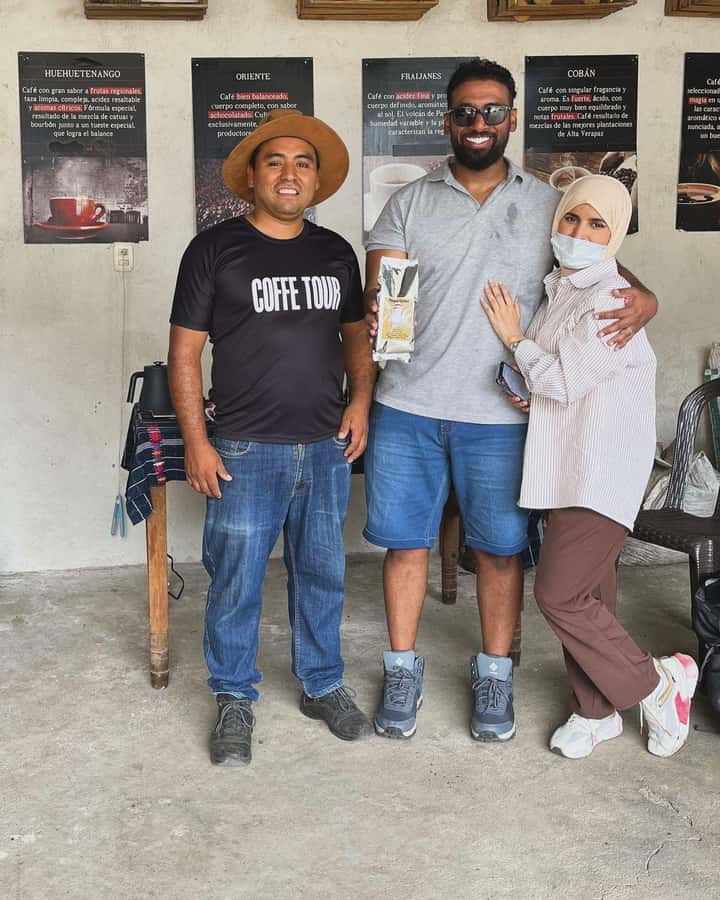
A central part of the experience is an introduction to Guatemala’s eight coffee regions. The tour does not treat Guatemalan coffee as one single flavor or product. Instead, it helps you understand that growing conditions differ from region to region, and that those conditions affect the plants and the finished drink.
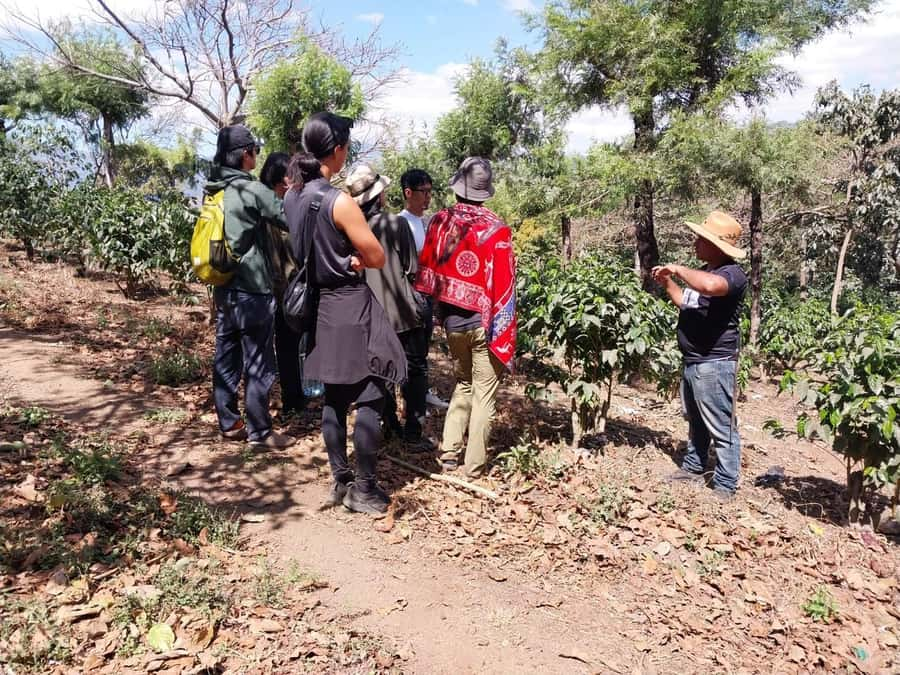
You learn about the conditions coffee plants need, including the care required to keep them healthy. The guide explains how growers manage the plants and what fertilization processes are used. These details are useful because they take you beyond the romantic picture of coffee growing. A farm is not simply a row of green plants waiting for ripe cherries. It requires regular attention, labor, and decisions about soil and plant health.
The explanation also gives context to the tasting later. When you sample coffee, you have a better reason to notice differences in aroma, flavor, and preparation. You are not expected to become a coffee expert in one morning, but you leave with a clearer idea of why origin and growing methods matter.
For anyone who enjoys coffee, this section is likely to be the educational heart of the visit. For a companion who is less interested in coffee, the connection to local work and family income gives the tour a wider purpose.
Seeing how coffee is grown and processed
The farm visit follows the stages of coffee production in a practical way. You learn how the plants are treated, what conditions they require, and how growers care for them through the production cycle. The guide also discusses the processing side, helping you see that harvesting is only one step.
The experience is particularly useful because it covers both agriculture and preparation. You learn about cultivation, fertilization, processing, roasting, and packaging rather than hearing only a short explanation about the plant itself. The family’s own local roasting and packaging work makes that chain easier to understand.
You may have seen bags of roasted beans in Antigua and wondered how much work came before the grinder. Here, the stages are connected. The plant needs the right care. The beans need processing. The coffee must then be prepared and packaged before it can be sold. Every step depends on labor, and much of that labor is performed by small producers and their families.
The guide’s style appears to be conversational and open to questions. Baudilio takes time to explain the process in a way that is intended to be clear rather than technical. That suits this activity well. You get useful information without needing previous knowledge of coffee farming.
More Coffee Tours in the world:
- Hanoi Coffee Experience: 6 Brews, 9 Recipes & 3 Liquor Tastings
★ 5.0 · 2,945 reviews - Medellin: Coffee Tour with Transport, Snacks and Tastings
★ 4.7 · 1,357 reviews - Istanbul: Turkish Coffee Making and Fortune Telling Workshop
★ 4.9 · 1,308 reviews - Hanoi Coffee Workshop: Taste Salt, Coconut and Egg Coffee
★ 5.0 · 1,286 reviews
The tasting: putting the lesson in your cup
The tasting is included in the price and gives the tour a satisfying finish. You may sample two types of coffee, which lets you compare rather than simply receive one cup and move on. The tasting is not an independent café visit. It is tied to the farm story and the work you have just seen.
Pay attention to the smell before drinking. The experience encourages you to use more than one sense, including touching and smelling the coffee as you learn about it. Those small actions make the tasting more memorable and help you notice how much information can come from the beans before you take a sip.
You do not need to know formal coffee vocabulary. Ask what you are tasting and how the two types differ. The point is not to judge the coffee like a professional buyer. It is to connect the final cup with the plant, the people, and the preparation behind it.
If you want additional coffee, plan to purchase it separately. The included tasting does not cover pounds of coffee, other drinks, or food. That is a minor cost consideration, but it is worth knowing before you go, especially if you want to bring home locally roasted beans.
Why the $55 price can make sense
At $55 per person, this is not the cheapest way to spend three hours near Antigua. The value comes from what is bundled into the visit: pickup and return transportation, a live guide, access to a family coffee farm, the educational presentation, and a tasting.
A short farm visit without transportation could cost less, but you would need to arrange the ride and possibly find the farm yourself. Here, the pickup from Antigua removes that extra step. You also get direct contact with Baudilio and his family, rather than only a general explanation from a guide who works far from the production process.
The price makes the most sense if you care about local agriculture, want a personal visit, or drink coffee regularly. It is less compelling if you only want a quick cup or a highly theatrical attraction. The experience asks you to spend time listening and walking, not just taking photos.
I also see value in the discussion of the industry’s price structure. Coffee farming supports income in Guatemala, but the work is demanding, and small producers carry much of the effort. Learning about that reality gives the tasting more meaning and can help you think about where your coffee money goes.
The practical limits of the visit
The experience is active but not described as a strenuous hike. Still, you will be outdoors, walking around a farm and spending time in the sun. Closed shoes are important, and a hat or cap is strongly advised. People with insect allergies should not book this activity.
The age guidance is unusually specific. It is not suitable for babies under one year, people over 95, or people over 70. The supplied information gives both age limits, so if you are over 70, confirm the restriction before booking. The activity also does not allow alcohol or drugs.
Some content may be presented in its original language. English and Spanish guiding are available, so select the language that works best for you when booking. If you have detailed questions about interpretation, clarify them before the tour.
The 105-minute guided portion means you should keep your expectations in check. You will learn a lot about the process, but you will not cover every coffee-growing area in Guatemala or spend a full day following the harvest. This is a compact introduction, well suited to a free morning or afternoon in Antigua.
Who will enjoy this coffee farm experience
I would recommend this activity to coffee drinkers who want to understand production at the source. It also suits anyone looking for a local encounter that feels more personal than a standard city sightseeing stop.
Families, couples, and solo visitors can all take something from it, though the outdoor setting and age restrictions matter. It is a good choice if you like asking questions, meeting local people, and learning how everyday products are made.
You will get the most from it if you arrive curious. Ask about fertilization, the eight coffee regions, the family’s roasting work, and the price received by growers. The guide and his wife are there to explain the process, and the experience works best when you take part in that conversation.
I would not choose it if you want a long, demanding farm trek, a full meal, or a broad tour of several plantations. Food and extra drinks are not included, and the schedule is focused on coffee rather than a larger countryside excursion.
Booking, cancellation, and what to bring
The activity costs $55 per person and lasts three hours. Starting times vary, so check availability before booking. You can reserve now and pay later, which is useful if your Antigua schedule may shift.
Free cancellation is available up to 24 hours in advance for a full refund. Pickup and return transportation from Antigua Guatemala are included, along with the guide and tasting.
Bring:
- Cash for coffee purchases or extra items
- A charged smartphone
- Closed-toe shoes
- Comfortable clothes
- A hat or cap for sun protection
The experience is offered in English and Spanish. Avoid alcohol and drugs, and do not book if insect allergies make an outdoor farm visit unsafe.
Should you book it?
Book this coffee farm experience if you want a direct, family-run look at Guatemalan coffee and value a guide who explains the work from plant care through tasting. Baudilio and his wife give the visit its personal touch, while the eight-region overview and discussion of small growers add useful context.
Skip it if you are only searching for a quick tasting or a full-day agricultural tour. For most coffee fans visiting Antigua, though, the combination of transport, local contact, practical instruction, and two coffee samples makes $55 a fair price for a focused three-hour experience.
FAQ
Where does the coffee farm experience take place?
The experience takes place in Ciudad Vieja, in Guatemala’s Sacatepéquez Department. Pickup and return transportation are provided from Antigua Guatemala.
How long does the activity last?
The full experience lasts three hours. The guided visit, walking, and sightseeing portion in Ciudad Vieja takes about 105 minutes.
What is included in the $55 price?
The price includes transportation, a live guide, and a coffee tasting.
Are coffee purchases or food included?
No. Pounds of coffee, extra drinks, and food are not included. Bring cash if you want to buy coffee separately.
Which languages are available?
The tour is available with a live guide in English or Spanish. Some content may be presented in its original language.
What should I bring?
Bring cash, a charged smartphone, closed-toe shoes, comfortable clothes, and a hat or cap for sun protection.
Can I cancel for a full refund?
Yes. You can cancel up to 24 hours in advance for a full refund.
Who should not book this activity?
The activity is not suitable for babies under one year, people over 95, people over 70, or people with insect allergies. Alcohol and drugs are not allowed.
Freshly brewed listings in the world
- Vietnamese Coffee 101 Workshop★ 5.0 · 11 reviews
- Vietnamese Coffee Making Class in Hoi An★ 5.0 · 4 reviews
- Vancouver: Street Art & Craft Coffee Walking Tour w/ Tasting★ 4.8 · 11 reviews
- Yerevan: Private Coffee Tour with 2 Café Stops★ 5.0 · 2 reviews
- Coffee pleasure walking tour★ 5.0 · 12 reviews
- Ubud: Waterfall, Holy Water Temple,Swing&coffee plantation★ 5.0 · 9 reviews
- Vienna: Guided Viennese Coffee-House Tour★ 5.0 · 2 reviews
- Turkish Coffee and Traditional Turkish Dessert Cooking★ 4.6 · 8 reviews
Antigua Coffee Tours, compared.
Experience: Organic Coffee, Avocados, Honey & More!
Read our review →
From Antigua or Guatemala : Coffee & Culture Full-Day Tour
Read our review →
Browse the lists this tour appears in