
Review · MEXICO
Tasting of Oaxacan Coffees
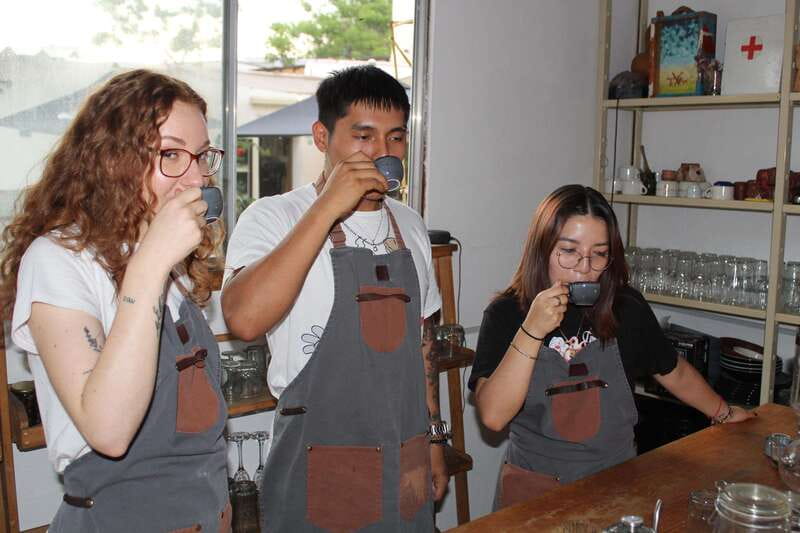
Oaxaca’s coffee story comes alive through the cup here. You compare three Oaxacan coffees and three brewing methods, learning how beans, roasting, and preparation can shift the flavor. I like the hands-on format, and I like that this is a small group of no more than eight people. The main drawback is time: one hour gives you a sharp introduction, not a full coffee-production tour.
I also like the central meeting point, only a few blocks from Oaxaca’s main square. Look for the dog painted on the facade at Xicotencatl Street 609. The experience costs $35 per person, which feels fair if you want guided instruction and several specialty coffees, but less so if you only want a quick cup.
Key points to know
- Choose three brewing methods: Compare options such as French press, Chemex, and AeroPress from a larger set of six.
- Taste three Oaxacan varieties: Notice how blend, altitude, bean, and roast affect aroma and flavor.
- Learn from a passionate barista: Pablo has led sessions praised for clear explanations and a fun teaching style.
- Meet in central Oaxaca: The FoodLab is on Xicotencatl Street 609, close to the main square.
- Keep the group small: The activity accepts up to eight participants, leaving room for questions and hands-on practice.
- Plan for a focused hour: This is a coffee tasting and brewing lesson, not a farm visit or long food tour.
What the one-hour Oaxacan coffee tasting actually offers
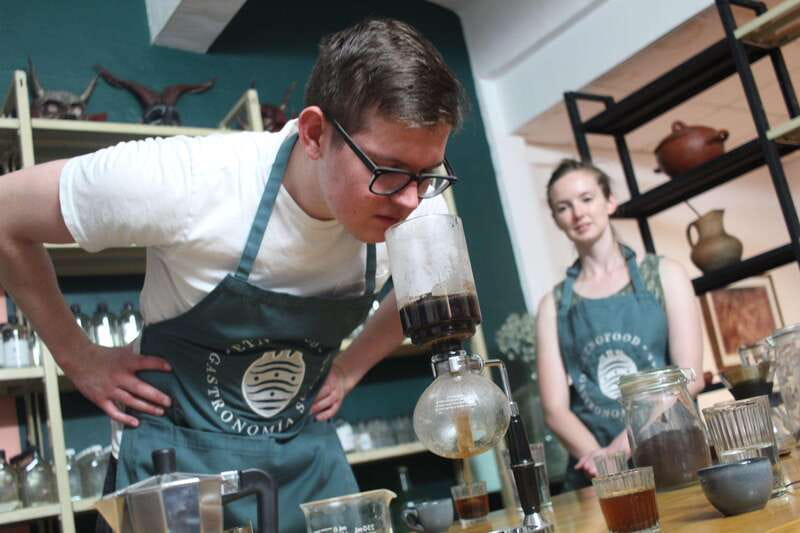
This experience is built around comparison. Rather than simply handing you a cup and naming the beans, the barista shows how the same general ingredient can taste different when you change the coffee, the roast, or the extraction method.
You taste three selected coffees from Oaxacan reserves. One may offer fruity notes associated with a traditional blend, while another may show more complexity from beans grown at higher elevation. The point is not to memorize tasting terms. It is to notice what changes in your own cup.
The session also introduces six possible brewing methods, with three selected for your activity. The available examples include the French press, Chemex, and AeroPress. Since the exact trio may vary, you should expect some choice and comparison rather than a fixed demonstration from start to finish.
That makes the experience useful for beginners. You do not need a trained palate to take part. You simply need to pay attention to aroma, texture, strength, and aftertaste. If you already make coffee at home, you will get more from the details about preparation and extraction.
More Coffee Tastings in Mexico:
- Oaxaca Coffee Tasting
★ 4.0 · 7 reviews - Private Tasting of Chiapas Coffees for 2 Hours
★ 5.0 · 4 reviews - Visit to Coffee Farm with Tasting in Coatepec
★ 4.5 · 4 reviews
Starting at Xicotencatl Street 609 in central Oaxaca
The meeting point is EtnoFood’s FoodLab at Xicotencatl Street 609 in the Centro neighborhood. It is a few blocks from Oaxaca’s main square, so you can fit this neatly into a day of walking around the city.
The facade has a dog drawn on it. That small visual clue matters in central Oaxaca, where streets can be busy and storefronts may not look exactly like the photographs you have seen online. I would arrive a few minutes early, find the dog, and avoid turning the start of a one-hour activity into a frantic search.
This location also makes the tasting easy to combine with other plans. You could schedule it before visiting markets, artisan workshops, or the main square. You could also use it as a quiet break after walking through the city. The activity itself does not include transportation, so you need to make your own way to the address.
Choosing three methods from six coffee approaches
The hands-on brewing section is the heart of the experience. You explore three of six available extraction methods, which gives you a useful range without trying to cram every possible technique into one short sitting.
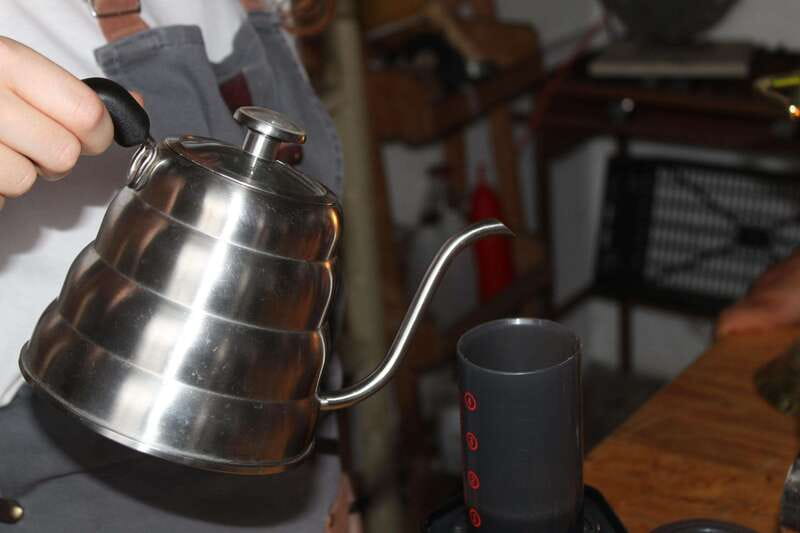
A French press is familiar to many coffee drinkers. It uses steeping and produces a fuller, heavier cup. It is a good reference point because you can easily connect the method to coffee you might prepare at home.
The Chemex offers a different style. Its paper filter produces a cleaner cup, allowing delicate aromas and lighter flavors to come forward. It is also visually distinctive, with an elegant glass design that makes the preparation feel more like a small demonstration than an everyday morning routine.
The AeroPress brings another set of variables. It is compact and flexible, and the short preparation process can produce a cup with a different balance of body and clarity. You may find that a coffee you prefer through one method tastes less appealing through another.
The value here is the direct comparison. You are not told that one method is simply better. Instead, you see how the brewing process changes the final drink. That lesson can help you make better use of coffee you buy later in Oaxaca or at home.
Because only three of six methods are selected, you may not try every technique mentioned in the full description. If one method matters most to you, ask at the start if it is part of the day’s selection. The format promises variety, but not a complete survey of all six methods in every session.
Tasting three coffees from Oaxaca’s coffee regions
The coffee tasting moves beyond brewing equipment. You sample three selected Oaxacan varieties and consider how origin and processing affect the cup.
The experience points to fruity notes in a traditional blend and greater complexity in high-altitude beans. Those descriptions are useful starting points, but the real benefit comes from tasting them side by side. One coffee may seem brighter or fruitier, while another may feel deeper, more layered, or more balanced.
You also learn that the final flavor depends on more than the bean itself. Planting conditions, altitude, roast, and preparation all play a part. This gives the coffee a sense of place without turning the session into a lecture filled with technical terms.
I like that the tasting treats Mexican coffee as something worth close attention. Oaxaca is often better known for its food, mezcal, crafts, and architecture. This activity gives coffee its own place in your understanding of the state.
Keep your expectations in check. The one-hour format cannot cover every coffee-growing area in Oaxaca or explain every step in agricultural detail. It does, however, give you a clear way to understand why two coffees can taste so different.
More coffee with something to eat in Mexico:
- Local Coffee Tasting and Cultural Experience
★ 5.0 · 3 reviews - Vienna for Food Lovers: Cafés, Markets & Austrian Cuisine
★ 5.0 · 1,063 reviews - Buggy Ride Into the jungle with cave coffee & chocolate tasting
★ 5.0 · 465 reviews - Hanoi: Vietnamese Street Food Tour with Egg Coffee
★ 4.9 · 315 reviews
Learning with an expert barista in a group of eight
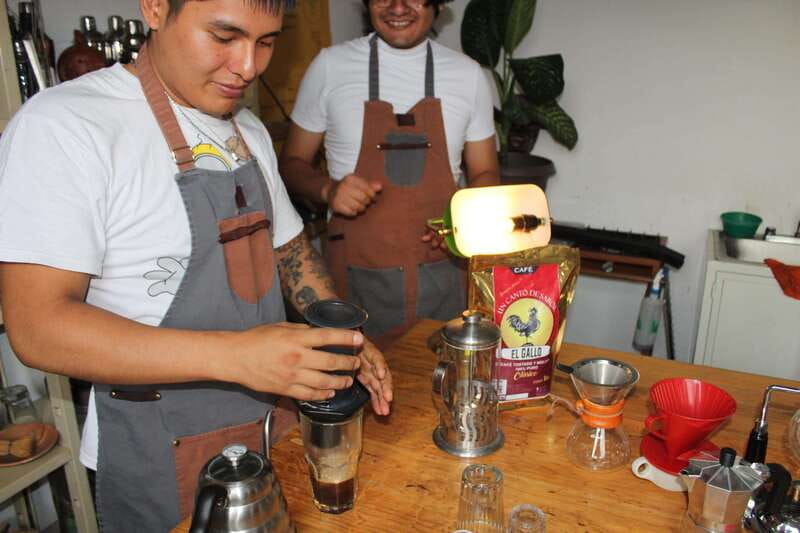
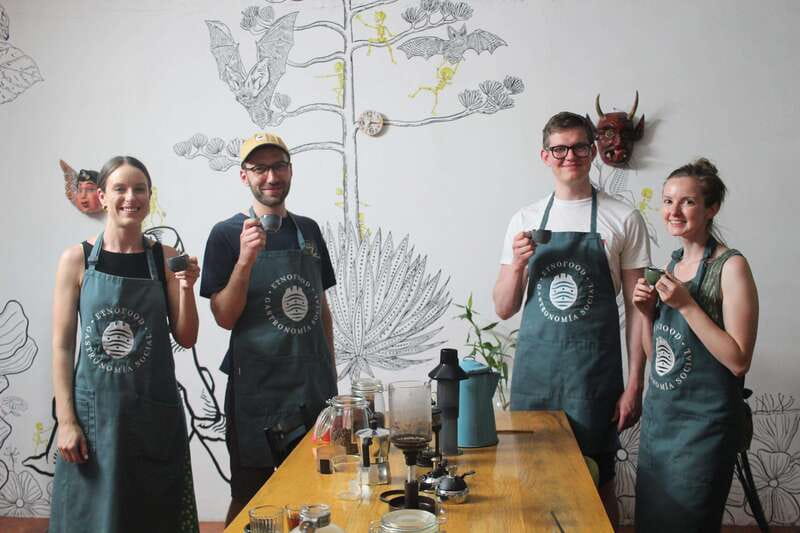
The group limit is one of the strongest practical features. With no more than eight participants, the barista can explain the methods without shouting across a crowded room. You should also have a better chance to ask questions and take part in the preparation.
The session is offered in Spanish and English. That makes it a good choice if you want instruction rather than a silent tasting. Ask questions as you go, especially if you are curious about grind, roasting, water, or the practical difference between methods.
Pablo has received especially strong praise for his teaching style. If he is leading your session, you can expect a host who makes the material fun and explains the various sides of coffee with energy. The praise for him is specific: he is described as passionate, thorough, and willing to go beyond the basic presentation.
That personal element matters. Coffee can become dry subject matter when someone lists tasting notes without helping you understand them. A lively guide can turn the session into a conversation, especially when you are experimenting with a brewing method for the first time.
At the same time, the exact barista may vary. The experience promises expert instruction, but Pablo is not guaranteed for every date. The quality of the session will depend partly on who leads it and on how actively your small group takes part.
Why the production background adds value
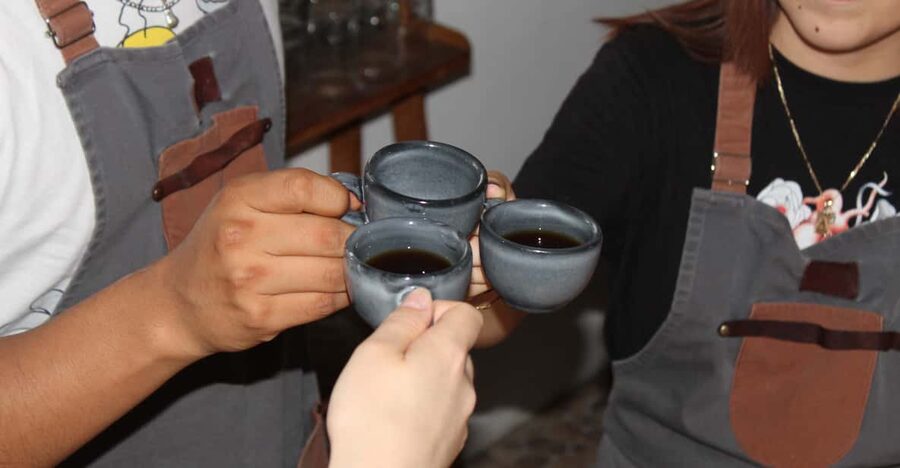
The activity includes context about coffee production from planting through final preparation. That background gives the tasting more meaning. You begin to see the drink as the result of many decisions, not just something poured into a cup.
For a first-time coffee tasting, this is helpful because it connects the farm side with the café side. You learn to think about where the beans come from, how they are treated, and why the final method changes what reaches your palate.
The information is especially useful in Oaxaca, where coffee is part of the state’s agricultural identity. You are not visiting a plantation during this one-hour session, so the production explanation is your main link to that wider story.
Still, this should not be mistaken for a farm-to-cup tour. There is no stated visit to coffee fields, processing facilities, or rural communities. If you want to see cultivation in person, you will need a separate activity. Here, the focus stays on tasting and preparation inside the FoodLab.
Is $35 a fair price for this coffee lesson?
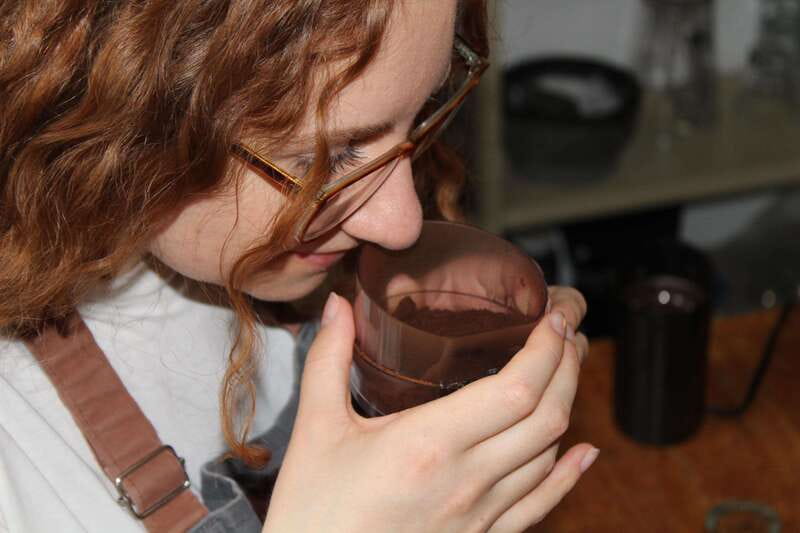
At $35, this is more expensive than buying several ordinary cups of coffee in Oaxaca. The price makes more sense when you count what is included: three specialty coffees, several brewing approaches, guided instruction, bottled water, and coffee or tea.
You are paying for comparison and explanation, not just the liquid in the cup. A casual café visit may let you taste one drink. This activity gives you a framework for understanding why that drink tastes the way it does.
The value is strongest for people who enjoy coffee as a craft. If you are curious about buying beans, improving your home setup, or learning what makes Oaxacan coffee different, the session can pay off long after the hour ends.
The value is weaker if you want a relaxed café stop with no instruction. The session is structured and educational. You will spend the hour tasting, comparing, and listening rather than simply sitting with a drink.
The small group helps justify the cost. Eight people is still enough for shared energy, but it is small enough for individual questions. The activity also includes cancellation up to 24 hours before the start for a full refund, and you can reserve now and pay later, which helps if your Oaxaca schedule is still changing.
Who will enjoy this most?
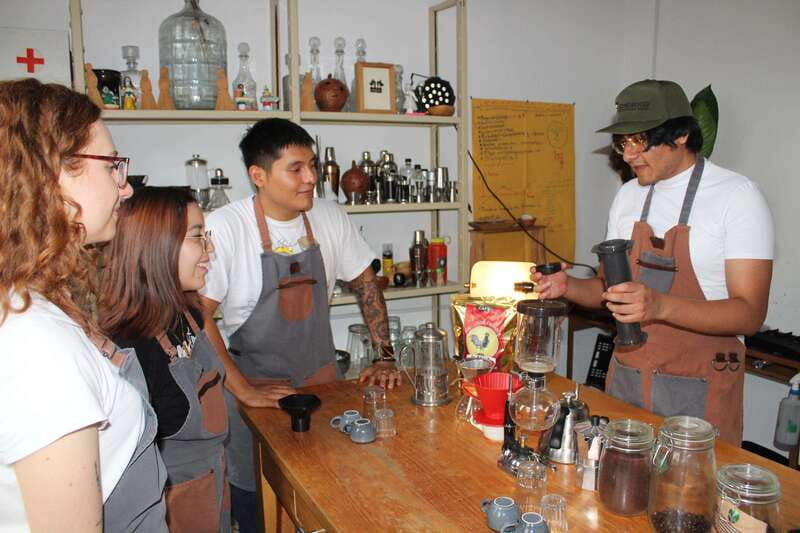
I would recommend this for coffee drinkers who want to understand what they taste. It suits beginners because the guide introduces the methods step by step, and it suits more experienced home brewers because you can compare equipment and extraction choices.
It is also a good rainy-day or midday activity. The central location makes it easy to pair with time in the Centro neighborhood, and the one-hour length will not consume your entire day.
Families may find the short format manageable, but the best fit depends on the children’s interest in coffee and tasting. The activity is designed for both beginners and coffee enthusiasts, not specifically for children.
If you care mainly about Oaxaca’s food culture, this adds another useful layer to your trip. You can follow it with a market visit or a meal and notice how coffee fits into the broader local food scene.
You may want to skip it if you dislike coffee, expect a plantation visit, or want a long technical workshop. It is a compact introduction, not an all-day course.
Practical details before you book
The experience lasts one hour, with starting times based on availability. Since the session is short, arriving at Xicotencatl Street 609 on time matters. A late arrival could mean missing part of the brewing explanation.
The FoodLab is close to Oaxaca’s main square, but you should still confirm the address before leaving. The dog drawn on the facade is the clearest identifying detail provided.
Bring your curiosity rather than specialized equipment. The necessary coffee, brewing methods, and bottled water are included. You do not need to bring beans or a brewer.
The language options are Spanish and English. The small group limit is eight people. That size should make the session more personal than a large demonstration, although the exact feel will depend on the other participants.
The published rating is 4.4 from four reviews, with particularly strong praise for the barista, the coffee, and Pablo’s hosting. One detailed assessment also points to the useful combination of new brewing methods, Mexican coffee characteristics, and the way bean, roast, and preparation open up different flavors. That is a fair description of what this activity does best.
Should you book the Oaxacan coffee tasting?
Book it if you want a focused, hands-on introduction to specialty coffee in central Oaxaca. The strongest reasons are the three coffee varieties, the chance to compare three brewing methods, the small group, and the possibility of learning from an engaging host such as Pablo.
I would not book it expecting a farm visit or a full history of coffee production. For that, you need more time and a different type of tour. But if you have one spare hour and want to understand why Oaxacan coffee tastes the way it does, $35 is a reasonable price for a guided tasting with practical lessons you can use at home.
FAQ
Where does the Oaxacan coffee tasting meet?
It meets at EtnoFood’s FoodLab at Xicotencatl Street 609 in the Centro neighborhood of Oaxaca, a few blocks from the city’s main square. Look for the dog drawn on the facade.
How long does the activity last?
The tasting lasts one hour.
How much does the experience cost?
The listed price is $35 per person.
How many people can join the group?
The group is limited to eight participants.
Which languages are available?
The activity is offered in Spanish and English.
How many coffee brewing methods will I try?
You will explore three methods selected from six available options. Examples include the French press, Chemex, and AeroPress.
How many coffees will I taste?
You will taste three selected Oaxacan coffee varieties.
Is water included?
Yes. Bottled water is included, along with coffee or tea and specialty coffee from Oaxaca.
Can I cancel the booking for a refund?
Yes. You can cancel up to 24 hours in advance for a full refund. You can also reserve now and pay later.
Freshly brewed listings in Mexico
- The Colors of Coffee in the Farms of Coatepec★ 5.0 · 3 reviews
- Xalapa and its aroma of coffee. Fall in love!★ 3.5 · 3 reviews
- Private Tasting of Chiapas Coffees for 2 Hours★ 5.0 · 4 reviews
- Enjoy the coffee route in Coatepec Magical Town★ 5.0 · 2 reviews
- Cultural Adventure: Artisanal Chocolates, Coffee and Doll Making★ 5.0 · 2 reviews
- Oaxaca Coffee Tasting★ 4.0 · 7 reviews
- Sweet Mexico City: Chocolate, Coffee, and Traditional Treats★ 5.0 · 2 reviews
- Visit to Coffee Farm with Tasting in Coatepec★ 4.5 · 4 reviews
Mexico Coffee Tours, compared.
3 Levels of Huatulco the coffee you’ve been looking for
Read our review →
Puerto Vallarta: Botanical Gardens, Distillery & Coffee Tour
Read our review →
Colima Volcano Cultural Tour: Coffee Plantation, Hacienda and Comala Magic Town
Read our review →
.Acapulco Market Hands On Mex Cooking Class Mezcal & Coffee
Read our review →
From Huatulco: 3 Levels, Coffee, Culture, and Nature Tour
Read our review →
Browse the lists this tour appears in