
Review · SAN JOSE
Hacienda Doka Coffee Experience Tour
The most interesting part of the Hacienda Doka Coffee Experience is its clear, hands-on look at how coffee changes from a plant into something you drink. You may touch beans at different stages, see them separated, peeled, dried, and packaged, and learn why cultivation depends on both nature and careful human control. I like the coffee tasting and the chance to see a working production process rather than only a pretty plantation. The butterfly garden is another welcome touch, especially if you want more than machinery and coffee talk.
I also like that the tour is short, reasonably priced, and easy to fit into a day near San Jose. Guides such as Ray and Andrea are praised for making the subject lively and easy to follow. The main caution is the sugar mill: the grounds include an old partial mill, but the sugar cane processing portion may not operate as a full tour, so do not book this solely for that feature.
Key points to know before you book
- Coffee from plant to package: Follow the beans through cultivation, picking, separation, peeling, drying, roasting, and packing.
- A useful tasting at the end: Coffee and chocolate samples are included, giving you a simple way to compare the finished products.
- Butterflies add variety: The garden and natural trails give you time outside the production areas.
- The sugar mill may be limited: You may see an out-of-use partial mill rather than a full working sugar cane demonstration.
- Short and manageable: The guided portion takes about 1 hour 15 minutes, with time to remain on the grounds afterward.
- Plan your own ride: Transportation is not included, despite some individual arrangements mentioned in past bookings.
Coffee culture close to San Jose
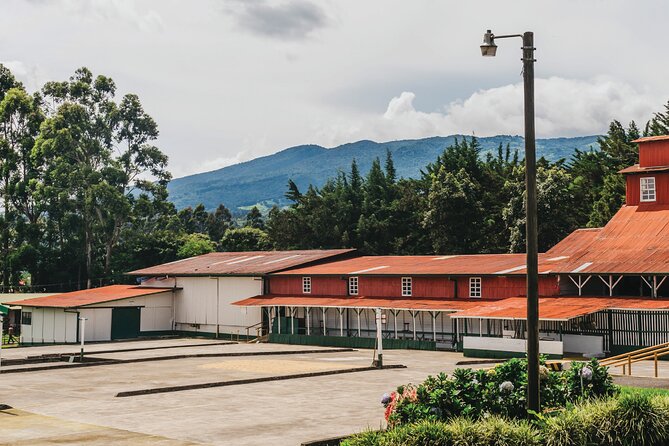
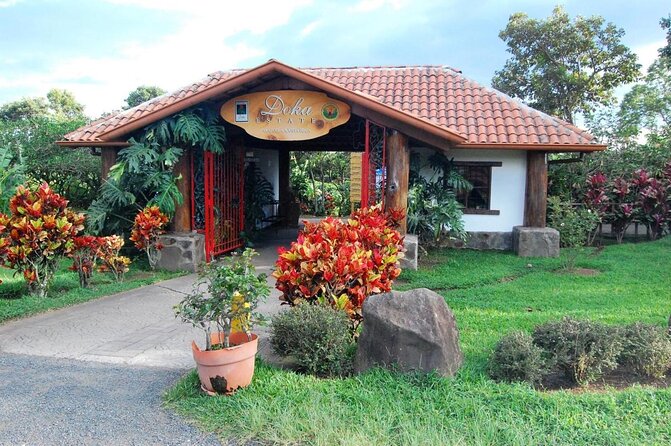
Hacienda Doka is in Sabanilla, in Alajuela Province, a practical choice if you are staying in or near San Jose. The experience costs $35 per person and lasts about 1 hour 15 minutes. For that price, you are paying for a focused introduction to coffee production, samples, access to the plantation setting, and the chance to see working equipment.
I consider that a fair price if you want context for Costa Rican coffee without giving up half a day. The tour is not built around a long walk or a full meal, so its value comes from the explanation and the sequence of production. You see how a coffee bean changes at each stage instead of simply hearing that Costa Rica produces good coffee.
The tour has a maximum of 25 people. That is large enough to create a group atmosphere but small enough for a guide to demonstrate equipment and answer basic questions. The activity requires at least two people to book, and a reservation can be canceled if that minimum is not met. In that case, you are offered another option or a full refund.
The experience receives a 4.5 rating from 315 reviews, and 91 percent of customers recommend it. Those figures point to a dependable, well-liked outing, but they do not erase the limits of the sugar mill portion or the fact that the tour is fairly brief.
More Coffee Farm Tours in Costa Rica:
- Poas Volcano + Coffee Plantations & La Paz Waterfall Gardens Trip from San Jose
★ 4.5 · 50 reviews - Horseback our Hacienda – 4 hours Coffee Tour
★ 5.0 · 45 reviews - ATV Waterfall & Organic Coffee Farm with Lunch
★ 5.0 · 36 reviews
Following the bean from plant to cup
The central lesson is the long chain behind a simple cup of coffee. You begin with cultivation, learning about planting methods and the conditions needed to produce a good bean. The emphasis is on balance between nature and science, which gives the tour more substance than a basic walk through rows of plants.
You may get the chance to pick coffee beans directly from the plant. That small action helps you understand that coffee begins as an agricultural crop, not as a roasted brown bean in a bag. The experience then moves toward processing, where the bean is separated from the fruit and prepared for later stages.
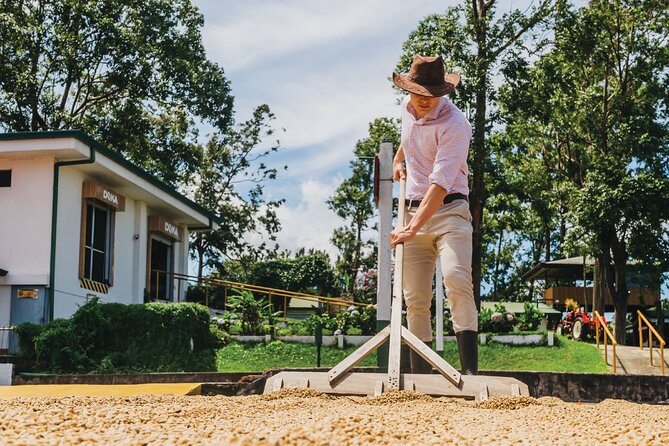
The processing area is where the tour becomes most useful for coffee drinkers. You can see the beans separated, peeled, dried, and packaged. Each step is explained in order, so you can connect the machinery with the taste and quality of the finished coffee.
That sequence matters. Many plantation visits show a field and then jump straight to a gift shop. Here, you can follow the production stages chronologically. If you drink coffee every day, you will leave with a better sense of why harvesting, drying, and roasting all affect the final cup.
Roasting is part of the coffee story, and several descriptions of the experience say you can learn about the process from beginning to end. Still, the exact amount of live roasting you see may vary. One past visitor wanted more roasting in action, so I would treat the tour as an overview of production rather than a detailed roasting class.
Guides who make the technical parts easy
A coffee plantation can become dry territory if the guide simply lists machines and dates. The strongest guides here make the process friendly and understandable. Ray is praised for explaining coffee plants, harvesting, and production with enthusiasm. Andrea is also singled out for giving a clear, informative tour.
You can expect a guide-led experience rather than a self-guided walk. The best part of that format is the explanation of what you are seeing. A row of equipment means little until someone shows you which stage it handles and why the bean needs that treatment.
The guides also use interactive elements. Touching beans at different stages gives you a physical sense of how the product changes. If picking a bean is available during your visit, take part. It is a simple detail, but it turns an agricultural explanation into something you remember.
The tone appears friendly rather than formal. One guide is described as funny and passionate, with stories and jokes mixed into the technical material. That helps keep the pace moving, especially for people in your group who are interested in Costa Rica but are not serious coffee fans.
The old sugar mill and a point of caution
Hacienda Doka also presents sugar cane as part of the property’s story. The advertised concept includes a working sugar mill where cane becomes sugar, molasses, and other sweet products. That sounds like a natural companion to the coffee visit, since both crops connect farming with food production.
Here, you should set your expectations carefully. The sugar cane portion may not operate as a full guided demonstration. The property has an old, partial mill that you may be able to visit, but it may be out of use and have little or no active explanation.
This is the clearest weakness in the experience. If you are mainly coming to see sugar cane crushed, boiled, and turned into finished products, you could be disappointed. The coffee portion is the reliable center of the visit. Think of the mill as a possible extra, not the main reason to reserve.
That distinction also explains why the tour can earn high marks while still leaving some people wanting more. The coffee process is detailed and visible. The sugar cane promise may be broader than what you actually see on the day.
More Coffee Tours in Costa Rica:
- Poás Volcano and Coffee Tour with Tasting and La Paz Falls
★ 4.0 · 137 reviews - A taste of Aquiares – 2 hours Coffee Tour
★ 5.0 · 91 reviews - Coffee & Chocolate Tour+Sloths Park & Llanos de Cortez Waterfall
★ 5.0 · 74 reviews - Monteverde Coffee, Chocolate and Night Tour
★ 4.5 · 61 reviews
Butterflies, trails, and time after the tour

The plantation visit is not only machinery and processing rooms. You can walk along natural trails and visit the butterfly garden. This gives the outing a welcome change of pace, particularly after the coffee production section.
The butterfly garden is one of the strongest additions because it asks very little of you. You do not need to be a coffee enthusiast to enjoy seeing the winged insects and taking photographs. The garden also works well for families or mixed-interest groups, where one person may care about coffee farming and another may prefer plants and wildlife.
The grounds can be worth lingering on after the guided portion. You may remain to take photographs, walk around, or see the butterfly exhibit. Since the official tour is only about 1 hour 15 minutes, this extra time helps you avoid feeling rushed.
Do not assume that every part of the property is an extended nature hike. The supplied details describe natural trails, but not their length or difficulty. If you want a long forest walk, this is not the activity to choose based on that hope. If you want a short outdoor break added to a coffee lesson, it fits well.
Coffee and chocolate samples
Coffee and chocolate samples are included, while a full meal and other food or drinks are not. The tasting is a fitting finish because you can connect the production lesson with something you can actually taste.
The chocolate sample also helps broaden the appeal. You may arrive for coffee, but the tasting gives you another local product to compare. It is not a substitute for lunch, and you should not count on the samples to make this a food tour.
A coffee shop is part of the visit, so you have a place to browse or buy something after the guided section. The available information does not specify the shop’s menu or prices, so I would treat it as a convenient stop rather than build your budget around it.
Some past bookings included lunch arrangements, but food is not included in this experience. If you see a separate meal option while planning your day, check its terms closely. One buffet meal received criticism for its price and for allowing only one trip to the serving area. That issue is separate from the basic $35 coffee tour, but it is a useful warning to check what you are actually purchasing.
Timing, transport, and who will enjoy it
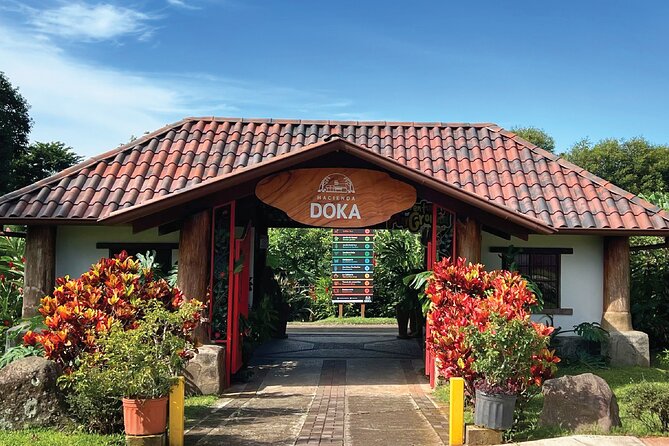
The short duration makes Hacienda Doka easy to pair with another San Jose area activity. You can fit it into a morning or afternoon without committing to a full-day excursion. The start and finish are at Doka Estate Costa Rica Coffee Tour and Plantation in Sabanilla, and the activity returns you to the same meeting point.
Transportation is not included. Plan to reach the estate on your own, and do not rely on a hotel pickup unless it is separately confirmed. One past visitor praised a driver named Jimmy for providing a hotel transfer, but that does not change the stated transportation terms for this booking.
The activity is near public transportation, though no route or travel time is provided. If you are using public transport, confirm the exact stop and final approach before setting out. A private ride or taxi may be simpler if you are traveling with luggage or working against a tight schedule.
Most people can participate, and service animals are allowed. The group limit is 25 people. Confirmation is sent when you book, and free cancellation is available up to 24 hours before the start time. Canceling or changing the booking less than 24 hours in advance is not accepted for a refund.
I would recommend this tour to:
- Coffee drinkers who want to understand production beyond the label on a bag.
- First-time visitors to Costa Rica looking for a short agricultural activity near San Jose.
- Families and mixed groups that will appreciate the butterfly garden and trails.
- People who enjoy seeing machinery, processing stages, and hands-on demonstrations.
- Anyone who wants a structured visit without spending a full day at a plantation.
I would be more cautious if you want an active sugar cane factory tour, a full meal, or an in-depth roasting workshop. The experience gives you a broad and useful look at coffee, but it does not promise a long technical seminar.
Is Hacienda Doka worth $35?
For most people, yes. The price is sensible for a 1 hour 15 minute guided visit that combines a plantation, processing equipment, coffee and chocolate samples, a butterfly garden, and time on the grounds. The coffee section receives the strongest praise, especially the clear explanations and the chance to see beans at several stages.
The value is best when you think of this as a coffee education with extras. You are not paying for transportation, lunch, or a guaranteed sugar cane demonstration. You are paying for access to the estate and a guided look at how coffee is grown, processed, roasted, and packaged.
Book it if you want a compact, informative stop near San Jose and you are happy to make your own way there. Skip it if the sugar mill is your main goal, or choose another activity if you need a full-day farm program. For a first look at Costa Rican coffee, the balance of explanation, tasting, production areas, and butterflies makes this a practical choice.
FAQ
How long does the Hacienda Doka Coffee Experience last?
The guided experience lasts approximately 1 hour 15 minutes. You may also stay afterward to walk the grounds, take photographs, or visit the butterfly exhibit.
What is included in the tour price?
Coffee and chocolate samples are included. Food, drinks beyond the samples, and transportation are not included.
Where does the tour begin and end?
It begins at Doka Estate Costa Rica Coffee Tour and Plantation, 129, Provincia de Alajuela, Sabanilla, 20107, Costa Rica. The activity ends back at the meeting point.
Is the sugar mill part of the tour?
The experience includes a sugar mill theme, but the sugar cane processing section may be limited. The property has an out-of-use partial mill, and a full active demonstration is not guaranteed.
How many people can join the tour?
The maximum group size is 25 people. At least two people are required per booking, and the activity may be canceled if that minimum is not reached.
Can I cancel for a full refund?
Yes. You can cancel at least 24 hours before the scheduled start time for a full refund. Cancellations or changes made less than 24 hours before the start are not accepted for a refund.
Freshly brewed listings in Costa Rica
- Doka Coffee Tour, Poas Volcano and La Paz Waterfall Day Trip from San Jose★ 4.5 · 35 reviews
- ATV Waterfall & Organic Coffee Farm with Lunch★ 5.0 · 36 reviews
- Super Combo Tour: Waterfalls Gardens + Coffee Tour + Poás Volcano★ 4.5 · 39 reviews
- Horseback our Hacienda – 4 hours Coffee Tour★ 5.0 · 45 reviews
- Poas Volcano + Coffee Plantations & La Paz Waterfall Gardens Trip from San Jose★ 4.5 · 50 reviews
- Britt Coffee Tour from San José★ 4.5 · 53 reviews
- Sloths in the Rain Forest and Safari by the River★ 5.0 · 51 reviews
- Poas Volcano + Coffee tour + Waterfall tour day from San Jose★ 5.0 · 52 reviews
San Jose Coffee Tours, compared.
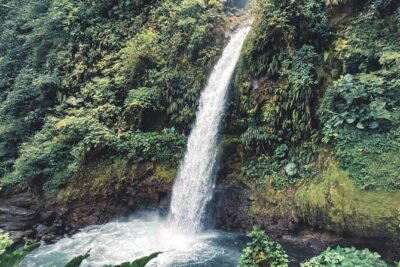
Poás Volcano and Coffee Tour with Tasting and La Paz Falls
Read our review →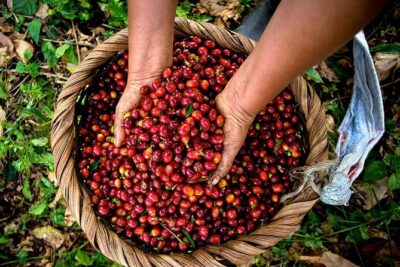

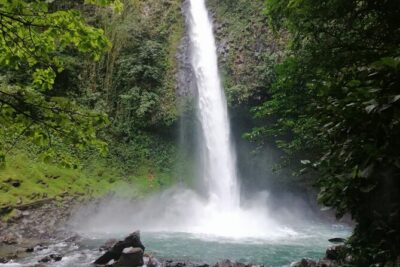
Poas Volcano + Coffee tour + Waterfall tour day from San Jose
Read our review →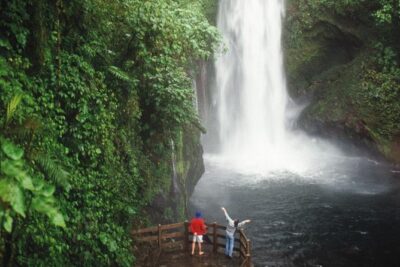
Poas Volcano + Coffee Plantations & La Paz Waterfall Gardens Trip from San Jose
Read our review →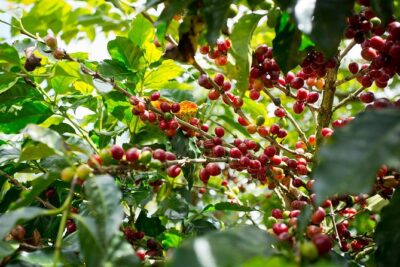
Super Combo Tour: Waterfalls Gardens + Coffee Tour + Poás Volcano
Read our review →
Doka Coffee Tour, Poas Volcano and La Paz Waterfall Day Trip from San Jose
Read our review →Browse the lists this tour appears in