
Review · ARUSHA
Arusha: Traditional Coffee Preparation(coffee tour)
Arusha’s best coffee lesson begins with a wooden mortar, a clay pot, and a charcoal fire. You walk through a smallholder arabica farm, then turn dried beans into a drinkable cup by pounding, roasting, grinding, and brewing everything by hand. I like the real farm setting and the fact that you do the work yourself, not just watch a demonstration.
I also like the three-hour pace. It gives you time for the process without taking up a whole day. The main consideration is that this is a short, hands-on farm visit rather than a large plantation tour or a technical coffee seminar, so anyone seeking a long tasting session may find it limited.
Key points
- You make the coffee yourself: Husk, roast, pound, grind, and brew the beans using traditional tools.
- The visit begins on a smallholder farm: Learn how arabica coffee is grown and why it matters to Tanzania’s exports.
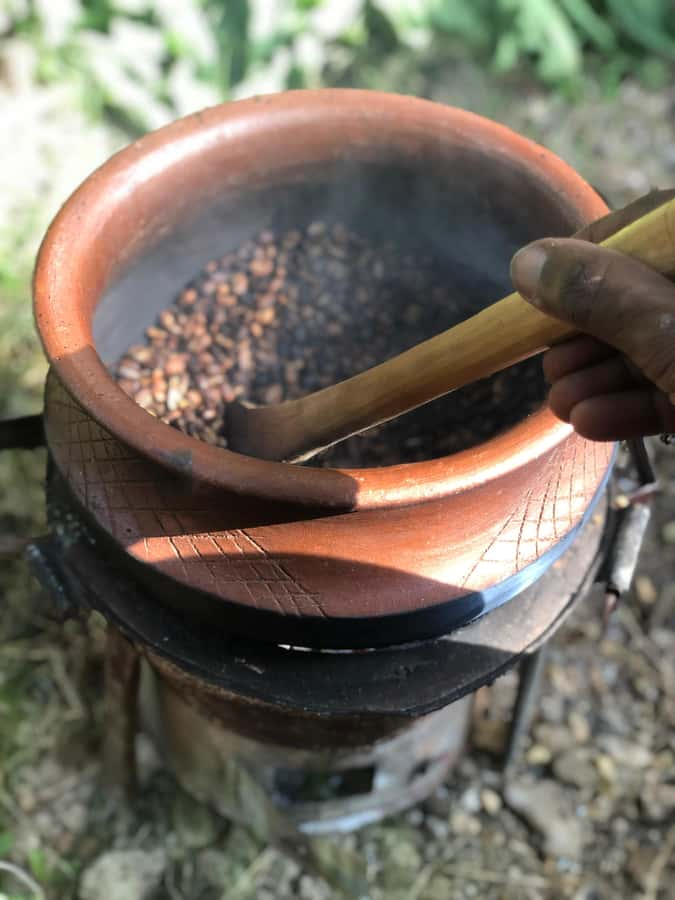
- The roasting is done over charcoal: A clay pot gives the beans a rustic flavor and makes the process feel genuinely old-fashioned.
- The tasting happens in a private garden: Your final cup is organic, single-origin coffee prepared from the beans you handled.
- English-speaking guides lead the experience: Johnson and Derik are among the guides associated with the tour.
- The price is $30 per person: That is fair value for a three-hour, small-scale activity with a farm visit, guide, drinks, and a full coffee preparation session.
From smallholder farm to finished cup
This experience works because it follows coffee in the same order you would encounter it in local production. You begin with the plant, move to the dried bean, and finish with a hot drink. That simple sequence gives the visit more meaning than a coffee tasting alone.
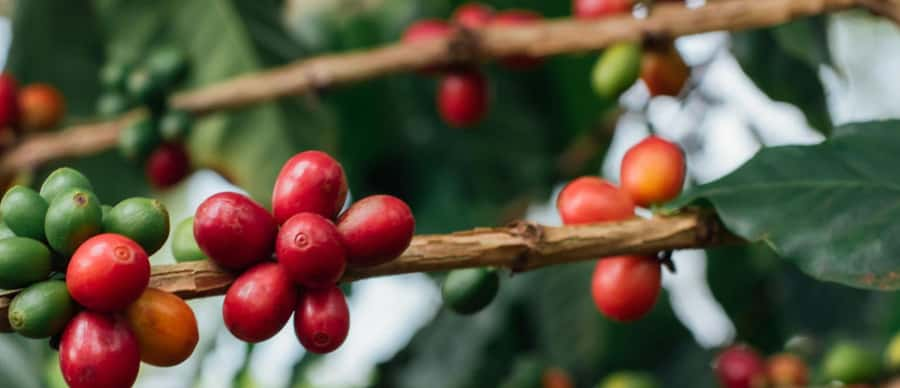
The first part is a short guided walk through a small coffee farm near Arusha. You learn about arabica coffee cultivation and the role coffee plays as one of Tanzania’s major export commodities. The farm is described as family-run, with three generations living on it, which adds a personal touch to what could otherwise be a basic agricultural stop.
I would pay attention here to the scale of the farm. This is a smallholder setting, not a polished commercial estate with a visitor center and rows designed for photographs. You are seeing coffee as part of a working family property. That makes the visit useful if you want a closer look at local production, though the farm portion is relatively brief.
The tour includes walking and a guided visit. No difficult route or special hiking ability is stated, so you should think of this as a gentle farm walk rather than a demanding trek. Wear shoes you can use comfortably outdoors, since the activity moves from the farm to a garden and involves hands-on work.
More Coffee Tours in Arusha:
- Materuni Waterfalls, coffee tour & Kikuletwa Hot Springs
★ 5.0 · 643 reviews - Materuni waterfalls coffee tour & Chemka hot springs Day trip
★ 5.0 · 131 reviews - Maasai village visit, Materuni waterfalls & coffee experience
★ 4.5 · 95 reviews
Why the bean-to-cup format works
Many coffee activities stop after showing you growing plants or serving a prepared drink. This one keeps going. You handle the coffee at each stage, and each step changes the beans in a visible way.
After the farm visit, you move to a private garden for the preparation lesson. The setting matters. You are not standing at a factory machine or watching a barista behind a counter. Instead, the coffee is prepared with handmade utensils and a method that depends on patience and muscle.
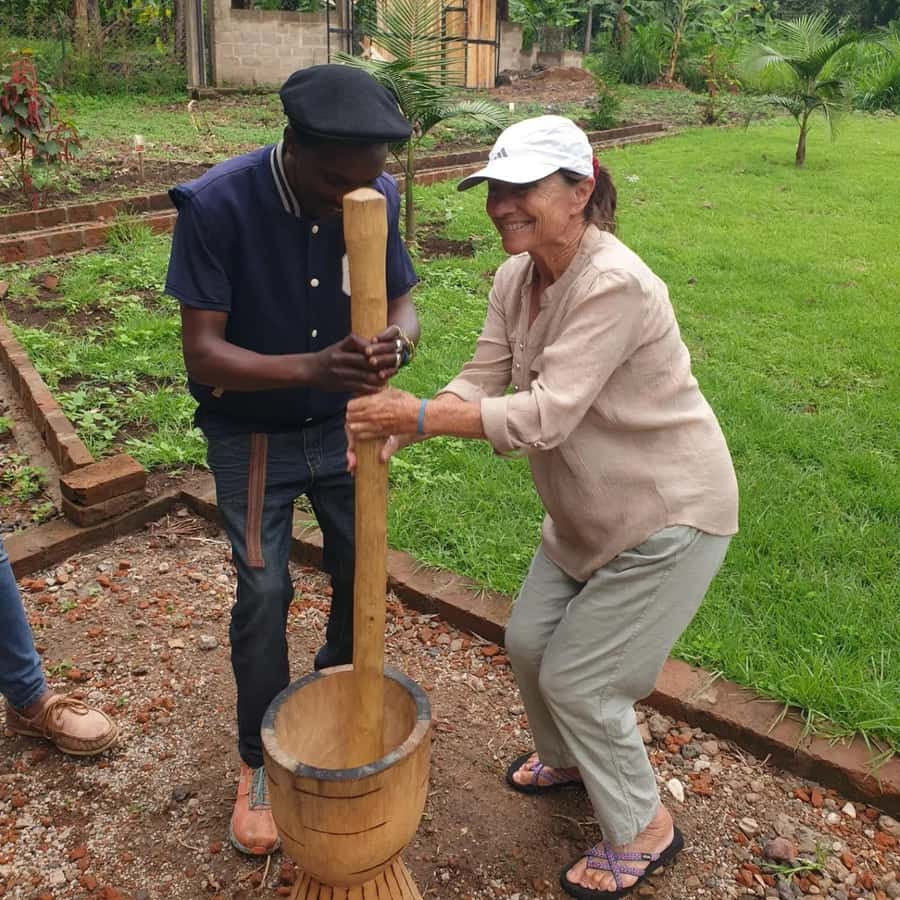
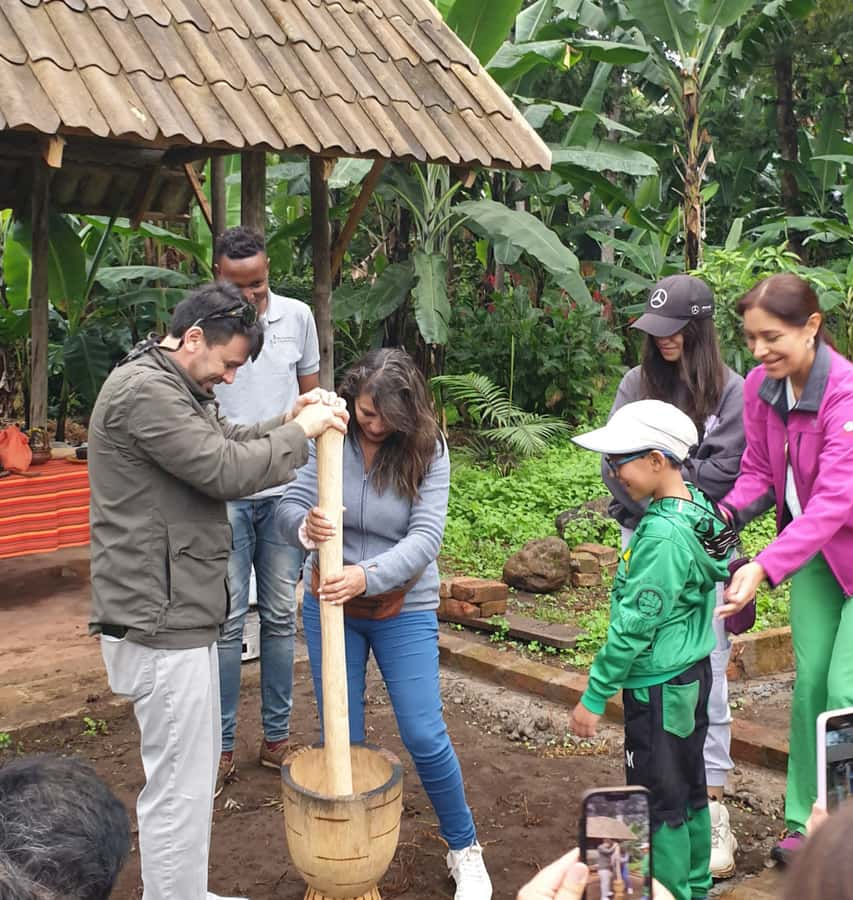
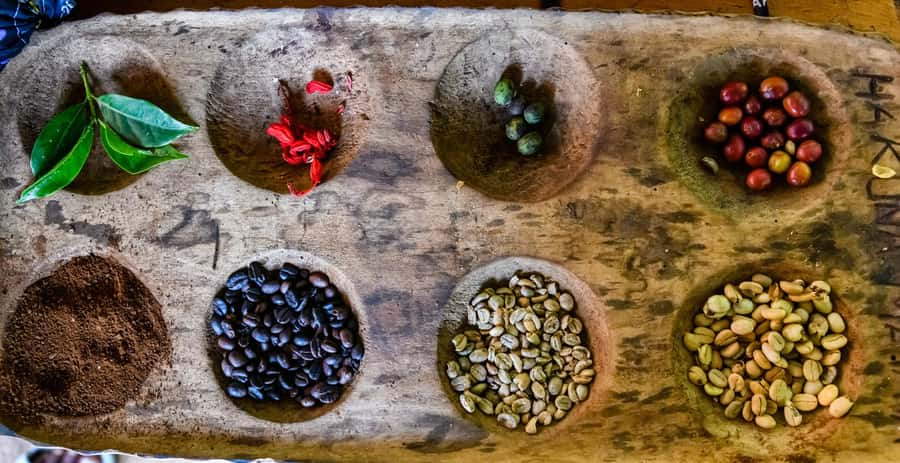
The beans begin dried and still covered by an outer husk. Your first job is to remove that husk by pounding the beans in a large wooden mortar with a pestle. It is a simple tool, but it gives you a clear sense of the labor that modern processing equipment removes from the process.
This is also where expectations matter. Pounding beans is not a quick photo opportunity if you want to take part properly. You should expect a physical, manual step, though the overall activity remains manageable within the three-hour schedule. The guide gives step-by-step instructions, so you are not left guessing what to do.
Once the husk is removed, the beans go into a clay pot over a charcoal fire. The traditional roasting method is one of the most appealing parts of the visit. You can watch the color and smell change as the beans heat, while the charcoal adds a rustic character to the process.
The description does not promise a choice of roast levels or a technical explanation of temperature control. That is not a weakness unless you want a professional coffee course. The strength here is the direct connection between fire, bean, aroma, and cup.
Grinding, brewing, and tasting your own coffee
The roasted beans are pounded again, this time into a fine powder. It is another manual step, and it keeps the preparation grounded in the traditional method. You do not simply receive a finished sample. The cup follows from the work you have just done.
The final stage is brewing and tasting. Your coffee is organic and single-origin, prepared from the beans used in the session. That makes the tasting more useful than a generic cup served alongside a lecture. You can connect the drink to the farm, the roast, and the grinding process.
I would not book this expecting a broad comparison of several Tanzanian coffees. The activity centers on one coffee source and one preparation method. If you enjoy learning by doing, that focus is a plus. If you want a formal tasting flight with several brewing styles, this probably is not the right choice.
A small extra detail adds charm: coconut rolls may be served with the coffee. They are not listed as a formal inclusion, so do not book on the assumption that they are guaranteed. Still, the pairing gives the garden tasting a local, homemade feel when available.
The private garden makes the middle of the tour special
The private garden is where the activity shifts from farm visit to shared demonstration. It gives you a calmer place to work with the tools, listen to the guide, and taste the result. The change of setting also prevents the whole experience from feeling like a single long walk.
The garden format should suit you if you prefer personal interaction over a large group presentation. The available information does not specify the maximum group size, so I would not assume that the session is always private to your booking. The farm itself has been described as a real family property, and the coffee preparation takes place in a private garden.
The guides speak English. Johnson and Derik are names connected with the experience, and both have been praised for being friendly and motivated. Since guide assignments can change, treat those names as possible guides rather than a guarantee for your date.
The guide’s role is practical. You receive instructions for husking, roasting, grinding, and brewing, rather than only hearing general facts about coffee. That makes the activity a good fit for first-time visitors who want a clear introduction without needing prior coffee knowledge.
Same town, another way to drink it:
- Materuni Waterfalls & Coffee Tour from Moshi
★ 5.0 · 92 reviews - Arusha: Materuni Waterfalls, Coffee, and Hotsprings Tour
★ 4.8 · 78 reviews - Coffee tour and Buffet Lunch with Kingstone Asilia (Arusha)
★ 5.0 · 74 reviews - Materuni Waterfalls, Visiting Chagga Village, CoffeeTour Kikuletwa Hotsprings
★ 5.0 · 63 reviews
What the traditional method teaches you
The value of this tour is not only the finished drink. It shows how many separate actions sit behind a familiar morning cup.
You see that coffee begins as an agricultural product, not as a powder in a packet. You handle the dried bean, remove its outer covering, roast it, reduce it to grounds, and then brew it. Each stage gives you a better sense of the time and effort involved.
The wooden mortar and pestle are especially important. They are not decorative props added to a modern class. They are the working tools used for the manual preparation described in the experience. The clay pot and charcoal fire carry the same appeal.
The method also slows you down. You cannot rush the process in the same way a machine can. That makes the activity a pleasant contrast to a tightly scheduled safari day, although it may feel basic to anyone who already roasts or brews coffee at home.
I like the honesty of the format. It does not try to turn a short local visit into a grand agricultural tour. You learn the main steps, take part in them, and drink what you made. That is enough for a useful three-hour outing.
Price, timing, and what you receive for $30
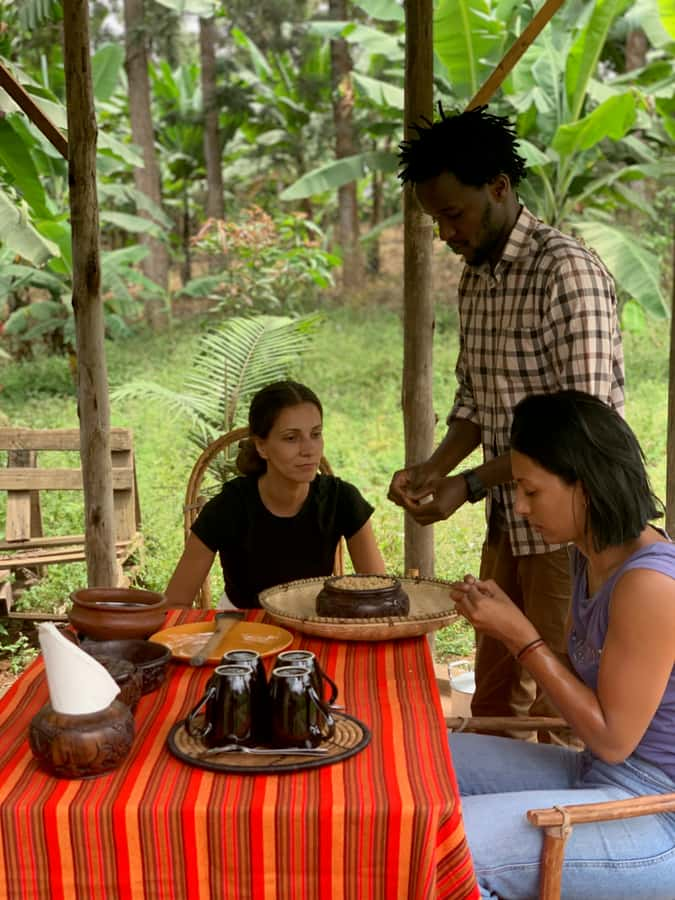
At $30 per person, the price is reasonable if you value participation. The fee covers the coffee farm visit, guide fee, and drinks. You are also paying for the time and materials involved in a full bean-to-cup preparation, not just entry to a farm.
The experience lasts three hours. That is long enough for the farm walk, the preparation demonstration, your own hands-on work, and coffee tasting. It is short enough to fit around other plans in Arusha.
Value depends on what you want from the activity. For a quick introduction to Tanzanian coffee, the price works well. For a full-day farm visit, a large tasting menu, or an advanced roasting class, it offers less than you may be seeking.
Starting times vary, so check availability for your date. The meeting point is at the main road near Naturalland Expeditions. Your guide wears a gray or chocolate-colored company T-shirt and waits at the road, which gives you a clear visual sign when you arrive.
Transportation is not listed as an inclusion. I would confirm your own way to the meeting point before booking, particularly if you are staying outside the immediate Arusha area. The experience returns to Naturalland Expeditions after the farm and garden visit.
Who should book this Arusha coffee experience?
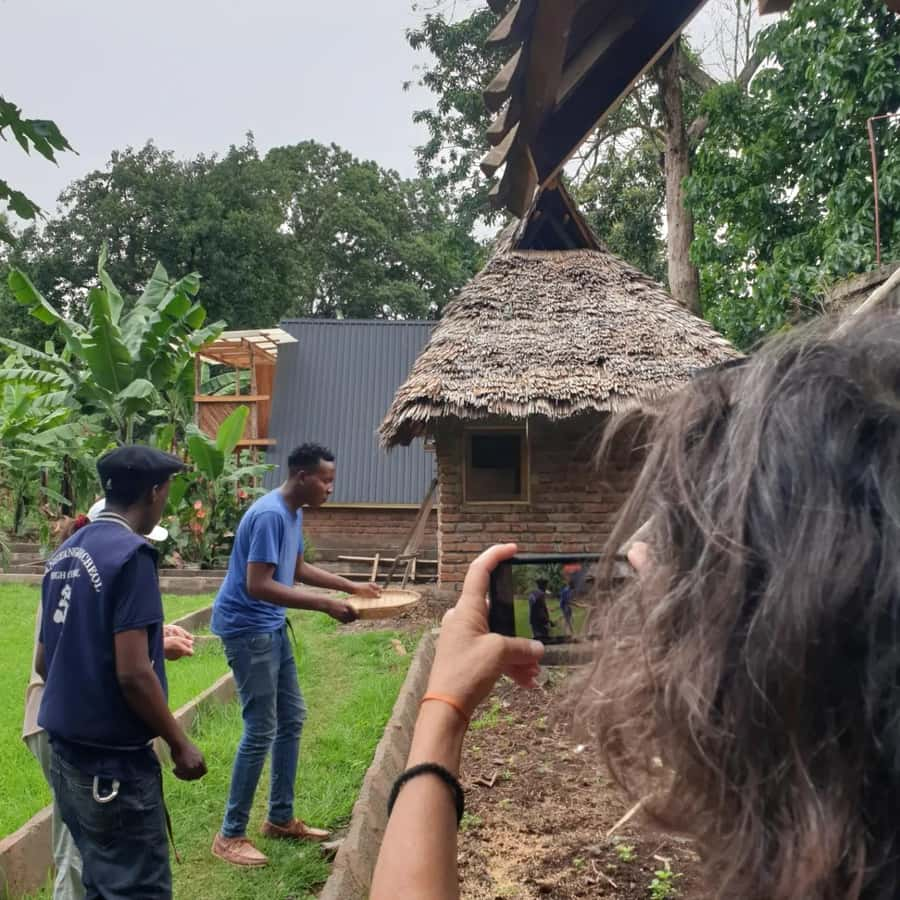
I would recommend this to coffee drinkers who enjoy seeing how food and drink are made. It is also a good choice if you want a local activity that takes only half a day and does not require specialist knowledge.
Families and small groups may appreciate the clear sequence of tasks. The guide shows you what to do, and the process gives everyone a role. The farm setting and garden preparation also offer a more personal alternative to a city café stop.
This is particularly useful before or after a safari. It gives you a look at a major Tanzanian crop while keeping the schedule light. You can learn something about farming, meet guides who work with local producers, and finish with a cup made through your own effort.
Coffee enthusiasts should book with the right expectations. The attraction is the traditional process, not advanced tasting theory. You will not be promised multiple origins, espresso equipment, or a formal lesson in brewing ratios.
People who dislike smoke, heat, or repetitive manual work may find the charcoal roasting and pounding less appealing. The activity is not described as strenuous, but it is not entirely passive. You will be asked to participate.
Practical details before you go
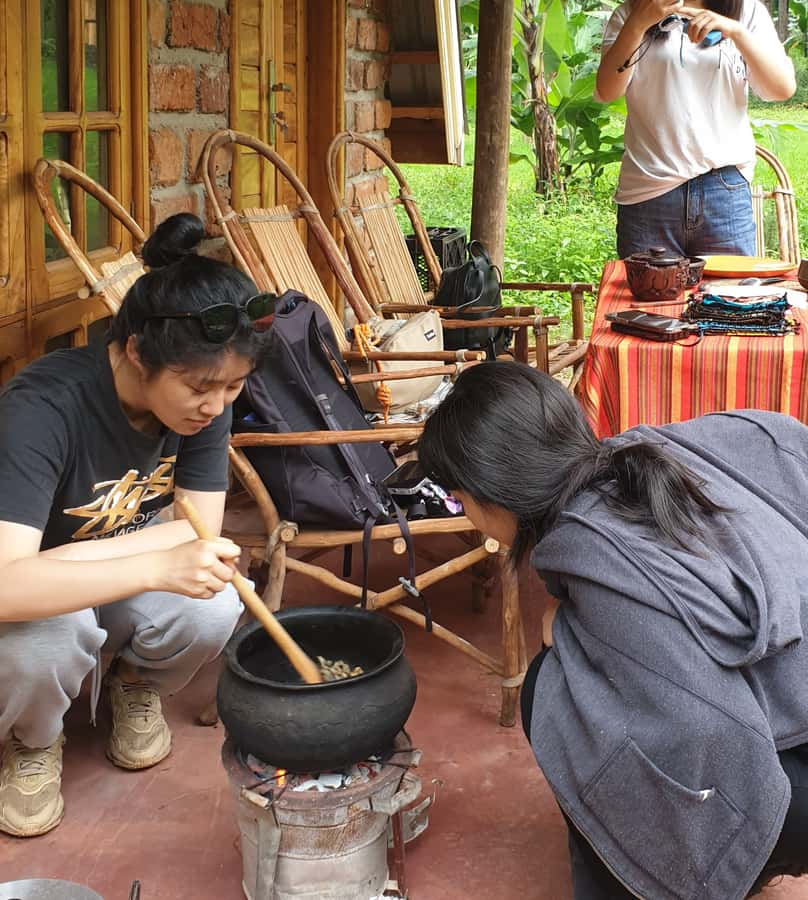
The tour is conducted in English. The listed duration is three hours, and the route begins and ends at Naturalland Expeditions, with the farm and guided visit in the Arusha region.
Bring an interest in trying the process yourself. The most rewarding part is not standing back with a camera. It is taking the pestle, handling the beans, watching the roast, and tasting the finished coffee.
The guide wears either a gray or chocolate company T-shirt and waits at the main road. That detail is worth remembering because it gives you a simple way to identify the meeting person.
The experience allows cancellation up to 24 hours before departure for a full refund. You can also reserve and pay later, which is useful when you are still arranging an Arusha schedule. Check the available start times before you commit, since the activity does not list one fixed departure hour.
The overall rating is 4.8 from 11 submitted ratings, with especially strong praise for the friendly care, smooth organization, the family-run farm, and the pleasure of roasting and brewing in the garden. One four-star assessment called it short and sweet, which is a fair description of both its appeal and its limit.
Should you book it?
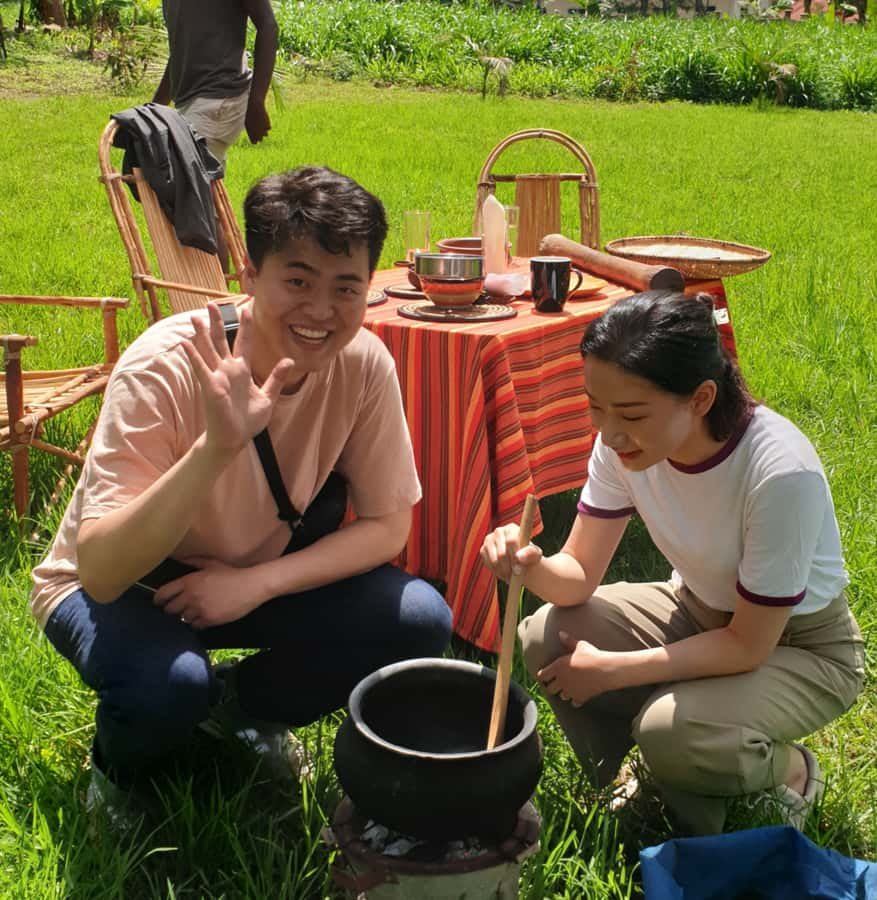
Book this tour if you want a hands-on three-hour introduction to Tanzanian coffee rather than a formal coffee school. The smallholder farm, family setting, handmade tools, charcoal roast, and final cup give the experience a clear sense of place.
I would especially choose it if you have a spare half-day in Arusha and want something more connected to local life than another café visit. The $30 price is fair for the farm access, English-speaking guide, drinks, and full preparation process.
Skip it if you want a long plantation tour, several coffee varieties, or technical instruction on professional roasting. For everyone else, this is a friendly, practical way to learn where coffee begins and to earn your cup one traditional step at a time.
FAQ
How long does the traditional coffee experience last?
The experience lasts three hours, including the farm visit, guided walk, coffee preparation, and tasting.
Where does the experience begin and end?
It begins at Naturalland Expeditions, continues through the coffee farm and garden visit in the Arusha region, and returns to Naturalland Expeditions.
What will I do during the coffee preparation?
You will husk dried beans, roast them in a clay pot over charcoal, pound them into powder, brew the coffee, and drink the cup you helped prepare.
Is the coffee organic and single-origin?
Yes. The coffee prepared during the experience is described as organic, single-origin coffee.
Which language is the tour offered in?
The tour is offered in English with a live guide. Johnson and Derik are among the guides connected with the experience, but guide assignment can vary.
What is included in the $30 price?
The price includes drinks, a coffee farm visit, and the guide fee.
Can I cancel or pay later?
You can cancel up to 24 hours in advance for a full refund. The experience also offers reserve now and pay later booking.
Freshly brewed listings in Arusha
- Waterfall & Coffee Walking Tour★ 5.0 · 6 reviews
- Private Tour to Marangu Waterfalls, Chagga Caves, Coffee tour & Hot Springs★ 5.0 · 7 reviews
- Private Materuni Waterfalls, Coffee Tour and Kikuletwa Hot Spring★ 5.0 · 4 reviews
- Waterfalls, Coffee, Hotsprings, Food Cuisine, & Serval Wildlife★ 5.0 · 6 reviews
- Materuni (Coffee Tour) and Chemka (Kikuletwa Tour)★ 5.0 · 8 reviews
- Materuni Waterfall Hike & Coffee Tour★ 5.0 · 4 reviews
- Coffee walk with stay in the village★ 5.0 · 5 reviews
- Coffee walk day trip★ 5.0 · 10 reviews
Arusha Coffee Tours, compared.
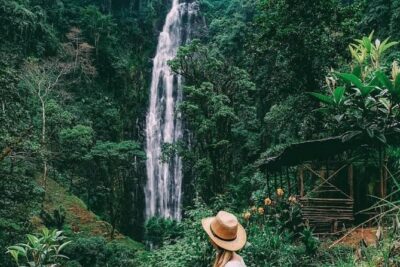
Materuni Waterfalls, coffee tour & Kikuletwa Hot Springs
Read our review →
Materuni waterfalls coffee tour & Chemka hot springs Day trip
Read our review →
Maasai village visit, Materuni waterfalls & coffee experience
Read our review →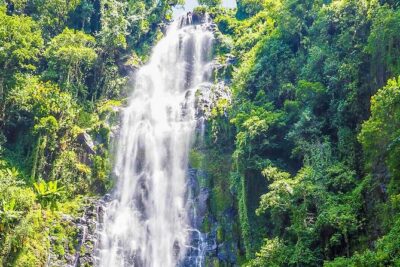
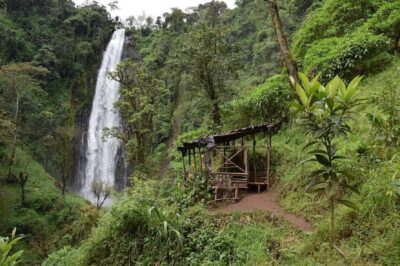
Arusha: Materuni Waterfalls, Coffee, and Hotsprings Tour
Read our review →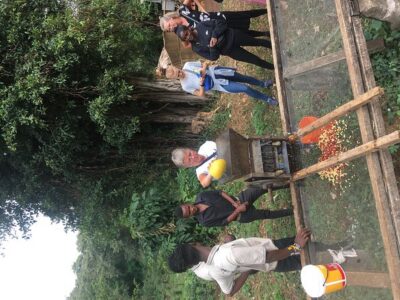
Coffee tour and Buffet Lunch with Kingstone Asilia (Arusha)
Read our review →
Materuni Waterfalls, Visiting Chagga Village, CoffeeTour Kikuletwa Hotsprings
Read our review →
From Arusha: Coffee Farm and Mangalia Waterfalls Tour
Read our review →Browse the lists this tour appears in