
Review · TANZANIA
Arusha: Coffee Plantation Tour with Tasting and Hands-On …
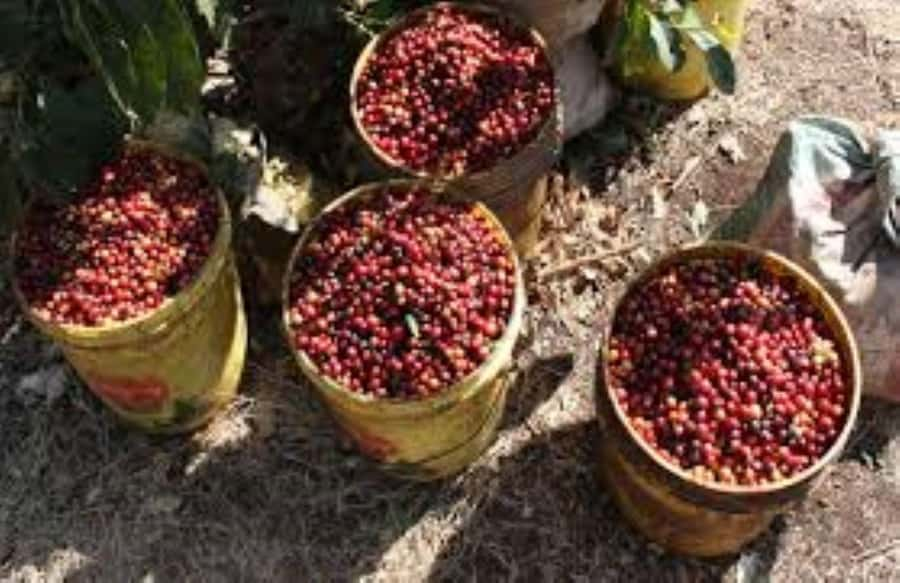
The best part of this Arusha experience is that coffee does not arrive as an abstract farm-to-cup story. You get to handle the process, from coffee cherry to roasted bean, with local farmers explaining how each step shapes the final drink. The tasting at the end gives the lesson a satisfying finish.
I like the hands-on processing and the chance to talk with people who work on the plantation. I also like the optional walk toward the hills and waterfalls, which adds fresh air and scenery to what could otherwise be a strictly indoor coffee lesson. The main thing to consider is transport: the $60 price does not include getting from central Arusha to the farm.
Key points to know
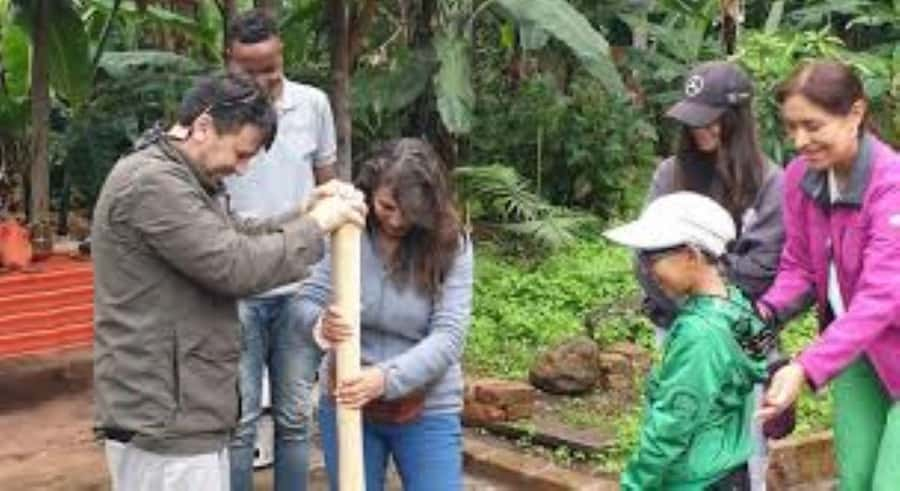
- Coffee from cherry to cup: See and take part in picking, pulping, drying, roasting, and brewing.
- Local guides: English-speaking guides such as Maximilian, Max, and Oliver lead the visit.
- Coffee tasting included: Compare roast profiles and learn to notice differences in aroma and flavor.
- Clock Tower meeting point: Meet in central Arusha, then arrange transport onward to the plantation.
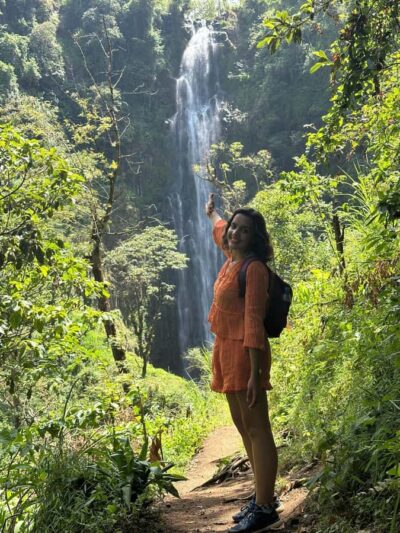
- Optional nature walk: Add hills and waterfalls to the coffee visit if you want more time outdoors.
- Short but useful outing: Plan on about 3.5 hours, with snacks and refreshments included.
Why this coffee tour works in Arusha
Arusha is often used as a starting point for northern Tanzania, but it deserves more than a night beside the road before a safari. This tour gives you a close look at one part of local farming life without requiring a full day away from town.
I like the way the experience joins practical work with tasting. You do not just hear how coffee is produced and then sip a cup at the end. You follow the chain in order, seeing how an agricultural product changes at every stage. That makes the final tasting more meaningful, especially if you normally drink coffee without thinking about where its flavor comes from.
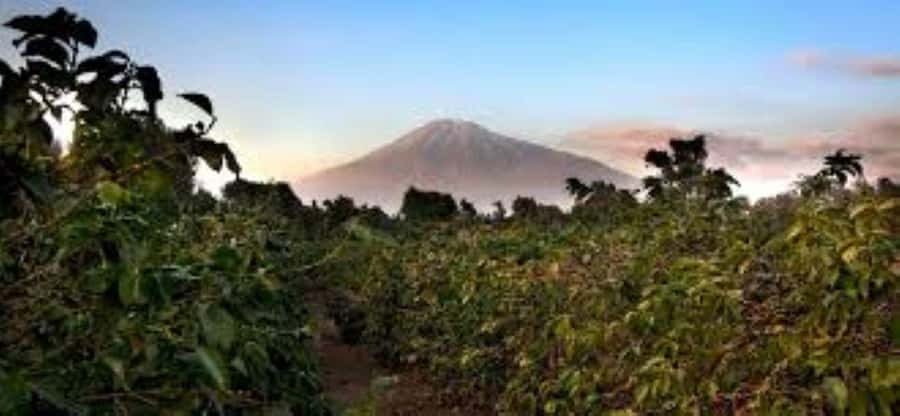
The setting also matters. You leave the city for green fields and coffee trees, with hills and possible waterfall views nearby. The tour is not presented as a major expedition, and it should not be treated as one. Its appeal is the mix of a working plantation, direct instruction, fresh coffee, and a modest nature outing.
The experience has a current rating of 5.0 from four supplied bookings, with praise focused on the staff, hospitality, and clear explanations. That matches the main strength of the tour: the people appear to be central to the experience, not simply there to move you from one activity to another.
More Coffee Farm Tours in Tanzania:
- Arusha or Moshi : Hot Spring, Waterfall & Coffee Farm Tour
★ 4.8 · 80 reviews - From Arusha: Coffee Farm and Mangalia Waterfalls Tour
★ 4.9 · 48 reviews - Materuni Waterfalls & Coffee Farm Tour
★ 5.0 · 2 reviews
Meeting at the Clock Tower
The meeting point is the Clock Tower in central Arusha. It is a practical choice because it is easy to recognize, close to many city hotels, and near parking if you are driving. Look for the guide holding a sign with the tour name near the base of the tower.
From there, the guide helps arrange transport to the coffee plantation. This point deserves attention when you compare the cost with other half-day activities. Transportation to and from the farm is not included in the $60 price, although a pickup option is available for central Arusha hotels. If you choose hotel pickup, check the details in your booking confirmation.
I would allow a little extra time to reach the meeting point. The tour itself lasts about 3.5 hours, but your total outing will be longer if you add transfer time from your hotel and the journey to the farm.
Walking among coffee trees
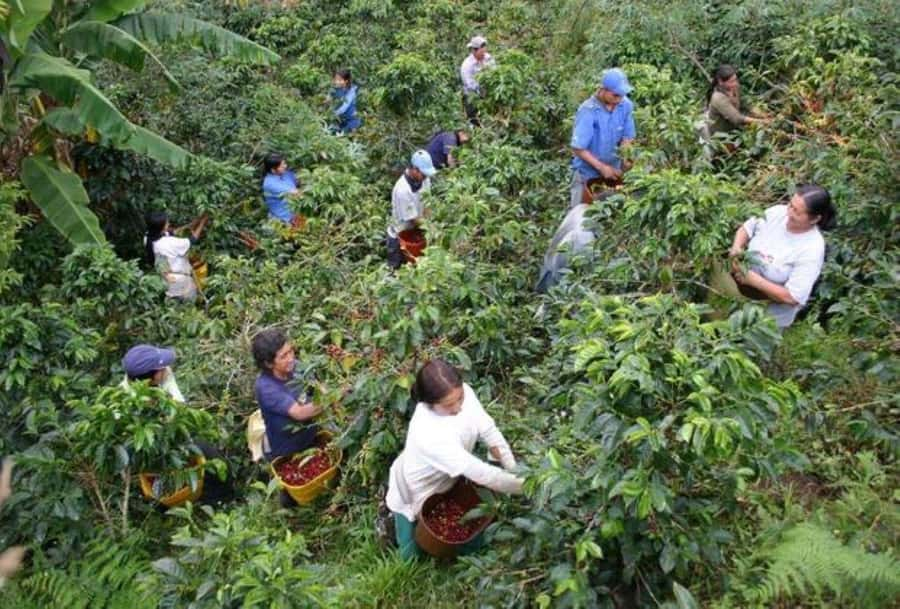
The plantation walk is the first real shift in pace. Instead of looking at coffee as a finished drink, you see the trees and the setting where the crop begins. Your guide explains cultivation and harvesting, and you get a sense of the work behind each batch of beans.
The walk takes place among green fields and coffee trees, so comfortable shoes are important. Sturdy footwear is even more useful if you plan to join the optional hike later. A hat, sunscreen, and water are sensible choices for a farm visit, and a camera is worthwhile for the trees, views, and hands-on stages of the tour.
This part is best for anyone who likes seeing how an everyday item is made. You do not need special coffee knowledge. The tour is designed to start with the basics and then build toward tasting, so a curious beginner can get as much from it as a serious coffee drinker.
The walking may be less suitable if you have back problems, and the activity is not suitable for wheelchair users. Babies under one year are also not considered suitable for this outing. Those limits matter because this is a farm visit with walking and practical work, not a seated café tasting.
From fresh cherry to dried bean
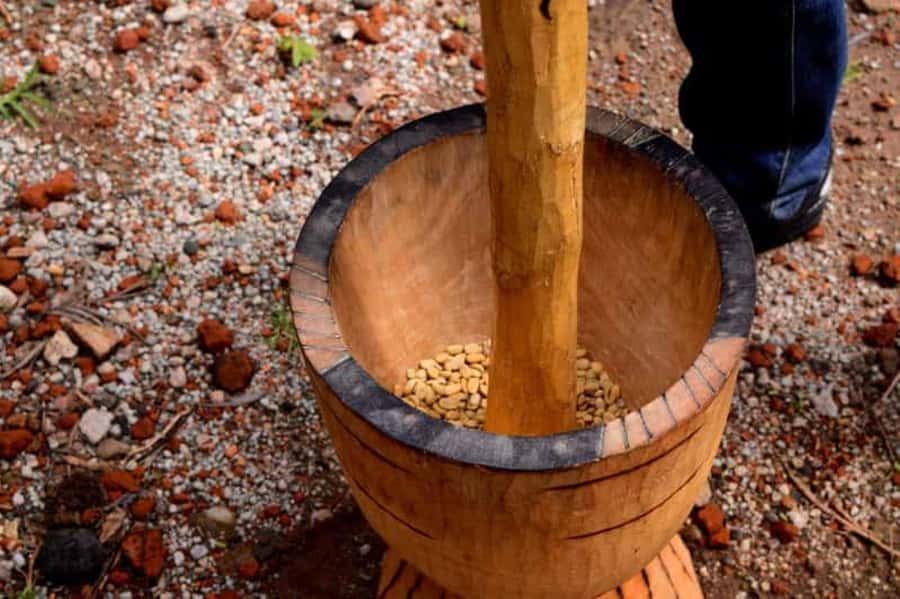
The most distinctive section is the processing lesson. Local farmers guide you through the stages that turn a picked coffee cherry into a bean ready for roasting. You can take part in picking fresh cherries, then learn about pulping and drying.
Each stage gives you a useful reason to care about farm work. Picking connects the plant to the harvest. Pulping removes the fruit around the seed, while drying prepares the beans for later use. The exact amount of participation may vary, but the tour is designed as a practical demonstration rather than a talk from a distance.
I appreciate this approach because it respects the people doing the work. You hear about farming practices, daily life on the plantation, and the care required to produce the crop. The coffee lesson becomes a conversation about work and skill, not only a chance to take attractive photographs.
The schedule allows enough time for the process without turning the visit into a full-day farm placement. If you want a very technical discussion of every production method, you may find the presentation more introductory than specialist. For most people, that is a sensible balance for a 3.5-hour outing.
More Coffee Tastings in Tanzania:
- Hanoi Coffee Experience: 6 Brews, 9 Recipes & 3 Liquor Tastings
★ 5.0 · 2,945 reviews - Medellin: Coffee Tour with Transport, Snacks and Tastings
★ 4.7 · 1,357 reviews - Seattle Coffee Tour: Capitol Hill Cafes, Tastings & Local Stories
★ 5.0 · 489 reviews - Buggy Ride Into the jungle with cave coffee & chocolate tasting
★ 5.0 · 465 reviews
Roasting and the smell of fresh coffee
Roasting is where the experience changes from agricultural lesson to sensory one. You learn how the beans are prepared for brewing, and the smell of freshly roasted coffee helps make the process memorable.
The tour then moves toward brewing and tasting. You are not simply handed one cup and told it is good. The tasting includes different roast profiles, so you can compare aromas and flavors and begin to notice how roasting changes the drink.
I like this part because it gives you a simple way to test what you have just learned. You can connect the plantation, the processing stages, and the finished cup in one sitting. Even if you are not interested in becoming a coffee expert, you will likely leave with a better idea of what you prefer.
The tasting also makes the price easier to judge. A standard farm walk might feel thin on its own, while a tasting at a café would miss the source of the beans. Here, the two parts support each other. You pay for a guided visit, practical participation, coffee education, and refreshments rather than just a drink.
Meeting Maximilian, Max, and Oliver
The guides are a major part of the experience. Maximilian, also referred to as Max, is connected with the tour team, while Oliver is specifically associated with the plantation explanation and coffee-making lesson. The feedback on the experience repeatedly highlights professionalism, friendly service, and strong guiding.
One booking described Maximilian as cheerful and pleasant, while Oliver was praised for making the journey from tree to cup easy to understand. Another gave special credit to Max’s professional approach. Those details suggest that the tour depends heavily on the personalities leading it, which is common with small local experiences.
The guide speaks English, and the activity is suitable for people who want direct explanations rather than a self-guided farm visit. You should still expect the exact rhythm of the tour to depend on the day, the farm conditions, and the guide leading your group.
The human side is important here. You get a chance to hear about sustainable farming practices and life on the plantation from people connected to the work. That contact is more useful than a generic script because it puts the coffee in a local setting.
Adding the hills and waterfalls
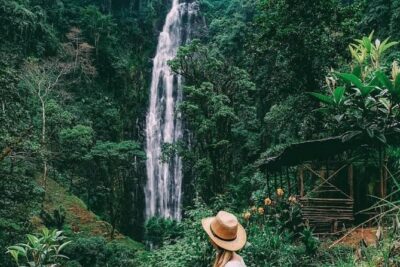
The optional hike is a good choice if you want the outing to include more than coffee. The surrounding hills and waterfalls provide scenic views on the way and a chance to stretch your legs after the processing and tasting sessions.
I would treat the walk as an optional extra, not the central reason to book. The supplied details do not specify its exact length, difficulty, or whether a separate charge applies, so ask the guide about conditions on the day. Wear sturdy shoes if you plan to join, and avoid assuming that ordinary city footwear will be comfortable on every section.
For visitors with limited time in Arusha, the option is useful because it combines two interests in one half-day visit. You can focus on coffee if that is your priority, or add the outdoor element if you want a fuller taste of the area around the plantation.
Is $60 a fair price?
At $60 per person, this is not the cheapest way to drink coffee in Arusha. The value comes from the combination of a guided plantation visit, hands-on processing, a tasting session, snacks, and local instruction. Transportation to and from the farm is extra, so you should include that cost when planning your budget.
I consider the price reasonable for someone who wants an organized cultural activity with direct participation. You are paying for access to the farm and the time of local guides, not just for a souvenir bag of beans or a café tasting. The educational part is especially useful if you want to understand how coffee is grown and prepared.
The value is weaker if you only want to sample Tanzanian coffee quickly. In that case, a shorter café visit may suit you better. It is also worth confirming the transport arrangements before booking, since the meeting point and the plantation are not the same place.
Free cancellation up to 24 hours before the start gives you some flexibility, and you can reserve now and pay later. Starting times depend on availability, so check the schedule against your Arusha plans.
What to bring and what to expect
Pack for a warm farm visit rather than an urban coffee stop. I would bring:
- Comfortable clothing and sturdy shoes
- A hat and sunscreen
- Water
- A camera
- Room for snacks and refreshments during the outing
Smoking is not allowed. The activity lasts about 3 to 4 hours, with the stated duration set at 3.5 hours. The schedule includes a guided walk, instruction, practical processing, tasting, and scenic views on the way.
You should be comfortable walking and taking part in simple farm activities. The outing is not suitable for wheelchair users, people with back problems, or babies under one year. If you have any concern about the optional hike, ask about it before setting out rather than deciding after you reach the plantation.
Who should book this Arusha coffee experience?
I would recommend it to coffee drinkers who want to understand the work behind their cup. It also suits people looking for a calmer cultural activity between safari days, and anyone who likes meeting local producers instead of staying entirely within the city.
Nature lovers get a bonus through the optional hills and waterfalls walk. The combination works well for couples, friends, and small groups with similar interests. The tour can also suit families with older children who can manage a farm walk, though babies under one year are not suitable.
I would think twice if you have very limited mobility, dislike walking on uneven farm ground, or want a highly technical coffee course. The experience is practical and welcoming, but it is still a short local tour rather than a professional barista workshop.
Should you book it?
Book this tour if you want your coffee tasting to begin at the tree, not at the cup. The best reasons are the chance to take part in processing, the direct contact with local farmers, the tasting of different roast profiles, and the option to add hills and waterfalls.
The main cautions are simple: transport from the Clock Tower to the farm is not included, walking is part of the experience, and the optional hike may require more effort than the plantation visit itself. With those points understood, the $60 price offers a worthwhile half-day look at Tanzanian coffee culture, especially when guides such as Max and Oliver are able to give the visit their personal touch.
FAQ
Where does the coffee tour meet?
The meeting point is at the Clock Tower in central Arusha. Look for the guide holding a sign with the tour name near the base of the tower.
How long does the activity last?
The stated duration is 3.5 hours. The tour information also describes the total activity as lasting about 3 to 4 hours.
Is transportation to the coffee farm included?
No. Transportation to and from the coffee farm is not included in the $60 price. The guide helps arrange transport from the Clock Tower, and pickup from central Arusha hotels is available as an option.
What language is the tour conducted in?
The live tour guide speaks English.
What activities are included?
You join a guided plantation walk, learn about coffee cultivation and harvesting, take part in processing activities, and attend a coffee tasting. Refreshments and snacks are included.
Can I join a hike during the tour?
Yes. You can opt to explore the surrounding hills and waterfalls. The available details do not specify the exact length or difficulty of this walk, so ask the guide for current conditions.
What should I bring?
Bring comfortable shoes, a hat, sunscreen, water, and a camera. Sturdy shoes and comfortable clothing are advised, especially if you plan to take part in the optional hike.
Is the activity suitable for wheelchair users?
No. The activity is not suitable for wheelchair users. It is also not suitable for people with back problems or babies under one year.
Can I cancel my booking?
You can cancel up to 24 hours in advance for a full refund. A reserve-now-and-pay-later option is also available.
More coffee with something to eat in Tanzania
- Organic Coffee Tour and Local Food Experience in Arusha
★ 5.0 · 29 reviews - Waterfalls, Coffee, Hotsprings, Food Cuisine, & Serval Wildlife
★ 5.0 · 6 reviews - Vienna for Food Lovers: Cafés, Markets & Austrian Cuisine
★ 5.0 · 1,063 reviews - Hanoi: Vietnamese Street Food Tour with Egg Coffee
★ 4.9 · 315 reviews
Freshly brewed listings in Tanzania
- ZANZIBAR: Sea Turtle Swimming & Feeding Experience in NUNGWI★ 4.5 · 4 reviews
- Materuni waterfall , coffee tour and hotsprings (chemka )★ 5.0 · 14 reviews
- Day trip to Materuni waterfall, Coffee tour and Moshi Nightlife★ 5.0 · 6 reviews
- Materuni Waterfalls & Coffee Tour★ 5.0 · 9 reviews
- Discover Nature and Culture of Materuni Waterfall & Coffee Tour★ 5.0 · 6 reviews
- Materuni Waterfalls & Coffee Tour★ 5.0 · 4 reviews
- Private Materuni Waterfall & Coffee Tour.★ 5.0 · 9 reviews
- Materuni Waterfalls, Coffee and Village Full Day Tour★ 5.0 · 2 reviews
Tanzania Coffee Tours, compared.
Materuni Waterfalls, coffee tour & Kikuletwa Hot Springs
Read our review →
Materuni waterfalls coffee tour & Chemka hot springs Day trip
Read our review →
Materuni Waterfall, Coffee Tour and Picnic Hot Lunch
Read our review →
Maasai village visit, Materuni waterfalls & coffee experience
Read our review →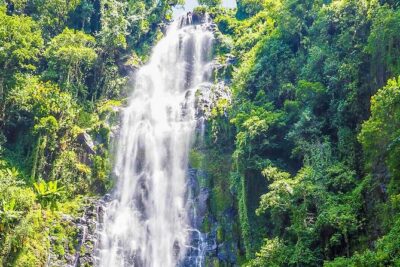
Arusha or Moshi : Hot Spring, Waterfall & Coffee Farm Tour
Read our review →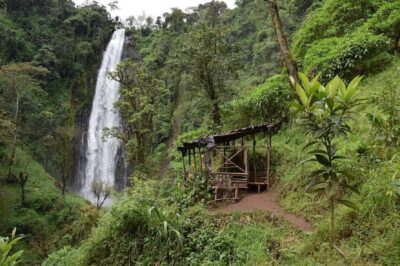
Arusha: Materuni Waterfalls, Coffee, and Hotsprings Tour
Read our review →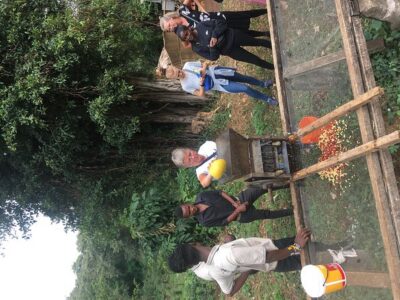
Coffee tour and Buffet Lunch with Kingstone Asilia (Arusha)
Read our review →Browse the lists this tour appears in