
Review · SPAIN
Guided Tour to the only coffee farm in Europe
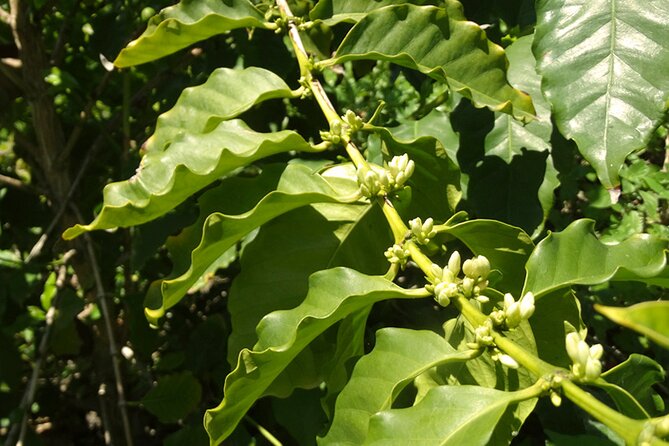
Europe’s only coffee farm is not a polished coffee museum. It is a working hillside finca near La Herradura, where coffee plants share the land with mangoes, avocados, lychees, red bananas, macadamias, pitayas, and many other tropical crops. That unusual mix is the main reason to come.
I like the small group limit of 15, which gives the guide room to explain how the farm works. I also like the clear sense of family involvement, with Manolo Mateos sharing the story of land held by his family for generations. The main drawback is that coffee is only one part of the visit, and the walk includes a steep slope.
Key points
- Europe’s northernmost coffee plantation: See coffee growing in an unexpected corner of southern Spain.
- Up to 30 tropical fruits: The farm includes mangoes, avocados, lychees, custard apples, red bananas, macadamias, and pitayas.
- Manolo Mateos as guide: He is known for an easy, humorous style and speaks English plus several other languages.
- A working farm, not a coffee attraction: The focus is on crops, ecology, water use, and sustainable agriculture.
- Good value at $18.15: The 70 to 90 minute visit costs little for a personal tour, though tastings and wine or tapas are extra.
- Plan transport carefully: The meeting point is uphill near La Herradura, and a return taxi or ride should be arranged in advance.
Why coffee grows near La Herradura
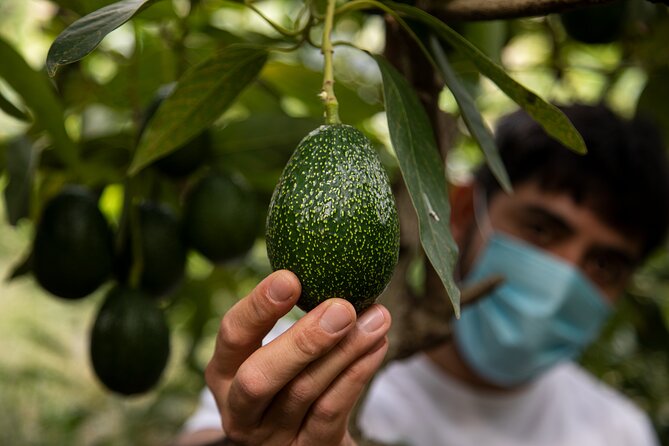
The Costa Tropical around Granada has a warmer, more sheltered climate than much of mainland Spain. That helps explain why crops usually linked with much hotter regions can grow here. This farm takes advantage of that setting, producing coffee on a small scale while also cultivating a long list of tropical fruits.
The result is more interesting than a standard coffee tasting. You are looking at plants in the soil where they grow, learning how they fit into the farm’s system, and seeing how one property makes use of a mild coastal climate. For me, that gives the visit its real value. You are not simply being shown a finished product. You are seeing the work and conditions behind it.
The coffee plantation is the headline, but it should not be your only expectation. One disappointed visitor felt the tour showed more fruit trees than coffee. That is a fair warning. If you want a long, technical lesson devoted only to beans, roasting, and brewing, this probably will not satisfy you.
If you like unusual agriculture, local family stories, and food grown in an unexpected place, the wider focus works in your favor.
More Coffee Farm Tours in the world:
- Award Winning Farm Tour: Coffee, Chocolate and Unique Gifts
★ 5.0 · 484 reviews - La Herradura Coffee Farm: tour in Europe’s only plantation
★ 4.8 · 430 reviews - Big Island: Volcanoes, Waterfalls, & Coffee Farm Day-Trip
★ 4.9 · 414 reviews
Walking through a farm of tropical fruit
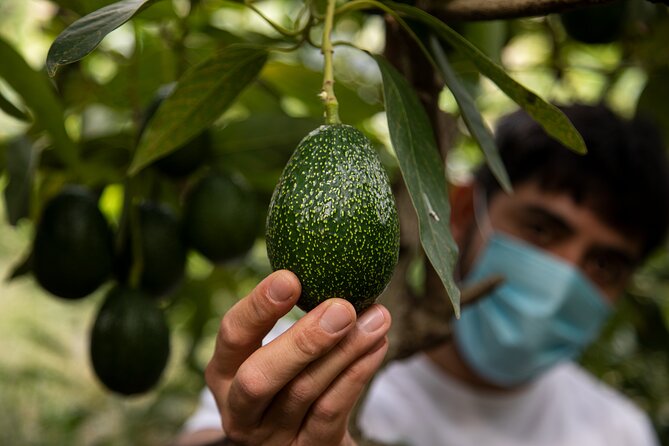
The visit takes place at La Herradura, on a private open-air route through the plantation. The walk introduces the farm’s tropical trees and plants before reaching the coffee-growing area. The stated duration is about 1 hour 10 minutes to 1 hour 30 minutes, though one account describes a visit lasting closer to two hours. Allow some flexibility if the guide stops for questions or adds a tasting.
The crop list is one of the strongest parts of the experience. You may see:
- Avocados
- Mangoes
- Custard apples
- Lychees
- Red bananas
- Macadamias
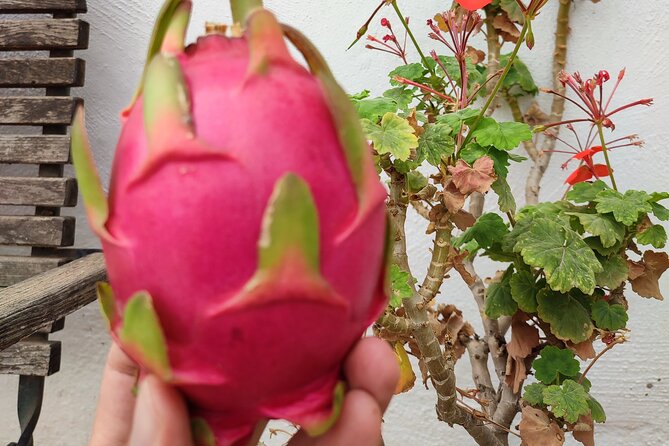
- Pitayas, also called dragon fruit
- Coffee plants
- Other tropical trees and fruit varieties
This matters because the farm is not arranged like a single-purpose plantation. You get a broader view of tropical agriculture, including the challenge of growing different crops together and managing them without damaging the wider environment.
Children can get more from this than they would from a conventional historical tour. They can see fruit on the plant, rather than only in a supermarket, and the experience can make unfamiliar foods easier to understand. Families have also found the guide willing to involve younger children in the visit.
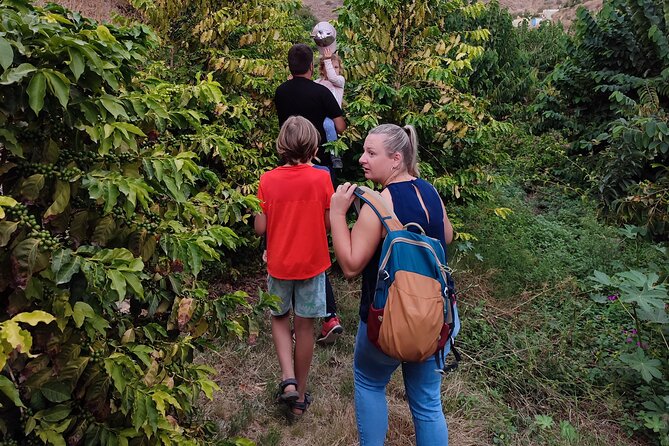
Still, this is a farm walk. Expect uneven ground, a hillside route, and practical information rather than a highly staged attraction. Closed shoes are important. You should also carry water and avoid the hottest part of the day.
The coffee story is small but unusual
The coffee section gives the property its special claim. This is described as the northernmost coffee plantation in the world and the only one in Europe. Those facts make the farm an appealing stop for anyone interested in coffee, especially if you are already visiting the Costa Tropical or traveling between Granada and Málaga.
Keep the scale in mind. The experience presents coffee as one crop within a wider agricultural project. You will learn about coffee cultivation and the climate that makes it possible, but the visit is not presented as a full coffee production course. The time is shared with the fruit trees, the farm’s history, and its environmental methods.
That balance is also what keeps the tour accessible. You do not need to be a coffee expert. You can come for the novelty, learn why coffee can grow here, and still spend much of the walk looking at fruit and farming methods.
If you are hoping to buy coffee, products from the farm and local area are available at the end. The exact selection can vary, but coffee and other specialties have been offered for purchase. The 15 percent discount on fruit purchases is a useful extra, particularly if you are staying nearby and can use fresh produce during your trip.
How Manolo’s guiding style shapes the visit
Manolo Mateos is the named experience provider and guide. The strongest praise centers on his personal approach. He mixes facts with jokes, explains the farm in a relaxed manner, and brings visitors into the story of the property rather than simply reciting plant names.
His language skills are another practical advantage. The tour is offered in English, and he has also been described as speaking Spanish, French, German, and other languages. The exact language arrangement may depend on the group, so English is the safest expectation when booking, but multilingual visitors may find communication easier than at many small rural attractions.
The family connection adds useful context. The land has been described as belonging to Manolo’s family for roughly 300 years, and his father has also been involved in welcoming people. That does not turn the tour into a formal history lesson, but it gives the farm a human story. You are hearing about a long relationship with the land and the effort involved in adapting it to new crops.
I would choose this tour partly for that reason. The guide is not just pointing at coffee plants. He is explaining a personal project, the farm’s past, and the practical problems of growing tropical produce in an environmentally responsible way.
More guided coffee mornings in the world:
- Istanbul Highlights: Guided Tour with Turkish Tea or Coffee
★ 5.0 · 278 reviews - Vienna: Guided Viennese Coffee-House Tour
★ 4.8 · 48 reviews - Vilnius: Morning Coffee Tour with Local Guide
★ 4.9 · 41 reviews - Hilton Head Morning Kayaking & Coffee Guided Tour
★ 4.5 · 39 reviews
Sustainability, water, and the farm’s natural balance
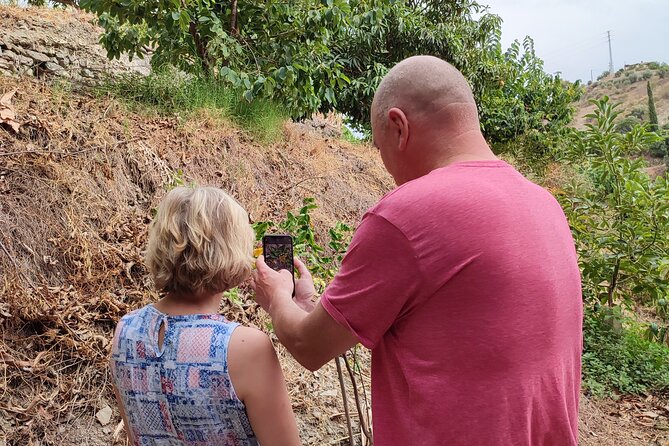
A central theme is the farm’s attempt to close the circle of water and organic matter. The tour discusses sustainable agricultural practices, biological balance, and the relationship between different parts of the farm.
The wording may sound technical, but the idea is practical. A farm has to manage water, soil, plant health, and waste as connected concerns. On a property growing coffee beside many types of fruit, those decisions become especially important. The tour uses the farm itself to explain why responsible agriculture takes planning.
You may also hear about the wildlife that can live around the plantation. Possible sightings include chameleons, eagles, partridges, owls, wild goats, and wild boars. These animals are not guaranteed, so you should treat them as a bonus rather than a promised part of the outing.
That uncertainty is worth understanding. The appeal here is not a wildlife show. It is the chance to see how a working agricultural property relates to its surrounding ecology. If an animal appears, it adds a memorable moment. If not, the plants and farming discussion remain the core of the visit.
What the walk feels like in practical terms
The route has a steep slope, so a moderate level of fitness is recommended. This is not the best pick if you need a flat, paved route or prefer to avoid hills. Wear comfortable, closed shoes, and bring water even if the weather looks mild.
Timing matters. The farm specifically recommends avoiding the hottest hours of the day. A morning or later afternoon booking should be more comfortable than a midday walk, especially in warm weather. The experience depends on good weather and may be changed or canceled if conditions are poor.
Pollen allergy sufferers should take special care. The farm does not recommend the activity for people with seasonal pollen allergies, and anyone with plant or pollen sensitivities is advised to ask before booking. That is more important here than at a typical indoor attraction because you will spend the full visit among plants.
Service animals are allowed. Beyond that, the tour requires a moderate physical fitness level, so families should consider the slope and the length of the walk before booking for very young children. Families have completed the visit with children as young as one, three, five, and seven, but your own child’s comfort with uneven, sloping ground is the key issue.
Price, tastings, and what you actually get
At about $18.15 per person, this is inexpensive for a guided private farm visit in southern Spain. You get a small-group experience, a guide, access to the plantation, and an explanation of coffee, tropical fruit, and sustainable farming. The 15 percent fruit discount adds a little practical value if you plan to buy produce.
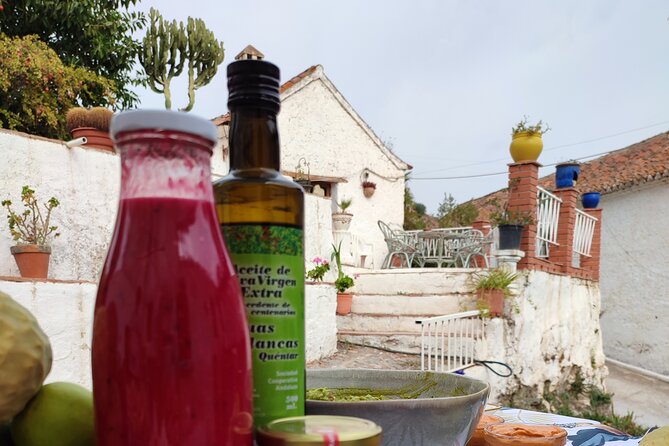
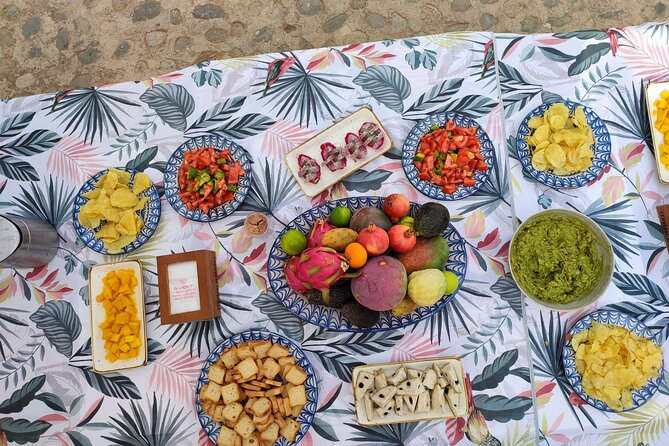
The price does not include local wine and tapas. Tastings may also involve an extra charge. A family has described paying 5 euros for a tasting that included carefully presented fruit, while other accounts mention fresh mango and dragon-fruit juice. Since the details can vary, ask what is available on your date and what it costs.
The strongest value comes from the guide and the setting, not from the amount of coffee you consume. You are paying for access to a working farm that would be difficult to understand without someone explaining it. At this price, that makes sense, provided you want a mixed coffee and tropical-fruit visit.
If you are trying to keep costs low, you can enjoy the standard tour without adding wine, tapas, or a tasting. If food is part of your reason for coming, set aside extra money for farm products, jam, olive oil, coffee, or other regional specialties that may be available for purchase.
Getting to the hillside meeting point
The start point is listed at Q723+V5 in La Herradura. The tour ends at Diseminado Rio Jate Pol 21, 162, 18690, Granada, Spain. Because the route is outside the main town and includes an uphill approach, transportation deserves attention before you arrive.
A taxi can bring you, but you should tell the provider ahead of time so someone can meet you and help direct you up the hill. Do not assume that an app-based ride will be available for the return. Uber service has been reported as unavailable for the trip back, so arrange a local taxi, a lift, or another onward plan before starting.
The location works well as part of a wider Costa Tropical day. You can combine the farm with time in La Herradura or nearby Almuñécar, or use it as an unusual stop while moving between Granada and Málaga. Just avoid treating it like a quick roadside attraction unless your transport is already sorted.
Confirmation is provided at booking, and the activity is usually booked around 12 days ahead. That does not mean you must reserve far in advance, but it is sensible to book early if your itinerary has fixed dates or you need a particular language arrangement.
Who should book this experience
I would recommend this tour to you if you enjoy seeing how food is grown, prefer personal guiding to large commercial attractions, or want something unusual beyond Spain’s usual monuments and beaches. It is especially well suited to families, plant lovers, coffee fans with flexible expectations, and anyone traveling through La Herradura or Almuñécar.
You will likely appreciate it if you enjoy learning through conversation. Manolo’s humor, language skills, and personal connection to the farm are a large part of the experience. The tour can feel warm and informal rather than scripted.
I would think twice if your main goal is coffee tasting, roasting, or a detailed bean-to-cup workshop. Coffee is important here, but the visit gives equal attention to tropical fruit and ecological farming. I would also skip it if steep paths, hot weather, or pollen exposure are serious concerns.
Should you book the coffee farm tour?
Book it if the idea of walking through Europe’s only coffee plantation, then seeing mangoes, lychees, red bananas, avocados, and dragon fruit on the same farm sounds appealing. At $18.15, the price is fair for a personal, small-group visit with a multilingual guide and a clear focus on sustainable agriculture.
Go with realistic expectations. This is a tropical fruit farm with coffee, not a coffee-only attraction. Arrange your return transport, choose a cooler time of day, wear closed shoes, and ask about tastings if you want one. With those details handled, it offers an unusual and worthwhile break from the standard Málaga and Granada sightseeing route.
FAQ
How much does the coffee farm tour cost?
The listed price is $18.15 per person. A 15 percent discount is included for fruit purchases, while local wine, tapas, and some tasting options are extra.
How long does the visit last?
The usual duration is approximately 1 hour 10 minutes to 1 hour 30 minutes. One account describes a visit lasting about two hours, so allow some extra time if you plan to ask questions or add a tasting.
Where does the tour begin?
The meeting point is Q723+V5 in La Herradura, Spain. The listed end point is Diseminado Rio Jate Pol 21, 162, 18690, Granada, Spain.
What language is the tour offered in?
The experience is offered in English. Manolo Mateos has also been described as speaking Spanish, French, German, and other languages, but you should confirm your preferred language before booking.
What will I see besides coffee?
The farm includes up to 30 types of tropical fruit and plants, including avocados, mangoes, custard apples, lychees, red bananas, macadamias, and pitayas. Possible wildlife sightings include chameleons, eagles, partridges, owls, wild goats, and wild boars.
Is the walk physically demanding?
The route includes a steep slope, and a moderate level of physical fitness is recommended. Wear comfortable closed shoes and bring enough water.
Is the tour suitable for people with pollen allergies?
The experience is not recommended for seasonal pollen allergy sufferers. If you have plant or pollen allergies, contact the provider before booking.
Are wine, tapas, or tastings included?
Local wine and tapas are not included. Tasting options may cost extra, so ask the provider what is available on your visit date.
What is the cancellation policy?
You can cancel up to 24 hours before the start time for a full refund. Poor weather or failure to meet the minimum number of participants can also lead to a date change or full refund.
Freshly brewed listings in the world
- Vietnamese Coffee 101 Workshop★ 5.0 · 11 reviews
- Vietnamese Coffee Making Class in Hoi An★ 5.0 · 4 reviews
- Vancouver: Street Art & Craft Coffee Walking Tour w/ Tasting★ 4.8 · 11 reviews
- Yerevan: Private Coffee Tour with 2 Café Stops★ 5.0 · 2 reviews
- Coffee pleasure walking tour★ 5.0 · 12 reviews
- Ubud: Waterfall, Holy Water Temple,Swing&coffee plantation★ 5.0 · 9 reviews
- Vienna: Guided Viennese Coffee-House Tour★ 5.0 · 2 reviews
- Turkish Coffee and Traditional Turkish Dessert Cooking★ 4.6 · 8 reviews
Spain Coffee Tours, compared.
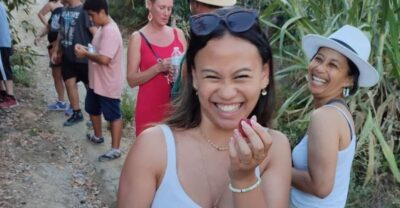
La Herradura Coffee Farm: tour in Europe’s only plantation
Read our review →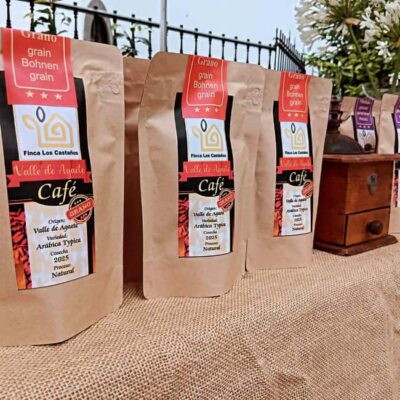
Finca Los Castaños: Agaete Valley Coffee Tour & Tasting
Read our review →
Explore Gran Canaria’s Coffee at Finca Los Castaños
Read our review →
Exclusive Alcazar with breakfast or afternoon coffee in gardens
Read our review →
Coffee and Art Tour walking Gothic Quarter, Official Guide
Read our review →Browse the lists this tour appears in