
Review · INDIA
Classic Coorg Coffee Plantation experience
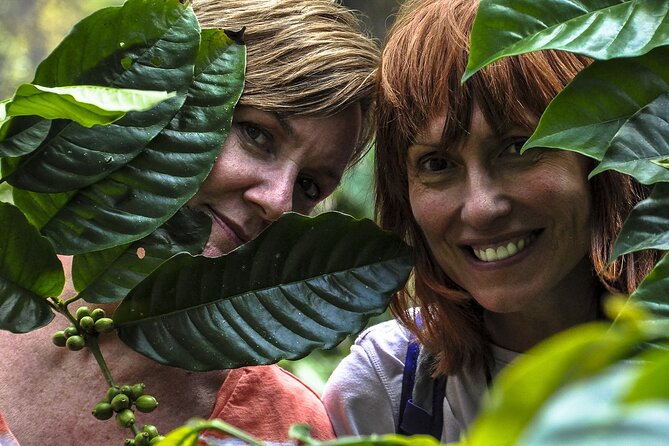
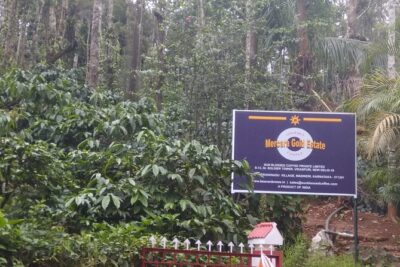
Coorg’s coffee story makes the most of a short tour. In about an hour, you walk among coffee plants, learn how seedlings become harvestable beans, then sit down for a tasting at the host’s house. The key appeal is direct contact with a local farmer rather than a polished museum display.
I like two things here: the tour follows coffee from nursery to cup, and the private format lets your group focus on questions that interest you. The price, about $11.33 per person, is also easy to justify if you want a brief local activity between sightseeing stops.
The trade-off is simple: this is a basic plantation visit, not a full-day agricultural tour. One low rating described the experience as too simple and said there was little to learn, while the provider explained that the hour includes roughly 30 minutes in the plantation and 30 minutes in an experience center. Set your expectations accordingly.
Key points at a glance
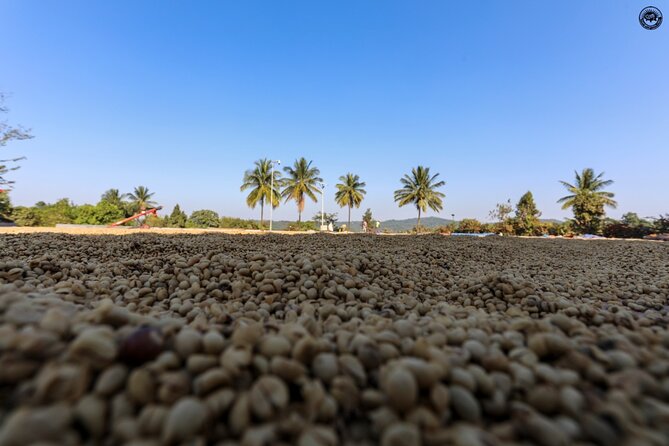
- A one-hour coffee journey: Spend about half the time walking through the plantation and the rest learning about blends and tasting coffee.
- A farmer-led experience: Your guide is a local cultivator with more than 20 years of experience in coffee growing.
- Two main coffee varieties: Learn about Arabica and Robusta, both grown in Coorg.
- Shade-grown coffee: See how coffee plants grow beneath native Western Ghats trees, a feature tied to Coorg’s farming tradition.
- Private for your group: You do not share the activity with other groups.
- Simple, low-cost planning: The tour starts and ends in Madikeri, includes coffee or tea, and does not include private transportation.
Why Coorg coffee deserves an hour of your time
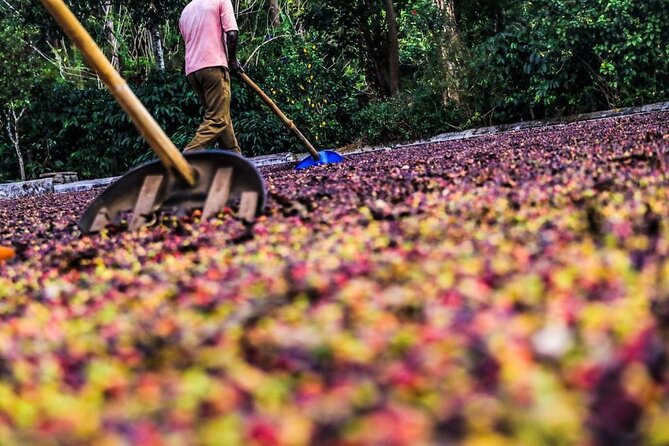
Coorg, also called Kodagu, is one of India’s major coffee-producing areas. It is often known as the Coffee Cup of India, and coffee farming is now spread across much of the region.
What makes Coorg coffee different is the way it grows. The coffee plants are cultivated in the shade of native trees in the Western Ghats, a region recognized as a United Nations biodiversity hotspot. That means your walk is not just about rows of coffee shrubs. You are learning about a farming system that works beneath an existing tree canopy.
Coffee cultivation was introduced to Coorg during the British period and later became an important commercial crop for local Coorg communities. Today, both Arabica and Robusta are grown here. Coorg Robusta is especially well known in the international market and is exported to Europe and other parts of the world.
You do not need to be a coffee expert to enjoy this background. It gives useful context to the plants in front of you. A coffee bean does not begin as something ready for a grinder. It starts as a seedling, grows in a nursery, is planted in the farm, and is later picked and processed. This experience is built around that chain.
More Coffee Farm Tours in the world:
- Award Winning Farm Tour: Coffee, Chocolate and Unique Gifts
★ 5.0 · 484 reviews - La Herradura Coffee Farm: tour in Europe’s only plantation
★ 4.8 · 430 reviews - Big Island: Volcanoes, Waterfalls, & Coffee Farm Day-Trip
★ 4.9 · 414 reviews
Starting in Madikeri and entering the plantation
The meeting point is in Madikeri, Karnataka, and the activity ends at the same place. Since private transportation is not included, you need to arrange your own way to the starting point. That is an important practical detail if you are staying outside Madikeri or planning a full day of sightseeing around Coorg.
Once the tour begins, the first part is a short walk through the plantation. This is not described as a long hike, so you should think of it as an easy introduction to the farm rather than a demanding outdoor excursion.
The walk focuses on the growth cycle of coffee. You can expect an explanation of how coffee plants begin in nurseries, when they are planted in the fields, and how the beans are eventually picked. The local farmer leading the visit has more than 20 years of cultivation experience, which gives the farm setting a practical angle.
That matters because coffee farming can look simple at first glance. You see green plants and perhaps berries, but the work behind the crop is less obvious. A farmer can point out the stages that a short walk alone would not explain.
The tour description does not promise a large visitor center, elaborate displays, or extensive plantation infrastructure. That is both a strength and a limitation. If you want a direct look at a working farm, the plain setting may feel genuine. If you expect a polished attraction with machinery, exhibits, and a long guided route, you may find the visit too basic.
From seedlings to picked beans
The most useful part of the walk is the chance to connect the different stages of cultivation. You learn about coffee seedlings in the nursery before they are planted in the plantation. From there, the discussion moves toward the mature plants and the picking stage.
The experience also introduces the two coffee varieties grown in Coorg: Arabica and Robusta. You may not become an expert in their flavor differences during a one-hour visit, but knowing that both are grown in the region helps you understand the range of coffee coming from local farms.
Arabica and Robusta are not simply two labels on a menu. They are part of the farming story, and the tour uses them to explain what Coorg produces. The mention of Coorg Robusta’s international reputation also shows that this is not only a crop for local consumption. Coffee from the region travels far beyond Karnataka.
The shade-grown setting adds another useful layer. Native Western Ghats trees provide cover for the coffee plants, and that relationship is part of what makes farming in Coorg distinctive. You are not looking at an isolated coffee field with no connection to its surroundings. The trees and coffee plants grow together within the wider Western Ghats environment.
Still, the tour lasts only about 30 minutes in the plantation according to the provider’s explanation. You should not expect a long agricultural lesson or a detailed account of every stage after picking. The focus is on the basic path from seedling to bean, delivered in a compact format.
The host’s house and the tasting
After the plantation walk, the activity moves to the host’s house or experience center. This second half takes roughly 30 minutes and shifts from farming to the finished drink.
Here you learn about different coffee blends and taste the flavors Coorg has to offer. Coffee and tea are included, so the tasting is part of the normal visit rather than an extra purchase.
This is where the tour becomes more personal. Instead of ending among the plants, it lets you connect the farm to the cup in front of you. You can compare what you have just learned about Arabica, Robusta, and local cultivation with the drink itself.
The details of the tasting are not specified. You should not assume a large flight of coffees, a formal cupping lesson, or a café-style menu. The available information supports a simple tasting of local coffee and an explanation of various blends.
That distinction matters. If you are looking for a professional coffee education, this one-hour visit may not go far enough. If you want to taste local coffee after seeing where it comes from, the format makes good sense.
The setting at the host’s house may also appeal to you if you prefer a small, personal activity over a commercial attraction. At the same time, a home-based stop will not have the same facilities as a purpose-built visitor center. The experience is best approached as a farmer-led introduction, not a major production tour.
More Coffee Tours in the world:
- Hanoi Coffee Experience: 6 Brews, 9 Recipes & 3 Liquor Tastings
★ 5.0 · 2,945 reviews - Medellin: Coffee Tour with Transport, Snacks and Tastings
★ 4.7 · 1,357 reviews - Istanbul: Turkish Coffee Making and Fortune Telling Workshop
★ 4.9 · 1,308 reviews - Hanoi Coffee Workshop: Taste Salt, Coconut and Egg Coffee
★ 5.0 · 1,286 reviews
What the private format changes
This is a private activity, so only your group participates. That gives you a better chance to ask questions at your own pace and keep the visit focused on your interests.
If you already know something about coffee, you can ask about Arabica and Robusta, shade-grown cultivation, or how the local crop is sold. If you are new to coffee farming, you can stay with the basic questions about seedlings, planting, and picking.
The private format is especially useful because the tour is short. A shared group can lose time while people gather, repeat questions, or move at different speeds. With only your group, the one-hour schedule should feel more direct.
There is no named guide provided, so you should not plan around a particular person. The important detail is the guide’s farming background: the tour is conducted by a local farmer with more than two decades of cultivation experience.
That background is likely to matter more here than polished presentation. You are paying for access to local agricultural knowledge and a look at the farm, not for a large attraction with many staff members.
Is $11.33 a fair price?
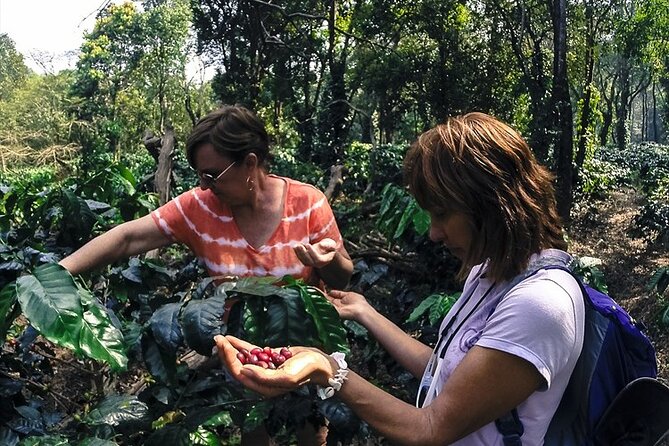
At about $11.33 per person, this is a modestly priced activity. The cost includes the one-hour visit, the private format, the plantation walk, the explanation of cultivation, the visit to the host’s house, and coffee or tea.
I see the value in the combination rather than in the length. One hour is short, but it covers two settings and gives you a clear beginning-to-end story. If you are already in Madikeri, the price is reasonable for a local introduction to one of Coorg’s defining products.
The value is weaker if you must spend a great deal on transport to reach the meeting point. Private transportation is not included, and the activity begins and ends in Madikeri. You need to factor in your own transfer costs before deciding.
The price also reflects the simple nature of the visit. There is no information about a full meal, a long plantation route, a hands-on roasting class, or extensive equipment demonstrations. You are buying a compact farm visit and tasting, not an all-day coffee workshop.
For many people, that is enough. If you have a free hour and want something connected to the region, the tour offers a low-risk way to learn about Coorg coffee without committing half a day.
The main drawback: keep your expectations modest
The clearest warning comes from the experience’s mixed feedback. The overall rating is 4 out of 5 from seven ratings, but one person found the tour disappointing, learned little, and considered the plantation too basic.
The provider responded that the visit included 30 minutes in the plantation and 30 minutes in the experience center, making a full one-hour activity. That response clarifies the schedule, but it does not change the central point: this is a brief and straightforward tour.
You may enjoy it more if you arrive with a few questions. Ask how the nursery stage works, how Arabica differs from Robusta, why shade trees matter, and how coffee moves from the plantation to the cup. A short tour feels more useful when you take an active role.
You should also remember that the experience depends on the setting of a working farm. A working plantation may not have formal paths, large signs, or extensive infrastructure. If that sounds appealing, the simplicity is part of the charm. If you want a carefully staged attraction, choose something designed around a larger visitor facility.
Who will enjoy this coffee plantation visit?
I would recommend this experience to several types of visitors:
- Coffee-curious visitors: You get a clear introduction to the plant, the farming process, and the finished drink.
- Short-stay visitors: The one-hour duration fits neatly between other plans in Madikeri.
- People interested in local agriculture: The farmer-led format connects the crop to the people who grow it.
- Private groups: Your group can ask questions without sharing the visit with strangers.
- Budget-conscious visitors: The price is modest, with coffee or tea included.
- First-time visitors to Coorg: The tour gives useful context for understanding why coffee is such an important part of the region.
I would hesitate to recommend it to anyone seeking a long plantation walk, advanced coffee training, or a detailed processing demonstration. The available schedule and description do not support those expectations.
Timing, weather, and booking details
The experience is usually booked about 23 days in advance, which suggests that planning ahead is sensible if the activity fits an important part of your schedule. Confirmation is received at the time of booking, and the ticket is mobile, so you can keep the booking on your phone.
The tour requires good weather. If poor weather causes a cancellation, you are offered another date or a full refund. It also requires a minimum number of participants, and if that minimum is not met, you are offered another date or experience, or a full refund.
You can cancel for a full refund up to 24 hours before the start time. Cancellations or changes made less than 24 hours ahead are not accepted for a refund. Since the tour is short, it is easy to fit into a busy itinerary, but you should still leave enough room for your own transport to and from Madikeri.
Should you book the Classic Coorg Coffee Plantation experience?
Book it if you want a short, private introduction to Coorg coffee with a local farmer, a plantation walk, and a simple tasting. The strongest reasons are the direct farm setting, the chance to learn how coffee grows under Western Ghats shade trees, and the low price.
Skip it if you expect a large plantation estate, extensive infrastructure, a long guided walk, or an advanced tasting session. The experience is deliberately compact, and its appeal comes from its local and personal setting rather than from a long list of attractions.
For the right visitor, $11.33 buys a useful hour and a better understanding of what makes Coorg coffee special. Arrive ready to ask questions, plan your own transport to Madikeri, and treat the visit as a farm conversation with a tasting at the end. That is the experience this tour is set up to provide.
FAQ
Where does the coffee plantation experience begin?
The activity begins in Madikeri, Karnataka, at the stated meeting point in the 571201 postal area.
Where does the experience end?
The activity ends back at the meeting point in Madikeri.
How long does the tour last?
The tour lasts approximately one hour. The schedule is described as about 30 minutes in the plantation and about 30 minutes in the experience center or host’s house.
Is transportation included?
No. Private transportation is not included, so you need to arrange your own transport to and from the meeting point.
What is included in the price?
Coffee and/or tea are included. The price is about $11.33 per person.
Can I cancel for a full refund?
Yes. You can cancel at least 24 hours before the experience start time for a full refund. Cancellations or changes made less than 24 hours before the start time are not accepted.
Freshly brewed listings in the world
- Vietnamese Coffee 101 Workshop★ 5.0 · 11 reviews
- Vietnamese Coffee Making Class in Hoi An★ 5.0 · 4 reviews
- Vancouver: Street Art & Craft Coffee Walking Tour w/ Tasting★ 4.8 · 11 reviews
- Yerevan: Private Coffee Tour with 2 Café Stops★ 5.0 · 2 reviews
- Ubud: Waterfall, Holy Water Temple,Swing&coffee plantation★ 5.0 · 9 reviews
- Coffee pleasure walking tour★ 5.0 · 12 reviews
- Vienna: Guided Viennese Coffee-House Tour★ 5.0 · 2 reviews
- Turkish Coffee and Traditional Turkish Dessert Cooking★ 4.6 · 8 reviews
India Coffee Tours, compared.
Mercara Gold Coorg Coffee and Spice Estate Tour
Read our review →Day trip to UNESCO Belur+Shravanbelgola+Coffee & Spice Plantation
Read our review →Browse the lists this tour appears in