

Review · KIGALI
Kigali: Traditional Coffee Experience ( Bean to Brew)
Rwanda’s coffee story comes alive here through your hands, not just a talk. You start with coffee cultivation and local farming, roast beans using traditional and modern methods, then finish with a tasting in Kigali. I like the hands-on roasting, and I like the direct exchange with local coffee specialists. The guide praised in the feedback was clear, smart, and excellent at explaining the work.
The main drawback is transport. The meeting point is Umurishyo Arts Gallery on KG 206 Street, but private transportation is not included, so you should confirm how the field and roastery portions connect before booking. The two-hour schedule also leaves little room for a slow, wandering visit.
Key points to know
- You roast your own beans: This is not only a demonstration. You take part in traditional and modern roasting methods.
- The experience begins with coffee cultivation: Local farmers explain how Rwandan coffee is grown and the sustainable practices used by the community.
- The final tasting takes place in Kigali: You sample several blends and talk with local coffee experts.
- The group can reach 20 people: That keeps the experience social, though individual attention may vary.
- The price is $50 per person: All fees and taxes are included, but private transportation is extra.
- The cancellation terms are weather-sensitive: Cancel at least 24 hours before the start for a full refund.
From Rwandan coffee fields to your first roast

The appeal here is the complete chain. You are not simply handed a cup and told that Rwanda produces good coffee. You follow the work from cultivation to roasting to tasting, which gives the final drink more meaning.
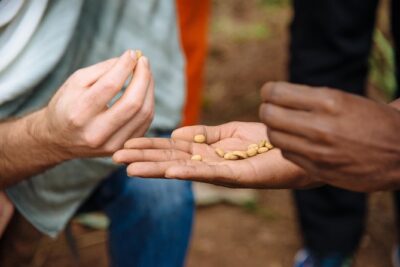
The first part takes you into Rwanda’s coffee-growing world, with local farmers explaining how coffee is cultivated. The focus is on the careful work behind the crop and on sustainable practices used by the community. That matters because coffee can seem like a finished product in a shop, while its quality depends on decisions made long before roasting.
You also receive context about Rwanda’s coffee past. The available details do not promise a long classroom lecture, and that is probably a good thing for a two-hour activity. You should expect a practical introduction tied to the farms and the people who produce the beans.
I especially like this beginning for visitors who want more than a standard city stop. Kigali can give you museums, galleries, and restaurants, but coffee offers a direct way to connect the city with rural work. You get a better sense of how a national product reaches the cup.
The wording of the experience suggests a visit to coffee fields, but the official meeting point is Umurishyo Arts Gallery in Kigali. Since transportation is not included, ask for clear instructions about movement between the meeting point, fields, roastery, and coffee shop. That is the single most important practical point to settle before you pay.
More Specialty Coffee Tours in the world:
- Cartagena: Colombian Specialty Coffee Tasting
★ 4.4 · 130 reviews - Coffee Farm Tour with Roasting & Tasting Workshop – Da Lat
★ 5.0 · 126 reviews - Private Coffee Roasting Class
★ 5.0 · 101 reviews
Why the farming section matters

Coffee cultivation is often reduced to a pretty view and a few photographs. This experience promises more useful detail. Local farmers explain the process themselves, which puts the work in local hands rather than filtering everything through a general guide.
You can expect to learn about the care required before the beans ever reach a roaster. The description points to meticulous cultivation and community sustainability. It does not provide a detailed list of farming steps, so do not book this expecting a technical agricultural course. Instead, think of it as a short, human introduction to the people and methods behind Rwandan coffee.
That distinction helps set the right expectations. Coffee fans may want a longer farm visit with more time in the fields. For most visitors, though, the farming section works as the first chapter of a broader story. You see why origin matters before you begin making decisions about heat, timing, and flavor.
The cultural exchange is another useful part of this stop. You have a chance to ask questions and hear from people connected to coffee production. That conversation is likely to be more valuable than a polished presentation, especially if you are curious about how coffee affects local communities.
Roasting your own beans in traditional and modern ways
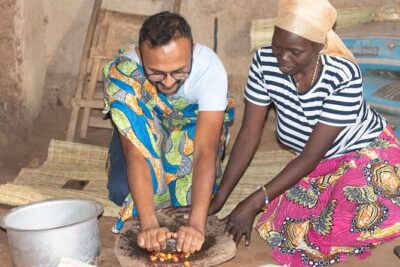
The roasting section is the most distinctive part of the activity. You do not just watch a professional work behind a machine. You take part in roasting your own beans, with local experts showing both traditional and modern methods.
The contrast should help you understand how technique changes the final drink. Traditional roasting connects you with older local methods, while modern roasting shows how controlled equipment and newer practices shape coffee production today. The supplied information does not name the exact tools or equipment, so you should not expect a particular machine or cooking method.
What you can expect is a guided, practical session. The experts explain the choices involved, then help you work through the roast. One piece of feedback specifically praised the guide for being smart, clear, and excellent while teaching visitors to roast their own beans. That is important: the quality of this activity depends heavily on the person leading it.
Roasting also gives you a better reason to pay attention at the final tasting. Once you have watched beans change and taken part in the process, you can think about flavor as the result of several choices. The experience does not require you to be a coffee professional. It is designed to make the process easier to understand, even if you normally drink coffee without thinking about how it was made.
I would allow yourself to focus here rather than rushing for photographs. The roasting section is where the activity shifts from cultural visit to personal participation. It is also where the $50 price begins to make more sense, since you are paying for instruction and involvement, not simply a drink.
A Kigali tasting with local coffee specialists
The final stage takes place in a Kigali coffee shop. You taste several blends made with care, and each one is presented as a different expression of Rwanda’s coffee-growing regions and methods.
The word exclusive is used for the tasting, but the supplied details do not identify the café or list the blends. You should expect a guided sampling rather than a full meal or a large food pairing. If you need lunch, plan that separately.
This is a strong finish because it brings the process together. You have seen cultivation, learned about production, and taken part in roasting. Now you can compare the results in the cup. The tasting also gives you a natural place to ask questions and talk with other coffee fans.
One particularly useful point from the feedback came from someone who already grinds beans at home and makes personal blends. The experience gave that coffee drinker a better understanding of production and a greater appreciation for the business behind coffee. That tells me the activity is not limited to casual drinkers. If you already buy whole beans, grind at home, or experiment with blends, you may get more from the technical side.
At the same time, you do not need specialist knowledge to enjoy the tasting. The experience is built around explanation, conversation, and comparison. You can simply notice which blend you prefer and ask why it tastes different.
More Coffee Tours in the world:
- Hanoi Coffee Experience: 6 Brews, 9 Recipes & 3 Liquor Tastings
★ 5.0 · 2,945 reviews - Medellin: Coffee Tour with Transport, Snacks and Tastings
★ 4.7 · 1,357 reviews - Istanbul: Turkish Coffee Making and Fortune Telling Workshop
★ 4.9 · 1,308 reviews - Hanoi Coffee Workshop: Taste Salt, Coconut and Egg Coffee
★ 5.0 · 1,286 reviews
Is $50 a fair price for two hours?
At $50 per person, this is not the cheapest way to drink coffee in Kigali. You are paying more than the cost of a café visit because the price covers a short educational activity, local instruction, roasting participation, and a tasting. All fees and taxes are included.
The value is strongest if you want a structured experience that links farming, craft, and finished coffee. It is also good value for someone who would otherwise need to arrange several separate stops to learn about production and taste different blends.
The value is weaker if your main goal is simply to sit with a cup of coffee. You may find better use for your money at a local café if you do not care about cultivation or roasting. The two-hour duration is efficient, but it limits the amount of time available at each stage.
The maximum group size is 20 people. That is small enough to keep the activity social, but it is not a private lesson. If the group is full, you may need to share questions and roasting time. A smaller group could feel more personal, but that is not guaranteed.
I would compare this price with the transport question. Since private transportation is not included, your total cost may be higher depending on how you reach the meeting point and any later stops. Get the route details before booking so the advertised price does not surprise you at the door.
Meeting point, timing, and practical planning
The activity begins at Umurishyo Arts Gallery, KG 206 St, Kigali, Rwanda, and ends back at the same meeting point. The stated duration is about two hours, so you can fit it into a half-day plan if the transport arrangements are clear.
The meeting point is near public transportation, which helps if you are staying in Kigali and want to make your own way there. Still, the experience includes coffee fields and a roastery, while private transportation is not included. I would not assume that every movement is covered. Ask the provider exactly where you should meet, how the field portion is reached, and when you return to the gallery.
A mobile ticket makes entry simple. Booking confirmation is provided at the time of reservation. The group may include up to 20 people, so arrive ready to begin on time. A late arrival could matter more here than on a casual café visit because the activity moves through several stages.
Service animals are allowed. The experience requires good weather, and it also requires a minimum number of participants. If poor weather or low enrollment causes cancellation, you are offered another date or experience, or a full refund.
You can cancel for a full refund up to 24 hours before the start time. Changes or cancellations inside 24 hours are not accepted and are not refunded. The cut-off follows Kigali local time, so check the clock carefully if you are booking from another country.
Who will enjoy this coffee experience?
I would recommend it first to coffee drinkers who want to understand the work behind their daily cup. Home grinders and people who make their own blends should find the roasting and production discussion especially useful.
It also suits visitors who want a cultural activity with direct local contact. The farmers and coffee specialists give the experience a human focus, while the final tasting keeps it relaxed and social.
This is a good choice for a short Kigali stay because it packs several related activities into about two hours. You learn about cultivation, try roasting, and taste local coffee without committing to a full-day excursion.
Families and mixed-interest groups may also find it workable, provided everyone is comfortable with the coffee focus. The activity is not presented as a children’s program, so I would confirm suitability for young children before booking.
I would be more cautious if you want a long farm visit, a private guide, or a detailed professional coffee course. The maximum group size is 20, transportation is not included, and the short schedule means the experience gives you a broad view rather than extensive time in one place.
Should you book this Kigali coffee tour?
Book it if you want to follow coffee from cultivation to cup and take part in the roasting yourself. The strongest reasons are the hands-on format, the chance to speak with local experts, and the tasting that gives the earlier lessons a clear finish.
Before booking, confirm the transport plan from Umurishyo Arts Gallery to the fields and roastery. That detail affects both convenience and the real cost. If you are happy with the logistics, $50 is reasonable for a guided, participatory introduction to Rwandan coffee.
Skip it if you only want a quick café stop or if you need a private, highly technical coffee class. For curious coffee drinkers, though, this is a focused way to connect Kigali’s café culture with the farmers and craft behind the beans.
FAQ
How long does the coffee experience last?
The activity lasts approximately two hours.
Where does the experience start?
It starts at Umurishyo Arts Gallery, KG 206 St, Kigali, Rwanda.
Where does the experience end?
The activity ends back at the meeting point.
Is private transportation included?
No. Private transportation is not included in the price.
What is included in the $50 price?
All fees and taxes are included.
How many people can join the activity?
The experience can have a maximum of 20 travelers.
Can I cancel for a full refund?
Yes. You can cancel at least 24 hours before the start time for a full refund. Cancellations within 24 hours are not refunded. If poor weather or an insufficient number of participants causes the activity to be canceled, you are offered another date or experience, or a full refund.
Freshly brewed listings in the world
- Vietnamese Coffee 101 Workshop★ 5.0 · 11 reviews
- Vietnamese Coffee Making Class in Hoi An★ 5.0 · 4 reviews
- Vancouver: Street Art & Craft Coffee Walking Tour w/ Tasting★ 4.8 · 11 reviews
- Yerevan: Private Coffee Tour with 2 Café Stops★ 5.0 · 2 reviews
- Ubud: Waterfall, Holy Water Temple,Swing&coffee plantation★ 5.0 · 9 reviews
- Coffee pleasure walking tour★ 5.0 · 12 reviews
- Vienna: Guided Viennese Coffee-House Tour★ 5.0 · 2 reviews
- Turkish Coffee and Traditional Turkish Dessert Cooking★ 4.6 · 8 reviews
Kigali Coffee Tours, compared.

Kigali: Traditional Coffee Experience ( Bean to Brew)
Read our review →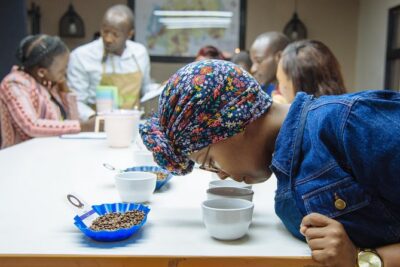

Local Community Tour(Cultural, Coffee,Village walk,Local food)
Read our review →
1-Day Lake Kivu Karongi Boat Cruise & Coffee farming with Lunch
Read our review →Browse the lists this tour appears in