

Review · ARUSHA
Coffee walk with stay in the village
Coffee here is not just a drink at the end of breakfast. It is a crop, a livelihood, and a long walk from seed to cup. This three-day stay takes you from Arusha to a coffee village, where you sleep on a working farm and follow the beans through organic growing, processing, roasting, and tasting.
I like the two-night farm stay, which gives you more than a quick plantation visit. I also like the Fairtrade aim: the farm pays producers three times the normal price and avoids chemical sprays. The main drawback is that this is an active walking experience, with a 30 to 40 minute walk to the roaster and village exploration on foot.
Key points at a glance
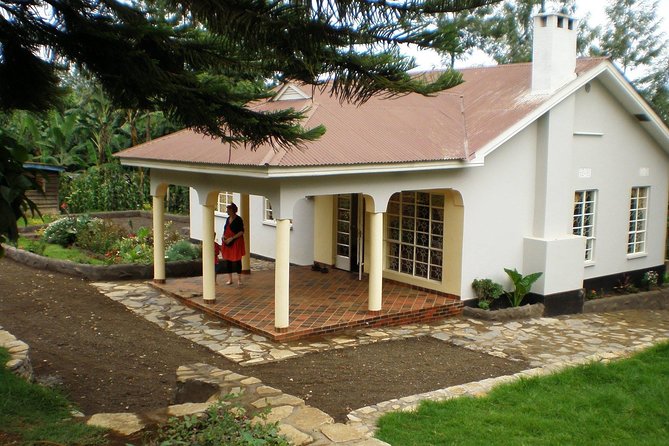
- Sleep beside the coffee trees: Two nights are spent at a guesthouse in the same village where the coffee is produced.
- Meet a local coffee guide: Samwel has led the walk and can explain village life, plants, customs, and coffee production.
- See organic and traditional methods: The farm visit compares coffee production styles rather than showing only a polished tasting room.
- Walk through real village landmarks: The route passes a hospital, primary and secondary schools, an orphanage, and the oldest church in the mountain.
- Eat homemade Tanzanian food: Breakfast and dinner come from the guesthouse, while lunch includes chapati, roasted banana, rice, ugali, goat sauce, spinach, salad, and fruit.
- Keep your schedule simple: Pickup from Arusha is included, airport pickup is possible, and the return to town comes after a slow breakfast.
Why this coffee stay feels different

Many coffee tours are built around a farm visit lasting an hour or two. You look at the plants, hear a short explanation, drink a cup, and leave. This experience gives the subject room to breathe. You arrive in the evening, spend the night in the village, take the full coffee walk the next day, and return to Arusha after breakfast on day three.
That extra time matters. You can see the village before the formal walk begins, eat meals prepared by the guesthouse chef, and wake up near the source of the coffee instead of treating the farm as a quick stop between larger adventures.
I also like the way the tour connects coffee with money and farming practice. The stated Fairtrade approach pays farmers three times the normal price. The trees are not sprayed with chemicals, which is presented as better for the people working among them and for the final drink. You are not only learning how beans are processed. You are learning why the price paid to producers and the growing method affect the whole chain.
The experience is private, so only your group takes part. That can make conversation easier and lets the visit feel less like a timed show. It also means the quality of the day depends partly on the guide assigned. Samwel is the named guide associated with the walk, and his role includes explaining local culture, traditions, plants, and coffee.
More Coffee Walking Tours in Arusha:
- Coffee walk day trip
★ 5.0 · 10 reviews - Waterfall & Coffee Walking Tour
★ 5.0 · 6 reviews - 7 Days Tanzania Luxury Safari Experience & Coffee Walking Tour
★ 5.0 · 6 reviews
Day one: leaving Arusha at 5 p.m.
Pickup from Arusha town is scheduled for 17:00, with a drive of roughly 30 to 40 minutes to the village. You provide the pickup point when booking. Airport pickup is also possible, which may help if this stay fits directly after your arrival.
The short drive is useful rather than tiring. You are not giving up a full sightseeing day, and the evening transfer gets you out of town before the overnight stay begins. On arrival, you check into your room and have time for a short walk around the village before dinner.
That first village walk is informal. There is no packed schedule, and you can begin to get a feel for the setting before the coffee guide arrives the next morning. I would use this time to ask about dinner timing, the next day’s walking route, and any practical details you need for the night.
Dinner is prepared by the guesthouse chef. The food is described as homemade, and the stay includes both dinner and breakfast. Since the accommodation is on a coffee farm, this is a better fit for you if you value a local setting over hotel polish and a large menu.
Day two: village life before the coffee fields
Breakfast comes before the main walk, with the guide meeting you at about 09:30. The route begins from the guesthouse and goes toward the village center.
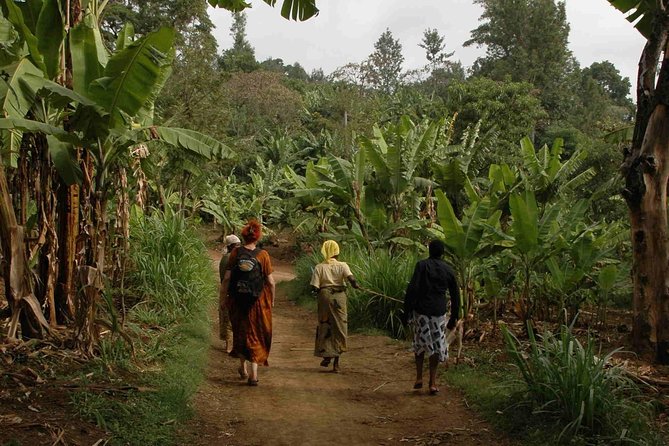
The walk passes a hospital, primary and secondary schools, an orphanage, and the oldest church in the mountain. These stops give the coffee story a wider frame. A farm does not operate in isolation. It sits within a community with schools, religious buildings, family life, and local services.
The guide also talks about culture and traditions. Samwel is the guide name connected with this experience, and his background in the area is useful for a walk that covers more than coffee plants. You should expect conversation and explanation as you go, not just a series of fixed facts at a farm gate.
The village section is also where the pace becomes clear. This is a walking day, not a coach tour. The route brings you into the community on foot, so comfortable footwear is sensible. The supplied information does not give a total distance or elevation, but it does specify a 30 to 40 minute walk down to the roaster later in the day.
Comparing traditional and organic coffee production
From the village center, you walk to the organic coffee farm. The useful part of this visit is the comparison between traditional and organic production. You can learn how the methods differ instead of hearing only that one method is better.
The farm does not use chemical sprays on the coffee trees. That matters in two ways. It reduces direct exposure for the people working with the plants, and it supports the claim that the coffee is a healthier end product. The tour also explains the work required to bring coffee from seed to cup, giving you a clearer sense of the many stages behind a finished drink.
The Fairtrade side is just as important. Coffee prices can leave farmers with too little income, including too little to cover school costs for their children. The farm’s stated payment is three times the normal price. That makes the visit more than a lesson in roasting technique. It lets you connect a cup of coffee with the income of the people who grow it.
I would keep your expectations grounded. This is not described as a formal coffee certification course, and there is no detailed tasting menu or list of brewing methods provided. The strength is the farm-to-cup story and the chance to see the work in its own setting.
More Coffee Tours in Arusha:
- Materuni Waterfalls, coffee tour & Kikuletwa Hot Springs
★ 5.0 · 643 reviews - Materuni waterfalls coffee tour & Chemka hot springs Day trip
★ 5.0 · 131 reviews - Maasai village visit, Materuni waterfalls & coffee experience
★ 4.5 · 95 reviews - Materuni Waterfalls & Coffee Tour from Moshi
★ 5.0 · 92 reviews
The walk to the roaster and Tanzanian lunch

After the farm visit, the walk to the roaster takes about 30 to 40 minutes. The route is part of the experience, not simply a transfer between two indoor stops. Your guide can continue explaining local life, plants, and traditions as you go.
At the roaster, you see another step in the coffee process. The available details do not specify every machine or processing stage, so I would not expect a technical factory tour. Instead, think of it as a practical look at how the harvested coffee moves toward the drink you know.
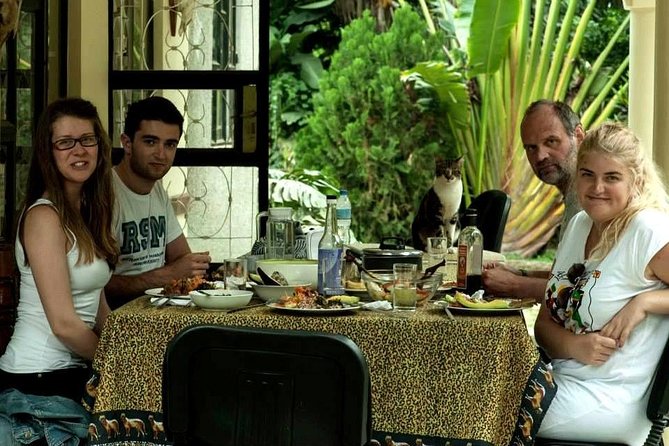
Lunch is served in the garden and includes a generous list of local dishes: chapati, roasted banana, rice, ugali, goat sauce, spinach, salad, and fruit. This is one of the most appealing parts of the day for anyone who wants food connected to place. Chapati and ugali offer two different staples, while goat sauce and vegetables make the meal feel like proper home cooking rather than a snack arranged for a tour group.
The meal may also be a consideration. If you have dietary restrictions, tell the operator in advance. The supplied information does not promise specific substitutions, so do not assume every request can be handled on the spot.
Two nights at the farm guesthouse
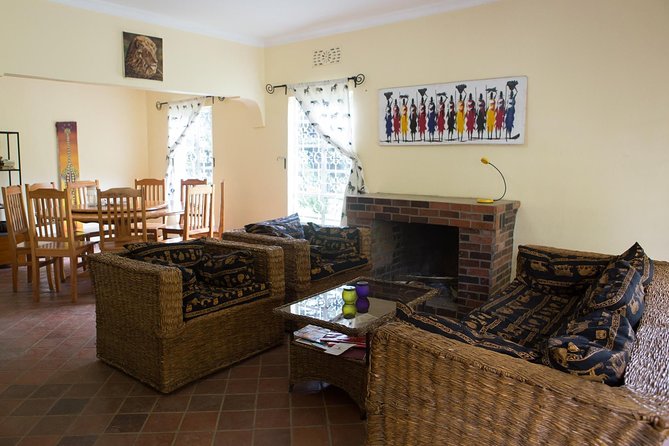
The guesthouse is in the same village as the coffee production, and you sleep on a coffee farm for two nights. That is the central feature of the trip. It turns the coffee visit into a small village stay rather than a standard day excursion from Arusha.
The garden and accommodation have received especially strong praise, as have the meals and the friendly staff. I would see this as a simple, personal lodging choice rather than a resort. The information does not list room categories, private bathroom details, or luxury facilities, so confirm any comfort requirements before booking.
The two-night format also makes the schedule easier. You arrive before dinner, get a full morning and afternoon for the coffee walk, then leave after a slow breakfast. There is no need to rush back to Arusha immediately after lunch or fit the whole visit into a single daylight window.
That rhythm suits you if you like small-scale accommodation, local food, and time to talk. It may suit you less if you want a tightly packaged sightseeing program with a long list of attractions.
What the $270 price includes in practical terms
At $270 per person, this is not the cheapest way to spend three days near Arusha. The value depends on how much you want from the stay.
You are paying for transport from Arusha to the village and back, two nights of accommodation, breakfast and dinner, the guided coffee walk, the village visit, lunch, and the private format. Airport pickup is also possible. The price also supports a farm using an organic method and paying producers at a higher stated rate.
A quick coffee plantation visit might cost less, but it would not give you the same overnight connection to the village. On the other hand, you should compare the $270 with other multi-day Arusha activities if your priority is wildlife, mountain walking, or major cultural sites. This experience is focused. Its value comes from depth, food, conversation, and the farm stay, not from covering a long list of sights.
Group discounts are available, which may improve the price for families or friends booking together. Confirmation is received at booking, and free cancellation is available if you cancel at least 24 hours before the start time. Changes or cancellations inside that window are not accepted for a refund.
Who should choose this experience
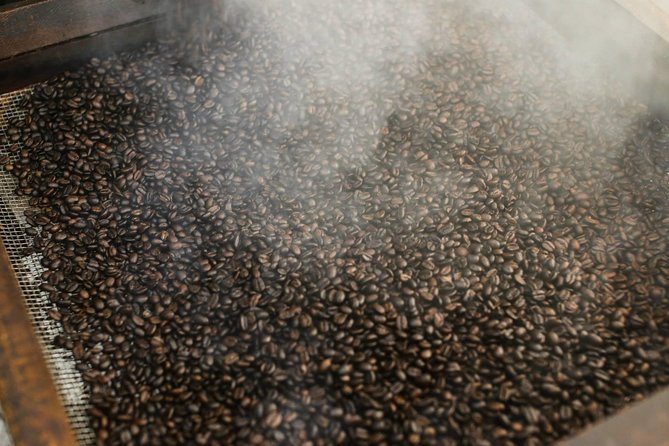
I would recommend it to you if coffee is more than a morning habit and you want to understand the labor behind it. It is also a good choice if you prefer village contact and a small guesthouse to a large hotel.
The experience fits a private group well. Families, couples, and friends can share the walk without joining a large bus party. The village route and meal make it a useful cultural stop before or after a safari, though the provided schedule only covers this coffee stay and transport to and from Arusha.
You should be comfortable walking and spending time outdoors. Most people can participate, but the experience does not give detailed accessibility information. The walking route includes the village, the farm, and a 30 to 40 minute walk to the roaster, so ask the operator about the route if mobility is a concern.
I would not choose this as your main Tanzania activity if your priority is wildlife viewing, mountain trekking, or a luxury lodge. The focus stays on coffee, village life, food, and farming. That narrow focus is a strength when it matches your interests.
A few practical ways to prepare
Tell Wild Tracks/Kahawa where to collect you in Arusha. If you are arriving at the airport, ask about airport pickup when arranging the booking rather than assuming it is automatic.
Wear shoes suitable for a village walk and the route between the farm and roaster. The schedule starts slowly on day one, but day two includes several walking sections and a full guided program.
Keep some room in your schedule after returning to Arusha on day three. The stated drive back follows breakfast, but exact timing may depend on the road and your drop-off point.
You can book this as a private activity, and only your group participates. That gives you a quieter format and makes it easier to discuss coffee, farming, and local customs with the guide.
Should you book the coffee walk?
Book it if you want a direct connection between your coffee cup and the people, plants, meals, and village that produce it. The strongest reasons are the two-night farm stay, the organic and Fairtrade focus, the local food, and the chance to walk with a guide such as Samwel.
Think twice if you need detailed luxury accommodation, a short route, or a broad sightseeing program. At $270, the cost makes most sense when you value the overnight stay and the social impact, not just the coffee tasting. For the right kind of trip, this is a thoughtful three-day pause between bigger Tanzanian adventures.
FAQ
Where does the coffee walk take place?
The experience is based in a village in the Arusha region, where the coffee farm and guesthouse are located.
How long does the experience last?
The experience lasts approximately three days and includes two nights at the village guesthouse.
What time is pickup from Arusha?
Pickup from Arusha town is scheduled for 17:00 on day one.
Is airport pickup available?
Yes. Airport pickup is possible, but you should provide your pickup details when booking.
What happens on the first evening?
You drive from Arusha to the village, check into your room, take a short village walk if you wish, and have dinner at the guesthouse.
What happens on the coffee walk?
After breakfast at about 09:30, a coffee guide meets you. You walk through the village, visit the coffee farm, learn about traditional and organic production, walk to the roaster, and eat lunch in the garden.
Who may guide the coffee walk?
Samwel is a guide associated with the experience. He explains coffee, local culture, traditions, plants, and the surrounding area.
What food is included?
The stay includes homemade breakfast and dinner. Lunch includes chapati, roasted banana, rice, ugali, goat sauce, spinach, salad, and fruit.
Is this a private tour?
Yes. Only your group participates in the activity.
Can I cancel for a full refund?
Yes, if you cancel at least 24 hours before the experience start time. Cancellations or changes made less than 24 hours before the start time are not refundable.
Freshly brewed listings in Arusha
- Waterfall & Coffee Walking Tour★ 5.0 · 6 reviews
- Private Tour to Marangu Waterfalls, Chagga Caves, Coffee tour & Hot Springs★ 5.0 · 7 reviews
- Private Materuni Waterfalls, Coffee Tour and Kikuletwa Hot Spring★ 5.0 · 4 reviews
- Waterfalls, Coffee, Hotsprings, Food Cuisine, & Serval Wildlife★ 5.0 · 6 reviews
- Materuni (Coffee Tour) and Chemka (Kikuletwa Tour)★ 5.0 · 8 reviews
- Materuni Waterfall Hike & Coffee Tour★ 5.0 · 4 reviews
- Coffee walk day trip★ 5.0 · 10 reviews
- Private Full-Day Materuni Waterfall, Coffee and Hot-spring Tour in Moshi★ 5.0 · 5 reviews
Arusha Coffee Tours, compared.
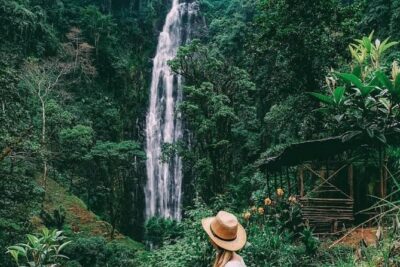
Materuni Waterfalls, coffee tour & Kikuletwa Hot Springs
Read our review →
Materuni waterfalls coffee tour & Chemka hot springs Day trip
Read our review →
Maasai village visit, Materuni waterfalls & coffee experience
Read our review →
Arusha: Materuni Waterfalls, Coffee, and Hotsprings Tour
Read our review →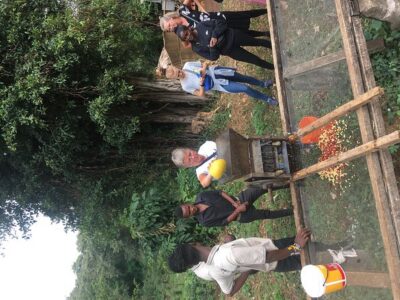
Coffee tour and Buffet Lunch with Kingstone Asilia (Arusha)
Read our review →
Materuni Waterfalls, Visiting Chagga Village, CoffeeTour Kikuletwa Hotsprings
Read our review →
From Arusha: Coffee Farm and Mangalia Waterfalls Tour
Read our review →Browse the lists this tour appears in