
Review · ARUSHA
Private Meru Coffee Tour in Nkoaranga
The best part of this private Meru coffee tour is that you do not simply watch coffee being made. You pick red berries, process them by traditional methods, roast and grind the beans, then drink the results. That hands-on rhythm gives the visit real purpose, and the coffee tastes better when you have worked for it.
I like the link to The Small Things, whose work supports orphaned and vulnerable children and families in the Meru region. I also like the personal guiding: Reuben is praised for explaining both coffee and local Meru traditions, while Rachel helps bring the wider community project into view.
The main consideration is physical. You need to climb several flights of stairs and walk on uneven ground, and the visit depends on good weather. At about two to three hours, it is a focused coffee experience rather than a full-day farm outing.
Key points to know before booking
- Pick coffee straight from the bushes: You harvest ripe red berries grown in volcanic soil near Mount Meru.
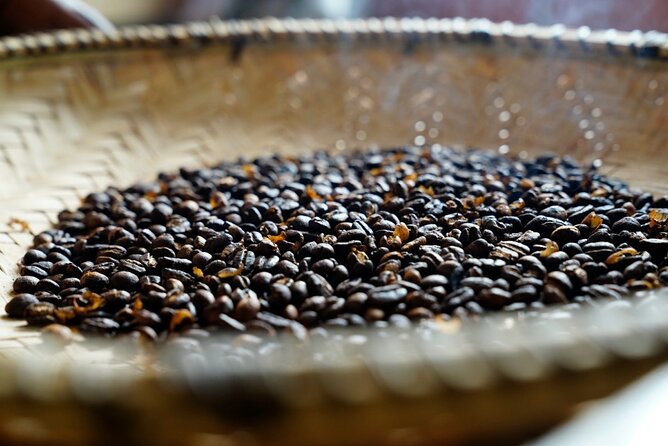
- Make the drink yourself: The process includes traditional processing, roasting, grinding, and brewing.
- Learn from Reuben and Rachel: Reuben is especially noted for his clear explanations of coffee, plants, and Meru culture.
- Support a local children’s project: Your booking helps The Small Things support vulnerable children and families.
- Enjoy a small private setting: Only your own group takes part, with coffee, tea, snacks, and bottled water included.
- Plan for stairs and rough ground: The experience is suitable for most people, but it is not fully step-free.
From red berry to fresh cup near Mount Meru
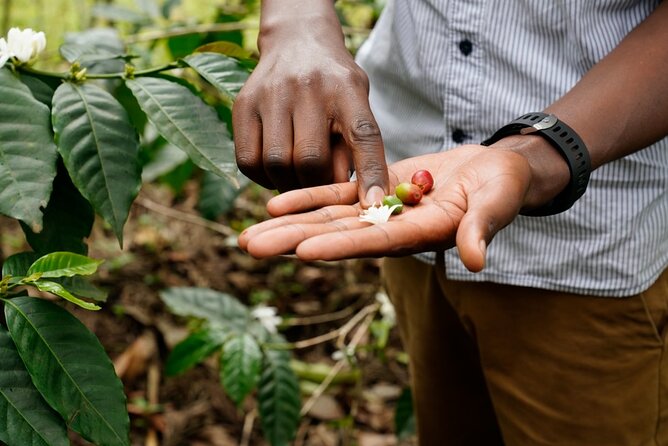
This experience begins with the coffee plant, not the café counter. In the foothills of Mount Meru, you harvest fresh red coffee berries from bushes growing in volcanic soil. That first step matters because it shows you where the drink begins and how much work comes before the familiar cup on your breakfast table.
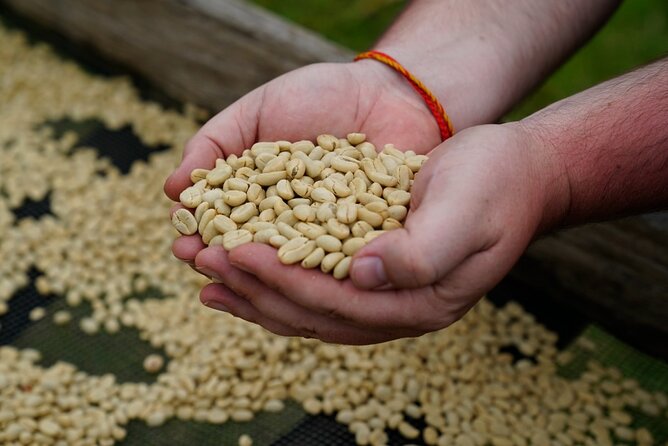
The tour is built around participation. You are not handed a ready-made product and given a quick explanation. You help process the beans using traditional methods, then take part in roasting and grinding before brewing coffee at the end.
That sequence makes the visit easy to follow. You can see the change from fruit to bean, from bean to roasted coffee, and from roasted coffee to drink. The work is simple to understand, but it gives you a better sense of why good coffee takes time.
The experience lasts around two to three hours. The main coffee activity is listed as about two hours, with the full visit likely allowing time for refreshments and conversation. That is a useful length if you are staying in Arusha and want a cultural activity that fits around other plans.
More private coffee sessions in Arusha:
Why Meru coffee is more than a plantation product
Coffee became an important crop in the Meru area, and the tour explains how it became part of local life. You will hear about Meru traditions around coffee rather than only receiving a technical lesson about farming.
That local angle gives the experience more depth. Coffee is not treated as an isolated export crop. You learn how it fits into the community and why it has remained a staple in the region.
The tour also highlights Tanzanian peaberry coffee, known here as peas berry coffee. Peaberry beans are a type of coffee bean with a rounded shape, rather than the two flatter halves commonly found inside a coffee cherry. The experience gives you a chance to taste freshly prepared coffee connected to that local production.
You may already know coffee by country or roast level. This visit adds another way to think about it: place, people, farming, and preparation. The cup at the end is still the reward, but the story behind it is just as important.
Picking berries in volcanic soil
The first hands-on task is harvesting red coffee berries. You will work among bushes planted in the fertile volcanic soil around Mount Meru and select fresh fruit from the plants.
This is a useful moment to slow down. Coffee beans do not begin as dry brown pieces ready for a grinder. They start inside bright fruit, and picking gives you a direct sense of that change.
The information provided does not specify the season or the exact amount of coffee you will harvest. Conditions may vary, so you should think of this as a practical introduction rather than a large-scale farm-work session.
The setting also gives the tour a strong sense of place. You are not learning about Meru coffee in a city classroom. You are near the source, with the mountain area and agricultural ground forming part of the lesson.
Traditional processing, roasting, and grinding
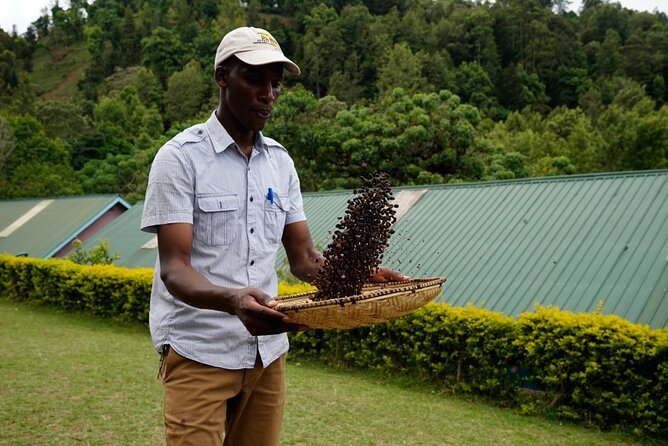
After picking, you process the coffee together using traditional methods. This is where the tour becomes especially active. You get to handle the stages that are often hidden from anyone who buys coffee in a shop.
Roasting is one of the most memorable parts. The beans change in color and smell as they heat, and you can see how preparation affects the final drink. Grinding follows, and this hands-on step was singled out as particularly enjoyable by people who took part.
Do not expect a polished café production line. The appeal is the traditional approach and the chance to take part yourself. The pace may feel slower than a commercial operation, but that is part of the point.
The tour also gives you a chance to understand why freshly roasted coffee feels different. Aroma, texture, and timing become easier to appreciate after you have handled the beans yourself.
More Coffee Tours in Arusha:
- Materuni Waterfalls, coffee tour & Kikuletwa Hot Springs
★ 5.0 · 643 reviews - Materuni waterfalls coffee tour & Chemka hot springs Day trip
★ 5.0 · 131 reviews - Maasai village visit, Materuni waterfalls & coffee experience
★ 4.5 · 95 reviews - Materuni Waterfalls & Coffee Tour from Moshi
★ 5.0 · 92 reviews
Brewing and tasting what you made
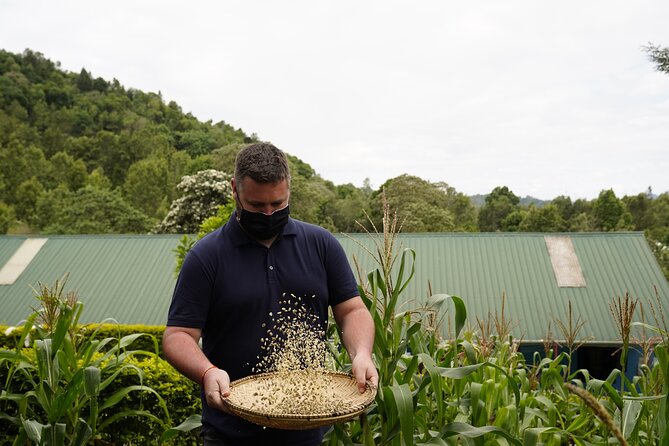
The final stage is brewing a cup of coffee from the work you have just completed. This is the natural finish to the tour, and it gives the earlier steps a clear payoff.
You will also receive coffee or tea, along with snacks and bottled water. The exact snacks are not specified, so you should not treat this as a full meal. Lunch is not included in the standard experience, but it can be provided if you select that option.
The tasting is not a formal coffee certification session. You should book it for the pleasure of making and drinking local coffee, not for a detailed professional lesson on flavor scoring.
Still, the cup has more meaning when you have picked, roasted, and ground the beans. You will be able to connect the taste with each stage of the process instead of treating coffee as something that simply arrives ready to drink.
Meeting Reuben and learning about Meru traditions
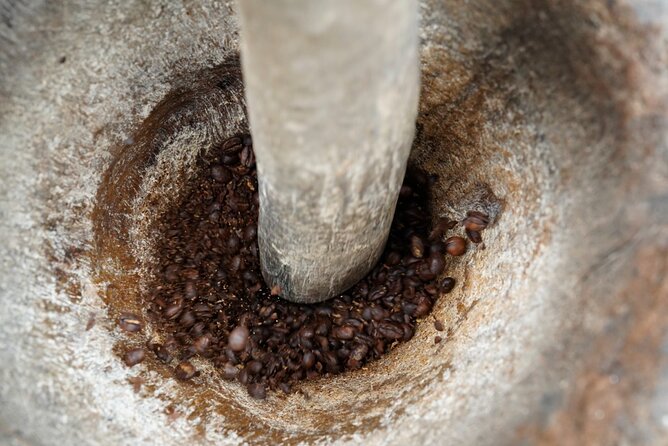
Reuben is a key part of the experience. He is described as a friendly guide who explains the coffee process clearly and speaks about the Meru people, local plants, and the traditions linked to coffee.
That combination is valuable. A guide who only knows the production steps can explain beans and roasting, but Reuben also connects the crop to local culture and the surrounding environment.
Rachel is also involved in the experience. Together, Reuben and Rachel can explain both the coffee activity and the wider work of The Small Things.
The personal nature of the guiding suits the private format. You can ask questions as you go, rather than trying to keep up with a large group. The tour is not designed as a crowded plantation stop with a fixed speech. It is a small, social activity built around doing the work together.
The Small Things and the social purpose
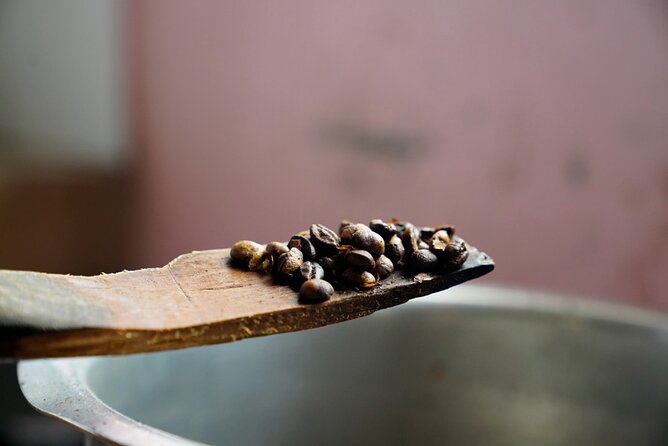
Your booking also connects with The Small Things, an organization supporting orphaned and vulnerable children and families in the Meru region. The project includes the Happy Family Children Village, and the experience may introduce you to the work being done there.
This is an important part of the booking decision. You are paying for a coffee activity, but your money also supports a wider local mission. That gives the visit a social purpose without removing the need to judge the coffee experience on its own merits.
You should keep expectations clear. The tour information does not promise a separate, extended visit with children or a full program about the organization. The central activity remains coffee. The community connection adds context and value, but it does not turn the tour into a full social project visit.
For people who prefer activities with a local benefit, this connection is a strong reason to choose this tour over a basic tasting. You learn, make something, and support work with vulnerable people in the same region.
Is $35 a fair price?
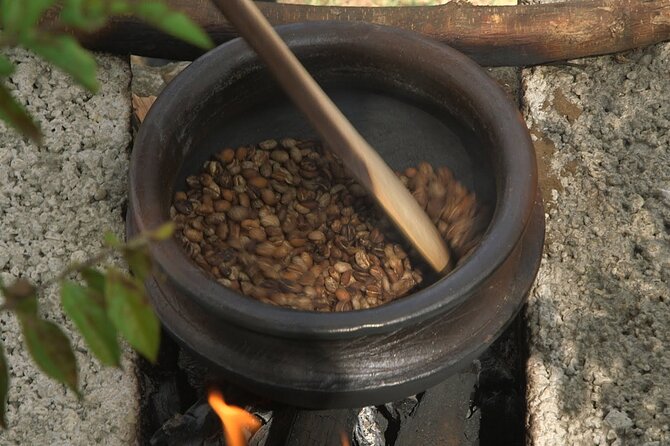
At $35 per person, the tour offers a good value for a private, hands-on activity lasting around two to three hours. Coffee, tea, snacks, and bottled water are included, and only your own group takes part.
The price makes most sense if you value personal attention and active participation. You are not paying only for a cup of coffee. You are paying for a guide, an agricultural visit, traditional preparation, cultural explanation, refreshments, and a contribution to a local project.
Lunch is extra, so factor that in if you want to make the visit part of a longer meal plan. Transportation is not listed as a standard inclusion. Reuben has arranged pickup and drop-off for some participants, but you should confirm transport directly before booking if you do not have a car.
Group discounts are available. That can improve the value for families or friends traveling together, especially since the activity is private rather than shared with a larger party.
The tour is often booked about 13 days ahead. That is not a strict booking rule, but it suggests that you should reserve ahead if your Arusha schedule is fixed.
The practical side: stairs, ground, and weather
Most people can participate, but you must be able to climb several flights of stairs and walk on uneven ground. This may be manageable for many active visitors, but it is worth taking seriously if you have mobility limits or balance concerns.
Service animals are allowed. The activity is private, so you do not have to match the pace or interests of an unrelated group.
Good weather is required. If poor weather causes cancellation, you will be offered another date or a full refund. The normal cancellation policy also allows a full refund if you cancel at least 24 hours before the start time. Changes or cancellations made less than 24 hours before the start are not accepted for a refund.
A mobile ticket is available, which keeps the booking simple while you are moving around Tanzania.
Who will enjoy this coffee experience?
I would recommend it most strongly if you like food and drink activities that show the work behind the finished product. The picking, roasting, grinding, and brewing create a clear beginning-to-end story.
It also suits you if you want a small cultural activity near Arusha rather than another large organized excursion. The private format gives you room to ask about Meru traditions, local plants, coffee farming, and The Small Things’ work.
Families and groups may appreciate the social purpose and the chance to do something together. Group discounts may help with the price, and the practical steps are easy to share across ages, provided everyone can manage the stairs and uneven ground.
Coffee enthusiasts will enjoy the production stages, but you should not book this expecting a technical tasting course. The focus is local tradition and participation, not formal coffee grading.
It may be less suitable if you want a full-day farm visit, a large commercial plantation, a guaranteed lunch, or a step-free setting. The standard visit is short, focused, and active.
Should you book the Nkoaranga coffee tour?
Book this tour if you want to make your own coffee from berry to cup, meet a personal guide, and support work with vulnerable children in the Meru region. The strongest reasons are the hands-on process, the local cultural context, and the private setting.
Before booking, confirm transportation if you need pickup, ask about the lunch option if that matters to you, and make sure your group can manage stairs and uneven ground. If those details fit your plans, $35 is a sensible price for a compact Arusha activity with both a good cup of coffee and a worthwhile local connection.
FAQ
How much does the private Meru coffee tour cost?
The tour costs $35 per person. Group discounts are available.
How long does the experience last?
The experience takes about two to three hours. The main coffee activity is listed as approximately two hours.
What do I do during the coffee tour?
You harvest red coffee berries, process them using traditional methods, roast and grind the beans, and brew coffee. You also learn about Meru coffee traditions.
Are refreshments included?
Coffee or tea, snacks, and bottled water are included. Lunch is not included unless you select the lunch option.
Is this a private activity?
Yes. Only your own group participates in the tour.
Do I need to be physically fit for the experience?
You must be able to climb several flights of stairs and walk on uneven ground. Most people can participate, and service animals are allowed.
What is the cancellation policy?
You can cancel at least 24 hours before the start time for a full refund. Cancellations or changes made less than 24 hours before the start are not accepted for a refund. If poor weather cancels the experience, you will be offered another date or a full refund.
Freshly brewed listings in Arusha
- Waterfall & Coffee Walking Tour★ 5.0 · 6 reviews
- Private Tour to Marangu Waterfalls, Chagga Caves, Coffee tour & Hot Springs★ 5.0 · 7 reviews
- Private Materuni Waterfalls, Coffee Tour and Kikuletwa Hot Spring★ 5.0 · 4 reviews
- Waterfalls, Coffee, Hotsprings, Food Cuisine, & Serval Wildlife★ 5.0 · 6 reviews
- Materuni (Coffee Tour) and Chemka (Kikuletwa Tour)★ 5.0 · 8 reviews
- Materuni Waterfall Hike & Coffee Tour★ 5.0 · 4 reviews
- Coffee walk with stay in the village★ 5.0 · 5 reviews
- Coffee walk day trip★ 5.0 · 10 reviews
Arusha Coffee Tours, compared.
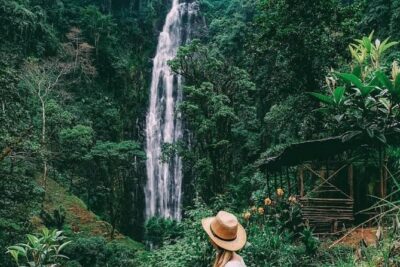
Materuni Waterfalls, coffee tour & Kikuletwa Hot Springs
Read our review →
Materuni waterfalls coffee tour & Chemka hot springs Day trip
Read our review →
Maasai village visit, Materuni waterfalls & coffee experience
Read our review →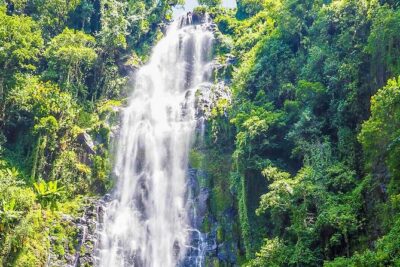
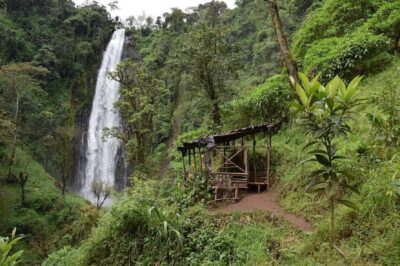
Arusha: Materuni Waterfalls, Coffee, and Hotsprings Tour
Read our review →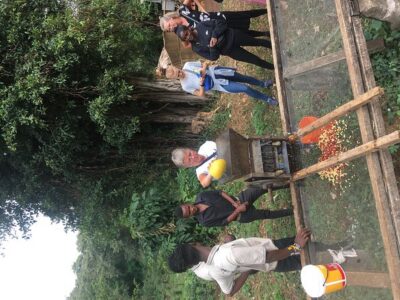
Coffee tour and Buffet Lunch with Kingstone Asilia (Arusha)
Read our review →
Materuni Waterfalls, Visiting Chagga Village, CoffeeTour Kikuletwa Hotsprings
Read our review →
From Arusha: Coffee Farm and Mangalia Waterfalls Tour
Read our review →Browse the lists this tour appears in