Review · ARUSHA
6 Days Serengeti Safari(hiking waterfalls &coffee tour)
The best part of this six-day Tanzania trip is the range. You get two substantial Serengeti days, a crater-floor safari in Ngorongoro, elephant country in Tarangire, and a final day of walking, swimming, and coffee near Kilimanjaro. It is a lot of Tanzania for $1,250 per person.
I like the small-group setup, with a custom safari jeep, pop-up roof, driver-guide, and chef. I also like the final Materuni day, which gives the trip a human and active finish instead of ending with one more long game drive. The main caution is the pace: several days involve roughly six hours of driving, and camping means simple conditions rather than lodge comfort.
Key points to know before booking
- Two days in the Serengeti: You have enough time for early and afternoon game drives rather than only crossing the park.
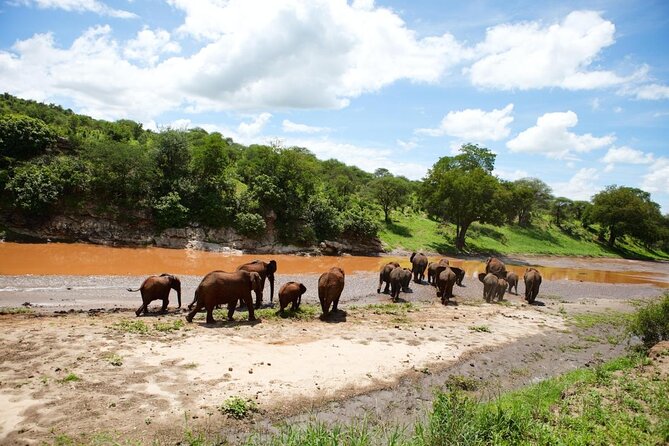
- Tarangire is elephant country: Herds can be very large, with baobabs, seasonal swamps, giraffes, buffaloes, and many bird species.
- Ngorongoro Crater is the wildlife centerpiece: The enclosed crater floor makes animal viewing easier, though the early descent and long drive require energy.
- A real working safari camp: Tents, sleeping bags, mattresses, and meals prepared by a safari chef are included.
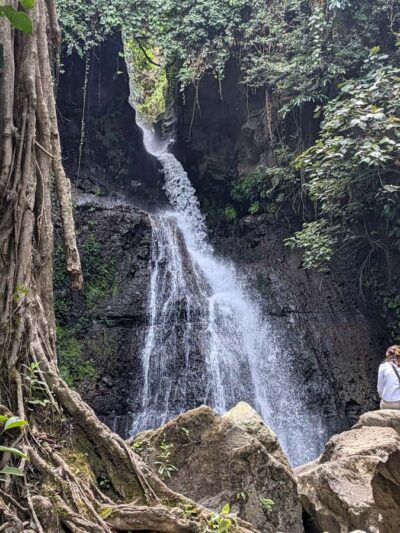
- Materuni adds culture and exercise: The final day includes a 40-minute walk to an 80-meter waterfall, a possible swim, and a Chagga coffee experience.
- The price covers the costly basics: Park fees, safari transport, camping gear, and most meals are included, but visas, flights, and tips are extra.
What this six-day safari actually delivers
This is a northern Tanzania circuit built around four major park areas, followed by a day near Moshi. You begin in Arusha, travel through Tarangire, continue to the Serengeti, return through Ngorongoro, visit Lake Manyara, and finish at Materuni Village.
The safari is sold as a small-group trip. The main description says a maximum of six clients in a custom jeep, while the additional information allows up to seven participants. I would clarify the final group size before paying if the number of people beside you matters.
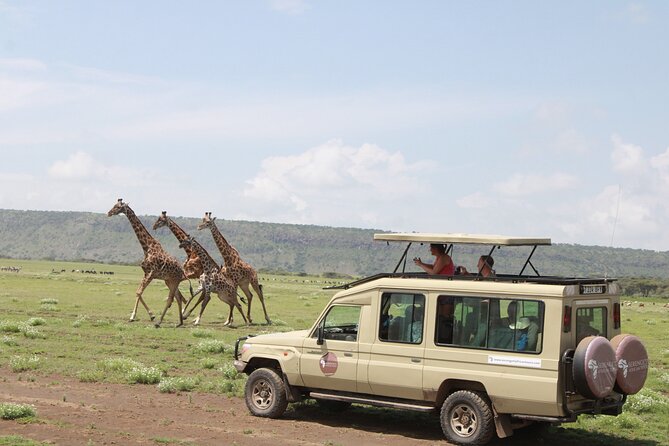
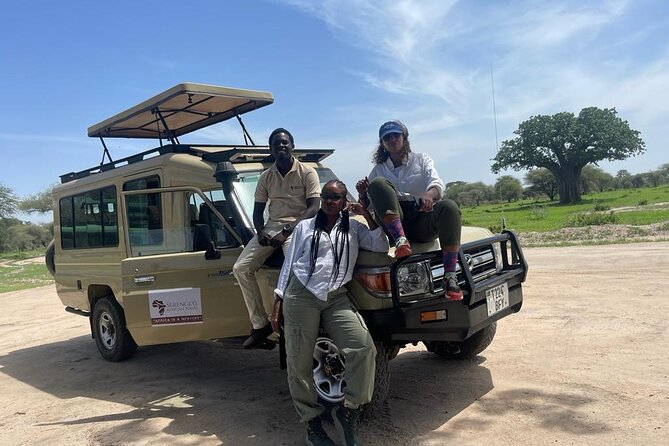
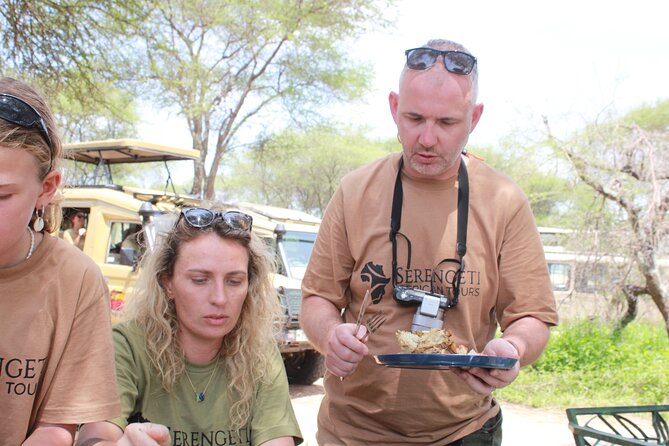
The vehicle has a pop-up roof, so you can stand or sit higher for views and photographs during game drives. A driver-guide handles the route and wildlife spotting, while the chef prepares meals at camp. Past trips have included guides named David, Godfrey, Lewis, Simon, Calvin, Malisa, Hachiem, and others, but you should treat those names as examples rather than a promise of a particular guide.
The first five days are fairly active. You will spend long stretches in the vehicle, often start early, and camp at night. Day six is shorter and more physical, with a village walk and waterfall visit. That mix works well if you want animals but do not want your entire Tanzania trip to be four-wheeled.
More Coffee and Waterfall Trips in Arusha
- Materuni Waterfalls, coffee tour & Kikuletwa Hot Springs
★ 5.0 · 643 reviews - Materuni waterfalls coffee tour & Chemka hot springs Day trip
★ 5.0 · 131 reviews - Maasai village visit, Materuni waterfalls & coffee experience
★ 4.5 · 95 reviews
Day 1: Tarangire and its great elephant herds
Your safari begins with a morning drive from Arusha toward Tarangire National Park. The park covers about 2,600 square kilometers, with open savannah, seasonal wetlands, and giant baobab trees.
Tarangire is famous for elephants, and this is the day when you have the best chance to see large herds. The park can hold groups of up to 300 elephants, so the first game drive may bring close views of adults, young animals, and the slow, deliberate movement of a herd across the plain.
You may also see giraffes, buffaloes, hartebeest, eland, fringe-eared oryx, gerenuk, and many kinds of birds. The gerenuk is especially unusual. Its long neck and habit of standing upright to feed make it one of the more distinctive antelopes in East Africa.
The park is roughly the size of Luxembourg, but the useful point for you is not its size. It is the change in scenery. Baobabs give the park a character different from the open grasslands of the Serengeti, and seasonal swamps can draw animals together.
After the game drive, you spend the night in a tent at a Tarangire campsite. Camping equipment is supplied, including a tent, sleeping bag, and mattress. Lunch and dinner are included. Expect a practical camp setup, not a private room with hotel services.
Day 2: Crossing Ngorongoro on the way to the Serengeti
After breakfast, you drive from the Mto wa Mbu area toward the Serengeti. The transfer takes about six hours, including stops, and passes through the Ngorongoro Conservation Area.
The route includes a brief stop at the Ngorongoro gate and viewpoint. This is your first broad look into the crater, and it gives you a useful preview before the full crater safari later in the trip.
A Maasai village visit may also be offered. It lasts about 20 to 45 minutes and costs extra because it is not included in the tour price. You can use the stop to learn about Maasai life and traditions, including older practices connected with warrior status and lion hunting. The visit is optional, and you can decline it if you prefer to spend your limited time reaching the Serengeti.
The drive is the tradeoff for seeing several major parks in one trip. You lose much of the day to the road, but the route links the crater and Serengeti without requiring a separate transfer. Bring water, sun protection, and something to occupy you during the longer stretches.
You arrive in the Serengeti later in the day. Depending on timing, the first wildlife viewing can begin before reaching camp. The park is enormous, so even the road to your campsite may bring sightings.
Days 2 and 3: Giving the Serengeti enough time
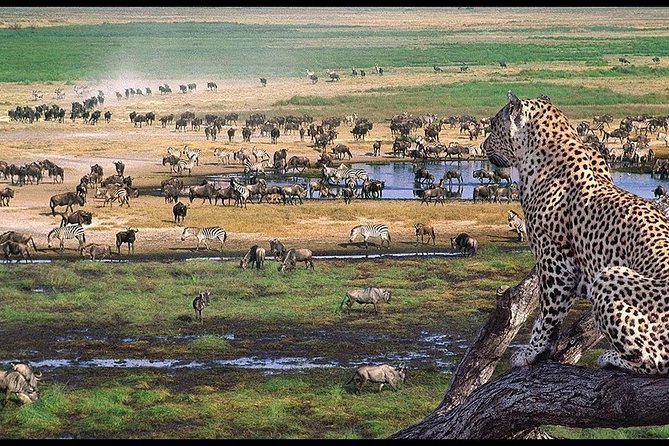
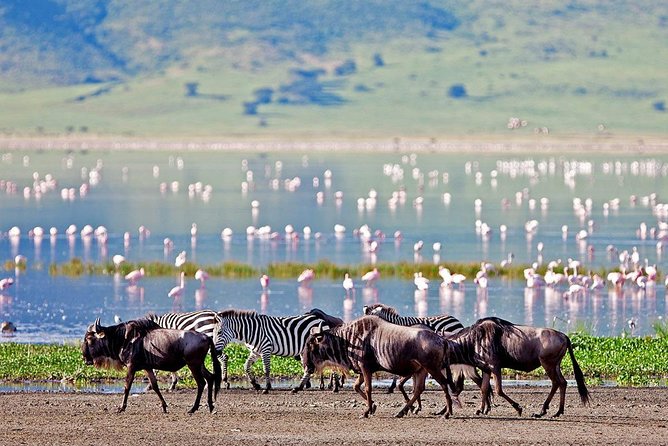
The Serengeti is the main reason many people choose this route. It is associated with more than one million wildebeest and roughly 250,000 zebras moving through the wider ecosystem, though the exact location of the migration changes during the year.
The useful feature here is the amount of time allocated to the park. Many shorter circuits cross the Serengeti quickly. This plan gives you an afternoon or arrival game drive, then an early drive the next morning, followed by another game drive while leaving the park. That creates more chances to see different animals and changing light.
On day three, you leave camp after an early breakfast for a morning game drive around Seronera. You return for lunch and pack, then continue game viewing as you exit toward Simba campsite near the Ngorongoro Crater. The drive from the Serengeti area to Simba takes about two hours.
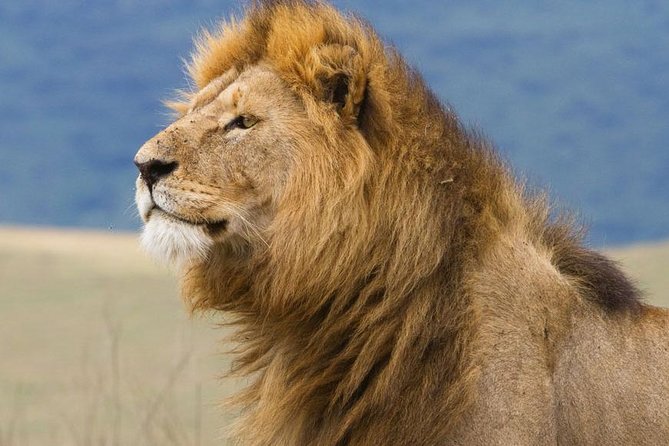
Seronera is a useful base because it is central to the Serengeti and known for regular wildlife viewing. You may see lions, wildebeest, zebras, elephants, giraffes, buffaloes, and many smaller animals. The exact sightings cannot be guaranteed. Even the most experienced guide cannot place a cheetah or leopard on command.
The camping location matters here. You are not simply driving into the Serengeti for a few hours and leaving. You sleep near the park, which gives you more time inside the area and less of a rushed in-and-out feeling.
The program includes breakfast, lunch, and dinner on day three. Campsites can also bring unexpected animal sightings, so follow your guide’s instructions and do not wander away from the camp area alone.
More Coffee and Waterfall Trips in Tanzania
- Materuni Waterfalls & Coffee Tour from Moshi
★ 5.0 · 92 reviews - Arusha: Materuni Waterfalls, Coffee, and Hotsprings Tour
★ 4.8 · 78 reviews - Materuni Waterfalls, Visiting Chagga Village, CoffeeTour Kikuletwa Hotsprings
★ 5.0 · 63 reviews - Materuni waterfalls,coffee tour & Kikuletwa(Chemka)Hot Springs
★ 5.0 · 49 reviews
Day 4: Down into Ngorongoro Crater
The crater day starts early, with a descent at about 6:15 a.m. That early hour is worthwhile because it gives you a better chance at quiet conditions and active animals.
Ngorongoro is different from the Serengeti. Instead of searching across a huge open plain, you descend into a large enclosed crater with a broad floor. The geography concentrates wildlife, making sightings feel more accessible.
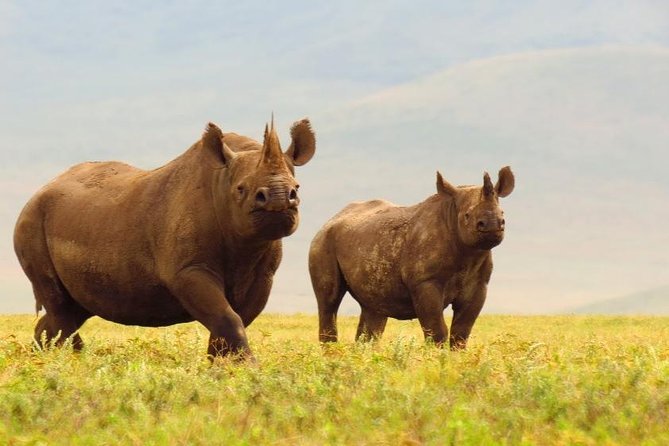
The main target is the black rhinoceros. Rhinos are among the hardest animals to spot here, so patience matters. You may see many other animals more easily, including buffaloes, wildebeest, zebras, lions, and other species supported by the crater floor.
The crater is also one of the most scenic parts of the route. From the rim, you look down over a broad green and brown basin, then watch the sides rise around you as you drive below. The viewpoint stop on day two and the full descent on day four give you two different ways to experience the area.
After lunch and more game viewing, you ascend and return to camp to pack. The next transfer takes you toward Fig Lodge and campsite near Lake Manyara National Park.
This is another long day, and the early start can be tiring after several days of camping. Still, if seeing a rhino is high on your list, this is the day to accept the lack of sleep.
Day 5: Lake Manyara’s birds, monkeys, and hot springs
Lake Manyara is smaller in feel than the Serengeti and Ngorongoro, but it adds variety. The park is known for large numbers of flamingoes, although their presence and visibility can change with water conditions.
You spend the day on a game drive, looking for buffaloes, wildebeest, warthogs, monkeys, birds of prey, and other wildlife. The hippo pool provides a close look at hippos from a designated viewing area, and the hot spring adds another stop to the route.
Lake Manyara is also associated with tree-climbing lions. Seeing one is possible, but rare, so do not book this day assuming the lions will be in the branches. The park is valuable even without that sighting because it offers a different mix of woodland, lake-edge scenery, birds, and primates.
Breakfast and lunch are included. The stated program does not list dinner for this day, so confirm where the day ends and what evening arrangements apply when you book.
Day 6: Materuni Waterfalls and a Chagga coffee day
The final day shifts from wildlife to village life and walking. Materuni is a Chagga village about 15 kilometers from Moshi and the last village before Kilimanjaro National Park.
You are picked up in the morning and driven to the village. From there, the walk to Materuni Waterfalls takes about 40 minutes. Along the way, your guide explains Chagga culture, village life, plants, and local wildlife.
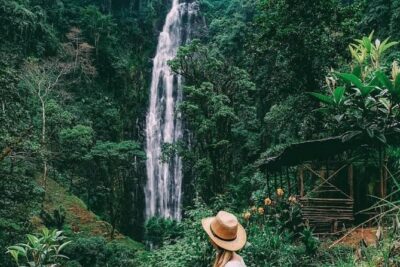
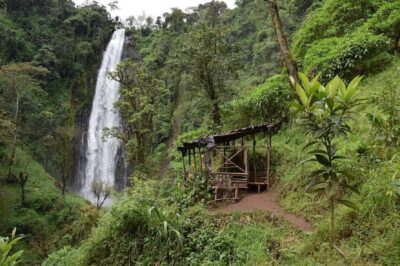
The waterfall is more than 80 meters high. You can expect a scenic stop and a refreshing swim, so pack a swimsuit, towel, and shoes that can handle a damp path. On a clear day, you might also see the summit of Kilimanjaro.
The coffee portion gives the day its local character. Rather than only viewing a major park from a vehicle, you learn about a crop and community connected to the slopes of the mountain. It is a good counterpoint to the safari camps and long drives.
This day lasts about four hours, making it less demanding than the park days. It is especially useful if you have an evening departure or want a final active outing near Moshi. Confirm the exact return timing if you have a flight, since the supplied schedule does not state a precise end time.
Camping, food, and the role of the safari team
Camping is central to the price. The package includes tents, sleeping bags, mattresses, park fees, the safari jeep, and meals listed as five breakfasts, six lunches, and four dinners. The day-by-day schedule lists dinner on the first four nights, while lunch is listed on day five and day six is described separately.
A safari chef travels with the group. Meals are prepared at camp, and past trips have specifically praised cooks such as Matthew and Mattieu for making varied food. Expectations should stay sensible: this is camp cooking, not a restaurant menu, but a capable chef can make a major difference after a dusty day in the vehicle.
Bottled water has also been provided on past trips, but I would confirm the current water arrangement. Pack personal snacks if you have dietary needs, since the supplied information does not explain special-diet options.
The driver-guide is the other major part of the experience. Names connected with past departures include David, Godfrey, Lewis, Malisa, Calvin, Simon, Abu, and Hachiem. David has been singled out for his animal knowledge and cheerful manner, while guides such as Godfrey, Lewis, and Malisa have been praised for route decisions and wildlife spotting. You cannot choose a particular guide from the information supplied, but you can ask who is assigned before departure.
Is $1,250 a good value?
At $1,250 per person, this is a strong package if you want a full northern-circuit safari without paying lodge prices. Park fees alone can be a significant part of a Tanzania trip, and this cost also covers the jeep, guide-driver, chef, camping equipment, and most meals.
You receive five park-focused days plus Materuni. The itinerary includes Tarangire, two Serengeti days, Ngorongoro, and Lake Manyara, which is a lot of ground for the price.
The value depends on your comfort level. You are paying less partly because you camp and share the vehicle. You should not expect the privacy, quiet, or polished service of a luxury lodge circuit.
Visas, flights, and tips are not included. Group discounts may be available, so ask about them if you are booking with friends or family. Free cancellation is available when you cancel at least 24 hours before the local start time. Within 24 hours, the amount paid is not refunded.
Who should book this safari?
I would choose this trip if you want a broad first look at northern Tanzania, care more about time in the parks than private rooms, and enjoy being outside for long hours.
It suits couples, solo participants comfortable joining a group, families with older children, and friends who want to share costs. The small vehicle limit is helpful for viewing, and the group format can make the long drives more social.
I would think twice if you dislike early mornings, rougher camp conditions, or six-hour transfers. The schedule is full, and there is not much spare time for changing plans.
Should you book the six-day Serengeti and Materuni tour?
Book it if your priority is maximum variety for the money. You get elephants in Tarangire, broad Serengeti game drives, a strong chance of seeing many large animals in Ngorongoro, birdlife and hippos at Manyara, then a waterfall walk and coffee visit with the Chagga community.
Before booking, confirm three practical points: the final group size, the guide assigned to your departure, and the meal and end-time details for days five and six. If you accept camping and long drives, this is a well-packed introduction to Tanzania. If you want more rest or lodge comfort, choose a slower and more private safari instead.
FAQ
How long is the tour?
The experience lasts approximately six days. The first five days focus on safari parks, and the sixth day visits Materuni Waterfalls and includes a coffee tour.
What parks are included?
The route includes Tarangire National Park, Serengeti National Park, the Ngorongoro Conservation Area and Crater, and Lake Manyara National Park.
How many people can join the safari?
The tour is described as a small group with a maximum of six clients in the safari jeep. The additional information allows a maximum of seven total participants, so confirm the final group size before booking.
Is camping equipment provided?
Yes. Sleeping bags, sleeping mattresses, and tents are included.
Are meals included?
Yes. The package includes meals during the safari, with five breakfasts, six lunches, and four dinners listed. Confirm the exact evening meal arrangements for the final days.
Is the Maasai village visit included?
No. The Maasai village visit is optional and is not included in the tour price. It lasts about 20 to 45 minutes.
What is the cancellation policy?
You can receive a full refund by canceling at least 24 hours before the experience start time. Cancellations or changes made within 24 hours are not accepted for a refund.
More Safari Days in Arusha
- 7 Days Tanzania Luxury Safari Experience & Coffee Walking Tour
★ 5.0 · 6 reviews - Sloths in the Rain Forest and Safari by the River
★ 5.0 · 51 reviews - Cappadocia Off-Road Jeep Safari Experience with Free Coffee
★ 4.9 · 19 reviews
More hikes through coffee country in Arusha
- Materuni Waterfall Hike & Coffee Tour
★ 5.0 · 4 reviews - Private Canoeing, Cycling, Coffee and Hiking Tour in lake Duluti.
★ 5.0 · 2 reviews - Off the Map Chiang Mai Jungle Coffee Trek Roast and Brew
★ 5.0 · 107 reviews - Trekking History and Indigenous Heritage in Minca + Cacao & Coffee + Waterfall
★ 4.9 · 63 reviews
Freshly brewed listings in Arusha
- Waterfall & Coffee Walking Tour★ 5.0 · 6 reviews
- Private Tour to Marangu Waterfalls, Chagga Caves, Coffee tour & Hot Springs★ 5.0 · 7 reviews
- Private Materuni Waterfalls, Coffee Tour and Kikuletwa Hot Spring★ 5.0 · 4 reviews
- Waterfalls, Coffee, Hotsprings, Food Cuisine, & Serval Wildlife★ 5.0 · 6 reviews
- Materuni (Coffee Tour) and Chemka (Kikuletwa Tour)★ 5.0 · 8 reviews
- Materuni Waterfall Hike & Coffee Tour★ 5.0 · 4 reviews
- Private Full-Day Materuni Waterfall, Coffee and Hot-spring Tour in Moshi★ 5.0 · 5 reviews
- Coffee walk with stay in the village★ 5.0 · 5 reviews
Arusha Coffee Tours, compared.
Materuni Waterfalls, coffee tour & Kikuletwa Hot Springs
Read our review →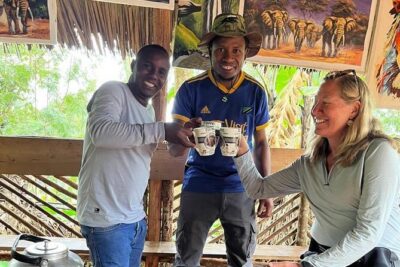
Materuni waterfalls coffee tour & Chemka hot springs Day trip
Read our review →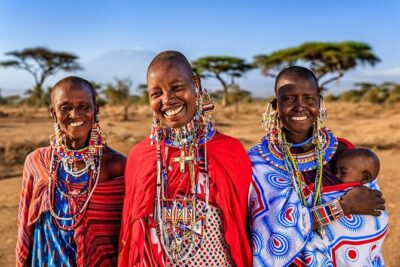
Maasai village visit, Materuni waterfalls & coffee experience
Read our review →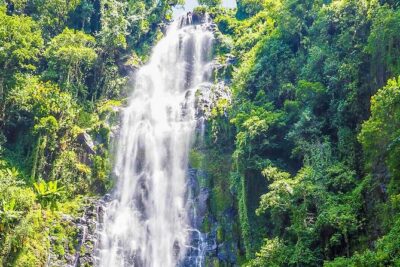
Arusha: Materuni Waterfalls, Coffee, and Hotsprings Tour
Read our review →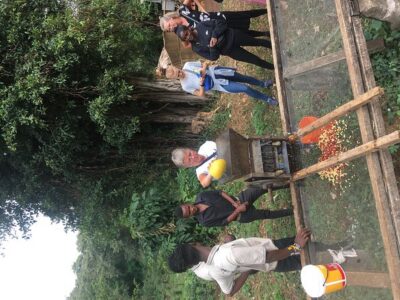
Coffee tour and Buffet Lunch with Kingstone Asilia (Arusha)
Read our review →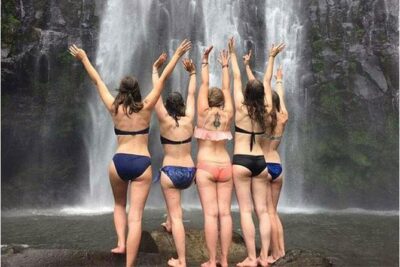
Materuni Waterfalls, Visiting Chagga Village, CoffeeTour Kikuletwa Hotsprings
Read our review →