
Review · ISTANBUL
Istanbul: Guided Shopping Trip with Turkish Coffee Tasting
Istanbul’s best shopping is not limited to one bazaar. This private outing links the Grand Bazaar and Spice Bazaar with ceramic, jewelry, carpet, and local food stops, giving you help with both the shopping and the customs behind it. Guides such as Eylem, Ayhan, Taha, Perihan, and Billura have shaped the route around personal interests, from lamps and handbags to Turkish delights.
I like the one-to-one attention and the built-in tasting stops. You can ask questions, slow down, or change the focus without waiting for a large group. I also like the cultural side: coffee preparation, carpet making, pottery, and Turkish shopping habits all become part of the afternoon. The main drawback is that carpet and ceramic showrooms may use a firm sales approach, so you should enjoy the demonstrations without feeling obliged to buy.
Key points at a glance
- Private shopping with a flexible route: The price covers a group of up to 14, but the experience can feel especially personal for couples, families, and solo visitors.
- Two famous bazaars: Walk through the Grand Bazaar and Spice Bazaar, with guidance on products and places to bargain.
- Hands-on craft stops: See carpets and ceramics, and you might get a chance to try a pottery wheel.
- Food and drink built in: Turkish coffee, tea, and Turkish delight are included, with coffee sometimes changed to tea and cake when needed.
- Useful local help: Guides have assisted with postcard mailing, restaurant directions, food suggestions, and taking photos for solo visitors.
- Know the shopping format: Showrooms may offer tea and demonstrations, but the sales pitch can be direct.
Why a shopping guide helps in Sultanahmet
Sultanahmet is easy to reach, but its shopping streets can be confusing. The same item may appear in several shops at very different prices, and it is not always clear what is locally made, what is mass-produced, and what is simply marketed as Turkish.
A private guide gives you a second set of eyes. Guides have pointed out more authentic Turkish products, taken visitors to shops they trust, and helped with bargaining. Taha, for example, is praised for steering shoppers toward honest sellers without the usual pressure. Seyma helped a solo visitor find authentic shops and significant discounts. That kind of help can be worth more than a minor price reduction because it saves time and removes guesswork.
The tour is not just a buying mission. Your guide explains Turkish customs and the story behind the goods. You may learn why coffee is served in small cups, how carpets are presented, or how ceramic work is made. For me, that makes the shopping feel less like a series of transactions and more like a look at daily commercial life in Istanbul.
Still, keep your expectations clear. This is a shopping tour, not a museum visit with a little browsing. You can look without buying, but several stops are designed to show products that are for sale.
More Turkish Coffee Experiences in Istanbul:
- Istanbul: Turkish Coffee Making and Fortune Telling Workshop
★ 4.9 · 1,308 reviews - Istanbul: Turkish Coffee Making and Fortune Telling Workshop
★ 4.9 · 451 reviews - Turkish Coffee on Sand Workshop: Fortune Telling & Gift Set
★ 5.0 · 309 reviews
Meeting at Eresin Hotel and setting your priorities
The meeting point is in front of Eresin Hotel Sultanahmet. You should arrive ready to tell the guide what matters most to you. The route can include bags, lamps, jewelry, carpets, ceramics, Turkish sweets, or general browsing, but you will get more from the time if you name your priorities at the start.
That personal approach is one of the strongest reasons to book this experience instead of joining a standard bazaar walk. Eylem has adjusted outings for families and solo shoppers, including special stops for bags and Turkish lamps. Anna’s family visited lamps, bags, carpets, and ceramics without feeling rushed, with regular pauses for desserts. A guide can also reduce the walking pressure by changing the pace and making frequent stops.
The advertised duration is four hours, while the included guide service is described as five to six hours. That difference is worth clarifying before you go. It may reflect a flexible finish or a variation in how the activity is scheduled. Transport and lunch are not included, so plan your route to and from Sultanahmet and budget separately for a meal.
The Grand Bazaar: learning to shop without getting lost
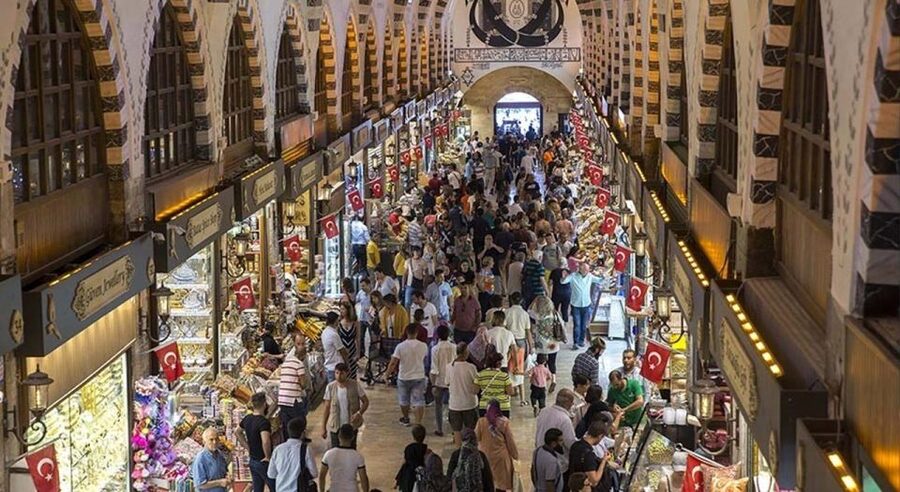
The Grand Bazaar is the main event for many people. Its covered lanes hold a huge range of goods, including lamps, leather and bags, carpets, jewelry, ceramics, textiles, and gifts. The value of having a guide here is not simply finding the entrance. It is knowing which streets and shops fit your needs.
A guide can help you compare quality and explain what you are looking at before you buy. You may be offered tea or coffee as you browse, and some shops add small snacks. That hospitality can feel generous, but it also creates a social setting in which saying no may feel harder. Enjoy the welcome, take your time, and remember that a drink does not commit you to a purchase.
Bargaining is part of the shopping culture, especially in places where prices are not fixed. Your guide can help you understand how to approach it, but you should still set your own budget before the afternoon begins. If you are shopping for a carpet, handbag, lamp, or jewelry, decide what features matter most. It is easier to compare calmly when you know your preferred size, material, color, or price range.
The bazaar can be tiring for anyone who dislikes sales attention. One visitor found the Grand Bazaar and nearby streets fascinating but did not enjoy the hard sell at the showroom stops. That is a fair warning. You can ask to spend more time browsing independently or tell your guide that you want a lighter shopping approach.
Ceramics and pottery: a useful hands-on stop
The ceramic and tile stop gives the tour a craft focus. Turkey is well known for decorative tile and pottery, and here you can see how these objects fit into the country’s broader design tradition. The point is not only to admire finished plates or tiles. A good guide explains what makes a piece appealing and helps you tell the difference between a casual souvenir and a more carefully made object.
One unusual detail from the afternoon is the chance to try a pottery wheel. You should not expect a full workshop, but even a short attempt makes the craft easier to understand. Clay looks simple until you try to keep it centered.
The showroom format can be both useful and awkward. It gives you access to products and explanations in one place, and it may be easier to compare pieces than in a crowded street shop. At the same time, the sales pitch can be direct. If you are not buying, say so plainly and enjoy the demonstration. If you are buying, ask about the item’s material, care, packing, and shipping arrangements before agreeing to a price.
More Coffee Tastings in Istanbul:
- Walking Tour from Taksim to Galata (inc. Turkish Coffee Tasting)
★ 5.0 · 10 reviews - Istanbul Turkish Coffee Cooking and Tasting with Locals at Home
★ 5.0 · 3 reviews - Hanoi Coffee Experience: 6 Brews, 9 Recipes & 3 Liquor Tastings
★ 5.0 · 2,945 reviews - Medellin: Coffee Tour with Transport, Snacks and Tastings
★ 4.7 · 1,357 reviews
Jewelry streets and personal shopping requests
Jewelry is part of the route, along with other popular shopping streets in Istanbul. This is a good section for someone who has a clear goal, such as a particular style of gold, silver, stone, or handmade piece. Your guide can help you compare shops rather than simply stopping at the first display that catches your eye.
The same applies to bags and lamps. Tiffany wanted both and had her guide take her to selected stores. Anna’s family also asked for specific shopping categories, and Eylem adjusted the outing around them. This is where a private group matters. You can spend more time on one category and less on another instead of following a fixed timetable.
I would treat any expensive purchase carefully. Compare several items, ask whether the price is fixed, and make sure you understand the material and return terms. The tour provides access and local help, but it does not turn a purchase into a guarantee of value. Your guide can point out trusted places, yet the final decision remains yours.
Turkish coffee, tea, cake, and lokum
The tasting break is a small part of the tour, but it gives the afternoon a pleasant pause. Turkish coffee is served in a small cup and is usually enjoyed slowly, alongside something sweet. Turkish delight, also called lokum, is included, and the stops may also include tea or other small foods.
Coffee is not the right drink for everyone. When one visitor’s companions were more interested in tea, Ayhan changed the plan to tea and cake. That is a useful example of the private format: the break can suit the group instead of forcing everyone into the same tasting.
You may also get help choosing sweets to take home. Billura assisted with Turkish delights that were vacuum-sealed for the journey. If you plan to carry food home, ask about packing before you buy, especially if you are purchasing soft or delicate sweets.
The tasting also helps explain why food and drink matter in Turkish shopping culture. Offering tea or coffee is part of welcoming a customer, not simply a sales trick. At the same time, it can be linked to a purchase conversation. You can appreciate both sides and still make your own choice.
The Spice Bazaar: scents, sweets, and easier browsing
The Spice Bazaar offers a different mood from the Grand Bazaar. Instead of focusing mainly on carpets, jewelry, lamps, or leather, you will find spices, sweets, dried foods, and gift items. The scents make this stop especially appealing, and it is often a good place to choose edible souvenirs.
Your guide can help you identify Turkish products and suggest what is worth taking home. The experience is more useful when you ask questions. Ask about flavor, freshness, packaging, and how long an item will keep. If you prefer gifts that do not require much room in your luggage, Turkish delights and spices may be more practical than ceramics or lamps.
The Spice Bazaar is also a good place to slow down after the denser shopping in the Grand Bazaar. You can browse displays, taste selected foods, and enjoy the visual contrast. It is still a commercial area, so prices and quality vary. Compare before you commit, and do not assume that the brightest packaging signals the best product.
The carpet demonstration and the main pressure point
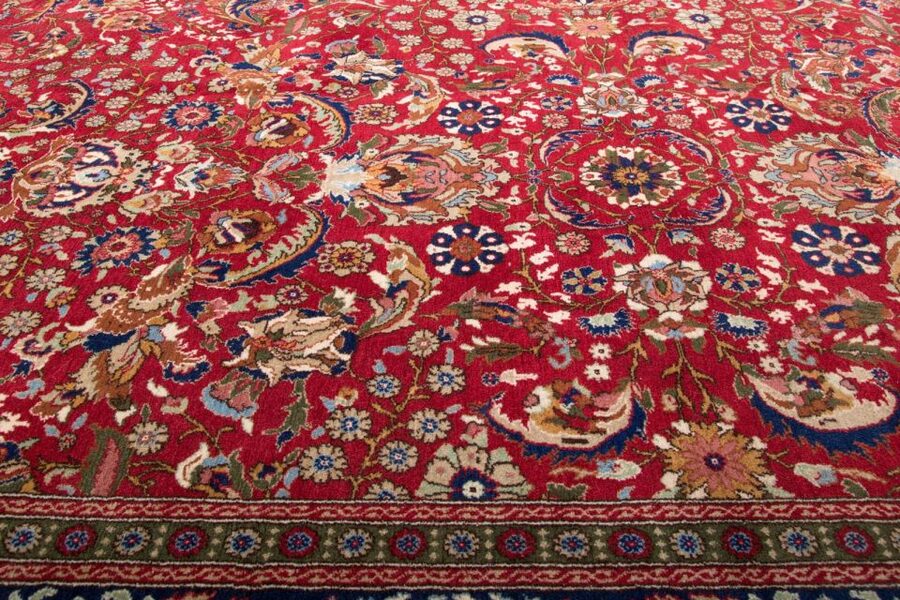
The carpet presentation usually comes near the end. It is one of the most educational parts of the outing, even if you have no intention of buying a rug. You may see how carpets are displayed and learn about Turkish weaving, patterns, materials, and quality.
For a serious carpet shopper, a guide can be very helpful. You have a chance to ask questions and see several pieces in one place. For everyone else, treat it as a cultural demonstration with a firm boundary: you are there to learn unless you decide otherwise.
The sales approach can be stronger here than in ordinary bazaar browsing. One visitor enjoyed the carpet and porcelain presentations but found the sales pressure uncomfortable. That does not make the stops worthless, but it does mean you should plan your response. Say clearly that you are only looking, and do not let a long presentation push you into a purchase.
If you are considering a carpet, ask about its size, material, origin, knotting, cleaning, packing, delivery, and final price. Do not rely on the first figure offered. A private guide may help you judge the conversation, but you should only buy if the piece and price suit you.
How much value do you get for $114?
The price is $114 per private group of up to 14 people. That is strong value for a couple or family if you want personal guidance, but the calculation changes for a solo visitor. The larger your group, the better the per-person price becomes.
You are paying for a private English-speaking guide, access to several shopping categories, Turkish tea and coffee, and Turkish delight tasting. You are not paying for transport or lunch. The guide’s help with bargaining, shop selection, local customs, photos, and practical errands can add real value, especially during a first visit.
The tour has also run longer than a strict four-hour outing in some cases, with guides helping guests reach a restaurant, hotel area, or nearby destination. Do not count on extra time, but it is worth asking about the expected finish when you meet.
Free cancellation up to 24 hours before the activity and the option to reserve without paying immediately make the booking less risky. The experience is wheelchair accessible, and it uses a separate entrance for skip-the-line access where stated. Confirm the route and timing if mobility needs are central to your plans.
Who should book this Istanbul shopping tour?
I would choose this tour if you want to buy Turkish goods but do not know where to begin. It suits first-time visitors, families, solo shoppers, and anyone who wants a local person to shape the afternoon around a specific item.
It is also a good match if you prefer conversation and cultural context to independent browsing. Guides such as Perihan have added restaurant suggestions and broader Istanbul advice, while Billura helped with photos and directions after the shopping ended. Those small acts can make a half-day feel more useful.
I would hesitate if you dislike sales presentations or want a completely independent bazaar walk. You can decline purchases, but the carpet and ceramic stops are still commercial appointments. If you are sensitive to that format, tell the guide early and ask for more street browsing and less showroom time.
Practical details before you go
The group is private, with English guiding. Names associated with the experience include Eylem, Ayhan, Taha, Perihan, Hasan, Turan, Billura, and Seyma, though your assigned guide will depend on availability.
Wear comfortable shoes. You will walk through bazaars and nearby streets, and a private guide can adjust the pace, but this is not a seated tasting activity. Keep room in your luggage if you plan to buy sweets, ceramics, lamps, textiles, or other goods.
Bring a spending limit and a short shopping list. The more specific you are, the more useful the guide can be. If you are not shopping, enjoy the cultural explanations and make that clear from the beginning.
Should you book it?
Book this experience if you want Istanbul shopping to come with context, practical help, and a flexible route. The Grand Bazaar and Spice Bazaar are far easier to enjoy when someone can explain products, point out trusted shops, and help you avoid wasting time.
Go in with realistic expectations. You may encounter direct selling at the carpet and ceramic showrooms, and lunch and transport cost extra. If you can handle that, $114 for a private group is a fair price for a half-day built around your own interests, especially when your group includes several people.
FAQ
Where does the Istanbul shopping tour meet?
The meeting point is in front of Eresin Hotel Sultanahmet in Istanbul’s old city.
How long does the activity last?
The activity is listed as four hours. The guide service is also described as five to six hours, so confirm the expected timing when booking or meeting your guide.
Is the tour private?
Yes. It is a private group experience, with a listed price of $114 for up to 14 people.
Which languages are available?
The live tour guide speaks English.
Are food and drinks included?
Yes. Turkish tea and coffee, plus Turkish delight tasting, are included. A guide may adjust the break to tea and cake when coffee is not suitable for the group.
Are transportation and lunch included?
No. Transportation and lunch are not included.
Can I cancel for a full refund?
Yes. You can cancel up to 24 hours in advance for a full refund. You can also reserve now and pay later.
More Shopping Stops in Istanbul
- Hungry in Vienna? A Food Lover’s Coffee & Market Walk
★ 4.9 · 276 reviews - Coffee Crawl & VIP Morning in Pike Place Market
★ 5.0 · 75 reviews - Coffee & Food Tastings at Pike Place Market
★ 5.0 · 67 reviews - Ethiopian Culinary Tour – Market, Food, Coffee Ceremony & more
★ 5.0 · 65 reviews
More coffee with something to eat in Istanbul
- Vienna for Food Lovers: Cafés, Markets & Austrian Cuisine
★ 5.0 · 1,063 reviews - Buggy Ride Into the jungle with cave coffee & chocolate tasting
★ 5.0 · 465 reviews - Hanoi: Vietnamese Street Food Tour with Egg Coffee
★ 4.9 · 315 reviews - Da Nang Cooking Class with Coffee Tasting and Market Visit
★ 5.0 · 310 reviews
Freshly brewed listings in Istanbul
- Turkish Coffee and Traditional Turkish Dessert Cooking★ 4.6 · 8 reviews
- Walking Tour from Taksim to Galata (inc. Turkish Coffee Tasting)★ 5.0 · 10 reviews
- Istanbul Turkish Coffee Cooking and Tasting with Locals at Home★ 5.0 · 3 reviews
- Istanbul Home Style Turkish Coffee Making and Fortune Telling★ 5.0 · 4 reviews
- Home Style Turkish Coffee Making and Fortune Telling★ 5.0 · 10 reviews
- Istanbul: Turkish Coffee Trail★ 3.6 · 16 reviews
- Afternoon Bosphorus Boat and Bus Tour with cable car from Pierre Loti Coffee★ 3.0 · 25 reviews
- Turkish Coffee Trail★ 4.5 · 38 reviews
Istanbul Coffee Tours, compared.
Istanbul: Turkish Coffee Making and Fortune Telling Workshop
Read our review →
Turkish Coffee on Sand Workshop: Fortune Telling & Gift Set
Read our review →
Istanbul Highlights: Guided Tour with Turkish Tea or Coffee
Read our review →
Istanbul: Sand Brewed Turkish Coffee Workshop in Old Town
Read our review →
Turkish Coffee on Sand and Fortune-Telling Workshop by Gentlemen
Read our review →
Istanbul: Turkish Coffee Brewing on Sand + Gift Set
Read our review →
Browse the lists this tour appears in