
Review · KIAMBU
Nairobi: Fairview Coffee Estate Tour with Pickup
Fairview Coffee Estate turns a morning cup into a hands-on lesson. You walk through Kiambu’s coffee fields, follow cherries through the wet and dry mills, then roast, grind, and bag your own beans over firewood. The roasting workshop is the tour’s best hook, because you do more than watch.
I like the chance to see specific Kenyan varieties such as SL28 and Ruiru 11, and I like the tasting session led by a certified cupping host. The main drawback is cost clarity: the advertised price is $38 per person, but the $30 entry fee is not included, so check the final total before booking. Pickup also needs care, since one delayed collection caused serious trouble for an earlier booking.
Key points at a glance
- Roast your own coffee over a traditional jiko, then grind and bag it to take home.
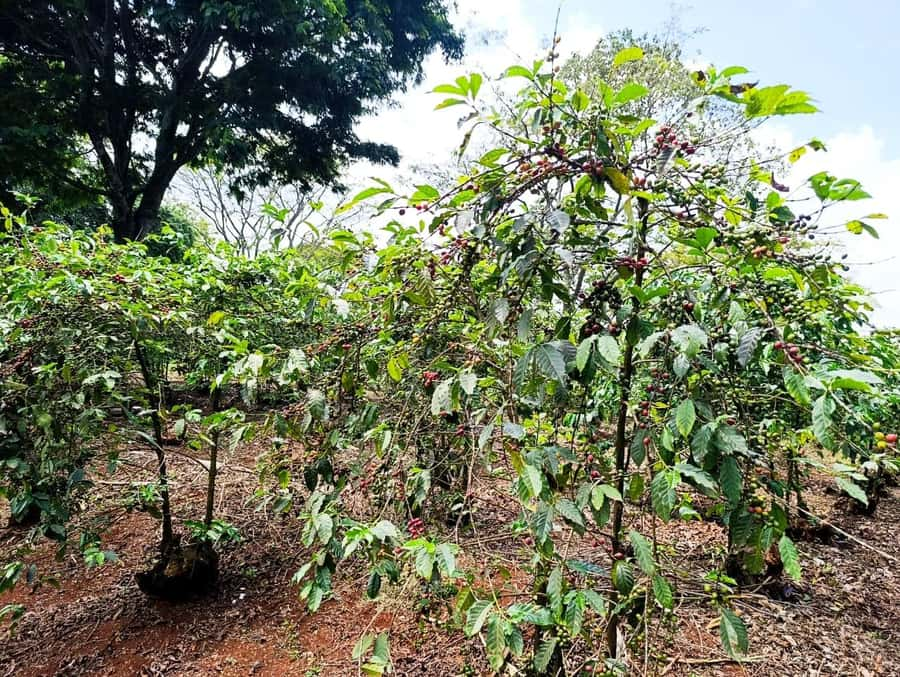
- Walk among SL28 and Ruiru 11 coffee plants with an English-speaking guide.
- Follow coffee through wet and dry mills, including pulping, fermentation, and raised-bed drying.
- Taste several roast levels with a certified cupping host and learn how to notice differences.
- Start and finish with food and drink, including coffee, local sweet bites, fruit, pastries, and juice.
- Allow for the extra $30 entry charge and confirm your pickup time carefully.
From Nairobi streets to Kiambu coffee country

The tour begins with pickup from selected parts of Nairobi: Kilimani, Kileleshwa, Parklands, Syokimau, Westlands, and Loresho. You return to one of those areas after the farm visit. This arrangement is useful if you are staying in one of the listed neighborhoods, but you should not assume that every Nairobi hotel is covered.
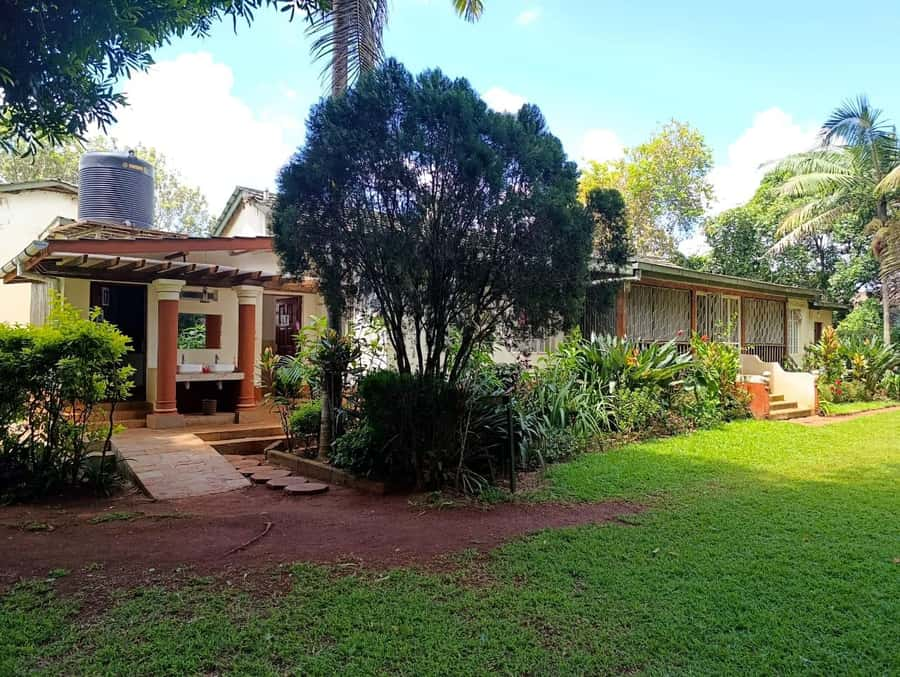
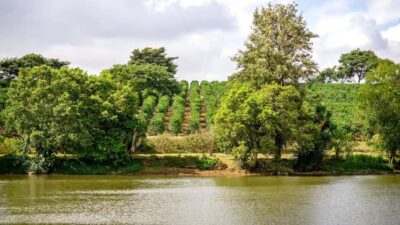
Fairview Coffee Estate is in Kiambu, in the green highlands north of Nairobi. At about 1,800 meters above sea level, the farm offers a cooler setting than the city, though the altitude still makes water and sensible pacing worthwhile. The drive gives you a change of scene, but the four-hour duration includes the estate visit rather than promising a full-day country outing.
Once you arrive, the welcome begins with a fresh cup of coffee and small local sweet bites. That first cup gives you a useful reference point before the farm walk and tasting. If you normally add milk or sugar, try a little coffee on its own first. You will have a better chance of noticing the acidity, body, and roast character discussed later.
More Coffee Farm Tours in Kenya:
- Coffee Farm Tour (Fairview)
★ 4.8 · 71 reviews - Nairobi: Coffee Factory and Farm Tour with Transfer
★ 4.5 · 60 reviews - Coffee Farm Village & Factory Half Day Tour with Pick-Up
★ 5.0 · 33 reviews
Walking through SL28 and Ruiru 11 fields
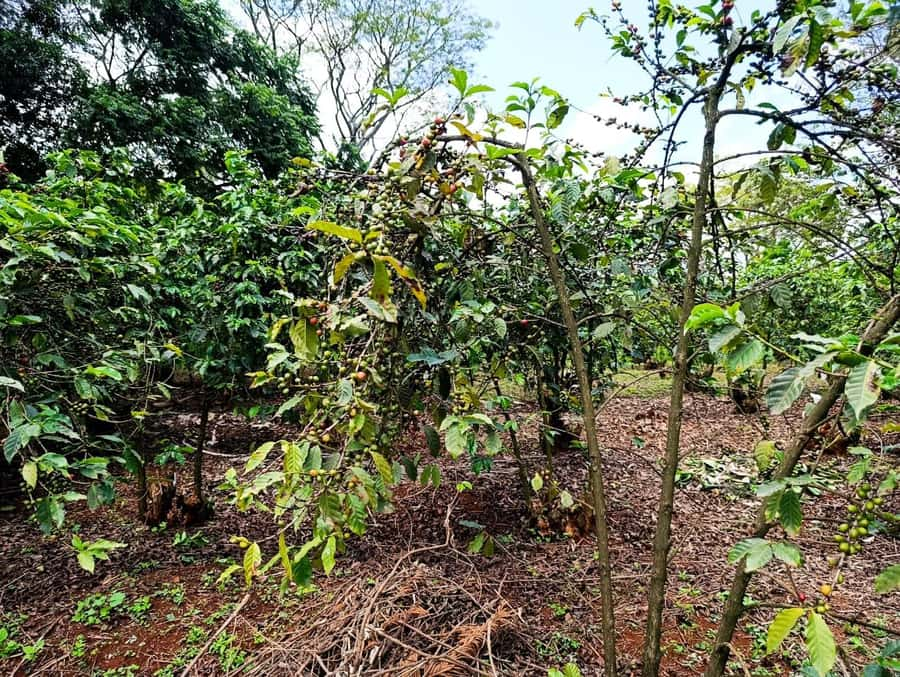
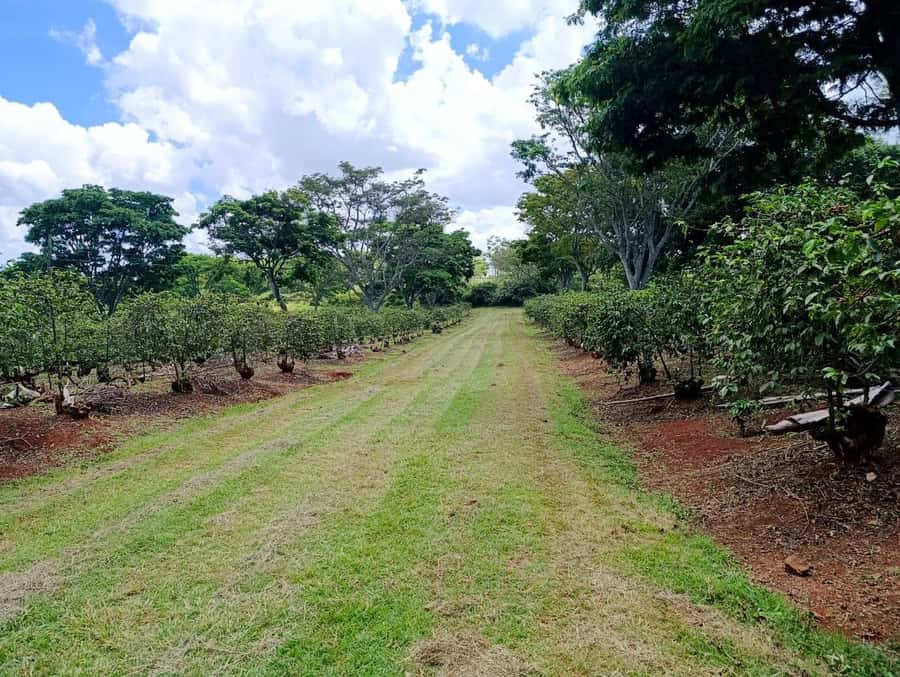
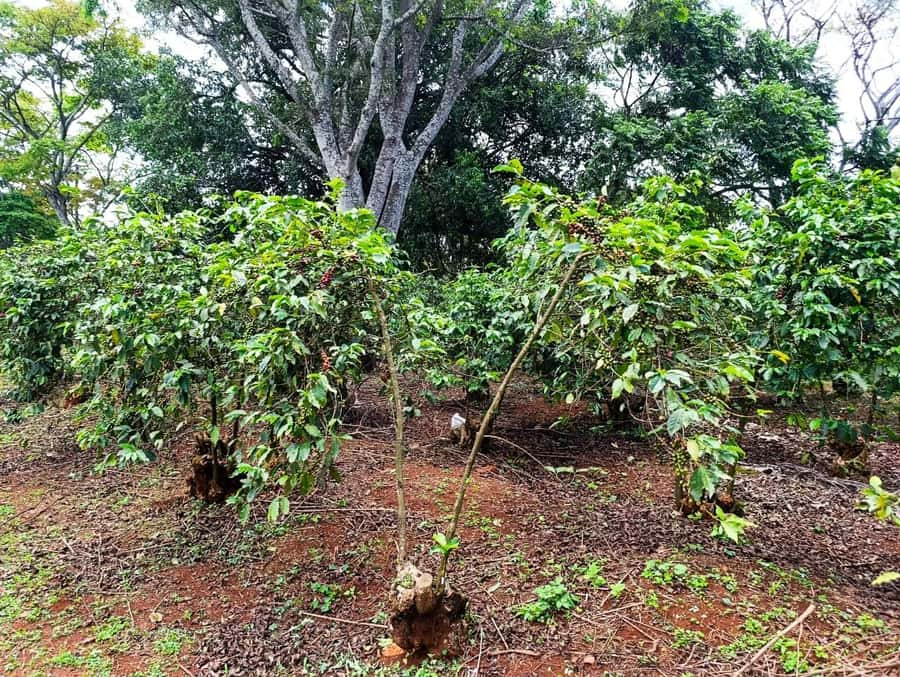
The farm walk introduces two named Kenyan varieties, SL28 and Ruiru 11. That detail matters. A basic plantation stop may show you rows of plants, but here you get a chance to connect the names on a coffee bag with living plants in the soil.
Your guide explains seedling propagation, soil care, and cherry selection. These subjects show why coffee quality begins long before roasting. The variety, the health of the plant, and the decision about which cherries to pick all affect what eventually reaches your cup.
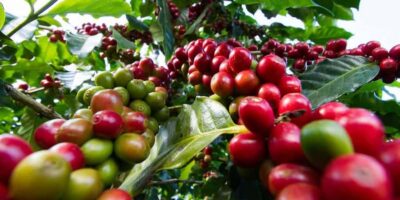
If cherries are in season, you may get a hands-on look at the picking process. The best times for this are April through June and October through December. Outside those periods, the farm walk still covers cultivation, but you should not expect ripe fruit on every branch.
Wear sturdy, comfortable shoes. The paths are described as walkable, but this is a working farm rather than a paved museum. Sunscreen and water are sensible, especially during the open-air portions. The moderate altitude is not a major obstacle for most people, but it is another reason not to rush.
Following coffee through the wet and dry mills
The factory portion explains what happens after a coffee cherry leaves the plant. At the wet mill, you see the early processing stages, including pulping and fermentation. This is where the fruit around the seed is removed and the beans begin their transformation.
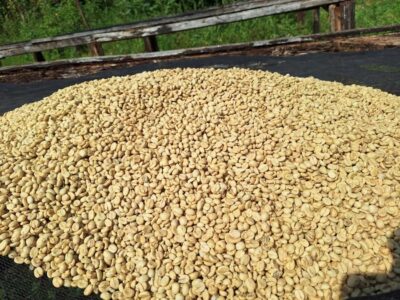
The dry mill shows the later work, including drying on raised beds. These raised beds are more than a picturesque farm feature. Drying affects the final quality, and seeing the beans spread out helps you understand why coffee production takes time and careful handling.
I like this part because it fills the gap between farm tour and coffee tasting. Without it, roasting can feel like a separate activity. Here, you can follow the bean from seedling to cherry, from cherry to processed bean, and from processed bean to cup.
The factory visit may be less exciting than the roasting hut, especially if you prefer active experiences. Still, it gives the tour its useful backbone. You learn that the flavor in Kenyan coffee is not created by a single clever roasting trick. It develops through a chain of choices made in the field and mill.
The firewood roasting workshop
The most practical part of the visit takes place in a rustic roasting hut. Under local guidance, you use a traditional jiko to roast the beans over firewood. You then grind and bag the coffee.
This is the moment when the tour changes from demonstration to participation. Roasting coffee is not simply a matter of waiting for a dark color. You pay attention to the beans as they heat, then learn how the roast changes the smell and taste. The hands-on work also gives you a small souvenir with a story behind it.
The setup is traditional rather than polished and modern. That is part of its appeal, but it also means you should expect smoke, heat, and a practical farm setting. People who want a spotless, technical coffee laboratory may find the hut basic. People who enjoy learning through touch and smell will likely prefer it.
Your guide helps with the process, so you do not need prior coffee experience. James is one guide associated with the estate experience, and the tour is conducted in English. The exact guide can vary, but the format calls for local instruction rather than a self-guided visit.
More Coffee Tours in Kenya:
- Nairobi: Guided Coffee Farm Tour with Tastings
★ 5.0 · 24 reviews - Coffee farm tour, coffee roasting and tasting experience
★ 5.0 · 20 reviews - Private Half-Day Tour in Fairview Coffee Farm from Nairobi
★ 5.0 · 13 reviews - Day Tour to Fairview Coffee Estate From Nairobi
★ 4.9 · 8 reviews
Tasting Kenyan coffee with a trained palate
After the roasting activity, you sample different roast levels with a certified cupping host. Cupping is the formal tasting method used to compare coffee. The point is not to swallow large cups of coffee. It is to smell, taste, compare, and notice how the roast changes the bean.
This session is especially useful if you buy Kenyan coffee but have never known what to look for. You can compare lighter and darker roasting styles and think about which one suits your taste. The tour promises coffee with richness of flavor, but your own preference still matters. A darker roast may taste more familiar to you, while a lighter roast can show more of the bean’s distinct character.
The guide also uses explanations, jokes, and games to keep the lesson moving. That helps prevent the technical material from becoming a lecture. You should still expect a real introduction to coffee history, cultivation, and varieties, not just a photo stop with a cup in hand.
Coffee lovers will get the most from this part, but beginners are not left out. You do not need to know tasting terms beforehand. Listen for simple contrasts such as light and heavy, sharp and smooth, or fragrant and roasty. The point is to leave with a clearer sense of what you like.
A relaxed finish with fruit and pastries
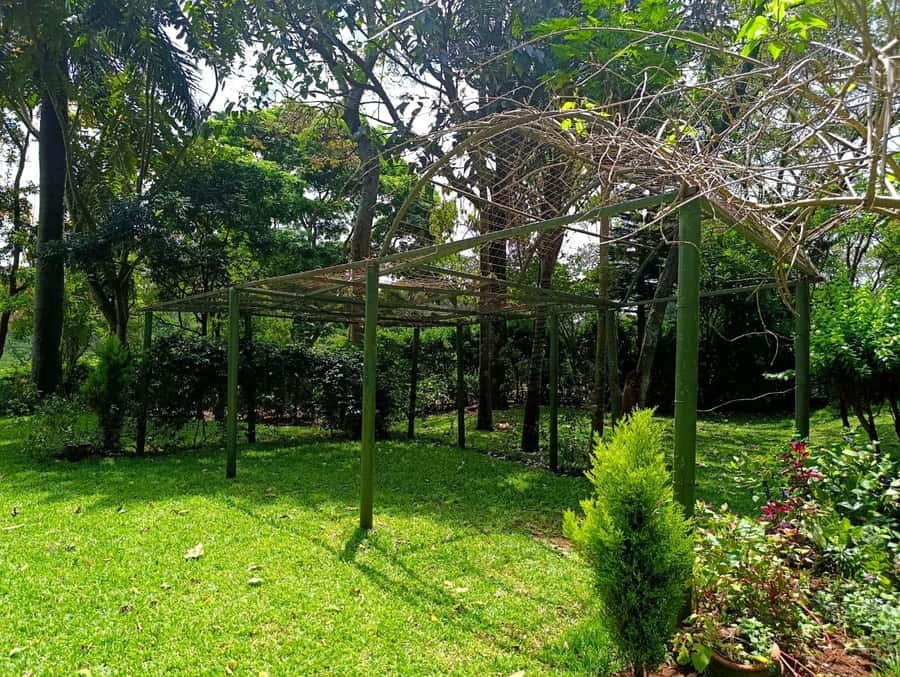
The final break takes place on a scenic terrace. The snack platter includes local fruits, pastries, and fresh juice. This gives you time to sit down after the walking and roasting, and it keeps the outing from becoming four straight hours of instruction.
The food is a refreshment rather than a full lunch. One transport problem previously left a group without a proper meal, so I would not book this tour as your only food plan for the day. Eat beforehand if you need a substantial meal, and carry water as advised.
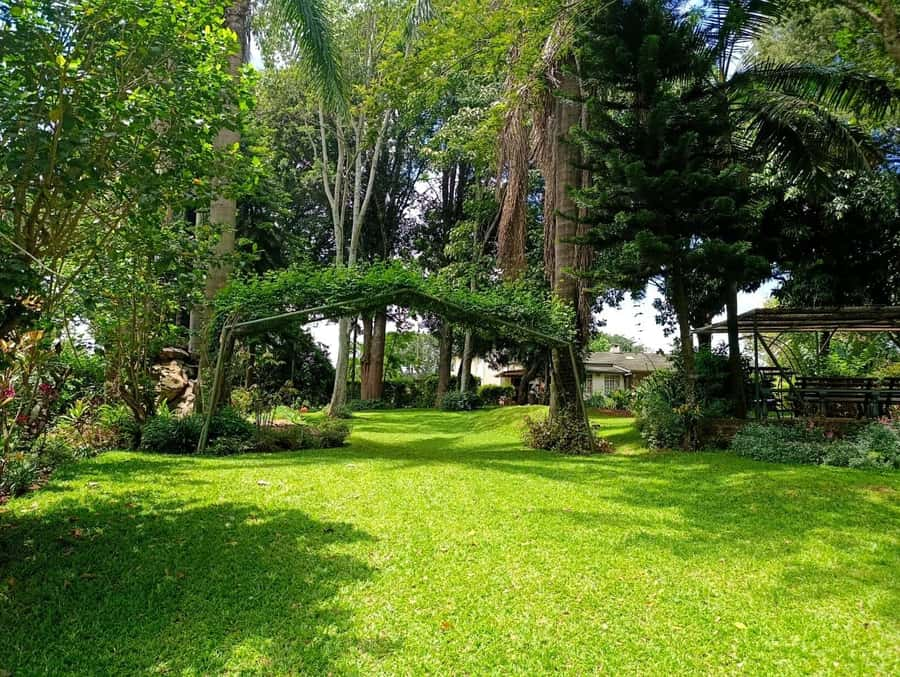
The terrace also provides a quieter end to the visit. Fairview offers a clear change from Nairobi’s noise, but it is not an isolated wilderness trip. The attraction is the farm setting, the working coffee process, and the slower pace, not a long escape into the countryside.
What the $38 price really means
The advertised price is $38 per person and includes guided farm and factory visits, the roasting workshop, coffee tasting, snacks, refreshments, and pickup and drop-off from Nairobi. On paper, that is a fair bundle for a four-hour activity with transport and several distinct parts.
The important catch is the separate $30 entry fee. Because that charge is not included, your real cost may be about $68 per person before personal purchases, unless the booking terms you receive explain the fee differently. This is a substantial difference, so confirm it before paying or arriving at the estate.
At the higher total, the tour makes the most sense for someone who values instruction and participation. You are paying for transport, a guide, access to the farm and mills, the roasting activity, and the tasting, not simply for a cup of coffee. If you only want to buy Kenyan beans, a shop visit will cost less and take less time.
The reserve-now-and-pay-later option gives you some flexibility, and cancellation is free up to 24 hours before the activity. Those terms help if your Nairobi plans are still shifting. They do not remove the need to confirm the entry fee and pickup details.
Pickup matters more than it should
Transport is included, but the pickup record means you should treat the meeting time seriously. One reported collection arrived 1 hour and 30 minutes late, causing the group to miss the planned shared visit. The alternatives were waiting three hours for another group or paying $20 more per person for a private tour.
That is not a small inconvenience. A four-hour activity has little room for a delay, and the problem can affect both cost and schedule. Confirm your pickup point, keep your phone available, and allow a margin before any important flight, dinner, or museum booking afterward.
A driver named Surfic received especially warm personal praise, but driver assignments can change. Be polite but firm about the agreed destination and any extra stops. One earlier ride included a suggested meal stop that became an unpleasant and costly experience, with the driver eating at no charge after directing the group there. I would choose my own restaurant rather than accept an unplanned food recommendation.
The transport issue does not erase the value of the farm visit, but it does make the booking details important. If you have a tight schedule, ask the operator to reconfirm the pickup before the day of the tour.
Who will enjoy Fairview most
I would choose this experience if you want to understand Kenyan coffee from plant to cup and like doing something with your hands. It suits coffee drinkers, food enthusiasts, curious families, and anyone looking for a calm half-day outside central Nairobi.
It also works well for first-time coffee tasters because the guide explains the basics and the tasting compares roast levels. You do not need specialist knowledge. The workshop gives you a physical activity, while the mill visit provides the background that makes the tasting more meaningful.
You may want a different outing if you dislike walking on farm paths, smoke from a firewood stove, or structured explanations. The tour is also not ideal if your schedule cannot absorb a late pickup or if the extra entry fee pushes the total beyond your budget.
The farm is wheelchair accessible, but the information only says that the activity is accessible, not that every path or processing area has a smooth surface. If you use a wheelchair, confirm the specific route and mill access before booking.
Practical preparation for the four-hour visit
Wear shoes with a firm sole, light clothing suitable for outdoor walking, and sunscreen. Bring water, even though refreshments are provided. The altitude is moderate, but coffee fields and open paths can feel warm in the sun.
Visit during April to June or October to December if seeing coffee cherries is important to you. Outside the harvest windows, the educational material remains worthwhile, but the hands-on cherry experience may not be available.
Pickup and drop-off are offered in Kilimani, Kileleshwa, Parklands, Syokimau, Westlands, and Loresho. Check that your accommodation fits one of those service areas. The tour is guided in English, and the planned activity lasts four hours.
Should you book this coffee estate tour?
Book it if you want more than a scenic farm walk. The bean-to-cup sequence is well chosen: cultivation, milling, roasting, grinding, and tasting. The named coffee varieties, traditional jiko, certified tasting host, and local snacks give the visit real substance.
Before booking, calculate the full price with the separate $30 entry fee. Then reconfirm your pickup time and avoid making important same-day plans too close to the return. With those points settled, Fairview offers a useful and enjoyable introduction to Kenyan coffee, especially for anyone who wants to roast a little, taste carefully, and understand where the morning cup begins.
FAQ
How long does the Fairview Coffee Estate tour last?
The activity lasts four hours, including the farm visit, mill tour, roasting workshop, tasting, refreshments, and time at the estate.
What is included in the tour price?
The package includes guided farm and factory visits, hands-on coffee roasting, cupping and tasting, a snack platter, refreshments, and pickup and drop-off from Nairobi.
Is the $30 estate entry fee included?
No. The entry fee is listed separately from the tour price and should be confirmed when you book.
Where can pickup and drop-off take place?
Pickup and drop-off are available in Kilimani, Kileleshwa, Parklands, Syokimau, Westlands, and Loresho.
What language is the tour conducted in?
The live tour guide speaks English.
Can I roast my own coffee?
Yes. You can roast beans over firewood using a traditional jiko, then grind and bag the coffee with guidance.
When is the best time to see coffee cherries?
The suggested harvest periods are April through June and October through December.
Is the farm wheelchair accessible?
The activity is listed as wheelchair accessible. Because the farm includes paths and working mill areas, confirm the details of the route with the provider before arrival.
Freshly brewed listings in Kenya
- Private Half-Day Tour in Fairview Coffee Farm from Nairobi★ 5.0 · 13 reviews
- Private Tour to Fairview Coffee Farm in Nairobi with Pickup★ 5.0 · 2 reviews
- Fairview Estate Coffee Farm Tour With Pick up★ 5.0 · 2 reviews
- Coffee Farm Tour (Fairview)★ 5.0 · 4 reviews
- Coffee Farm Half-Day Tour in Kenya★ 3.0 · 2 reviews
- Nairobi: Beads Factory Tour with Pickup & Coffee★ 5.0 · 7 reviews
- Fairview Coffee Farm Day Tour in Nairobi with Pickup★ 4.6 · 3 reviews
- FAIRVIEW COFFEE FARM DAY TOUR★ 4.0 · 5 reviews
Kiambu Coffee Tours, compared.
Browse the lists this tour appears in